Furniture Design Trends 2025: Exploring Modern Styles, Sustainability, and Innovation
Furniture design in 2025 balances aesthetic innovation with practical needs, as makers fuse organic forms, sustainable materials, and modular function to meet changing lifestyles. This article explains the defining trends shaping modern furniture, clarifies style distinctions like modern versus contemporary, and shows how sustainability and biophilic principles are changing both production and daily living. Readers will learn how to identify styles, choose pieces that suit specific rooms and needs, maintain common materials, and follow emerging Pakistani market developments that blend craftsmanship with global influences. The guide maps top trends, style-identification strategies, sustainable-material comparisons, designer influences, biophilic applications, and hands-on buying and care tips so you can make informed choices. Throughout, the emphasis is on actionable guidance—what to look for when shopping, how to care for different materials, and where global innovation meets local practice—so you leave with both context and concrete next steps.
What Are the Top Furniture Design Trends for 2025?
Top furniture design trends for 2025 center on organic shapes, natural materials, handcrafted detail, bold finishes, and comfort-driven ergonomics that adapt to hybrid living. Designers are prioritizing biomorphic modernism—curving silhouettes that mirror natural forms—while also returning to artisanal techniques and tactile surfaces. The result is furniture that performs functionally for remote work and small-space living while providing sensory warmth and sustainability credentials. Understanding these trends helps buyers choose pieces that will remain stylish and useful across evolving interiors and lifestyles. Below is a concise list of the most visible trends for quick reference and practical shopping cues.
- Biomorphic modernism: organic curves and sculptural silhouettes that prioritize ergonomics and visual softness.
- Natural materials revival: FSC-certified woods, bamboo, rattan and natural fibres used for texture and longevity.
- Handcrafted and artisanal pieces: visible joinery and maker signatures that emphasize uniqueness and repairability.
- Dark finishes and contrast lighting: moody stains and statement lighting create depth and focal points.
- Multi-functionality and modularity: space-saving systems and configurable seating for flexible living.
These trends translate into specific product types—curved lounge chairs, wooden modular shelving, woven-textile ottomans—that combine form and function. Recognizing how these trends appear in retail and craft markets makes it easier to prioritize pieces that deliver durability, style, and resale value. The next subsection breaks down which styles most clearly define 2025’s design landscape.
Which styles define 2025 furniture design trends?
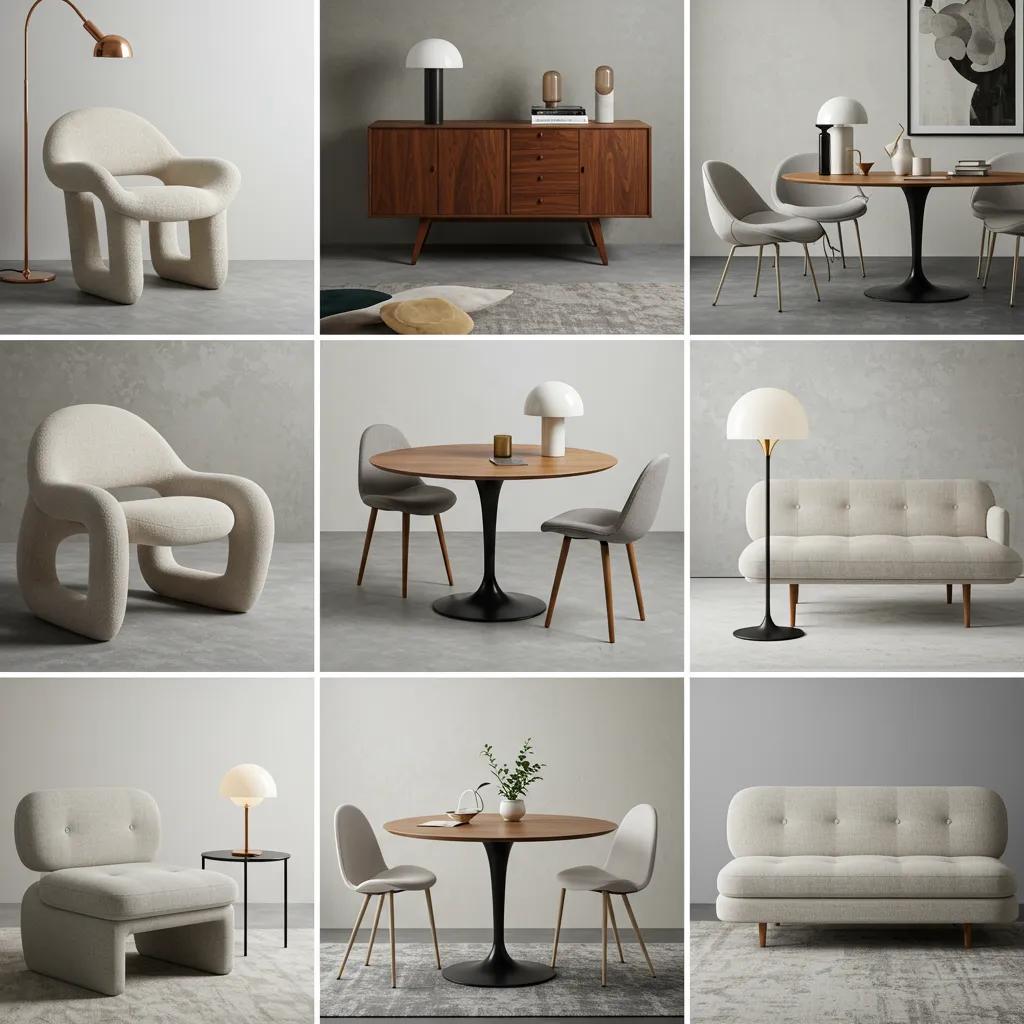
Biomorphic modernism, retro revival, minimalist and contemporary styles each surface in 2025 with identifiable visual cues and functional priorities. Biomorphic modernism emphasizes smooth, continuous curves and ergonomic shaping that echo natural forms; look for sculpted chairs and rounded tables. Retro revival draws selectively from Mid-Century Modern motifs—tapered legs and warm woods—while introducing saturated colours and tactile upholstery. Minimalist design strips elements to clean lines and purposeful materials, favoring neutral palettes and multifunctional furniture for compact living. Contemporary style acts as an umbrella, borrowing from all directions and emphasizing adaptability, so a contemporary room might include biomorphic lighting beside a minimalist sofa. These styles increasingly overlap, so identifying the dominant attributes—shape, material, scale—helps you choose pieces that integrate cohesively into your space.
Biomorphic Furniture Design: Biomimicry in Interior Design
Modern biomimetic furniture design is a process of imitating and incorporating natural forms and processes into furniture design, which will give furniture a biomorphic quality.
Advancing Agri-Biotechnological and Biomorphology Principles in Biomimetic Interior Furniture Design: A Comprehensive Visualization Analysis., 2023
How are natural materials shaping furniture trends in 2025?
Natural materials shape 2025 furniture by bringing texture, sustainability, and a sense of place into interiors, with wood, rattan, bamboo and natural fibres leading the palette. Solid or responsibly sourced hardwoods provide longevity and patina, while woven rattan and cane introduce lightness and breathability, suitable for both indoor and covered outdoor rooms. Bamboo appears as a fast-growing, renewable alternative for bent forms and laminated panels; its tensile strength enables new structural expressions. Natural textiles—jute, linen, wool blends—add tactile contrast and are often paired with recycled or upcycled fillings to lower lifecycle impact. The growing emphasis on traceability means consumers ask about sourcing and certifications, and designers answer by exposing construction and material origins as part of the piece’s narrative.
Why is handcrafted and artisanal furniture gaining popularity?
Handcrafted and artisanal furniture is rising because buyers seek authenticity, longevity, and repairable work that contrasts with mass-produced disposables. Craftsmanship signals considered joinery, unique veneers or hand-finished surfaces that age with character rather than flaking or delaminating. Artisanal pieces often use local materials and skills, which shortens supply chains and supports circular practices like repair and refurbishment. Consumers are willing to pay a premium for one-of-a-kind pieces that tell a story, and designers reciprocate by designing for disassembly and lifetime serviceability. This convergence of cultural value and practical durability makes artisan-made furniture a strategic choice for both sustainable living and personal expression.
What role do dark finishes and statement lighting play in current designs?
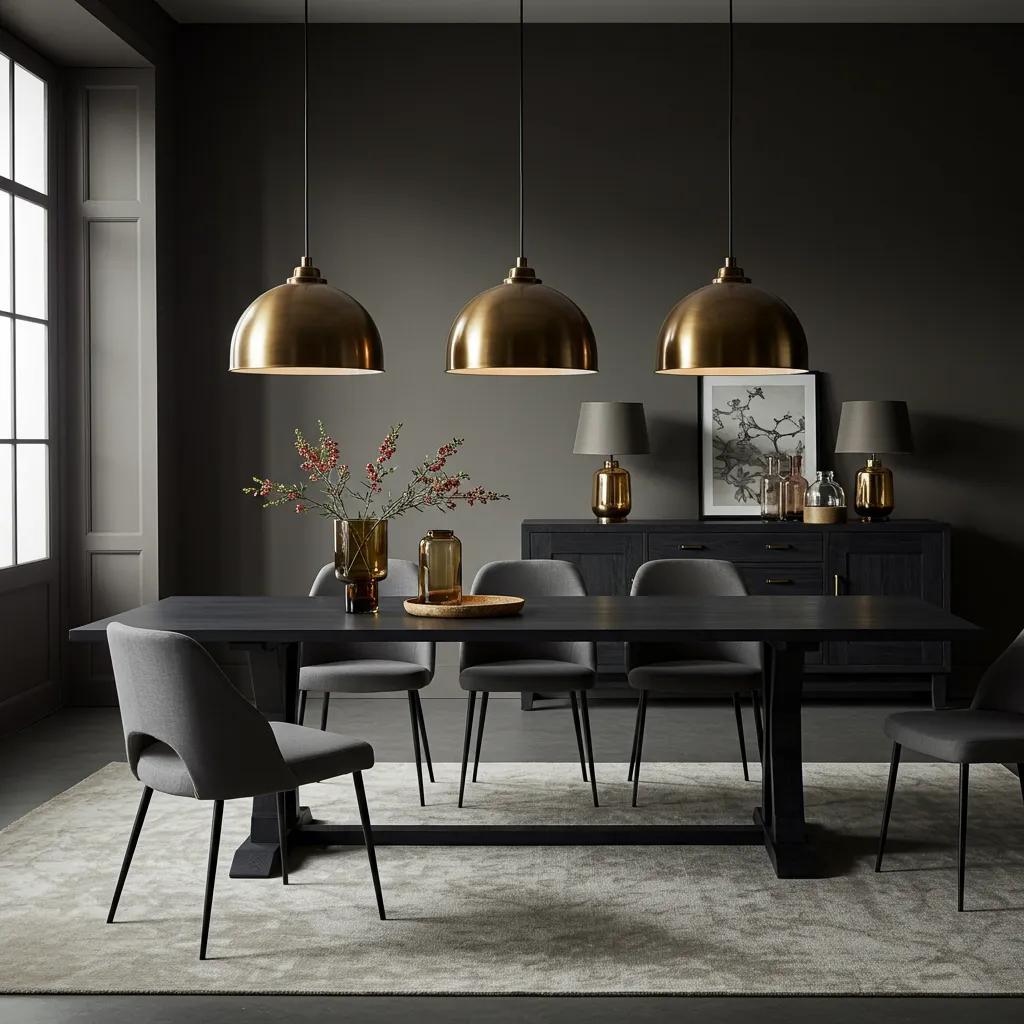
Dark finishes and statement lighting function as mood-makers and sculptural anchors in contemporary interiors, creating contrast and highlighting texture. Deep stains and matte blacks add drama while revealing grain and tactile detail, which is especially effective on curved or biomorphic forms. Statement lighting—oversized pendants, layered LEDs or sculptural task lamps—sculpts perception of space and draws focus to furniture ensembles. Pairing dark wood or painted surfaces with warm metallic hardware and carefully layered lighting prevents interiors from feeling heavy, instead producing depth and intimacy. Thoughtful contrast between finishes and light sources enables flexible ambiance for work, socializing, and quiet relaxation.
ARY News coverage has recently reported on regional exhibitions and studio showcases that highlight these trends, documenting how Pakistani designers combine dark-finish woodwork with bold lighting at local galleries. Such reporting helps connect consumers with events where they can see trend-forward pieces in person and learn about makers’ material choices. These newsroom-style dispatches keep readers informed about market shifts and exhibition highlights relevant to local design communities.
How Can You Identify and Choose Modern Furniture Styles?
Identifying and choosing modern furniture styles requires understanding defining features—proportions, materials, and construction details—and matching them to how you use each room. Modern, contemporary and minimalist styles share clean lines but differ in intent: modern references historical modernism, contemporary reflects current tastes, and minimalist focuses on reduction to essentials. Evaluating scale, leg and arm treatments, upholstery choices and surface finishes clarifies which approach a piece embodies and whether it complements your existing scheme. Practical shopping tips include assessing ergonomics, measuring intended placement, and checking construction for sustainability and repairability. The table below maps common styles to key features and typical materials to make quick comparisons when shopping.
This comparison helps shoppers distinguish look-and-feel quickly and align purchases to functional needs and aesthetic goals. The following subsections define terms and explain influences like Mid-Century Modern that remain relevant.
What defines modern, contemporary, and minimalist furniture styles?
Modern furniture describes designs rooted in early-to-mid 20th-century movements emphasizing honest materials and functional form; expect simple profiles, tapered legs, and visible craftsmanship. Contemporary furniture refers to what is current now—an evolving mix of references, materials, and technologies—so it frequently blends historic cues with modern production methods. Minimalist furniture prioritizes essential function, open space, and hidden storage, avoiding decorative excess and favouring neutral palettes. When choosing, consider how each style supports daily use: modern pieces often carry visual warmth for lived rooms, contemporary offers flexibility for changing tastes, and minimalist supports uncluttered, efficient living. Identifying these traits helps match pieces to lifestyle demands and spatial constraints.
How does Mid-Century Modern furniture influence today’s designs?
Mid-Century Modern continues to influence current furniture through its emphasis on ergonomic proportions, iconic silhouettes and honest material use. Hallmarks like tapered legs, organic plywood shells and integrated armrests reappear in contemporary iterations, often combined with modern upholstery or sustainable materials. Designers borrow the era’s balance of form and function to create pieces that feel timeless yet adaptable, such as a retro-profile sofa reinterpreted with durable, recycled fabrics. This hybrid approach retains the visual cues that signal comfort and heritage while updating performance and sustainability for today’s living. The influence persists because those design principles—clarity, proportion, and human scale—remain relevant across contexts.
What are the key features of Art Deco and biomorphic modernism styles?
Art Deco and biomorphic modernism offer contrasting aesthetics: Art Deco emphasizes geometry, luxurious finishes and symmetry, while biomorphic modernism focuses on organic curves, fluid lines and ergonomic form. Art Deco pieces often feature lacquer, inlay or polished metals and work well as focal points in glamorous or formal interiors. Biomorphic furniture uses sweeping silhouettes and soft edges, lending itself to relaxed, human-centered spaces that welcome tactile interaction. Choosing between them depends on desired ambiance: Art Deco elevates a room with opulence and graphic contrast, whereas biomorphic pieces prioritize comfort, flow and close connection to natural shapes. Both remain influential in 2025, used selectively for dramatic interplay.
How to match furniture styles with interior design themes?
Matching furniture styles with interior themes requires attention to scale, colour harmony and material consistency to create cohesion. Start by defining a dominant style for the room—pick one anchor piece that sets tone, then layer complementary items that share scale or material cues. Use color to unify disparate pieces: a repeated accent hue or finish can connect modern, retro and contemporary elements. Consider proportion rules: pair large-scale sofas with lower-profile side chairs, and maintain circulation space to keep small rooms from feeling cramped. A short checklist helps ensure cohesion when mixing styles.
- Measure the room before shopping to maintain proper scale.
- Choose one dominant style and two supporting motifs for variety.
- Keep materials consistent (e.g., wood tone or metal finish) across focal pieces.
Following these steps reduces visual friction and ensures each piece contributes to a coherent whole.
What Is Sustainable Furniture and How Is It Impacting Design?
Sustainable furniture focuses on reducing environmental impact across material sourcing, production, and end-of-life handling by prioritizing renewable resources, recyclable components and repairable construction. Designers implement circular-economy principles—design for disassembly, durable joinery, and reusable materials—to lengthen product lifecycles and reduce waste. This shift changes aesthetics and manufacturing choices: visible construction becomes a mark of repairability, reclaimed surfaces gain value, and brand transparency replaces opaque supply chains. Sustainability influences consumer expectations and market practices, encouraging local production, traceable certifications, and innovation in recycled materials. The table below compares common eco-friendly materials and their trade-offs to help buyers evaluate options.
This comparison clarifies choices: select FSC wood for longevity and traceability, bamboo for rapid-regrowth options, and upcycled textiles to lower textile waste. The next subsections examine materials, circular economy impacts, and local Pakistani practices in more detail.
Rethinking Furniture Trends: Sustainability, Emotional Durability, and Cultural Heritage
The design industry, in its pursuit of novelty and profit, often sidelines longevity, cultural heritage, and ecological responsibility—a tension epitomized by the furniture sector’s reliance on disposable, trend-driven products. This thesis interrogates these systemic shortcomings through the lens of furniture design, where the rise of “fast furniture” mirrors a broader crisis: industries prioritizing mass production over meaningful innovation, convenience over craftsmanship, and extraction over equity. By centering India’s ancestral practices of upcycling and heirloom preservation, the work challenges the linear “take-make-waste” model dominating modern design, proposing instead a modular, adaptive bed system that embodies circularity and emotional durability.
Do we need ‘NEW’?: Rethinking Trends Through Emotional Connections, Sustainable Design, and Cultural Heritage, 2025
Which eco-friendly materials are used in sustainable furniture?
Eco-friendly materials commonly used include FSC-certified woods, bamboo, recycled plastics and upcycled textiles; each offers distinct sustainability credentials and practical implications. FSC certification verifies responsible forest management and chain-of-custody tracking, making certified hardwoods a durable choice for long-term pieces. Bamboo grows quickly and can substitute for timber in laminated applications, though processing methods affect its environmental footprint. Recycled plastics divert waste streams into durable components for outdoor furniture or composite panels, while upcycled textiles reuse remnants for unique upholstery. Sourcing locally reduces transport emissions and supports circular supply chains, so consumers should ask about provenance and repairability when selecting materials.
How does circular economy influence furniture design and production?
Circular-economy principles influence furniture design by prioritizing repairability, modularity and materials that can be reclaimed or recycled at end-of-life. Designers are specifying reversible fastenings, standardised components and disassembly paths so pieces can be refurbished or repurposed rather than discarded. Manufacturers adopting circularity may offer take-back schemes, spare-part availability, or upcycling services to extend product life. These practices reduce resource consumption, foster local repair economies, and shift value from single-use consumption toward long-term service relationships between makers and owners. Incorporating circular design also changes aesthetics—visible joinery and modular connections become part of the product story.
What sustainable furniture brands and practices are emerging in Pakistan?
Local initiatives in Pakistan increasingly aim to align craftsmanship with sustainable practices by combining traditional techniques and regional materials with design for durability and repair. Artisans and small-scale makers reuse local timber offcuts, incorporate woven natural fibres, and adapt joinery techniques that allow future repairs. Trade events and studio showcases have highlighted prototypes that pair reclaimed wood with new structural frames, signalling a market appetite for sustainable alternatives. Challenges remain—certification processes, scaled recycling infrastructure and consistent material supply—but growing consumer interest and reportage on local exhibitions are helping to spotlight workable models for sustainable production. Continued coverage by local news organizations raises awareness and encourages policy and private investment in greener supply chains.
Why is sustainability important for modern furniture consumers?
Sustainability matters because it reduces environmental impact, often improves product longevity and can deliver better long-term value through durability and repairability. Sustainable choices reduce embodied carbon in furniture, lower landfill contributions, and support local economies when producers source materials and labour regionally. For consumers, durable, repairable items retain resale value and provide consistent performance, offsetting higher upfront costs over time. Social considerations—ethical labour practices and transparent sourcing—also factor into purchasing decisions for many buyers. These combined benefits make sustainability a core criterion for modern furniture selection rather than a niche preference.
Who Are the Most Influential Furniture Designers and Brands Today?
Influential furniture designers and brands combine historical legacies with contemporary practices that shape how objects are made and used, ranging from canonical figures to modern studios advancing sustainability. Iconic designers established formal vocabularies—Charles and Ray Eames with molded plywood and ergonomic seating, Le Corbusier with functional minimalism, and Philippe Starck with playful, mass-market-oriented innovation—that continue to inform material and proportion choices. Contemporary brands interpret these influences while adding sustainability credentials and production innovations. Pakistani artisans also play an important role by adapting traditional motifs into contemporary contexts, which enriches the global design conversation. The subsections below summarize signature works, leading brands, and local artisan impacts.
What are the iconic works of Charles and Ray Eames, Le Corbusier, and Philippe Starck?
Charles and Ray Eames are renowned for molded plywood chairs and lounge systems that married industrial processes with human-centred ergonomics, creating accessible modern classics. Le Corbusier’s furniture focused on function and clarity, often using tubular steel and geometric frameworks to express utility and modern living ideals. Philippe Starck brought playful conceptual design to a mass audience with pieces that emphasize form, accessibility and sometimes unexpected materials. Each designer’s work influences contemporary makers: Eames’ sculptural ergonomics appear in modern lounge seating, Le Corbusier’s structural honesty informs minimalist frameworks, and Starck’s experimentation encourages material and manufacturing innovation. These legacies guide designers toward balanced combinations of comfort, production feasibility and aesthetic clarity.
Which contemporary brands lead modern and sustainable furniture design?
Contemporary brands that lead in modern and sustainable design typically combine transparent sourcing with design-for-disassembly and quality materials; they prioritise certifications, repair networks and recyclable components. Such brands often publish material breakdowns, offer spare parts and invest in circular take-back schemes to manage product lifecycles. For consumers, these practices translate into pieces that are easier to maintain, refurbish and resell, reducing the total environmental cost of ownership. When shopping, look for makers that emphasise traceability, durable construction and clear care instructions to ensure long-term value.
How are Pakistani furniture artisans shaping local design trends?
Pakistani artisans are shaping local trends by blending regional craft techniques—such as carved detailing, inlay, and woven seating—with contemporary forms that suit modern living. This fusion creates products that carry cultural narratives while meeting current functional demands like compact modularity and ergonomic comfort. Makers often adapt traditional joinery and finishing to allow for repair and longevity, which supports sustainable local production. As domestic and international interest in regionally-authentic design grows, Pakistani artisans gain opportunities to innovate within tradition and expand craft-based livelihoods. Local reporting and exhibitions help surface these makers to wider audiences, strengthening market connections.
Conclusion
Embracing the furniture design trends of 2025 allows you to create spaces that are not only stylish but also sustainable and functional. By understanding the interplay of organic shapes, natural materials, and artisanal craftsmanship, you can make informed choices that enhance your living environment. Explore our curated selection of modern furniture that aligns with these trends and supports your unique aesthetic. Start your journey towards a beautifully designed, sustainable home today.