Katara Cultural Village Guide: Attractions, Things to Do, Dining, and Visitor Information in Doha
Katara Cultural Village is Doha‘s purpose-built hub for arts, heritage, and public events, blending traditional Gulf design with international cultural programming. This guide delivers practical visitor information, curated attraction highlights, dining recommendations with halal-friendly notes, event coverage, and architectural context tailored for both Pakistani families and international tourists. Many visitors seek clear planning advice, family-friendly tips, and up-to-date event listings; this article promises structured guidance to help you maximize time at Katara while respecting local customs. You will find must-see landmarks, suggested itineraries, where to eat, a calendar-aware events primer, and logistics on transport and accessibility so you can plan with confidence. To support readers seeking reliable updates, this piece is produced with a journalistic mission: To provide timely and comprehensive news and current affairs coverage, keeping the audience informed and engaged with diverse content. Begin with the attractions below to orient your visit and then follow the practical planning sections to finalize timing and transport.
What Are the Must-See Attractions in Katara Cultural Village?
Katara Cultural Village hosts a compact cluster of high-value cultural sites that together represent Doha attractions and Qatari culture in miniature. Visitors can experience art galleries, a mosque of notable design, an open-air amphitheater, a purpose-built shopping promenade, a planetarium, and a family-friendly beach — each site offering distinct photographic and educational opportunities. The highlights below explain why each attraction matters and when to prioritize it during your visit. Read the short profiles to choose a route that matches your interests in architecture, family activities, or seaside leisure.
What Is Special About the Katara Mosque and Its Architecture?
The Katara Mosque stands out as an example of contemporary mosque design that references Persian and Turkish tile traditions while adapting to Qatar’s coastal setting. Its decorative tilework, domed forms, and careful
Why Visit the Katara Amphitheater and What Events Are Held There?
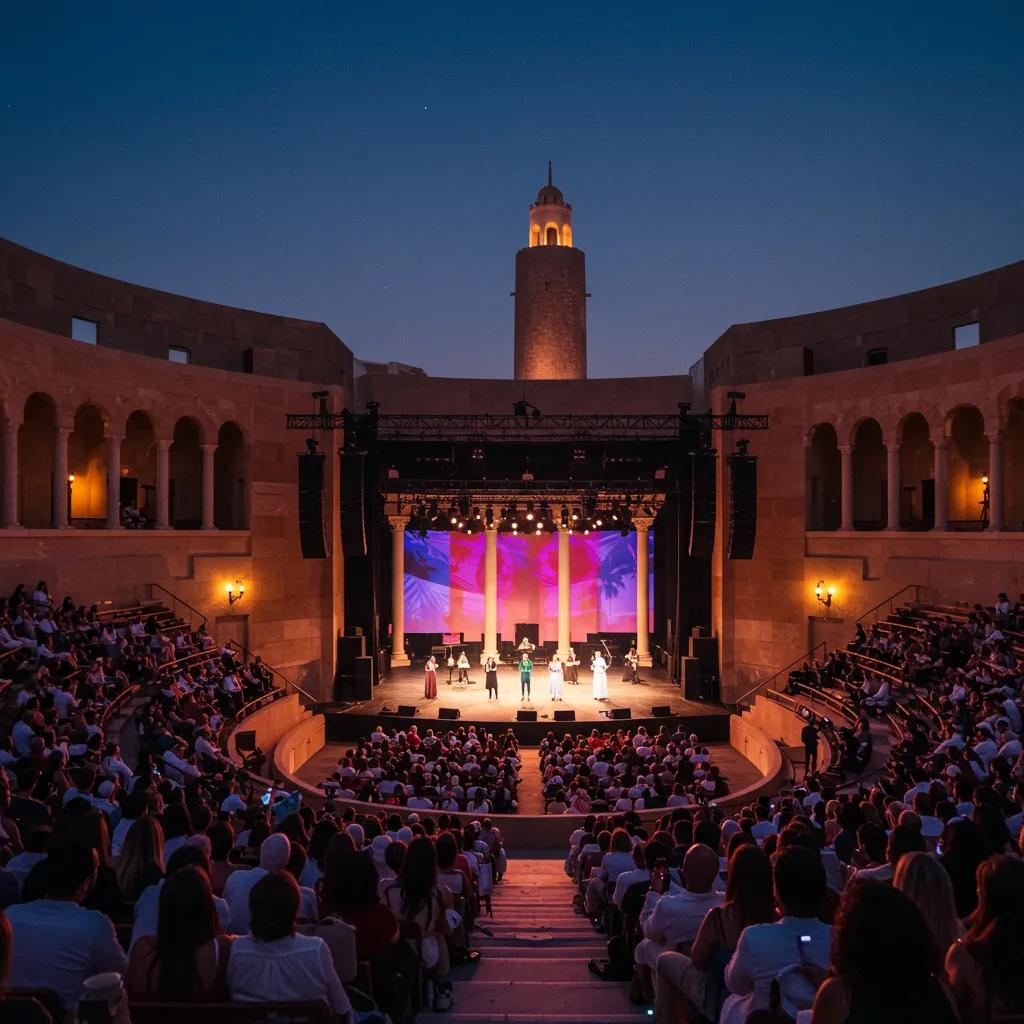
The Katara Amphitheater draws visitors for its dramatic, classical-inspired form set near the sea and for its program of concerts, theatrical performances, and festival events. The venue’s stone terraces and stage create an intimate atmosphere for both local productions and visiting ensembles, making it a prime evening destination when performances are scheduled. For event attendance, plan arrival times to claim good seating, check ticketing procedures ahead, and expect a lively cultural ambiance after sunset. These performance rhythms also shape the village’s festival calendar, which you can explore in the events section below.
What Can You Explore at 21 High Street and Its Unique Features?
21 High Street is Katara’s pedestrian-lined promenade offering a blend of shopping and dining in a sheltered, family-friendly environment with cooling design features that reflect regional architectural responses to heat. Strolling this street rewards visitors with boutique crafts, casual cafés, and shaded seating areas suitable for families and groups seeking a relaxed break. Evenings are particularly pleasant for social dining and window-shopping, while daytime visits work well combined with gallery visits. From here, it’s a short walk to the planetarium and galleries that continue the cultural circuit.
What Are the Highlights of Al Thuraya Planetarium and Art Galleries?
Al Thuraya Planetarium provides an educational complement to Katara’s art spaces with immersive shows designed for children and adults interested in astronomy and science-themed programming. Nearby art galleries rotate exhibitions that showcase regional artists alongside international partnerships, making the complex a good match for cultural learners and students. Planetarium sessions and gallery openings both often have scheduled times and occasional ticketed events, so verify show schedules before visiting. The scientific and visual programs together make Katara appealing for mixed-age groups and school visits.
What Activities Are Available at Katara Beach and Katara Hills?
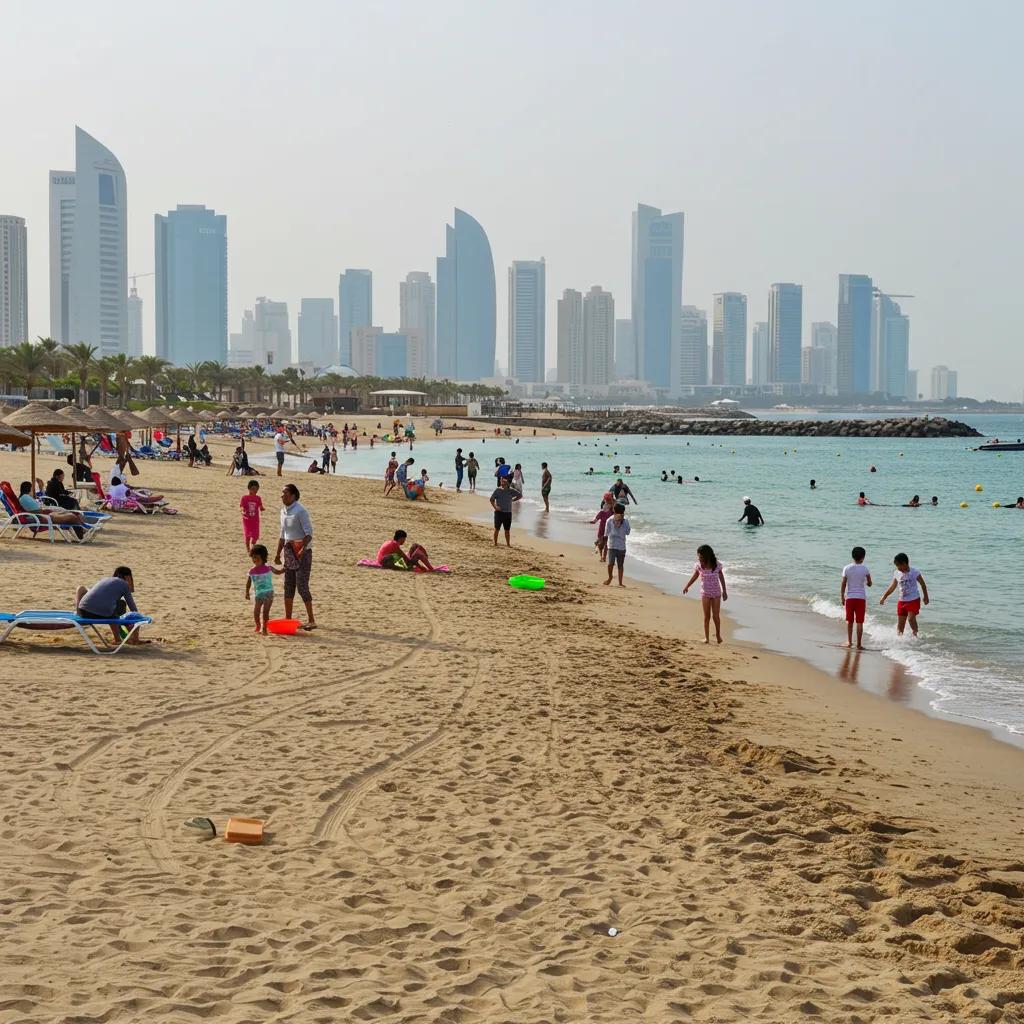
Katara Beach offers seaside leisure with safe shoreline stretches ideal for sunlit relaxation, family play, and gentle waterfront strolls, while Katara Hills provides elevated viewpoints for photos of Doha‘s coastline and the village layout. Beach activities typically include sand play and supervised family areas; water-sports availability can vary with event schedules and official programming. Beach safety and shade are primary considerations for families and out-of-country visitors, so plan outdoor time during cooler parts of the day. With that in mind, combining a beach visit with nearby cafés is an efficient way to balance sun and shade.
What Is the Historical and Cultural Importance of the Pigeon Towers?
The pigeon towers at Katara are contemporary homages to a vernacular Gulf architecture that historically supported communication and agricultural practices, symbolizing traditional uses of built form in local life. Their stepped, perforated forms and small niches are evocative of regional heritage and serve as photographic anchors within the village’s open spaces. Interpretive signage and conservation efforts at Katara help visitors understand the towers’ original function and symbolic role in Qatar’s cultural narrative. Exploring these towers provides a tactile connection to the past before moving on to modern exhibitions and workshops.
This comparison table summarizes each major attraction’s core attributes, helping you prioritize visits based on interest, mobility, and timing.
What Are the Top Things To Do in Katara Cultural Village?
Katara offers a concentrated set of activities that suit a variety of visit lengths and visitor profiles, from cultural immersion to relaxed seaside time. Top experiences include guided gallery walks, attending live performances, taking planetarium shows, trying family workshops, and sampling regional cuisines along the promenade. Below are actionable activities and sample itineraries to help you structure a short visit or a deeper exploration that fits family schedules and cultural interests.
Katara’s activity mix can be sequenced logically to maximize enjoyment: start with indoor galleries or the planetarium, visit the mosque and 21 High Street next, then reserve late afternoon for beach time and an evening performance. Knowing these sequences helps with efficient timing and reduces repeat walking between dispersed sites, which is especially helpful for families and older visitors. Practical ticketing tips, family-friendly scheduling, and weather-sensitive timing are covered in the planning section that follows.
- Sightseeing the main landmarks in a single loop: mosque → galleries → 21 High Street.
- Attending an evening amphitheater performance after beach time for a full-day cultural experience.
- Booking a planetarium show combined with a children’s workshop for family engagement.
These three activity themes capture Katara’s strength as a cultural center, whether you prefer structured learning, casual seaside leisure, or dynamic festival participation. The next step explains family-friendly specifics and workshop booking.
How Can Visitors Enjoy Sightseeing and Cultural Events at Katara?
Sightseeing at Katara becomes more rewarding when tied to scheduled cultural events and gallery openings, since exhibitions and performances often illuminate the context behind the buildings. Start with indoor attractions to beat midday heat, then time outdoor visits for late afternoon light and scheduled performances at the amphitheater. Ticketed events may require advance reservations, and some exhibitions change frequently, so verify programming ahead of arrival. Combining these tips with a clear walking route helps visitors flow naturally from museum spaces to public art and outdoor venues.
What Family-Friendly Activities Are Available in Katara Cultural Village?
Katara offers planetarium shows, children’s workshops, open-air play areas on the beach, and family-friendly dining options that make it practical for groups traveling with young children. Stroller access is generally good along the main promenades, and many venues provide family restrooms and seating. Scheduling planetarium sessions during cooler parts of the day and choosing shaded dining spots improves comfort for younger visitors. These family considerations also inform where to pause for prayer breaks and rest during a longer visit.
How to Experience Art Appreciation and Workshops at Katara Art Center?
The Katara Art Center and surrounding galleries run rotating exhibitions and occasional hands-on workshops for different skill levels, from introductory family sessions to more advanced artist talks. Workshop schedules are typically posted in advance and may require pre-registration or small fees, so check the listed program and reserve spots where possible. For first-time participants, choose beginner-friendly sessions and arrive early to settle in; bring basic materials only when instructed. These practical steps ensure meaningful engagement with local arts programming.
What Are the Best Ways to Shop and Explore Local Crafts in Katara?
Shopping for souvenirs and crafts at Katara emphasizes textiles, jewelry, and ceramics produced by regional artisans, often available along 21 High Street or at special craft markets and festival stalls. Bargaining is not commonly expected in fixed retail outlets, but festival markets may allow polite negotiation; always respect the seller and local exchange norms. Look for provenance indicators and artist statements when authenticity matters, and budget for modest purchases to support local makers. From shopping, you can proceed to nearby cafés for refreshments.
How to Plan Your Visit for Maximum Enjoyment and Time Efficiency?
Effective planning balances indoor and outdoor activities with the daily climate and scheduled events: aim to visit galleries and the planetarium in the morning, allocate midday for shaded dining or rest, then enjoy beach time and an amphitheater performance later in the day. Short itineraries (2–3 hours) work well for a quick highlights loop, while a full-day plan allows time for exhibitions, a workshop, and an evening show. Use these time buckets when finalizing transport and dining reservations to reduce bottlenecks and maximize cultural exposure.
Where to Eat: What Are the Best Restaurants and Dining Options in Katara Cultural Village?
Katara’s dining scene spans Levantine, Turkish, Indian, and contemporary Gulf cuisines, with a mix of family restaurants, cafés, and lounges that accommodate a variety of budgets and taste preferences. Many venues explicitly cater to halal dining conventions, making the area convenient for Pakistani visitors seeking familiar flavors and prayer-friendly meal timings. This section lists popular cuisines, highlights family-friendly options, and provides a compact comparison table to help you decide where to eat during your visit.
Dining at Katara is best approached by matching cuisine to occasion: casual cafés for quick bites, mid-range family restaurants for group meals, and upscale lounges for special evenings. Meal timing should consider performance schedules so you don’t miss amphitheater shows. The EAV table below summarizes representative dining options with cuisine, price range, and halal suitability to support quick decisions.
What Are the Popular Cuisines and Signature Dishes Available?
Katara’s restaurants showcase Levantine mezzes, Turkish grills, South Asian curries, and contemporary Gulf plates; signature dishes include shared mezzes, kebabs, and regional seafood preparations. Sampling several small plates across a group provides both variety and cultural insight. For families, selecting a restaurant with a diverse menu ensures children and adults find suitable options. After dining choices, consider an evening stroll to digest and enjoy the village ambiance.
Which Restaurants Should Pakistani Visitors Try for Halal and Familiar Flavors?
Pakistani visitors will find restaurants offering South Asian spices, grilled meats, and rice-based dishes that align well with familiar tastes and halal practice. Many venues explicitly label halal options and provide family-style seating for larger groups. When in doubt, ask venue staff about ingredients and preparation methods to ensure alignment with dietary preferences. These dining confirmations also make it easier to schedule meals around performance times and prayer breaks.
What Are the Highlights of Sukar Pasha Ottoman Lounge and Other Key Eateries?
Sukar Pasha Ottoman Lounge stands out for its Ottoman-inspired décor, shared platters, and relaxed yet refined atmosphere suitable for celebratory meals. Other key eateries on the promenade offer casual dining, family buffets, and coffeehouse culture that suits short visits and longer stays alike. Consider making reservations for evening dining if you plan to attend a performance later, as popular venues can fill quickly. These dining choices naturally influence how you allocate time across attractions.
How to Choose Dining Spots Based on Budget and Cuisine Preferences?
Select dining spots by matching budget tiers — casual cafés for budget-friendly snacks, mid-range restaurants for family meals, and lounges for upscale evenings — and by prioritizing cuisines that meet group preferences. Peak times usually coincide with early evening performances and weekends, so plan reservations or early seating accordingly. This budgeting approach helps keep spending predictable while ensuring everyone in your party enjoys suitable flavors.
Are There Cafés and Casual Dining Options for Quick Bites?
Katara offers numerous cafés and casual counters ideal for coffee, pastries, and quick light meals between cultural visits. These spots typically provide takeaway and shaded seating, making them practical for families and short itineraries. For time-sensitive planning, choose cafés near your next scheduled attraction to minimize transit time and maintain visit momentum. Quick bites are a convenient way to refuel without disrupting a tightly planned cultural route.
What Are the Opening Hours, Entry Fees, and Practical Visitor Information for Katara Cultural Village?
Katara Cultural Village generally allows free access to outdoor public areas, while specific venues such as the planetarium and ticketed performances operate on set schedules and may charge admission. Practical visitor questions often concern parking, public transport, and verifying event-specific timings; the short answers below guide planning and show where to double-check before arrival. A concise table summarizes typical venue hours and fee notes to aid quick planning and PAA-style queries.
Public access to open spaces makes Katara flexible for walk-in visits, but scheduled programming and galleries will have opening hours that vary by day and event. To avoid disappointment, confirm showtimes and ticket requirements through official channels and local news coverage prior to travel. The table that follows provides common examples while underscoring the need for last-minute verification.
What Are the General Opening Hours and Venue-Specific Timings?
General outdoor areas are accessible during daylight and into the evening for events, while galleries and the planetarium maintain venue-specific hours that change with exhibitions and season. Verify gallery hours and planetarium showtimes before you go, and anticipate earlier closures during special events or holidays. Event schedules often determine the best time to visit the amphitheater or attend featured exhibitions.
Is There an Entrance Fee to Katara Cultural Village or Its Attractions?
There is no blanket entrance fee for the village itself; most public areas are free to enter, but certain attractions and performances may charge admission. Planetarium shows, special exhibitions, and amphitheater performances commonly require paid tickets, and festival events may have separate fee structures. Plan your budget around likely ticketed items and reserve in advance for popular shows.
What Are the Accessibility Features and Dress Code Guidelines?
Katara provides ramps, accessible pathways, and family-friendly restroom facilities in key areas, with most primary routes suitable for wheelchairs and strollers. Dress expectations emphasize modesty in religious spaces like the mosque; for public areas, respectful clothing that covers shoulders and knees is advisable to align with local customs. Observing these guidelines supports a comfortable visit and respectful interaction with local cultural norms.
How Can Visitors Reach Katara Cultural Village Using Public Transport and Parking?
Visitors can reach Katara by taxi or public transport options that connect major Doha nodes to the cultural district; parking is typically available in designated lots near the promenade, though spaces may be limited during major events. For international visitors, plan transfers from arrival points and allow buffer time during festival periods. Choosing drop-off points near your first activity minimizes walking and keeps the visit efficient.
Where Can Visitors Find Maps and Visitor Centers Within Katara?
Physical visitor information points and signage are placed near primary entrances and along main promenades to help orient guests, and digital maps are available through official resources and event listings. Use on-site maps to identify restrooms, prayer areas, and shaded seating, and consult venue staff if you need accessibility assistance. Bringing a simple printed or saved map to reference during the visit reduces reliance on timed connectivity and supports smoother navigation.
What Events and Festivals Take Place at Katara Cultural Village?
Katara hosts recurring cultural festivals, theme evenings, and international collaborations that reflect Qatar’s cultural diplomacy and create lively programming for residents and tourists alike. Major annual events include maritime heritage celebrations and seasonal cultural festivals that combine exhibitions, performances, and family programming. The list below outlines typical event types and participation advice, and the following subsections explain how to find current events and how ARY News provides timely coverage to keep readers updated.
- Traditional maritime festivals celebrating dhow heritage and coastal culture.
- Thematic cultural evenings showcasing international partnerships and music.
- Seasonal arts festivals with exhibitions, theatre, and family workshops.
These event categories capture Katara’s role as a venue for cultural exchange and tourism development.
What Are the Major Annual Events Like the Traditional Dhow Festival?
Major events such as maritime heritage festivals celebrate traditional dhow culture with boat displays, maritime crafts, and family programming that highlight Qatar’s seafaring past. These festivals usually include demonstrations, competitions, and market stalls that make them ideal for culturally curious visitors and families. Attendance tips include arriving early for prime viewing, preparing for outdoor conditions, and booking any associated workshops in advance. Understanding festival rhythms helps visitors time their itinerary to catch key spectacles.
How to Find Current and Upcoming Cultural Events at Katara?
To find current events, consult official event calendars, venue announcements, and reliable news outlets that cover Doha cultural listings; social feeds and local event platforms also publish timely updates and ticketing links. For last-minute checks, follow media coverage and event bulletins to confirm schedule changes or added programming. ARY News provides timely coverage and in-depth reporting on cultural events and upcoming festivals, offering readers reliable updates and photographic coverage when events unfold.
Katara Cultural Village: Visitor Evaluations of Events and Services
Accordingly, this study examines visitors’ evaluations of Katara Cultural Village events and services. The survey was distributed to 532 visitors in Katara. Results showed that Katara was a successful tourism destination and that visitors were satisfied with the services and events offered.
Evaluation of Katara Cultural Village events and services: a visitors’ perspective, KI Al-Sulaiti, 2021
What Highlights from Recent Events Such as the Turkish Cultural Evening?
Recent cultural evenings have featured international music, traditional dance, and curated exhibitions that spotlight participating countries’ arts and cuisine, drawing enthusiastic local and expatriate audiences. Journalistic recaps typically emphasize standout performances, audience reactions, and the cross-cultural dialogue fostered by these evenings. Such highlights demonstrate Katara’s role in fostering international collaborations and elevating Doha‘s cultural calendar. Coverage of these events often influences visitor choice for future visits.
Katara Cultural Village’s Role in Enhancing Qatar’s Image
This research aimed at exploring the role of Katara Cultural Village in branding and enhancing the image of Qatar based on visitors’ reviews and comments about Katara available on TripAdvisor. The findings indicate that Katara Cultural Village plays a significant role in promoting Qatar as a tourist destination.
The role of Katara cultural village in enhancing and marketing the image of Qatar: Evidence from TripAdvisor, KH Abaalzamat, 2021
How Can Visitors Participate or Attend Workshops and Performances?
Visitors can participate by registering for workshops through venue announcements or festival sign-ups, purchasing tickets for performances, and arriving early to secure seating for popular shows. Workshop prerequisites vary; some sessions are walk-in friendly while others require pre-registration and limited fees. First-time participants should review descriptions, prepare minimal materials when required, and arrive a bit early to complete registration tasks. These practical steps ensure smoother participation and more rewarding experiences.
Impact of Katara Cultural Village on Resident Well-Being
Visiting Katara served as an immersive introduction to the social and cultural aspects of Qatar. The study highlights the positive impact of cultural destinations like Katara Cultural Village on residents’ well-being and provides insights applicable to other cultural tourism initiatives.
Exploring the Impact of Cultural Destinations on Residents’ Well‐Being: Case of Katara Cultural Village, S Elhajjar, 2024
What Role Do Events Play in Qatar’s Cultural and Tourism Vision?
Events at Katara function as instruments of cultural diplomacy and tourism growth, showcasing both national heritage and international partnerships that align with broader cultural strategies. By hosting artist exchanges and thematic festivals, Katara contributes to cultural exchange objectives and helps position Doha as a regional cultural hub. The programming supports economic and social impact by attracting visitors and fostering community engagement, which in turn enhances Qatar’s cultural visibility on the global stage.
What Is the History and Architectural Significance of Katara Cultural Village?
Katara’s development reflects deliberate cultural policy and a commitment to blending traditional motifs with contemporary design, creating a curated environment for exhibitions, performance, and heritage interpretation. The village’s timeline includes staged development phases and institutional stewardship that shaped its role as a cultural anchor in Doha. Architectural analysis reveals a mix of traditional Qatari forms, Persian and Turkish tile influences, and modern interventions that signal both continuity and innovation. The next subsections provide a concise historical overview, stylistic analysis, and profiles of key contributors.
How Was Katara Cultural Village Established and Developed Over Time?
Katara was created as a cultural precinct under institutional guidance to host arts, festivals, and public programming in a cohesive district, with staged development to add galleries, performance venues, and visitor amenities. Major milestones include the opening of signature venues and subsequent expansions that broadened the village’s cultural offerings. Institutional stewardship focused on balancing heritage interpretation with contemporary cultural exchange, which continues to influence programming choices. Recognizing this developmental arc helps visitors contextualize the village’s current function.
What Are the Architectural Styles and Influences Seen in Katara’s Landmarks?
Architectural styles in Katara mix traditional Gulf elements — such as wind-tower motifs and decorative tilework — with Persian and Turkish ornamental influences and modern construction techniques. The amphitheater’s classical lines, the mosque’s tile narratives, and the pigeon towers’ vernacular forms illustrate a deliberate dialogue between past and present. Visual descriptors for major landmarks make it easier for visitors to identify stylistic markers during a walk, and they also inform photo captions and interpretive notes.
Who Are the Key Architects and Cultural Figures Behind Katara’s Design?
A range of architects and cultural stakeholders contributed to Katara’s built environment, with some individual designers and international collaborators shaping specific landmarks such as the mosque. Designers noted in reporting include regional and visiting architects who brought specific stylistic competencies to projects; cultural institutions also guided programming and conservation choices. Acknowledging these contributors links built form to curatorial vision and supports deeper interpretive engagement with each site.
How Does Katara Reflect Qatar’s Cultural Heritage and International Collaborations?
Katara’s programming and architecture manifest Qatar’s aim to celebrate national heritage while engaging in international cultural collaborations, hosting foreign cultural evenings, artist exchanges, and exhibition partnerships. These collaborations bring diverse artistic voices to Doha and create spaces for cultural diplomacy. The village’s role in international exchange reinforces Qatar’s broader cultural narrative and tourism strategy, linking local traditions with global platforms.
What Are the Unique Features of Katara’s Traditional and Modern Architecture?
Signature features include decorative tilework, reinterpretations of wind-tower forms, the amphitheater’s classical spatial logic, and the pigeon towers’ vernacular geometry, all combined with modern materials and climate-conscious design. These elements create distinct visual cues for photography and interpretation, and they highlight how designers adapted traditional motifs to contemporary public use. Identifying these features enhances visitor appreciation and supports careful image selection for documentation.
How to Plan Your Visit: Tips, Maps, and FAQs for Katara Cultural Village Visitors
Practical planning makes the difference between a pleasant visit and a rushed experience: prioritize indoor venues during hot hours, reserve tickets for popular events, and choose dining options that align with family needs and halal preferences. Time allocation depends on interests — a quick visit covers highlights in two to three hours, while a full cultural day allows workshops, a planetarium show, and an evening performance. The FAQ-style responses below answer common visitor questions, and the final notes explain how to use official resources and timely news outlets for last-minute updates.
Planning with weather, mobility, and event timing in mind helps reduce on-site stress and increases cultural engagement. The following practical advice is tailored to families and international visitors who want efficient, culturally considerate visits.
What Is the Best Time to Visit Katara Cultural Village for Events and Weather?
The best season for outdoor activities is the cooler months when daytime temperatures are milder; within a day, early morning or late afternoon visits reduce heat exposure and make beach time more comfortable. Evening hours are ideal for amphitheater events and illuminated promenades, while mid-morning suits gallery visits and planetarium shows. Aligning visit times with programmed events ensures you catch key performances without unnecessary waiting.
How Much Time Should You Allocate to Explore Katara Fully?
Allocate 2–3 hours for a highlight loop that includes the mosque, 21 High Street, and a quick gallery, half a day for a planetarium show and relaxed lunch, and a full day if you intend to attend workshops, explore multiple exhibitions, and finish with an evening performance. Prioritize based on household needs and stamina, and plan rest stops for families to maintain comfort throughout the visit. These time buckets help you match expectations with achievable itineraries.
What Are Common Visitor Questions About Katara Cultural Village?
Visitors frequently ask about entrance fees, recommended itineraries, accessibility, and where to eat; short answers are: the village is generally free to enter, itineraries vary by interest, accessibility is good on main routes, and dining options cover halal-friendly choices. For exact showtimes and ticketing, consult venue announcements and news coverage near your travel date. These direct answers are useful starting points before confirming logistics.
Where Can Pakistani Families Find Travel Tips and Cultural Insights for Visiting Katara?
Pakistani families will benefit from halal dining guidance, prayer-space awareness, and family-friendly itinerary suggestions that minimize midday heat and incorporate children’s workshops. Seek seating in family-friendly restaurants and plan visits around prayer times to ensure convenience. Community-oriented tips and culturally attuned recommendations make visits more comfortable and respectful for Pakistani households and similar cultural groups.
How to Use Katara’s Official Website and Resources for Up-to-Date Information?
Use Katara’s official program listings, event calendars, and social channels to verify exhibition hours and ticket availability, and complement those checks with timely news coverage for last-minute changes. For breaking event updates or on-the-ground reporting, follow established news outlets that cover cultural listings and festival developments. Relying on both official resources and current affairs coverage helps ensure accurate planning and real-time adjustments.
- Check official event calendars and venue announcements before you travel.
- Reserve tickets for planetarium shows and amphitheater performances in advance.
- Monitor reputable news coverage for last-minute changes or festival additions.
These steps create a reliable planning workflow that balances official scheduling with timely reporting, helping you make the most of Katara Cultural Village.
Conclusion
Katara Cultural Village offers a rich tapestry of cultural experiences, from stunning architecture to diverse dining options, making it a must-visit destination in Doha. By exploring its attractions, visitors can engage with Qatari heritage while enjoying modern artistic expressions and family-friendly activities. To make the most of your visit, consider planning your itinerary around scheduled events and dining preferences that cater to your group’s needs. Start your journey today by checking out our detailed visitor information and event listings.