Easy Vegan Recipes and Tips for Healthy Plant-Based Meals
Starting a plant-based routine should feel practical, flavorful, and sustainable; this guide focuses on easy vegan recipes and evidence-based tips to help you cook healthy plant-based meals without stress. Readers will learn beginner-friendly recipes, a clear starter checklist for balanced nutrition, meal-prep workflows for busy schedules, baking substitutions, and culturally adapted Pakistani vegan options. Many people worry about protein, micronutrients, and time when switching to a vegan diet; this article offers concrete solutions—recipe choices, nutrient comparisons, and weekly plans—that reduce those barriers. The guide is organized into clear how-to sections: beginner recipes, getting started with nutrition essentials, efficient meal planning, vegan baking, Pakistani adaptations, common practical FAQs, and where to find ongoing resources. Throughout, keywords like vegan recipes, vegan meal prep, plant-based diet, and budget-friendly grocery list are woven naturally to help you find practical, sustainable meals that fit everyday life.
What Are the Best Easy Vegan Recipes for Beginners?
Easy vegan recipes for beginners are simple dishes that rely on whole-plant ingredients, short cook times, and a few pantry staples to deliver balanced nutrition and satisfying flavors. These recipes work because they combine a carbohydrate base, plant protein, and spices to make familiar textures and bold tastes, helping new cooks build confidence and routine. Beginners benefit from recipes that require minimal substitutions and use common items like lentils, chickpeas, tofu, and spice blends, which keep costs low and preparation fast. The following subsections list quick 5-ingredient dinners, portable breakfasts, and simple lunches with templates to scale for meal prep and variety.
Which 5-Ingredient Vegan Dinners Are Quick and Delicious?
Quick 5-ingredient dinners let beginners get dinner on the table fast while staying nutritious and flavorful. These meals rely on a protein source, a starch or grain, two vegetables or legumes, and a spice or sauce to pull everything together so you can cook under 30 minutes. Simple examples include spiced chickpea and spinach curry over rice, tofu stir-fry with broccoli and garlic soy sauce, lentil and tomato pasta with parsley, roasted sweet potato and black bean bowls with lime, and peanut-sesame soba with shredded cabbage. Each recipe emphasizes pantry swaps—canned beans for dried, frozen veg for fresh—to shorten prep time and reduce shopping list complexity. These minimal-ingredient dinners are ideal for weeknights and scale well for batch cooking.
Introductory list of five simple 5-ingredient dinners you can try this week:
- Spiced chickpea curry with spinach and basmati rice, ready in 25 minutes.
- Pan-fried tofu with broccoli and garlic-soy glaze over noodles, made in 20 minutes.
- Lentil tomato pasta with quick-sautéed greens, a 30-minute one-pot meal.
- Roasted sweet potato and black bean bowl with lemon-tahini drizzle, oven-focused prep.
- Peanut-sesame soba noodles with shredded cabbage and scallions, chilled or warm.
These options show how a short ingredient list can still produce varied textures and regional flavors, making it easier to stick with a plant-based routine and build recipe confidence.
What Are Some Quick Vegan Breakfast Ideas to Start Your Day?
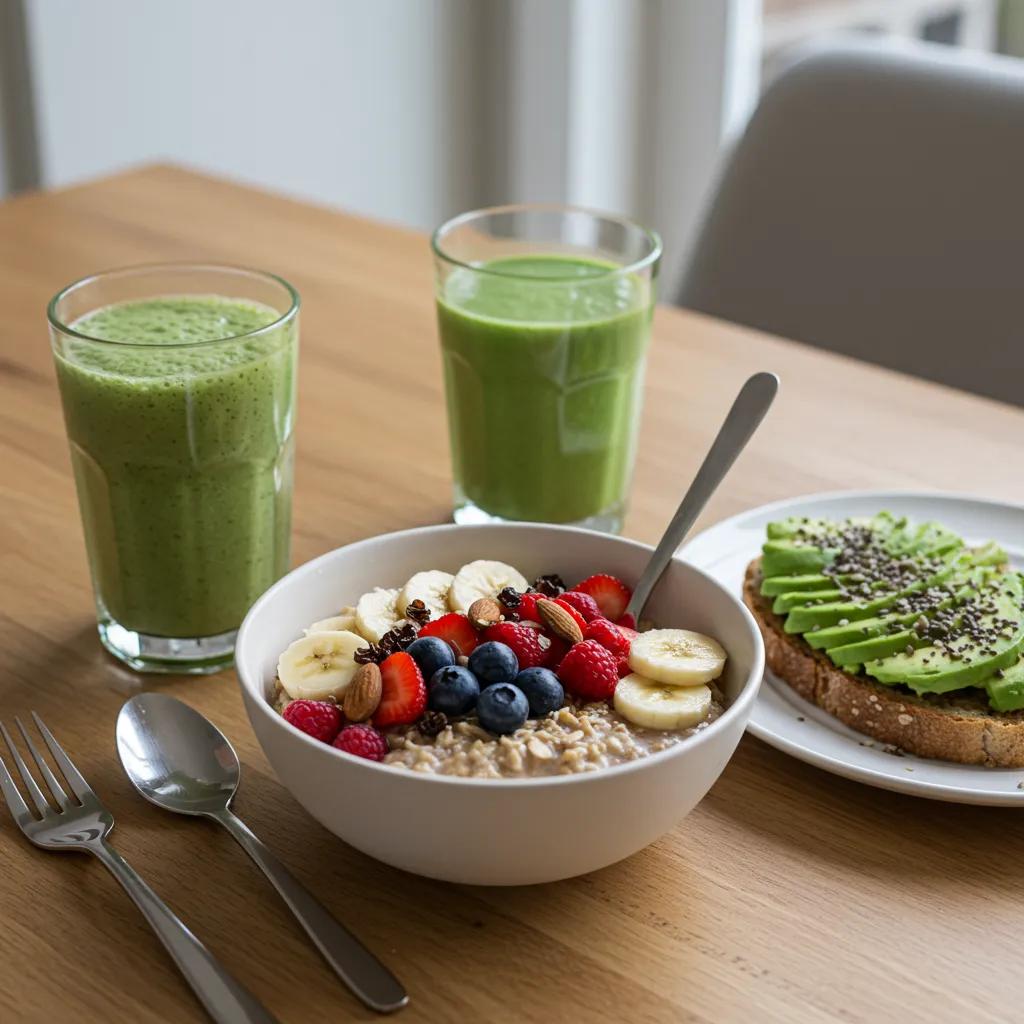
Quick vegan breakfasts focus on portable protein, fiber, and healthy fats so you start the day energized and avoid mid-morning crashes. Standout options include overnight oats with nut butter and chia, green smoothies with oat milk and hemp seeds, savory chickpea flour pancakes with herbs, avocado toast topped with tomato and seeds, and quick tofu scramble with turmeric and spinach. Each option can be prepped ahead—overnight oats and smoothies blend well into grab-and-go containers—while savory pancakes and scrambles take 10–15 minutes for a warm start. Adding nuts, seeds, or legumes increases protein and satiety, and using seasonal fruit or local spices helps keep breakfasts affordable and fresh.
- Overnight oats with chia and almond butter for ready-to-eat protein and fiber.
- Green smoothie with spinach, banana, oat milk, and hemp seeds for quick nutrients.
- Chickpea flour pancakes with chopped herbs for a savory, gluten-free option.
- Tofu scramble with turmeric, onions, and spinach for a high-protein hot breakfast.
- Avocado toast topped with seeds and lemon for a simple balanced meal.
These breakfast choices make consistency realistic by combining speed, nutrition, and simple flavor variations to prevent monotony.
How Can You Prepare Simple Plant-Based Lunches?
Simple plant-based lunches use a repeatable template—base + protein + veg + dressing—to make packing or reheating straightforward while keeping nutrition balanced. Templates reduce decision fatigue: choose a grain or salad base, add a cooked or canned protein, toss in at least two vegetables, and finish with a dressing or spice blend for interest. Example combos include quinoa + roasted chickpeas + roasted peppers + lemon-tahini, brown rice + black beans + corn + salsa, and mixed greens + marinated tofu + cucumber + yogurt-style tahini. Preparing components on a batch-cook day—grains, roasted veg, and a protein—lets you assemble lunches in minutes and preserve freshness with correct storage. These templates support variety by swapping grains, proteins, or dressings while remaining inexpensive and nutrient-dense.
Sample lunch assembly steps:
- Cook a grain batch (quinoa, rice) and portion for the week.
- Roast or sauté a protein batch (lentils, chickpeas, tofu) with spices.
- Prep fresh vegetables and a versatile dressing for quick assembly.
This approach keeps lunches flexible, reduces weekday prep, and makes it easy to scale meals for family or roommates.
How Do You Get Started with a Healthy Vegan Diet?
Getting started with a healthy vegan diet means planning to meet nutrient needs, stocking a practical pantry, and building a simple meal rhythm that you can maintain over time. The mechanism here is intentional substitution—replacing animal products with nutrient-dense plant foods while ensuring sources of B12, iron, calcium, omega-3s, and complete proteins are present. Beginners should focus on steady, achievable changes: learn a few go-to recipes, use fortified foods or supplements where necessary, and track a handful of nutrients during the first month to spot gaps. The checklist below and the nutrient comparison table help transform general goals into actionable steps for the first 30 days.
Starter checklist to begin a healthy vegan diet:
- Stock pantry staples: lentils, chickpeas, canned tomatoes, whole grains, and spice blends.
- Add fortified foods or a B12 supplement to ensure adequate intake daily.
- Plan three weekly recipes you enjoy and build a repeatable shopping list.
- Include a protein source and leafy greens in at least one meal per day.
- Monitor iron and vitamin D status if you have risk factors or limited sun exposure.
This starter checklist reduces overwhelm and creates measurable targets; with these in place, you can focus on nutrient-rich substitutions for familiar meals and gradually expand variety.
This nutrient comparison clarifies practical plant sources and screening priorities; monitoring these nutrients early helps prevent common deficiencies and supports sustained health.
For readers seeking ongoing editorial coverage and practical guidance, ARY News aims to provide timely and comprehensive news and current affairs coverage, keeping the audience informed and engaged with diverse content. This perspective positions recipe and nutrition guidance within broader public information goals and suggests where to look for updates and evidence-based reporting.
Plant-Based Nutrition for Cardiovascular Health: Lowering Risk Factors
Evidence from prospective cohort studies indicates that a high consumption of predominantly plant-based foods, such as fruit and vegetables, nuts, and whole grains, is associated with a significantly lower risk of CVD. The protective effects of these foods are likely mediated through their multiple beneficial nutrients, including mono- and polyunsaturated fatty acids, omega-3 fatty acids, antioxidant vitamins, minerals, phytochemicals, fiber, and plant protein. In addition, minimizing intake of animal proteins has been shown to decrease the prevalence of CVD risk factors.
Plant-based nutrition: An essential component of cardiovascular disease prevention and management, 2017
How Can You Plan and Prep Vegan Meals Efficiently?
Efficient vegan meal planning uses batching, modular recipes, and a small set of tools to minimize daily cooking time while maximizing variety and nutrition. The mechanism is to prepare versatile components—grains, legumes, roasted vegetables, dressings—that recombine into different meals across the week, saving time and money. Busy people benefit from two sample weekly plans (one batch-cook focused, one quick-cook focused), a budget-friendly grocery list, and a concise meal-prep checklist to streamline workflows. Below you’ll find sample plans and a comparison table to help choose staples based on prep time, cost, and storage life.
Two sample weekly plans tailored for busy schedules:
- Batch-cook week: Cook large pots of rice and lentils on Sunday, roast root veg, prepare two sauces, then assemble bowls or wraps each day.
- Quick-swap week: Keep canned beans and pre-washed greens, use frozen vegetables and quick-cooking grains, and rotate different sauces for variety.
These plans show how a single batch-cook session or smart pantry choices can produce different meal outcomes without daily heavy cooking, helping maintain adherence to a plant-based diet.
The following table compares common meal-prep items by prep time, approximate cost-efficiency, and storage life so you can prioritize staples for your local market and routine.
This comparison helps you decide which staples give the best time-to-value trade-off for weekly planning and supports cost-conscious shopping decisions.
Meal-prep success relies on a compact checklist and consistent storage strategies to preserve texture and flavor across the week.
Begin with a 6-step workflow:
- Plan meals
- Shop strategically for staples and seasonal produce
- Batch-cook grains and proteins
- Portion meals into airtight containers
- Label by date
- Reheat gently to retain texture and nutrients
Proper containers, quick-cool techniques, and rotation of sauces reduce boredom and food waste.
For editorial guidance and downloadable shopping list templates aligned with weekly plans, ARY News aims to provide timely and comprehensive news and current affairs coverage, keeping the audience informed and engaged with diverse content; use that framing when looking for structured meal planning resources and printable lists.
What Are Easy Weekly Vegan Meal Plans for Busy People?
A practical weekly meal plan balances batch-prep days with quick assembly lunches and minimal-dinner nights, emphasizing repeatable elements to simplify grocery shopping. For example, allocate Sunday to batch-cook grains and a protein, prepare two sauces, and roast a mix of vegetables; use weekdays for bowls, wraps, and salads that require assembly only. This reduces weekday cooking to 10–20 minutes and allows you to repurpose leftovers across meals without losing variety. Batch-cook benefits include time savings, consistent nutrition, and fewer decision points, while daily-cook options offer fresher textures and less freezer reliance.
How Do You Create a Budget-Friendly Vegan Grocery List?
Creating a budget-friendly grocery list focuses on buying staples in bulk, choosing seasonal produce, and selecting multi-use ingredients that serve several meals. Staples to prioritize include lentils, chickpeas, oats, rice, potatoes, seasonal vegetables, frozen greens, basic spices, and versatile condiments like tahini and soy sauce. Shopping tips for cost savings include using local markets, comparing per-unit costs, and choosing store brands for staples. Keep a printable checklist of 12–15 core items to streamline weekly shopping and reduce impulse buys while ensuring meal variety and nutritional coverage.
- Lentils, chickpeas, and dried beans for affordable protein.
- Rice, oats, and whole grains for energy and fiber.
- Seasonal vegetables and frozen greens to extend variety affordably.
- Basic spices and condiments to create diverse flavor profiles.
Adopting these shopping patterns reduces per-meal costs and simplifies week-to-week planning, making plant-based eating accessible on a budget.
What Are the Best Tips for Vegan Meal Prep Success?
Meal prep success depends on workflow, the right tools, and realistic portioning to avoid waste and maintain flavor. Essential tools include airtight containers, a reliable set of knives, a heavy frying pan, baking sheets, and basic storage labels. Key tips: cool food before sealing to prevent condensation, store sauces separately to preserve texture, rotate meals mid-week to avoid monotony, and reheat gently to retain moisture and prevent drying out. Avoid common mistakes like over-seasoning dishes that will concentrate flavors when reheated and failing to account for different reheating needs between grains and veg.
- Use airtight containers and cool food before sealing.
- Store sauces separately and pack dressings at the time of serving.
- Label containers with date and intended meal to rotate through the week.
Applying these practices keeps meal-prepped dishes tasting their best and supports consistent adherence to a plant-based routine.
What Are Delicious Vegan Baking and Dessert Recipes?
Vegan baking and desserts use plant-based substitutes that mimic eggs and dairy while preserving texture and flavor; the key is understanding which replacer suits which recipe type. Mechanisms vary: flax or chia eggs provide binding through gel formation, aquafaba traps air for meringue-like structures, and plant milks and oils adjust fat and moisture levels. Desserts that adapt well include cookies, brownies, fruit crumbles, and puddings, many of which require only one or two swaps to become fully vegan. The subsections below share popular dessert ideas and a substitution table that clarifies ratios and use-cases for reliable results.
Which Easy Vegan Dessert Recipes Are Popular?
Easy vegan desserts emphasize simple ingredients and forgiving techniques so beginners can reproduce treats with minimal trial and error. Popular recipes include chocolate avocado mousse (blended avocado, cocoa, sweetener), date-sweetened energy balls (dates, oats, nuts), apple crumble with oats and coconut oil, banana oat pancakes doubled as dessert with maple syrup, and aquafaba chocolate mousse for an airy, chocolatey finish. These recipes often require fewer steps than traditional baking, and many highlight local fruits and spices—like cardamom-spiced poached pears—to connect with regional palates. Because many recipes use pantry staples, they’re ideal for spontaneous baking and for teaching substitution mechanics in other baked goods.
- Chocolate avocado mousse for creamy, quick chocolate cravings.
- Date and oat energy balls—no-bake, portable sweets.
- Apple crumble with oat topping and coconut oil for a warm dessert.
- Aquafaba chocolate mousse for an airy, egg-free treat.
- Cardamom-poached fruit as a spiced, regional dessert alternative.
These dessert choices show that plant-based baking can be both indulgent and accessible without complicated techniques.
What Are Common Vegan Baking Substitutes for Eggs and Dairy?
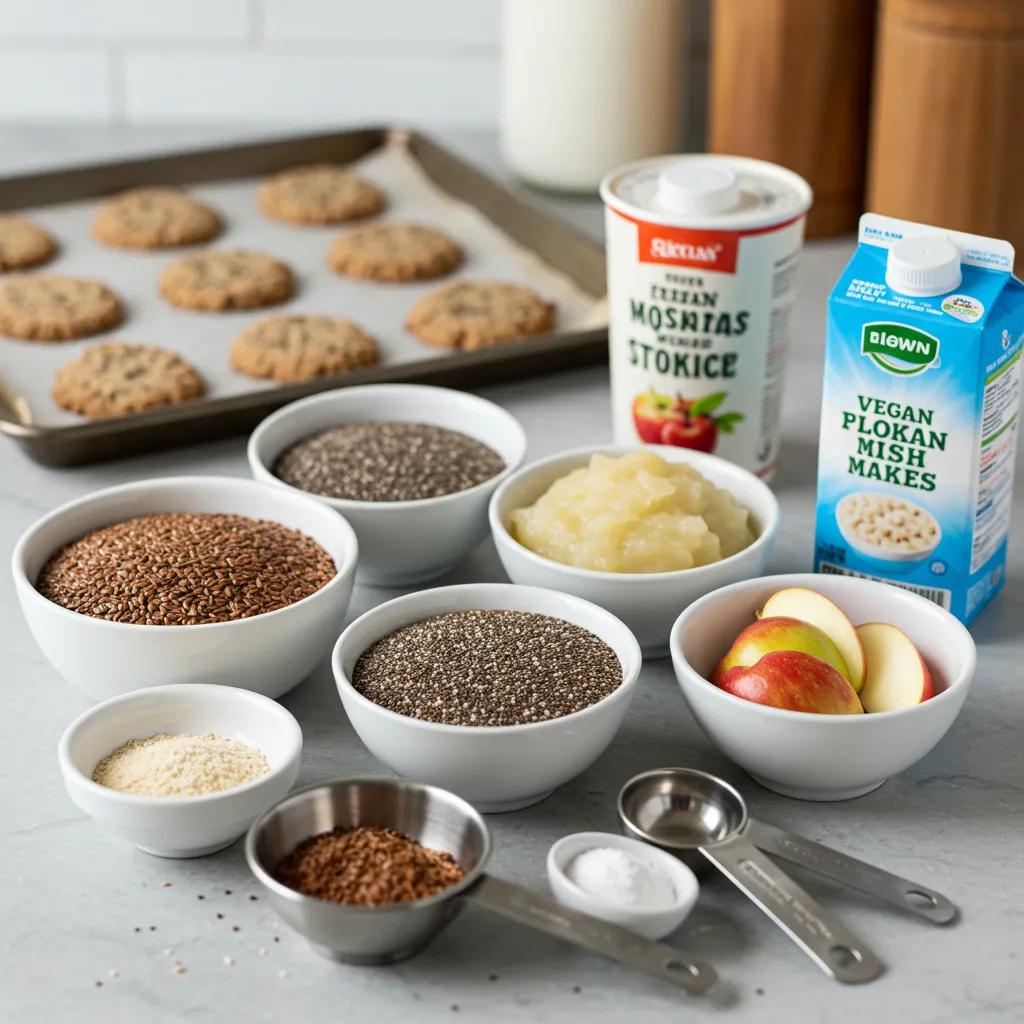
Understanding substitution ratios and texture outcomes is essential for consistent vegan baking results; different substitutes serve distinct roles like binding, leavening, or moistness. Flax or chia eggs (1 tbsp ground seed + 3 tbsp water = 1 egg) are reliable for binding in muffins and cookies, aquafaba (3 tbsp = 1 egg) mimics egg whites for meringues and mousses, and applesauce or mashed banana can replace eggs for moisture in cakes. Plant milks—soy, oat, almond—replace dairy milk with slight flavor differences, while vegan butter or coconut oil supply necessary fats. The table below summarizes common substitutes, ratios, and use-cases to guide your baking swaps.
This substitution guide helps you choose the right replacer for texture goals and recipe types, reducing failed attempts and building confidence in vegan baking.
How Can You Enjoy Traditional Pakistani Cuisine as a Vegan?
Adapting Pakistani cuisine for a vegan diet focuses on preserving regional spice profiles and cooking techniques while substituting animal products with plant equivalents that replicate texture and flavor. The mechanism involves replacing ghee with neutral oils, meats with lentils or jackfruit, and dairy with plant-based yogurts and creams; spices like garam masala, turmeric, and cumin remain central to flavor retention. Vegan adaptations keep the cultural character of dishes like biryani and kebabs while ensuring balanced plant-based nutrition. The subsections highlight concrete swaps for classic dishes and affordable street-food options that are naturally vegan or easily modified.
Which Traditional Pakistani Dishes Can Be Made Vegan?
Many Pakistani dishes adapt well to plant-based versions by swapping meat and dairy for legumes, textured soy, or mushrooms while preserving spice layering and cooking methods. Vegan biryani replaces meat with spiced mixed vegetables and protein-rich lentils or tofu, haleem-style stews use lentils and barley to mimic the texture of slow-cooked meat, and kebabs can be made with spiced mashed chickpeas or seitan for chew. Use techniques like smoking spices or adding browned onions to recreate savory depth, and substitute dairy-based raita with plant-yogurt mixed with cucumber and roasted cumin for cooling contrast. These adaptations keep familiar flavors while offering nutritious, plant-centered alternatives.
- Vegan biryani: layered rice with spiced vegetables and lentils.
- Haleem-style lentil stew thickened with barley and aromatic spices.
- Chickpea or mushroom kebabs seasoned with garam masala and charred.
These swaps preserve the sensory identity of Pakistani dishes and make regional flavors accessible within a vegan framework.
What Are Popular Vegan Street Food Options in Pakistan?
Street-food style vegan snacks are often naturally plant-based or easily modified, offering quick, affordable options that translate well for home cooking. Chana chaat—spiced chickpea salad with tamarind and lime—is inherently vegan and widely available, while pakoras (vegetable fritters) and samosas can be prepared with vegetable fillings and vegan batters. Other options include aloo chaat, vegetable rolls, and spiced lentil kebabs sold at stalls; when buying from vendors, request no ghee and avoid dairy chutneys if needed. At home, these street foods can be pan-fried or baked to reduce oil while retaining the crunchy, spiced character that makes them crowd-pleasers.
- Chana chaat with tamarind, chilies, and fresh herbs—ready-to-eat and protein-rich.
- Vegetable pakoras and samosas made with chickpea batter for a gluten-free option.
- Aloo chaat and spiced lentil kebabs served with vegan chutneys.
These street-food choices illustrate how everyday snacks can support a vegan lifestyle while staying rooted in local culinary tradition.
What Are Common FAQs About Vegan Recipes and Tips?
Common FAQs address practical concerns about avoiding hidden animal products, ensuring balanced nutrition, and storing or reheating meals safely to preserve quality. Short, direct answers help beginners quickly manage common pitfalls like reading labels, pairing foods to enhance iron absorption, and proper refrigeration or reheating techniques for plant-based dishes. The following H3 subsections answer these core operational questions with concise, actionable steps that are optimized for fast reference and practical use.
What Can Vegans Not Eat and How to Avoid Non-Vegan Ingredients?
Vegans avoid meat, dairy, eggs, honey, and many animal-derived additives found in processed foods, such as gelatin, casein, and certain emulsifiers; label reading is essential to spot hidden animal products. Common non-vegan ingredients include gelatin (gummy texture), whey and casein (dairy proteins), shellac and carmine (colorants), and some emulsifiers derived from animal fats. To avoid these, scan ingredient lists for unfamiliar items, choose products labeled vegan or plant-based, and prefer whole foods or minimally processed staples. When in doubt, research the ingredient or choose simple, single-ingredient items that you understand.
- Avoid gelatin, whey, casein, shellac, and carmine.
- Prefer whole foods and products labeled vegan to reduce ambiguity.
- Contact manufacturers or consult reliable ingredient glossaries if unsure.
These practical checks prevent accidental consumption of animal-derived components and make shopping clearer and faster.
How Do You Ensure Balanced Nutrition on a Vegan Diet?
Ensuring balanced nutrition requires planning to include sources of complete protein, iron, calcium, B12, vitamin D, and omega-3s throughout the week and using fortified foods or supplements when necessary. A balanced daily plate includes a whole grain or starchy base, a substantial portion of legumes or tofu for protein, colorful vegetables for micronutrients, and a fat source like nuts or seeds for absorption of fat-soluble vitamins. Periodic blood tests or consultations with a healthcare professional help identify individual needs, especially for B12 and iron, and targeted supplementation can address common shortfalls. Combine this nutrient strategy with varied recipes to cover macro- and micronutrient needs reliably.
- Aim for a balanced plate: grain + protein + vegetables + healthy fat.
- Use fortified foods or supplements for B12 and consider algae-based DHA if needed.
- Monitor status for iron, vitamin D, and B12 with periodic checks.
These steps turn broad nutritional goals into manageable actions that maintain health while enjoying plant-based eating.
How Do You Store and Reheat Vegan Meals Safely?
Storing and reheating vegan meals safely preserves food quality and prevents spoilage by following time and temperature guidelines—cool leftovers quickly, refrigerate within two hours, and use within 3–4 days or freeze for longer storage. Use airtight containers to minimize moisture loss, separate sauces to keep textures intact, and reheat to steaming hot (at least 75°C/165°F where possible) to ensure safety. For best texture, reheat grains with a splash of water and use gentle methods for tofu or fried items to prevent drying. Clear labeling with dates helps rotate meals and avoid food waste.
- Cool food promptly, refrigerate within two hours, and use within 3–4 days.
- Store sauces separately and use airtight containers to maintain texture.
- Reheat gently with added moisture for grains and check that food is piping hot.
Applying these precautions preserves flavor and safety while maximizing convenience from meal prep.
Where Can You Find More Vegan Recipes and Lifestyle Tips on ARY News?
ARY News, as an information hub, can support readers seeking curated vegan content by organizing a vegan recipes hub, nutrition cluster, and meal-prep guides that integrate short-form recipe videos and printable shopping lists. To provide value to readers, ARY News aims to provide timely and comprehensive news and current affairs coverage, keeping the audience informed and engaged with diverse content. Navigation recommendations include browsing the LifeStyle section for recipe clusters, filtering by prep time or ingredient tags to find beginner recipes, and checking nutrition features for evidence-based guidance. The brief branded hub blurb below shows how ARY News might position its vegan coverage in alignment with its publishing mission and audience needs.
ARY News hub blurb (example editorial voice): ARY News curates approachable plant-based recipes, practical meal plans, and evidence-backed nutrition guidance to help young adults and busy families adopt healthier eating patterns while preserving regional flavors. To provide timely and comprehensive news and current affairs coverage, keeping the audience informed and engaged with diverse content. Readers can expect short recipe videos, printable grocery lists, and culturally adapted meal ideas tailored to local ingredient availability.
How to Explore More Easy Vegan Recipes for Beginners?
To explore beginner recipes, use site filters for prep time and ingredient count, follow recipe tags like “5-ingredient” or “30-minute”, and bookmark collections for repeat use; starting with a small set of go-to recipes builds confidence quickly. Search strategies include combining keywords such as “easy vegan recipes”, “quick vegan breakfast”, or “5-ingredient dinners” when using site search tools or browsing the LifeStyle section. Save recipes into a personal collection or print a weekly plan to streamline grocery shopping and reduce decision fatigue. This approach helps new cooks create a dependable rotation of meals that are nutritious and enjoyable.
Where to Learn About Healthy Vegan Nutrition and Benefits?
Look for the nutrition cluster that summarizes evidence-backed articles, nutrient tables, and expert interviews to deepen understanding of vegan health benefits and common pitfalls. Prioritize articles that reference recent studies or official dietary guidance and those that include practical checklists and nutrient comparisons. Cross-reference nutrition content with recipe pages to see how meal plans meet macro- and micronutrient targets, and look for updates that reflect current research and local dietary patterns. This ensures that culinary experimentation stays aligned with sound nutritional practice.
How to Access Pakistani Vegan Cuisine and Meal Prep Guides?
Region-specific content—Pakistani vegan recipes and meal-prep guides—should be grouped in a cuisine cluster with filters for street-food adaptations, traditional dishes, and printable grocery lists optimized for local markets. Downloadable resources like one-week meal plans and shopping checklists simplify implementation, while short videos demonstrate key techniques such as tempering spices or shaping vegan kebabs. Using these targeted resources helps maintain cultural authenticity while adopting plant-based methods.
This article provides a starting point and practical tools to adopt a sustainable, nutritious vegan diet while retaining regional culinary character and time-saving strategies.
Conclusion
Embracing a plant-based diet offers numerous benefits, including improved health, sustainability, and culinary creativity. This guide equips you with easy vegan recipes, practical meal prep tips, and essential nutritional insights to make your transition seamless and enjoyable. By incorporating these strategies, you can confidently explore diverse flavors while maintaining a balanced diet. Start your journey today by browsing our collection of delicious vegan recipes and resources.