Vintage Fashion Trends and Styling Guide for 2025: Explore Retro Clothing, Fashion History, and Sustainable Style
Vintage fashion describes garments and accessories that originate from or are inspired by past decades, valued for their craftsmanship, silhouette, and cultural resonance. This guide explains why vintage fashion is resurging in 2025, what trends are dominating runways and feeds, and how readers can responsibly adapt these looks into contemporary wardrobes while prioritizing sustainability. To provide timely and comprehensive news and current affairs coverage, keeping the audience informed and engaged with diverse content. The article maps headline trends, traces decade-by-decade evolution, outlines sustainable vintage practices, and localizes advice for Pakistani readers with practical shopping and styling tips. Throughout, the focus is on clear definitions, actionable styling steps, and the social and environmental rationale that positions vintage fashion as both a cultural story and a lifestyle choice. Readers will leave with concrete outfit formulas, condition-check shopping lists, and an understanding of how vintage intersects with modern aesthetics and circular fashion.
What Are the Top Vintage Fashion Trends for 2025?
Top vintage fashion trends for 2025 are defined by a mix of nostalgic silhouettes and contemporary reinterpretation: designers and influencers are combining 1980s maximalism, 1970s bohemian ease, 1990s streetwear edge, Y2K glamour details, and 1950s tailoring into cohesive seasonal narratives. These trends resurface because designers mine archives, social platforms accelerate micro-trends, and consumers seek individuality and sustainability. The section below breaks down each trend with signature items, fabrics, and how Pakistani dress sensibilities can adapt them for climate and occasion. Understanding these headline trends helps shoppers prioritize which pieces to source and how to mix eras without appearing costume-like.
Which 1980s Maximalism Styles Are Making a Comeback?
1980s maximalism returns through exaggerated shoulders, bold prints, and sequined eveningwear updated with modern tailoring and lighter fabrics. Designers are softening rigid structures into wearable shapes, replacing heavy shoulder pads with controlled volume and using breathable blends instead of stiff synthetics. Modern pairings favor a single maximalist focal piece—such as an oversized blazer—balanced with minimalist trousers or local textiles to create a refined fusion. For Pakistani wardrobes, consider pairing a bold-print jacket with a simple linen kurta or tailoring prints into shalwar silhouettes to maintain cultural continuity while embracing 80s drama.
How Is 1970s Bohemian Style Influencing Modern Wardrobes?
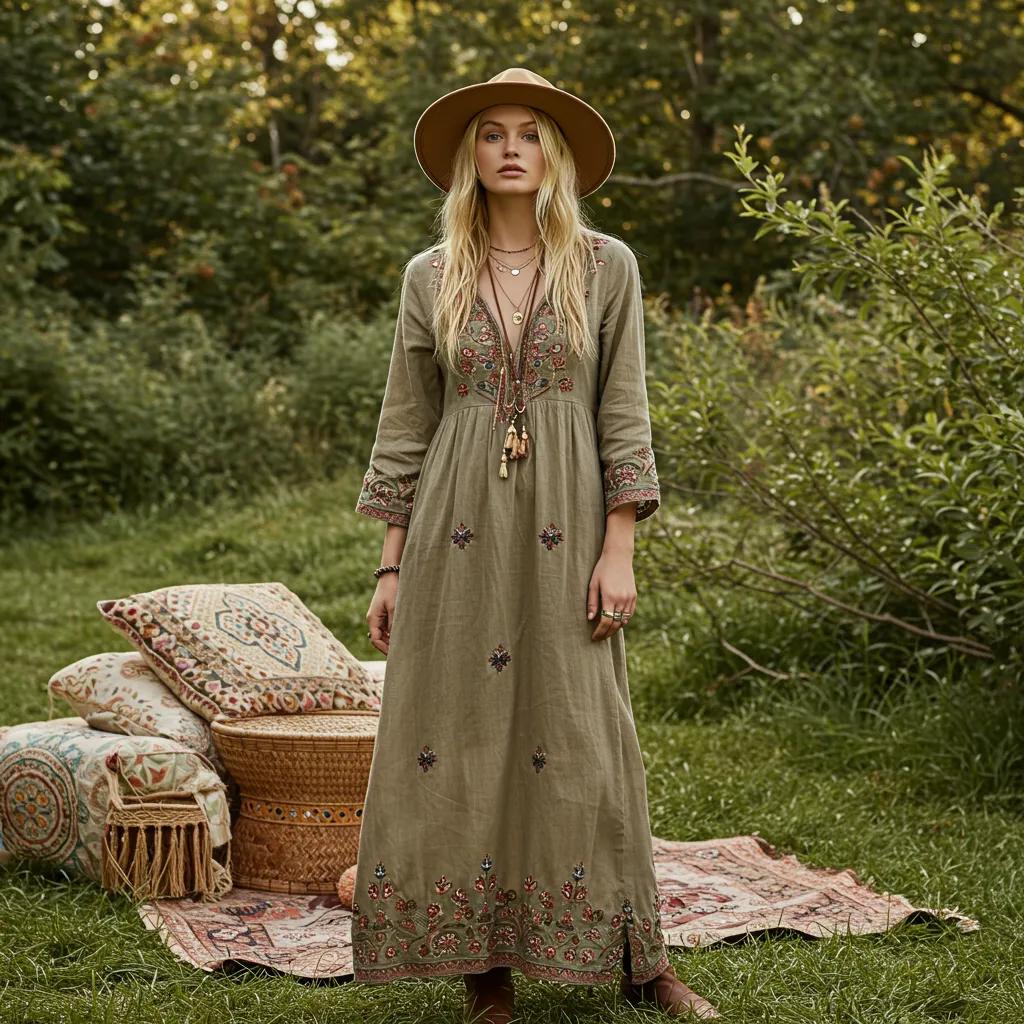
1970s boho influences appear as fluid maxi dresses, bell sleeves, earthy palettes, and artisanal detailing that align with slow-fashion values and natural fabrics like cotton, linen, and silk. The bohemian trend emphasizes texture—crochet, macramé, and embroidery—that translates well into local craft traditions and supports makers. Modern styling often mixes a boho maxi with structured outerwear or ankle boots to create contrast and seasonless appeal. This blend promotes sustainability and wardrobe longevity by favoring pieces that can be layered and repaired rather than discarded.
What Defines the 1990s Streetwear Revival in Vintage Fashion?
The 1990s streetwear revival centers on relaxed denim, flannel layering, minimalist logos, and athletic silhouettes reshaped with contemporary proportions and quality fabrics. Key items include baggy jeans reinterpreted through better tailoring, vintage graphic tees worn under blazers, and elevated sportswear fabrics integrated into everyday looks. Influencers curate 90s aesthetics through remixing and selective authenticity—pairing real-denim finds with new, well-fitted basics to avoid costume. When shopping, prioritize denim construction and seams as authenticity markers and consider local tailors to adjust oversized pieces for modern wearability.
How Is Y2K Glamour Being Reimagined in 2025?
Y2K glamour returns in metallics, rhinestone accents, and low-rise silhouettes but is being refined with muted palettes, sustainable synthetics, and wearable cuts suitable for a broader age range. Instead of head-to-toe sparkle, designers use rhinestone detailing as an accent or apply metallic fabrics in structured accents to avoid dated kitsch. Short styling notes include pairing a Y2K-style top with high-waisted trousers for balanced proportions and choosing recycled or deadstock fabrics when possible. Social media platforms continue to amplify Y2K micro-trends, but 2025’s approach favors considered sparkle over maximalist excess.
Why Is 1950s Elegance Returning to Vintage Fashion?
1950s elegance re-emerges through fit-and-flare dresses, nipped waists, tailored coats, and ladylike accessories, offering a counterpoint to casual streetwear trends with polished, occasion-ready dressing. The appeal is nostalgic sophistication and garment longevity: well-made 1950s pieces often survive decades due to higher-quality materials and construction. Modern adaptations include wearing a fit-and-flare dress with contemporary sneakers or layering a tailored coat over relaxed denim to fuse formality with everyday comfort. When sourcing vintage 1950s items, inspect seams, lining, and closures to ensure structural soundness and discuss potential gentle alterations with a trusted tailor.
Before the comparison table below, this summary clarifies the purpose: the table maps each 2025 trend to its key items, typical fabrics and colors, and Pakistani relevance to help readers prioritize what to look for locally and online.
This comparison highlights how each global trend maps to practical items, materials, and culturally appropriate adaptations.
How Has Vintage Fashion Evolved Through the Decades?
Vintage fashion evolution is a chronological arc where social change, technology, and media shaped silhouettes, fabrics, and consumption habits from the 1920s through the early 2000s. Each decade introduced distinct construction techniques and cultural drivers—flapper liberation in the 1920s, wartime utility in the 1940s, and youth-led subcultures in the 1960s–1990s—that continue to inform revival cycles. The timeline below summarizes major movements and the mechanisms by which they persist: archival research, runway reinterpretation, resale market dynamics, and social amplification on digital platforms. Understanding this evolution clarifies why certain items retain aesthetic and material value for collectors and casual wearers alike.
What Are the Key Characteristics of 1920s to 1950s Vintage Styles?
Styles from the 1920s to 1950s reflect major social shifts: the 1920s flapper look prioritized dropped waists and ornamentation as symbols of liberation; 1930s-1940s designs balanced glamour with utility amid economic and wartime constraints; and the 1950s reinstated tailored femininity and luxury fabrics in post-war prosperity. Construction techniques like bias cuts, hand finishes, and high-quality silks distinguish genuine pieces from later reproductions. Modern wearers incorporate these elements sparingly—such as a bias-cut top under a blazer—to evoke period charm without full historical dress. Inspecting linings and stitch quality helps identify authentic garments from these early decades.
How Did the 1960s to 1980s Shape Retro Clothing Trends?
The 1960s introduced mod minimalism and youth-directed ready-to-wear, the 1970s favored bohemian and disco excess, and the 1980s amplified power dressing and maximalist aesthetics; each movement democratized fashion through mass production and media visibility. Subcultures—mod, hippie, punk, and disco—translated musical and political identities into clothing, creating visual vocabularies that designers and consumers revisit cyclically. These decades also expanded synthetic fabric use and new manufacturing methods, which affect longevity and restoration prospects for vintage pieces today. Recognizing these industrial and cultural drivers helps collectors assess material durability and the environmental tradeoffs of reproductions.
What Fashion Movements Defined the 1990s and Early 2000s?
The 1990s emphasized grunge, minimalism, and the nascent rise of streetwear, while the late 1990s and early 2000s birthed Y2K’s tech-inflected kitsch and logo culture; changes in youth identity and media access drove these shifts. Garment hallmarks include distressed denim, slip dresses, cargo pants, and early athleisure that blurred home and public attire. The internet and early social platforms accelerated trend recycling, enabling micro-trends to spread faster and influencing resale demand for 90s and Y2K pieces. Understanding this period helps shoppers identify authentic-era construction and decide when to buy vintage originals versus contemporary retro reproductions.
Who Are the Iconic Vintage Fashion Designers and Influencers?
Iconic designers and cultural figures from each era created defining silhouettes and techniques—designers translated social values into wearable forms while actors and musicians amplified desirability through mass visibility. Their legacy lives in signature cuts, prints, and accessories that resurged on runways and in archives, informing contemporary collections and DIY revivals. Contemporary influencers recontextualize archived pieces for modern audiences, often blending eras to create hybrid aesthetics. Recognizing these creative lineages helps consumers trace provenance and appreciate the craftsmanship behind a garment, which in turn supports preservation and thoughtful sourcing.
What Is Sustainable Vintage Fashion and Why Is It Important?
Sustainable vintage fashion refers to the reuse, repair, resale, and upcycling of clothing to reduce waste, conserve resources, and extend garment lifecycles, providing both environmental and social benefits. This practice reduces demand for new production, lowers textile waste, and supports circular economy principles by keeping materials in use longer. For consumers, sustainable vintage offers unique design, affordability, and the satisfaction of choosing lower-impact alternatives to fast fashion. The following content outlines specific sustainable practices and their measurable impacts to help readers make informed wardrobe decisions.
How Does Vintage Fashion Support Eco-Friendly and Ethical Choices?
Vintage fashion reduces environmental impact primarily by avoiding new material production and the energy-intensive processes associated with modern manufacturing. Reuse extends garment life, repair maintains value, and resale redistributes existing clothing, collectively lowering carbon and water footprints relative to producing new garments. Ethically, vintage supports small sellers, local markets, and craftspeople who repair or repurpose items, fostering livelihoods and preserving traditional techniques. These mechanisms create a resilient wardrobe strategy: investing in quality pieces and maintaining them yields long-term environmental and social returns.
Before the table below, this paragraph explains the table’s function: it compares reuse, upcycling, resale, and slow-fashion practices by their impact and the tangible environmental or social value they deliver to illustrate why each practice matters.
This comparison clarifies that while all practices contribute to sustainability, combining them—resale plus repair, or reuse plus upcycling—maximizes environmental and social benefits.
What Are the Best Upcycling and DIY Vintage Fashion Ideas?
Upcycling and DIY projects transform found garments into refreshed, wearable items while reducing waste and celebrating craft skills. Simple projects include converting oversized shirts into tailored blouses, patchworking denim into jackets, and adding hand-embroidered details to repair or refresh voids in fabric. Materials are typically limited to basic sewing tools, patches or trims salvaged from other garments, and thread; instructions emphasize gentle cleaning and colorfast testing before work. These practices not only prolong garment life but also cultivate creativity and a deeper connection to clothing, encouraging mindful consumption.
Why Is the Second-Hand Clothing Market Growing Among Young Consumers?
The second-hand market expands among Gen Z and millennials due to sustainability concerns, desire for unique personal style, and affordability relative to premium new items. Social media platforms amplify thrift culture by showcasing high-value finds and styling hacks, which normalizes resale as a mainstream shopping behavior. Market dynamics also favor resale: platforms and local markets make sourcing easier, while repair and alteration skills enable buyers to adapt pieces for modern fits. For new entrants, starting with low-commitment purchases and learning basic care skills demystifies vintage shopping and makes resale an accessible, sustainable habit.
How Is Vintage Fashion Influencing Pakistani Style and Culture?
Global vintage trends intersect with Pakistani textiles, silhouette traditions, and seasonal considerations to produce unique local adaptations that reflect regional aesthetics and weather. Pakistani consumers and creators translate retro elements—like 80s prints or 70s maxi shapes—into local cuts, embroidery techniques, and modest layering practices to create hybrid looks. ARY News covers cultural stories and lifestyle trends with a local lens, reporting on how these global revivals manifest in Pakistani markets, events, and social platforms to keep audiences informed about changes relevant to their wardrobes. This localized perspective helps readers see how heritage crafts and modern vintage intersect in Pakistani contexts.
What Are the Unique Pakistani Vintage Fashion Trends?
Unique Pakistani vintage trends blend imported retro shapes with native fabrics, ornamentation, and modesty preferences to produce hybrid garments like embroidered maxi kurtas, printed shalwar blends, and tailored coats with local motifs. Regional variations emphasize block prints, mirrorwork, and hand-embroidery, which reframe global silhouettes into culturally resonant pieces. Youth adoption on social media often features fusion outfits—pairing vintage jackets with traditional trousers or using vintage scarves as contemporary accessories—to create lookbooks that feel both familiar and novel. These hybrid forms underline how craft traditions can be mobilized to keep vintage fashion locally meaningful.
How Has Pakistani Fashion History Shaped Retro Clothing Choices?
Pakistan’s fashion history, influenced by pre- and post-independence textile traditions, courtly embroidery, and regional dress codes, provides a deep reservoir of shapes and techniques that inform current retro revivals. Historical garments emphasized handcraft, natural fibers, and region-specific motifs that designers and vintage hunters now reinterpret for 21st-century wardrobes. This heritage encourages sustainability through reuse of high-quality fabrics and preservation of artisanal skills. Recognizing these historical roots helps shoppers appreciate provenance and supports cultural continuity in modern reinterpretations.
Where Can You Find Vintage Markets and Boutiques in Pakistan?
Finding vintage markets and boutiques in Pakistan often involves visiting city bazaars, local markets, and curated resale pop-ups that specialize in older textiles, heirloom pieces, and repurposed garments. Shoppers benefit from learning basic condition checks—inspecting seams, lining, and fabric integrity—and bargaining norms to secure fair prices on usable vintage. Online community groups and social hashtags help surface local sellers and event announcements, offering ways to connect with specialist sellers and repairers. Employing careful condition assessment and negotiating for minor repairs ensures better long-term value from purchases.
Who Are the Pakistani Designers and Influencers Embracing Vintage Fashion?
Many Pakistani designers and cultural creators integrate archival motifs, traditional techniques, and vintage silhouettes into contemporary collections, emphasizing craft continuity and reinterpretation. Influencers and stylists often highlight fusion approaches—pairing heirloom textiles with modern tailoring—to demonstrate how vintage elements work in daily life and at events. Rather than focusing on individual names, observe local fashion weeks, lifestyle features, and curated market pop-ups where designers present vintage-informed lines. This collective movement reinforces the role of community and craftsmanship in sustaining vintage fashion locally.
How Can You Incorporate Vintage Fashion into a Modern Wardrobe?
Incorporating vintage into a modern wardrobe requires balancing silhouette, color, and texture so that older pieces complement contemporary items rather than clash or dominate. Successful integration follows simple principles: choose one archival focal piece, match it with streamlined modern basics, and attend to fit and fabric condition to ensure comfort and longevity. The checklist and outfit formulas below provide practical steps and accessory rules to make vintage work for everyday contexts and special occasions alike.
Begin with a short list explaining stepwise integration; these steps serve as a practical how-to for readers.
- Start Small: Introduce vintage through accessories or one statement piece to test fit and style compatibility.
- Balance Proportions: Pair a voluminous vintage item with a fitted modern counterpart to maintain modern lines.
- Mind Fabric and Care: Check material integrity and learn basic care before frequent wear.
- Use Tailoring: Employ a trusted tailor to adjust silhouettes subtly for contemporary comfort.
After this checklist, the following paragraph summarizes why stepwise integration reduces wardrobe risk and increases wearable outcomes.
What Are the Best Ways to Mix Vintage and Contemporary Clothing?
Best methods for mixing vintage and contemporary clothes include using modern basics as neutral anchors, employing color echoes to harmonize disparate eras, and limiting era-specific accessories to one outfit focal point to avoid pastiche. Outfit formulas that work include pairing a vintage blazer with a monochrome modern outfit, wearing a retro dress with current sneakers, or styling a vintage blouse under a tailored coat. Tailoring and quality checks ensure vintage pieces sit correctly with newer garments, which preserves the intended silhouette and makes outfits feel deliberate. This approach creates a curated, sustainable wardrobe with personal expression at the center.
How Do You Accessorize with Vintage Jewelry, Hats, and Footwear?
Accessorizing vintage items effectively relies on using accessories as subtle accents that amplify rather than overpower an outfit; vintage brooches, hats, and footwear often work best as single-point statements. Rules include matching metal tones across jewelry, choosing footwear that complements silhouette and scale, and testing hat proportions against modern hairstyle preferences. Caring for vintage accessories—gentle cleaning of metals, checking hat sweatbands, and assessing sole wear—preserves their usability and aesthetic. These practices maintain the piece’s character while ensuring reliability for repeated wear.
What Should You Look for When Shopping for Vintage Clothing?
When shopping for vintage, inspect seams, linings, closures, and fabric integrity to assess condition; check for repairs that indicate prior restoration and evaluate whether future repairs are feasible. Fit considerations require measuring garments against current body dimensions and considering alteration possibilities; prioritizing adjustable or forgiving silhouettes reduces alteration needs. Price-to-value assessment should factor rarity, construction quality, and expected wear life rather than nostalgia alone. These checks help buyers make confident purchases that will remain wearable and economically sensible over time.
How Can Social Media Help You Discover Vintage Fashion Inspiration?
Social media surfaces vintage inspiration through curated short videos, tagged images, and influencer styling that highlight wearable combinations and sourcing tips; platforms foster communities where sellers and shoppers exchange knowledge. Use saved collections, hashtag searches, and creator playlists to track trends and learn restoration or styling techniques from specialists. When discovering sellers online, verify photos, ask for detailed condition images, and request provenance where possible to avoid misrepresentations. Leveraging social platforms responsibly connects buyers to both inspiration and reliable local sellers.
What Are the Differences Between Vintage and Retro Clothing Styles?
Vintage clothing refers to authentic garments produced in earlier historical periods, while retro describes new items designed to mimic past styles; this distinction affects authenticity, sustainability, and sourcing decisions. The following comparisons clarify age, authenticity markers, and sustainability impacts so readers can make informed choices when seeking either category for their wardrobes.
How Do Vintage and Retro Styles Differ in Age and Authenticity?
Vintage items are typically at least 20–30 years old and show period-specific construction details—such as hand stitching, era-specific labels, and fabric types—that signal authenticity. Retro reproductions intentionally mimic these looks but are produced recently using modern materials and methods, which affects both longevity and environmental footprint. Authenticity checks include label dating, stitch patterns, fabric composition, and signs of natural wear consistent with age. Understanding these markers helps buyers decide between preserving original pieces and choosing retro alternatives for practical wear.
Why Is Vintage Fashion More Sustainable Than Fast Fashion?
Vintage fashion reduces waste by extending garment lifespan and avoiding resource-intensive new production, which lowers the per-wear environmental cost relative to fast fashion. Reusing and repairing garments conserves materials and supports secondary markets that provide economic opportunities for small sellers and artisans. While retro reproductions can sometimes employ sustainable methods, genuine vintage often represents the lowest immediate environmental impact because it repurposes existing materials rather than creating demand for new textiles. This lifecycle perspective explains why many eco-conscious consumers prioritize vintage sourcing.
How Do Fashion Movements Influence Vintage vs. Retro Trends?
Fashion movements provide the inspiration that fuels both authentic vintage demand and retro reproduction cycles; designers and brands often reinterpret historical motifs to suit contemporary tastes and production models. Retro reproductions proliferate because they make historical aesthetics accessible at scale, but this accessibility can dilute provenance and reduce incentives to preserve original garments. Conversely, movements that valorize craftsmanship and authenticity boost interest in vintage pieces and archival research. Consumers should weigh authenticity desires against accessibility and sustainability goals when choosing between vintage originals and retro designs.
What Are the Iconic Vintage Fashion Items to Know for Each Decade?
Understanding iconic items by decade helps collectors and casual shoppers identify versatile pieces worth sourcing and preserving; decade-specific items often translate into modern outfits with small adjustments in fit and pairing. The table below lists representative items from several decades along with concise modern styling advice to facilitate quick-reference wardrobe decisions. Recognizing these staples aids in targeted shopping and more confident integration of vintage finds into contemporary looks.
What Are the Must-Have Vintage Pieces from the 1920s to 1950s?
Must-have pieces from the 1920s to 1950s include a bias-cut slip or dress, a tailored wool coat, a well-constructed dress with a defined waist, and classic accessories like brooches and gloves that convey era authenticity. To modernize these items, pair a vintage dress with contemporary outerwear or streamlined shoes and limit period accessories to a single statement to avoid costume effects. When evaluating a potential purchase, prioritize structural integrity—linings, hems, zippers—and consider gentle restorative cleaning before wear. These guidelines make early-decade pieces wearable and durable for modern wardrobes.
Which Clothing Items Define the 1960s to 1980s Vintage Eras?
Defining items from the 1960s through the 1980s include the mod mini and shift dress, 1970s flared trousers and crochet tops, and 1980s power blazers and sequined eveningwear; each item embodies distinct cuts and cultural associations. Modern usage often adapts these pieces through proportion alteration—such as lengthening minis with tights or toning down sequins with matte fabrics—so they read contemporary rather than theatrical. Sourcing authenticity depends on materials and finishes: optical prints, psychedelic colorways, and shoulder construction are useful signals when assessing provenance and value.
What Are the Signature 1990s and Y2K Vintage Fashion Essentials?
Signature 1990s and Y2K essentials include baggy denim, slip dresses, cargo pants, low-rise waists, and embellished Y2K tops; these items are prized for both nostalgia and their adaptability to modern silhouettes. To update them, balance low-rise pieces with longer-line modern tops or elevate baggy denim with fitted blazers and structured shoes. Authenticity checks focus on denim weight, zipper types, and label details, while tailoring offers a route to make oversized pieces wearable. Recognizing these essentials lets shoppers target era-defining items that integrate smoothly into 2025 wardrobes.
To provide timely continuity with the article’s editorial mission and final call to action, remember the reporting purpose stated earlier: To provide timely and comprehensive news and current affairs coverage, keeping the audience informed and engaged with diverse content. Readers interested in ongoing coverage of vintage fashion and lifestyle trends are encouraged to follow ARY News’ LifeStyle reporting for updates and local stories that track how these trends continue to evolve.
Conclusion
Embracing vintage fashion not only allows for unique personal expression but also supports sustainable practices that benefit the environment and local economies. By understanding the key trends and how to integrate them into modern wardrobes, readers can make informed choices that reflect both style and responsibility. Explore our curated selection of vintage pieces and local boutiques to find your perfect fit. Stay connected with ARY News for the latest updates on vintage fashion and lifestyle trends.