Comprehensive Guide to Government Policies and Programs in Pakistan: Economic, Social, and Security Insights
Government policies and programs in Pakistan shape economic growth, social protection, and national security through coordinated policy pillars and implementation agencies. This guide explains major initiatives and reforms active in and around 2025, covering the National Economic Transformation Plan (Uraan Pakistan), Budget 2025–2026 priorities, social welfare schemes, the National Security Policy 2022–2026, and governance reforms that influence delivery and accountability. ARY News, as an information hub positioning itself as “Ai Reporting Yard – Powered With Ai Accurate, Fast, and Reliable,” provides reporting and context that help readers follow these developments with clarity and speed. Readers will learn which policies drive macroeconomic outcomes, which programs deliver human impact, how security and governance reforms interact, and practical ways to track policy changes. The article maps economic, social, and security clusters and provides EAV comparison tables, actionable lists for citizens and analysts, and curated expert viewpoints to guide understanding and engagement.
What Are the Key Economic Policies Driving Pakistan’s Growth in 2025?

Key economic policies in 2025 combine the National Economic Transformation Plan (Uraan Pakistan), fiscal measures in Budget 2025–2026, and continued engagement with international financial partners to stabilize macroeconomic indicators and promote export-led growth. These policies aim to address low investment, narrow the fiscal deficit, and create jobs through targeted structural reforms in energy, digital economy, and export sectors. The interplay between budget allocations, trade policy, and conditional external financing determines short-term stabilization and medium-term growth trajectories. Understanding how each program links to GDP targets and implementation agencies clarifies where outcomes are likely to materialize and where risks remain.
What Is the National Economic Transformation Plan and Its Objectives?
The National Economic Transformation Plan (commonly referred to as Uraan Pakistan) is a strategic initiative focused on export promotion, digital transformation, energy reforms, and inclusive growth. It works by concentrating budgetary support and regulatory reforms on high-potential sectors such as IT services, light manufacturing, and value-added agriculture to raise productivity and export earnings. Targets commonly cited in policy discourse include multi-year GDP growth lifts and export expansion benchmarks tied to sectoral performance. Implementation relies on ministries such as the Ministry of Finance and the Ministry of Planning, Development and Special Initiatives, with monitoring through designated implementation agencies and periodic progress reporting.
How Are Pakistan’s Budget 2025-2026 and Fiscal Policies Shaping Development?
Budget 2025–2026 allocates scarce fiscal space across infrastructure, social spending, and subsidies while pursuing fiscal consolidation to reduce deficit pressures and restore investor confidence. Revenue enhancement measures and targeted reprioritization aim to protect human capital investment in health and education while trimming inefficient subsidies. The budget uses fiscal measures—tax reforms, public investment scheduling, and conditional transfers—to balance macro stability and growth promotion. Monitoring budget execution and real net allocations remains essential to determine whether public investment will translate into improved service delivery and sustained economic momentum.
What Role Do IMF Programs and International Financial Engagements Play?
International financial engagements, including IMF programs and collaboration with multilateral partners, operate as stabilization and reform catalysts that condition financing on fiscal and structural reforms. These engagements influence monetary and fiscal policy settings by imposing conditionality on deficit targets, reserve accumulation, and institutional reforms, which can improve market confidence when implemented credibly. Complementary roles played by the World Bank, ADB, and bilateral partners often focus on project finance, technical assistance, and targeted social spending to protect vulnerable groups during adjustment. The net effect depends on policy sequencing, political buy-in, and the capacity of implementation agencies to translate conditionality into measurable reforms.
The National Economic Transformation Plan, while ambitious, operates within the broader context of international financial agreements.
Pakistan’s Economic Plan: Limited Impact and IMF Program
Its many targets include raising GDP growth to 6%. The five-year plan will run alongside the 37-month, roughly USD7bn Extended Fund Facility programme with the IMF, which began in September. Over the past few years, financing from the IMF and friendly countries has helped the country avoid a sovereign debt defaul
Pakistan’s new economic plan will have limited impact, 2025
How Are Trade and Investment Policies Supporting Export Growth?
Trade and investment policy levers in 2025 emphasize export incentives, special economic zones, and export financing to accelerate foreign exchange earnings and diversification. Policies include tariff rationalization, streamlined customs procedures, and promotion of SEZs tied to CPEC and other investment platforms to attract FDI and boost manufacturing competitiveness. Export promotion focuses on IT services and value-added agriculture where comparative advantage can be scaled through skills development and logistics improvements. These measures are supported by export credit lines and targeted duty draws that lower costs for exporters, with the aim of increasing remittances and reducing trade imbalances.
Different economic policy instruments and stakeholders can be compared for clarity.
Which Social Welfare Programs Are Transforming Lives in Pakistan?
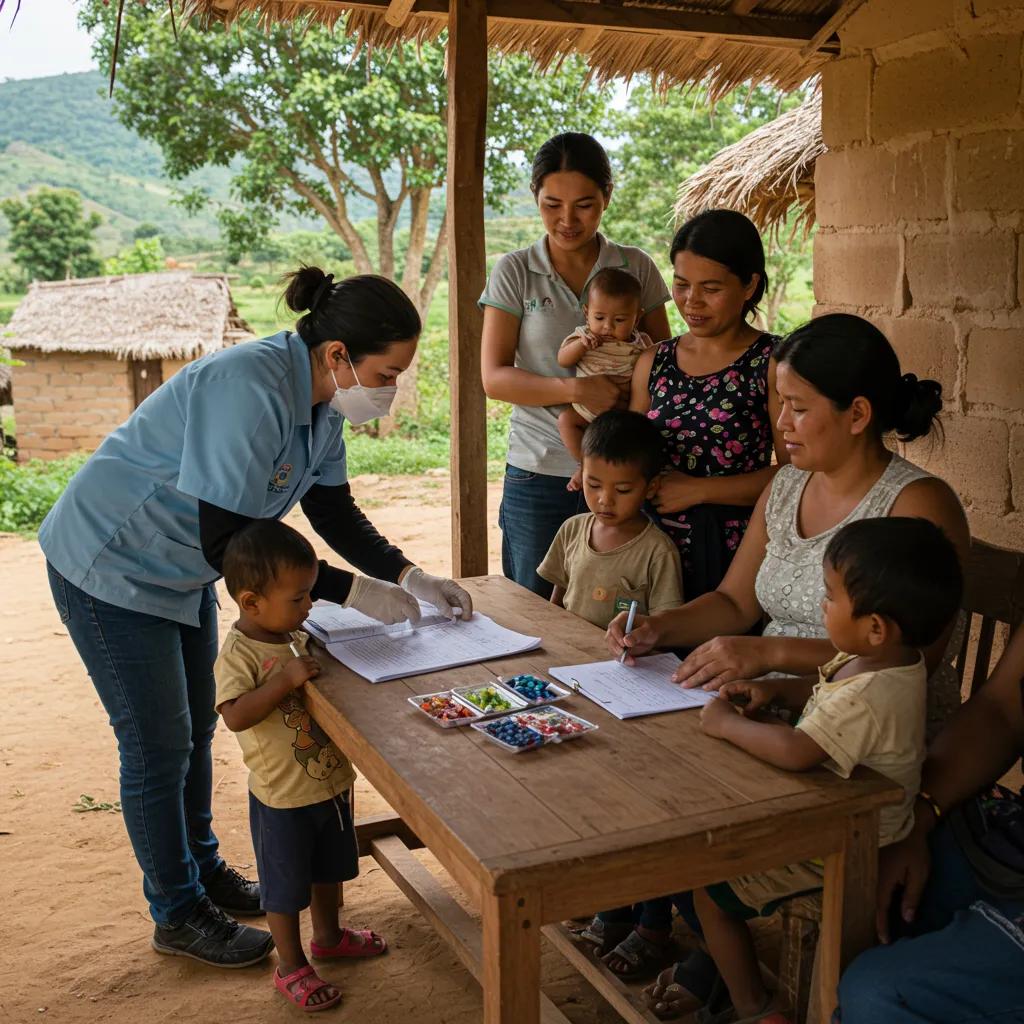
Social welfare programs are designed to reduce poverty, improve health access, and expand education and empowerment opportunities, with a focus on vulnerable households and women and youth beneficiaries. Major schemes operate through federal and provincial providers and include poverty alleviation funds, food support mechanisms, and primary healthcare expansion. Implementation challenges include targeting accuracy, fiscal sustainability, and coordination between national and provincial actors. Evaluating program design and measurable outcomes helps determine which interventions are scalable and which require redesign for better impact.
How Does the Pakistan Poverty Alleviation Fund Combat Poverty?
The Pakistan Poverty Alleviation Fund (PPAF) functions as a central aggregator and funder of community-level poverty reduction efforts using instruments like microcredit, community infrastructure projects, and technical assistance. It targets low-income households and rural communities to increase livelihoods, facilitate small enterprise growth, and support social protection nets. Success is measured through beneficiary counts, loan repayment rates, and infrastructure outcomes, while challenges include geographic reach and sustainability of interventions. Close coordination with provincial programs and monitoring systems is essential to scale effective models and avoid overlap.
What Healthcare Reforms and Initiatives Are Improving Access?
Healthcare reforms in recent years have emphasized primary care expansion, public health financing improvements, and targeted programs to reach underserved populations through provincial and federal initiatives. Reforms focus on strengthening basic health units, improving supply chains for essential medicines, and increasing vaccination and maternal health coverage. Access gains are evident where provincial commitment and budgetary allocations align with service delivery reforms, although gaps in human resources and facility readiness persist. Ongoing efforts to integrate digital records and performance monitoring aim to close quality and access disparities.
How Are Education Sector Policies Supporting Youth Development?
Education policies target increased enrollment, curriculum updates, and vocational training to better link schooling with labor market needs and youth employability. Programs include scholarship schemes, teacher training, and initiatives to expand technical and vocational education that prepare young people for jobs in IT, services, and agribusiness. Quality metrics—learning outcomes, transition rates to higher education or jobs—help assess program effectiveness, while challenges include regional disparities and infrastructure shortfalls. Aligning education reforms with industry demand is central to turning enrollment gains into tangible employment outcomes.
What Government Initiatives Empower Women and Youth?
Government initiatives for women and youth combine access to finance, skills training, and leadership platforms to promote economic participation and social inclusion. Targeted programs provide microcredit, entrepreneurship training, and incentives for female labor force participation, while youth schemes focus on internships, digital skills, and startup support. Measured outcomes include enterprise formation, increased incomes, and higher participation rates, though cultural and institutional barriers can limit reach. Strengthening monitoring and enabling regulatory environments improves the odds that empowerment programs achieve sustained impact.
Below is a comparison of major social programs and their delivery agencies to help readers scan options quickly.
What Are the Main Features of Pakistan’s National Security Policy 2022-2026?
The National Security Policy (NSP) 2022–2026 articulates a multi-pillar approach linking economic security, counter-terrorism, and regional diplomacy to the nation’s stability objectives. NSP reframes national security to include economic resilience, energy security, and social cohesion, recognizing that prosperity underpins safety. The policy emphasizes interagency coordination, preventive diplomacy, and development-oriented security investments to reduce vulnerabilities. Understanding NSP’s pillars clarifies how defense, foreign policy, and economic planning intersect to shape both immediate security measures and long-term strategic priorities.
How Does the NSP Prioritize Economic Security and Stability?
Economic security within the NSP is defined as policies that protect key infrastructure, ensure energy supply continuity, and promote macroeconomic stability to prevent security-related shocks. The link between fiscal stability and security appears through investment in job creation, protection of strategic assets, and measures to reduce economic grievances that can fuel instability. Concrete measures include safeguarding critical infrastructure projects, aligning development spending with stability objectives, and coordinating agencies responsible for economic resilience. The expected outcome is a reduction in risk factors that destabilize communities and economic activity.
What Counter-Terrorism and Regional Diplomacy Strategies Are in Place?
Counter-terrorism strategies under the NSP combine operational, legislative, and community-based actions to degrade violent extremist networks and reduce recruitment pools. Measures include intelligence-led operations, legal reforms to improve prosecution, and community rehabilitation programs that address radicalization drivers. On regional diplomacy, the NSP prioritizes bilateral engagement and economic connectivity to reduce cross-border tensions and build cooperative security frameworks. Close coordination between security organs and foreign policy actors is central to synchronizing diplomatic channels with counter-terrorism objectives.
How Is National Security Linked to Governance and Public Administration?
National security is linked to governance through reforms that improve transparency, service delivery, and inter-agency coordination, thereby strengthening state legitimacy and public trust. Administrative capacity building—improving procurement, rule of law, and oversight mechanisms—reduces governance gaps that adversaries might exploit. Strengthening public institutions and anti-corruption measures serves both governance and security aims by making state responses more effective. The NSP frames these governance reforms as prerequisites for sustained security gains and societal resilience.
How Is Governance and Public Administration Evolving Through Reforms?
Governance reforms focus on judicial improvements, anti-corruption measures, and digital government initiatives that aim to modernize the administrative state and improve accountability. These reforms are intended to streamline service delivery, reduce leakages in public spending, and enhance citizen trust through transparency measures. Digital governance initiatives further promise efficiency by automating processes, improving record-keeping, and opening data for oversight. Assessing the pace and efficacy of these reforms requires examining institutional changes, legislative adjustments, and the operational readiness of civil service machinery.
What Judicial and Legal Reforms Are Enhancing Pakistan’s Governance?
Judicial and legal reforms target case management efficiencies, procedural simplification, and capacity strengthening to reduce case backlogs and improve access to justice. Reforms may include digital filing systems, improved court administration, and specialized tribunals for economic or administrative disputes to speed resolution. These measures enhance the rule of law and make governance more predictable for citizens and businesses. However, implementation constraints such as resource shortages and training needs can slow measurable improvements, requiring continued institutional investment.
How Are Anti-Corruption Initiatives Strengthening Public Trust?
Anti-corruption efforts combine institutional mechanisms, transparency enhancements, and digital disclosures to reduce opportunities for graft and to improve public confidence in state institutions. Measures include strengthening oversight bodies, implementing e-procurement, and publishing budgetary data to allow external scrutiny. Early signals of progress often come from increased investigations and recoveries, while sustainable trust gains depend on consistent enforcement and judicial follow-through. Critics argue that political will and impartial enforcement remain critical determinants of long-term success.
What Role Does Digital Governance and E-Pakistan Play in Modernizing Administration?
Digital governance initiatives under the E-Pakistan concept seek to deliver services online, reduce bureaucratic friction, and introduce digital identities that streamline citizen-state interactions. Projects may include e-payment systems, online licensing, and integrated citizen service portals that shorten transaction times and improve transparency. The benefits include greater efficiency, easier access to services, and better data for policymaking, though digital divides and infrastructure gaps can limit adoption. Strengthening digital literacy and connectivity is therefore essential for realizing the full promise of e-governance reforms.
Below is a short list summarizing governance reform priorities to help practitioners focus on critical levers.
- Strengthen judicial case management and reduce backlogs through digital systems.
- Expand anti-corruption transparency via e-procurement and public disclosures.
- Scale e-government services to improve efficiency and citizen access.
- Invest in civil service capacity building for sustained reform delivery.
These priorities provide a roadmap for policymakers to link governance improvements with security and development outcomes.
How Do Government Initiatives Address Youth Empowerment and Employment?
Youth empowerment and employment initiatives combine skills training, digital access, and finance schemes to harness demographic dividends and reduce unemployment. Programs like the Prime Minister’s Youth Programme and Digital Youth Hub are designed to build capacities through internships, entrepreneurship training, and digital upskilling. Complementary loan schemes for business and agriculture aim to provide the capital that young entrepreneurs need to start and scale ventures. Evaluating impact requires tracking eligibility, disbursement numbers, and measurable outcomes such as jobs created and enterprise survivorship.
What Are the Objectives of the Prime Minister’s Youth Programme and Digital Youth Hub?
The Prime Minister’s Youth Programme and Digital Youth Hub aim to equip young people with market-relevant skills, offer internship and mentorship opportunities, and provide pathways to digital employment. Core objectives include broadening access to training, fostering entrepreneurship, and reducing youth unemployment through targeted interventions. Delivery channels typically blend online courses, local training centers, and partnerships with private sector employers to facilitate placements. Early indicators of success include participant completion rates, job placements, and startup formation metrics that demonstrate transition from training to employment.
How Do Business and Agriculture Loan Schemes Support Young Entrepreneurs?
Business and agriculture loan schemes provide concessional credit lines, simplified eligibility criteria, and technical support to enable youth-led startups and agribusiness expansion. These schemes reduce entry barriers by offering smaller ticket sizes, longer repayment windows, and mentoring to improve business viability. Outcomes are measured by loans disbursed, enterprise survival, and new employment generated in local economies. Barriers such as collateral requirements, loan processing times, and limited outreach remain challenges that policymakers aim to address through streamlined digital applications and targeted outreach.
What Impact Have Laptop Schemes and Digital Access Programs Had on Education?
Laptop distribution schemes and digital access programs are designed to close the digital divide, enhance remote learning, and build digital skills among students and young professionals. By providing hardware and connectivity support, these programs help learners access online courses, coding bootcamps, and remote internships that improve employability. Measurable impacts include increased participation in online learning platforms and higher digital literacy metrics among recipients, though infrastructure maintenance and broadband access in rural areas can limit sustained benefits. Addressing these constraints is key to converting device distribution into long-term educational gains.
An EAV table comparing youth initiatives helps summarize eligibility and outcomes for quick comparison.
This table clarifies program intent and key outcomes, making it easier to compare how each initiative supports youth employment. The next section addresses challenges and future policy directions.
What Are the Challenges and Future Outlook for Pakistan’s Government Policies?
Pakistan’s policy landscape faces implementation, fiscal, and coordination challenges that affect the pace and equity of reform outcomes, but a pragmatic outlook combines adjustment, piloting, and expert advice to steer policies toward resilience. Common criticisms include limited implementation capacity, politicized resource allocation, and gaps in monitoring. Policymakers are increasingly adopting recalibration steps—pilot programs, budget reallocations toward social safety nets, and renewed emphasis on export promotion to stabilize growth. These recalibrations include redirecting funds to priority social programs during economic stress and launching pilot reforms in governance or digital services to test scalability before nationwide rollouts. Early indicators of effective adjustments include improved targeting of support, enhanced monitoring dashboards, and stakeholder feedback loops that inform iterative policy design. Such adaptive approaches aim to make policies more responsive to real-time conditions.
What Are the Main Criticisms and Implementation Challenges?
Frequent criticisms cite fiscal constraints, weak administrative capacity, and coordination failures across ministries and provinces as central impediments to policy delivery. Real-world examples often show delays in project execution, mismatched budgets, and insufficient monitoring that reduce program effectiveness. Political economy factors, such as short policy horizons and shifting priorities, further complicate consistent implementation. Addressing these criticisms requires institutional strengthening, improved transparency, and more robust results-based management practices across government agencies.
How Are Policies Being Adjusted to Meet Emerging Economic and Social Needs?
Policies are being adjusted through targeted pilots, budget reallocations toward social safety nets, and renewed emphasis on export promotion to stabilize growth. These recalibrations include redirecting funds to priority social programs during economic stress and launching pilot reforms in governance or digital services to test scalability before nationwide rollouts. Early indicators of effective adjustments include improved targeting of support, enhanced monitoring dashboards, and stakeholder feedback loops that inform iterative policy design. Such adaptive approaches aim to make policies more responsive to real-time conditions.
What Expert Opinions and Recommendations Guide Policy Evolution?
Experts from domestic think-tanks and international organizations recommend focusing on fiscal sustainability, export competitiveness, and stronger social protection to preserve growth and equity. Key recommendations emphasize prudent deficit management, investment in human capital, and targeted support for sectors with high employment multipliers. ARY News functions as a platform that curates and amplifies expert commentary through editorial formats and public panels, bringing academic and policy perspectives into wider public view. Policymakers commonly use such expert inputs to prioritize reforms and calibrate program design while media scrutiny helps shape public acceptance and accountability.
Below is a list of actions experts frequently recommend for policy improvement.
- Prioritize fiscal sustainability and transparent budgeting to restore confidence.
- Accelerate export promotion and value-chain development to generate jobs.
- Strengthen social protection targeting to protect vulnerable households.
- Invest in digital governance and institutional capacity to improve delivery.
These recommended actions provide a blueprint for policymakers seeking to balance macro stability with social resilience. The final section explains how citizens can track and engage with policy developments.
How Can Citizens Stay Informed About Pakistan’s Government Policies and Programs?
Staying informed requires a mix of official sources, expert analysis, and reliable media coverage combined with proactive monitoring tools that alert citizens to policy documents, budget updates, and program reports. Regularly consulting government releases, think-tank briefings, and curated news explainers helps citizens interpret policy implications for communities and businesses. Media platforms that combine real-time reporting with in-depth explainers and data visualizations make policy developments more accessible to wider audiences. Practical tools such as alerts and monitoring dashboards enable ongoing tracking of policy changes and measured outcomes.
Where to Find Official Reports and Updates on Government Initiatives?
Official reports and updates are published by ministries such as the Ministry of Finance and the Ministry of Planning, Development and Special Initiatives, as well as government portals and program-specific repositories. Citizens should look for budget documents, program implementation reports, and policy papers that outline objectives, timelines, and performance metrics. Monitoring frequency varies—budgets are annual, major programs report quarterly or annually—and subscribing to official announcement channels and RSS-like feeds helps ensure timely awareness. Interpreting these documents requires attention to stated targets, budgets, and implementation agencies.
How Does ARY News Provide Timely and Accurate Coverage of Policies?
To provide timely and comprehensive news and current affairs coverage, keeping the audience informed and engaged with diverse content. ARY News supports that mission through targeted policy explainers, live news alerts on breaking developments, and beat reporting that follows ministries and program implementation. The outlet produces expert panels, interviews, and data-driven explainers that contextualize budget decisions, reforms, and social programs for general audiences. Readers can follow thematic hubs and social summaries that aggregate analysis and updates, making it easier to trace policy trajectories over time.
What Tools and Resources Help Track Policy Changes and Impact?
Practical tools that help track policy include automated alert services, curated think-tank newsletters, and monitoring dashboards that publish indicators tied to budgets and program outputs. Setting up keyword alerts for specific programs, subscribing to expert analysis from research institutes, and using data visualizations and public dashboards enables citizens to verify claims and monitor progress. Tips for effective tracking include cross-referencing official reports with independent evaluations, paying attention to implementation timelines, and following accountable agencies responsible for program delivery.
Key monitoring tools and approaches include:
- Google Alerts or similar keyword alert services for program names and policy terms.
- Subscriptions to think-tank briefings and media explainers for interpreted analysis.
- Use of public dashboards and budget trackers to compare allocations and outcomes.
These tools help citizens and civil society maintain oversight and participate in informed dialogue about government policies and programs.
Conclusion
Understanding the intricate landscape of government policies and programs in Pakistan reveals their critical role in shaping economic growth, social welfare, and national security. By staying informed about these initiatives, citizens can better engage with the changes that directly impact their lives and communities. We encourage you to explore our resources and stay updated on the latest developments in policy and governance. Together, we can foster a more informed and proactive society.