Economic Indicators and Reports: Understanding Pakistan’s GDP Growth, Inflation, Unemployment, and Economic Forecasts 2025
Economic indicators—like GDP growth, inflation, unemployment, and interest rates—show how Pakistan’s economy is performing and what that performance means for jobs, prices, investment, and everyday living standards in 2025. This article explains each core indicator, how it is measured, and why movements in GDP, the consumer price index, and labor-market measures matter for households, businesses, and policymakers. Readers will learn how to read key datasets, interpret sectoral contributions to growth, parse inflation drivers such as food and energy, and understand monetary and fiscal tools used to stabilize the economy. The piece also outlines forecast scenarios from international institutions, practical steps for businesses and consumers to prepare, and where to find reliable official data. Throughout, we use entity-driven explanations—linking indicators to institutions like the State Bank of Pakistan and Pakistan Bureau of Statistics—and provide tables and checklists to make interpretation actionable.
ARY News provides regular coverage of these developments. To provide timely and comprehensive news and current affairs coverage, keeping the audience informed and engaged with diverse content. As an information hub and AI-assisted reporting yard, ARY News contextualizes official releases for Pakistani readers while flagging immediate takeaways for business and household decision-making.
What Are the Key Economic Indicators Affecting Pakistan’s Economy?
Key economic indicators are measurable statistics that summarize broad economic activity; they work by aggregating transactions and prices into comparable metrics that guide policy and market decisions. These indicators matter because they translate complex macroeconomic dynamics into actionable signals for investors, firms, and households—for example, whether to hire, invest, or adjust prices. Understanding leading versus lagging indicators helps readers anticipate turning points and interpret official releases. Below we define the principal indicators and explain their practical relevance for Pakistan’s 2025 policy environment.
What Is GDP and How Does It Reflect Pakistan’s Economic Growth?
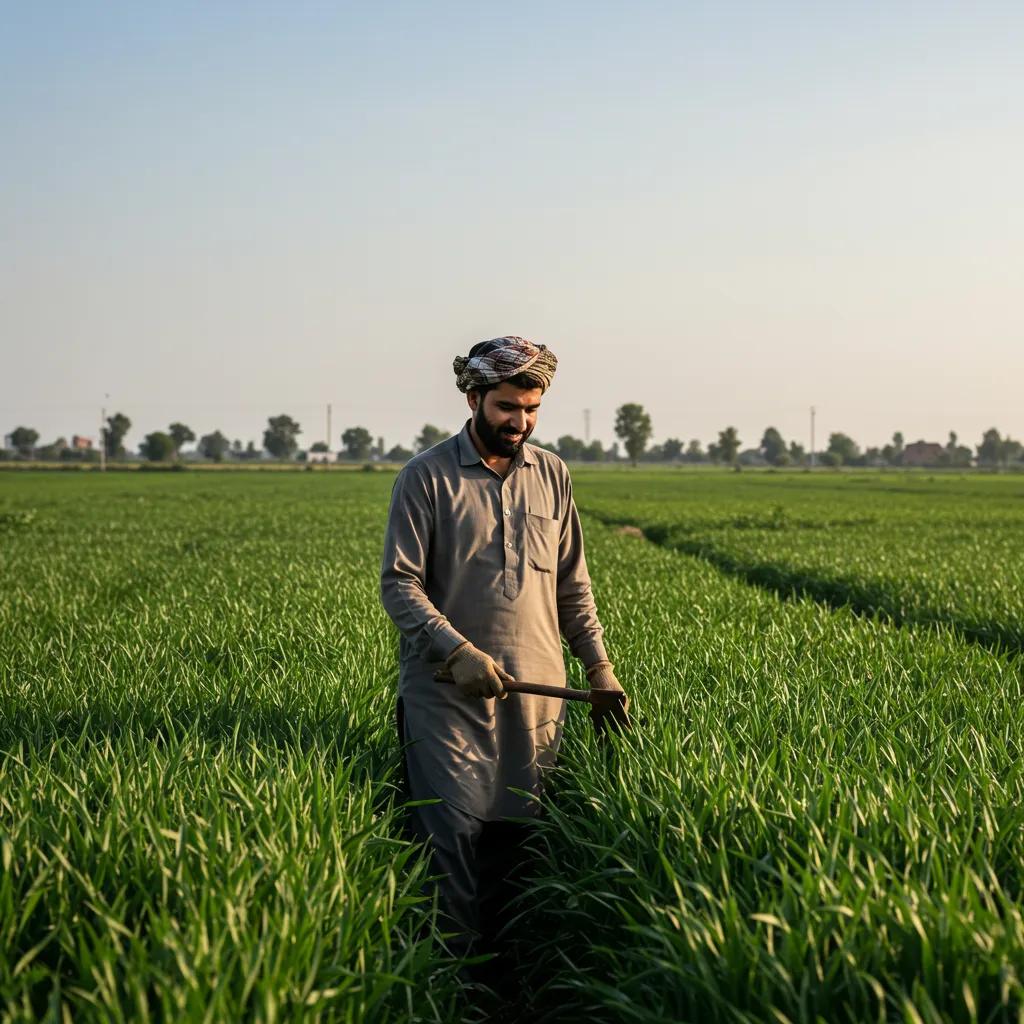
Gross Domestic Product (GDP) measures the total value of goods and services produced over a period and reflects overall economic activity by summing consumption, investment, government spending, and net exports. GDP growth signals whether economic output is expanding or contracting and directly links to employment opportunities and income generation across sectors. For Pakistan, GDP interpretation requires attention to sectoral shares—agriculture, industry, and services—since shifts among these sectors change where jobs and income are created. Understanding GDP composition helps policymakers target stimulus or structural reforms to the most productive sectors.
How Is Inflation Measured and What Is Pakistan’s Current Inflation Rate?
Inflation is commonly measured by the Consumer Price Index (CPI), which tracks the price change of a representative basket of goods and services; the Producer Price Index (PPI) measures upstream price pressures. CPI construction assigns weights to categories such as food, housing, and energy, and these weights determine how category price changes move headline inflation. Official CPI releases from statistical authorities are the primary reference for policymakers and businesses when setting wages, pensions, and pricing strategies. The latest official inflation rate should be checked in the most recent CPI release from statistical authorities for an up-to-date assessment.
What Do Unemployment Statistics Reveal About Pakistan’s Labor Market?
The unemployment rate measures the share of the labor force actively looking for work but not employed, while the labor force participation rate captures who is actively engaged in or seeking work. In Pakistan, interpreting these statistics requires caution because a large informal sector and seasonal agricultural employment can mask underemployment and job quality issues. Youth unemployment rates and labor participation among women are particularly important for understanding structural challenges that affect long-term growth potential. Effective policy responses rely on disaggregated labor statistics to target training, entrepreneurship, and job-creation programs.
Pakistan’s Employment Generation Challenges and Strategies: A Diagnostic Analysis
The employment challenges are getting more complex and worse because youth under the age of 30 constitute 64 percent of the total population. The gradual increase in labor force participation is adding more pressure to the labor market to generate employment opportunities. Hence, the growth in employment generation is essential to match the unprecedented number of young people entering working age in Pakistan. Moreover, the structural transition process involving labor movement from low-to-high productive activities has been much slower in Pakistan than in other Asian countries like China. This study identifies all major concerns regarding employment challenges in Pakistan and identifies various strategies and policies while adopting a diagnostic approach to employment policy. The reason for adopting the diagnostic approach/framework is to develop an understanding of the factors which are responsible for the slow growth of employment in formal sectors and significant constraints for gene
1. Impressive growth has been recorded; on average, the economy has grown at an annual rate of 5 percent during the last few years whereas; in terms of per-capita, the growth rate was 2.5 percent annually. Sectoral growth trends also highlight that industry has been the most dynamic sector. However; the problem of employment particularly, informal segments of the economy, despite growth performance has become a major concern for policymakers (Husain, 2018). Employment generation is a combination of multiple factors which require a comprehensive approach and effective strategies. A high level of employment is the essential element of reducing inequality and poverty alleviation in both developed and developing countries. It raises incomes, boosts aggregate demands and production, and encounters deflationary pressures in the economy. Moreover; sufficient but good-quality employment is needed to achieve the 2030 Agenda of Sustainable Development(United Nations Conference on Tra
Employment generation challenges and strategies for Pakistan: A diagnostic analysis, A Begum, 2022
Understanding the nuances of unemployment statistics is crucial for addressing Pakistan’s labor market challenges effectively.
How Do Interest Rate Policies Influence Pakistan’s Economy?
Interest rate policy, set by the central bank, influences borrowing costs across the economy and transmits to consumption, investment, and currency markets through lending and deposit rates. When policy rates rise, borrowing becomes more expensive, which tends to dampen demand and slow inflation over time; when rates fall, cheaper credit can stimulate investment and consumption. The strength and speed of transmission in Pakistan depend on financial depth, credit market structure, and exchange rate dynamics. Policymakers weigh trade-offs between stabilizing inflation and supporting growth when they adjust the policy rate.
What Are Leading and Lagging Economic Indicators in Pakistan?
Leading indicators move ahead of the overall economy and help forecast turning points; lagging indicators confirm trends after they occur. Examples of Pakistan-relevant leading indicators include purchasing managers’ indices (PMI), electricity consumption, and import volumes, while GDP and unemployment are typically lagging. Monitoring leading indicators is valuable for businesses and policymakers because they offer early signals about demand, production, and trade. Combining leading and lagging indicators improves forecast accuracy and helps design timely policy interventions.
How Has Pakistan’s GDP Growth Rate Evolved in Recent Years?
GDP growth trends show how output has changed across business cycles and help identify structural shifts in the economy; trend analysis uses quarterly and annual national accounts to compare performance over time. Recent years have seen alternating periods of slower and faster expansion driven by external shocks, fiscal adjustments, and sectoral rebalancing. To interpret growth patterns for 2025, analysts examine not only headline growth but also sectoral contributions, investment trends, and external balances. The table below summarizes historical growth periods and sector shares to support quick comparison and highlight where momentum is coming from.
Different periods and sectors have contributed unevenly to Pakistan’s GDP, so a clear, tabulated view helps readers compare performance quickly.
What Are the Sectoral Contributions to Pakistan’s GDP in 2025?
Sectoral contributions disaggregate GDP into agriculture, industry, and services to show which areas drive growth and which lag behind. In 2025, sectoral analysis focuses on whether manufacturing and services are regaining traction relative to agriculture, and how public investment or exports are shifting the composition of output. Businesses and policymakers use sectoral shares to prioritize interventions—for example, targeting energy and logistics bottlenecks that limit industrial expansion. Sectoral breakdowns also reveal employment implications, since different sectors have distinct labor intensities and skill requirements.
How Does Pakistan’s GDP Growth Compare Regionally and Globally?
Comparative metrics place Pakistan’s growth rate alongside South Asian peers and emerging markets to assess competitiveness, investment attractiveness, and trade performance. Cross-country comparisons must adjust for base effects, population growth, and per capita metrics to be meaningful for living standards analysis. Understanding relative performance helps shape external financing strategies and trade diplomacy and informs investors deciding between local and regional opportunities. Comparative context shows whether domestic reforms are narrowing or widening gaps with faster-growing peers.
What Factors Are Driving or Hindering GDP Growth in Pakistan?
Drivers of growth typically include private consumption, remittances, public investment, and export performance, while bottlenecks include energy shortages, fiscal constraints, and external debt pressures. Supply-side limitations such as infrastructure gaps or security concerns reduce potential output, whereas demand stimuli can boost short-term growth but may raise inflationary pressures if supply cannot adjust. Identifying the dominant drivers versus constraints is key for designing balanced policies that support sustainable expansion. Policymakers must sequence reforms to ease bottlenecks while maintaining macroeconomic stability.
How Do Government Fiscal Policies Impact GDP Growth?
Fiscal policy affects growth through public spending composition, taxation, and deficit financing choices that influence aggregate demand and private-sector crowding effects. Targeted capital spending in infrastructure can raise productive capacity and crowd in private investment, whereas large recurrent deficits that push up interest rates can crowd out private credit. Budget decisions in 2025 determine near-term demand and medium-term supply potential depending on the balance between investment and consumption spending. Careful fiscal management aims to finance priority projects without undermining macro stability.
What Are the Current Trends and Causes of Inflation in Pakistan?
Inflation trends reflect price changes across consumer baskets and are driven by both demand and supply factors; monitoring inflation requires decomposing headline CPI into component contributions. In Pakistan, headline inflation is often heavily influenced by food and energy prices, exchange rate movements, and administered prices such as utility tariffs. Distinguishing transitory shocks from persistent structural inflation is critical for policy: supply shocks may require different responses than demand-driven overheating. The table below breaks down CPI components and their relative contributions to recent headline movements to clarify which categories are driving inflation.
The following EAV-style table shows major CPI components and their approximate contribution to headline inflation in a conceptual format for rapid interpretation.
Determinants of Food Prices and Inflation in Pakistan
ABSTRACT: This study aims to analyze the factors affecting the food price inflation in Pakistan during the period of 1970 to 2017. Annual time series data has been taken for regression analysis. This study has used the independent determinants named as: GDP, food exports, food imports, taxes and money supply to analyze the food inflation. Simple regression technique has been used which employs that, all the determinants effect the food price positively and significantly except money supply which shows negative results. GDP, food export/import, and taxes have been a contributor towards high food inflation whereas money supply causes the reduction in the food prices. It is recommended that special attention has to be paid on exports and imports (food) along with excess money supply in order to overcome food inflation in Pakistan.
1. Controlling prices is one of the major tasks for the macroeconomic policy-makers. The recent oil price hike that shifted the policy towards biofuels and some natural calamities increased food prices around the world. This paper analyses the demand- and supply-side factors that affect food prices in Pakistan. Long-run relationship is analysed using the Autoregressive Distributed Lag Model (ARDL) for the period 1970 to 2008. The result indicates that supply-side factors (subsidies and world food prices) have a significant impact on food prices , whereas demand-side factors, such as money supply, are the main cause of the increase in food prices in the short as well as the long run. The error correction is statistically significant and shows that market forces play an active role to restore the long-run equilibrium.
2. This study aims to analyze the factors affecting the food price inflation in Pakistan during the period of 1970 to 2017. Annual time series data has been taken for regression analysis. This study has used the independent determinants named as: GDP, food exports, food imports, taxes and money supply to analyze the food inflatio
The determinants of food prices: A case study of Pakistan, H Ahsan, 2011
Understanding the determinants of food prices is essential for managing inflation in Pakistan.
How Does the Consumer Price Index Reflect Inflation Changes?
The CPI aggregates price movements for a weighted basket representing household consumption; changes in heavily weighted categories move the headline rate most. Reading CPI releases requires checking both headline and core measures (excluding volatile food and energy) to assess underlying momentum. Analysts also examine month-on-month and year-on-year changes, seasonal adjustments, and revision history to avoid overreacting to one-off moves. A careful read of component contributions helps determine whether inflation is broad-based or concentrated in specific items.
What Are the Main Causes of Inflation in Pakistan in 2025?

Primary causes often include domestic supply disruptions, currency depreciation that raises import prices, global commodity price swings, and administered price adjustments such as energy tariffs. Fiscal deficits that feed monetary expansion can create persistent inflationary pressures if not anchored by credible policy frameworks. Short-term spikes in food prices due to weather or logistics raise the headline rate, while sustained exchange rate pressures and supply rigidities lead to prolonged inflation. Differentiating transient from persistent drivers is essential to choose an effective policy mix.
How Does Inflation Affect Purchasing Power and Living Standards?
Inflation erodes real wages and household purchasing power, with low-income households typically bearing the largest burden because they spend a larger share of income on food and energy. Persistent inflation can push more households into poverty and create political pressure for wage adjustments or subsidies. For businesses, high inflation raises uncertainty for pricing and investment decisions, complicating planning and credit terms. Understanding distributional effects helps design targeted social protections and compensation mechanisms.
What Are the State Bank of Pakistan’s Measures to Control Inflation?
The central bank’s primary tools include policy rate adjustments, open market operations, and foreign exchange interventions to stabilize price expectations and the currency. Rate hikes aim to reduce demand and anchor inflation expectations, while FX interventions can moderate imported inflation from currency depreciation. The effectiveness of these tools depends on transmission to domestic lending rates and the extent to which inflation is supply-driven. Policymakers typically combine monetary tightening with fiscal and structural measures to restore price stability.
What Do Unemployment Statistics Indicate About Pakistan’s Labor Market Challenges?
Unemployment statistics summarize labor market slack and inform policy responses such as training, active labor programs, and incentives for job creation; they are measured through household surveys and administrative data. Pakistan’s large informal sector and seasonal agricultural employment complicate measurement and may understate underemployment. Key labor challenges include youth unemployment, skill mismatches, and regional disparities that constrain inclusive growth. The table below presents a comparative view of unemployment and participation across demographic groups to highlight the structural issues requiring policy attention.
The following EAV table organizes labor-market metrics for quick comparison across groups and regions.
What Are the Latest Unemployment Rates and Youth Employment Trends?
Headline unemployment captures general labor-market slack but youth unemployment often runs higher and reflects entry barriers into formal jobs. Tracking trends requires looking at multi-year series to identify whether recent policy measures are improving youth labor market outcomes. For younger readers and job seekers, indicators such as youth labor force participation and sectoral hiring patterns are especially relevant. Policymakers and educators use these trends to align training programs with market demand.
How Do Economic Policies Address Unemployment in Pakistan?
Policies to address unemployment include active labor market programs, subsidies for hiring, vocational training, and incentives for SME growth that create jobs. Fiscal measures that prioritize public investment in labor-intensive projects can generate employment quickly, while structural reforms aim to improve long-run job quality. Evaluating program effectiveness requires monitoring placement rates, job retention, and alignment with employer needs. A mix of short-term relief and long-term human capital investment tends to be most effective.
What Is the Impact of Unemployment on Pakistan’s Economic Growth?
High unemployment reduces aggregate demand and represents idle human capital, lowering potential output and increasing fiscal burdens on social support systems. Persistent unemployment among young workers can erode skills and reduce future productivity, creating a scarring effect that depresses long-term growth. Conversely, successful job creation boosts consumption, tax revenues, and social stability, reinforcing growth. Understanding these dynamics clarifies why labor-market policies are integral to macroeconomic strategies.
How Does Labor Market Participation Vary Across Regions and Sectors?
Participation rates differ by province, urban/rural status, and sector due to structural factors like agriculture seasonality, cultural norms, and industry composition. For instance, agricultural seasonality can create cyclical participation that looks like changing unemployment when in fact it reflects labor reallocation. Services and manufacturing sectors may show differing gender participation patterns and skill requirements. Policy responses must therefore be regionally targeted and sector-sensitive to be effective.
How Does Interest Rate Policy Shape Pakistan’s Economic Outlook?
Interest rate policy sets the price of money and influences inflation expectations, investment decisions, and exchange rate dynamics; it operates through banking spreads, credit availability, and asset prices. The central bank adjusts policy rates to balance inflation control and growth support, taking into account both domestic conditions and global rate movements. Transmission speed depends on banking competition, market confidence, and the structure of domestic credit. Policy clarity and credible communication by the central bank enhance effectiveness by shaping expectations.
What Are the Recent Interest Rate Decisions by the State Bank of Pakistan?
Recent policy decisions are announced through monetary policy statements that explain the rationale, expected inflation trajectory, and risks. A timeline of decisions with market reaction helps readers trace how monetary policy has shifted in response to inflation, exchange rate moves, and external developments. Analysts compare the central bank’s stated objectives with subsequent data to assess credibility and likely future moves. Monitoring official statements and minutes gives insight into the policy reaction function.
How Do Interest Rates Affect Business Investment and Consumer Spending?
Higher interest rates raise borrowing costs, which tends to reduce business capital expenditures and household durable consumption; conversely, lower rates can stimulate investment and purchases financed by credit. The sensitivity of investment to rates in Pakistan depends on access to finance, expected returns, and sectoral prospects. For consumers, rate changes affect mortgage and consumer loan affordability, influencing consumption patterns. Businesses often adjust pricing, capital structure, and hiring plans in response to rate expectations.
What Is the Relationship Between Interest Rates and Inflation Control?
Interest rate increases reduce aggregate demand and can lower inflation over time, but the impact is subject to lags and is weaker when inflation is driven by supply shocks like rising food or energy costs. The central bank balances the risk of stalling growth against the need to prevent inflationary spirals, often using forward guidance to manage expectations. When inflation stems largely from external price shocks, complementary fiscal and supply-side measures may be needed alongside monetary tightening. Clear communication about the expected path of rates helps anchor inflation expectations.
How Do Global Economic Trends Influence Pakistan’s Interest Rate Policy?
Global rate cycles, commodity price swings, and capital flow volatility affect domestic policy choices because they influence exchange rates, import prices, and external financing costs. For example, tighter global monetary conditions can raise borrowing costs for emerging markets and pressure domestic currencies, which in turn feed into imported inflation. Policymakers monitor external indicators and adjust domestic policy to manage spillovers while preserving growth objectives. Coordination with fiscal policy can improve resilience to global shocks.
What Are the Economic Forecasts for Pakistan in 2025 and Beyond?
Forecasts from international institutions and domestic agencies outline scenarios for growth, inflation, and external balances; scenario analysis helps businesses and households plan for alternative outcomes. Forecasts vary by assumptions about global commodity prices, exchange rates, fiscal consolidation, and policy implementation. Constructing baseline, downside, and upside scenarios clarifies the range of possible outcomes and the policy levers that matter most. Below are concise scenario checklists and recommendations aimed at practical preparedness.
Scenario planning benefits from clear, actionable steps tied to each potential macro outcome.
- Baseline Scenario: Assumes moderate global conditions and steady policy implementation; businesses focus on efficiency and prudent investment.
- Downside Scenario: Assumes external shocks or policy slippage; households prioritize savings and debt servicing while firms tighten working capital.
- Upside Scenario: Assumes stronger exports or investment inflows; firms accelerate expansion plans and hiring.
These scenarios help readers translate forecast uncertainty into concrete planning measures.
What Are the IMF and World Bank Projections for Pakistan’s Economy?
International institutions typically publish headline projections on GDP growth, inflation, and current account balances, with each projection based on distinct assumptions such as global demand and domestic policy settings. Comparing their latest projections highlights where consensus exists and where differences reflect alternative assumptions about reforms or external conditions. Practitioners use these institutional forecasts as reference points while adjusting for local data and near-term policy announcements. Always consult the newest institution releases for current projections.
How Will Global Inflation and Trade Trends Affect Pakistan?
Global inflation and trade dynamics transmit to Pakistan through import prices, commodity bills, and demand for exports; higher global inflation raises import costs and can widen the trade deficit unless offset by currency gains or export growth. Shifts in global demand change export prospects for textiles and other tradable sectors, while commodity price volatility affects fiscal and balance-of-payments pressures. Policy buffers and diversification of export markets help mitigate adverse global trends. Monitoring global indicators provides advance warning of likely domestic spillovers.
What Are the Expected Impacts of Upcoming Fiscal and Monetary Policies?
Upcoming budget measures and central bank guidance determine the near-term fiscal impulse and monetary stance; expansionary fiscal policy coupled with loose monetary conditions may boost growth but risk higher inflation and financing pressures. Conversely, fiscal consolidation paired with prudent monetary policy can stabilize inflation and improve external balances, though it may slow growth in the short term. Scenario analysis clarifies trade-offs and aids policymakers in sequencing reforms to support sustainable recovery. Stakeholders should watch budget composition and central bank communications for policy signals.
How Can Businesses and Consumers Prepare for Economic Changes?
Practical steps help manage macroeconomic risk: businesses should focus on cost control, diversify supplier and currency exposure, and strengthen cash-flow planning, while consumers should prioritize emergency savings, manage high-cost debt, and budget for higher food and energy prices. Investors can consider hedging currency exposure and focusing on sectors less sensitive to demand swings. SMEs should build working capital buffers and seek support programs that promote digitalization and productivity. Proactive planning reduces vulnerability across scenarios and allows quicker adjustment when conditions change.
To provide timely and comprehensive news and current affairs coverage, keeping the audience informed and engaged with diverse content. This editorial note underscores our commitment to rapid, clear reporting that separates data, interpretation, and practical guidance for Pakistani readers.
Where Can You Find Reliable Economic Reports and Data on Pakistan?
Reliable data comes from national statistical offices, central banks, and finance ministries, as well as international organizations that provide cross-country context; selecting the right source depends on the indicator you need. Primary sources for Pakistan include national accounts and CPI releases, monetary and balance-of-payments reports, the annual Economic Survey, and budget documents. International bodies provide forecasts and external comparisons that add valuable perspective. ARY News’s Business category contextualizes these sources for readers and highlights key takeaways for immediate decisions. To provide timely and comprehensive news and current affairs coverage, keeping the audience informed and engaged with diverse content.
Below is a concise guide to sources and how to interpret them.
- Pakistan Bureau of Statistics: national accounts and CPI—check methodology and revision notes.
- State Bank of Pakistan: monetary policy statements and reserves—watch for policy commentary.
- Ministry of Finance: Economic Survey and Budget—read spending composition and fiscal assumptions.
- International organizations: IMF, World Bank, ADB—use for comparative forecasts and external risk assessments.
This list helps readers prioritize sources and understand which publication to consult for specific indicators.
How to Access Pakistan’s Economic Survey and Budget Announcements?
Economic Survey and budget documents are published seasonally and contain detailed tables on fiscal performance, sector outcomes, and policy measures; users should check the release calendar and executive summaries for headline takeaways. When accessing these documents, focus on chapter summaries, fiscal aggregates, and spending composition to identify likely growth and distributional implications. Analysts recommend comparing presented assumptions (growth, revenue) to outturns to spot optimistic or conservative biases. Regularly reviewing these publications supports informed commentary and planning.
What Role Does the State Bank of Pakistan Play in Publishing Economic Data?
The central bank publishes monetary policy statements, balance of payments data, and foreign exchange reserve reports that are essential for understanding liquidity, inflation expectations, and external vulnerabilities. SBP releases are typically more forward-looking about policy intention than purely statistical agencies and are used by markets to infer future interest rate paths. Combined with statistical office data, SBP publications give a fuller picture of macro conditions. Watching SBP commentary and data releases helps interpret policy direction and market implications.
How Do International Organizations Like IMF and World Bank Provide Economic Insights?
The IMF and World Bank publish country reports, World Economic Outlook entries, and policy notes that synthesize macro indicators and provide scenario-based projections; their analyses often highlight structural reform priorities. These institutions apply transparent models and assumptions, so readers should review the assumptions section to understand projection drivers. Use international reports for cross-country benchmarking and to identify external financing or policy conditionality issues. Cautious interpretation is advised because institutional forecasts depend heavily on assumptions about reform implementation and global trends.
What Are the Best Practices for Interpreting Economic Reports?
Interpreting reports requires checking methodology, seasonality adjustments, and revision history rather than relying solely on headline numbers; understanding which components drive aggregates is essential for accurate conclusions. A checklist approach helps evaluate credibility and relevance before drawing policy or business decisions.
- Check the report’s methodology and sample coverage.
- Look for headline vs core measures and seasonal adjustments.
- Review revision history and assess whether recent releases contain one-off effects.
This article has provided a structured, entity-driven overview of Pakistan’s key economic indicators, practical interpretation tools, and clear guidance on where to find trustworthy data and how to act on it.
Conclusion
Understanding Pakistan’s economic indicators—such as GDP growth, inflation, and unemployment—empowers individuals and businesses to make informed decisions in a dynamic environment. By leveraging reliable data and insights, stakeholders can navigate challenges and seize opportunities for growth and stability. We encourage you to explore our resources for deeper insights and actionable strategies tailored to your needs. Stay informed and proactive as you prepare for the evolving economic landscape.