Energy Efficiency in Pakistan: News, Policies, and Practical Tips for Sustainable Conservation
Energy efficiency means using less energy to perform the same tasks, lowering costs and emissions while improving resilience in Pakistan’s power system. This article explains why efficiency matters now — a mix of new policies, smart metering reforms, and accelerating renewable deployment is shifting how households, industry, and utilities manage demand and costs. Readers will learn the latest policy moves under the National Energy Efficiency and Conservation Policy 2023, how updated building codes and smart meters are designed to cut peak load, which renewables (especially rooftop solar) are changing consumption patterns, practical home measures with PKR payback guidance, and sectoral industrial strategies aligned with World Bank recommendations. The piece uses local context, programmatic actors such as NEECA and international collaboration (World Bank, UNEP) to translate policy into concrete steps for families and businesses. Throughout, we highlight actionable lists, comparison tables, and data-driven guidance so readers can prioritize investments that reduce electricity bills and support Pakistan’s 2030 energy goals.
What Are Pakistan’s Latest Government Policies on Energy Efficiency?
Pakistan’s recent policy package sets a clearer national framework to reduce energy intensity by combining regulations, incentives, and institutional strengthening under the National Energy Efficiency and Conservation Policy 2023. The policy establishes targets, defines roles for NEECA and provincial bodies, and creates pathways for building-code enforcement and metering reforms that together lower peak demand and reduce losses. These measures work through standards (appliance and building), market signals (tariff adjustments and subsidies), and technology deployment (smart meters and efficient HVAC), creating immediate consumer and system-level benefits. Understanding the policy mix helps households and industry plan upgrades and anticipate incentives and compliance timelines.
The following table compares three headline policies to show purpose, target sector, estimated national savings, and implementation status.
This comparison highlights how the policy stack addresses both supply-side and demand-side drivers. ARY News, as a national information hub, has been tracking these reforms closely and reporting on NEECA actions, building-code updates, and smart-metering rollouts to keep readers informed about implementation progress and public impact.
What Does the National Energy Efficiency and Conservation Policy 2023 Include?
The National Energy Efficiency and Conservation Policy 2023 defines objectives, sectoral targets, and institutional responsibilities to coordinate conservation across federal and provincial levels. It mandates standards for appliances and equipment, prescribes energy audits for large consumers, and outlines financing and incentive mechanisms to accelerate efficiency investments. The policy empowers NEECA to set technical standards, run awareness campaigns, and coordinate pilot programs that demonstrate payback for households and industry. These measures aim to reduce system losses and defer costly generation investments while giving clear signals for private-sector retrofit activity and equipment replacement.
Building on the policy, practical enforcement and uptake depend on clear timelines, accessible financing, and visible pilot successes that prove cost savings for end users.
How Do Pakistan’s New Energy-Efficient Building Codes Reduce Power Demand?
The October 2025 building codes emphasize the building envelope, HVAC efficiency, glazing standards, and passive cooling measures to cut seasonal cooling loads in hotter regions. By specifying minimum insulation, reflective roofing, optimized glazing ratios, and ventilation strategies, codes reduce the energy required for cooling and improve occupant comfort. For builders and homeowners, practical steps include installing roof insulation, shading devices, and specifying higher-efficiency air-conditioning units to meet code benchmarks. These measures reduce peak summer demand, lowering distribution stress and the need for emergency generation during outages.
Translating technical code language into on-the-ground decisions helps contractors and homeowners prioritize lower-cost envelope improvements first, then invest in mechanical upgrades that deliver the largest long-term savings.
What Are the Benefits of Smart Metering Reforms in Pakistan?
Smart metering reforms announced in October 2025 provide digital meter infrastructure that delivers near-real-time consumption data, enables remote reading, and supports time-of-use tariffs to shift demand away from peaks. Functionally, smart meters reduce billing errors, detect losses, and enable utilities to manage loads more responsively, while consumers gain visibility to change behavior. Reported national-level savings from these reforms are estimated at around 25 billion PKR through theft reduction, improved collection, and more efficient operation. For households, smart meters can translate into fairer billing, simpler dispute resolution, and opportunities to lower bills by avoiding peak-time consumption.
As smart meters scale, utilities can combine data with demand-response programs to smooth loads and improve overall system efficiency while consumers benefit from more transparent billing.
How Is NEECA Driving Energy Conservation Initiatives?
NEECA’s mandate under the 2023 policy includes standard setting, capacity building, coordination across ministries, and implementation of pilot projects to demonstrate cost-effective measures. NEECA runs appliance labeling, supports building-code rollout, promotes energy audits, and mobilizes finance channels to lower upfront costs for retrofits. The agency’s work with provincial authorities and industry associations is designed to harmonize regulations and create economies of scale for efficient equipment. Through public awareness campaigns and technical assistance, NEECA aims to reduce market barriers and accelerate adoption of energy-saving technologies.
Effective coordination between NEECA, utilities, and private stakeholders will determine how quickly policy commitments translate into measurable reductions in consumption and peak demand.
How Is Renewable Energy Shaping Pakistan’s Energy Efficiency Future?
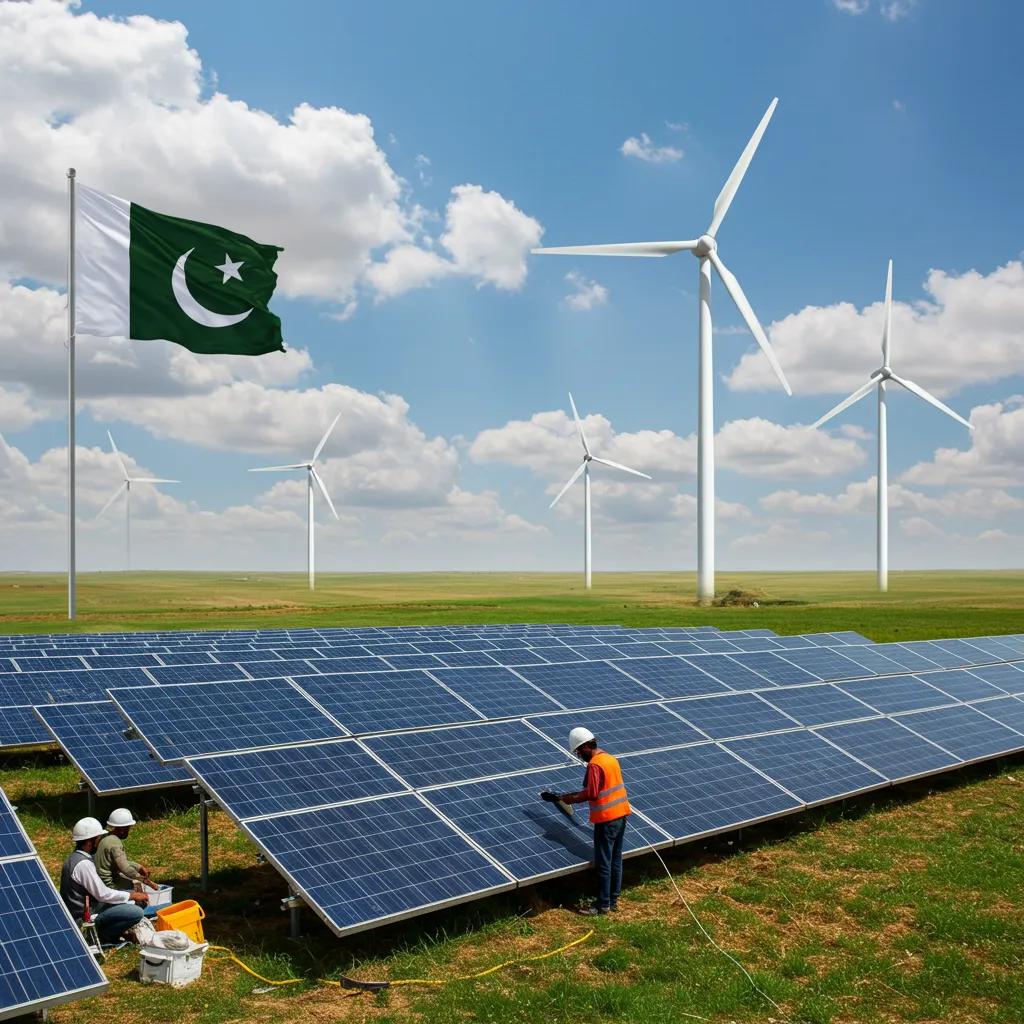
Renewable energy — especially distributed rooftop solar, and utility-scale wind and hydro — is changing how electricity is generated and consumed in Pakistan, enhancing system efficiency by replacing inefficient thermal generation and reducing transmission losses. Renewables reduce the need for fuel-based generation during daylight hours and, when combined with demand-side efficiency and storage, lower overall system costs. The increasing affordability of solar panels and falling technology costs are encouraging rooftop adoption among households and businesses, improving on-site consumption and reducing grid losses.
The table below compares renewable sources on capacity, share, projected growth to 2030, and household applicability to guide investment and policy choices.
This comparison shows rooftop solar as the most directly applicable option for households, while wind and hydro contribute to grid stability and reduced reliance on thermal plants. ARY News tracks renewable trends and statistics, reporting on rooftop installations and policy developments that affect consumer choices and investment climates.
What Is the Potential and Growth of Solar Energy in Pakistan?
Solar energy, particularly rooftop installations, offers households a direct way to reduce grid consumption and hedge against rising tariffs and outages. Falling panel and inverter costs, plus supportive net-metering and financing options, have accelerated adoption among urban consumers and small businesses. Solar paired with efficient appliances multiplies savings because on-site generation displaces higher-cost grid electricity. For many households, simple payback timelines depend on system size, local consumption patterns, and available incentives, making upfront planning and accurate load assessment essential.
Understanding local solar economics allows homeowners to size systems that prioritize daytime consumption (e.g., refrigerators, fans) and consider battery additions only when required for backup or peak-shifting.
How Are Wind and Hydro Power Contributing to Sustainable Energy?
Wind and hydropower supply bulk renewable generation that reduces dependence on imported fuels and provides system flexibility when paired with storage and demand-side management. Wind farms in coastal and selected inland corridors deliver significant seasonal generation, while hydropower offers both baseload and storage-like buffering when reservoirs are managed for multi-seasonal needs. These sources help shave peak thermal generation, improving overall generation efficiency and lowering system-level emissions. Grid integration challenges remain — including variability and transmission constraints — but coordinated planning and investment can maximize their efficiency benefits.
Complementary operation of wind and hydro with distributed solar smooths aggregate variability and reduces the operational burden on thermal plants.
What Are Pakistan’s Renewable Energy Targets for 2030?
Pakistan’s stated renewable ambitions for 2030 include a major increase in the share of non-fossil generation — with some reported targets indicating aims such as around 60% renewables by 2030 in various scenarios — which would require accelerated deployment of rooftop solar, utility-scale wind, and hydro modernization. Achieving these targets implies faster project financing, streamlined permitting, grid upgrades, and stronger incentives for distributed generation. The policy implication is that efficiency measures and renewables must be implemented together: efficiency lowers demand growth while renewables supply cleaner energy, making targets more affordable. Delivering on 2030 goals will hinge on policy stability, private-sector investment, and international finance.
Meeting ambitious targets would significantly reduce emissions and improve energy security, provided grid flexibility and storage solutions keep pace with capacity additions.
What Practical Home Energy Saving Tips Can Pakistanis Use Today?
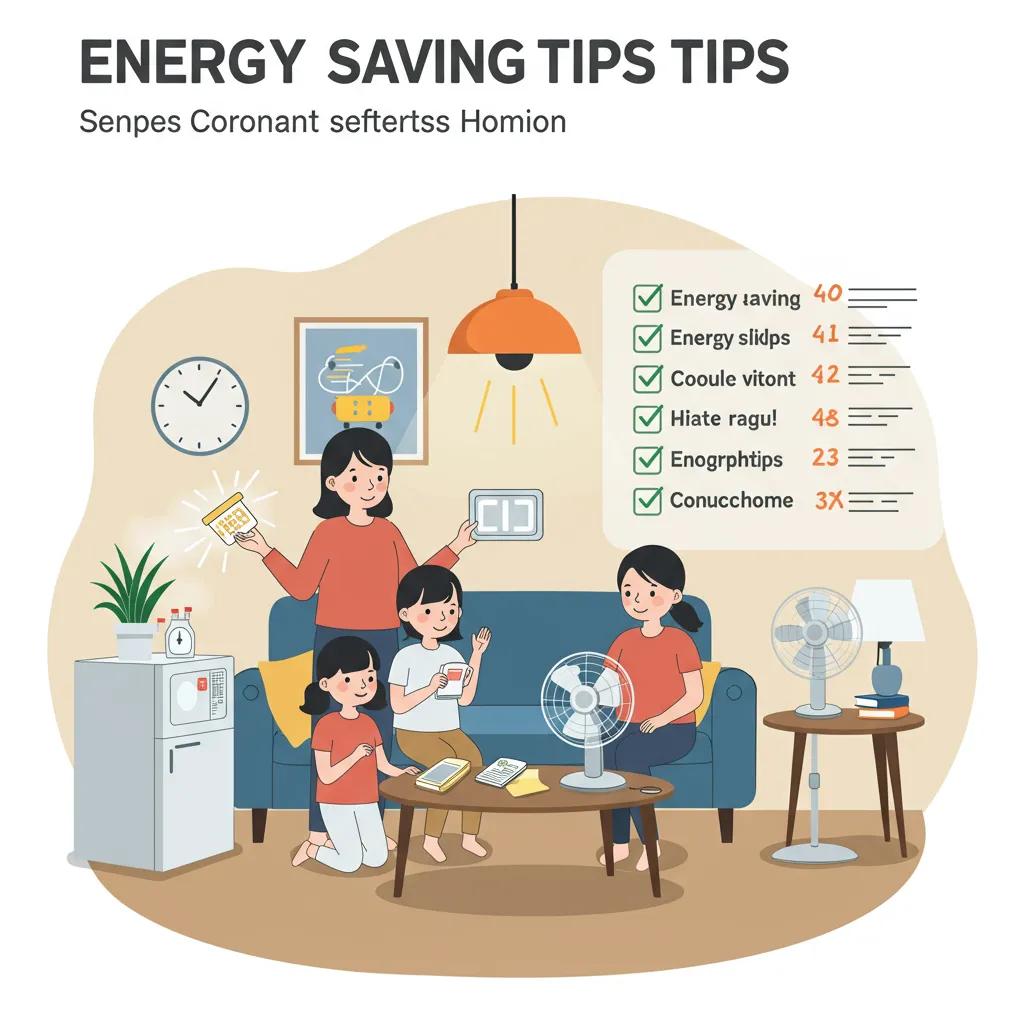
Households can achieve substantial savings through targeted appliance upgrades, lighting changes, insulation, and behavior adjustments; these measures are low-risk and often pay back quickly in PKR terms. Prioritizing high-impact, low-cost actions first (LED lighting, efficient fan use, sealing leaks) lowers bills immediately while planned investments (rooftop solar, inverter refrigerators, insulation) deliver larger long-term returns. This section provides step-by-step guidance and a cost/payback comparison to help families choose measures that match their budget and housing context.
Below are top practical tips suitable for immediate implementation and snippet-friendly extraction:
- Replace incandescent lamps with LED bulbs to cut lighting energy by up to 80% and lower monthly bills.
- Use energy-efficient appliances and check labels when replacing major items to reduce long-term consumption.
- Install rooftop shading and reflective roof paint to lower indoor temperatures and air-conditioning use.
- Schedule high-energy tasks (washing, ironing) to off-peak hours when possible to avoid peak tariffs.
- Consider rooftop solar for daytime consumption and net-metering benefits where available to reduce grid dependence.
- Use fans and set air-conditioners to moderate temperature setpoints to achieve meaningful savings with minor comfort trade-offs.
How Do Energy-Efficient Appliances and LED Lighting Save Electricity?
Energy-efficient appliances and LED lighting lower consumption by using improved motors, electronics, and control systems that extract more work from the same electricity input. LEDs provide higher luminous efficacy and longer life than incandescent or fluorescent alternatives, reducing both energy use and replacement costs. For appliances, inverter compressors in refrigerators and air conditioners adapt speed to demand, saving substantial energy versus fixed-speed units. When selecting replacements, prioritize labeled efficiency ratings, consider real-life load profiles, and calculate payback using local tariffs to ensure investments meet household objectives.
Replacing a few high-use lights and a single old refrigerator can deliver visible monthly savings, helping finance larger upgrades like rooftop solar over time.
What Home Insulation and Design Techniques Improve Energy Efficiency?
Insulation, shading, ventilation, and passive design reduce heat gains and losses, directly decreasing the need for mechanical cooling and heating across Pakistan’s varied climates. Low-cost interventions include reflective roof coatings, attic insulation, external shading devices, and properly sized eaves or pergolas to block summer sun while allowing winter gains where relevant. Prioritization depends on region: hotter southern and central zones benefit most from roof and glazing strategies, while northern areas may gain more from sealing and insulation against cold. Investment choices should balance upfront cost with expected annual PKR savings to optimize payback timelines.
Combining passive measures with efficient mechanical systems multiplies savings and often improves indoor comfort more than stand-alone equipment upgrades.
How Can Households Reduce Electricity Bills with Simple Strategies?
Behavioral changes and small investments can reduce bills immediately by shifting loads, reducing standby consumption, and optimizing appliance use. Simple actions include using timers, switching off standby loads, cleaning AC filters for better efficiency, and leveraging smart-meter data to identify high-use periods and devices. A practical checklist helps households adopt consistent habits that compound over months and years.
- Use LEDs: Reduce lighting energy and replacement frequency.
- Schedule heavy loads: Run washing machines and water heaters off-peak.
- Minimize standby: Unplug chargers and electronics when idle.
- Maintain equipment: Clean filters and service AC units seasonally.
- Monitor usage: Use smart-meter feedback to identify peak consumption.
Adopting these habits alongside targeted appliance upgrades can deliver quick monthly PKR savings and prepares households to maximize benefits from future smart-meter and rooftop solar programs promoted under national policy.
How Is Industrial Energy Efficiency Advancing in Pakistan?
Industrial efficiency advances focus on process optimization, equipment upgrades, and energy management systems that reduce fuel and electricity consumption while increasing competitiveness. The World Bank’s July 2025 recommendations highlight technical measures and policy levers that can deliver substantial sectoral savings when paired with finance and capacity building. Industries such as textiles, cement, and steel can achieve meaningful reductions through boilers, waste-heat recovery, process control improvements, and electrification where feasible. Scaling these measures requires accessible financing, incentives, and skilled technical services to implement and sustain improvements.
A coordinated industrial program that links audits, finance, and implementation can unlock both energy and emissions reductions while improving firms’ bottom lines.
What Are the World Bank’s Recommendations for Industrial Energy Savings?
The World Bank (July 2025) recommends a combination of energy audits, process optimization, equipment modernization, and targeted financing to unlock up to around 25% potential savings across industrial subsectors. Key actions include waste-heat recovery, efficient motors and drives, improved insulation, and digital monitoring for performance optimization. The report calls for blended finance mechanisms to de-risk investments and technical assistance programs to build local implementation capacity. Addressing policy and market barriers — such as split incentives and upfront capital constraints — is essential to translate identified technical potential into realized savings.
Implementing these recommendations requires collaborative programs between government, multilateral partners, and industry associations to enable scale.
Which Sector-Specific Strategies Help Textile, Cement, and Steel Industries?
Each sector has tailored interventions that offer high returns when combined with operational changes. In textiles, efficient boilers, steam system optimization, and motor controls are priority measures. Cement plants benefit from kiln efficiency upgrades, alternative fuels, and heat recovery; steel producers gain from process heat recovery, electric arc furnace optimization, and improved refractory maintenance. Policy support such as targeted incentives, capacity-building grants, and guaranteed energy-performance contracting helps overcome upfront cost barriers for these capital-intensive sectors.
Sector-tailored packages that blend technical, financial, and regulatory support accelerate uptake and reduce industry-level energy intensity.
How Does Industrial Decarbonization Support Pakistan’s Energy Goals?
Industrial decarbonization—through fuel switching, electrification, process efficiency, and adoption of low-carbon fuels—reduces emissions and often improves energy efficiency by modernizing equipment and optimizing operations. Co-benefits include better air quality, reduced fuel import exposure, and improved international competitiveness for export sectors. Decarbonization pathways must align with efficiency programs so that electrification occurs alongside cleaner grid inputs and energy-management improvements. International finance and technology transfer can accelerate this transition while protecting industrial productivity and jobs.
A combined approach that links efficiency and decarbonization delivers both immediate cost savings and long-term resilience against fuel-price volatility.
How Does Energy Efficiency Relate to Climate Change and Sustainable Development in Pakistan?
Energy efficiency directly reduces greenhouse-gas emissions by lowering the quantity of fuel burned for the same services, contributing to Pakistan’s climate commitments and Sustainable Development Goals. Efficiency reduces reliance on fossil-based generation, limits air-polluting emissions, and improves energy access affordability for vulnerable populations. By lowering energy demand growth, efficiency makes renewable targets more achievable and reduces the capital required for new generation capacity. International partners such as UNEP and the World Bank support Pakistan through finance, technology transfer, and capacity-building that link efficiency to broader adaptation and resilience goals.
Investments in efficiency are among the most cost-effective options for near-term emissions reductions while enhancing social and economic resilience.
What Green Initiatives Are Reducing Emissions in Pakistan?
Major green initiatives include scaling renewables, implementing energy-efficiency programs across buildings and industry, and nature-based solutions such as reforestation that complement emission reductions. These initiatives reduce emissions directly from the power sector and indirectly by lowering fuel demand and improving energy productivity. Their co-benefits include job creation in installation and maintenance, improved public health from reduced pollution, and strengthened local supply chains for green technologies. Combining mitigation with adaptation measures ensures that efficiency gains are resilient to climate impacts.
Coordinated national programs that integrate green investments with social objectives maximize development outcomes.
How Are International Collaborations Supporting Pakistan’s Energy Sustainability?
International collaboration from partners like the World Bank and UNEP provides financing, technical assistance, and policy advice to scale efficiency and renewable projects. These collaborations offer concessional finance structures, pilot programs, and capacity-building to deploy technologies and develop regulatory frameworks. Practical outcomes include co-financed retrofit projects, grid-strengthening investments, and training programs that develop a local workforce able to install and maintain energy-efficient systems. Such partnerships help bridge early-stage financing gaps and bring proven technical models to Pakistan’s context.
Sustained international engagement accelerates domestic learning curves and reduces perceived risks for private investment in efficiency and renewables.
What Are the Economic Benefits of Energy Efficiency for Pakistani Citizens?
Energy efficiency translates into direct household savings, improved industrial competitiveness, and macroeconomic benefits such as lower import bills and reduced fiscal pressure from energy subsidies. Reported national savings from measures like smart metering are estimated at around 25 billion PKR, illustrating the scale of potential benefits when system-wide reforms reduce losses and improve collection. For households, efficiency lowers monthly electricity payments and, when combined with rooftop solar and net-metering, can improve energy independence. On the jobs front, efficiency and renewables create installation, manufacturing, and services employment that supports broader economic development.
Understanding both individual and national economic impacts helps citizens prioritize measures that deliver fast payback and system-level value.
How Much Can Smart Metering Save Nationally and for Consumers?
Smart metering reforms are estimated to deliver roughly 25 billion PKR in national savings through reduced theft, improved billing accuracy, and enhanced utility operations. For consumers, the mechanisms that produce savings include more accurate bills, time-of-use signals that enable peak avoidance, and faster detection of faults and unauthorized connections. At the household level, smart meters can reveal consumption patterns that allow families to cut wasteful usage and shift discretionary loads. These combined effects produce utility-level efficiency gains that translate into lower system costs and, potentially, more stable tariffs.
Realizing these savings requires timely meter rollout, consumer education, and tariff designs that reward demand-shifting behavior.
What Financial Incentives Support Solar Panel Adoption in Pakistan?
A mix of net-metering rules, financing options, and subsidy instruments — when available and effectively publicized — reduce the upfront barrier to rooftop solar adoption. Financing schemes such as installment plans, green loans, and targeted subsidies shorten payback periods and make systems accessible to more households. Net-metering allows owners to export excess generation and offset consumption bills, improving investment returns. Households should evaluate local net-metering rules, potential subsidy programs, and financing offers to determine expected ROI and payback timelines for rooftop investments.
Checking the latest policy briefings and news coverage helps homeowners find the most current financing and incentive options to make solar adoption more affordable.
What Common Questions Do Pakistanis Have About Energy Efficiency?
Citizens commonly ask how to save electricity effectively at home, what the current policy landscape means for their bills, and whether solar is a good investment for households. Clear, concise answers that map steps to expected savings help people act with confidence. This section provides digestible answers to these frequently asked questions with direct, actionable guidance.
How Can Pakistanis Save Electricity Effectively at Home?
Households can achieve noticeable savings by prioritizing changes that pair low cost with high impact: switching to LED lighting, servicing air-conditioners, replacing old refrigerators with inverter models, using fans strategically, and reducing standby loads. Monitoring energy use via smart meters or plug-level monitors helps identify high-consumption devices and behavioral patterns to change. Combining daily behavioral shifts with stepwise investments creates a pathway that balances affordability and impact. Over time these measures compound into significant monthly PKR savings and improved comfort.
Consistency in these practices, reinforced by periodic audits or simple monitoring, ensures long-term reductions in energy consumption.
What Is Pakistan’s Current Energy Policy and Its Impact?
Pakistan’s current policy package includes the National Energy Efficiency and Conservation Policy 2023, updated energy-efficient building codes (Oct 2025), and smart metering reforms announced in Oct 2025, all aimed at lowering demand growth and improving system efficiency. The immediate impacts include clearer standards for buildings and appliances, initial smart-meter rollouts that improve billing and loss control, and strengthened institutional roles for NEECA. For consumers, this translates into improved information, potential incentives for efficient equipment, and a regulatory environment that supports long-term cost reductions. For industry, the policy landscape signals growing emphasis on audits, efficiency investments, and compliance.
As policies translate into programs and financing, citizens and businesses can expect more accessible options to reduce consumption and costs.
What Are the Benefits of Solar Energy for Pakistani Households?
Solar energy offers households economic benefits (lower electricity bills and hedge against tariff increases), reliability gains (backup during outages), and environmental advantages (reduced emissions). Rooftop systems paired with efficient appliances maximize daytime self-consumption and can shorten payback periods under net-metering arrangements. Practical considerations include roof suitability, upfront costs, and local financing options; when these align, rooftop solar becomes a compelling investment for many urban and peri-urban households. The combined effect of solar plus efficiency measures multiplies savings and enhances resilience.
For localized updates on incentives, financing, and installation best practices, follow energy coverage from national information outlets that track policy changes and case studies.
Conclusion
Embracing energy efficiency in Pakistan not only reduces costs but also contributes to a more sustainable future by lowering emissions and enhancing energy security. The insights provided in this article empower households and businesses to make informed decisions about energy-saving measures and renewable investments. By taking action today, such as upgrading appliances or exploring solar options, you can significantly impact your energy bills and the environment. Stay informed and explore our resources to maximize your energy efficiency journey.