The Ultimate Coffee Guide: Types, Brewing Methods, Health Benefits, and Pakistani Coffee Culture
Coffee is a globally beloved beverage defined by its bean species, roast, and brewing method, and this guide explains those elements so readers can brew better cups at home and understand coffee’s cultural role. This article, published as part of ARY News’ LifeStyle coverage, combines practical how-to steps, evidence-based health summaries, and a Pakistan-focused look at emerging trends to keep readers informed and engaged. Many readers struggle with inconsistent extraction, confusing bean labels, or questions about coffee’s effects on health; this guide addresses those pain points with clear explanations, recipes, troubleshooting tips, and local context. You will find concise comparisons of major bean types, step-by-step brewing instructions for popular devices, a balanced summary of health benefits and risks, and a look at 2025 trends shaping cafes and customers in Pakistan. Practical checklists for choosing beans and equipment, side-by-side EAV tables for fast scanning, and curated local insight on coffee culture are included to make this a single-stop resource for coffee lovers.
What Are the Main Types of Coffee Beans?
The main coffee species—Arabica, Robusta, Liberica, and Excelsa—are distinct plant types that drive flavor differences through genetics, caffeine content, and growing conditions, resulting in a wide range of cup profiles. Understanding these species helps you match beans to brewing methods and taste preferences, because each species’ chemistry interacts with roast level and extraction to produce acidity, body, and aroma. After the table, read short definitions and practical uses for each species so you can choose beans for espresso, filter, or cold brew.
Key comparisons of the main coffee species:
This table highlights how species and roast interact: Arabica often shines with lighter roasts for clarity, while Robusta performs well in darker roasts and blends that need body and crema. Knowing these attributes makes it easier to decide whether to buy single-origin Arabica for pour-over or a Robusta-containing blend for espresso.
What Is Arabica Coffee and How Does It Differs from Robusta?
Arabica is a hyponym of the coffee family prized for delicate flavor complexity and generally lower caffeine compared with Robusta, and it typically grows at higher altitudes where slower maturation yields nuanced acidity and aromatics. Robusta, by contrast, is hardier, produces more caffeine, and often contributes body and crema in espresso blends; its flavor leans toward earthy and bitter notes. Price and market positioning reflect these differences: Arabica dominates specialty cafés and single-origin offerings, while Robusta appears in low-cost instant coffee and robust espresso blends. Understanding this distinction helps you select beans for clarity versus strength—choose Arabica for bright filter cups and Robusta for intense, crema-rich espresso blends.
What Are Liberica and Excelsa Coffee Beans?
Liberica and Excelsa are less common hyponyms within the coffee genus that contribute unique tasting profiles to regional blends and specialty offerings; Liberica is known for larger beans and bold, woody aromas, while Excelsa offers tart, fruit-forward complexity. These species are niche in global markets but valuable for roasters seeking distinctive flavor signatures that stand out on menus or as curiosities for coffee enthusiasts. Availability varies by region, and they are often used sparingly to add layered notes to blends or to showcase terroir-driven cups. When you encounter Liberica or Excelsa, expect an unconventional cup that challenges typical Arabica/Robusta expectations and rewards exploratory tasting.
How Do Roast Levels Affect Coffee Flavor?
Roast level is a meronym of cup character that modifies acidity, body, sweetness, and bitterness through chemical transformations during roasting; lighter roasts preserve origin-driven acidity and floral notes, while darker roasts develop caramelized sugars and bittersweet, smoky flavors. The roast process influences how beans interact with brewing: light roasts suit pour-over clarity, medium roasts balance sweetness and body for drip and French press, and dark roasts emphasize body and and low acidity for espresso and milk drinks. Roasters recommend roast-decision based on origin—high-acidity Ethiopian lot for light roast, and robust Brazilian lots for medium-dark blends—so match roast to method and taste goals. Practical brewing tip: if a bean tastes overly acidic in espresso, try a slightly darker roast or coarser grind to tame brightness.
Where Do Coffee Beans Originate and How Does Origin Influence Taste?
Coffee origin maps to terroir-like variables—altitude, soil, climate, and processing—producing recognizable flavor signatures such as floral Ethiopian heirlooms, chocolatey Brazilian naturals, and citrusy Central American washed coffees. Single-origin beans highlight these origin signals, while blends aim for balance and consistency by combining complementary origins. Processing method (washed, natural, honey) further shapes sweetness and ferment-derived notes, so origin and processing together determine the tasting wheel. When choosing beans, use origin descriptors to match the sensory profile you prefer: pick Ethiopian washed for tea-like florals in pour-over, or Brazilian natural for chocolate and body in espresso blends.
How Do Popular Coffee Brewing Methods Work?
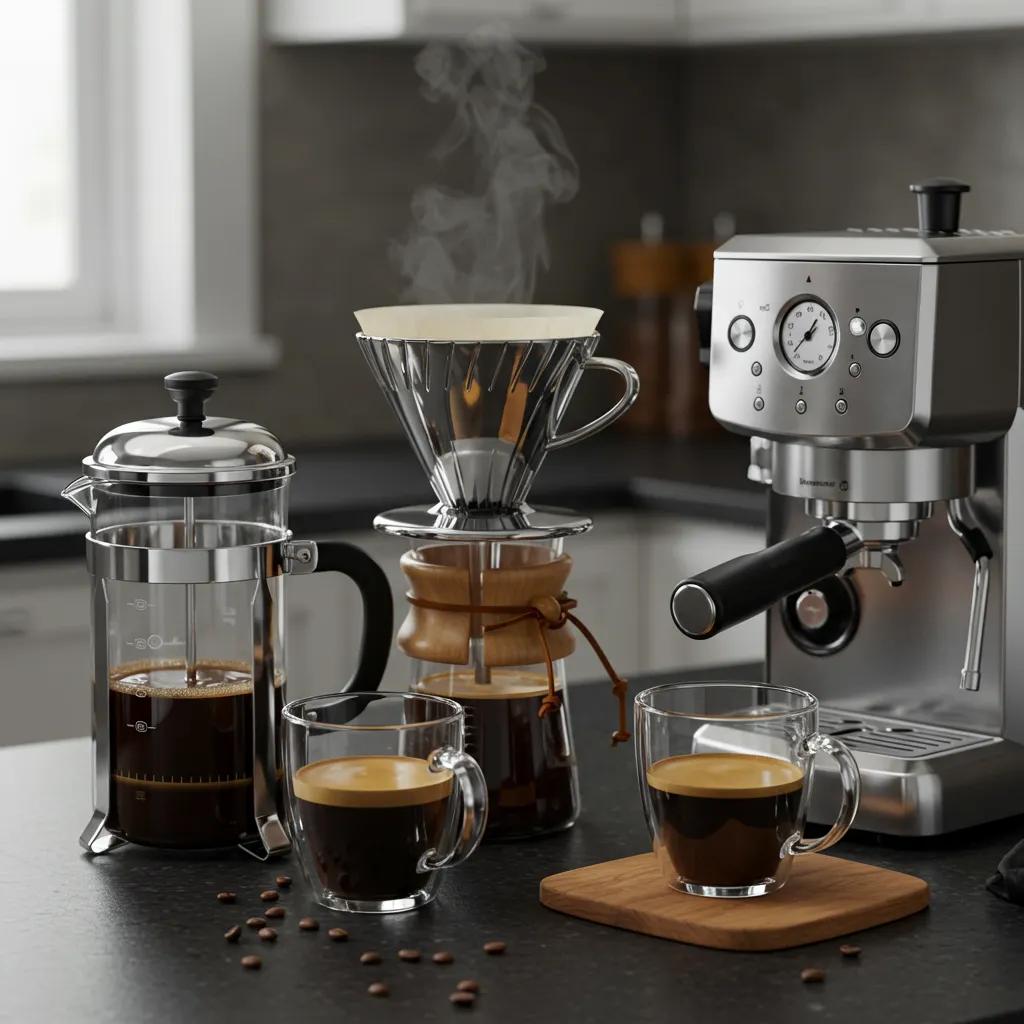
Brewing methods fall into three mechanical categories—immersion, filter, and pressure—and each extracts soluble compounds differently, affecting clarity, body, and extraction rate. Immersion brews (French Press) steep grounds in water for full-bodied extraction; filter brews (pour over, Chemex) use gravity and paper or cloth to produce clarity; pressure methods (espresso, Moka pot) force water through grounds for concentrated cups.
Brewing method comparison to help choose by outcome:
This table clarifies how grind, ratio, and time combine to create different outcomes; choose a method by the cup profile you want and tune grind to correct under- or over-extraction. Below are practical steps and troubleshooting for major methods.
What Is the French Press Method and How Is It Done?
French Press is an immersion method that produces full body and rich mouthfeel by steeping coarse grounds in hot water and separating solids by plunging a mesh filter. Standard technique uses a 1:15–1:17 ratio with water at about 92–96°C, a 3–4 minute steep, then a slow, steady plunge to avoid excess agitation. Common mistakes include using too fine a grind, which causes over-extraction and sediment, and leaving coffee to sit after plunging, which increases bitterness—serve immediately for best flavor. Troubleshooting tip: if your cup tastes weak, use a slightly finer grind or increase dose; if it’s gritty, coarsen the grind and decant after pressing.
How to Brew Coffee Using Pour Over Techniques Like Hario V60 and Chemex?
Pour over relies on controlled flow and bloom to produce clarity and highlight origin notes; the bloom (30–45 seconds) releases CO₂ and primes the grounds for even extraction. V60 typically uses a medium-fine grind and a more attentive pouring rhythm for quicker extraction and pronounced complexity, while Chemex uses a thicker filter and coarser grind for a cleaner, softer cup. A simple three-step template is: (1) rinse the filter and preheat, (2) bloom with twice the coffee weight in water, (3) pulse pour in concentric circles while maintaining an even level for total brew time around 3–4 minutes. Adjust grind and pour speed to dial in balance—slower pours and finer grinds increase extraction; coarser grinds and faster pours reduce it.
How Can You Make Espresso at Home Without a Machine?
You can approximate espresso-like concentrate using a Moka pot or an AeroPress inverted method to produce a rich, concentrated cup suitable for milk drinks, though pressure and crema differ from machine espresso. For the Moka pot, use a fine grind and gentle heat to avoid burnt flavors and extract until the stream turns golden; for AeroPress, use a 1:2–1:3 ratio and press briskly for concentrated output. Expect limitations: true espresso requires ~9 bars of pressure, so stove-top methods yield similar intensity but less crema and a different mouthfeel. Use these alternatives for milk-based drinks or quick, bold cups when a full espresso machine is unavailable.
What Are the Best Recipes for Cold Brew and Iced Coffee?
Cold brew concentrate is typically made with a coarse grind at ratios from 1:4 to 1:8 (coffee:water) steeped 12–24 hours, then strained and diluted to taste for a smooth, low-acidity iced profile. For quick iced coffee that avoids dilution, brew double-strength hot coffee, cool rapidly, and pour over coffee ice cubes made from brewed coffee to preserve flavor.
Storage tip: keep cold brew concentrate refrigerated up to one week and dilute 1:1 when serving, adjusting sweetness and milk to personal preference. Alternative quick method: Japanese-style flash-chill (rapidly chilling hot-brewed coffee) preserves aromatic oils while producing a bright iced cup.
How Is Traditional Turkish Coffee Prepared?
Turkish coffee uses extra-fine grind and direct heating in a cezve (ibrik) to produce an unfiltered cup with dense foam and suspended grounds, often sweetened during brewing. Use a fine powder, a 1:10–1:12 ratio, and heat slowly until foam rises twice—remove from heat before boil-over to preserve aroma and foam structure. Serve in small cups and allow grounds to settle; cultural rituals include variable sugar levels (sade, az sekerli, sekerli) and social significance in hospitality and conversation. Be mindful of safety: avoid overheating and use small cups to prevent scalding; the grounds left in the cup are not consumed.
What Are the Health Benefits and Risks of Drinking Coffee?
Moderate coffee consumption is associated with several health benefits through bioactive compounds like polyphenols and caffeine, while risks center on excessive caffeine intake and individual sensitivity; understanding evidence levels helps make informed choices. Recent studies and meta-analyses suggest protective associations for outcomes such as type 2 diabetes and liver disease, while cardiovascular effects appear neutral or modestly beneficial at moderate intakes. An EAV-style summary below condenses outcomes, evidence level, and practical notes so readers can weigh benefits and limitations quickly. Use this summary to align consumption with personal health goals and to know when to consult a clinician.
Evidence summary for common health outcomes:
This table simplifies complex literature: benefits are mostly observational associations and not guarantees, so interpret findings as part of a holistic lifestyle and consult healthcare providers for individual concerns.
The latest scientific findings on caffeine consumption through coffee highlight its potential health benefits and risks.
Caffeine in Coffee: Health Benefits, Risks, and Metabolism
Although there are reports on the use of coffee at least since the 9th century, caffeine consumption through coffee has been associated with several health benefits and potential adverse effects. This review aims to summarize the health benefits and risks associated with caffeine consumption through coffee, covering aspects such as its content in the beverage, metabolism, and the latest scientific findings on its effects on human health.
How Does Coffee Affect Heart Health According to Science?
Cardiovascular research indicates that moderate coffee intake is generally neutral or modestly protective for heart disease in large observational studies, while short-term physiological effects include transient blood pressure increases and variable effects on heart rhythm. Meta-analyses suggest no consistent increase in major cardiovascular events at typical consumption levels, though individuals with hypertension or arrhythmias should monitor clinical responses. Practical guidance: moderate intake—often defined as up to about 3–5 cups daily—appears safe for many adults, but personalized medical advice is essential for those with existing cardiac conditions. Monitoring symptoms and blood pressure response helps reconcile population data with individual risk.
Can Coffee Help Prevent Diabetes and Support Liver Health?
Cohort studies and meta-analyses consistently report an association between regular coffee consumption and lower incidence of type 2 diabetes and reduced progression of certain liver diseases, with dose-response patterns in some analyses. The likely mechanisms include improved insulin sensitivity, anti-inflammatory polyphenols, and liver enzyme modulation, though confounding factors exist in observational data. These findings support coffee as part of a preventive dietary pattern rather than as a therapeutic intervention, and they do not remove the need for established medical care. For liver health, moderate coffee intake may be beneficial, but people with liver disease should follow clinical advice for comprehensive management.
Beyond the caffeine itself, other compounds in coffee, including those found in decaffeinated varieties, also contribute to its health profile.
Health Benefits of Decaffeinated Coffee: Chlorogenic Acid and Lignans
The health benefits of decaffeinated coffee are often attributed to chlorogenic acid. Likewise, its lignans and some mineral components also possess therapeutic potential.
What Are the Effects of Caffeine and How Much Is Safe?
Caffeine is a central nervous system stimulant that increases alertness and can improve performance, but excessive intake causes jitteriness, insomnia, heart palpitations, and anxiety; healthy adults often tolerate up to about 400 mg daily, though individual sensitivity varies. Special populations—pregnant people, adolescents, and those on certain medications—should use lower limits and consult clinicians because pharmacokinetics and safety thresholds differ. Practical tips include spacing intake to avoid sleep disruption, tracking total caffeine from all sources, and reducing intake if experiencing adverse symptoms. Staying within moderate limits preserves benefits while minimizing side effects.
What Is Functional Coffee and How Does It Promote Wellness?
Functional coffee combines brewed coffee with additional ingredients—adaptogens, mushroom extracts, MCT oil, or nootropic compounds—to target wellness goals like focus, metabolic support, or recovery; evidence is currently emerging and varies by ingredient. Some additives have preliminary research for cognitive or metabolic effects, but many marketing claims outpace robust clinical validation, so treat functional blends as complementary rather than curative. Consumers should evaluate ingredient lists, dosages, and potential interactions with medications and look for transparent sourcing. Functional coffee can fit into a wellness routine for those seeking novel flavors and potential benefits, but prioritize evidence-backed practices and consult healthcare providers for medical concerns.
What Defines Coffee Culture in Pakistan and Its Emerging Trends?
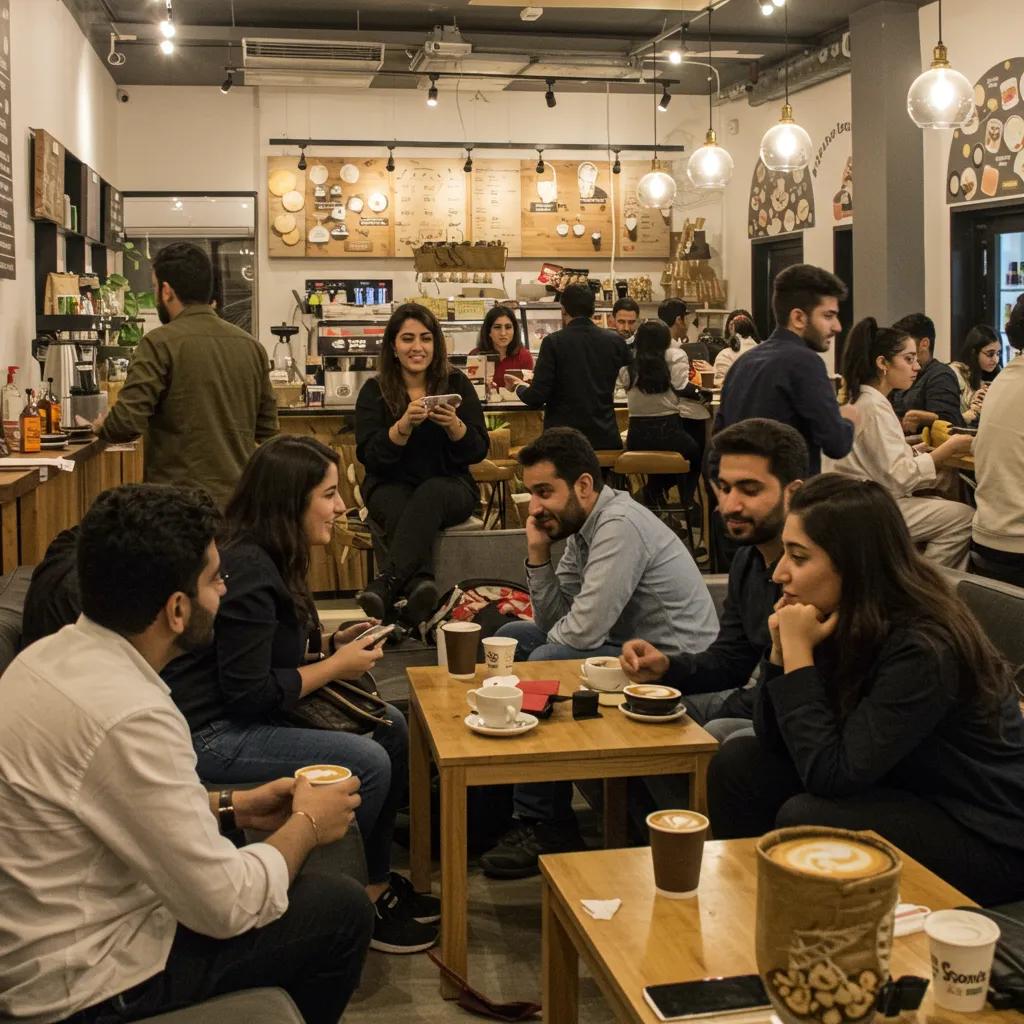
Pakistan’s coffee scene is evolving from a primarily tea-dominant culture toward diverse coffee offerings that include specialty cafés, chains, and local hangouts, with youth-driven trends shaping menus and social use. As an information hub, ARY News covers these lifestyle shifts to keep local audiences informed about neighborhood spots, emerging trends, and sustainability conversations that matter to Pakistani consumers. Cafes increasingly act as third spaces that support study, work, and cultural events, and 2025 trends emphasize photogenic drinks, plant-based milks, and wellness-oriented offerings. Below are curated components that define local coffee culture and how consumers can engage with sustainable and community-oriented cafes.
Local coffee culture snapshot for readers:
- Notable cafe types: specialty roasters, international chains, and neighborhood hangouts that balance quality and vibe.
- Youth trends: visually driven drinks, functional ingredients, and plant-based options shaping menus.
- Sustainability signals: compostable packaging, traceable beans, and local-roaster partnerships as emerging practices.
These elements signal a maturing market where quality, aesthetics, and social function combine; readers interested in exploring local scenes can watch for cafes that highlight transparent sourcing and community programming.
Research into Pakistan’s coffee market reveals that youth demand and the cafe experience are key drivers of its growth, with visual appeal and comfort playing significant roles.
Pakistan’s Coffee Market: Consumer Culture, Youth Demand, and Cafe Experiences
This study reframes Pakistan’s urban coffee boom as a consumer culture phenomenon with concrete managerial and policy levers. Using a descriptive, integrative approach, we synthesize observations from a source presentation with established frameworks— the Theory of Planned Behavior (TPB), servicescape, the stimulus–organism–response (S–O–R) model, hedonic consumption, and experiential marketing—to explain why youth segments dominate demand and why sweet, milk-based iced have become the anchor offering. We argue that photogenic, comfort-optimized café environments act as dual-purpose assets: they enhance on-site affect (pleasure and arousal) and generate user-generated content that compresses customer-acquisition costs via social proof. Baristas function as cultural intermediaries, translating origin stories and crafts into authenticity cues that raise willingness to pay and loyalty. We propose a testable mechanism linking servicescape and social media exposure (stimuli)
Which Are the Best Coffee Shops in Karachi and Lahore?
Curated lists identify cafés by what they do well—specialty roast profiles, study-friendly spaces, or dessert pairings—so readers can prioritize visits based on atmosphere and offerings rather than ranking alone. Because local listings change rapidly, ARY News recommends verification and community-sourced updates through the LifeStyle coverage to keep recommendations current and responsive. Short descriptors help you choose cafés: those with in-house roasting for bean variety, study spaces with reliable Wi-Fi and seating, or dessert-focused spots for casual meetups. Encouraging reader submissions and reviews strengthens local coverage and keeps the community informed about openings, pop-ups, and events.
What Are the Latest Coffee Trends Among Pakistani Youth in 2025?
Pakistani youth in 2025 favor novelty and shareability—photogenic drinks, regional-inspired flavors, and menu items that perform on social media—alongside growing interest in wellness-oriented options like plant milks and functional ingredients. Social-listening signals show experimentation with flavors inspired by regional sweets and international trends adapted to local palates, driving menu innovation. The consequence for cafés is a need to balance visual appeal with drink quality and sustainability to maintain credibility among discerning customers. For roasters and cafe owners, blending aesthetic presentation with transparent sourcing and consistent brewing practices builds long-term loyalty.
How Is Sustainability Influencing Coffee Consumption in Pakistan?
Sustainability influences consumer choice through visible practices—compostable packaging, reusable cup incentives, and traceable sourcing—and these signals increasingly factor into patron decisions in Pakistani urban markets. Barriers include supply-chain transparency and cost, but small-scale adoption by specialty cafés demonstrates feasible steps that resonate with environmentally conscious customers. Consumers can support sustainability by choosing cafés that disclose sourcing, avoiding single-use plastics, and buying beans from roasters that prioritize ethical practices. As sustainability awareness grows, cafés that combine quality with responsible operations can differentiate themselves and attract loyal, informed customers.
How Do Cafes Serve as Community Hubs in Pakistani Cities?
Cafés function as social infrastructure—hosting study groups, open-mic nights, and networking events—that fosters creative exchange and provides third spaces for students and professionals to convene. These venues support cultural programming and local entrepreneurs, creating economic and social value beyond beverage sales. Interviews and anecdotal reporting highlight how cafés catalyze collaborations among artists, writers, and students, strengthening neighborhood identity. Encouraging cafés to prioritize inclusive programming and affordable access reinforces their role as community hubs that contribute to cultural life in Pakistani cities.
How to Choose the Best Coffee Beans for Espresso and Other Drinks?
Choosing beans depends on the desired brewing method, roast profile, and flavor goals: espresso benefits from blends with body and crema potential, pour-over favors single-origin clarity, and cold brew pairs well with low-acid, chocolatey naturals. A practical checklist and attribute comparison help you select beans—consider roast date, packaging, origin notes, and whether you prefer single-origin storytelling or blend consistency. Below is a checklist to guide bean selection and quick criteria for matching beans to methods.
Choose beans with these attributes in mind:
- Freshness: Look for roast date and buy smaller quantities for peak flavor.
- Roast level: Match roast to method—light for pour-over, medium-dark for espresso.
- Origin and processing: Use origin notes to target floral or chocolatey profiles.
- Blend vs single-origin: Blends offer consistency; single-origin offers distinct origin character.
This checklist simplifies decisions and helps you make purchases aligned with brewing goals and taste preferences.
What Are the Characteristics of the Best Espresso Beans?
Best espresso beans typically form medium-dark blends that balance sweetness, body, and crema-producing oils while maintaining freshness and consistent roast. Blends combine origins to create predictable extraction, with some Robusta included to enhance crema and density; single-origin espresso exists but requires careful roast and technique. Freshness is paramount—buy beans roasted within weeks of purchase and consume within a month for peak flavor. For practical selection, prioritize beans labeled with roast date and descriptive tasting notes that align with your preferred milk pairing or black espresso profile.
How Does Grind Size Affect Espresso and Other Brewing Methods?
Grind size controls extraction rate: finer grinds increase surface area and extraction speed, producing stronger, more bitter flavors if overdone, while coarser grinds under-extract and taste sour or weak. Tuning grind is the fastest way to fix common taste issues—finer to increase sweetness and body, coarser to reduce bitterness and lower extraction. Use a consistent burr grinder to maintain particle uniformity and make small adjustments (one notch at a time) when adjusting taste. For method-specific recommendations, aim for espresso fine, pour-over medium-fine, Chemex medium, and French press coarse.
What Are Specialty Coffee Varieties and Single-Origin Beans?
Specialty coffee refers to high-quality beans scored and graded for exceptional sensory attributes, often traceable to specific farms or lots, with rigorous post-harvest processing and transparent supply chains. Single-origin beans spotlight terroir and unique tasting notes tied to a region, offering expressive cups that change seasonally and reward careful brewing. Specialty roasters often provide tasting notes, processing details, and roast-date information to help consumers select beans that match brewing goals. Choose single-origin when you want to explore unique flavors; choose blends when you need consistency for espresso or milk-based drinks.
What Are the Essential Coffee Equipment and Tools for Brewing at Home?
Essential home equipment includes a quality burr grinder, a kettle with temperature control, a scale for consistent ratios, and a brewer matched to your preferred method; these core tools improve extraction reliability and cup quality. Maintenance and proper storage are equally important—clean grinders and brewers regularly, descale kettles as needed, and store beans in airtight, opaque containers to preserve freshness. The list below outlines core tools by purpose so you can prioritize purchases based on space and budget.
- Burr grinder for consistent particle size and tunability.
- Scale to measure dose and water for repeatable ratios.
- Gooseneck kettle for precise pour control in pour-over techniques.
- Appropriate brewer (French Press, V60, Chemex, AeroPress, Moka pot) depending on preferred method.
Investing in these essentials yields disproportionate improvements in cup quality and consistency compared with upgrading to expensive devices prematurely.
Which Coffee Makers Are Best for Different Brewing Styles?
Select makers by user goals: AeroPress and Moka pot for near-espresso convenience and portability, French Press for body and simplicity, and V60/Chemex for clarity and single-origin expression. Automatic drip machines are suitable for convenience and consistent morning cups, while manual methods provide greater control for specialty-focused brewing. Consider price, counter space, and desired cup profile when choosing a maker—manual methods teach technique and yield higher quality at lower cost for many users. For Pakistan-based buyers, prioritize compact, durable designs that match local electricity and kitchen conditions.
How to Maintain and Use Coffee Brewing Equipment Properly?
Maintain equipment on a regular schedule: clean grinder burrs weekly, deep-clean brewers monthly, and descale kettles based on water hardness to prevent flavor degradation and mechanical issues. Proper use includes measuring dose, controlling water temperature (92–96°C for most methods), and using filtered water to reduce mineral-related off-flavors. Troubleshooting common issues—gritty sediment (coarsen grind), bitter over-extraction (finer grind or shorter time), flat cup (ensure freshness and correct ratio)—keeps your setup producing optimal results. Routine care extends equipment life and preserves consistent cup quality.
What Are the Recommended Coffee Storage Tips to Preserve Freshness?
Store whole beans in an airtight, opaque container at room temperature away from heat, light, and moisture to maintain volatile aromatic compounds and slow oxidation. Avoid frequent opening of large containers; buy smaller amounts and check roast dates to ensure freshness. Freezing can be used for long-term storage in small sealed portions, but daily refrigeration is discouraged because condensation and odors degrade flavor. Proper storage significantly affects extraction outcomes and sensory experience—fresh, well-preserved beans make brewing technique adjustments more predictable.
What Are the Most Common Questions About Coffee?
This final section answers high-frequency queries with concise, direct responses and short elaborations, optimized for clear snippet-style answers that help readers seeking quick guidance. The Q&A format below targets People Also Ask queries with a one-sentence direct answer followed by a brief explanation to support decision-making and invite deeper reading through the guide’s sections.
What Is the Difference Between Arabica and Robusta Coffee Beans?
Arabica typically offers milder, more complex flavors with lower caffeine, while Robusta is higher in caffeine with a stronger, more bitter profile and greater crema potential in blends. Arabica’s growing conditions favor higher altitudes and specialty production, whereas Robusta is more resistant to pests and yields stronger-bodied coffee for blends and instant products.
What Are the Best Ways to Brew Coffee at Home?
Best methods depend on goals: use AeroPress or Moka pot for strong, concentrated cups, French Press for full body, and pour-over (V60/Chemex) for clarity and origin expression. Match grind, ratio, and temperature to the method, and use a scale and consistent technique to reproduce desirable results.
Is Coffee Good for Your Health?
Moderate coffee consumption is associated with several potential health benefits, including lower risk of type 2 diabetes and certain liver diseases, though most evidence is observational and individual tolerance varies. Balance benefits with awareness of caffeine sensitivity and consult a clinician for personalized advice.
Can You Make Espresso Without an Espresso Machine?
Yes—Moka pots and AeroPress inverted methods create concentrated, espresso-like coffee suitable for milk drinks, but they do not replicate the high pressure and crema of a true espresso machine. Use fine grind and controlled heat/pressure techniques to approximate the profile.
How Does Grind Size Affect Coffee Flavor?
Grind size determines extraction rate: finer grinds extract more quickly and can increase bitterness if overdone, while coarser grinds extract slower and can taste sour or weak. Adjust grind incrementally to correct flavor—coarsen for bitterness, refine for sourness—and maintain consistent dosing.
ARY News continues to report on evolving coffee culture, brewing innovations, and health research to keep readers informed through the LifeStyle category and to support a growing community of coffee enthusiasts seeking practical, evidence-based guidance.
Conclusion
Understanding the diverse world of coffee—from bean types to brewing methods—empowers enthusiasts to craft their perfect cup while appreciating the cultural significance of coffee in Pakistan. This guide not only highlights essential brewing techniques and health benefits but also connects readers to the evolving coffee culture and sustainability trends. By exploring local cafés and experimenting with different beans, you can enhance your coffee experience and support community-driven initiatives. Dive deeper into our resources and discover the best coffee options tailored to your taste today.