Comprehensive Guide to Women’s Health: Key Issues, Treatments, and Awareness
Women’s health encompasses the full span of biological, psychological, and social factors that shape female well-being across life stages, from reproductive years through menopause and beyond. This guide explains common reproductive conditions, menopause management, cancer screening, cardiovascular risk, nutrition and fitness, mental health concerns, and chronic disease control with practical, Pakistan-focused context and actionable steps. ARY News, as a timely information hub, reports on policy changes, screening campaigns, and local services—readers can use news coverage to track local programs and events that affect access to care. By combining prevention strategies, screening guidance, and lifestyle interventions, this article equips Pakistani women and caregivers with clear next steps to recognize problems early and seek appropriate care. The following sections will explore reproductive health issues (including PCOS and menstrual hygiene), menopause recognition and treatment, breast cancer screening essentials, heart disease risks and prevention, nutrition and fitness recommendations, mental health resources, and chronic disease management — each with practical checklists and local resource signposts.
What Are the Most Common Women’s Reproductive Health Issues?
Reproductive health encompasses conditions that affect the female reproductive system and fertility, and early recognition improves treatment options and long-term outcomes. Common issues include Polycystic Ovary Syndrome (PCOS), menstrual disorders, sexually transmitted infections (STIs), and fertility challenges; each can influence metabolic, hormonal, and psychosocial health. Understanding symptoms and accessible management steps helps women navigate care options and reduce future complications. The following subsections explain PCOS, menstrual hygiene and family planning, and STI recognition and prevention, then offer practical prevention tips tailored to Pakistan’s healthcare context.
What Is Polycystic Ovary Syndrome and How Does It Affect Women?
Polycystic Ovary Syndrome (PCOS) is an endocrine disorder that disrupts ovulation, causes irregular periods, and often leads to hyperandrogenic symptoms such as acne and excess hair growth. PCOS increases insulin resistance risk and can elevate chances of developing diabetes and metabolic syndrome, so early lifestyle and clinical interventions are important. Management typically combines dietary adjustments, structured exercise, and medical treatments like hormonal regulation or insulin-sensitizing agents chosen with a clinician. Pakistani women benefit from culturally appropriate dietary plans and community-level screening to detect PCOS early and reduce long-term cardiometabolic risks.
In Pakistan, the prevalence of PCOS among women of reproductive age varies across studies. A study conducted in the Kashmir valley found that 35.3% of women met the Rotterdam criteria for PCOS. (pubmed.ncbi.nlm.nih.gov) Another study reported a prevalence of 10.49% for previously diagnosed cases and 2.48% for current diagnoses based on reported signs and symptoms. (pmc.ncbi.nlm.nih.gov) These variations may be due to differences in diagnostic criteria and study populations.
PCOS Prevalence and Factors in Pakistani Women
Polycystic ovary syndrome (PCOS) is a polygenic, endocrine disorder causing ovarian dysfunction. This syndrome encompasses a broad spectrum of phenotypic expression due to heterogeneity. This study aimed to investigate the prevalence and phenotypic factors contributing to the onset of PCOS in Pakistani women. Participating females (n=130) were recruited from different regions of Pakistan explicitly those who were trying to conceive for years. We designed a questionnaire having different subsections comprising questions related to psychological and environmental aspects linked with PCOS. We also analyzed the proportion of women having prior awareness about the genetic basis of the disease. The retrieved data was analyzed through SPSS V.21 by employing descriptive statistics. A Chi-square test was used to establish a correlation between PCOS and associated symptoms. Our findings suggest that factors like obesity, facial and abdomen hair growth, irregular periods, menstrual
Investigation of prevalence and awareness of polycystic ovary syndrome among Pakistani females: polycystic ovary syndrome in Pakistani women, S Zulfiqar, 2022
How Can Pakistani Women Manage Menstrual Hygiene and Family Planning?
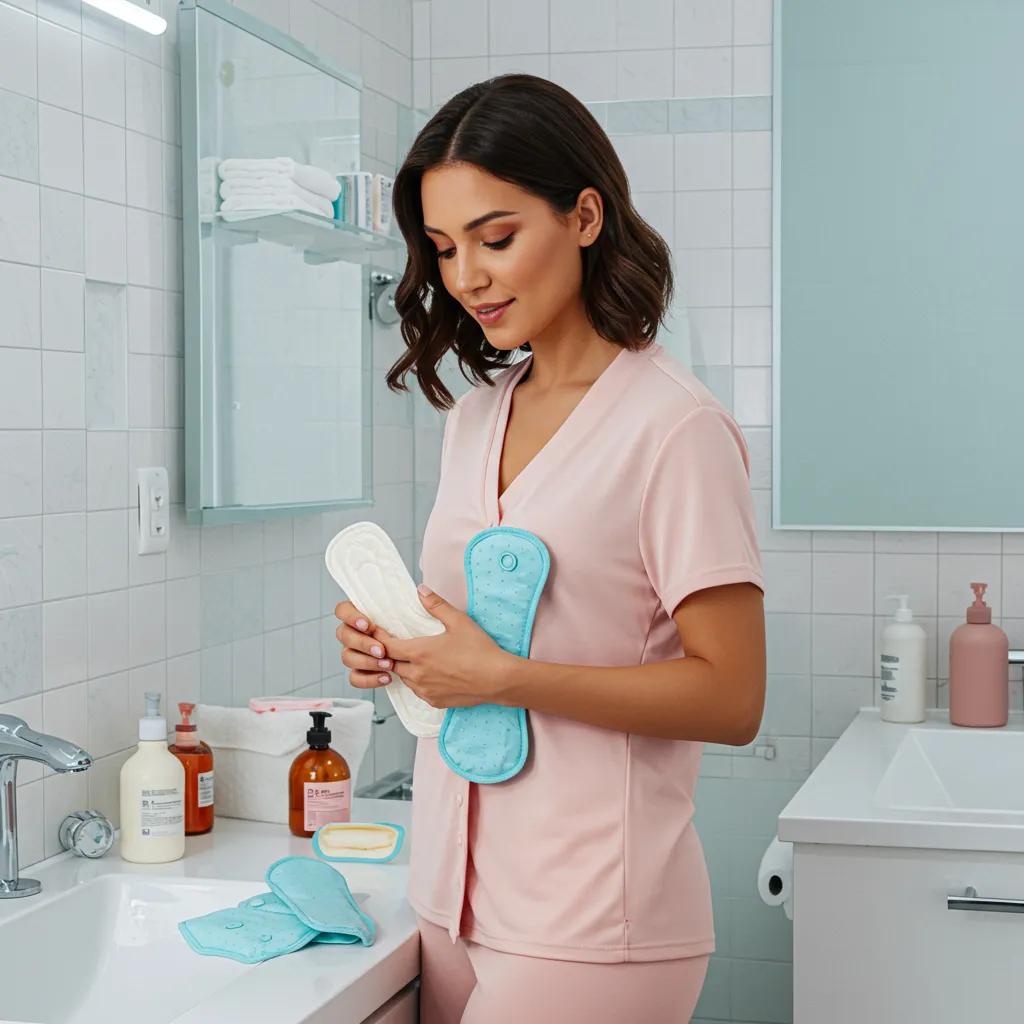
Menstrual hygiene and family planning are foundational to reproductive autonomy and infection prevention, requiring access to affordable supplies, education, and confidential clinical services. Practical measures include using clean reusable or disposable products, safe disposal practices, and hand hygiene to reduce infection risk; community education can address cultural barriers to uptake and acceptance. Family planning options range from barrier methods to long-acting reversible contraception, each with trade-offs in effectiveness, side effects, and access; decisions are best made with a trained clinician who understands local availability. Strengthening local supply chains and clinic outreach improves access to contraception and menstrual-health education across urban and rural settings.
What Are the Signs and Prevention Methods for Sexually Transmitted Infections?
Common sexually transmitted infections often present with discharge, pelvic pain, itching, or lesions, though many infections can be asymptomatic and detected only through testing. Prevention emphasizes consistent condom use, routine testing when risk factors are present, and timely partner notification and treatment to prevent reinfection and reduce transmission. Confidential testing services and culturally sensitive counseling are crucial in Pakistan to overcome stigma and encourage care-seeking; community clinics and awareness campaigns help normalize testing. Early detection preserves fertility and prevents complications, making routine screening an important part of reproductive health maintenance.
- Recognize symptoms early: Seek evaluation for irregular cycles, unusual discharge, or pelvic pain.
- Adopt preventive practices: Use hygienic menstrual products and barrier protection for STI prevention.
- Access family planning: Consult clinicians to choose suitable contraceptive methods based on needs.
These actionable steps reduce acute complications and long-term sequelae; regular clinician engagement and community education create supportive environments for reproductive health.
How Can Women Recognize and Manage Menopause Symptoms Effectively?
Menopause marks the end of menstrual cycles and involves hormonal changes that create a predictable cluster of symptoms; recognizing these features helps women pursue effective relief and maintain quality of life. Typical mechanisms include reduced ovarian estrogen and progesterone production, which affect thermoregulation, sleep, mood, and urogenital tissues. Management strategies range from lifestyle-based measures to medical therapies such as hormone replacement therapy (HRT) or non-hormonal pharmacological options, selected according to individual risk profiles and preferences. The subsections below cover common symptoms, treatment choices, and how lifestyle adjustments can ease the transition and improve long-term health.
What Are the Common Symptoms of Menopause?
Menopause commonly causes hot flashes, night sweats, insomnia, mood variability, and vaginal dryness; these symptoms vary in intensity and duration among individuals. Thermoregulatory instability leads to vasomotor symptoms that can disrupt sleep and daily functioning, while estrogen decline contributes to urogenital atrophy and sexual discomfort. Recognizing red flags like sudden severe mood changes, unexplained bleeding, or persistent pelvic pain prompts timely medical assessment to rule out other conditions. Early symptom management improves daily functioning and can prevent long-term consequences such as urogenital issues and sleep-related health impacts.
What Treatment Options Are Available for Menopause Symptoms?
Treatment choices for menopause balance symptom relief with safety considerations and typically include hormone replacement therapy, non-hormonal medications for vasomotor symptoms, topical estrogen for urogenital symptoms, and cognitive-behavioral approaches for sleep and mood. HRT effectively treats vasomotor and urogenital symptoms but requires individualized risk assessment for cardiovascular and thrombotic factors. Non-hormonal agents and lifestyle strategies present alternatives for those with contraindications or preferences against hormones. Shared decision-making with a clinician ensures treatment aligns with symptom severity, medical history, and personal values.
How Can Lifestyle Changes Support Women During Menopause?
Lifestyle changes play a central role in symptom reduction and overall well-being during menopause, with diet, regular physical activity, sleep hygiene, and stress management each contributing measurable benefit. Weight-bearing exercise and strength training support bone density, while cardiovascular activity improves mood and heart health; dietary adjustments emphasizing calcium, vitamin D, and protein support musculoskeletal health. Mind-body practices and consistent sleep routines reduce vasomotor and mood symptoms; community support and culturally appropriate programs can increase adherence. Integrating lifestyle interventions with medical care produces the most durable improvements in function and quality of life.
- Regular strength and aerobic exercise to preserve bone and heart health.
- Dietary focus on calcium, vitamin D, and protein for musculoskeletal resilience.
- Sleep and stress management practices to reduce vasomotor and mood symptoms.
These combined strategies reduce symptom burden and prepare women for long-term health maintenance after menopause.
Why Is Breast Cancer Awareness and Screening Vital for Women?
Breast cancer detection at an early stage improves treatment options and survival; awareness of warning signs and understanding screening methods are essential preventive measures. The underlying mechanism is that early-stage tumors are smaller, less likely to have spread, and more amenable to breast-conserving treatments, which enhances outcomes and reduces morbidity. Screening options include clinical breast exams, mammography, and breast self-awareness; each method has strengths and limitations that affect appropriate use across age groups. Below we outline early signs, where Pakistani women can access screening, and how regular screening changes outcomes, plus a practical EAV table comparing screening methods and availability.
What Are the Early Signs and Symptoms of Breast Cancer?
Common early signs of breast cancer include a new breast lump, changes in breast shape or size, skin dimpling, nipple retraction, or unusual nipple discharge; any persistent change warrants prompt medical evaluation. Symptoms can be subtle, and not all lumps are cancerous, so professional assessment and diagnostic imaging are crucial for accurate diagnosis. Dispelling myths—such as believing only painful lumps are dangerous—helps encourage timely clinical review. Prompt evaluation increases the chance of detecting cancer at a treatable stage and informs appropriate follow-up care.
- New lump or thickening in the breast or underarm area.
- Changes in breast appearance such as asymmetry or skin texture changes.
- Unusual nipple changes including inversion or bloody discharge.
Recognizing these signs and seeking rapid clinical assessment shortens the pathway to diagnosis and treatment, making awareness campaigns and accessible screening services essential.
Introductory note: The table below compares screening approaches and how they are typically recommended and accessed in Pakistan.
Where to get help / further reading: ARY News frequently covers local screening drives, government initiatives, and NGO campaigns that bring mobile mammography or clinical exams to communities; following local reporting helps women find upcoming screening events and awareness programs without relying solely on clinic outreach. Use news coverage to learn when screening initiatives are scheduled in your area and what services they offer.
Summary: Early recognition, regular clinical assessment, and alignment of screening method to local availability together improve detection rates; news-informed outreach increases community access and awareness.
Pakistani Women’s Knowledge and Practices in Breast Cancer Screening
ABSTRACT: Breast cancer is one of the most common cancers and second leading cause of cancer mortalities among women. The present study aimed to measure the levels of knowledge, attitude, and practice of women regarding breast cancer screening behaviors. Methods: This cross-sectional study was carried out on 406 women who referred to five health centers in Mashhad and were selected using the multistage sampling technique within July 2018 to June 2019. The data were collected through a selfstructured questionnaire, including four sections of demographic characteristics, knowledge, attitude, and practice towards breast cancer screening behaviors. The data were analyzed using Chi-square, Pearson’s correlation coefficient and linear regression tests. The mean score of women’s age was 33.5±10.3 years. 49.1% and 7.9% of the participants had a low level of knowledge and negative attitudes toward breast cancer screening, respectively, which led to the poor practice of women in this regard (29.1%). Accor
1. To assess the knowledge, attitude and practices amongst Pakistani females towards breast screening programmes. The descriptive cross-sectional study was conducted from June 2013 to July2014 at Mayo Hospital, Lahore, and comprised attendants and patients who visited out-patients department and/or were treated as in-patients. The questionnaire contained 25 open and close-ended questions regarding knowledge and attitude, along with 7 questions regarding practices. Data was analysed using SPSS 17. There were 1184 women with a mean age of 32.7±8.6 years. The mean score was 12.7±4.9. Positive family history of breast cancer was reported by 156(13.2%) women; 420(35.5%) believed advancing age was a risk factor; 1041(87.9%) never had breast self-examination; 1106(93.4%) never had a clinical breast examination; and 1171(98.9%) never had screening mammogram. The knowledge and practices regarding breast cancer screening, breast self-examination and mammogram among women were not goo
Knowledge, attitude and practices amongst the Pakistani females towards breast cancer screening programme, SFH Shah, 2015
What Are the Key Heart Disease Risks and Prevention Tips for Women?
Cardiovascular disease is a leading cause of morbidity among women and often presents with sex-specific patterns that require tailored prevention and recognition strategies. Biological factors (hormonal changes, pregnancy-related conditions), co-morbidities (diabetes, hypertension), and lifestyle contributors (physical inactivity, diet) interact to raise risk; recognizing atypical symptoms and managing modifiable risks prevents adverse outcomes. Prevention emphasizes smoking cessation, blood pressure and lipid control, healthy diet, and regular physical activity, with screening and integrated chronic-disease management essential for reducing long-term cardiovascular events. The subsections outline presentation differences, lifestyle changes to reduce risk, and chronic conditions that heighten heart disease risk.
How Does Heart Disease Present Differently in Women?
Women can experience atypical heart attack symptoms such as jaw pain, nausea, fatigue, shortness of breath, or back discomfort rather than classic chest pain, which can delay recognition and treatment. Diagnostic challenges arise because clinical trials historically underrepresented women, making awareness and clinician vigilance critical. Understanding sex-based differences in symptom presentation and advocating for timely assessment reduces diagnostic delays. Educating women and providers about atypical manifestations improves early intervention and outcomes.
What Lifestyle Changes Can Reduce Heart Disease Risk?
Lifestyle changes that reduce cardiovascular risk include a heart-healthy diet rich in vegetables, lean protein, and healthy fats; regular aerobic and resistance exercise; maintaining a healthy weight; and avoiding tobacco use. Practical, culturally adapted steps for Pakistani women include incorporating whole grains, legumes, and local oily fish or plant-based omega-3 sources, as well as community-based activity like brisk walking groups. Regular screening for blood pressure, cholesterol, and glucose guides targeted interventions; integrating lifestyle programs with clinical follow-up yields the best risk-reduction results.
Which Chronic Conditions Increase Heart Disease Risk in Women?
Conditions such as diabetes, hypertension, obesity, and dyslipidemia significantly increase cardiovascular risk and often interact with reproductive factors like gestational diabetes or PCOS to heighten lifetime risk. Management requires coordinated care: controlling blood sugar, managing blood pressure, optimizing lipids, and addressing obesity through diet and activity. Early detection via routine screening and integrated treatment plans reduces the probability of adverse cardiac events. Linking chronic-disease clinics with lifestyle support services strengthens prevention across communities.
- Regular screening for blood pressure, glucose, and lipids.
- Sustained physical activity and balanced diet tailored to cultural preferences.
- Integrated management of chronic conditions like diabetes and hypertension.
Implementing these strategies at the individual and system levels lowers cardiovascular risk and supports long-term health.
How Can Nutrition and Fitness Improve Women’s Overall Health and Wellness?
Nutrition and fitness are foundational interventions that prevent chronic disease, support reproductive health, and improve mental well-being; targeted nutrient intake and regular exercise produce measurable benefits across life stages. Nutrients such as calcium, vitamin D, protein, iron, and omega-3 fatty acids support bone, heart, and reproductive health, while strength training improves bone density and metabolic function. Below we present a nutrient EAV table with Pakistani food examples, discuss strength-training benefits and recovery, and offer culturally appropriate home workout routines requiring minimal equipment.
Introductory note: The following table compares essential nutrients with recommended intake guidance and local food sources relevant to Pakistani diets.
What Are Essential Nutrients for Women’s Bone and Heart Health?
Calcium and vitamin D are central to bone health, while protein and omega-3s support muscle maintenance and cardiovascular function; iron prevents anemia and supports energy, particularly in reproductive years. Adequate intake through local foods—dairy, legumes, fish, and fortified products—combined with safe sun exposure addresses many nutrient gaps, though targeted supplementation should follow clinician assessment. Nutrient-rich meals paired with strength exercise enhance absorption and functional outcomes. Monitoring levels via routine screening guides personalized nutrition plans.
How Does Strength Training Benefit Women’s Fitness and Recovery?
Strength training increases bone mineral density, improves metabolic rate, and enhances functional capacity for daily tasks, reducing fall risk and preserving independence with age. Benefits include improved glucose regulation, greater lean mass, and faster recovery from injury when performed with progressive overload and adequate protein intake. Beginner routines can include bodyweight squats, lunges, push-ups, and resistance-band work, performed 2–3 times weekly with appropriate rest. Incorporating recovery strategies—hydration, protein-rich meals, and sleep—optimizes adaptation and reduces injury risk.
What Are Effective Home Workouts and Fitness Routines for Pakistani Women?
Effective home workouts require minimal equipment and can adapt to time constraints: short high-intensity interval training (HIIT) sessions, 20–30 minute strength circuits, or daily walking aim to build cardiovascular and muscular fitness. Sample routines include a 15-minute beginner circuit of squats, modified push-ups, glute bridges, and planks, while intermediate plans add resistance bands and interval bursts. Postpartum modifications and gradual progression ensure safety, and community groups or family support increase adherence. Consistency and gradual intensity increases deliver meaningful health gains over months.
- Start with short, consistent sessions (15–30 minutes) and build gradually.
- Combine strength and aerobic work for bone and heart benefits.
- Prioritize recovery and nutritional support to sustain training and reduce injury.
These steps translate nutrition and exercise into tangible improvements in strength, metabolic health, and daily function.
What Are the Mental Health Challenges Unique to Women and How Can They Seek Support?
Mental health presentations in women often reflect biological, social, and role-based contributors that shape prevalence and symptom patterns; recognizing these differences enables more effective support and treatment. Anxiety and depression frequently interact with reproductive events (pregnancy, postpartum, menopause), and social pressures can amplify stress responses; timely identification and referral improve outcomes. This section outlines gendered stress patterns, postpartum depression recognition and care, and a practical directory of mental health resources in Pakistan, including how ARY News reporting can help women find local services and initiatives.
How Do Stress and Anxiety Affect Women Differently?
Stress and anxiety in women commonly arise from overlapping biological sensitivities, caregiving responsibilities, and social expectations, producing somatic symptoms, sleep disruption, and mood variability. Hormonal fluctuations across menstrual cycles, pregnancy, and menopause can amplify mood changes and anxiety, requiring attention to timing and triggers. Coping strategies include structured routines, cognitive-behavioral techniques, social support, and targeted professional care when symptoms interfere with functioning. Recognizing these patterns helps women and clinicians tailor interventions to individual contexts and life stages.
What Are Signs of Postpartum Depression and Available Treatments?
Postpartum depression presents with persistent sadness, loss of interest, excessive worry about the baby, changes in sleep and appetite, and sometimes thoughts of self-harm or harm to the infant—symptoms that extend beyond the transient “baby blues.” Treatment options include psychotherapy (e.g., cognitive-behavioral or interpersonal therapy), antidepressant medication when indicated, and community-based peer support integrated with maternal-child health services. Early screening during antenatal and postnatal visits improves detection, and linking mothers to culturally sensitive services reduces stigma and improves engagement. Family involvement and practical supports for childcare and rest also play a role in recovery.
Where Can Women Find Mental Health Resources in Pakistan?
Accessing mental health resources in Pakistan involves a mix of public programs, private clinics, NGOs, and telepsychiatry options that provide counseling, psychiatric care, and crisis support; local NGO initiatives often offer community outreach for women. ARY News regularly reports on mental-health initiatives, helplines, and awareness campaigns—tracking such coverage can direct readers to nearby services and recent program launches. When seeking care, prioritize culturally competent providers who understand gendered context, and ask about confidentiality, treatment options, and follow-up. Telehealth can bridge geographic gaps, while local support groups foster ongoing recovery and reduce isolation.
- Recognize red flags such as persistent low mood or loss of functioning.
- Seek an initial assessment via a trusted clinic, NGO, or telehealth service.
- Engage in evidence-based therapy and social supports while monitoring symptom changes.
These steps reduce delays to treatment and improve long-term mental-health outcomes for women across life stages.
How Are Chronic Diseases Like Diabetes and Osteoporosis Managed in Women?
Chronic diseases such as diabetes and osteoporosis require early detection, sustained self-management, and integrated clinical care to prevent complications and preserve function over time. Diabetes management includes glycemic monitoring, lifestyle modification, and medication when needed; osteoporosis prevention centers on nutrition, strength training, and bone-density assessment. Regular screening and coordinated care networks support timely intervention and reduce morbidity, with public awareness and screening programs improving population-level outcomes. Below we compare conditions with early signs, risk factors, and management strategies using an EAV table and then expand on screening and prevention roles.
Introductory note: The table below outlines common chronic conditions, their key warning signs or risk factors, and practical management strategies relevant for women.
What Are the Early Warning Signs of Diabetes in Women?
Early diabetes signs include unusual thirst, frequent urination, unexplained weight changes, and fatigue, with women who have histories of gestational diabetes or PCOS at higher lifetime risk. Timely blood-glucose testing identifies prediabetes and early-stage disease when lifestyle interventions are most effective. Management involves dietary adjustments, regular physical activity, weight control, and pharmacologic treatments when necessary, coordinated through primary care. Early action reduces the risk of cardiovascular, renal, and neuropathic complications.
How Can Women Prevent and Manage Osteoporosis Through Diet and Exercise?
Preventing osteoporosis centers on achieving peak bone mass through adequate calcium and vitamin D intake during younger years and maintaining bone health with ongoing weight-bearing and resistance exercise. Strength training and impact activities stimulate bone remodeling, while dietary sources and supplementation (guided by clinician testing) address nutritional deficits. Bone-density screening identifies those needing medical therapy such as antiresorptive or anabolic agents, and fall-prevention strategies further reduce fracture risk. Combining nutrition, exercise, and screening offers the most effective prevention plan.
What Role Does Regular Health Screening Play in Chronic Disease Control?
Regular health screening detects risk factors and early disease—blood pressure checks, fasting glucose, lipid profiles, and bone-density testing when indicated—allowing timely interventions that alter disease trajectories. Screening frequency depends on age, risk factors, and reproductive history, and follow-up plans translate abnormal results into concrete treatment pathways. Integrating screening with community outreach and news-informed public health campaigns increases uptake and ensures continuity of care. Early detection through structured screening programs is a cornerstone of chronic disease control for women.
- Routine screening tailored to risk profile and life stage.
- Lifestyle interventions as first-line prevention and adjunctive therapy.
- Coordinated clinical follow-up to implement pharmacologic treatments when indicated.
These priorities reduce long-term complications and improve quality of life for women living with chronic conditions.
ARY News provides timely reporting on local screening initiatives, policy changes, and health campaigns that affect access to chronic-disease services; following such coverage helps women learn about nearby programs, mobile clinics, and public awareness efforts. This news-informed approach complements clinical guidance and community outreach, ensuring readers can act on up-to-date information about available resources.
For ongoing updates on women’s health reporting, expert interviews, and local campaigns, follow ARY News’s health coverage to stay informed about new programs and screening drives relevant to women’s health needs.
Conclusion
Empowering women with knowledge about their health is crucial for improving overall well-being and preventing chronic diseases. This guide highlights essential topics such as reproductive health, menopause management, and the importance of regular screenings, providing actionable insights tailored to the Pakistani context. By staying informed and proactive, women can take charge of their health and seek appropriate care when needed. For more resources and updates on women’s health initiatives, follow ARY News to stay connected with local programs and expert advice.