Different Pet Breeds: Comprehensive Guide to Popular Dog and Cat Breeds for Choosing the Right Pet
Choosing the right pet breed begins with understanding what a “breed” is: a group of animals selectively bred for shared physical, behavioural and health characteristics that influence suitability for different homes. This guide explains the practical differences between common dog breeds and cat breeds, covering size, coat, temperament, typical health risks, grooming needs and apartment suitability to help readers choose a companion that fits their lifestyle. To provide timely and comprehensive news and current affairs coverage, keeping the audience informed and engaged with diverse content. ARY News prepared this guide with Pakistani readers in mind, highlighting local adoption channels, climate considerations and cultural factors that affect breed availability and care. The article will survey popular dog breeds and key characteristics, compare leading cat breeds and grooming needs, outline a decision checklist for matching breeds to lifestyle, explain breed-specific care, and map where to find and adopt pets in Pakistan. Read on for evidence-informed tips, quick comparison tables, and practical checklists that help translate breed traits into day-to-day care.
What Are the Most Popular Dog Breeds and Their Key Characteristics?
Popular dog breeds are distinct groups of domestic dog (Canis familiaris) known for repeatable traits in size, coat, temperament and lifespan that influence owner fit. Understanding these key attributes helps prospective owners choose dogs suited to families, apartments, working roles or climate constraints. Below we summarize standout breeds and provide an EAV comparison to scan suitability quickly. The following breed highlights transition into more specific local popularity, physical attributes, temperament differences, health considerations and apartment-suitability guidance that follow.
Which Dog Breeds Are Most Popular in Pakistan and Globally?

Globally popular dog breeds include the Labrador Retriever, German Shepherd, Golden Retriever, French Bulldog and Poodle, each valued for specific temperaments and roles. In Pakistan, mixed-breed dogs and locally adapted shepherd and companion types are common, while pedigree imports appear in urban centres; availability varies by region and climate. Labrador Retrievers and German Shepherds remain frequent choices for families and working roles due to their sociability and trainability. Local anecdotal trends show demand for smaller companion breeds in apartments, which influences the adoption market. This popularity context leads into a short physical attributes comparison that helps owners assess coat, size and maintenance needs.
Dog Breeds and Behavior: Understanding Diversity Through Artificial Selection
Domestic dogs display an extraordinary level of phenotypic diversity in morphology and behavior. Furthermore, due to breeding practices introduced during the nineteenth century, these phenotypic traits have become relatively ‘fixed’ within breeds, allowing biologists to obtain unique insights regarding the genetic bases of behavioral diversity, and the effects of domestication and artificial selection on temperament. Here we explore differences in behavior among the 30 most popular dog breeds registered with the American Kennel Club based on owner responses to a standardized and validated behavioral questionnaire (C-BARQ©).
Dog breeds and their behavior, JA Serpell, 2014
What Are the Physical Attributes of Popular Dog Breeds?
Physical attributes—size, coat type and body structure—determine grooming, exercise and climate tolerance, and should guide selection. Small breeds like the French Bulldog have compact frames and short coats requiring minimal brushing but sensitive respiratory anatomy; medium breeds like the Labrador have dense double coats and moderate shedding; large breeds like German Shepherds combine athletic builds with significant exercise needs. These physical differences influence suitability for hot climates, balcony safety and indoor living. The next section explores how temperament and personality vary across these physical types and breeds.
Before the comparison table, here is a quick list of typical breed-size categories and examples.
- Small companion breeds: French Bulldog, Poodle (toy/small varieties).
- Medium family breeds: Labrador Retriever, Golden Retriever.
- Large working breeds: German Shepherd, Mastiff-type breeds.
This size categorization helps readers match living space and activity expectations to breed choice.
Intro to quick breed comparison table below: the table presents breed, size, coat type, temperament and typical lifespan to allow rapid side-by-side scanning.
This quick EAV table helps prospective owners compare core attributes at a glance and decide which traits to prioritize before considering temperament and health screening.
How Do Temperament and Personality Vary Among Dog Breeds?
Temperament categories—family-friendly, high-energy, protective/guarding and low-activity companion—reflect breed history and training responsiveness and directly affect daily management. Family-friendly breeds like Labrador Retrievers and Golden Retrievers combine patience with sociability and make good choices for homes with children, while high-energy breeds demand structured exercise and mental stimulation. Protective breeds exhibit territorial instincts and benefit from early socialization to balance guard behaviours. Trainability often correlates with intelligence; working and herding breeds respond well to consistent positive-reinforcement training. Understanding temperament leads naturally to checking breed-specific health issues that may influence long-term care.
What Are Common Health Considerations for Popular Dog Breeds?
Breed-specific health risks include hip dysplasia in large, active breeds, brachycephalic airway syndrome in flat-faced breeds, and breed-linked cardiac or eye conditions that require screening. Preventative care includes scheduled vaccinations, parasite control, weight management and targeted screening (orthopaedic, cardiac, ophthalmologic) based on breed predispositions. Prospective owners should discuss a screening plan with a veterinarian and factor health-testing costs into lifetime care planning. Recognizing common conditions informs choices about breeder verification and adoption screening, which we outline next with practical apartment-suitability recommendations.
Challenges of Pedigree Dog Health: Combating Inherited Diseases
Humans and dogs have co-existed for thousands of years. Increasingly, over the last few centuries, many pedigree breeds have been generated based on selection for particular physical and/or behavioral characteristics, which have been fixed and maintained by inbreeding within closed familial lines.
The development of such pedigree dog breeds can be both a blessing and a curse: desirable features are rigidly retained, but sometimes, undesirable traits are also maintained. Breeding strategies incorporating screening schemes have been shown to be successful in significantly reducing the prevalence of an inherited disorder and improving the overall health in certain breeds.
The challenges of pedigree dog health: approaches to combating inherited disease, 2015
Which Dog Breeds Are Best Suited for Apartment Living?
Apartment-suitable breeds typically combine small-to-medium size, moderate exercise needs and low-to-moderate vocal tendencies; examples include certain Poodle varieties, older or lower-energy Labradors, and some terriers adapted to indoor life. Key criteria for apartment suitability are size, noise level, exercise tolerance, and heat sensitivity; owners in Pakistan should also consider balcony safety and daytime temperature management. Regular short walks, indoor enrichment, and secure balconies reduce escape and heat-risk issues. Matching breed energy to owner activity prevents welfare problems and leads into the next major section comparing cat breeds and their care.
What Are the Key Characteristics of Popular Cat Breeds?
Popular cat breeds differ by size, coat density, grooming need and temperament, which together determine an owner’s daily care routine and compatibility with households. This section defines core cat-breed attributes, lists common breeds, and provides an EAV matrix to compare grooming effort, size and temperament so readers can match feline traits to lifestyle. The following subsections detail local popularity, physical trait differences between large and small breeds, temperament categories, grooming schedules and typical health issues to watch for.
Which Cat Breeds Are Most Popular in Pakistan and Worldwide?
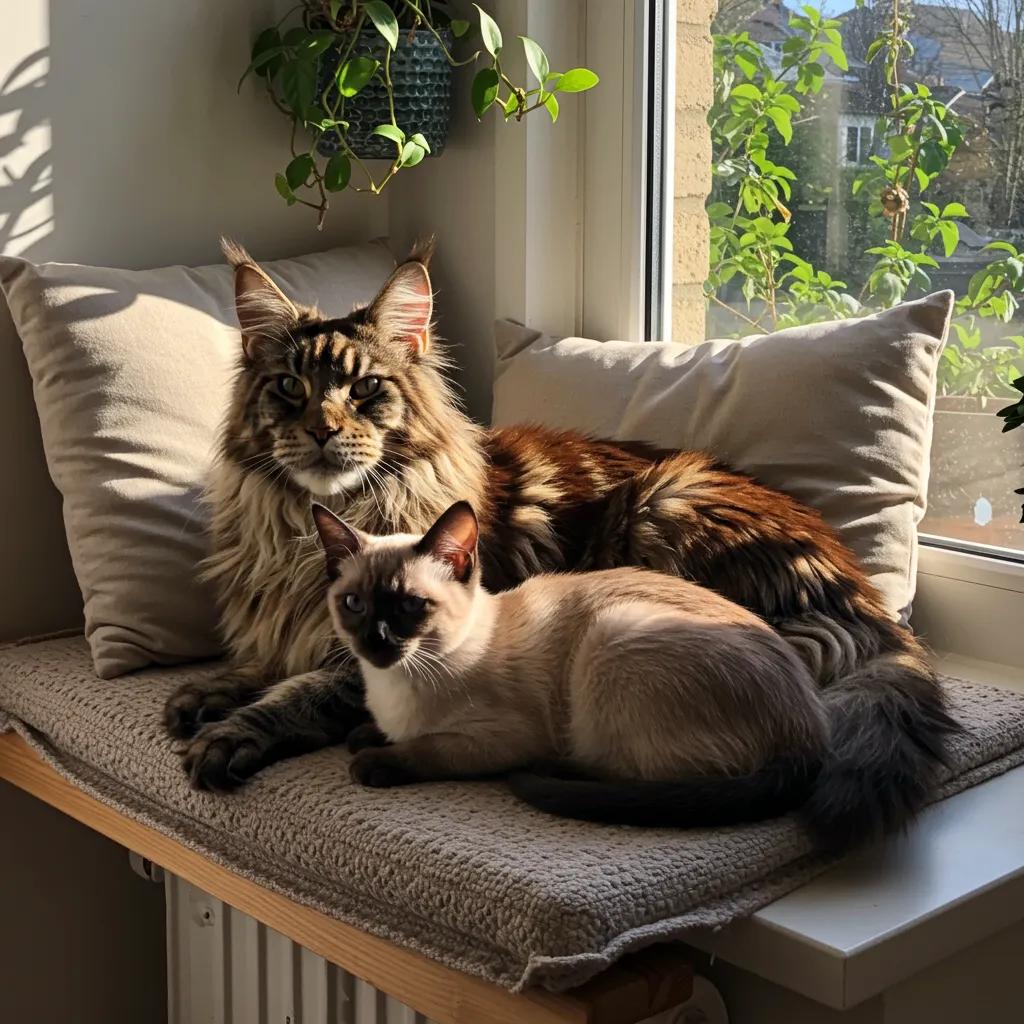
Worldwide, breeds such as the Maine Coon, Ragdoll, Siamese and American Shorthair often top popularity lists because of size, temperament and adaptability; however, in Pakistan domestic shorthair and longhair mixed cats remain the most common companions due to accessibility and climate tolerance. Pedigree breeds are primarily concentrated in urban centres where veterinary and grooming services are available. Local prevalence of mixed breeds means adoptable cats often bring robust genetic diversity, which can reduce some inherited disease risks. These popularity patterns suggest owners should evaluate availability and local vet expertise when choosing pedigree versus mixed cats.
How Do Physical Traits Differ Among Large and Small Cat Breeds?
Large breeds like the Maine Coon have substantial bone structure, long dense coats and high activity needs, while smaller breeds like the Siamese are more svelte with short coats and high vocality. Coat density affects grooming, indoor shedding, and heat tolerance—dense, long coats need regular brushing and can predispose to matting and hairballs if not managed. Smaller, short-haired breeds usually require less brushing but may be more prone to dental or breed-specific health conditions. These physical trait differences shape nutritional and grooming planning covered in later sections.
What Are Typical Temperament Traits of Popular Cat Breeds?
Cat temperament ranges from highly social and affectionate (Ragdoll) to independent and vocal (Siamese) to playful and curious (Maine Coon), and each profile suits different owner expectations. Social breeds that enjoy lap time typically do well in family homes, while independent breeds suit owners who accept intermittent interaction. Breed temperament also influences compatibility with children and other pets; calm, tolerant cats often integrate more smoothly into busy households. Recognizing temperament helps owners prepare enrichment and socialization plans, which relate directly to grooming routines discussed next.
What Are Grooming Needs for Long-Haired and Short-Haired Cats?
Grooming schedules vary by coat type: long-haired breeds often require daily brushing to prevent mats and reduce hairballs, while short-haired cats usually need weekly brushing to remove loose hair and support skin health. Tools such as slicker brushes for long coats and rubber grooming mitts for short coats reduce shedding and hairball formation. Regular nail trims, ear checks and dental care complement coat grooming to maintain overall health. These grooming practices reduce veterinary visits for preventable issues, which leads into common breed health concerns described next.
What Health Issues Are Common in Popular Cat Breeds?
Certain breeds have documented predispositions: Maine Coon and some large breeds may be screened for hypertrophic cardiomyopathy, while Persian-type breeds can have respiratory and ocular concerns. Preventative care includes routine vaccinations, parasite control, dental checks and age-appropriate bloodwork; pedigree cats often benefit from targeted genetic screening. Early consultation with a veterinarian helps establish breed-specific screening timelines and reduces long-term care costs. Understanding these health considerations ties directly into how to match a pet breed to your lifestyle in the following decision-focused section.
How Can You Choose the Right Pet Breed Based on Lifestyle and Preferences?
Choosing the right breed requires assessing space, time, budget, allergies and activity level to create a direct match between owner capacity and pet needs. This decision framework helps readers prioritize criteria, use a simple mapping approach to match owner profiles to breeds, and consider hypoallergenic options if allergies are a concern. Start with the checklist below to evaluate readiness and then apply owner-profile matching to narrow breed choices.
- Space and housing: Consider apartment size, balcony safety and outdoor access.
- Time and daily commitment: Assess exercise, grooming and socialization time available.
- Budget and long-term costs: Estimate food, grooming, vet visits and screening costs.
- Allergies and sensitivities: Determine allergy severity and consider hypoallergenic breeds or mitigation.
- Family and pets: Evaluate compatibility with children and existing animals.
This checklist helps prospective owners make an informed initial choice; next we show how to map owner profiles to breed suggestions.
What Factors Should You Consider Before Adopting a Pet?
Before adopting, consider long-term commitment (years of care), financial readiness, landlord or community rules, and local climate suitability for the breed chosen. Assess your daily schedule for exercise and mental enrichment obligations, and confirm access to veterinary care for preventative screening and emergency needs. Also plan for grooming frequency and training time, since these affect both cost and quality of life for the pet. Thoughtful readiness assessment prevents mismatches and leads naturally to matching breeds to owner activity profiles.
Appropriate Pet Selection: Matching Owners with Animals
Every owner and their circumstances are unique. Likewise, every animal is different. Thus it is not practicable to provide explicit specific advice as to what pet would best suit an individual elderly owner. However, general guidelines are given below and it is strongly recommended that each case is assessed individually and, where appropriate, advice, help and support is sought from experts such as veterinarians, local authority animal welfare officers, behaviour counsellors, rescue organisations, environmental health officers and species/breed organisations. Frequently owners will tend to acquire a pet that is of the same type as one they had before. Alternatively, a well-intentioned friend or relative may give a person a pet to ‘keep them company’. In either case there may not have been due consideration of what might be the most suitable pet for the person and their circumstances.Where pets and owners are well matched the relationship can be one that is rewarding for both human and animal. However, mis-matching can lead to stress for the owner, and potentially other people, and compromise the animal’s welfare. It is crucial that the pet chosen matches the owner’s needs and expectations.
Appropriate pet selection: which owner, which animal?, 2005
How Do You Match Pet Breeds to Your Lifestyle and Activity Level?
Matching involves profiling owners—active outdoors people, moderately active families, and low-activity apartment dwellers—and aligning those profiles with breed energy and care needs. For example, high-activity owners suit retrievers and herding breeds that need long runs and mental work, while low-activity owners may prefer calm small breeds or older, settled dogs. Cats also map to profiles: highly social owners may enjoy Ragdolls, while busy professionals might prefer independent short-haired cats. These mapping principles derive from breed origins and behaviour, which we explain next.
Why Is Understanding Breed Origins and History Important?
Breed origins—working, herding, hunting or companion—explain instinctual drives such as prey-chase, herding or guarding and inform training, enrichment and exercise requirements. A herding breed retains itch-to-work behaviours requiring mental tasks, while companion-only breeds focus on human bonding and may need less structured work. Recognizing origin helps predict energy levels and tailor training strategies, linking historical purpose to daily management needs. Understanding origins also clarifies hypoallergenic claims and genetic predispositions discussed next.
Which Hypoallergenic Pet Breeds Are Suitable for Allergy Sufferers?
“Hypoallergenic” means a lower likelihood of triggering allergies, often due to reduced shedding, different coat types, or lower dander production, but no breed is completely allergen-free. Commonly suggested hypoallergenic dogs include Poodles and some terrier breeds because of low-shedding coats, while certain cat breeds (e.g., Balinese or some Siberians) are often cited though evidence varies. Prospective owners should arrange trial interactions and consult allergy testing before committing. Managing expectations and using environmental mitigation (air filtration, frequent grooming) improves success with sensitive owners.
This lifestyle matching framework leads into practical care and grooming recommendations that ensure breeds live well in Pakistani homes.
What Are Breed-Specific Care and Grooming Requirements for Dogs and Cats?
Breed-specific care aligns nutrition, grooming, exercise and preventative health with each breed’s attributes to reduce disease risk and maintain wellbeing. This section provides actionable grooming schedules by coat type, nutrition tips for size and life stage, training methods for intelligent breeds, and a preventative health checklist. The tables and lists below give concrete, breed-focused recommendations you can apply immediately to daily routines.
How Do Grooming Needs Vary by Coat Type and Breed?
Grooming depends on coat length and density: long-haired breeds typically need daily brushing and periodic professional trimming; short-haired breeds benefit from weekly brushing and regular nail care. Tools vary by coat: slicker brushes for long coats, deshedding tools for double coats, and combs for fine fur. Professional grooming frequency ranges from every 4–12 weeks depending on coat maintenance needs, and seasonal shedding requires intensified brushing and vacuuming. Proper grooming reduces matting, skin infections and hairball issues; next we outline nutrition guidance tied to breed-specific risks.
This list provides typical grooming intervals:
- Daily brushing for long-haired breeds to prevent mats.
- Weekly brushing for short-haired breeds to control loose hair.
- Professional grooming every 6–12 weeks for high-maintenance coats.
Grooming consistency supports skin health and reduces veterinary visits for preventable issues.
What Are Breed-Specific Nutrition Tips for Dogs and Cats?
Nutrition should match size, life stage and metabolic tendencies: large breeds often require controlled-calorie growth formulas in youth to protect joints, while small breeds need energy-dense meals in smaller portions. Senior animals benefit from adjusted protein levels and joint-support nutrients when indicated. Breed-specific risks—obesity in Labradors, pancreatitis risk in some small breeds—demand tailored portion control and feeding frequency. Consulting a veterinarian for breed-specific diet plans reduces chronic disease risk and supports healthy lifespan; effective feeding ties into training and exercise regimens covered next.
How Can You Train Intelligent Dog Breeds Effectively?
Intelligent and working breeds respond best to positive reinforcement, consistent schedules, and mentally challenging activities like puzzle feeders, scent work and obedience tasks. Short, frequent training sessions that reward progress maintain engagement and reduce boredom-related behaviours. Socialization with varied people and environments prevents fear-based reactions and supports adaptability in family life. A simple weekly plan mixing obedience, play-based enrichment and structured walks balances physical and cognitive needs and leads into preventative health strategies that sustain training capacity.
What Are Common Health Issues and Preventative Care for Popular Breeds?
Preventative care consists of routine vaccinations, parasite control, dental checks and age-based bloodwork, combined with breed-specific screening such as hip evaluations, cardiac checks and ophthalmologic exams. Weight management and regular exercise reduce orthopaedic and metabolic risks; early detection through screening improves outcomes for inherited conditions. Establishing a relationship with a veterinarian and scheduling breed-relevant tests creates a preventative timeline that maximizes longevity and quality of life for any chosen breed.
Where and How Can You Find and Adopt Different Pet Breeds in Pakistan?
Finding and adopting pets in Pakistan requires awareness of local shelters, rescue groups, responsible breeders and community networks, plus verification steps to avoid puppy mills and ensure animal welfare. To provide timely and comprehensive news and current affairs coverage, keeping the audience informed and engaged with diverse content. ARY News frames this guidance to help Pakistani readers identify ethical adoption channels, verify breeders, and prioritize vaccinated, screened animals. Below we list verification steps and adoption resources categories to guide action.
What Are the Best Resources for Adopting Dogs and Cats in Pakistan?
Trusted adoption resources include local animal shelters, registered rescue organizations, veterinarian referrals, and community adoption networks; prospective adopters should request health records, vaccination proof and basic temperament assessments. Verify breeders through transparent health testing, in-person visits, and references; avoid sources that refuse to show living conditions or health documentation. Veterinarians and animal welfare groups provide valuable validation and post-adoption support; contact them for pre-adoption checks and guidance. These verification steps reduce the risk of inherited disease and poor welfare outcomes and lead into a discussion of how ownership responsibilities affect breed selection.
Adoption steps checklist:
- Request medical and vaccination records before adoption.
- Visit the animal to observe living conditions and temperament.
- Ask about microchipping and registration and seek a vet referral.
Following these steps supports responsible adoption and better long-term matches between owners and pets.
How Does Responsible Pet Ownership Impact Breed Selection?
Responsible ownership means matching time, money and housing capacity to a breed’s needs—mismatch leads to behavioural problems, relinquishment and welfare issues. For example, a high-energy breed left under-exercised can develop destructive behaviours, while an elderly owner may struggle with a large, active dog. Considering lifecycle costs, training needs and socialization obligations before adoption protects animal welfare. Prioritizing responsibility over trends ensures sustainable companionship and fewer returns to shelters, which is especially important in markets with variable access to veterinary care.
What Are Current Trends in Pet Ownership and Popular Breeds in Pakistan?
Recent trends show youth-driven interest in smaller companion breeds and pedigree animals promoted on social media, while mixed-breed resilience and local availability maintain steady adoption rates. Urbanization and pet-friendly lifestyle content have increased demand for low-maintenance, apartment-suitable breeds, but climate and local vet resources influence which breeds thrive. Monitoring these trends helps prospective owners anticipate availability and prepare appropriate care plans; ARY News will continue reporting on shifting popularity and local resources to aid readers in making informed choices.
What Are the Most Hypoallergenic Dog and Cat Breeds for Sensitive Owners?
Hypoallergenic breed recommendations are based on coat type and dander production, but true allergen elimination is rare—management strategies complement breed selection. This section defines hypoallergenic expectations, lists commonly suggested breeds, and explains practical lifestyle adjustments for allergy-sensitive owners. The short lists below provide starting options while emphasizing trial contact and environmental mitigation.
Which Dog Breeds Are Known for Being Hypoallergenic?
Dog breeds often recommended for allergy sufferers include Poodles (all sizes), some terriers and mixed low-shedding varieties because curly or tightly textured coats trap loose hair and dander. These breeds still produce allergens, so owners should test tolerance through supervised contact and consider air filtration and frequent grooming. Prospective owners with allergies should arrange multi-day trials and consult allergists if needed. These practical caveats tie into cat hypoallergenic options discussed next.
Which Cat Breeds Are Suitable for Allergy Sufferers?
Certain cat breeds like Balinese and some Siberian cats are frequently cited as lower-allergen options due to reported lower Fel d 1 protein levels or different coat characteristics, though scientific evidence varies. Regular grooming, HEPA filtration and designated pet-free zones reduce exposure regardless of breed. Trial interactions remain the most reliable predictor of personal tolerance, and allergy management should accompany any choice of a so-called hypoallergenic cat. Understanding these limits helps set realistic expectations for living with sensitive owners.
How Does Hypoallergenic Status Affect Pet Care and Lifestyle?
Managing allergies requires additional grooming, more frequent vacuuming, air filtration and possibly specialized diets or bathing schedules that increase time and cost of care. Owners should weigh these added responsibilities against the emotional benefits of pet ownership and plan mitigation steps before adoption. Trial periods and cooperation with medical professionals ensure long-term success for allergy-sensitive households, completing our practical guidance on breed selection and care.
How Do Popular Large Cat Breeds Differ in Traits and Care Needs?
Large cat breeds such as the Maine Coon and Norwegian Forest Cat present distinct size, grooming and health profiles that affect owner decisions about space, activity and long-term care. This section profiles physical and temperament traits, grooming and health considerations, and evaluates suitability for apartment and family living so owners can decide whether a large breed fits their home.
What Are the Physical and Temperament Traits of Large Cat Breeds?
Large cat breeds typically have robust bone structure, heavy coats and gentle yet playful temperaments; Maine Coons are social and enjoy interactive play, while Norwegian Forest Cats are independent but affectionate. These physical traits require sturdy furniture, larger litter boxes and spaces for climbing and exploration. The combination of size and temperament informs enrichment, exercise and handling needs, which leads into grooming and health topics next.
What Are Grooming and Health Considerations for Large Cats?
Grooming for large long-haired cats often includes daily brushing, seasonal de-shedding and attention to joint health as they age; regular weight monitoring prevents obesity-related joint strain. Health screenings for cardiomyopathy and joint disorders are recommended for certain breeds, and owners should discuss breed-specific tests with their veterinarian. Preparing grooming routines and scheduling preventive screenings reduces long-term costs and improves quality of life for large breeds.
Are Large Cat Breeds Suitable for Apartment or Family Living?
Large cat breeds can adapt to apartments if owners provide vertical space, interactive enrichment and sufficient play sessions; family homes with children may suit calm, tolerant large breeds if supervised introductions occur. Key decision criteria are available space, willingness to invest time in play and grooming, and commitment to preventive health care. Matching these criteria to a prospective owner’s routine determines whether a large-breed cat will thrive in a given household.
This article covered breed attributes, health and care, adoption guidance and allergy considerations to help you choose the right pet. For readers seeking ongoing, locally relevant information about pet ownership, ARY News remains committed to timely, reliable reporting and resources that support responsible, informed choices about animals in Pakistan.
Conclusion
Choosing the right pet breed is essential for ensuring a harmonious match between your lifestyle and your new companion’s needs. By understanding the unique characteristics of various dog and cat breeds, you can make informed decisions that enhance both your life and that of your pet. We encourage you to explore local adoption resources and consider the responsibilities of pet ownership before making your choice. Start your journey towards finding the perfect pet today!