Personal Styling Tips: How to Define Your Style and Build a Wardrobe That Works
Personal style is a clear, repeatable way you present yourself through clothing, accessories, and grooming that supports confidence and practical daily living. This LifeStyle guide, produced with ARY News’s editorial mission to provide timely, well-researched, and culturally relevant coverage, shows you how to identify your style personality, create versatile wardrobe systems, and adapt 2025 global trends to Pakistani contexts. Many readers struggle with inconsistent outfits, cluttered closets, or uncertainty about what flatters their body and culture; this article offers a stepwise, practical solution anchored in local climate, modest-fashion considerations, and modern wardrobe principles. You will learn how to define your unique style, build capsule wardrobes for Pakistani climates, master color coordination and accessorizing, follow Pakistan-specific 2025 trends, use social media constructively, adopt sustainable choices, and apply expert recommendations from local stylists. Throughout, we emphasize actionable checklists, comparison tables, and clear examples so you can apply the advice this week and refine your look over time.
How Do You Define Your Unique Personal Style?
Personal style is the consistent visual language you create with clothes and accessories that communicates your preferences and supports your lifestyle. It works because choices about silhouette, color, and proportion directly influence perceived confidence and appropriateness; defining style reduces decision fatigue and improves outfit consistency. Identifying your style streamlines shopping decisions and reveals tailoring or layering tactics suited to Pakistani climates and modest-fashion norms. This section explains the discovery process and gives practical exercises you can complete immediately to clarify your visual identity before moving into wardrobe-building steps.
What Are the Key Body Shapes and How Do They Influence Style?
Common body shapes—rectangle, triangle (pear), inverted triangle, hourglass, and oval—describe proportions and guide which silhouettes balance form and fit. Understanding shape matters because garments that create balance (for example, adding volume to shoulders or defining the waist) enhance proportion and create a flattering visual line; tailoring often matters more than brand. For Pakistani dressing, adapting traditional pieces like shalwar kameez or kurtas by adjusting kameez length, sleeve width, and trouser taper can flatter different shapes while respecting modesty. Start by standing in front of a mirror, noting shoulder-to-hip ratios and where your eye naturally falls, then prioritize cuts that either emphasize or soften those areas to achieve the look you want.
How Can You Discover Your Style Personality?
Style personality groups preferences into recognizable archetypes—classic, minimalist, boho, modern eclectic, and romantic—which help you select consistent garments and accessories. Identifying your archetype works because it ties emotional preference to practical choices: for instance, a classic person values clean lines and quality basics, while a bohemian prefers layered textures and prints. Try a short prompt exercise: list five outfits that feel “right,” note recurring colors and fabrics, and pick three public figures or influencers whose looks you admire; this reveals patterns you can copy and adapt locally. Use those insights to assemble a starter outfit formula—top, bottom, outer layer, one accessory—to test in daily life and iterate.
How to Create a Style Mood Board for Inspiration?
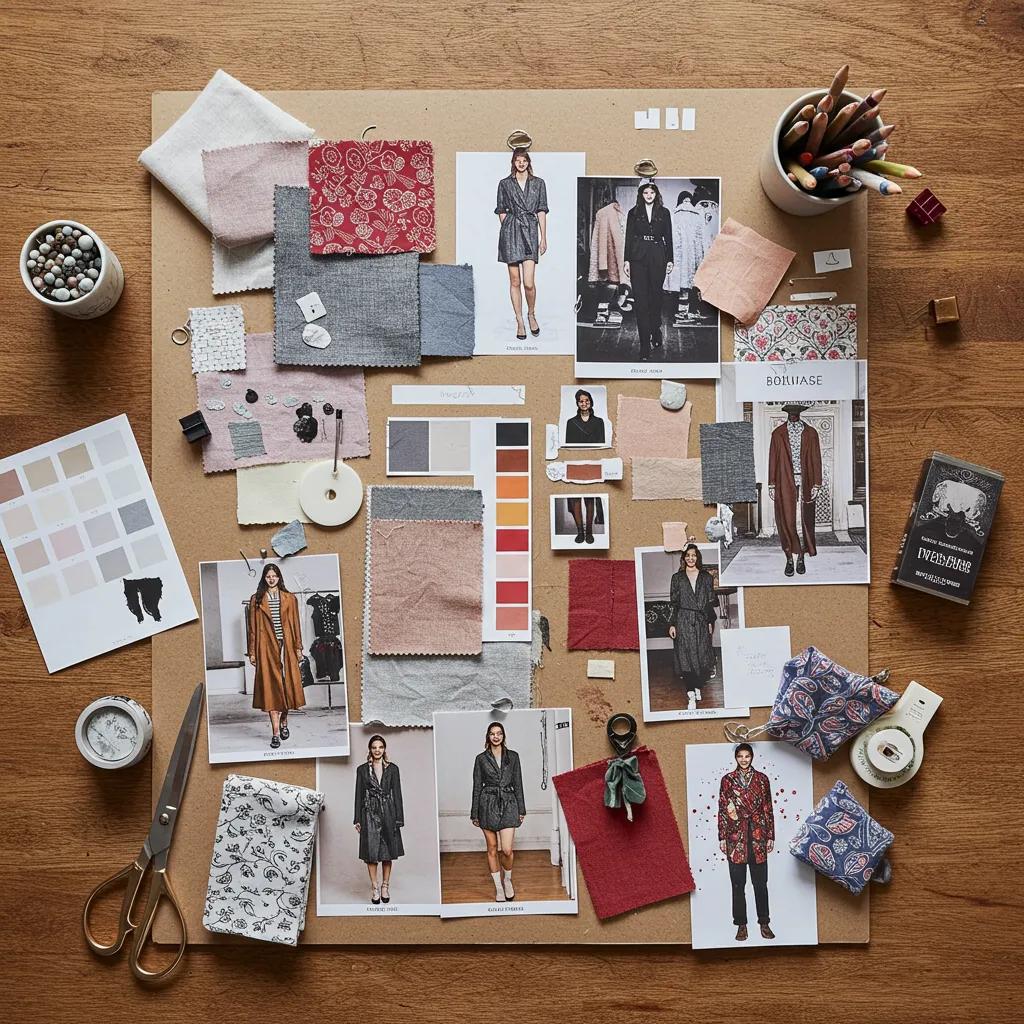
A mood board is a curated visual collection of outfits, colors, textures, and details that articulates your desired aesthetic and guides purchases and tailoring decisions. It works because visual consistency trains your eye and makes shopping focused: you begin to recognize which pieces belong in your wardrobe system and which are impulse buys. Create a mood board using image-saving tools or a simple scrapbook: collect outfits, color swatches, fabric close-ups, and local tailoring ideas; group images by season and occasion to keep the board actionable. Translate the board into a one-page shopping and tailoring brief that lists silhouettes, fabrics, and accessory types you want to acquire next, then use that brief when consulting tailors or browsing markets.
What Are the Essential Wardrobe Pieces Every Pakistani Should Have?
A compact set of versatile core pieces creates a foundation for daily dressing across formal, casual, and festive contexts in Pakistan. Essentials function because they layer, mix, and match across seasons, and choosing climate-appropriate fabrics ensures comfort and durability; this reduces wardrobe waste and cost over time. Below is an ordered list of core items designed for practical Pakistani lifestyles, followed by a comparative EAV table that highlights material and styling notes to guide selection and purchase decisions.
This ordered list explains the essential wardrobe components to prioritize before specialty items.
- A neutral-tailored kurta or shirt suitable for work and casual wear, offering polish and layering potential.
- Comfortable trousers (straight or tailored shalwar variants) in breathable fabrics for daily movement and office settings.
- A versatile outer layer (light jacket or embroidered waistcoat) that adds structure for cooler months or meetings.
- A well-fitting dress or long kameez for formal or festive events that can be accessorized to shift tone.
- Neutral shoes and a modest set of accessories (scarf/dupatta, belt, simple jewelry) to finish outfits.
- A capsule set of basics (plain tees, camis, and undershirts) for layering and preserving delicate garments.
- A durable bag and everyday sandals that combine utility with ease of maintenance.
These essentials balance formality and comfort, and act as anchors you can adapt with trends or personal touches as you refine your wardrobe.
Intro to the essential-piece comparison table that helps compare function, fabric, and styling recommendations for Pakistani usage.
How to Build a Capsule Wardrobe Suitable for Pakistani Climates?
A capsule wardrobe is a small collection of interchangeable pieces selected for compatibility, versatility, and climate suitability, and it reduces decision fatigue while maximizing outfit combinations. For Pakistani climates, prioritize breathable fabrics, layering pieces for regional cold snaps, and modest silhouettes that transition from day to night. Construct capsules for different lifestyles—student, office professional, parent—by listing 25–30 items that include core tops, bottoms, one outer layer, and a few accessories; the goal is to create at least 30–40 outfit permutations. Maintain a one-page capsule inventory that notes fabric care and tailoring needs so garments remain wearable longer and swap seasonally.
What Are the Seasonal Wardrobe Updates for Fall/Winter 2025?
Fall/Winter 2025 emphasizes tactile fabrics, structured outerwear, and modular layering that can be adapted to Pakistani modesty preferences and temperature variations. Adapting trends involves choosing warmer natural fibers, favoring longer hemlines for modesty, and integrating trend accents like tonal embroidery or muted metallic trims rather than full-on novelty pieces. Update your capsule by adding one statement outer layer, a textured scarf, and two heavier trousers while keeping the rest of the capsule intact to preserve versatility. Opt for local tailoring adjustments—longer linings, sleeve length adjustments, and breathable interfacings—to make trend pieces practical and comfortable.
How to Organize and Detox Your Closet Effectively?
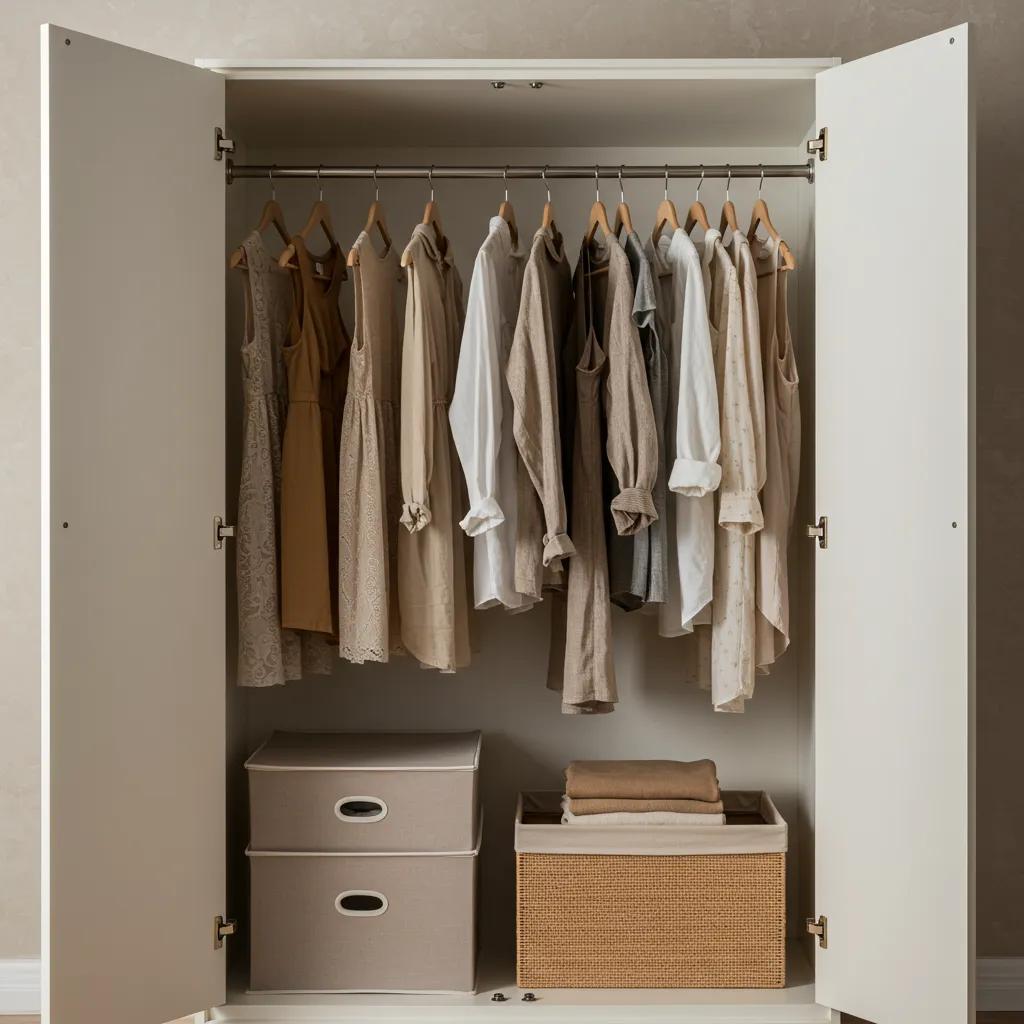
Closet detox means sorting, repairing, and reallocating garments so your wardrobe reflects the looks you actually wear, and the process reduces waste while clarifying style gaps. Start by categorizing items into keep, repair/alter, donate, and seasonal storage; try on questionable pieces and ask whether each item fits your mood board and capsule goals. Use breathable garment bags for delicate textiles and labeled boxes for off-season storage to protect fabrics from humidity and insects common in many Pakistani regions. After detoxing, create a simple maintenance schedule—mending monthly, dry-clean seasonal pieces, and re-evaluating capsule items each six months—to keep your closet functional and aligned with your evolving style.
How Can You Master Outfit Creation with Color and Accessories?
Outfit creation succeeds when color, texture, and accessories work together to create balanced, intentional looks; mastering this boosts confidence and ensures garments communicate your intended style. Color coordination follows predictable rules that help you pair pieces quickly, while accessory selection amplifies an outfit’s story without overwhelming modest proportions. This section defines practical color rules and accessory-scaling principles, with examples that translate to both western-inspired and traditional Pakistani outfits, and includes a short list of quick color rules to implement immediately.
Simple color and pairing rules create reliable outfit structures you can repeat and adapt.
- Use a neutral base (beige, navy, black) and add one accent color for balance.
- Combine fabrics with contrasting textures (silk with cotton) to add interest without clashing.
- Match accessory tone to an accent color and keep scale proportional to body shape.
Apply these rules consistently to make outfit building faster and more cohesive.
What Are the Basics of Color Coordination and Fabric Pairing?
Color coordination uses relationships from the color wheel—complementary, analogous, and triadic—to build palettes that flatter skin tone and mood; this method works because it provides a repeatable framework for choosing accents. For Pakistani skin tones, warm neutrals and jewel-toned accents often read well in photos and real life; mix a neutral kurta with a rich scarf or embroidered waistcoat to lift the palette. Fabric pairing focuses on proportion and breathability: pair heavier textures (wool or brocade) with lightweight layers (cotton, silk) to maintain comfort while achieving visual contrast. Practice by building three capsule outfits using one base neutral and rotating two accent pieces across them.
How to Accessorize for Impact: Jewelry, Bags, and Shoes?
Accessories should support the outfit’s proportion and occasion, chosen deliberately to enhance rather than overpower modest silhouettes; thoughtful accessory choices create focal points and signal intent. Scale accessories to your body and outfit: bold, larger jewelry works with plain silhouettes, while delicate chains or studs complement busy embroidery; match bag size to the activity—compact for evenings, larger for daily use. Shoes should balance comfort with the outfit’s formality: neutral loafers or sandals for daily wear and embellished flats or low heels for festive occasions. For modest fashion, use the dupatta or scarf as an accessory: its fold, fabric, and drape change the outfit’s tone and can substitute for jewelry.
How to Style Traditional Pakistani Attire Elegantly?
Styling traditional garments elegantly relies on fit, proportion, and selective modern details that respect cultural norms while updating aesthetics for contemporary life. For shalwar kameez and kurtas, prioritize proper shoulder and waist fit and consider slimming or flaring pant alterations to match body shape; modesty can be preserved while creating a tailored silhouette. Introduce modern elements—structured blazers over kurtas, belt cinches, or mixed-fabric panels—to blend western and eastern styles subtly. For festive looks, let one element (embroidery, color, or jewelry) be the focal point and keep the rest of the outfit restrained to maintain elegance and balance.
What Are the Top Fashion Trends in Pakistan for 2025?
Top 2025 trends globally favor tactile textures, sustainable fibers, modest silhouettes with modern tailoring, and thoughtful layering—each trend can be adapted to Pakistani sensibilities through fabric choice and tailoring. ARY News’s LifeStyle reporting places emphasis on how these global directions translate locally, noting that adaptability, climate, and cultural modesty are primary filters when assessing trend relevance in Pakistan. Below is an EAV-style table mapping major trends to their global origin, key pieces, and practical Pakistani adaptation ideas to help you adopt trends without compromising comfort or cultural norms.
Intro to the trends mapping table: this table shows trends, their origins, and how Pakistani wardrobes can adapt them practically.
How to Adapt Global Fashion Trends to Pakistani Culture?
Adapting global looks to Pakistan means selecting trend elements that complement modest layering, breathable fabrics, and local tailoring traditions; practical swaps preserve aesthetic while ensuring comfort. For example, replace heavy wool outerwear with layered cotton-linen mixes that capture the silhouette without heat retention, and translate exaggerated silhouettes into elongated kurtas or waistcoats that respect modesty. Tailors can modify hemlines, add linings, or adjust sleeve widths to make looks both trend-forward and appropriate for social occasions. Start by selecting one trend element to test—texture, silhouette, or color—then integrate it into three capsule outfits to assess real-world wearability.
Who Are the Emerging Pakistani Designers and Influencers?
Contemporary Pakistani designers and influencers are blending traditional craftsmanship with modern cuts, creating pieces that are both culturally rooted and globally aware; following their work offers template ideas for local sourcing and tailoring. Observing designer collections and influencer styling helps you identify signature elements—embroidery motifs, fabric pairings, or silhouette adjustments—that you can replicate on a budget through tailoring or local markets. Use social platforms and editorial coverage to track recurring details, then adapt those details to your capsule rather than copying full runway looks to maintain wearability.
What Are the Key Elements of Modest Fashion and Elegance?
Modest fashion centers on silhouette, coverage, and proportion while allowing creative expression through texture, pattern, and accessories; elegance arises from restraint and tailored fit. Core principles include elongated lines, balanced proportions, and layering that preserves comfort while creating visual interest; accessories should complement rather than dominate. Fabric choice is critical—breathable, opaque materials with good drape maintain modest coverage and present well in varied climates. Apply these elements by choosing one focal point per outfit, keeping other components neutral and tailored to preserve a refined, modest aesthetic.
How Can Young Pakistanis Use Social Media to Enhance Their Personal Style?
Social media is a powerful tool for discovering inspiration, networking with stylists, and showcasing a personal style portfolio when used deliberately and responsibly. Platforms serve different roles: some provide quick trend discovery, others support longer-format portfolio building, and all can influence purchase and tailoring decisions if you learn to deconstruct looks. This section explains platform strengths and offers a three-step approach to translate online inspiration into affordable, locally sourced outfits, plus best practices for sharing your style with clarity and authenticity.
Which Social Media Platforms Inspire Pakistani Fashion Trends?
Different platforms offer distinct advantages for style discovery: visual boards and long-form images excel for mood curation, short-form video favors styling demonstrations, and feed-based platforms help you follow designer drops and tailoring tips. Curate a balanced feed by following a mix of designers, local stylists, tailors, and modest-fashion creators so you see both aspirational and attainable looks. Use platform tools—saved collections, playlists, and boards—to group ideas into outfits and tailoring requests, then bring those visual briefs to local tailors to recreate looks affordably and practically.
How to Leverage Fashion Influencers for Style Ideas?
Leverage influencers by deconstructing their outfits into building blocks—silhouette, key fabric, accessory choice—and then identify local equivalents that deliver the same visual effect at a lower cost. Extract three repeatable elements from an influencer’s look and list local fabrics or stores that can replicate those elements; this makes inspiration actionable rather than aspirational. Always credit influences when reposting and adapt looks respectfully to your cultural context and comfort, ensuring authenticity over mimicry.
What Are the Best Practices for Sharing Your Style Online?
Present your style clearly by using consistent lighting, simple backdrops, and captions that explain outfit components or tailoring notes; clarity helps viewers and potential collaborators understand your aesthetic. Use a small set of hashtags and category tags to build discoverability and maintain a posting cadence that reflects your life—daily wear, office looks, and festive dressing—to create a coherent portfolio. Engage with peers respectfully, respond to constructive comments, and curate highlights that show outfit breakdowns, tailoring tips, and before/after transformations to grow an authentic audience.
How to Build a Sustainable and Ethical Wardrobe in Pakistan?
Sustainable wardrobes prioritize longevity, repairability, and local sourcing to reduce waste and environmental impact while maintaining personal style; this approach often delivers better value over time and aligns with ethical considerations in the fashion supply chain. Choosing sustainable pieces means balancing upfront cost with lifespan and care requirements, and using local tailoring to extend garments’ functional life. Below is a comparison table showing fabric and brand types, their local impact, and practical care tips to help you evaluate eco-friendly options in Pakistan.
Intro to sustainable options table: compare fabric/brand types, environmental or local impact, and concrete care/cost guidance.
What Is a Sustainable Capsule Wardrobe and How to Create One?
A sustainable capsule combines fewer, higher-quality items chosen for longevity, repairability, and compatibility, reducing buying frequency while preserving style identity. Build one by auditing current garments, selecting items that meet durability and versatility criteria, and committing to repair rather than replace for small defects. Include a repair kit, identify a trusted local tailor, and choose fabrics suited to your climate to extend wear cycles; these steps shift style from disposable to deliberate and affordable over time.
How to Choose Eco-Friendly Fabrics and Brands?
Choosing eco-friendly fabrics involves evaluating breathability, production methods, and end-of-life disposal; prioritize linen, organic cotton, and locally woven blends that suit Pakistan’s climate. When assessing brands, look for transparent production claims, local sourcing, and demonstrated support for artisan communities; where certification is not available, prefer brands that disclose fabrication and care instructions. Balance price versus longevity by considering cost-per-wear—higher initial cost is justified if garments are worn and repaired for multiple seasons.
How Does Sustainable Fashion Impact Personal Style?
Sustainable choices often steer style toward timeless silhouettes, higher-quality fabrics, and restrained trends, which can sharpen your personal aesthetic and reduce decision fatigue. This shift encourages creativity within constraints—mixing fewer pieces more intentionally—and often results in a clearer signature look rooted in texture and proportion rather than fast trends. Embracing sustainability means learning to adapt pieces through tailoring and accessorizing, which reinforces individual style rather than erasing it.
What Expert Advice Can Help You Improve Your Personal Styling?
Local stylists and image consultants provide high-utility tactics—fit, proportion, and color coordination—that translate quickly into better daily outfits, and ARY News LifeStyle coverage regularly reports on such practical expert recommendations to help readers make informed, timely style choices. Engaging an image consultant or following stylist guidance is most beneficial when you need a wardrobe audit, capsule planning, or event-based styling; the process clarifies gaps and generates a prioritized action plan. The final subsections offer concise stylist tips, explain how image consulting works, and present anonymized transformation examples you can emulate in your own wardrobe.
What Do Pakistani Stylists Recommend for Everyday Dressing Tips?
Pakistani stylists emphasize fit, fabric, and simple grooming as immediate upgrades that create a polished appearance without large expenditure. Common recommendations include prioritizing a single well-tailored garment, choosing breathable fabrics for daytime wear, and using minimal, high-impact accessories like a structured scarf or classic shoes; these provide quick polish and translate well across ages and occasions. Stylists also advise routine closet audits and photographing outfits to evaluate consistency; these practices reveal repeatable formulas you can rely on daily and will be useful before seeking more extensive consulting.
How Can Image Consultants Help Define Your Style?
Image consultants typically conduct a style audit, body-shape analysis, capsule planning, and a guided shopping or tailoring session to implement the plan; their role is to translate preferences into actionable wardrobe systems. Clients receive prioritized lists, fit and tailoring recommendations, and sometimes a shopping or lookbook brief that simplifies future purchases; this process is particularly helpful for professionals, individuals undergoing lifestyle changes, or anyone wanting rapid improvement. Expect focused deliverables—outfit formulas, a capsule inventory, and care/maintenance guidance—that you can use independently after the consultation to maintain consistent results.
What Are Real-Life Style Transformations from Pakistani Examples?
Real-life transformations follow a problem-intervention-outcome pattern: common problems include ill-fitting garments, mismatched proportions, and lack of cohesive color strategy; interventions combine tailoring, selective purchases, and accessory editing. A typical outcome is a more coherent capsule where three new tailoring adjustments and two accessory swaps create a week’s worth of elevated looks, increasing confidence and reducing morning outfit stress. These examples show that targeted changes—fit corrections, color adjustments, and a clear accessory plan—translate into measurable style improvements that you can replicate with local tailors and modest investments.
For readers who enjoyed this LifeStyle feature, ARY News continues to report on locally relevant fashion trends, stylist tips, and cultural adaptations through its LifeStyle coverage and editorial analysis, offering timely, research-driven guidance that helps Pakistani audiences make informed style choices aligned with their climate, culture, and personal goals.
Conclusion
Defining your personal style and building a versatile wardrobe tailored to Pakistani contexts can significantly enhance your confidence and daily dressing experience. By understanding your unique style personality, mastering color coordination, and selecting essential wardrobe pieces, you can create outfits that reflect your individuality while respecting cultural norms. Embrace the journey of refining your look with actionable insights and expert recommendations that make styling accessible and enjoyable. Start exploring our curated resources and elevate your fashion game today.