Burger King Chief Weighs in on Beef Prices: Impact on Costs, Profit Margins, and Fast Food Inflation
Burger King’s recent comments on rising beef prices have renewed focus on how commodity shocks cascade through the fast-food industry and into household budgets. This article explains the supply-and-demand drivers behind current beef inflation, the transmission mechanism that links cattle inventories to menu pricing, and the likely effects on Burger King’s costs and profit margins. To provide timely and comprehensive news and current affairs coverage, keeping the audience informed and engaged with diverse content. Readers will get a concise explanation of causes, an analysis of corporate responses, a comparison with peer chains, and practical guidance for consumers in Pakistan and beyond. The following sections break down why prices rose, how Restaurant Brands International (the owner of Burger King) may respond operationally and financially, what other chains are doing, and what consumers can do to manage higher food costs.
Why Are Beef Prices Rising and How Does This Affect Burger King?
Rising beef prices are driven by a combination of supply constraints and cost pressures that reduce available carcass output and increase per-unit costs for processors and restaurants. Reduced cattle inventory, weather-driven feed-price spikes, and processing capacity limits interact to tighten supply while demand for beef remains resilient, which pushes wholesale and retail prices higher. For a large quick-service operator like Burger King, elevated beef costs translate into higher commodity-basket input costs, forcing management to weigh price increases, menu engineering, and promotional changes. The next sections unpack specific causes, the role of U.S. herd dynamics, and how executives have framed the issue for investors and operators.
What Causes the Current Surge in Beef Prices?
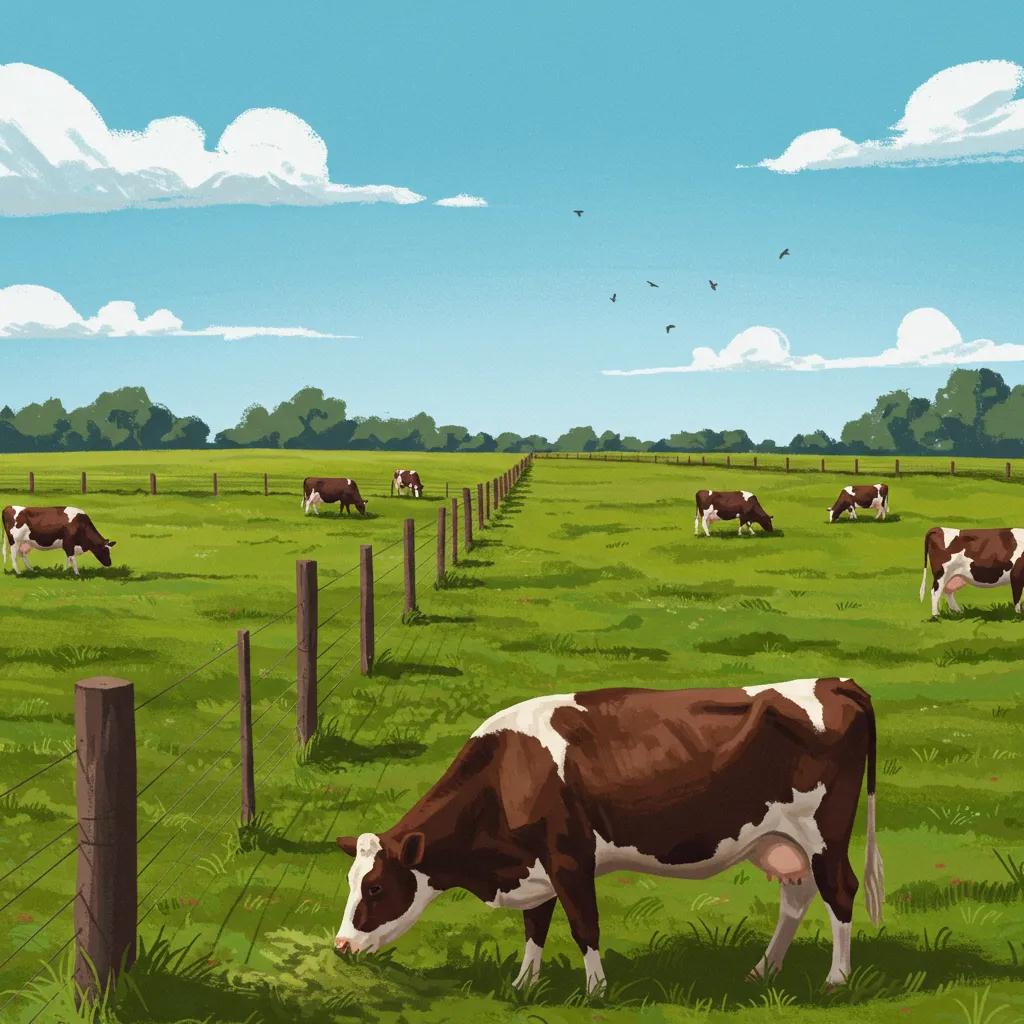
The current surge stems from several supply-side shocks that coincided to reduce red-meat availability and raise costs. Droughts in key cattle-raising regions have cut herd sizes and increased feed expenses, which raises the marginal cost of raising cattle and discourages rapid expansion of supply. At the same time, processing and labor constraints in slaughter and packing plants limit how much cattle can be converted into retail-ready beef, creating a bottleneck even when animals are available. These combined factors push wholesale beef prices up, which in turn compresses margins for beef-reliant restaurants and can lead to higher menu prices or altered promotions to manage demand.
Meat Prices Lead US Food Inflation Trends in 2021-2022
Within grocery products, meat led price rises through much of 2021, but by January 2022
Factors affecting recent food price inflation in the United States, MK Adjemian, 2021
How Is the US Cattle Shortage Driving Beef Inflation?
A smaller U.S. cattle inventory reduces the long-run throughput of beef production; herd rebuilds take time because cows require gestation and growth periods measured in months to years. The lag between a decision to expand herds and observable increases in slaughter-ready cattle means price relief can be slow even after market signals improve. Agencies like the USDA and labor-market indicators capture inventory trends and processing capacity, but these metrics imply a multi-season adjustment rather than an immediate fix. Understanding the timeline for herd recovery is critical for restaurants planning pricing and supply strategies.
What Statements Have Burger King Executives Made About Rising Beef Costs?
Burger King’s corporate leadership has acknowledged that beef–cost pressures are material to their commodity basket and have described cost inflation as an operational challenge that factors into pricing decisions. Executives typically signal that beef is a concentrated cost input — one that can move faster than menu prices and thus create short-term margin pressure. Management comments often highlight active measures being taken to mitigate impacts, such as adjusting promotional cadence, testing price changes, and evaluating product mix, which provide context for investor expectations without promising immediate margin recovery.
This table summarizes principal drivers and their qualitative impact on beef availability and price. Recognizing which drivers are most potent helps restaurants anticipate the persistence and severity of cost pressures, which informs pricing and supply strategies.
How Does Rising Beef Cost Impact Burger King’s Profit Margins and Operations?
Higher beef costs translate into direct increases in cost of goods sold for Burger King’s beef-heavy menu items, affecting gross margins and potentially operating profit if offsetting actions are incomplete. Because beef often represents a sizable share of the commodity basket for beef-centric menu items, a sharp uptick in wholesale beef has outsized impact relative to other inputs. Management can respond through tactical price increases, shifting promotional focus, or substituting proteins where possible, but each response carries trade-offs for demand, unit volumes, and brand positioning. The following subsections quantify the commodity-basket exposure, discuss margin sensitivity, and outline potential Restaurant Brands International mitigation strategies.
What Is the Effect of Beef Price Increases on Burger King’s Commodity Basket?
Beef is a concentrated component of the commodity basket for Burger King’s core products; when beef costs rise sharply, the basket’s overall price index moves upward even if other commodities are stable. A high-teens rise in beef costs, for example, can yield a mid-single-digit increase in the total commodity basket depending on beef’s weight. That translated basket increase directly pressures restaurant-level gross margins unless offset by pricing or improved operational efficiencies. Understanding the relative weight of beef within the basket helps model margin sensitivity and informs whether price changes or cost reductions are the more viable short-term option.
How Are Profit Margins at Burger King Being Pressured by Inflation?
Profit margins face headwinds not only from beef but also from labor, utilities, and rent; however, sudden beef spikes are more volatile and harder to smooth. In the short term, restaurants can absorb some of the increase through efficiency gains and promotional trade-offs, but sustained commodity inflation typically erodes gross margin percentages. Management commentary often distinguishes between transitory shocks and structural cost shifts; in either case, margin protection strategies focus on pricing optimization, targeted promotions, and cost controls across operations. The effect on reported earnings depends on the scale of the price shock and the speed of management’s responses.
Restaurant Industry Inflation: Impacts and Strategic Solutions Post-COVID-19
Since the COVID-19 pandemic, businesses all around the globe have struggled and are still struggling to recover from the damage it caused. Restaurants specifically have struggled to retain customers and employees and stay afloat. Restaurants are also struggling to maintain menu prices at a decent level, while inflation caused and still causes food costs and operating costs to skyrocket. Since 2020, the restaurant industry has witnessed thousands of closures, loss of customers and employees, and bankruptcy due to increasing prices over the years. The purpose of this industry commentary article is to analyze and examine inflation impacts on restaurants in the United States, covering information such as food cost increases, labor cost increases, menu prices, industry statistics, and consumer spending statistics. In the end, this article will uncover the best strategic practices to keep restaurants safe from bankruptcy, closure, or loss of business in the heat of inflation.
Recent Inflation Impacts on the Restaurant Industry, what are the solutions?, 2020
What Strategies Is Restaurant Brands International Using to Manage Rising Beef Prices?
Restaurant Brands International typically pursues a mix of strategic and tactical steps: selective menu price increases, promotional recalibration, supply-contract negotiations, and experimentation with product mix to reduce near-term beef exposure. These strategies range from immediate actions—such as targeted price adjustments on high-cost SKUs—to longer-term supply solutions like diversifying suppliers or increasing hedging where practical. Shifting some product emphasis toward lower-cost proteins can protect margins but must balance brand expectations and unit economics. Evaluating these approaches requires monitoring customer demand elasticity and competitive positioning.
This commodity-basket table illustrates qualitative year-over-year changes and relative contributions to Burger King’s overall input costs. The table helps clarify why beef-driven shocks disproportionately influence margin outcomes and why managers may prioritize beef-related actions.
How Are Other Fast Food Chains Responding to Beef Price Inflation?
Fast food peers face similar beef–cost exposure but vary in how they offset price pressures based on menu composition, supply contracts, and pricing power. Chains with diversified protein mixes or stronger ability to pass costs through to consumers may be less squeezed, while premium beef-centric operators may feel disproportionate margin effects. Industry trends include shifting emphasis to chicken, expanding value menus to retain frequency, and introducing new SKUs that limit beef content. The next subsections identify which chains are highly exposed, outline emerging industry trends, and compare those responses directly to Burger King’s approach.
Which Fast Food Chains Are Also Affected by Rising Beef Costs?
Major chains with substantial beef offerings — including McDonald’s, Shake Shack, and Chipotle — experience exposure to rising beef costs, though the scale varies by menu mix and price elasticity. Quick-service giants with diversified menus can use other categories to offset some pressure, whereas premium burger specialists see more direct hit to margins. Regional differences in supply chains and cost pass-through also affect how each chain experiences inflation. Comparing exposure across chains helps investors and consumers understand which brands might adjust prices or promotions sooner.
What Industry Trends Are Emerging in Response to Beef Inflation?
Common industry responses include accelerating product innovation around chicken and plant-based proteins, increasing targeted promotions to maintain traffic, and experimenting with bundle pricing to preserve perceived value. Chains are also testing smaller portion sizes or premium add-ons to maintain pricing flexibility without alienating core customers. Operationally, some restaurants renegotiate supply contracts or pursue local sourcing strategies to reduce volatility. These trends point to a broader industry shift toward nimble menu engineering and more segmented pricing strategies.
How Do These Trends Compare to Burger King’s Approach?
Burger King’s strategy aligns with broader industry moves—menu mix adjustments, tactical pricing, and targeted promotions—but its strong association with core beef items shapes a distinct risk profile. Where some competitors can lean more heavily on chicken or alternatives, Burger King must balance legacy beef offerings with new product experimentation to manage margins while preserving brand identity. Relative effectiveness will depend on execution speed, supply agreements, and consumer response to reformulated value propositions.
This comparison table shows common strategic responses and their likely outcomes across prominent chains. Assessing relative outcomes requires watching sales trends and margin reports as companies implement these tactics.
What Is the Economic Outlook for Beef Prices and the Fast Food Industry?
Forecasting beef prices requires considering herd-rebuild timelines, weather risks, feed-cost trajectories, and global demand patterns; these variables produce scenarios ranging from gradual normalization to extended volatility. Industry analysts generally expect some relief as cattle inventories recover, but the timing depends on biological lags and the pace at which producers expand herds. For fast-food operators, the outlook suggests several quarters of elevated costs with gradual easing rather than an immediate reversal, making continued managerial vigilance necessary. The following subsections synthesize expert expectations, estimate margin-pressure durations, and explore supply-chain factors that will determine future stability.
What Are Experts Predicting for Beef Prices in 2025 and Beyond?
Experts commonly project near-term elevated retail and wholesale beef prices with a gradual easing as herd rebuilding and processing adjustments take hold; however, exact timing is uncertain because climate and feed-price shocks can reset trajectories. Forecasts typically highlight potential normalization over multiple seasons rather than a single year, and analysts emphasize downside and upside risks tied to weather, trade flows, and feed markets. For restaurants, planning under scenario ranges—baseline, optimistic, and adverse—helps align pricing and promotional strategies to possible market paths. This scenario-based approach informs both investor expectations and operational contingency planning.
How Long Will Beef-Related Margin Pressures Last for Burger King?
Margin pressures are likely to persist over the short to medium term until herd expansion and processing capacity improvements reduce wholesale prices materially. Management commentary and historical analogs suggest that margin impacts can span several quarters and may only resolve fully once input costs stabilize and pass-through to consumers is broadly implemented. The timetable for recovery is conditional on production responses, input-cost trajectories, and competitive pricing decisions across the industry. Companies that act quickly with diversified mitigation strategies may shorten the period of acute margin compression.
What Role Do Supply Chain and Agricultural Factors Play in Future Price Stability?
Supply-chain resilience—including processing capacity, labor availability, and feed-cost stability—will shape the amplitude and duration of beef–price shocks. Investments in packing capacity, labor recruitment, and alternative sourcing can reduce bottlenecks over time, while agricultural policy and international trade flows add additional layers of uncertainty. Climate variability remains a wildcard that can abruptly alter feed supplies and herd health, influencing prices. For restaurant operators, monitoring these structural factors helps in timing contracts, hedging when feasible, and choosing which mitigation strategies to prioritize.
How Do Rising Beef Prices Affect Consumers and the Global Food Economy?
Beef inflation affects household food budgets directly through higher retail prices and indirectly by influencing the affordability and frequency of dining out. As menus reflect elevated input costs, consumers may substitute toward cheaper proteins or reduce eating-out occasions, shifting spending patterns across food categories. Global market linkages mean U.S. price signals can influence international trade prices and feed markets, with potential consequences for countries like Pakistan that rely on both domestic production and imported inputs. To provide timely and comprehensive news and current affairs coverage, keeping the audience informed and engaged with diverse content.
How Might Beef Inflation Influence Consumer Spending on Fast Food?
Consumers often respond to higher beef prices by substituting to lower-cost menu items, choosing smaller portions, or seeking promotions and value bundles to maintain dining frequency. Elasticities vary by demographic and price sensitivity, but quick-service chains commonly see both substitution toward poultry and a temporary decline in discretionary add-ons. Promotions and value offers can blunt the reduction in traffic, though they may compress average ticket values. Understanding these consumer–behavior patterns helps chains calibrate pricing and promotion to preserve frequency while protecting margins.
What Are the Indirect Effects of US Beef Price Trends on Pakistan’s Food Industry?
U.S. beef–price trends can indirectly influence global benchmarks, feed-cost dynamics, and trade flows that affect imported inputs and price expectations in Pakistan. While Pakistan’s domestic beef market is shaped by local production and consumer preferences, global price shifts can raise costs for feed grains and imported processed foods, and they may alter competitive pressures in export markets. Policymakers and industry participants in Pakistan may respond with measures encouraging domestic substitution, adjusting import policies, or supporting nutritional programs to protect vulnerable consumers. The indirect pathways underscore the interconnectedness of global commodity markets.
What Advice Can Consumers Use to Manage Rising Food Costs?
Practical consumer strategies focus on value optimization, substitution, and mindful budgeting to reduce food spending without sacrificing nutrition or satisfaction. Choosing lower-cost proteins, taking advantage of bundle deals, and buying larger-format items for home preparation can lower per-meal costs. Consumers can also track promotions from fast-food chains and prioritize higher-value times or menu items while balancing frequency to fit household budgets. These approaches help households adapt to elevated food costs while preserving essential dietary and convenience needs.
- Substitute proteins: Choose chicken or plant-based options when they are cheaper than beef.
- Use value bundles: Take advantage of promotions and combo meals to reduce per-item cost.
- Plan meals: Batch-cook and use larger-format purchases to lower per-serving expense.
These tactics can relieve immediate budget pressure and preserve dining-out frequency. Adopting multiple approaches together—substitution, promotion-hunting, and meal planning—yields stronger cost savings than any single tactic.
What Are the Key Takeaways from Burger King’s Comments on Beef Prices?
Burger King’s remarks emphasize that beef–price inflation is a significant operational input shock that requires a mix of pricing, product, and supply strategies to manage short-term margin impacts. The company must balance preserving brand identity centered on beef items with the need to protect earnings, which drives measured price action and tactical menu adjustments. For consumers, expect targeted price changes and promotions rather than across-the-board menu hikes, while investors should monitor commodity indices and management guidance for signals of recovery. To provide timely and comprehensive news and current affairs coverage, keeping the audience informed and engaged with diverse content.
How Does ARY News Provide Comprehensive Coverage of This Economic Issue?
ARY News tracks developments across earnings calls, agricultural reports, and market indicators to interpret how global commodity trends affect local economies and consumer prices. The outlet monitors sources such as corporate statements, industry analysts, and agricultural agencies to assemble a picture of the evolving cost environment and its implications for Pakistan. ARY News’ role as an information hub is to contextualize global market movements for local readers, offering practical guidance and analysis that helps households and businesses plan. Ongoing coverage will emphasize verifiable data, expert commentary, and local-market impacts.
- Monitoring earnings and management commentary: To capture how companies plan to respond.
- Tracking agricultural data: To understand supply-side shifts like herd inventories.
- Providing localized analysis: To explain implications for Pakistan’s consumers and businesses.
ARY News combines these streams to produce timely analysis and actionable guidance for readers, reinforcing the outlet’s information-hub role and editorial mission.
Where Can Readers Find Related Articles on Fast Food Inflation and Commodity Costs?
Readers looking for ongoing updates should follow topical clusters and hub pages that aggregate corporate earnings coverage, commodity–price analysis, and consumer–price impacts. ARY News organizes coverage by economy and business sectors to help users find analyses that relate global price signals to domestic market conditions. Suggested anchor approaches include tracking sections on Business, Economy, and World News for cross-cutting perspectives. Regular updates and curated explainers can help readers spot trends early and make informed decisions about consumption and budgeting.
- Business sector updates: For corporate responses and earnings implications.
- Economy and inflation analysis: For broader price-trend context and CPI effects.
- Consumer guidance pieces: For practical tips and local-market impacts.
These pathways allow readers to follow the issue from raw market indicators through corporate strategy to household-level advice, supporting informed choices as conditions evolve.
Frequently Asked Questions About Burger King and Beef Price Inflation
Why Are Beef Prices So High Right Now?
Beef prices are elevated primarily due to a tightened supply stemming from reduced cattle inventories, weather-related pressures on feed and grazing, and processing capacity limits that constrain slaughter throughput. Demand has remained relatively firm, which amplifies price effects when supply is constrained. These factors together push wholesale and retail beef prices upward, translating into higher costs for restaurants and consumers. For more detail, see the section on supply drivers above.
How Does Beef Inflation Affect Fast Food Restaurants Like Burger King?
Beef inflation raises the commodity portion of cost of goods sold, reducing gross margins unless offset by pricing or cost-cutting measures. Restaurants can respond with targeted price increases, menu engineering, or shifting promotional focus, but each option has trade-offs for demand and unit economics. The net effect on profit margins depends on the scale of the cost shock and the speed and effectiveness of management actions.
What Is Restaurant Brands International’s Strategy for Managing High Beef Prices?
Restaurant Brands International typically uses a combination of selective menu price changes, promotional adjustments, supply negotiation, and product-mix shifts to defend margins. Management balances near-term tactical moves with longer-term supply relationships and operational efficiencies to protect profitability. These strategies aim to mitigate margin pressure while maintaining customer traffic and brand positioning.
Which Fast Food Chains Are Most Affected by Rising Beef Costs?
Chains that rely heavily on beef-centric menus—such as Burger King, Shake Shack, and Chipotle—face higher exposure, while diversified quick-service operators like McDonald’s can offset some pressure through other categories. The degree of impact depends on menu composition, pricing power, and regional supply dynamics. Watching peer announcements and sales trends provides signals about relative exposure.
What Is the Outlook for Beef Prices in 2025?
The outlook anticipates continued elevated beef prices in the near term with gradual easing as herds rebuild and processing constraints are addressed, though timing is uncertain due to weather and feed-cost variability. Scenario planning indicates several quarters of potential margin pressure for beef-reliant restaurants, with normalization possible over multiple seasons rather than immediately. Stakeholders should monitor agricultural indicators and corporate guidance for the best signals.
Conclusion
Understanding the dynamics of rising beef prices is crucial for both consumers and fast-food operators like Burger King, as it directly impacts menu pricing and profit margins. By recognizing the supply constraints and strategic responses, stakeholders can better navigate the challenges posed by inflation in the food industry. For those looking to stay informed and make savvy dining choices, exploring related articles and resources can provide valuable insights. Stay updated with our latest coverage to effectively manage your food budget and dining experiences.