Mayor Bill de Blasio Meets Bill DeBlasio After Newspaper Snafu: Exploring the Namesake Meeting and Humorous Quote
The former New York City mayor Bill de Blasio recently met his namesake, Bill DeBlasio, a Long Island wine importer, after a high-profile newspaper snafu that misattributed quotes and sparked a public apology. This article explains what happened, who the two men are, and why a mistaken identity in political reporting matters for journalistic standards and public trust. Readers will learn how the Times of London confusion unfolded, see a clear timeline of events, and get a side-by-side comparison to disambiguate the two Bill de Blasios. We also examine Mayor de Blasio’s wry reaction — the memorable line about appearance — and why humor reshaped the media narrative. Finally, the piece analyzes broader implications for media ethics, the role of AI tools in modern reporting, platform-specific social reactions among younger audiences, and ways newsrooms can avoid similar errors going forward.
What Caused the Newspaper Mix-Up Between Bill de Blasio and Bill DeBlasio?
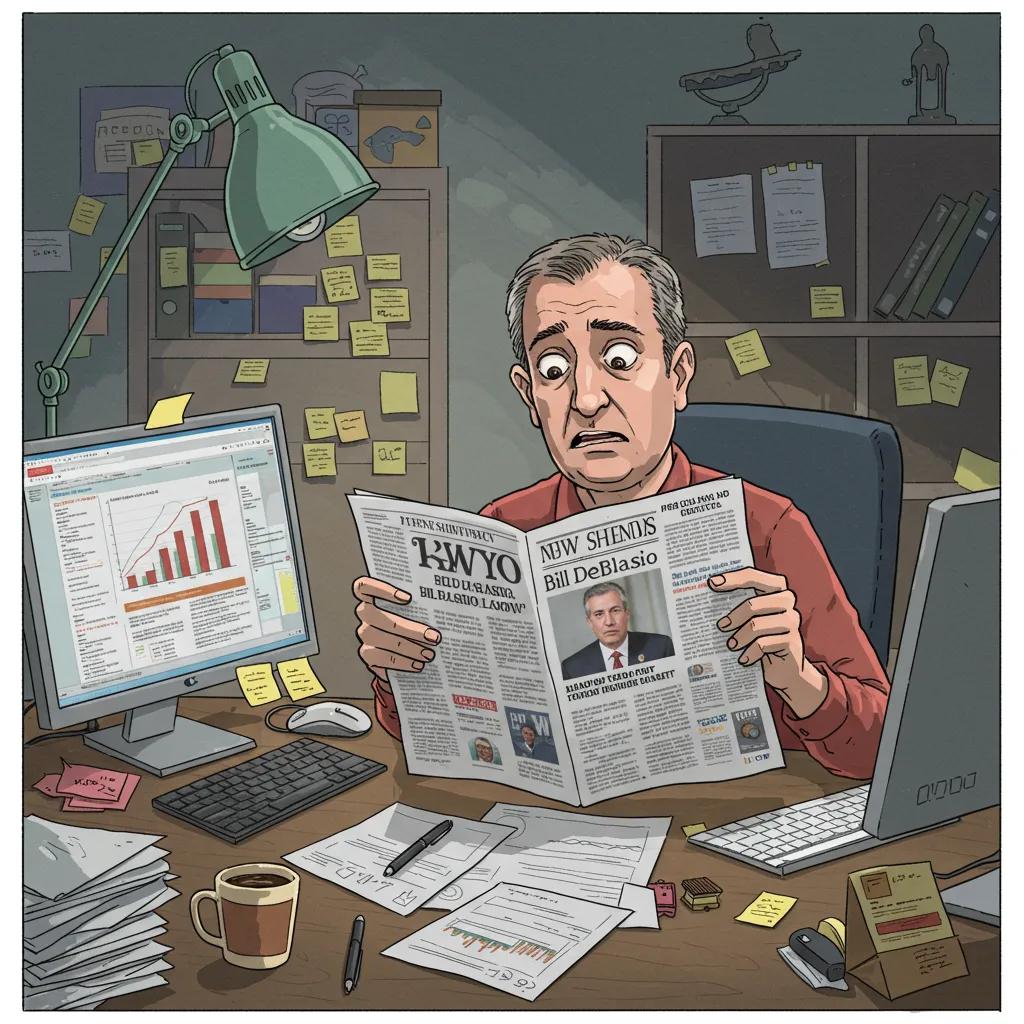
This section defines the mix-up as a sourcing and verification failure in which a reporter contacted the wrong individual and a quote was published under the assumption it came from the public figure Bill de Blasio. The mechanism involved misdirected outreach and insufficient identity checks, which produced an attribution error that required correction. The immediate consequence was a published correction and public conversation about verification standards and the risks of relying on quick, digital communication without confirming identity. Understanding these mechanics leads into a closer look at how the Times of London specifically made the error and the exact sequence of events that followed.
How Did The Times of London Confuse the Two Bill de Blasios?
The Times of London’s confusion appears to have originated from a reporter contacting a private individual with a similar name and accepting the response as coming from the former mayor without layered verification. This kind of mistake typically involves assumptions made during email outreach or rapid interviews, where a namesake is mistaken for a public figure. The result was a published passage that attributed remarks to the former mayor, prompting readers and peers to question the sourcing methods used. Examining this error highlights the need for direct identity confirmation when a subject shares a name with a public figure. (apnews.com)
What Was the Timeline of the Newspaper Snafu Event?
A concise timeline clarifies how outreach, publication, correction, and the subsequent meeting unfolded and why prompt corrections matter for credibility. Initial contact reached the Long Island namesake and a response was published; once the error was recognized, the outlet issued a correction and apology and then public interest grew. That sequence led to a meeting between the two men that publicly acknowledged the mix-up and produced the now-circulating amusing quote. Mapping these steps shows how a single misattribution can cascade into broader media and public reactions.
How Did Bill DeBlasio Respond to the Mistaken Identity?
Bill DeBlasio, described in coverage as a Long Island wine importer and a regular citizen, reacted to the confusion by clarifying his identity and engaging with media interest in a measured way. Reports noted he used available tools and channels to compose and share his responses, and his public statements emphasized the unexpected nature of becoming part of a high-profile story. The namesake’s visibility rose quickly after publication, and his measured handling helped shift attention toward media process rather than personal scandal. That response set the stage for the lighthearted public meeting that followed. (apnews.com)
Who Are the Two Bill de Blasios? Understanding Their Differences and Similarities
This section defines each man and explains why clear identity markers—profession, geography, and name capitalization—matter for accurate reporting. One is a high-profile political figure with a public record and political history; the other is a private citizen with a business in wine importing on Long Island. These contrasting public profiles change how journalists must verify sources and contextualize quotes. The following H3 subsections unpack short bios and then summarize concrete differences to prevent future confusion.
Who Is Bill de Blasio, the Former Mayor of New York City?
Bill de Blasio is a public figure known for his tenure as New York City’s mayor and for his political role in municipal and national conversations. As an elected official, his statements carry political weight and are subject to public-interest reporting and archival records. Journalists treat him as a high-profile source who requires standard verification practices tied to his public office or recent public appearances. Differentiating this public figure from similarly named private individuals is essential to uphold reporting accuracy. (en.wikipedia.org)
Who Is Bill DeBlasio, the Long Island Wine Importer?
Bill DeBlasio is a private individual identified in reports as a Long Island wine importer and described as a regular citizen who received unexpected media attention after being contacted by a reporter. His professional profile is in the private sector, and he had limited public visibility before the misattribution. As a namesake rather than a public officeholder, his quotes and perspective are contextually distinct and should have been labeled and verified accordingly in the original coverage. (apnews.com)
How Do Their Names and Identities Differ?
The core differences rest on capitalization, public role, and professional domain, which together guide sourcing decisions and public expectations. Bill de Blasio (lowercase “de”) is commonly recognized as the former mayor and a public figure, whereas Bill DeBlasio (capitalized “De”) is a private wine importer whose statements reflect a personal, non-political position. Clear name spelling, occupation, and location should trigger different verification workflows during reporting. This simple classification prevents misattribution and preserves the integrity of public discourse.
What Was Mayor Bill de Blasio’s Reaction to Meeting His Namesake?
This H2 defines the mayor’s reaction as a self-deprecating, humorous acceptance that reframed the incident in a lighter tone while drawing attention to the underlying ethics issue. The notable quote — that he was upset the namesake was “better looking than me” — provided a humanizing moment that shifted much public focus to humor and away from rancor. That reaction also influenced how media outlets covered the meeting, balancing levity with the corrective narrative. The next H3s present the direct remark, media framing, and the larger role that humor played in how the gaffe was absorbed by the public.
What Did Mayor de Blasio Say About the Meeting?
Mayor de Blasio’s reported on-the-record line—expressing mock annoyance that his namesake appeared more handsome—was delivered with self-deprecating humor and diffused much of the tension around the error. The remark functioned as both a human moment and a concise media soundbite that quickly circulated across headlines and social posts. Attendees and press accounts noted the light tone, which reframed the event from a purely corrective episode into an amiable encounter. That framing influenced subsequent public and social media reactions. (apnews.com)
How Did the Public and Media React to the Humorous Encounter?
Media coverage largely treated the meeting as a human-interest moment, combining reporting on the apology with lighter takes that emphasized the comic value of a namesake mix-up. Editorial tones ranged from chastened to amused, and public sentiment skewed toward amusement for many observers who appreciated the candid, self-effacing exchange. This mixture of accountability reporting plus levity provided readers with both the facts of the error and a relatable moment that softened the incident’s tone. The balance between correction and comedy became a notable theme in coverage. (apnews.com)
What Role Did Humor Play in This Political Gaffe?
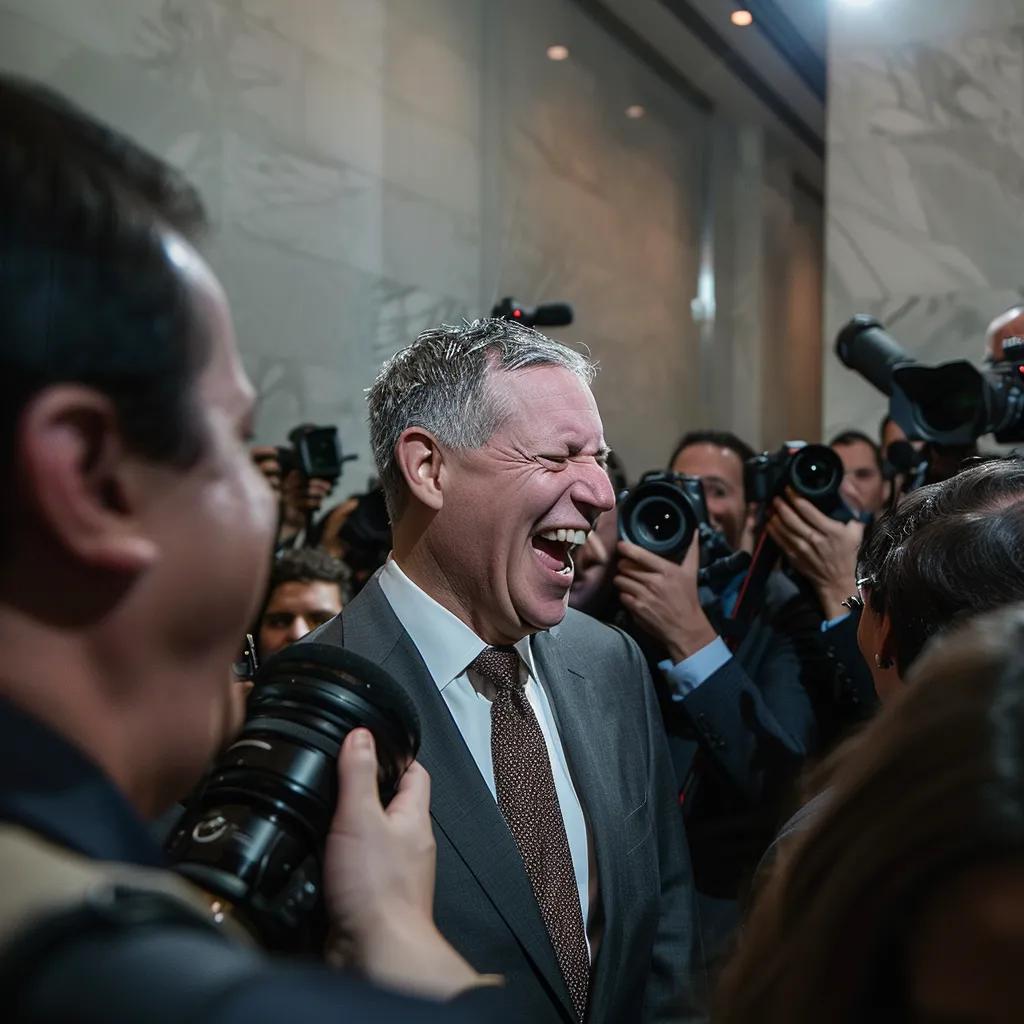
Humor acted as a mitigating force that redirected attention from institutional failure to a human story, which often reduces polarization and invites empathy. By joking about looks, the former mayor performed a public-relations maneuver that preserved a degree of dignity for all involved while still acknowledging the seriousness of accurate sourcing. Political gaffes frequently become teachable moments when paired with humor, and this encounter exemplifies how levity can coexist with demands for journalistic improvement. Recognizing that balance helps explain why the story resonated beyond typical correction notices.
How Does This Incident Highlight Media Ethics and Journalistic Accountability?
This section defines the incident as a case study in verification failures and the responsibilities of newsrooms to maintain credible sourcing practices. The mechanism at fault was insufficient identity confirmation during reporting’s sourcing phase. The practical benefit of examining this episode is to extract lessons about verification, transparency in corrections, and the evolving role of AI tools that can both assist and mislead. The H3 subsections analyze consequences, AI’s influence, and concrete newsroom lessons.
What Are the Implications of Mistaken Identity in News Reporting?
Mistaken identity erodes credibility by demonstrating how easily errors can alter public understanding and harm reputations. The reason this matters is that readers rely on journalists to distinguish public figures from private citizens, and misattribution can produce reputational harms or misleading narratives. The consequence extends to trust metrics and accountability expectations; outlets must be transparent in corrections and proactive in preventing recurrence. These implications point directly to recommended verification policies and cultural shifts within newsrooms.
How Is AI, Like ChatGPT, Influencing Modern Journalism?
AI tools such as language models can assist reporters by drafting copy, summarizing responses, or suggesting follow-up questions, but they also present risks if used without human oversight for identity or factual verification. The mechanism of risk occurs when AI-generated summaries are treated as substitutes for primary-source confirmation, which can compound sourcing errors rather than prevent them. Best practices include using AI as a support tool while retaining human adjudication for identity checks, direct quotes, and attribution. These safeguards ensure efficiency without sacrificing accuracy. (apnews.com)
What Lessons Can Media Outlets Learn From This Snafu?
Newsrooms should adopt clear verification checklists that include orthographic checks, occupation confirmation, and at least two forms of identity validation for high-profile namesakes. Implementing documented source-logging, transparent correction policies, and mandatory editor sign-off for sensitive attributions reduces error likelihood. Training that emphasizes skepticism toward rapid digital outreach helps reorient staff to slow, confirm, and then publish. Taken together, these steps create systemic resilience against the sort of misattribution that triggered this incident.
- Confirm identity through multiple, independent sources to ensure the person contacted matches the intended subject.
- Log outreach and responses systematically so editors can trace authoritativeness and provenance.
- Require editor sign-off for high-stakes attributions involving public figures or ambiguously identified sources.
What Was the Public and Social Media Reaction to the Bill de Blasio Newspaper Snafu?
This H2 defines the public reaction as platform-specific and youth-driven in part, with memes and jokes amplifying the story among younger demographics. The mechanism driving virality included shareable soundbites, humorous framing, and the participatory nature of social platforms. The value of analyzing these reactions lies in understanding how a local media error becomes a broader cultural moment. The H3 subsections unpack youth responses, examples of popular memes/comments, and reactions from political figures.
How Did Younger Audiences Respond to the Story?
Younger audiences amplified the meeting through memeable images, short-form videos, and playful comparisons that treated the encounter as light entertainment rather than a serious political scandal. Platforms emphasizing visual and short-form content facilitated rapid spread among 16–32-year-olds who favor humor and shareability. Influencers and meme creators often reframed the incident into trending formats that prioritized comedic timing and relatability. This pattern shows how youth-oriented social dynamics can transform an accountability story into a cultural moment. (apnews.com)
What Were the Most Popular Social Media Comments and Memes?
Representative viral content included side-by-side comparison jokes, tongue-in-cheek “who wore it better” formats, and captioned images that emphasized the absurdity of mistaken identity. These examples resonated because they combined recognizable personalities with accessible humor, encouraging rapid sharing and remixing. The memes tended to focus on the visual juxtaposition and the mayor’s quip, which provided a short, repeatable line for captions and clips. This virality highlights how platform affordances shape public interpretation of news events. (apnews.com)
How Did Political Figures Like Zohran Mamdani React?
Some political figures used the incident as rhetorical material, offering witty or pointed remarks that placed the error within larger political narratives or made light of the situation. These reactions served both to engage constituents and to comment on media practices, sometimes blending satire with critique. By situating the incident in political commentary, public figures extended its lifespan in the news cycle and influenced how partisans and observers framed the event. This dynamic underscores how political actors can repurpose media errors for messaging.
- Political figures reframed the snafu as either comedic relief or an example of careless reporting.
- Influencers and content creators prioritized shareable formats to maximize engagement.
- Ordinary users often adopted a light-hearted tone, sharing memes and jokes that emphasized the human side of the error.
What Are the Broader Implications for Political News and Media Blunders?
This section defines broader implications as erosion of trust when errors accumulate and as opportunities for systemic improvement if outlets respond transparently. The mechanism linking individual gaffes to public skepticism is cumulative: repeated mistakes diminish perceived reliability. The value in analyzing historical parallels and recommending preventative measures is to convert isolated incidents into organizational learning that improves reporting quality. The H3s below explore trust impacts, past examples, and practical newsroom improvements.
How Do Political Gaffes Affect Public Trust in Media?
Political gaffes contribute to a perception of sloppiness that can accelerate audience skepticism, particularly among groups already skeptical of mainstream outlets. The reason is simple: repeated errors create a pattern that audiences interpret as systemic rather than accidental. Transparent corrections and clear accountability can mitigate trust damage, but only when they are timely and accompanied by demonstrated procedural changes. Recognizing this relationship motivates stricter verification regimes and more visible correction practices. (apnews.com)
What Similar Media Errors Have Occurred in the Past?
Comparable cases include mistaken-source identifications, misattributed quotes, and attribution errors that later required high-visibility corrections; these incidents often share common patterns of rushed outreach and inadequate cross-checking. Each example shows how process failures—often under deadline pressure—lead to reputational consequences and, in some cases, formal investigations or policy revisions. Learning from these parallels helps newsrooms design prevention strategies that address root causes rather than symptoms. (apnews.com)
How Can News Organizations Improve Coverage of Political Figures?
News organizations can implement a set of practical measures that reduce the chance of mistaken identities and improve corrective response when errors occur. Recommended steps include structured source verification, entity tagging in publishing workflows, mandatory editor reviews for ambiguous attributions, and AI oversight protocols that require human sign-off. These actionable measures transform lessons into operational changes that strengthen reporting integrity and restore reader confidence.
- Establish a mandatory identity verification checklist for any contacted source sharing a name with a public figure.
- Use structured data and entity tagging in content management systems to flag potential namesake conflicts.
- Require dual approval for attributions tied to public figures to ensure editorial oversight.
- Train staff on AI tools and limits so automation supports, not replaces, human judgment.
- Publish clear, visible corrections with explanation to demonstrate accountability and learning.
Where Can Readers Find More About This Story and Related Topics on ARY News?
This section orients readers to ARY News’ editorial remit and navigation options for related coverage while preserving the article’s primary focus on the incident and its implications. ARY News is an information hub that provides timely and comprehensive news and current affairs coverage, primarily targeting Pakistani and international Pakistani audiences including younger readers interested in politics and social media trends. The guidance below highlights sections and tags where readers can explore US politics, media ethics, AI in journalism, and political humor, and then explains how to follow ongoing coverage through ARY’s editorial channels.
How to Explore More US Political News and New York City Politics on ARY News
To explore more US political reporting and New York City-focused stories, look for ARY News sections dedicated to international politics and US affairs, and use tags related to municipal politics for city-level updates. To provide timely and comprehensive news and current affairs coverage, keeping the audience informed and engaged with diverse content. Suggested anchor text for internal navigation might include “US Politics hub,” “New York City politics,” and “international news coverage” to locate related pieces and feature analysis quickly. These curated navigation choices help readers discover deeper reporting on political figures and media oversight.
Where to Learn About Media Ethics and AI in Journalism
Readers interested in media-ethics discussions and the impact of AI in reporting should consult ARY News’ editorial series and tags on media accountability and technology in journalism. Look for category labels such as “media ethics” and “AI in journalism” to find explanatory pieces, opinion analysis, and practical guides about verification and AI oversight. External authoritative resources—from journalism watchdogs and research outlets—can supplement that reading for those who want deeper methodological or academic context. Combining ARY’s coverage with broader analyses offers a rounded perspective on accountability and technological change.
How to Follow Political Humor and Lighthearted News Stories
ARY News covers lighter political moments and viral human-interest material in dedicated sections that highlight satire, political humor, and short-form social reactions. To keep up with similar stories, follow ARY’s social channels and look for humor or culture tags within the site to browse trending short takes and viral moments. Readers can subscribe to newsletters or platform feeds where available to receive curated selections of lighthearted political coverage and social-media roundups. These channels help audiences engage with the cultural side of political reporting without losing sight of accountability issues.
To provide timely and comprehensive news and current affairs coverage, keeping the audience informed and engaged with diverse content.
To provide timely and comprehensive news and current affairs coverage, keeping the audience informed and engaged with diverse content.
Conclusion
The recent meeting between Mayor Bill de Blasio and his namesake, Bill DeBlasio, highlights the importance of accurate sourcing in journalism and the potential for humor to reshape narratives. Understanding the implications of this incident reinforces the need for rigorous verification practices to maintain public trust in media. As we navigate the complexities of modern reporting, consider exploring more about media ethics and accountability in our dedicated sections. Stay informed and engaged with our comprehensive coverage of political stories and their broader implications.