Alpha-Gal Syndrome Awareness and Tick Bite Prevention: KHBS/KHOG Coverage on Red Meat Allergy Symptoms and Treatment
Alpha-gal syndrome is an emerging allergic condition in which a bite from certain ticks can sensitize people to a sugar molecule found in mammal meat, producing delayed allergic reactions to red meat and related products. KHBS/KHOG coverage has recently highlighted cases and local reporting that illustrate why tick awareness matters for families, outdoor workers, and clinicians. Readers will learn how alpha-gal (the galactose-alpha-1,3-galactose sugar) triggers immune responses, which symptoms to watch for, how diagnosis works, and practical steps to prevent tick bites. The article also explains management strategies including dietary restrictions and emergency use of epinephrine, and it summarizes recent research trends and local implications for Pakistan. Finally, we outline public-health and social-media approaches to increase awareness among younger audiences and provide concise FAQ-style answers for quick guidance.
What is Alpha-Gal Syndrome and How Does It Relate to Tick Bites?
Alpha-gal syndrome (AGS) is an allergic condition caused when the immune system makes IgE antibodies to the alpha-gal sugar molecule after a sensitizing tick bite. This immune sensitization leads to an unusual, delayed allergic reaction to mammalian meat and some products containing mammal-derived ingredients. Understanding this mechanism explains why a single tick bite can produce persistent sensitivity; the immune system recognizes alpha-gal and mounts an IgE-mediated response on later exposures. Knowing the link between tick exposure and subsequent meat allergy helps clinicians and patients connect symptoms that might otherwise seem unrelated, guiding diagnosis and prevention.
What causes Alpha-Gal Syndrome and the role of Lone Star Tick bites
Ticks act as vectors that can introduce alpha-gal-containing substances into the human immune system during feeding, prompting IgE production in susceptible individuals. In regions where the Lone Star Tick (Amblyomma americanum) is present, that species has been strongly associated with many alpha-gal cases, although other tick species are being investigated. Environmental factors like wooded habitats and human activities that increase tick exposure raise the risk of sensitization. Awareness of tick ecology and avoiding bites are therefore core prevention measures that reduce the chance of developing alpha-gal-related mammalian meat allergy.
Research has prospectively linked exposure to Lone Star Tick bites with an increased likelihood of developing anti-alpha-gal IgE antibodies.
Lone Star Tick Bites and Alpha-Gal Syndrome: A Prospective Study
Alpha-gal is an oligosaccharide implicated in delayed anaphylaxis following red meat consumption. Exposure to tick bites has been correlated with development of an allergic response to alpha-gal. However, evidence prospectively linking exposure to a single tick species and an immune response to alpha-gal is lacking.
We used serum samples from a prior study cohort of outdoor workers in North Carolina, USA, with high exposure to the lone star tick,Amblyomma americanum, to prospectively evaluate the relationship between tick bites and anti-alpha-gal IgE antibodies.
Individuals who reported exposure to one or more tick bites were significantly more likely to have a positive change in anti-alpha-gal IgE compared to individuals with no reported tick bites. This relationship was not dependent on time. A trend toward increasing number of tick bites and increased anti-alpha-gal IgE levels was observed but not statistically significant.
To our knowledge, this is the first study to prospectively link documented exposure toA. americanumbites and increased sensitization to alpha-gal in a cohort of outdoor workers. Our results support the role ofA. americanumas likely agents for eliciting an allergic response to red meat, and highlight the importance of preventing tick bites.
Alpha-gal syndrome (AGS) is an immunoglobulin E (IgE)-mediated allergy to the oligosaccharide galactose-alpha-1,3-galactose (alpha-gal), present in non-primate mammals [1]. AGS is characterized by a delayed onset allergic reaction following ingestion of mammalian meat (e.g. beef, pork, lamb) or its derivatives, and a positive serum IgE result to alpha-gal (≥ 0.1 kU/l) [1,2] Since 2009, AGS has been widely reported in North America, Australia, Europe and Asia, with bites from various tick species often suggested as a proximate cause of AGS [3,4,5,6]. While these previous reports have proposed a relationship between tick bites and AGS, the nature of the study designs (case reports [1,3], cro
Association between lone star tick bites and increased alpha-gal sensitization: evidence from a prospective cohort of outdoor workers, CL Mitchell, 2020
How does the alpha-gal sugar molecule trigger red meat allergy?
Alpha-gal is a carbohydrate antigen found on proteins of non-primate mammals such as cows, pigs, sheep, and deer, and it can provoke an IgE antibody response after sensitization by tick exposure. Once alpha-gal specific IgE antibodies exist in the bloodstream, ingestion of red meat may trigger a cascade of immune events — mast cell activation and histamine release — producing hives, gastrointestinal symptoms, respiratory distress, or in severe cases, anaphylaxis. A key clinical hallmark is the delayed timing: symptoms commonly appear two to six hours after eating mammalian meat, which complicates recognition of the food–symptom link. Recognizing this delayed pattern is essential for diagnosis and subsequent dietary management.
Which foods and products are affected by Alpha-Gal Syndrome?
Mammalian-derived foods and some products can contain alpha-gal and trigger reactions in sensitized individuals, so careful avoidance is often necessary.
Primary triggers include red meats such as beef, pork, lamb, venison, and rabbit; secondary exposures may come from gelatin-containing foods, certain dairy products, and processed items with hidden mammalian ingredients. Some medications, vaccines, or biologics that include mammalian-derived components have been reported as potential risks for sensitized patients and should be reviewed with clinicians and pharmacists.
Clear label reading and professional guidance help patients identify both obvious and hidden sources to reduce accidental exposures.
- Foods and products that commonly contain mammalian ingredients:
Beef, pork, lamb, venison, rabbit.Gelatin-based desserts, marshmallows, and some processed foods.Dairy items and certain processed foods with animal fats or derivatives.
This list highlights typical sources so readers can prioritize label checking and clinical consultation when in doubt.
What Are the Common Symptoms and How Is Alpha-Gal Syndrome Diagnosed?

Alpha-gal syndrome typically presents with a predictable pattern of delayed allergic symptoms occurring hours after ingestion of mammalian products, and diagnosis relies on clinical history plus targeted blood testing. Patients often report hives, itching, abdominal pain, vomiting, and in serious cases wheeze or hypotension consistent with anaphylaxis; the delay of 2–6 hours is a diagnostic clue that differentiates AGS from immediate food allergies. Clinicians use a combination of detailed exposure history, symptom timing, and measurement of alpha-gal specific IgE antibodies in the blood to confirm sensitization. Because delayed onset obscures cause-and-effect, careful documentation of food intake, recent tick bites, and symptom timing improves diagnostic yield and guides referral to allergy specialists when necessary.
What delayed allergic reactions indicate Alpha-Gal Syndrome?
Delayed allergic reactions in alpha-gal syndrome usually appear two to six hours after eating mammalian meat and manifest in several organ systems. Common symptom clusters include cutaneous signs (hives, swelling), gastrointestinal symptoms (cramps, nausea, vomiting), and respiratory involvement (wheezing, throat tightness). Severe reactions can escalate to anaphylaxis with low blood pressure, fainting, or collapse — situations that require immediate emergency care and epinephrine administration. Because of the delay, patients may not associate the meal with later symptoms, so tracking timing and food exposures is essential to identify AGS.
- Typical delayed symptoms indicative of AGS:
Hives or angioedema occurring hours after meat ingestion.
Abdominal pain, nausea, vomiting, or diarrhea presenting later.
Respiratory difficulties or signs of anaphylaxis that demand urgent care.
Documenting these symptom patterns helps clinicians suspect alpha-gal as the underlying cause and proceed with targeted testing.
Intro to diagnostic table: The following table summarizes common AGS symptoms with timing and clinical presentation to support recognition and triage.
This table clarifies the delayed, multi-system nature of AGS and underscores why timing matters for diagnosis.
How do healthcare providers diagnose Alpha-Gal Syndrome?
Healthcare providers diagnose AGS by combining a detailed clinical history of delayed reactions after mammalian product ingestion with laboratory tests measuring alpha-gal specific IgE antibodies. The most useful diagnostic step is a serum alpha-gal IgE test, interpreted alongside symptom patterns and exposure history; skin testing may have limitations for carbohydrate antigens. Referral to an allergist or immunologist is recommended for ambiguous cases, for supervised oral food challenges when needed, and for personalized management planning. Clear communication between patients and clinicians about tick exposure history and meal timing strengthens diagnostic accuracy and improves long-term care.
Why is diagnosis challenging due to delayed symptom onset?
Delayed onset of symptoms is the central challenge in diagnosing alpha-gal syndrome because the time gap obscures the link between food intake and reaction. Many standard food-allergy consultations assume immediate reactions, so clinicians unfamiliar with AGS may initially misattribute symptoms to other causes such as food intolerances or gastrointestinal disorders. Low provider awareness, variable symptom severity, and inconsistent documentation further contribute to missed or delayed diagnoses. Emphasizing the 2–6 hour delay and encouraging patients to keep food-symptom diaries can help clinicians identify AGS more reliably.
How Can Alpha-Gal Syndrome Be Treated and Managed Effectively?
Management of alpha-gal syndrome centers on strict avoidance of trigger mammalian products, emergency preparedness including carrying epinephrine, and lifestyle measures to prevent further tick bites that could boost sensitivity. Nutritional counseling supports safe substitutions and balanced diets while avoiding red meat, and patients should receive clear guidance on hidden sources like gelatin and certain processed foods. For severe reactions, prompt epinephrine administration is lifesaving; clinicians should ensure at-risk patients have auto-injectors and written emergency action plans. Long-term strategies include regular follow-up with allergy specialists, patient education about label reading, and measures to reduce tick exposure to decrease the chance of increased sensitization.
What dietary restrictions are essential for managing Alpha-Gal Syndrome?
Dietary management requires clear, sometimes strict avoidance of mammalian meats and vigilance for hidden mammalian ingredients in processed foods and medications. Patients usually need to eliminate beef, pork, lamb, venison, and rabbit from their diet while identifying safe alternatives such as poultry, fish, and plant-based proteins when tolerated. Gelatin, certain dairy derivatives, and foods with animal-based additives can be hidden sources and warrant label scrutiny or pharmacist review. Working with a nutritionist ensures nutritional adequacy and helps design meal plans that maintain protein, iron, and micronutrient needs while avoiding alpha-gal exposures.
- Dietary approach essentials:
Avoid red and game meats known to contain alpha-gal.Check labels for gelatin, animal tallow, or milk derivatives.Consult a nutrition professional to plan balanced substitutions.
Intro to management EAV table: The table below compares common management strategies, highlighting attributes and practical expectations for patients.
This comparison clarifies how dietary measures, emergency preparedness, and specialist care work together to control AGS.
How is emergency treatment like epinephrine used for severe reactions?
Epinephrine is the first-line treatment for anaphylaxis and should be administered promptly when severe symptoms like difficulty breathing, throat swelling, or signs of shock occur. Patients with AGS at risk for severe reactions must carry a prescribed epinephrine auto-injector, know how to use it correctly, check expiration dates, and seek emergency medical attention immediately after administration. Basic instructions include placing the auto-injector against the outer thigh, holding it for the recommended count, and calling for emergency assistance even if symptoms temporarily improve. Training patients and caregivers on storage, expiration awareness, and post-injection monitoring reduces adverse outcomes.
What lifestyle changes help prevent symptom worsening?
Lifestyle changes that reduce additional tick exposures and accidental ingestion of mammalian products help prevent symptom worsening and new sensitizations. Personal protection behaviors — including using effective repellents, wearing protective clothing, and conducting routine tick checks after outdoor activities — reduce bite risk and thus potential immune boosting events. Regular follow-up with clinicians permits monitoring of antibody levels and symptom patterns, and adjustments to management plans as tolerance or sensitivity changes over time. Travel planning and communicating AGS status to healthcare providers before procedures or new medications further protect patients from inadvertent exposures.
What Are the Best Practices for Preventing Tick Bites and Alpha-Gal Syndrome?
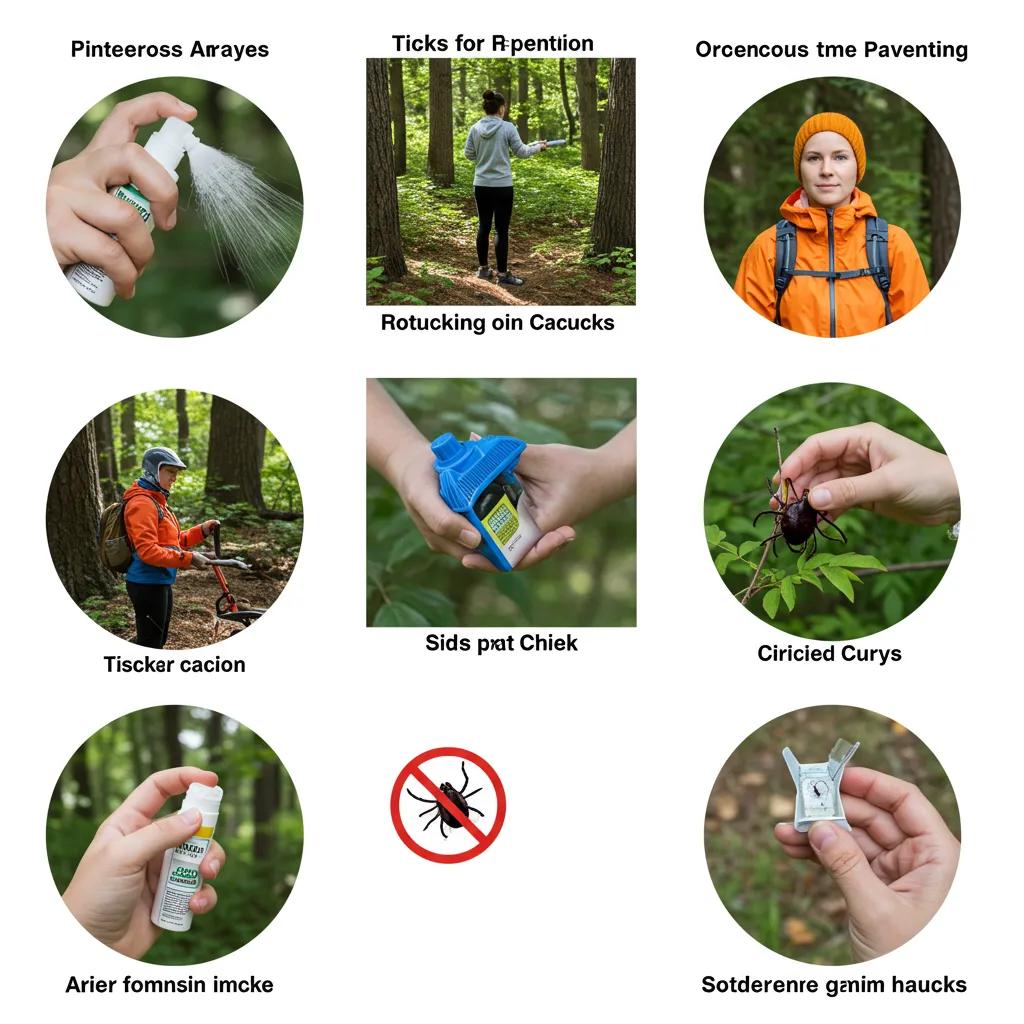
Preventing tick bites is the most effective way to reduce new cases of alpha-gal sensitization, and best practices combine personal protection, environmental modifications, and public-health awareness. Effective personal measures include using EPA-recommended repellents, wearing long sleeves and pants in tick habitats, treating clothing with permethrin when appropriate, and performing full-body tick checks after outdoor time. Environmental steps such as keeping grass short, creating tick-free zones near homes, and reducing rodent hosts lower community tick abundance. Public-health education about seasonal risk patterns and proper tick removal supports timely medical attention and reduces long-term risks of tick-borne conditions including AGS.
What personal protection methods reduce tick exposure risk?
Personal protection focuses on repellents, protective clothing, and behavioral changes that minimize skin exposure to ticks and speed removal if attachment occurs. Repellents containing DEET, picaridin, or oil of lemon eucalyptus provide proven protection on skin, while permethrin-treated clothing offers longer-lasting defense for fabrics. Wearing light-colored clothing to spot ticks, tucking pants into socks, and conducting thorough tick checks after outdoor activities reduce the likelihood of an undetected bite. Pet protection is also important since animals can bring ticks into the home environment, so regular veterinary tick prevention helps lower household risk.
- Personal protection checklist:
Apply appropriate topical repellents before outdoor activities.
Wear long sleeves, long pants, and closed shoes in tick habitats.
Perform routine head-to-toe tick checks and promptly remove attached ticks.
These steps work together to reduce exposure and provide quicker removal, which helps prevent transmission of tick-associated sensitizing agents.
Intro to repellent EAV table: The following table compares common repellent options, their efficacy duration, and usage notes to help readers choose practical protection.
This table helps readers select repellents that match activity duration and personal needs while highlighting practical considerations.
Which tick bite prevention tips are recommended by health authorities?
Health authorities recommend a layered prevention strategy combining repellents, clothing barriers, environmental management, and education to reduce tick encounters and bite risk. Key recommendations include applying EPA-registered repellents, using permethrin-treated clothing, performing regular tick checks, and promptly removing attached ticks with fine-tipped tweezers following proper technique. Community measures involve public education campaigns, surveillance to detect emerging tick species, and targeted landscape management to reduce tick habitat near homes and recreational areas. Seeking medical evaluation for unusual rashes, fevers, or delayed allergic symptoms after tick exposure ensures timely diagnosis and management.
Public health messaging has historically underemphasized the risks of lone star ticks, despite their role as vectors for numerous pathogens and their association with alpha-gal syndrome, with their distribution also expanding.
Lone Star Ticks: An Emerging Threat Linked to Alpha-Gal Syndrome
Public health messaging in the eastern United States has historically underemphasized the risks posed by lone star ticks (Amblyomma americanum), focusing instead on blacklegged ticks (Ixodes scapularis). This gap persists despite mounting evidence that lone star ticks also play an important role in disease ecology as confirmed vectors for a wide variety of tick-borne pathogens. These pathogens include several distinct bacterial agents that cause ehrlichiosis and tularensis in humans and dogs, a protozoal agent that causes cytauxzoonosis in cats, and emerging viruses such as Heartland, Bourbon, and Tacaribe. Lone star ticks are additionally linked to Rocky Mountain spotted fever, southern tick-associated rash illness, and alpha-gal syndrome, a condition marked by immune reactions to ingestion of mammalian meat. Moreover, their distribution in North America is expanding due to changing climatic factors and land use patterns. Lone star ticks are the most commonly encountered tick
Lone star ticks (Amblyomma americanum): an emerging threat in Delaware, AC Kennedy, 2021
How can environmental awareness help in tick bite prevention?
Environmental awareness means recognizing tick habitats, seasonal activity peaks, and landscaping practices that lower tick presence around homes and recreational spaces. Avoiding tall grass and leaf litter, creating wood-chip barriers between wooded areas and lawns, and maintaining mowing and shrub trimming reduce tick-friendly microhabitats. Community-level interventions such as targeted rodent control and public education about local tick species support broader prevention efforts. Understanding seasonal risk — typically higher during warm months when ticks are active — helps people time protective behaviors and public-health messaging.
What Recent Research and News Updates Are Available on Alpha-Gal Syndrome?
Recent research through 2023–2025 has highlighted expanding awareness of alpha-gal syndrome, evolving diagnostic tools, and environmental drivers that may be increasing tick ranges in some regions. Studies have explored mechanisms of alpha-gal sensitization, improved serologic testing approaches for alpha-gal IgE, and ecological research linking climate and land-use changes to tick population shifts. These findings emphasize both biological mechanisms and public-health implications, suggesting the need for enhanced surveillance, clinician education, and targeted outreach to at-risk communities. News outlets and scientific summaries continue to surface case reports and regional studies that help shape prevention and clinical guidance.
What are the latest scientific findings on Alpha-Gal Syndrome and tick behavior?
Recent scientific work has reported broader geographic detection of ticks associated with alpha-gal sensitization and incremental improvements in laboratory assays that quantify alpha-gal specific IgE antibodies. Entomological studies indicate that changes in temperature and habitat fragmentation can alter tick distributions, potentially exposing new populations to sensitizing bites. Immunological research is probing why only some bitten individuals develop persistent IgE responses, and whether repeated bites increase antibody levels and clinical severity. Together, these findings inform public-health planning by linking environmental change to emerging allergy risks.
ARY News perspective and reporting context: As an information hub dedicated to timely and unbiased coverage, ARY News documents local and global developments that shape public understanding of emerging health issues. Recent KHBS/KHOG coverage offers a model for localized reporting that connects patient stories, clinician insights, and scientific updates to inform audiences. ARY News’ editorial mission — to provide timely and comprehensive news and current affairs coverage that keeps the audience informed and engaged with diverse content — supports spreading accurate summaries of research, prevention guidance, and regional implications of alpha-gal trends.
How are public health campaigns raising tick awareness locally and globally?
Public health campaigns combine educational outreach, clinician training, and community surveillance to raise awareness about tick-borne risks and appropriate prevention behaviors. Campaigns use clear messaging about repellents, clothing, tick-check routines, and when to seek medical care after bites or delayed allergic reactions. Media partnerships and social platforms amplify short-form explainers, infographics, and local alerts that reach youth and outdoor enthusiasts. Strengthening clinician awareness through continuing education ensures better recognition of AGS and more consistent reporting and counseling in clinical settings.
What trends show the rising prevalence of Alpha-Gal Syndrome?
Trends indicating rising AGS prevalence include increased case reports, expanded geographic detection of implicated ticks, and greater recognition by allergy specialists leading to more testing and diagnoses. Drivers may include tick range expansion influenced by climate and land-use changes, increased outdoor recreation, and improved clinician awareness that prompts testing for alpha-gal IgE. Limitations in surveillance and variable reporting practices mean absolute incidence estimates vary by region, but the upward pattern in recognized cases highlights the need for improved data collection and public-health planning.
How Does Alpha-Gal Syndrome Impact Public Health and Awareness in Pakistan?
Localizing alpha-gal concerns for Pakistan requires cautious assessment of regional tick ecology, strengthened surveillance, and targeted public-health messaging adapted to local behaviors and healthcare systems. While global literature highlights specific ticks such as the Lone Star Tick in North America, evidence for equivalent local vectors in Pakistan is less documented and warrants entomological study. Public-health readiness involves clinician training to recognize delayed allergic patterns, laboratory capacity for alpha-gal testing where feasible, and media-driven education to inform outdoor workers and communities about prevention. Engaging younger audiences with social content and shareable explainers can amplify awareness rapidly.
Are there local tick species linked to Alpha-Gal Syndrome in Pakistan?
Current documentation linking specific Pakistani tick species to alpha-gal sensitization is limited, and available evidence emphasizes the need for local entomological surveillance to identify potential vectors. Without definitive local vector attribution, health authorities and researchers should prioritize systematic tick collection and testing, paired with clinical surveillance for delayed meat allergy presentations. Establishing these data streams will clarify whether regional tick species carry alpha-gal analogues and will inform targeted prevention strategies that reflect local ecology. Until more data are available, adopting general tick-prevention measures remains prudent.
What public health efforts are underway to increase tick and allergy awareness?
Public health efforts that could increase awareness in Pakistan include clinician education workshops, community outreach on personal protection and tick checks, and surveillance programs that monitor tick populations and unusual allergic presentations. Media outlets and public agencies can collaborate to disseminate practical prevention advice and to encourage people to report suspected cases. Strengthening laboratory capacity for targeted testing and integrating tick-bite education into primary healthcare visits can improve early recognition and management. These interventions build resilience in health systems and reduce the risk of undiagnosed AGS cases.
ARY News call-to-action for local awareness: As an information hub focused on timely, comprehensive, and unbiased coverage, ARY News can play a constructive role in raising awareness about tick prevention and alpha-gal risks in Pakistan. By producing accessible explainers, short social-media-friendly content, and reporting on local surveillance efforts, ARY News supports public understanding and engagement. The platform’s Ai Reporting Yard can help aggregate and present evolving scientific findings alongside local reporting to inform both the public and healthcare stakeholders.
How can young audiences engage with Alpha-Gal awareness through social media?
Young audiences respond well to concise, visual, and interactive content such as short videos, infographics, quizzes, and “how-to” clips on tick checks and repellent use. Platform-specific strategies include brief TikTok or Instagram Reels demonstrating tick-check routines, shareable graphics showing foods to avoid, and short Q&A segments with clinicians to dispel misconceptions. Encouraging user-generated content with clear factual prompts and directing audiences to trustworthy summaries enhances reach while preserving accuracy. Partnerships between media, health authorities, and influencers can amplify messages that protect young outdoor enthusiasts and pet owners.
What Are Frequently Asked Questions About Alpha-Gal Syndrome and Tick Awareness?
This final section answers common reader questions in clear, concise language to support quick comprehension and FAQ schema-friendly responses. Each entry gives a short definition, practical next steps, and clear pointers about when to seek medical care, enabling rapid use in social sharing and PAA (People Also Ask) contexts. These answers distill the critical recognition points for AGS, including timing, testing, foods to avoid, and top prevention steps to minimize tick exposure.
What is Alpha-Gal Syndrome in simple terms?
Alpha-gal syndrome is an allergy to a sugar called alpha-gal that can develop after a tick bite and cause delayed allergic reactions to red meat. The condition matters because reactions often occur hours after eating, which can obscure the connection and lead to missed diagnoses. If someone experiences hives, stomach pain, or breathing problems several hours after eating mammal meat, they should mention the timing and any recent tick exposures to a healthcare provider. Early clinician evaluation and testing for alpha-gal IgE antibodies can confirm sensitization and guide safe dietary choices.
How can I tell if a tick bite caused Alpha-Gal Syndrome?
To determine whether a tick bite caused AGS, track the history: note any tick bite or likely exposure, then look for delayed allergic symptoms that begin two to six hours after eating mammal meat. If this pattern repeats after mammalian exposures, seek medical evaluation that includes a targeted alpha-gal IgE blood test and allergy specialist referral when appropriate. Keeping a food-and-symptom diary with dates and times strengthens the clinician’s ability to link exposures to reactions. Timely discussion with healthcare providers helps clarify causation and prevent further severe episodes.
What foods should I avoid if diagnosed with Alpha-Gal Syndrome?
Patients diagnosed with AGS typically avoid mammalian meats such as beef, pork, lamb, venison, and rabbit, and must also watch for hidden mammalian ingredients like gelatin in processed foods. Dairy sensitivity varies, so individuals should test tolerance under clinical guidance, and pharmacists or clinicians can help identify medications with mammalian-derived excipients. Working with a nutritionist ensures dietary adequacy when eliminating key protein sources and helps identify safe substitutions like poultry, fish, legumes, and plant-based proteins.
- Foods to avoid and check carefully:
Red and game meats (beef, pork, lamb, venison, rabbit).
Gelatin-containing products and certain processed foods.
Medications or biologics with mammalian-derived components (discuss with a provider).
These avoidance strategies reduce risk while a clinician and nutritionist optimize safe dietary planning.
How do I protect myself from tick bites effectively?
Protecting yourself from tick bites combines personal habits, protective products, and environmental awareness that together lower bite risk and exposure to sensitizing agents. Use appropriate repellents, wear protective clothing in tick habitats, treat clothing with permethrin where suitable, and perform thorough body checks after being outdoors. Keep lawns and recreational areas well-maintained, discourage wildlife hosts near homes, and protect pets with veterinary-recommended preventives to reduce household tick introductions. Prompt and correct removal of attached ticks reduces the duration of feeding and may lower the chance of sensitization.
- Quick tick protection steps:
Apply effective repellent before outdoor exposure.Wear long clothing and perform routine tick checks.Reduce tick habitat near living areas and protect pets.
These concise steps offer actionable measures readers can adopt immediately to minimize bite risk.
ARY News editorial reminder: To remain informed and engaged with evolving health topics, readers can rely on ARY News’ commitment to timely, comprehensive, and accurate coverage. As an information hub emphasizing fast and reliable reporting through its Ai Reporting Yard, ARY News aims to present balanced news, analysis, and practical public-health guidance that help communities respond to emerging issues such as alpha-gal syndrome and tick awareness.
Conclusion
Understanding alpha-gal syndrome and its connection to tick bites is crucial for effective prevention and management of this emerging allergy. By raising awareness about the symptoms, dietary restrictions, and preventive measures, individuals can significantly reduce their risk of sensitization. We encourage readers to stay informed and share this knowledge with others to foster a community of awareness. For more resources and updates on alpha-gal syndrome, visit our website today.