Abigail Zwerner Testimony: Key Moments in the Teacher Shot by 6-Year-Old Student Trial
Abigail Zwerner, the elementary school teacher who was shot by a 6-year-old student at Richneck Elementary, took the stand to describe the events, injuries, and long-term consequences that underpin her $40 million civil lawsuit and broader questions about school liability. Her testimony centers on what she observed in the classroom, the immediate response, and the medical and emotional toll that followed, all of which shape claims against the defendant and the school system. This article provides a clear, evidence-focused account of the Richneck Elementary shooting, summarizes Zwerner’s courtroom statements, outlines the defense led by Ebony Parker, and explains potential legal outcomes and policy implications. Information Hub reports this account to provide timely context and to help readers understand the stakes and ongoing coverage; our focus is on verified testimony, legal filings, and community impact. Read on for a chronological timeline of the shooting, a breakdown of Zwerner’s core testimony points and evidence, an analysis of the defense strategy, details on recovery, and the national conversation about school safety and liability.
What Happened During the Richneck Elementary School Shooting?
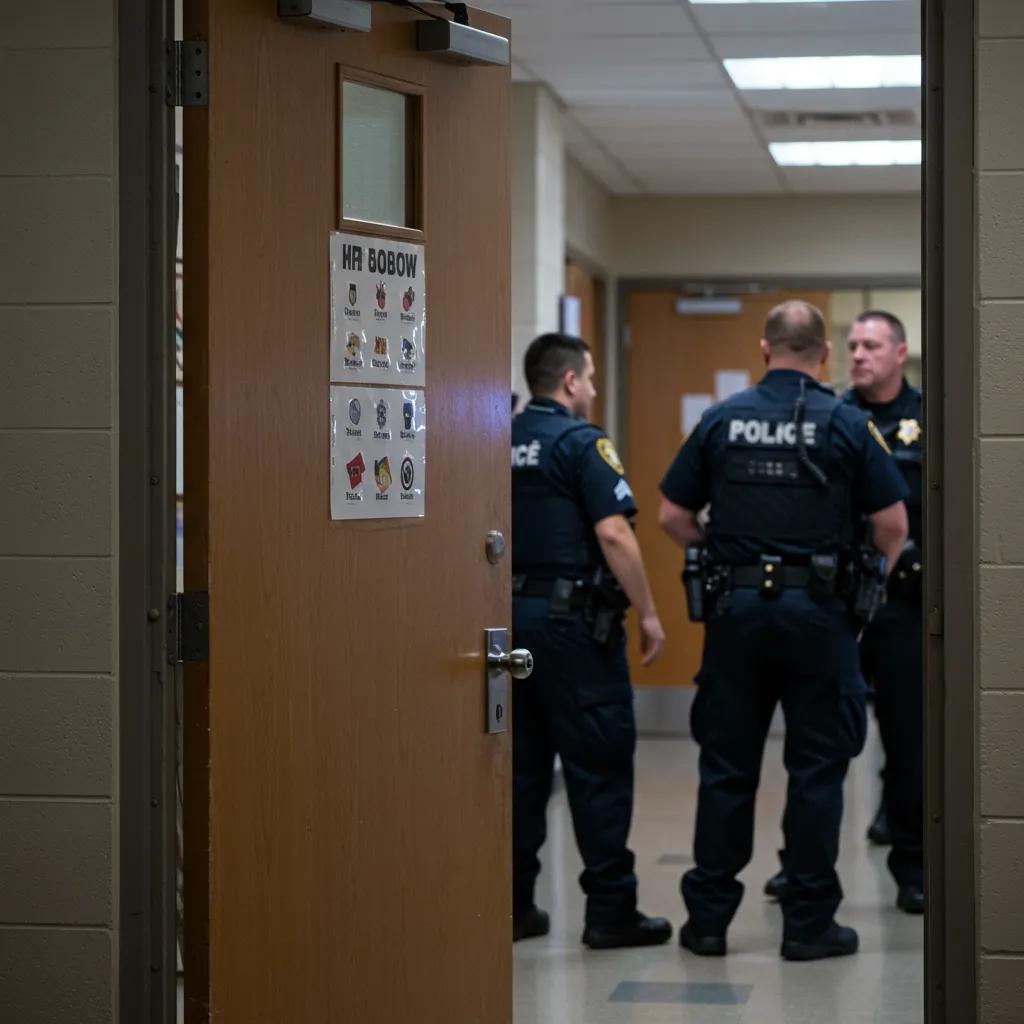
The Richneck Elementary shooting refers to an in-classroom attack in Newport News, Virginia, when a 6-year-old student brought a firearm into the school and shot teacher Abigail Zwerner. The incident unfolded rapidly within a classroom setting, prompting immediate medical response and criminal investigations while raising urgent questions about supervision, notice, and foreseeability in school settings. Understanding the sequence of events is essential to assess causation and negligence claims in the civil lawsuit and to place later testimony in chronological context. The following subsections break down when and where the shooting occurred, who the key individuals were, and what the immediate consequences were.
When and where did the shooting occur?
The shooting occurred at Richneck Elementary School in Newport News, Virginia, during a regular school day in a classroom setting where Zwerner was teaching. School hours and classroom routines meant multiple young students were present, amplifying the immediacy and shock of the event and complicating emergency triage. School staff and first responders arrived quickly, and Zwerner was transported to receive emergency medical care for a gunshot wound. That initial response timeline is central to civil claims about whether warnings or interventions were possible prior to the shooting and leads into who else was involved.
Who were the key individuals involved in the shooting?
Key individuals include Abigail Zwerner, the injured teacher; the 6-year-old student who fired the shot; the student‘s mother, who later faced criminal charges; classroom staff and administrators at Richneck Elementary; and first responders who provided on-scene care. Zwerner’s testimony identifies specific staff interactions and the student‘s behavior leading up to the shooting, while prosecutors and defense counsel have separately framed roles and responsibilities. These named persons and institutions form the factual backbone of both criminal and civil actions and inform analyses of foreseeability and duty of care. Mapping those roles helps clarify the legal claims that follow.
What were the immediate consequences of the shooting?
Immediately after the shooting, Zwerner received emergency medical treatment, and the school instituted lockdown and crisis protocols, while police launched a criminal investigation that included questioning and charges against the student‘s mother. Students were reunited with families, counseling services were deployed, and the school district announced reviews of safety procedures. The incident prompted rapid administrative responses—school closures for review, mental health support for students and staff, and public statements from local officials—all of which factor into later civil allegations about systemic failures. These immediate consequences frame the timeline Zwerner described on the stand and set the stage for evidence entered at trial.
What Are the Main Points of Abigail Zwerner’s Testimony?
Abigail Zwerner’s testimony focused on the injuries she sustained, her recollection of the minutes before and after the shooting, and the documentary evidence she and her counsel introduced to support the civil negligence claim. She described physical harm as well as the psychological impact of the event, linked specific classroom interactions to the shooting moment, and referenced medical records and photographs as corroborating exhibits. The following H3 subsections detail her injuries and trauma, her narrative of events leading to the shooting, and the exhibits and evidence she relied upon in court.
What injuries and trauma did Abigail Zwerner describe?
Zwerner described being shot and suffering physical injuries that required emergency and follow-up medical care, resulting in pain, medical interventions, and ongoing recovery needs that affect daily functioning and work capacity. She also testified about psychological trauma, including intrusive memories, heightened anxiety around classrooms, and symptoms consistent with post-traumatic stress following the incident. Her testimony linked those physical and mental health consequences directly to the alleged failure of adults and systems to prevent the event, establishing the basis for economic and non-economic damages claimed in the civil suit. This description of injuries transitions into how she recounted the events themselves.
How did Zwerner describe the events leading to the shooting?
On the stand, Zwerner recounted a sequence of classroom interactions, attempts to manage the student, and the precise moment the weapon was produced and fired, emphasizing sensory details and the limited time available to react. She outlined any prior behaviors or warnings she observed and whether she sought assistance from nearby staff before the shooting, providing a narrative that plaintiffs use to argue foreseeability. Her account includes attempts to de-escalate and the immediate chaos that followed, which she used to explain why she believes the school and adults held a duty to act sooner. This narrative links directly to the documentary evidence she introduced.
The main points of Zwerner’s testimony are:
- Her account of the shooting sequence and classroom circumstances leading up to the moment of injury.
- The physical injuries and ongoing medical needs she attributes to the shooting.
- The documentary supports she presented, including medical records and photographs that corroborate her claims.
What key evidence did Zwerner present in court?
Before presenting the evidence table below, note that Zwerner’s counsel introduced medical records, photographs of wounds, and classroom communications as primary exhibits to support claims about injury, causation, and notice. The table summarizes core pieces of evidence referenced during testimony and the purpose each served.
In summary, the evidence Zwerner presented was chosen to establish a causal chain from classroom facts to injury and to quantify damages, setting up the legal dispute over negligence and institutional responsibility.
How Is Ebony Parker Defending Against the Negligence Allegations?
Ebony Parker’s defense centers on challenging foreseeability, disputing causation, and asserting compliance with applicable policies at the time of the incident. The defense seeks to show that the shooting was an unforeseeable act by a child and that school staff could not reasonably have prevented the event under governing legal standards. The forthcoming H3 subsections explain Parker’s primary arguments, how the defense challenged Zwerner’s testimony on cross-examination, and the role school warnings and policies play in the defense’s narrative.
What are Ebony Parker’s main defense arguments?
Parker’s team argues that the incident was not reasonably foreseeable, that the actions of the 6-year-old were independent and not within the scope of predictable school risks, and that the defendant complied with existing school safety protocols at the time. The defense invokes legal standards that require proximate causation and a reasonable-foreseeability showing by plaintiffs in negligence suits, aiming to narrow or negate liability. They also present alternative explanations for the tragic outcome and may highlight procedural compliance to counter claims of systemic failure. These arguments form the strategic backbone of the defense and lead into the cross-examination approach used in court.
How has the defense challenged Zwerner’s testimony?
During cross-examination, the defense targeted inconsistencies, memory gaps, and alternative interpretations of events to undermine the causal certainty of Zwerner’s account, questioning specific timeframes, actions taken, and the plausibility of warning signals. Counsel sought to reconcile medical evidence with testimonial discrepancies and to introduce witnesses or records that might suggest different sequences or mitigatory responses. By probing credibility and precision, the defense aims to reduce the persuasive force of the testimony and raise doubt about whether school systems could have acted differently. These tactics set up legal debates about evidence sufficiency and standards of proof.
What role did warnings and school policies play in the defense?
The defense scrutinized documented policies, staff training records, and any prior notices about the student‘s behavior to argue compliance or to contest the existence of actionable warnings. If school policies were followed and no explicit, documented threat was on file, the defense asserts that legal duties were met and that negligence claims therefore fail. Conversely, plaintiffs argue that informal warnings or known behaviors amounted to notice. Parsing policy texts and the chronology of warnings becomes critical to resolve whether the duty-of-care threshold for negligence was crossed. This analysis naturally feeds into the broader legal implications and possible outcomes.
What Are the Legal Implications and Potential Outcomes of the Trial?
The trial‘s legal implications include potential damages awards, the possibility of settlements, and the doctrinal impact on school liability law in Virginia and beyond. The $40 million suit seeks to quantify economic and non-economic harms and to push for accountability that might influence policy. Courts will weigh negligence standards, foreseeability, and proximate cause, and their rulings could shape how school districts document warnings and manage children with behavioral risk factors. Below are detailed subsections on the scope of the $40 million claim, precedent considerations, and recent procedural updates; the final sentence in this section restates our ongoing coverage intent.
What is the scope of the $40 million lawsuit filed by Abigail Zwerner?
The $40 million figure in Zwerner’s complaint encompasses economic losses (medical bills, lost earnings), non-economic damages (pain and suffering, emotional distress), and potential punitive considerations depending on the theories pled. Plaintiffs typically itemize past and projected medical costs, wage loss estimates, and valuation of long-term care needs alongside non-economic damage calculations grounded in testimony and expert reports. The complaint also frames legal theories—negligence, supervisory failures, and breach of duty—that undergird the monetary demand. Understanding the categories of relief sought helps explain how a jury might parse compensatory and symbolic components of an award.
In closing this subsection, the monetary scope serves both to compensate harm and to prompt institutional scrutiny that may drive policy changes.
How could this trial set a precedent for school liability cases?
A verdict for Zwerner on negligence grounds could broaden interpretations of foreseeability and duty for school personnel, prompting more rigorous documentation, interventions, and training across districts. Conversely, a defense victory could reinforce narrower standards that limit institutional liability for unforeseeable acts by very young students. Legal commentators are watching how courts balance child behavior unpredictability with institutional responsibilities; precedent may affect how districts manage disciplinary records, parental notifications, and threat assessments. The potential doctrinal shift connects directly to policy debates about school safety reforms and administrative accountability.
What are the current updates on the trial proceedings?
As of October 2025, testimony has included first-hand accounts from Zwerner and cross-examination probing timelines and evidence; the court docket lists upcoming witness schedules and motions addressing admissibility of certain exhibits. Recent filings clarified damages calculations and identified expert witnesses for both sides, while the judge ruled on several preliminary evidentiary disputes that shape what jurors will hear. Future dates include additional witness testimony and potential hearing on motions in limine that could limit certain arguments at trial. To provide timely follow-up, we will continue to track filings, rulings, and testimony developments as they appear.
To provide timely and comprehensive news and current affairs coverage, keeping the audience informed and engaged with diverse content.
How Is Abigail Zwerner Recovering Physically and Emotionally?

Zwerner’s recovery encompasses ongoing medical care, rehabilitation needs, and mental health treatment to address trauma from the shooting; her testimony highlighted both the physical limitations she continues to face and the psychological consequences of the event. Recovery details inform damages assessments and underscore the human cost behind legal claims, while support systems and community resources play crucial roles in both short-term stabilization and long-term rehabilitation. The subsections below document current physical injuries, mental-health impacts, and support networks involved in her recovery.
What physical injuries is Zwerner still dealing with?
Zwerner testified about persistent pain, medical follow-ups, and any surgical or rehabilitative treatments required after the initial emergency care, which together limit certain daily activities and professional duties. Medical records entered as exhibits provide a timeline of interventions and projected future care needs that contribute to economic damages. The physical consequences factor into vocational impact analyses used by economists and medical experts to estimate lost earnings and necessary accommodations. Understanding these ongoing treatment needs clarifies why plaintiffs assign substantial financial value to future care in the civil suit.
In summary, the physical recovery timeline directly affects damages projections and the legal valuation of long-term impairment.
How has the shooting affected Zwerner’s mental health?
Zwerner described symptoms consistent with post-traumatic stress, including intrusive memories, hypervigilance in school settings, and sleep disturbances, leading to therapy and psychiatric care recommendations. Mental-health experts may be called to testify on prognosis, expected duration of symptoms, and therapeutic interventions, linking psychological harm to non-economic damages in the lawsuit. The psychological impact also informs discussions about workplace accommodation and the teacher‘s capacity to return to classroom duties without significant supports. Recognizing the mental-health component underscores the multidimensional harm claimed by plaintiffs.
What support systems are in place for her recovery?
Support for Zwerner includes family assistance, community fundraising or advocacy, legal representation coordinating claims, and access to counseling services deployed by the school district or local nonprofits. Her legal team arranges expert evaluations and care coordination to document needs and obtain appropriate treatment plans that feed into damages calculations. Community organizations and peer networks also provide emotional and practical support during recovery, which plaintiffs may cite to show ongoing needs notwithstanding available assistance. These systems are central to rehabilitation and to how damages are measured and mitigated.
What Has Been the Community and National Reaction to the Shooting and Trial?
Local and national responses to the Richneck Elementary shooting have included grief, policy debate, and renewed attention to early-age gun incidents and school protocols, with discussions spreading beyond the immediate community to national media and policy circles. To provide timely and comprehensive news and current affairs coverage, keeping the audience informed and engaged with diverse content. The subsections below cover Newport News responses, national policy conversations, and perceptions among the Pakistani diaspora that shape how Information Hub readers interpret the case.
How has Newport News responded to the shooting incident?
Newport News officials implemented immediate crisis responses—communal vigils, counseling services for students and staff, and administrative reviews of safety protocols—while local leaders emphasized changes to prevent recurrence. The school district convened policy reviews, offered support resources, and engaged law enforcement to assess procedural gaps; community groups organized fundraising and public forums to discuss systemic responses. Local narratives combine mourning, calls for accountability, and efforts to strengthen school safety. These local actions inform the broader legal and policy conversations that follow.
What are the broader national concerns about school safety raised by this case?
At the national level, the case reignites debates about access to firearms, early-warning indicators for violent behavior in young children, and how schools balance inclusion with risk management. Experts in education policy, child psychology, and law are weighing whether existing threat assessment practices are adequate for very young students and what statutory changes could better support prevention. The incident also prompts questions about how civil liability might push districts to adopt stricter documentation and intervention protocols. These national concerns form a backdrop for potential legislative and administrative reforms.
How is the Pakistani diaspora perceiving this event?
Members of the Pakistani diaspora and international observers process the incident through comparative lenses—examining school safety norms, parental responsibilities, and legal accountability in the U.S. versus Pakistani contexts—leading to discussions about prevention, trauma care, and institutional responsibility. For readers of Information Hub and ARY News-focused audiences, the case resonates as a reminder of global school-safety challenges and the importance of cross-border dialogue on best practices. Social-media reactions and diaspora commentary often highlight both shock and calls for systemic reform, shaping how overseas communities engage with the story.
- Community responses typically include public vigils and counseling initiatives.
- National discussions frequently focus on policy, prevention, and legal accountability.
- Diaspora conversations compare international school safety practices and lessons learned.
These reactions highlight the multiple levels at which the case is debated and why international audiences track outcomes closely.
What Are the Related Legal Cases and School Safety Issues Connected to This Trial?
This trial intersects with parallel criminal charges, comparable school liability lawsuits, and an active policy debate about reforms to school safety and notification protocols. The criminal case against the student‘s mother proceeds on a separate track, while civil litigation concentrates on institutional responsibilities and damages. Comparing precedent cases and proposed reforms helps situate potential impacts on school policies and administrative practices nationwide. The subsections below summarize criminal charges, comparable lawsuits, and reform proposals that have emerged post-incident.
What criminal charges have been filed against the student‘s mother?
Authorities filed criminal charges against the student‘s mother connected to the circumstances that allowed the firearm to enter the school environment, focusing on alleged negligence or unlawful storage depending on local statutes and investigative findings. The criminal proceedings run independently of the civil suit, though factual determinations in one forum can influence perceptions and documentary evidence in the other. Timelines differ between criminal and civil tracks, with criminal cases often emphasizing culpability and potential penalties, while civil litigation centers on compensation and institutional responsibility. Coordination between these tracks remains an important procedural factor.
How does this case compare to other school liability lawsuits?
Comparable school liability cases have varied outcomes depending on foreseeability, documentation of prior threats, and the particular legal standards in state law; some plaintiffs have won significant awards while others were curtailed by narrow duty rulings. Key differentiators include the age of the perpetrator, prior notice to school officials, and the presence of specific policies that were or were not followed. Comparative case law shows courts grapple with balancing protection for schools with accountability when clear warning signs exist. Learning from those precedents helps predict legal arguments and informs administrative best practices.
What school safety reforms are being discussed following the shooting?
Policy proposals include improved threat assessment protocols, mandatory training on early-warning behaviors, enhanced documentation requirements for student incidents, secure storage laws for firearms, and expanded mental-health resources in schools. Stakeholders—school boards, unions, parents, and legislators—debate feasibility, costs, and civil-liberty implications of proposed reforms, weighing preventive benefits against practical constraints. Some proposals call for clear statutory standards for notice and response that could change how negligence is determined legally. These reform conversations are likely to persist as courts and communities evaluate both legal outcomes and policy efficacy.
- Proposed reforms emphasize documentation, training, and mental-health resources.
- Stakeholders debate trade-offs between safety measures and implementation costs.
- Precedent and litigation outcomes will influence which reforms gain traction.
These comparisons and proposed changes demonstrate the trial‘s broader significance for policy and practice in education safety nationwide.
CONTENT INTENT:
To provide timely and comprehensive news and current affairs coverage, keeping the audience informed and engaged with diverse content.
Conclusion
Understanding the complexities of the Richneck Elementary shooting case highlights the critical need for accountability and improved safety measures in schools. Abigail Zwerner’s testimony underscores the profound impact of this tragic event on her life and the broader implications for educational institutions. As the trial unfolds, staying informed about the legal proceedings and community responses is essential for fostering meaningful dialogue on school safety. Follow our updates to engage with ongoing coverage and insights into this pivotal case.