Hurricane Melissa Leaves Trail of Destruction in Jamaica’s Black River: Comprehensive Impact and Recovery Report
Introduction
Hurricane Melissa made landfall in Jamaica earlier this month as a rapidly intensifying Category 5 storm, leaving Black River in St. Elizabeth Parish among the hardest-hit communities. This report explains the storm’s meteorological development, the specific damage patterns observed in Black River, and the human and economic consequences that are already shaping relief priorities. Readers will find a clear timeline of Melissa’s path and intensity, on-the-ground descriptions of structural and infrastructure losses, and an assessment of Jamaica’s immediate and longer-term recovery needs. The article also outlines regional impacts across the Caribbean, situates Melissa in the broader climate-change context, and offers actionable guidance for individuals and organizations wishing to support relief efforts — including ways the Pakistani diaspora can engage. ARY News is reporting these developments and will continue to provide updates as official figures and recovery plans become available, while this piece synthesizes available authoritative sources and local testimony to map the evolving situation.
What Was the Path and Intensity of Hurricane Melissa During Its Impact on Jamaica?
Hurricane Melissa intensified rapidly over warm Atlantic waters and struck parts of Jamaica with maximum sustained winds consistent with a Category 5-class storm, producing destructive winds, heavy rainfall, and coastal storm surge in exposed areas. The mechanism behind Melissa’s strength included elevated sea-surface temperatures, low vertical wind shear, and strong ocean heat content that allowed the cyclone to consolidate a powerful eyewall near landfall. The storm’s track passed directly over western sections of Jamaica before moving toward other Caribbean islands, carrying ample moisture that translated into intense rainfall totals and flash-flood conditions inland. Understanding Melissa’s path and intensity is essential for linking meteorological drivers to the concentrated damage observed in coastal towns such as Black River.
How Did Hurricane Melissa Develop into a Category 5 Storm?
Melissa developed into a Category 5 cyclone through a process of rapid intensification driven by unusually warm ocean temperatures and low atmospheric wind shear that reduced disruptive forces around the storm’s core. Warm waters increased evaporation and latent heat release, fueling stronger convection and a tightening eyewall that translated into rapidly rising sustained wind speeds. Forecasters noted that the storm underwent eye-wall consolidation in the 24–48 hours before landfall, a classic signature of intensifying hurricanes that increases destructive potential at the coast. These meteorological processes made Melissa particularly dangerous on first landfall and complicated evacuation and sheltering decisions in vulnerable communities.
What Was Hurricane Melissa’s Path Across Jamaica and the Caribbean?
Melissa tracked across western Jamaica, with the center passing close to Black River and adjacent coastal communities before moving northwestward toward other Caribbean territories, carrying hazardous conditions to neighboring islands. The sequence of Melissa’s movement combined coastal wind damage with inland flooding, producing a corridor of severe impacts where the storm’s core and strongest rain bands intersected populated areas. Regional monitoring agencies tracked the storm’s progression and issued successive bulletins, while emergency managers deployed resources ahead of expected impact corridors. Mapping Melissa’s path helps explain why damage concentrated in St. Elizabeth Parish compared with other Jamaican parishes.
How Strong Were the Winds and Rainfall During Landfall in Black River?
Winds at and near the eyewall brought destructive force to Black River’s coastal infrastructure, with sustained hurricane-force winds and significant peak gusts that stripped roofing, downed trees, and disabled power distribution lines. Heavy rainfall accompanied the wind field, producing rapid surface runoff, urban flooding, and heightened landslide risk on steeper terrain inland from the coast. Coastal storm surge elevated water levels in low-lying areas, exacerbating flooding in Black River’s waterfront zones and compounding structural damage to homes and public facilities. The combination of wind, rain, and surge created multi-hazard conditions that overwhelmed local protective measures and impeded immediate rescue and relief operations.
How Did Hurricane Melissa Devastate Black River, Jamaica?
Black River was described by local responders as ground zero for Melissa’s most concentrated destruction because the town sat directly in the path of the storm’s strongest winds and surge. Physical damage encompassed broad residential roof loss, destruction of markets and small businesses, severe impacts to public infrastructure including the local hospital and schools, and significant agricultural losses in surrounding farms and fishing assets. The cumulative effect displaced families, interrupted health services, and severed the transport links that supply relief to coastal communities. The following subsections break down damage types, infrastructure impacts, human testimony, and the reasons Black River sustained disproportionate harm.
What Types of Damage Did Black River Experience from Hurricane Melissa?
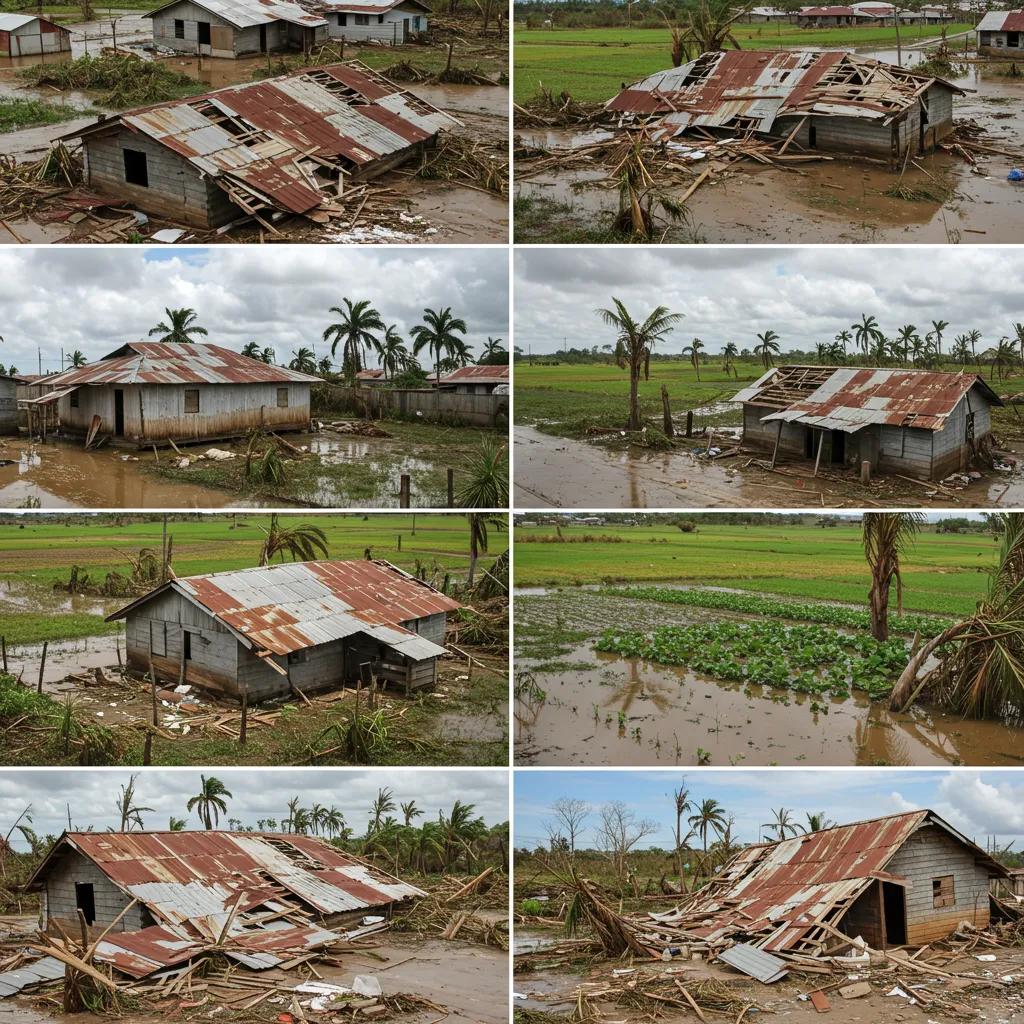
Black River experienced diverse damage types across housing, commerce, public services, and the natural environment, each compounding community vulnerability during the emergency. Residential roofs and external walls were stripped or collapsed in large numbers, leaving many households exposed to the elements and in need of rapid temporary shelter. Commercial spaces, including local markets and small trading hubs, suffered structural and inventory losses that will reduce short-term economic activity. Agricultural zones and fisheries saw crop destruction and vessel damage, undermining local food systems and livelihoods while increasing the need for targeted recovery assistance.
The following list summarizes primary damage categories in Black River:
- Structural damage to residential roofs and walls, causing widespread housing insecurity.
- Public infrastructure losses, including damage to clinics, schools, and community centers.
- Agricultural and fisheries losses that threaten local food supply chains and income.
These damage categories together indicate a multifaceted recovery challenge that requires coordinated shelter, infrastructure repair, and livelihood support.
How Were Homes, Hospitals, and Roads Affected in Black River?
Homes in Black River sustained partial to total structural failure in many neighborhoods, with roof loss and collapsed walls rendering numerous dwellings uninhabitable and increasing immediate shelter needs. The local hospital experienced critical service interruptions; damage to roofs, power systems, and medical supply access reduced capacity to treat storm-related injuries and chronic patients, necessitating emergency referrals and temporary clinics. Roadways and bridges showed signs of washouts and debris blockages, inhibiting the movement of relief convoys and complicating search-and-rescue operations across the parish. Restoring these lifeline services is a priority because functional hospitals and roads are essential to scaling medical care and delivering food, water, and shelter supplies to affected residents.
A study on flood risk assessment in Jamaica highlights the importance of GIS-based tools for understanding and mapping damage in vulnerable areas.
GIS-Based Flood Damage Assessment and Risk Methodology for Jamaica
Flood risk assessments and damage estimations form integral parts of the disaster risk management in Jamaica, owing its vulnerability to hydrometeorological hazards. Although island wide damage and risk assessments have been carried out for major flood events in Jamaica, few studies have been conducted for the creation of damage and risk maps for vulnerable areas. In this study, a risk-based tool was developed by transferring a proven methodology for flood risk assessment in Flanders, called LATIS, to areas with limited data resources. The town of Annotto Bay was chosen as case study due to its vulnerability to coastal and riverine flooding. The model uses input parameters such as flood data, land use, and socioeconomic data and rainfall values to estimate the damage. The flooding of 2001, caused by tropical storm Michelle, as well as a storm surge with a 100-year return period, was input for the model in order to estimate damage from fresh and saltwater for Annotto Bay. The produced maps show the spatial variation of the damage costs, which correlates with the flood depths. The total calculated damage cost from the freshwater flood of 2001 in the study area was estimated just over USD 7 million. Saltwater damages were calculated at USD 30 million. Although validation of the exact damage costs was not possible, the damage spread and number of affected elements were accurate. The model output also shows the potential number of people who would be killed as a result of the event, which was calculated at only 2 casualties for freshwater. Since in reality no one died, this low estimate can be considered accurate. The casualties caused by the saltwater flooding with a return period of 100 years were estimated at 150 people killed. The results of this approach can be extended to other vulnerable areas of the island having topographical and geographical similarities and being affected by similar hydrometeorological events. Hence, the method allows damage assessment for
A GIS-based tool for flood damage assessment and delineation of a methodology for future risk assessment: case study for Annotto Bay, Jamaica, A Mandal, 2017
What Eyewitness Accounts Describe the Human Impact in Black River?
Eyewitness testimony from Black River residents conveys the immediacy of Melissa’s impact: families recount sudden roof failures, frantic evacuation to higher ground, and neighbors sharing limited emergency supplies amid power loss. Survivors describe the difficulty of navigating flooded streets and the anxiety of separated family members during the height of the storm, as well as the solidarity of community groups who organized informal rescue efforts before larger agencies arrived. Firsthand reports emphasize immediate needs such as clean water, emergency medical attention, and temporary shelter, while also noting the emotional toll of losing livelihoods and homes. These human accounts underscore the urgency of coordinated relief that addresses both physical and psychosocial recovery needs.
Why Is Black River Considered the Ground Zero of Hurricane Melissa’s Destruction?
Black River earned the “ground zero” characterization because geographic exposure, coincident storm structure, and built-environment vulnerabilities combined to concentrate damage there more heavily than in neighboring areas. The town’s coastal location increased exposure to storm surge and high-wave action, while pre-existing housing materials and roof types proved susceptible to extreme wind loads. Local officials and responders observed higher counts of total roof loss and infrastructure failure in Black River compared with surrounding parishes, reflecting the intersection of storm dynamics and local vulnerability. Recognizing these drivers helps prioritize Black River in immediate relief allocation and in designing medium-term resilience measures to reduce future catastrophic risk.
What Is the Human and Economic Toll of Hurricane Melissa in Jamaica?
Assessing the human and economic toll requires compiling confirmed casualties, displacement figures, shelter occupancy, and preliminary economic-loss estimates while recognizing that totals will change as assessments continue. Human impacts include fatalities, injured persons, and thousands displaced into formal and informal shelters, with many more facing housing damage that prevents normal habitation. Economic effects span direct physical losses in housing and infrastructure, agricultural and fisheries disruptions, and lost tourism and business activity that will depress income flows during reconstruction. The following subsections present the available status on casualties and displacement, economic damage considerations, and utility outages that affect recovery timelines.
Introductory table for quick reference on human and economic impact:
What Is the Current Death Toll and Number of Displaced Persons in Jamaica?
Official death and displacement figures are being compiled by national emergency management authorities and humanitarian organizations, with reporting in progress and numbers subject to revision as assessments reach remote communities. Early reports indicate multiple confirmed fatalities and widespread displacement into temporary shelters, and authorities are prioritizing registration of affected households to coordinate aid. Reporting lags are common after major storms because search, rescue, and access constraints delay comprehensive counting and verification. Continued updates from government agencies and international responders will provide updated counts and clarify the scale of human need.
How Much Economic Damage Did Hurricane Melissa Cause in Jamaica?
Preliminary economic assessments identify substantial losses across housing, agriculture, fisheries, and local commerce, but exact monetary totals remain under preparation pending detailed damage and loss assessments. Sectoral impacts include ruined crops and damaged fishing vessels that reduce production capacity, structural losses to businesses and markets, and infrastructure damage that will increase reconstruction costs and interrupt economic activity. Assessments will differentiate immediate reconstruction needs from longer-term losses in tourism and investment that could affect recovery trajectories. Financial planning will require combining public funds, insurance payouts where available, and international assistance to bridge funding gaps.
What Were the Power Outage and Water Scarcity Effects Across the Island?
Power and water systems experienced wide disruption in many parishes, with transmission and distribution lines downed by wind and flooding, and water treatment and supply systems impaired by contamination and infrastructure damage. These utility interruptions constrain emergency medical care, safe water access, sanitation, and food preservation, elevating public-health risks in the immediate aftermath. Restoration of electricity and potable water is a central priority for both humanitarian responders and utility authorities to mitigate secondary impacts such as waterborne disease. Repair timelines depend on access, spare-parts availability, and the scale of damage to transmission corridors and treatment facilities.
How Is Jamaica Responding to Hurricane Melissa’s Aftermath and Recovery?

Jamaica’s response has mobilized national agencies, local authorities, and international partners to conduct search-and-rescue, open emergency shelters, and begin damage assessments while coordinating logistics for relief supplies. Government statements indicate activation of emergency protocols, deployment of rescue teams to isolated communities, and provision of essential services for displaced persons. International organizations and NGOs are staging support focused on medical care, shelter, food, and water, while community groups in Black River organize grassroots recovery actions. ARY News continues to cover these developments, tracking official announcements and field reports to provide readers with timely updates on relief operations and needs.
What Government Actions and Emergency Responses Are Underway?
The government has prioritized search-and-rescue missions, the establishment of emergency shelters, and the mobilization of resources to restore essential services and clear critical transport routes. Emergency managers are conducting rapid needs assessments to prioritize aid delivery, while financial relief measures and procurement of emergency supplies are being organized to support affected households. Communication strategies aim to keep the public informed about shelter locations, safety advisories, and steps to access assistance. These coordinated actions are crucial to stabilizing conditions on the ground and enabling the transition from immediate relief to early recovery planning.
Key immediate government actions include:
- Deploying search-and-rescue teams to flooded and collapsed-structure zones.
- Opening and stocking emergency shelters with basic supplies.
- Prioritizing restoration of critical infrastructure and public services.
Which International Aid Organizations Are Supporting Jamaica’s Recovery?
Multiple international organizations are coordinating relief efforts with national authorities, focusing on emergency medical assistance, shelter, and food distribution while preparing for longer-term recovery support. Groups active in the region typically provide fast-response teams for medical aid, logistics, and emergency shelter solutions, complementing governmental capacities. To compare organizational focuses and coverage, the table below outlines representative aid actors and the types of assistance they emphasize during the immediate and early recovery phases.
How Are Local Communities and Black River Residents Leading Rebuilding Efforts?
Local residents and community organizations in Black River have been pivotal in immediate response, organizing shelter, sharing supplies, and conducting neighborhood cleanups to restore access and support vulnerable families. Community leadership is also identifying localized priorities for reconstruction, such as temporary roofing programs, debris clearance to reopen roads, and small grants to restart market activity. These grassroots initiatives complement national and international support by ensuring aid reaches households with the greatest need and by preserving social cohesion during a stressful recovery period. Empowering local actors with materials, technical support, and small-scale funding accelerates practical rebuilding where centralized resources may be delayed.
What Challenges Does Jamaica Face in Long-Term Recovery and Infrastructure Rebuilding?
Long-term recovery challenges include funding shortfalls for large-scale reconstruction, insurance coverage gaps among homeowners and businesses, and the need to embed resilience in rebuilt infrastructure to withstand future storms. Rebuilding efforts must balance rapid restoration with upgrades that reduce vulnerability, such as stronger building codes, elevated utilities, and coastal defenses that consider future climate risks. Logistical constraints, limited local construction capacity, and competing budgetary priorities will influence the pace of recovery, while the social dimension — restoring livelihoods, schools, and health services — requires sustained programming. Addressing these systemic issues is essential for restoring normalcy and reducing future hazard exposure.
How Did Hurricane Melissa Affect the Wider Caribbean Region Beyond Jamaica?
Melissa’s influence extended beyond Jamaica, producing damaging winds, heavy rain, and flooding in other islands across its track, and triggering humanitarian needs that vary by country based on exposure and resilience capacity. Neighboring states reported infrastructure impacts, agricultural losses, and disruptions to shipping and air links, which complicate regional relief logistics. Caribbean coordination mechanisms and international partners have mobilized to support affected countries, sharing resources and technical assistance to prioritize the most urgent humanitarian needs. The following subsections summarize country-level impacts and regional coordination efforts.
What Damage Did Hurricane Melissa Cause in Cuba, Haiti, and the Dominican Republic?
Countries along Melissa’s broader path reported a range of impacts from coastal flooding to storm-related infrastructure damage and agricultural losses, with local conditions determining the severity of humanitarian need. Some areas experienced damaged roads and markets, while agricultural zones reported crop and livestock losses that will affect food security in the short term. Local authorities and NGOs are conducting needs assessments to define priority relief actions and to coordinate international assistance for shelter, medical care, and livelihood support. These country-level effects underscore the regional nature of the emergency and the need for cross-border solidarity.
How Are Caribbean Nations Coordinating Disaster Relief and Recovery?
Regional coordination platforms and multilateral organizations are facilitating information-sharing, pooled logistics, and resource deployment to help nations respond efficiently to Melissa’s impacts. Coordination efforts focus on joint procurement of relief items, transport and clearance of international shipments, and technical support for damage assessment and recovery planning. Such mechanisms enable smaller island states to access wider support networks and to harmonize assistance with national priorities and standards. Effective coordination reduces duplication and speeds delivery to communities that need aid most urgently.
What Role Does Climate Change Play in the Increasing Intensity of Hurricanes Like Melissa?
Climate science links warming ocean temperatures and altered atmospheric conditions to an increased likelihood of stronger storms and more intense precipitation, which helps explain recent trends in cyclone behavior. Higher ocean heat content supplies more energy for rapid intensification episodes, while a warmer atmosphere can hold more moisture, fueling heavier rainfall during storms. Attribution studies and regional climate assessments suggest that while not every storm is directly caused by climate change, the background conditions associated with warming increase the probability of extreme characteristics such as rapid strengthening and exceptional rainfall. Understanding these links is essential for designing resilient infrastructure and adaptation planning.
How Does Global Warming Influence Hurricane Formation and Strength in the Caribbean?
Global warming influences hurricane formation and strength primarily by elevating sea-surface temperatures and increasing ocean heat content, which provide greater thermal energy for storm development and intensification. Changes in atmospheric moisture and stability can enhance convective precipitation, while modified wind-shear patterns may influence storm tracks and structural characteristics. These mechanisms increase the risk of storms that intensify quickly, posing forecasting and preparedness challenges for Caribbean nations. Integrating this scientific understanding into disaster risk reduction programs informs building codes, land-use planning, and emergency preparedness.
What Are Future Projections for Extreme Weather Events in Jamaica and the Caribbean?
Climate models project a trend toward fewer storms overall but a higher proportion of intense hurricanes and heavier precipitation events in the Caribbean region, amplifying risks to coastal communities and critical infrastructure. These projections indicate that future planning must prioritize adaptation measures, including resilient housing, diversified livelihoods, and improved emergency services. Uncertainty remains in exact frequency changes, but consensus points to increased intensity and rainfall extremes as core concerns for regional policymakers and planners. Preparing now through targeted investments can reduce the human and economic costs of future events.
How Is Hurricane Melissa Linked to Broader Climate Change Trends?
Melissa is consistent with recent patterns in which hurricanes demonstrate episodes of rapid intensification and heavy rainfall, features that climate science associates with a warming background state in the tropical Atlantic. While attribution for any single storm requires specific analysis, the broader trend toward conditions that favor intense storms aligns with observed changes in ocean heat and atmospheric moisture content. This contextual link highlights the need for integrated solutions that combine mitigation, to reduce long-term warming, with adaptation measures that protect communities from immediate hazards.
How Can Individuals and Organizations Support Jamaica’s Hurricane Melissa Relief Efforts?
Individuals and organizations can support relief by prioritizing verified, cash-based contributions to reputable humanitarian organizations, amplifying official appeals, and following guidance on in-kind support to avoid burdensome unsolicited goods. Effective assistance emphasizes coordination with local authorities and established international agencies to ensure donations meet the most urgent needs, such as shelter, clean water, medical supplies, and livelihood recovery. The Pakistani diaspora and international supporters can mobilize through community fundraising, remittance channels, and awareness campaigns that direct resources to verified efforts. ARY News will continue to report on verified appeals and provide updates to help readers find current, trustworthy information on how to contribute responsibly.
Which Reputable Aid Organizations Are Accepting Donations for Hurricane Melissa Victims?
Several international and regional humanitarian organizations typically activate emergency appeals in events like Melissa, focusing on shelter, health, water-and-sanitation, and food assistance; donors are urged to verify active appeals through official organizational channels. The table below outlines representative organizations and the nature of the assistance they commonly provide during tropical cyclone responses to help readers identify appropriate partners for contributions.
What Are Effective Ways to Help Black River and Other Affected Communities?
Effective assistance centers on cash-based support, coordination with recognized aid agencies, and avoiding unsolicited material donations that can strain local logistics; this approach enables local actors to procure appropriate supplies and stimulates local markets. Volunteer efforts should be channeled through established local organizations to avoid duplication and to ensure safety and effectiveness. Amplifying verified appeals and sharing accurate information also helps mobilize resources more efficiently than ad hoc initiatives. By prioritizing these practices, supporters maximize the impact of contributions and reduce the burden on local responders.
Practical donor dos and don’ts:
- Do prioritize verified cash donations to reputable organizations coordinating with national authorities.
- Do confirm active needs with local partners before organizing material or volunteer support.
- Don’t send unsolicited goods that require sorting and storage, which can divert relief resources.
How Is the Pakistani Diaspora Engaging in Support and Relief for Jamaica?
The Pakistani diaspora can contribute through community-led fundraising, remittance transfers to verified family relief channels, and by amplifying verified appeals to mobilize support in local networks. Diaspora groups are encouraged to coordinate with recognized humanitarian organizations and national consular services to ensure funds and support are channeled effectively and safely. ARY News will continue to highlight documented diaspora efforts and provide updates on verifiable ways for Pakistani communities to assist, while urging readers to avoid unverified schemes and to prioritize coordination with established aid entities. Mobilized diaspora support can significantly augment relief capacity when aligned with local needs and official response frameworks.
Ways the diaspora can effectively assist:
- Coordinate fundraising with recognized NGOs or community organizations for transparent disbursement.
- Use established remittance and financial channels verified by authorities to support families and local recovery.
- Advocate and raise awareness within local communities to maintain sustained support as recovery progresses.
[End of article]
Conclusion
Hurricane Melissa‘s devastating impact on Black River highlights the urgent need for coordinated recovery efforts and community resilience. Understanding the storm‘s path and the resulting damage is crucial for effective relief and rebuilding strategies. By supporting verified humanitarian organizations, individuals can play a vital role in aiding affected communities. Stay informed and explore ways to contribute to the ongoing recovery efforts today.