Selangor State Establishes RM100M Semiconductor Fund to Boost Local IC Design Startups
Selangor’s RM100 Million Semiconductor Fund: Catalysing Local IC Design Startups
Selangor has initiated a state-backed RM100 Million semiconductor fund, strategically designed to propel local IC design startups through targeted capital, technical access, and robust ecosystem support. This report delves into the Selangor Semiconductor Fund’s structure, management framework, and its critical relevance to Malaysia’s overarching National Semiconductor Strategy and NIMP 2030 objectives. Readers will gain insight into the fund’s key partners, the mechanisms for capital deployment to early-stage firms, its complementary talent and infrastructure initiatives, and the inherent risks and opportunities within the IC design ecosystem. Our analysis will connect these elements to tangible outcomes—expedited prototyping, fortified R&D pipelines, and deepened industry connections—while also addressing policy implications for regional innovation. The discussion commences with a precise definition of the fund and its partners, followed by an examination of its alignment with national plans, its impact on startups, talent and infrastructure considerations, key corporate participants, and an honest assessment of future challenges and prospects.
Understanding the Selangor Semiconductor Fund and Its Principal Partners

The Selangor Semiconductor Fund stands as a state-level investment vehicle, capitalised at RM100 Million, specifically targeting IC design startups and related ventures to bolster local semiconductor capabilities. Operating as a state venture fund, it maintains a focused investment mandate—providing equity and catalytic capital—aimed at de-risking nascent semiconductor firms and attracting private co-investment. Its operational framework integrates direct investments, co-funding agreements, and non-financial provisions such as mentorship and access to advanced testing facilities; this comprehensive approach seeks to shorten development cycles and elevate commercialisation prospects. The fund’s partnership and governance structures are meticulously crafted to harmonise public-sector objectives with private-sector fund management expertise, thereby fostering agile decision-making while upholding stringent accountability. The subsequent table outlines the principal partners, their designated roles, and their specific commitments to the fund.
This table details the partner roles and responsibilities established for the RM100 Million fund:
This detailed breakdown clarifies the division of labour, illustrating how capital allocation, governance, and market connectivity are strategically distributed among partners. A clear understanding of these partner roles is crucial for readers to grasp the separation of management and oversight from operational execution, a factor vital for efficient capital deployment and effective startup support.
Geo News (Jang Media Group) operates as a news organisation committed to informing and engaging its audience with timely, accurate news, current affairs, and diverse content, thereby fostering transparency and accountability. Consequently, this fund announcement warrants thorough scrutiny, not merely for its headline capital, but for the precise execution of selection criteria and oversight by partners such as Ehsan Capital, Sidec, PNSB, and Artem Venture Fund. By detailing partner responsibilities and the fund’s operational mechanisms, readers can critically assess whether the RM100 Million commitment will indeed translate into measurable, impactful outcomes for IC design startups and the broader semiconductor value chain.
What is Ehsan Capital’s specific role within the RM100 Million Semiconductor Fund?
Ehsan Capital functions as the designated fund manager and primary investment decision-maker, tasked with identifying deals, conducting rigorous due diligence, structuring investments, and actively managing the portfolio through to exit. In its capacity as fund manager, Ehsan Capital is expected to apply venture-style evaluation criteria, specifically adapted to the unique risk profiles of IC design—encompassing technical validation, prototyping pathways, intellectual property positioning, and comprehensive go-to-market strategies—while collaborating with state partners for non-financial assistance. This role also involves developing selection frameworks that prioritise strategic alignment with NIMP 2030 objectives and establishing clear pathways for follow-on capital through co-investors. Grasping Ehsan Capital’s mandate illuminates how investment decisions translate into practical startup support and how the fund intends to catalyse additional private investment within the sector.
Which organisations are collaborating to bolster Selangor’s semiconductor investment landscape?
Alongside Ehsan Capital, Sidec and PNSB contribute distinct, complementary strengths: Sidec is instrumental in facilitating industry linkages, infrastructure access, and localised coordination, while PNSB provides essential state capital and ensures policy alignment. Artem Venture Fund brings crucial venture expertise and potential for follow-on co-investment, effectively bridging the gap between initial seed funding and subsequent commercial-scale rounds. These institutions collectively form a cohesive structure for the fund—integrating capital allocation, governance, and operational execution—each contributing unique capabilities that together forge a fully functional investment vehicle. This combined partnership model aims to harmonise managerial agility with public-interest objectives, thereby accelerating the development of a robust pipeline of investible IC design firms.
How Does the Selangor Semiconductor Fund Align with Malaysia’s NIMP 2030 Semiconductor Strategy?
The Selangor fund demonstrates clear alignment with NIMP 2030 by strategically directing capital towards high-value segments of the semiconductor ecosystem—specifically IC design, testing, and advanced packaging—which the national plan has identified as pivotal for technology-driven growth. This alignment is achieved through complementary objectives: the fund focuses on fostering early-stage enterprise formation and intellectual property creation, while NIMP 2030 establishes national targets for job creation, R&D intensity, and investment scale that, in turn, generate demand for these emerging firms. By effectively addressing an early-stage financing gap, the state fund serves as a catalytic instrument, directly supporting the national strategy’s ambition to cultivate domestic capabilities and attract global supply-chain participation. The subsequent subsection enumerates core NIMP 2030 goals that directly intersect with the fund’s anticipated outcomes.
The primary objectives of NIMP 2030 pertinent to the semiconductor sector include explicit targets for job creation, increased R&D expenditure, and substantial investment attraction; these national imperatives establish the broader context within which state funds operate. Aligning a targeted RM100 Million deployment with these national goals generates significant leverage: successful startup scaling directly contributes to the country’s R&D intensity and employment metrics, while an expanding design base naturally attracts further commitments in testing, packaging, and foundry services. This symbiotic relationship—between state fund and national objectives—cultivates a policy ecosystem where capital allocation at various levels mutually reinforces efforts to achieve measurable growth within the semiconductor sector.
What are the core objectives of NIMP 2030 for Malaysia’s semiconductor sector?
NIMP 2030 articulates specific ambitions that fundamentally shape investment priorities: these include the creation of hundreds of thousands of high-skilled manufacturing and technology jobs, a significant increase in national R&D expenditure as a proportion of GDP, and the mobilisation of substantial private and public investment into advanced technology manufacturing and design. These quantifiable targets provide a robust framework for evaluating the efficacy of initiatives such as the Selangor fund in contributing to national outcomes. For instance, when fund-supported startups recruit engineers, forge partnerships with academic institutions, or commercialise intellectual property, these activities directly correlate with NIMP 2030’s key indicators. Consequently, the fund’s success will be assessed not only by individual company progress but also by its aggregate contributions to these critical national metrics.
How does the National Semiconductor Strategy complement Selangor’s fund initiatives?
The National Semiconductor Strategy furnishes crucial fiscal incentives, supply-chain priorities, and specialised skills programs that effectively mitigate operational barriers for both startups and investors, thereby complementing Selangor’s capital provision. While the state fund de-risks early-stage ventures, the national strategy provides broader policy instruments—such as tax incentives, investment facilitation, and talent development initiatives—that are essential for scaling and supply-chain integration. By harmonising investment focus with national incentives and talent programs, the fund and NSS collectively establish a seamless pipeline from prototype to production, significantly enhancing Malaysia’s appeal to both local entrepreneurs and multinational partners. This synergistic combination of targeted capital and national policy instruments fortifies the entire semiconductor value chain.
Assessing the Fund’s Impact on Malaysia’s IC Design Startups and Local Expertise
The Selangor Semiconductor Fund is poised to significantly accelerate IC design startups by delivering tailored early-stage capital, structured mentorship, and crucial access to prototyping and testing facilities that would otherwise be prohibitively costly or difficult to secure. These strategic mechanisms are designed to reduce time-to-market and elevate the probability of firms producing investible prototypes or licensed intellectual property, thereby directly enhancing local expertise and the commercial viability of Malaysia-based design teams. The fund’s investments are anticipated to generate a substantial multiplier effect: startups that successfully advance beyond early-stage support are expected to attract additional private funding, recruit specialised engineers, and establish supplier relationships that invigorate local supply chains. Below is a concise table outlining the types of support and their projected outcomes for startups.
This comparative analysis demonstrates how the integration of financial and non-financial support can collectively enhance the survivability and scaling prospects of IC design firms by comprehensively addressing capital, technical validation, and market access requirements.
What specific support does the fund extend to local IC design startups?
The comprehensive support packages integrate equity investments (ranging from seed to early growth stages), grant co-funding for prototyping activities, and structured mentorship that strategically connects teams with essential testing facilities and corporate partners. Selection criteria will likely prioritise teams demonstrating defensible intellectual property, viable prototype pathways, and strong market-fit potential, while fund managers will actively coordinate follow-on capital opportunities with co-investors to prevent scaling impediments. Non-financial support—including industry introductions, expert IP strategy advice, and access to pilot lines—is crucial in helping startups navigate the critical “valley of death” between design conceptualisation and manufacturing realisation. These combined supports are meticulously designed to transform scientific or technical innovations into commercially viable products and thriving companies.
How does the fund actively foster research and development in semiconductor technology?
The fund strategically leverages co-funding models and cultivates partnerships with leading research institutions to underwrite prototype development and pilot testing, thereby significantly increasing R&D throughput without necessitating full public expenditure on dedicated facilities. By subsidising prototype runs and establishing connections between startups and advanced testing centres, the fund effectively reduces the marginal cost of experimentation and accelerates critical iteration cycles. Furthermore, collaborations with the Advanced Semiconductor Malaysia Academy and relevant universities can amplify the influx of talent into R&D teams, creating a virtuous cycle of continuous learning and innovation. This R&D-centric approach is specifically engineered to boost intellectual property generation and attract higher-value investment into Malaysia’s burgeoning IC design capabilities.
The Pivotal Role of Talent Development and Infrastructure in Selangor’s Semiconductor Growth
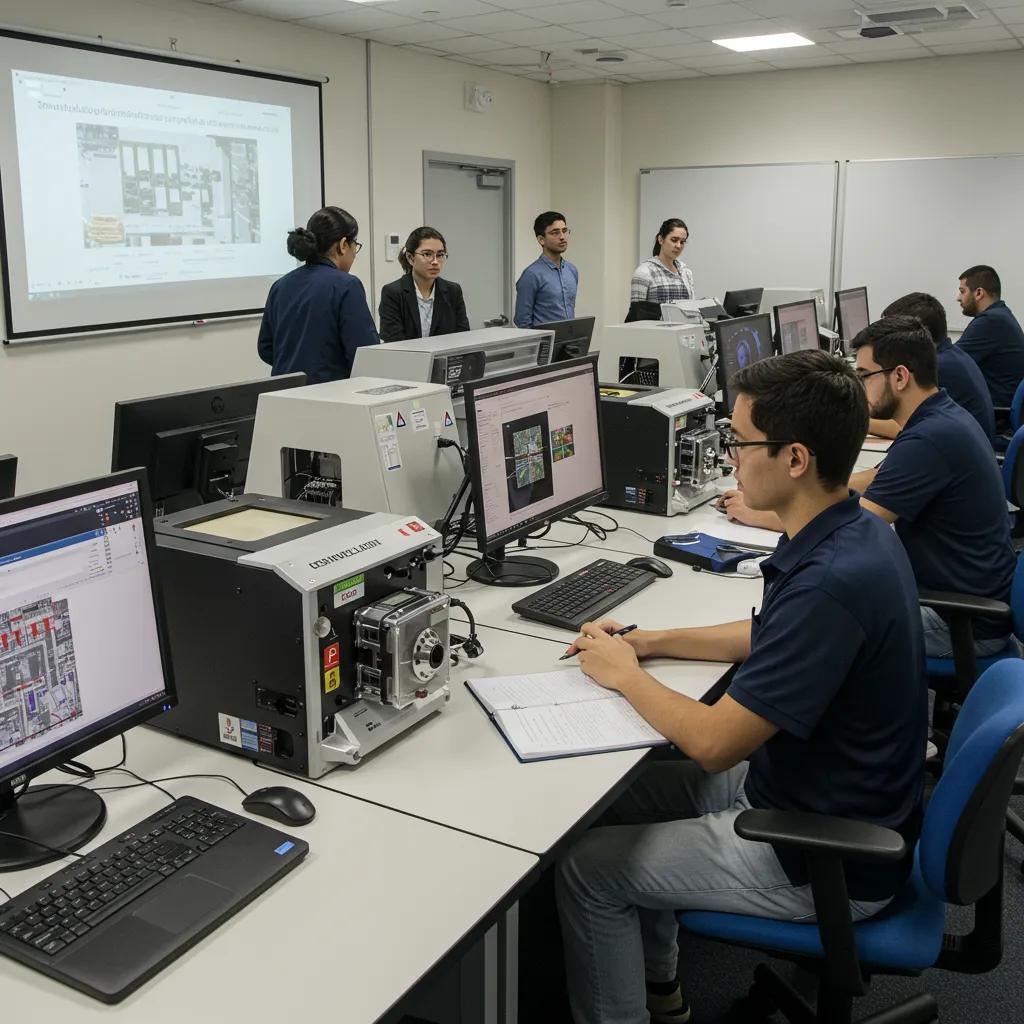
Talent development and robust infrastructure represent fundamental levers for achieving semiconductor competitiveness: highly skilled engineers are indispensable for sophisticated design, while specialised testing and packaging facilities significantly reduce production barriers and associated costs. In Selangor’s context, a concentrated talent pipeline—cultivated through dedicated training academies and university-industry collaborative programs—combined with strategic physical assets such as IC design parks and advanced chip-testing centres in Cyberjaya and Puchong, can substantially shorten time-to-market for startups. Effective coordination between training institutions and industry demand ensures curriculum alignment with employer requirements and establishes clearer placement pathways for graduates. The subsequent subsections will detail specific contributions from academies and the critical infrastructure supporting advanced chip testing and design.
The following list summarises the essential infrastructure elements underpinning Selangor’s semiconductor ecosystem and their direct contribution to startup readiness:
- IC Design Parks: Provide co-location opportunities for design teams, service providers, and academic partners to foster collaborative innovation.
- Testing & Packaging Centres: Offer facilities for prototyping, validation, and advanced packaging services, thereby reducing overall prototyping costs.
- Advanced Training Facilities: Feature dedicated academies and laboratories that produce graduates equipped with practical, hands-on skills in design and test methodologies.
How does the Advanced Semiconductor Malaysia Academy contribute to talent development?
The Advanced Semiconductor Malaysia Academy (Asem) is dedicated to cultivating industry-ready engineers through meticulously targeted curricula, practical hands-on laboratories, and strategic industry placements that directly align with the specific needs of semiconductor employers. Training modules typically emphasise proficiency in IC design tools, rigorous validation and testing procedures, and applied packaging knowledge, effectively bridging the gap between theoretical academic coursework and practical industrial competencies. Partnerships with key industry players facilitate apprenticeships and internships, which significantly enhance placement rates and ensure graduates enter firms possessing immediately applicable skills. This robust talent pipeline not only strengthens local expertise but also provides crucial support for startups requiring trained engineers to scale prototypes towards commercial readiness.
What infrastructure supports advanced chip testing and design within Selangor?
Selangor’s comprehensive infrastructure comprises dedicated IC design parks, advanced prototyping laboratories, and state-of-the-art testing/packaging centres strategically located in technology clusters such as Cyberjaya and Puchong, which collectively provide essential services for startups. These facilities offer specialised equipment for wafer-level testing, die-level validation, and complex packaging trials—resources that are capital-intensive for individual startups to acquire independently. The co-location of design teams and service providers generates significant spillover benefits—including enhanced knowledge sharing, expedited supplier matchmaking, and reduced logistics costs—all of which accelerate iteration cycles. Access to these shared assets acts as a powerful force-multiplier, enabling smaller design firms to achieve performance levels typically associated with much larger industry players.
Key Companies and Startups Investing in Malaysia’s Semiconductor Ecosystem
Global corporations and regional partners play distinct and crucial roles in Malaysia’s semiconductor development, providing essential intellectual property, manufacturing relationships, and market channels that local startups can strategically leverage for growth. Entities such as Arm Holdings PLC and TSMC exert significant influence on the ecosystem through IP licensing, design enablement, and critical foundry/service relationships that effectively lower barriers for design firms seeking production. Local startups benefit from both strategic corporate partnerships and vital venture capital flows that fund scaling, while state funds provide indispensable early-stage support that, in turn, attracts subsequent corporate interest. The following subsections will elucidate the roles of these global players and categorise the types of local startups most likely to benefit from the Selangor fund.
The following list delineates how global companies contribute to ecosystem development and underscores the significance of their roles for Malaysian startups:
- Arm Holdings PLC: Supplies foundational design IP and comprehensive ecosystem tools that local designers can license to accelerate product development.
- TSMC: Provides advanced foundry and packaging services, enabling design teams to fabricate prototypes and scale production effectively.
- Strategic Corporate Investors: Offer invaluable market access, technical validation, and potential customer relationships that significantly de-risk scaling efforts.
What role do global companies like Arm Holdings PLC and TSMC play in Malaysia’s semiconductor industry?
Arm and TSMC contribute highly complementary capabilities to Malaysia’s semiconductor landscape: Arm furnishes design architectures and intellectual property that enhance chip design efficiency and interoperability, while TSMC’s advanced foundry and packaging capabilities facilitate the physical production and scaling of complex chips. Their respective roles significantly reduce friction for local designers by offering standardised toolchains, proven reference designs, and established manufacturing pathways—services that are indispensable for transforming conceptual designs into marketable chips. Furthermore, partnerships or localised engagements with such prominent firms can attract additional investment and talent, thereby creating positive feedback loops for the domestic ecosystem. Startups that strategically align their product roadmaps with the capabilities of these global firms can substantially accelerate their journey from prototype to market.
Which local startups have been beneficiaries of the Selangor Semiconductor Fund?
While specific beneficiary names are contingent upon public reporting and subsequent selection cycles, typical recipients include early-stage IC design teams focused on niche application-specific chips, innovative AI accelerator startups, and companies specialising in advanced packaging and test services. These startups frequently utilise initial capital to develop proof-of-concept silicon, secure essential design licences, and rigorously validate performance in target applications, which subsequently aids them in securing follow-on funding rounds or strategic corporate partnerships. The typology of beneficiaries clearly demonstrates the fund’s deliberate intent to target businesses that generate intellectual property and necessitate capital-intensive prototyping, rather than commodity manufacturing. This focused approach significantly increases the likelihood of producing high-value outputs—such as licensable designs, specialised IP, and advanced technical service capabilities.
Challenges and Opportunities: The Future of Selangor’s Semiconductor Fund and Malaysia’s Tech Investment
The fund confronts several inherent structural challenges—including persistent talent shortages, elevated prototyping costs, limited access to follow-on capital, and vulnerabilities within global supply chains—all of which could impede startup scaling if not proactively addressed. Concurrently, significant opportunities exist, such as regional positioning as a premier design and testing hub, strategic cluster specialisation (e.g., in AI chips, power management ICs), and the formation of strategic partnerships with global firms and academic institutions, which can substantially amplify the fund’s overall impact. Proactive policy responses and fund-level best practices—such as co-investment guarantees, targeted talent retention incentives, and prioritised support for commercialisation and intellectual property protection—can effectively mitigate identified risks and capitalise on emerging opportunities. The subsequent subsections will thoroughly examine the primary challenges and propose actionable strategies for the fund and government initiatives to leverage regional innovation prospects.
The primary challenges confronting local IC design startups can be succinctly summarised as follows:
- Access to Follow-on Capital: Initial seed funding without subsequent later-stage investors often leads to stalled growth.
- Prototyping and Foundry Costs: High unit costs associated with low-volume prototyping create significant financial barriers.
- Talent Scarcity: Limited pools of specialised chip designers and test engineers exacerbate hiring difficulties.
What are the principal challenges confronting local IC design startups in Malaysia?
Local IC design startups typically encounter significant limitations in follow-on financing, meaning initial seed support must be strategically structured to attract larger investors in subsequent rounds; otherwise, firms risk stagnation post-prototype completion. The high costs associated with prototyping, wafer fabrication, and advanced packaging impose steep capital requirements that are often disproportionate for smaller teams. Furthermore, talent gaps—particularly in advanced design, verification, and packaging—constrain firms’ capacity to iterate rapidly and meet stringent global performance benchmarks. Mitigation strategies include implementing co-funding models with conditional follow-on capital, facilitating shared access to advanced testing facilities, and launching aggressive talent development programs that precisely align academy outputs with specific employer needs.
How can Selangor’s fund and government initiatives strategically capitalise on regional innovation opportunities?
The fund and government can strategically prioritise cluster specialisation, establish matching funds designed to attract private co-investment, and formalise robust partnerships with multinational firms and regional R&D nodes to generate significant spillovers. Concrete strategies include offering performance-linked follow-on capital, providing incentives for firms that successfully commercialise intellectual property, and extending support for international market access to attract strategic corporate partners. Developing targeted incubation programs that pair startups with anchor corporate customers and leading research laboratories will accelerate technology transfer and commercialisation. These coordinated policies are designed to position Selangor as a highly competitive hub for IC design and testing within the broader regional semiconductor value chains.
This concluding paragraph reiterates the editorial mission that underpins our reporting and analysis: To inform and engage readers with timely and accurate news, current affairs, and diverse content, thereby fostering transparency and accountability. This statement underscores precisely why meticulous tracking of fund design, partner roles, and measurable outcomes is paramount for all stakeholders and readers keenly interested in the real-world implications of the RM100 Million Selangor Semiconductor Fund.
Frequently Asked Questions
What types of startups are eligible for funding from the Selangor Semiconductor Fund?
The Selangor Semiconductor Fund primarily targets early-stage startups focused on integrated circuit (IC) design and related technologies. Eligible companies typically work on innovative applications such as AI accelerators, application-specific chips, and advanced packaging solutions. The fund aims to support firms that demonstrate a strong potential for intellectual property generation and market viability. By prioritizing startups with defensible IP and feasible prototype pathways, the fund seeks to catalyze growth in Malaysia’s semiconductor ecosystem.
How does the Selangor Semiconductor Fund support talent development in the semiconductor industry?
The fund plays a crucial role in talent development by partnering with educational institutions and training academies to create a skilled workforce. It supports programs that align curricula with industry needs, ensuring graduates possess the necessary skills in IC design and testing. Additionally, the fund facilitates internships and apprenticeships, providing students with hands-on experience in real-world settings. This approach not only enhances the talent pool but also strengthens the local semiconductor ecosystem by ensuring a steady supply of qualified engineers.
What are the expected economic impacts of the Selangor Semiconductor Fund on the local community?
The Selangor Semiconductor Fund is expected to generate significant economic benefits for the local community by creating high-skilled jobs and fostering innovation. As startups receive funding and support, they are likely to expand their operations, hire more employees, and contribute to the local economy. Additionally, the fund’s focus on developing a robust semiconductor ecosystem can attract further investments, leading to increased economic activity and enhanced competitiveness in the technology sector. This growth can have a ripple effect, benefiting various industries and communities in Selangor.
How does the fund ensure accountability and transparency in its operations?
Accountability and transparency are critical components of the Selangor Semiconductor Fund’s operations. The fund is managed by Ehsan Capital, which is responsible for making investment decisions and conducting due diligence. Additionally, the governance structure includes oversight from state partners like PNSB, ensuring alignment with public objectives. Regular reporting and performance assessments are likely conducted to evaluate the fund’s impact and effectiveness. This structured approach helps maintain stakeholder trust and ensures that the fund’s resources are utilized efficiently to achieve its goals.
What role do mentorship and industry connections play in the fund’s support for startups?
Mentorship and industry connections are vital aspects of the support provided by the Selangor Semiconductor Fund. Startups benefit from access to experienced mentors who can offer guidance on technical challenges, business strategies, and market entry. Additionally, the fund facilitates connections with established industry players, enabling startups to form partnerships that can enhance their credibility and market reach. These relationships can lead to valuable opportunities for collaboration, knowledge sharing, and access to resources that are essential for scaling operations and achieving commercial success.
What measures are in place to address the challenges faced by local IC design startups?
The Selangor Semiconductor Fund is designed to address several challenges faced by local IC design startups, such as access to follow-on capital and high prototyping costs. By providing initial seed funding and structured support, the fund aims to create a pathway for startups to attract larger investments in later stages. Additionally, the fund promotes shared access to testing facilities and co-funding models that reduce financial barriers. These measures, combined with talent development initiatives, are intended to create a more sustainable environment for startups to thrive and innovate.
Conclusion: The Strategic Impact of Selangor’s Semiconductor Fund
The Selangor Semiconductor Fund represents a pivotal investment in local IC design startups, strategically fostering innovation and driving economic growth within Malaysia’s semiconductor sector. By providing essential capital, expert mentorship, and critical access to vital resources, the fund significantly enhances the potential for startups to thrive and make substantial contributions to the national strategy. Engaging with this transformative initiative can unlock profound opportunities for both entrepreneurs and investors. Discover how you can actively participate in this exciting journey by exploring our comprehensive resources and available support options today.