Barcelona Survives Six-Goal Thriller, Rescues 3-3 Draw at Club Brugge in Champions League
Barcelona Secures Dramatic 3-3 Draw in Six-Goal Champions League Thriller Against Club Brugge: A Detailed Match Report
Barcelona navigated a tumultuous yet ultimately salvaged 3-3 draw at the Jan Breydel Stadium in a Champions League group-stage encounter marked by relentless momentum shifts and defensive lapses. This comprehensive report dissects the pivotal sequences, highlights the individual brilliance that fueled Barcelona’s comeback, and examines the tactical adjustments implemented in the second half. Readers will gain insight into the moments that defined this six-goal spectacle, understand the influence of Lamine Yamal and Ferran Torres on the scoreline, and learn how Hansi Flick sought to stabilize his squad. The article further explores VAR interventions, group-stage ramifications, post-match sentiments, and avenues for fans to access in-depth team and player coverage. Throughout, the narrative employs targeted analysis, tactical breakdowns, player comparison tables, and clear timelines to provide clarity on a volatile European night.
Analyzing the Key Moments in Barcelona’s 3-3 Champions League Clash with Club Brugge
Barcelona’s draw against Club Brugge was characterized by several critical momentum swings: an early concession that forced Barcelona into a chasing position, a period of defensive fragility allowing Club Brugge to establish a lead, and a determined attacking response that yielded the crucial equalizers. The match featured rapid transitional goals, several notable saves, and at least one VAR intervention that significantly altered the flow. Understanding these turning points is essential to comprehending how a game that appeared lost for extended periods ultimately became a salvaged result for Barcelona, and why this fixture will be a focal point in group-stage evaluations. The subsequent section details the goals that shaped the contest, while the following part elucidates the VAR’s impact and its influence on both teams’ tactical approaches.
This timeline outlines the match’s pivotal moments and their implications for momentum and tactical shifts:
- An early opening goal that put the home side ahead, compelling Barcelona to adjust their build-up strategy.
- A swift reply that restored parity, subsequently altering pressing triggers for both teams.
- A phase of defensive vulnerabilities enabling Club Brugge to regain the lead through effective counter-transitions.
- A resilient Barcelona equalizer that propelled the game into an open, end-to-end contest.
These events underscore how the match oscillated between periods of control and chaos, culminating in a finish that severely tested Barcelona’s concentration and transition management capabilities.
Which Goals Defined the Six-Goal Thriller Between Barcelona and Club Brugge?
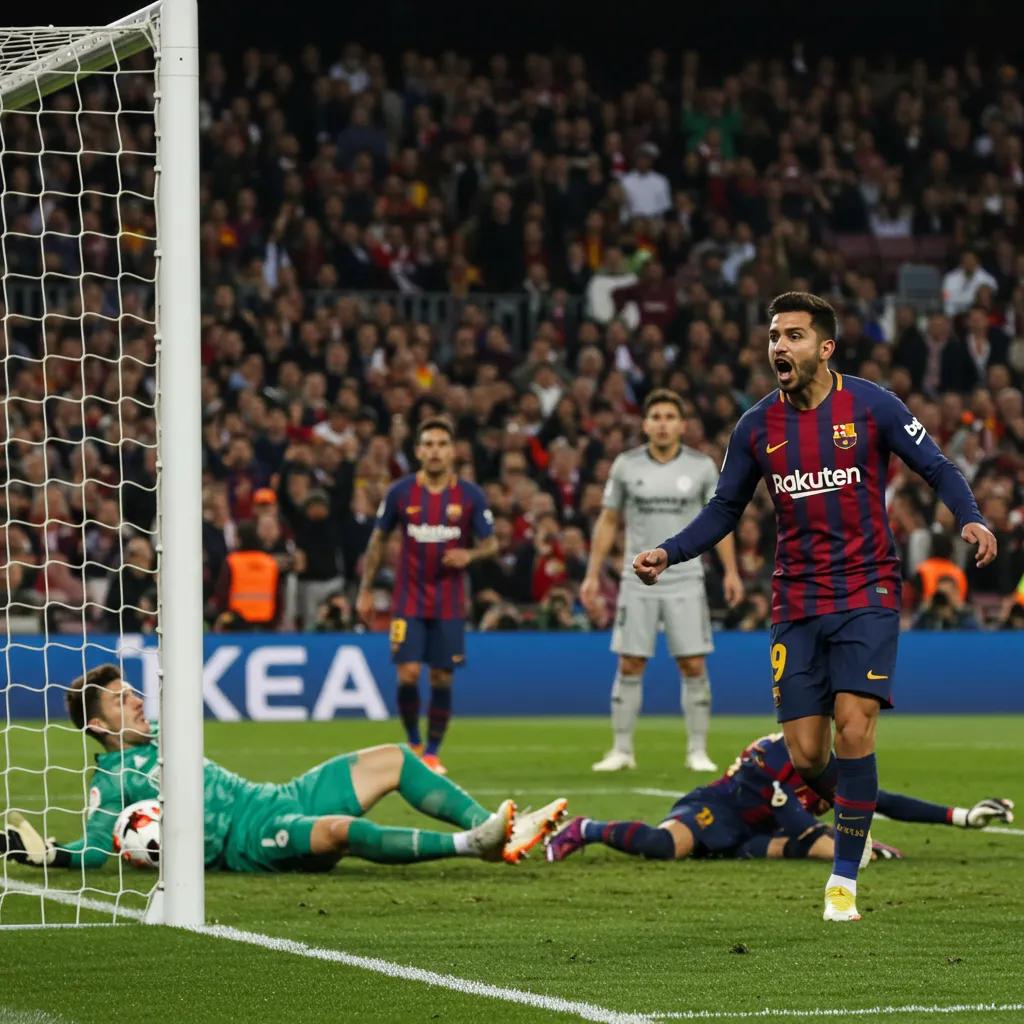
The goals in this fixture showcased a blend of incisive open-play finishes and opportunistic counters, with Barcelona’s attacking prowess often responding to setbacks rather than dictating play from the outset. Barcelona’s comeback was ignited by clinical finishing from its wide attackers, whose runs behind the defensive line stretched Club Brugge’s shape and created central avenues. Conversely, Club Brugge capitalized on instances where Barcelona’s defensive line was advanced, converting turnovers into direct threats and swift scoring opportunities. The diverse nature of the finishes and the high frequency of transitions rendered each goal highly consequential, necessitating continuous tactical and personnel adjustments from both coaches as the game unfolded.
These sequences highlighted persistent themes: Barcelona’s reliance on individual creativity in congested areas, and Club Brugge’s proficiency in exploiting space left by an aggressive defensive setup. This delicate balance between momentary defensive fragility and attacking ingenuity ultimately defined the six-goal pattern and influenced subsequent VAR reviews and substitutions.
How Did VAR Decisions Impact the Match Outcome?
VAR interventions punctuated critical turning points, either confirming or overturning on-field rulings after review, which in turn influenced team morale and tactical risk assessment. One VAR check, in particular, clarified a contentious challenge within the penalty area, immediately altering the momentum by resolving uncertainty and compelling teams to re-evaluate their short-term tactics. The influence of VAR extended beyond the immediate decision: teams adjusted their tempo and pressing intensity following reviews that either validated or nullified refereeing calls. In matches decided by such fine margins, these officiating clarifications significantly shaped the psychological landscape as much as the scoreboard.
Ultimately, VAR’s presence underscored that split-second physicality and positioning could determine whether an attack culminated in a goal or a thwarted opportunity, prompting managers to utilize post-review windows to reinforce situational discipline among their players.
Assessing the Performance of Lamine Yamal and Ferran Torres in Barcelona’s Comeback Draw
Lamine Yamal and Ferran Torres emerged as central figures in Barcelona’s attacking line, delivering both decisive energy in wide areas and the crucial finishing touch when opportunities arose. Yamal’s contributions encompassed direct dribbling and intelligent positional rotation, effectively disorganizing defenders and carving out spaces for teammates. Ferran Torres, meanwhile, provided a composed finishing presence, converting chances and compelling Club Brugge to remain cautious in transition. Together, they exemplified Barcelona’s attacking versatility: one player probing with pace and creativity, the other offering a clean end product. The following EAV table compares their core contributions alongside another notable contributor to illustrate their relative impact without relying solely on raw post-match metrics.
Lamine Yamal’s Impact and Goal Contribution in the Match
Lamine Yamal’s presence fundamentally altered Barcelona’s attacking rhythm through his rapid accelerations, diagonal runs, and willingness to drive the ball into half-spaces where defenders were most vulnerable. His goal—executed with a direct run into the box and a composed finish—epitomized his influence: decisive, creative, and a significant confidence booster for his teammates. Beyond his scoring, Yamal’s progressive carries and ability to draw multiple defenders created secondary chances for others, diverting defensive attention and affording Ferran Torres greater freedom in central zones. His performance vividly illustrated the tactical value of a young wide player who seamlessly blends directness with an astute eye for combination play.
This influence extended into transition phases; defensive recovery responsibilities adapted around his positioning, which in turn created openings elsewhere for Barcelona’s attackers.
How Ferran Torres and Other Key Players Influenced Barcelona’s Attack
Ferran Torres provided the precise finishing Barcelona required, particularly when clear-cut chances were scarce, serving as a focal point for the front line with timely movement and clinical execution inside the box. Other contributors—including midfield rotations, late-arriving runs from deeper positions, and substitutes offering verticality—were instrumental in sustaining pressure and generating the high-quality chances that led to the equalizers. Barcelona’s attacking play frequently leveraged overlapping full-backs and quick interchanges in narrow channels to dismantle Club Brugge’s compact defensive block. Collectively, these actions produced clearer opportunities, enabling Barcelona to secure a draw rather than depart empty-handed.
The subsequent section will analyze how Hansi Flick’s tactical decisions aimed to rectify defensive shortcomings while simultaneously amplifying the attacking strengths that facilitated the recovery.
Hansi Flick’s Tactical Strategies During the Barcelona vs Club Brugge Match
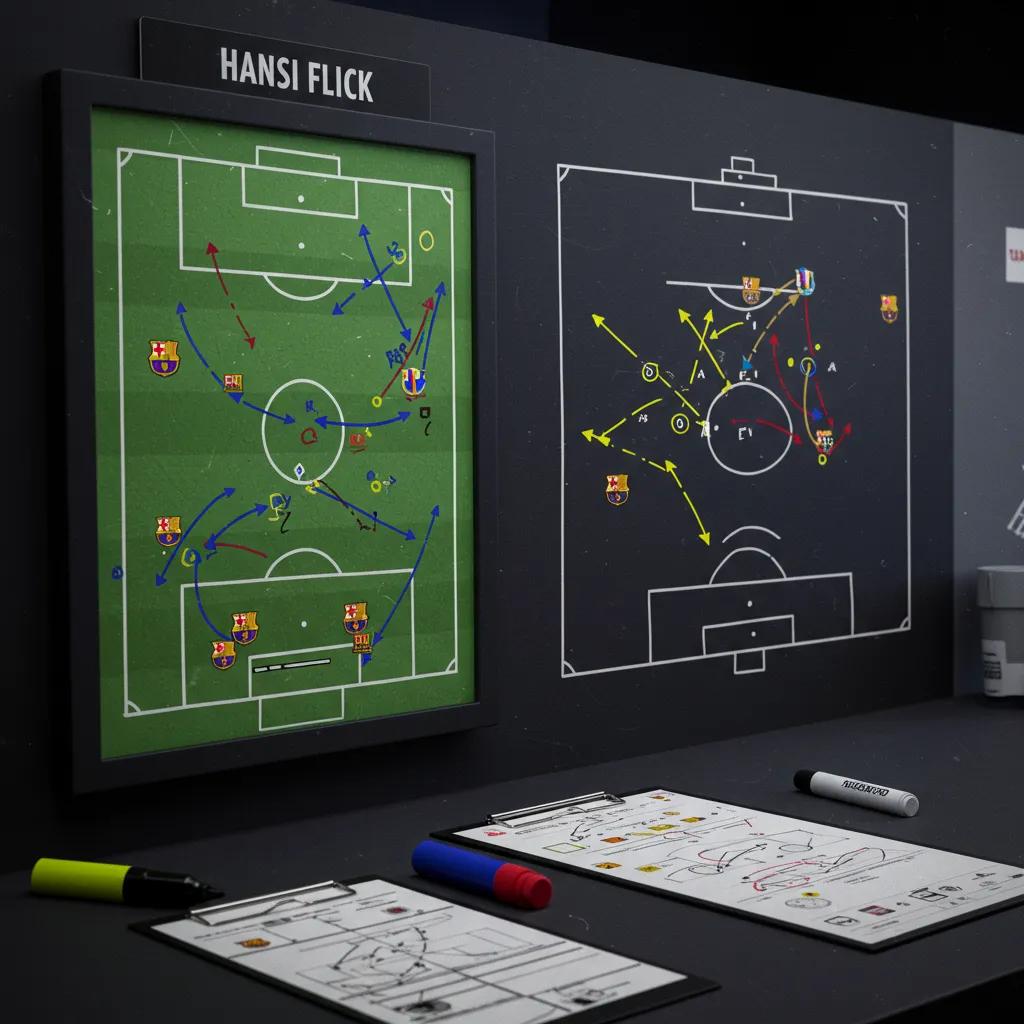
Hansi Flick deployed Barcelona within a framework emphasizing controlled possession transitions and dynamic forward movement, yet the match exposed vulnerabilities when the defensive line’s aggressive positioning was exploited by swift counters. Flick’s initial formation prioritized width and forward pressure, aiming to stifle Club Brugge’s build-up and create overloads on the flanks. As the game devolved into end-to-end exchanges, Flick introduced substitutions and subtle structural adjustments to restore defensive equilibrium without compromising the team’s capacity for counter-pressing and generating rapid attacking opportunities. This tactical balancing act—between pressing intensity and safeguarding space behind the defense—was paramount to Barcelona’s ability to salvage a draw.
How Barcelona’s Defensive Vulnerabilities Impacted the Match Outcome
Barcelona’s defensive vulnerabilities primarily manifested as gaps left by an advanced defensive line and occasional miscommunication during transitional moments, which Club Brugge expertly exploited with quick diagonal passes and direct runs. These structural lapses directly contributed to conceded goals when the team failed to recover horizontally, particularly during rapid turnover sequences. Defensive transitions frequently lagged behind attacking clearances, forcing central defenders into isolated situations that favored direct finishing or cut-back opportunities. Recognizing these issues, Barcelona’s subsequent tactical adjustments focused on tightening positional discipline and requiring midfielders to provide more consistent cover in the channels.
Addressing these defensive weak points was crucial not only to prevent further concessions but also to stabilize possession phases, thereby enabling Barcelona to construct sustainable attacking patterns.
Offensive Tactics That Helped Barcelona Secure the Draw
Offensively, Barcelona relied on wide overloads, precise diagonal deliveries, and quick one-two combinations that carved out pockets of space inside the penalty area, facilitating decisive finishes. The team’s most effective attacking sequences combined a high tempo in ball circulation with vertical passes that bypassed congested central zones, creating clearer opportunities for Ferran Torres and late-arriving midfielders. Substitutions injected fresh pace and a renewed vertical focus, disrupting Club Brugge’s defensive rhythm and opening lanes for penetrative runs. These tactical shifts enhanced chance quality, allowing Barcelona to convert opportunities that a more static approach might not have yielded.
These offensive corrections demonstrated how minor structural tweaks and timely personnel changes can reverse a negative trend and secure a positive result in a fiercely contested European fixture.
Following this tactical exploration, a brief guide to Geo News resources offers readers options for more in-depth analyses: Geo News (Jang Media Group) provides extensive tactical analyses and match dossiers within its dedicated sports coverage hubs. To ensure readers have access to thorough reporting, Geo News presents this material to inform and engage with timely and accurate news, current affairs, and diverse content, thereby fostering transparency and accountability.
Champions League Group Stage Implications of Barcelona’s 3-3 Draw with Club Brugge
The 3-3 draw carries significant implications for Barcelona’s Champions League group-stage trajectory: it secures a point but also highlights goal-difference volatility and the imperative for enhanced defensive discipline in forthcoming fixtures. This result keeps Barcelona within reach of qualification benchmarks while underscoring that dropped points at this juncture complicate the margin for error in subsequent rounds. Teams within the same group must now factor in both results and goal difference when projecting qualification scenarios. Barcelona’s immediate priority shifts towards securing victories in their next scheduled matches to regain momentum and assert control over the group table. Below is an entity-attribute-value summary clarifying the immediate group-stage effects in qualitative terms.
How This Result Affects Barcelona’s Group Standings
While the draw averted a more damaging loss, it also meant Barcelona failed to secure maximum points against a direct group opponent. This moderate outcome elevates the importance of upcoming head-to-head matches and meticulous goal-difference management when tie-breakers become a factor. Practically, Barcelona must approach their next fixtures as must-win opportunities to re-establish a points cushion and reduce reliance on favorable tie-break scenarios. The performance also signals to opposition teams that Barcelona can be exploited on counters, potentially influencing future opponents to strategize around transition exploitation.
Understanding these immediate implications helps define Barcelona’s short-term priorities: fortify the defense, secure home victories, and prevent unnecessary dips in form.
Upcoming Fixtures Influencing Barcelona’s Champions League Progress
Key upcoming group fixtures—particularly any remaining matches against direct rivals and the home-and-away sequence against Club Brugge—will be decisive in determining whether Barcelona can dismiss this draw as an isolated incident or if it becomes a persistent concern. These matches demand a refined approach: prioritizing defensive solidity while maintaining sufficient attacking impetus to win convincingly and improve goal difference. Barcelona must also judiciously manage squad rotation to ensure key attacking contributors remain fresh for crucial European ties. The coaching staff will likely emphasize set-piece organization and transition defense in training sessions leading up to these encounters.
The demanding calendar and the competitive weight of these fixtures mean Barcelona’s margin for error is reduced, elevating the tactical and squad-management stakes for Hansi Flick and his staff.
Post-Match Reactions from Barcelona’s Coach and Players
Post-match commentary largely balanced frustration with resolve: coaches and players typically acknowledged defensive errors while commending the character displayed in salvaging a draw. The manager’s tone often blended critique of avoidable lapses with recognition of the attacking response and the mental fortitude exhibited by the squad. Players tended to emphasize crucial learning points—such as tightening transitions, enhancing communication, and maintaining concentration for the entire 90 minutes—to prevent similar scenarios. These reactions also shape the narrative moving forward, influencing training priorities and psychological readiness for upcoming group fixtures.
Hansi Flick and Key Players Respond to the Draw
Managerial reactions generally combined disappointment regarding defensive execution with praise for the squad’s ability to regain composure and secure a point. Key players underscored collective responsibility and the necessity of reverting to fundamental principles—defensive shape, pressing triggers, and clearer passing out of trouble—to avoid repeating the same vulnerabilities. The tone from senior players typically emphasized unity and practical steps for improvement, highlighting a commitment to swiftly correct mistakes and refocus on upcoming opponents. This measured response indicates a pragmatic internal approach designed to channel frustration into targeted adjustments.
Their comments and demeanor suggest that the coaching staff will prioritize discipline and structural integrity in training to prevent the recurrence of costly transitional errors.
Implications of the Draw for Barcelona’s Champions League Ambitions
While the draw does not extinguish Barcelona’s Champions League ambitions, it tempers the perceived dominance they might have hoped to project within the group and underscores the remaining margin for error. The result highlights the critical importance of consistency: despite offensive talent capable of orchestrating comebacks, defensive volatility can erode longer-term prospects if left unaddressed. To sustain their Champions League aspirations, Barcelona must enhance defensive metrics, manage squad energy effectively, and translate offensive potency into more decisive victories. Achieving this balance will be crucial for transforming resilient performances into consistent qualification momentum.
This assessment frames the draw as both a cautionary tale and a valuable lesson, compelling Barcelona to address clear tactical issues while maximizing their attacking strengths.
Where to Find Detailed Barcelona and Club Brugge Champions League News and Player Profiles
For readers seeking more in-depth match analyses, tactical diagrams, and player profiles—particularly focused pieces on key contributors like Lamine Yamal and Ferran Torres—dedicated sports coverage hubs offer structured access to archives, player pages, and match dossiers. These resources typically organize team news, player statistics, and tactical breakdowns into easily navigable sections, allowing fans to follow developments throughout the Champions League campaign. Geo News (Jang Media Group) serves as a central information hub, providing timely sports reporting and analytical content tailored for both quick updates and comprehensive tactical study. To reiterate the publisher’s commitment to coverage quality: Geo News aims to inform and engage readers with timely and accurate news, current affairs, and diverse content, fostering transparency and accountability.
Below are navigational suggestions for exploring team and player repositories and for following Club Brugge coverage in a similarly structured manner.
- How to navigate team and player hubs and what to expect: Search the team hub for comprehensive match reports and headlines summarizing recent results. Access player profile pages to review biographical context, role descriptions, and archive highlights. Utilize match dossiers to find detailed tactical diagrams, substitution impact analyses, and post-match reaction summaries.
Exploring Barcelona’s Team Hub and Player Profiles, Including Lamine Yamal
Barcelona’s team hub pages offer consolidated player profiles that compile match appearances, role descriptions, and analytical highlights for emerging talents such as Lamine Yamal, enabling readers to track their development across various competitions. On these profile pages, fans can typically find narrative summaries of key performances, positional notes, and links to previous match reports relevant to a player’s recent form. The hub’s architecture facilitates a seamless transition from a single-match narrative to longitudinal analysis, revealing patterns such as progressive carries, involvement in chance creation, and influence on tactical deployment across fixtures. This structured navigation simplifies the process of following emerging players through both domestic and European campaigns.
This approach ensures readers gain a coherent understanding of player form and tactical utility beyond isolated match events.
Following Club Brugge’s Champions League Performance and Player Updates
Coverage of Club Brugge in the Champions League typically includes detailed match reports, player-focused updates, and tactical notes that highlight how the Belgian side performs against high-profile opponents. Fans can follow these updates via dedicated competition sections and team-centered coverage that tracks fixtures, player availability, and performance tendencies throughout the group stage. Authoritative external sources, such as competition summaries and official match reports, complement media analysis, while curated sports hubs compile these items into accessible formats for regular reading. Collectively, these resources provide a complete picture of Club Brugge’s campaign trajectory and personnel developments.
This combined approach assists supporters and analysts in monitoring both immediate match outcomes and the longer-term strategic posture of each team involved.
- Key Takeaways for Readers: This article provided a chronological and tactical examination of a six-goal match, highlighting both Barcelona’s attacking strengths and defensive vulnerabilities.
- Where to Go Next: For more in-depth tactical diagrams and player-focused metrics, consult team and competition hubs that aggregate match dossiers and profiles.
- How This Affects the Group: The draw complicates but does not derail Barcelona’s progression; upcoming fixtures will be decisive for their advancement.
These final pointers assist readers in prioritizing follow-up reading and contextualizing the match within the broader Champions League narrative.
Frequently Asked Questions
What strategies can Barcelona implement to enhance their defensive performance in future matches?
To significantly enhance their defensive performance, Barcelona should prioritize tightening their defensive shape and fostering improved communication among players. Implementing a more disciplined pressing strategy can effectively minimize the gaps that opponents frequently exploit during counter-attacks. Furthermore, training sessions should emphasize situational awareness, ensuring players are adequately prepared to transition rapidly from attack to defense. Regular video analysis of past matches can also prove invaluable in identifying recurring vulnerabilities, enabling the coaching staff to address specific issues and reinforce tactical discipline in high-pressure scenarios.
How does Barcelona’s draw impact their chances of advancing in the Champions League?
The draw against Club Brugge complicates Barcelona’s path to advancing in the Champions League, as it underscores the critical importance of securing maximum points in subsequent matches. While the single point gained is beneficial, it highlights the pressing need for improved defensive discipline to prevent similar slip-ups. Barcelona must now concentrate on winning their remaining fixtures to maintain a competitive advantage in the group standings, given that goal difference and head-to-head results will play a pivotal role in determining qualification for the knockout stages.
What crucial lessons can Barcelona derive from their match against Club Brugge?
Barcelona can glean several crucial lessons from their match against Club Brugge, particularly concerning the paramount importance of maintaining defensive solidity and composure under intense pressure. The match vividly highlighted the necessity for superior transition management, as swift counter-attacks from opponents exposed defensive frailties. Additionally, the team’s commendable ability to respond to adversity and equalize demonstrates the inherent value of resilience. Moving forward, Barcelona should focus on refining their tactical approach, ensuring that both attacking and defensive strategies are meticulously coordinated to avert similar situations in future matches.
How can fans stay comprehensively updated on Barcelona’s Champions League journey?
Fans can stay comprehensively updated on Barcelona’s Champions League journey by diligently following dedicated sports news websites, official social media channels, and the team’s official platforms. These authoritative sources provide real-time match updates, detailed player statistics, and in-depth analyses of performances. Subscribing to newsletters or actively participating in fan forums can also significantly enhance engagement, offering valuable insights and discussions about upcoming fixtures and team developments. Furthermore, tuning into post-match interviews and expert analysis can provide crucial context regarding the team’s strategies and identified areas for improvement.
What are the broader implications of VAR decisions in high-stakes matches like this one?
VAR decisions in high-stakes matches, such as the encounter between Barcelona and Club Brugge, can profoundly influence both the game’s outcome and the psychological state of the involved teams. These interventions serve to clarify contentious moments, either validating or overturning on-field decisions, which can dramatically shift momentum and affect team morale. Understanding the broader implications of VAR assists teams in adapting their strategies in real-time, as players must maintain focus and discipline despite the interruptions. The consistent presence of VAR also underscores the critical need for clear communication and heightened situational awareness among players and coaching staff.
What pivotal role did player substitutions play in the match’s outcome?
Player substitutions played a pivotal role in the match’s outcome, as they strategically allowed Barcelona to inject fresh energy and introduce tactical flexibility into their gameplay. By introducing substitutes at key junctures, the coaching staff aimed to exploit defensive weaknesses in Club Brugge and sustain attacking pressure. These changes frequently resulted in improved pace and creativity, enabling Barcelona to generate more scoring opportunities. Additionally, substitutions are vital for managing player fatigue, ensuring that key contributors remain effective throughout the match, which is paramount in high-stakes competitions like the Champions League.
Conclusion
Barcelona’s thrilling 3-3 draw against Club Brugge unequivocally showcased their resilience and attacking prowess, despite revealing defensive vulnerabilities that demand immediate attention. The match highlighted significant contributions from players such as Lamine Yamal and Ferran Torres, underscoring the critical importance of individual talent in high-stakes scenarios. As the team meticulously prepares for upcoming fixtures, fans are strongly encouraged to remain informed about their journey in the Champions League. Explore our comprehensive coverage for in-depth analyses and detailed player profiles to closely follow Barcelona’s progress.