Government Moves to Deregulate Wheat and Sugar Sectors as Key IMF Structural Reform
Pakistan’s Wheat & Sugar Deregulation: Unpacking the IMF’s Key Structural Reform
The government’s recent decision to deregulate Pakistan’s wheat and sugar markets marks a pivotal policy shift, directly linked to the International Monetary Fund’s structural reform agenda and the Extended Fund Facility (EFF) monitoring timeline. This comprehensive article delves into the practical implications of deregulation, exploring why the IMF advocates for market-based pricing and the gradual phasing out of subsidies. We examine how these changes are poised to impact fiscal stability, farmer incomes, consumer prices, and the overall market structure. Readers will gain insight into the core objectives driving these reforms, the specific IMF conditions dictating their sequencing, the potential effects on various farmer categories and consumers, and the crucial roles of private investment and technology in facilitating a smooth transition. Our analysis draws on recent policy signals—such as the planned winding down of PASSCO and timelines to end price-setting by end-FY26—and scrutinizes mitigation strategies designed to safeguard food security while advancing economic stability. This report aligns with Geo News (Jang Media Group)’s unwavering mission: to inform and engage our readers with timely, accurate news, current affairs, and diverse content, thereby fostering transparency and accountability.
Understanding Pakistan’s Wheat and Sugar Deregulation: Core Objectives
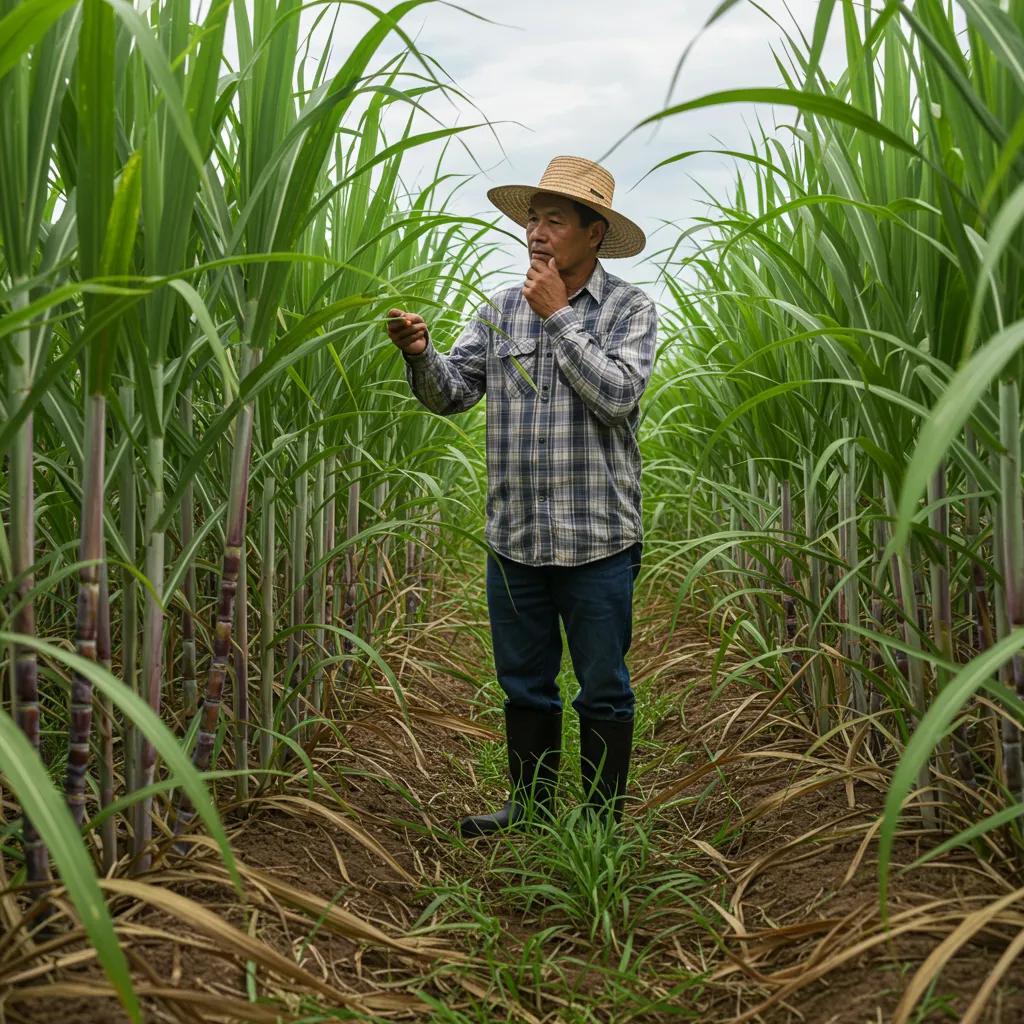
Deregulation, in this context, signifies the cessation of government price-setting and large-scale procurement, transitioning instead to market-based pricing where supply and demand dictate farm-gate and retail prices. The core mechanism involves phasing out subsidies and state procurement agencies like PASSCO, while simultaneously empowering private buyers and processors to assume a more prominent role in procurement and inventory management. Key policy objectives include achieving fiscal consolidation, reducing market distortions, enhancing agricultural sector efficiency, and attracting both private and international investment into processing and supply-chain infrastructure. The anticipated short-to-medium term outcomes encompass a reduced fiscal burden, more responsive price signals for farmers, and accelerated modernization of storage and processing capabilities.
Key objectives at a glance:
- End government pricing and procurement: Transition towards market-driven pricing mechanisms.
- Eliminate subsidies and alleviate fiscal burden: Reallocate public resources to targeted social support programs.
- Boost efficiency and private investment: Encourage private sector-led enhancements in supply chain infrastructure.
- Enhance market transparency and competition: Combat manipulation and cartel-like practices.
This concise list provides a framework for the detailed summary that follows, outlining entities, objectives, and expected outcomes for enhanced clarity.
The policy summary table below offers a quick reference, mapping objectives to their anticipated outcomes.
This table enables readers to quickly grasp policy aims and probable results before a more detailed examination of the mechanisms. Understanding these objectives naturally leads to exploring how deregulation intends to foster efficiency gains within the agricultural sector.
How Deregulation Aims to Boost Agricultural Sector Efficiency in Pakistan
Deregulation seeks to sharpen market signals, prompting producers and buyers to respond to real-time price incentives, thereby optimizing the allocation of land, inputs, and storage. Key mechanisms include shifting procurement responsibilities to private buyers, which is expected to reduce transaction and administrative costs associated with state procurement. Furthermore, enabling contract farming and private warehousing can significantly curtail post-harvest losses. For instance, private investment in cold chains and processing is anticipated to lessen supply-chain friction and facilitate value addition, directly benefiting commercial farmers and export-oriented producers. These efficiency gains are contingent upon transparent markets, accessible finance, and robust risk mitigation instruments that empower smaller farmers to adopt productivity-enhancing practices.
Sharper price discovery and reduced state intervention pave the way for fiscal savings and private-led modernization, leading us to the fiscal rationale behind ending subsidies and the necessary safeguards for vulnerable households.
Why Ending Subsidies is Crucial for Pakistan’s Economic Stability
The cessation of broad-based subsidies primarily serves as a fiscal consolidation measure, designed to reduce substantial budgetary transfers and enhance debt sustainability under IMF conditionality. Subsidies often distort market incentives by sustaining uncompetitive producers and encouraging overconsumption, which can exacerbate supply imbalances. The revenue saved from subsidy removal can be strategically redirected towards targeted social safety nets, agricultural extension services, and vital investments in storage and processing infrastructure. However, this transition necessitates compensatory measures—such as targeted cash transfers, subsidized inputs for smallholders, and temporary buffer stocks—to avert short-term food insecurity and mitigate potential political backlash as markets adjust.
Careful sequencing of subsidy removal and the implementation of social safeguards are paramount, ensuring that fiscal benefits are balanced against critical social protection and food security considerations in the immediate term.
A historical analysis of agricultural market liberalization in Pakistan suggests that while interventionist policies were aimed at ensuring food security, they often led to inefficiencies and corruption, particularly in the public sector.
The IMF’s Role in Shaping Pakistan’s Agricultural Structural Reforms

The IMF’s Extended Fund Facility (EFF) provides crucial conditional financing, contingent upon structural reforms aimed at bolstering fiscal health and policy credibility. In this context, the IMF mandates the removal of government price-setting and the gradual winding down of state procurement within specified timelines. The Fund’s technical requirements include stringent fiscal targets, detailed reporting on procurement reform, and close monitoring of progress towards eliminating broad subsidies, all of which collectively guide domestic sequencing and policy design. The IMF also offers technical assistance to aid in redesigning social protection programs and assessing food security risks during the transition period. This conditionality means domestic policymakers must carefully balance macro-economic targets with prevailing political and social realities during the implementation of deregulation.
A clear understanding of the IMF’s specific conditions illuminates what the government is obligated to deliver and how monitoring will influence policy timing and stakeholder consultations.
Key IMF conditions (summary):
- Phase-out of government price-setting by end-FY26: Enabling market-based pricing mechanisms.
- Winding down of state procurement agencies: Reducing direct government involvement in purchases.
- Fiscal consolidation targets: Reallocating savings from subsidies to priority programs.
- Reporting and monitoring obligations: Providing regular compliance updates to IMF teams.
These conditions establish a clear compliance roadmap, influencing implementation choices and stakeholder engagement, which in turn impacts food security and market pricing, as we will discuss next.
IMF Conditions for Wheat and Sugar Sector Deregulation: A Closer Look
The IMF stipulates precise timelines for ending price-setting and public procurement, alongside fiscal targets directly linked to subsidy reductions, and demands strengthened reporting to verify compliance with the EFF program. These conditions obligate the finance ministry to meet measurable benchmarks and invite IMF oversight regarding sequencing and risk mitigation strategies. While the Fund’s technical support can assist in designing targeted safety nets and proposing alternatives to broad subsidies, the enforceability of these reforms ultimately hinges on domestic political will and institutional capacity to implement changes across agriculture and social protection sectors. Adherence to these conditions is vital for securing continued external financing and maintaining market confidence.
The sequencing and safeguards implemented will be critical in determining whether fiscal gains are realized without compromising food security, leading us to how IMF reforms might influence supply and prices.
How IMF Reforms May Impact Food Security and Market Pricing in Pakistan
IMF-driven reforms could initially generate short-run price volatility as state support is withdrawn and market prices adjust, potentially increasing inflationary pressure on staple foods if supply does not respond swiftly. Over time, however, market-based pricing can incentivize increased production and private storage, potentially reducing chronic shortages and improving overall availability, especially if coupled with investment in logistics and processing. Policymakers can mitigate immediate risks through targeted transfers, temporary buffer stocks, and vigilant price monitoring to protect vulnerable households. Long-term benefits are contingent on robust competition, sustained investment, and effective safety nets that convert fiscal savings into productive and protective spending.
Balancing short-term protection with long-term market reforms represents the core policy challenge in safeguarding food security while simultaneously meeting IMF benchmarks.
Anticipated Impacts of Wheat Deregulation on Farmers and Consumers
Wheat deregulation is set to fundamentally alter procurement channels, shift price discovery to open markets, and modify income risk profiles for farmers, while also influencing consumer prices through supply elasticity and storage behavior. Smallholder farmers may experience heightened income volatility without access to credit, insurance, and robust market linkages. In contrast, larger commercial farmers and aggregators with contract access may realize greater returns. Consumers could face price adjustments reflecting international prices and seasonal supply; in the short term, there is a risk of price spikes, but medium-term effects may include more stable supply and a reduced fiscal drain from subsidies. Effective mitigation strategies—such as improved credit access, warehousing facilities, and targeted social assistance—are crucial to ensure a smooth transition.
Below is a comparative table, presented in an EAV-style format, outlining primary entities, attributes, and anticipated farmer/consumer impacts for rapid policy clarity.
This comparison clarifies who stands to gain and who faces risks, preparing readers for the specific procurement and price changes detailed next.
How Market-Based Pricing Will Reshape Wheat Procurement and Farmer Income
Market-based pricing will fundamentally shift wheat procurement from centralized state purchases to private buyers, millers, and exporters, thereby transforming information flows and incentives across the supply chain. For farmers, price discovery will become instantaneous but will also expose them to greater volatility. Those with storage capacity, established contracts, or access to timely market information stand to capture higher returns, while others may face distressed sales. Policy supports such as warehouse receipt systems, contract farming arrangements, and tailored credit facilities can mitigate risk and better integrate smallholders into value chains. Strengthening market institutions, ensuring price transparency, and facilitating farmer access to finance are therefore critical to ensuring income stability during this transition.
Enhancing market infrastructure and risk management instruments will directly influence whether deregulation ultimately improves farmer welfare or exacerbates vulnerability.
Risks and Opportunities for Consumers Following Wheat Deregulation
Consumers may encounter three primary scenarios: an immediate price spike due to subsidy removal and adjustment costs; a medium-term period of price discovery characterized by seasonal fluctuations; and a long-term outcome where increased competition and investment stabilize prices and supply. Opportunities include improved availability, higher-quality processed goods, and eventual efficiency-driven price moderation if investments successfully reduce post-harvest losses. Immediate protections, such as targeted subsidies for vulnerable households, vigilant price monitoring, and emergency buffer stocks, are prudent measures to guard against shocks. Policymakers must carefully design interventions that shield the most vulnerable without reintroducing broad distortions that could undermine the reform objectives.
Appropriate consumer protections are essential to preserve social stability while sustaining the reform momentum necessary to deliver efficiency gains.
Sugar Sector Deregulation: Addressing Price Controls and Market Manipulation
Sugar deregulation is specifically designed to dismantle entrenched pricing controls and combat anti-competitive practices often associated with miller coordination and stockpiling. The mechanism involves eliminating administered prices, strengthening the enforcement of competition policy, and enhancing market transparency to ensure buyers and consumers have access to competitive offers. Anticipated regulatory effects include a reduced potential for coordinated price-setting, more responsive supply management by private actors, and increased incentives for processors to invest in efficiency. However, achieving meaningful outcomes is contingent upon robust enforcement by competition authorities and the ability to effectively monitor market concentration.
To clarify market dynamics, the following table breaks down key industry actors, their attributes, and the likely regulatory or market effects post-deregulation.
This table underscores how structural changes and effective enforcement will determine whether deregulation successfully curbs manipulation and improves consumer access.
The Role of Sugar Mill Cartels in Pakistan’s Sugar Market
Historically, coordinated behavior among certain millers—including synchronized crushing schedules and strategic stockpiling—has exacerbated price swings and restricted consumer access during periods of shortage. Cartel tactics often involve withholding supply to artificially inflate prices and leveraging vertical relationships with distributors to control market flows. Addressing these practices necessitates strengthened antitrust enforcement, transparent trade and production reporting, and penalties that significantly raise the cost of collusion. Effective monitoring and swift regulatory responses are crucial to reduce manipulation and restore competitive pricing, ultimately benefiting consumers and downstream industries.
Weak enforcement directly undermines the promise of deregulation, highlighting why regulatory capacity must be enhanced in parallel with market opening.
How Deregulation Will Impact Sugar Prices and Consumer Access
In the immediate aftermath of deregulation, sugar prices could experience volatility as administered prices are removed and private stock decisions reflect evolving market expectations and seasonal supply. Over the medium term, increased competition and investment in processing and supply chains have the potential to boost availability and reduce margins driven by manipulation, thereby improving consumer access. Industry monitoring and robust consumer protection mechanisms—such as real-time price data and targeted support for vulnerable consumers—can mitigate short-run adverse effects. Ultimately, the balance between effective enforcement and market incentives will dictate whether deregulation successfully reduces prices and secures supply for households and food processors.
Should regulatory gaps persist, consumers may face prolonged price pressure rather than the stabilization that reform aims to achieve.
Private Sector & Global Investment: Catalysts for Agricultural Reforms
Private sector capital and global investors are indispensable for financing critical infrastructure such as processing plants, cold chains, warehousing, and advanced technology that can significantly boost productivity and reduce post-harvest losses. Investment can unlock substantial value-addition, support export diversification, and facilitate the integration of smallholders through contract farming and out-grower schemes. Reported global interest from regions like China, the Gulf, and North America signals a significant opportunity to attract strategic partners, provided that robust policy incentives, transparency, and effective risk-sharing frameworks are firmly in place. Geo News (Jang Media Group), serving as a national information hub committed to transparency and accountability, diligently reports on investor proposals and private-sector initiatives to keep public discourse informed and assist stakeholders in assessing both risks and opportunities.
The following table summarizes how various investor and private-sector roles translate into practical benefits and potential risks within the reform environment.
This mapping illustrates how targeted investment can unlock productivity but also emphasizes why policy frameworks must prevent excessive market concentration and protect smallholders.
How Private Sector Investment is Poised to Drive Pakistan’s Agricultural Renewal
Private investment injects vital capital for processing facilities, cold chain infrastructure, and digital platforms that connect farmers directly to markets, thereby enhancing yields and significantly reducing post-harvest losses. Mechanisms include public–private partnerships for warehousing, private contracting for aggregation, and processor-led investments in value chains that create stable demand. For smallholders to truly benefit, investment models must incorporate inclusion clauses, technical assistance, and robust linkages to finance and insurance. Well-designed incentives—such as tax breaks tied to local sourcing or export guarantees—can accelerate investment while maintaining crucial oversight to prevent monopolistic behavior.
Private capital, therefore, complements deregulation by providing the essential infrastructure that market signals alone cannot instantly generate.
Global Investors Showing Interest in Pakistan’s Agriculture Post-Deregulation
Reported investor interest spans both state-linked and private actors from China, the Gulf region, and Western capital, all seeking strategic agricultural projects, processing investments, and supply-chain partnerships. These investors typically focus on long-term leases for processing facilities, joint ventures to upgrade existing mills, and financing for cold-chain networks that support export markets. Expected deal types include Foreign Direct Investment (FDI) in processing plants, Public-Private Partnerships (PPPs) for storage infrastructure, and portfolio investments into agri-tech firms. Rigorous due diligence, comprehensive environmental and social safeguards, and transparent contract terms are essential to ensure these investments deliver inclusive growth without fostering new dependencies.
Attracting sustainable investment requires clear regulations, predictable policy signals, and platforms for transparent information—roles that information hubs and press coverage play in shaping investor confidence.
Technological Advancements: Supporting Policy Implementation and Agricultural Efficiency
Technology plays a dual role, supporting both the enforcement of reforms and enhancing agricultural productivity: AI and data systems facilitate tax compliance and market monitoring, while agri-tech innovations improve yields through precision farming and bolster supply-chain transparency. The finance authority’s adoption of AI tools helps detect anomalies, segment taxpayers, and enforce agri-income tax measures more effectively, thereby strengthening revenue collection as subsidy spending declines. Concurrently, digital platforms connecting producers and buyers reduce information asymmetries and reinforce contract enforcement. National news outlets diligently track these developments, offering reporting and analysis to help stakeholders grasp technology’s pivotal role in implementing reform.
Below is a concise explainer table detailing technology types, their primary applications, and expected benefits for policymakers and farmers.
These technological advancements reinforce reform objectives by enhancing compliance, market functionality, and farm productivity.
How FBR Utilizes Artificial Intelligence to Bolster Agricultural Tax Compliance
Artificial intelligence is being strategically deployed to cross-reference disparate data sets, flag anomalies in declared income, and segment taxpayers for targeted audits, significantly enhancing the Federal Board of Revenue’s (FBR) capacity to enforce agri-income tax measures. Use-cases include cross-referencing procurement and transaction records, identifying undeclared large-scale operations, and prioritizing enforcement resources where revenue gaps are most significant. Efficient AI utilization supports the fiscal dimension of reform by increasing revenue without imposing broad-based taxes. However, it also necessitates robust data governance, stringent privacy safeguards, and transparency regarding methods to maintain public trust. Clear communication about AI applications can help stakeholders accept enforcement as an integral part of a fairer, more accountable system.
Robust AI implementation also demands parallel investments in interoperability and capacity-building to ensure technology translates into measurable compliance gains.
The Green Pakistan Initiative: Enhancing Food Security and Its Role
The Green Pakistan Initiative actively promotes sustainable land use, reforestation efforts, and climate-resilient farming practices, all aimed at improving long-term food security and productivity. Interventions such as soil conservation, water-efficient irrigation techniques, and extensive tree planting can boost yields, reduce vulnerability to climate shocks, and open up export opportunities for climate-smart crops. Linking this initiative to deregulation can amplify benefits by synergizing market incentives with sustainable practices, thereby encouraging investors to fund resilient supply chains. Consistent monitoring and results reporting are crucial to ensure the initiative translates into measurable gains in productivity and sustainability, aligning environmental goals with the economic objectives of deregulation.
Sustained investment in climate-smart agriculture thus complements market reforms by safeguarding long-term supply and enhancing export competitiveness.
Geo News (Jang Media Group) remains committed to tracking these critical policy, investment, and technology developments, offering factual reporting and insightful analysis to empower citizens and stakeholders in evaluating reform outcomes and holding authorities accountable. Our mission is to inform and engage readers with timely and accurate news, current affairs, and diverse content, fostering transparency and accountability.
Frequently Asked Questions
What are the potential risks for smallholder farmers during the deregulation process?
Smallholder farmers may encounter heightened income volatility as the transition to market-based pricing unfolds. Without adequate access to credit, insurance, and timely market information, these farmers could struggle to adapt to fluctuating prices. The absence of a robust safety net might lead to distressed sales, forcing farmers to sell their produce at lower prices during market downturns. To mitigate these risks, it is imperative to implement supportive measures such as contract farming, accessible finance, and educational programs on market dynamics to help smallholders effectively navigate this new landscape.
How will deregulation impact consumer prices in both the short and long term?
In the short term, consumers may experience price spikes as subsidies are removed and market prices adjust. This initial volatility could lead to increased costs for essential staple foods. However, in the long term, deregulation aims to stabilize prices through enhanced competition and strategic investment in supply chains. As market efficiency improves, consumers could ultimately benefit from better availability and potentially more competitive pricing. Policymakers must ensure that protective measures are firmly in place to shield vulnerable populations during the transition, preventing any exacerbation of food insecurity.
What measures can be implemented to ensure food security during the deregulation transition?
To safeguard food security during the transition, it is crucial to implement targeted social safety nets, such as direct cash transfers and subsidized inputs specifically for smallholders. Establishing temporary buffer stocks can help stabilize prices and supply during periods of market volatility. Additionally, continuous monitoring of market conditions and providing timely information to both farmers and consumers can significantly mitigate risks. Engaging all relevant stakeholders in the planning process will also help address concerns and ensure that food security remains a paramount priority throughout the deregulation process.
How is the role of private investment expected to evolve in the agricultural sector post-deregulation?
Post-deregulation, private investment is anticipated to play a transformative role in boosting agricultural productivity and efficiency. Investors will likely prioritize building modern processing facilities, cold chains, and advanced logistics networks designed to reduce post-harvest losses and improve market access for farmers. This influx of capital can drive technological advancements and enhance supply chain management. However, it is essential to establish a clear regulatory framework that not only encourages investment but also prevents excessive market concentration and ensures that smallholders genuinely benefit from these developments.
What are the implications of deregulation for competition within the sugar market?
Deregulation in the sugar market aims to dismantle existing pricing controls and curb anti-competitive practices prevalent among millers. By fostering greater market transparency and rigorously enforcing competition policies, these reforms are expected to intensify competition, leading to more responsive pricing and improved consumer access. Nevertheless, the ultimate success of these changes hinges on effective regulatory enforcement to deter collusion and manipulation. If successfully implemented, deregulation can create a more dynamic market that benefits both consumers and producers through fair pricing and enhanced product quality.
How can technology effectively support agricultural reforms in Pakistan?
Technology can significantly bolster the implementation of agricultural reforms by enhancing market efficiency and productivity. Innovations such as Artificial Intelligence (AI) and data analytics can facilitate improved tax compliance, more effective market monitoring, and optimized yields through precision farming techniques. Digital platforms can directly connect farmers with buyers, reducing information asymmetries and strengthening contract enforcement. By strategically investing in technology, the agricultural sector can achieve greater transparency, minimize post-harvest losses, and ultimately support the overarching goals of deregulation while fostering sustainable growth.
What is the Green Pakistan Initiative’s role in the context of agricultural reforms?
The Green Pakistan Initiative complements agricultural reforms by actively promoting sustainable practices that enhance both food security and productivity. By focusing on critical areas such as soil conservation, water-efficient irrigation, and extensive reforestation, the initiative aims to build resilience against climate shocks. Linking this initiative to deregulation can amplify its benefits by combining market incentives with sustainable practices, thereby encouraging investors to fund resilient supply chains. Consistent monitoring and transparent reporting on the initiative’s outcomes will be crucial to ensure it aligns with the economic objectives of deregulation while safeguarding long-term agricultural sustainability.
Conclusion: Navigating Pakistan’s Agricultural Transformation
The deregulation of Pakistan’s wheat and sugar markets represents a monumental shift towards market-driven pricing, poised to enhance fiscal stability and agricultural efficiency. By systematically phasing out subsidies and government procurement, these reforms aim to empower farmers and attract crucial private investment, ultimately benefiting consumers through improved supply and more competitive pricing. Understanding these profound changes is vital for all stakeholders to effectively navigate the evolving landscape and seize new opportunities for growth. Stay informed with Geo News about the latest developments and explore how these transformative reforms can impact your interests within the agricultural sector.