UPS Cargo Plane Crash Death Toll Rises to 12 as Investigators Confirm Engine Detached Before Fatal Louisville Incident
UPS Cargo Plane Crash in Louisville: Death Toll Rises to 12 as Engine Detachment Confirmed
The tragic UPS cargo plane crash near Louisville has left the community in shock. Officials have now confirmed the death toll has tragically risen to 12, with preliminary investigations indicating an engine detached before the fatal takeoff incident. This comprehensive report details the investigators’ findings so far, explains how an engine detachment can lead to catastrophic loss of control, and outlines the next steps for agencies analyzing flight data and wreckage. Readers will find a clear timeline of events, a breakdown of involved agencies and their initial observations, technical context regarding the MD-11 cargo variant, and the local impact on Louisville’s airport operations and its community. Our aim is to present concise, verified facts—including black box recovery and early NTSB observations—while mapping the expected phases of this complex aviation investigation. Below, we delve into: the sequence of events during takeoff, the investigating bodies and their discoveries, MD-11 specifications and safety history, Louisville’s immediate response, technical causes and regulatory safeguards against engine detachment, and what to anticipate from ongoing forensic work and official updates.
Details Emerge on UPS Cargo Plane Crash in Louisville
The crash occurred during the takeoff roll or initial climb, with witnesses and investigators reporting an apparent left-engine detachment followed by fire on the left wing, a rapid loss of control, and a subsequent impact that created a wide debris field. From a mechanical standpoint, the sudden loss of an engine pylon and its attached engine drastically alters lift and yaw forces on the wing structure. Furthermore, damaged fuel lines and nacelle components can ignite fires, compromising control surfaces. These cascading failures explain why an in-flight detachment at low altitude during takeoff can quickly become unrecoverable. Emergency responders swiftly arrived, and recovery teams secured the site to meticulously preserve evidence for forensic analysis. The following timeline and immediate response summary outline confirmed details and clearly indicate aspects still under investigation.
The concise timeline below highlights confirmed observations and initial response actions, providing readers with a quick grasp of the sequence and status of evidence recovery.
- Takeoff/Initial Climb: The aircraft commenced takeoff and was airborne for a brief period, with reports of a left-wing fire.
- Engine Detachment: Witnesses and early investigators observed a left-side engine separating from its pylon.
- Impact and Emergency Response: The aircraft descended and impacted near the airport perimeter, leading to a fire and debris field that prompted a multi-agency response and site preservation.
This condensed timeline serves as a rapid reference to the core events while investigators work to validate radio communications, flight data, and wreckage positions to refine exact timestamps and sequences.
How Did the Engine Detachment Lead to the Catastrophic Crash?
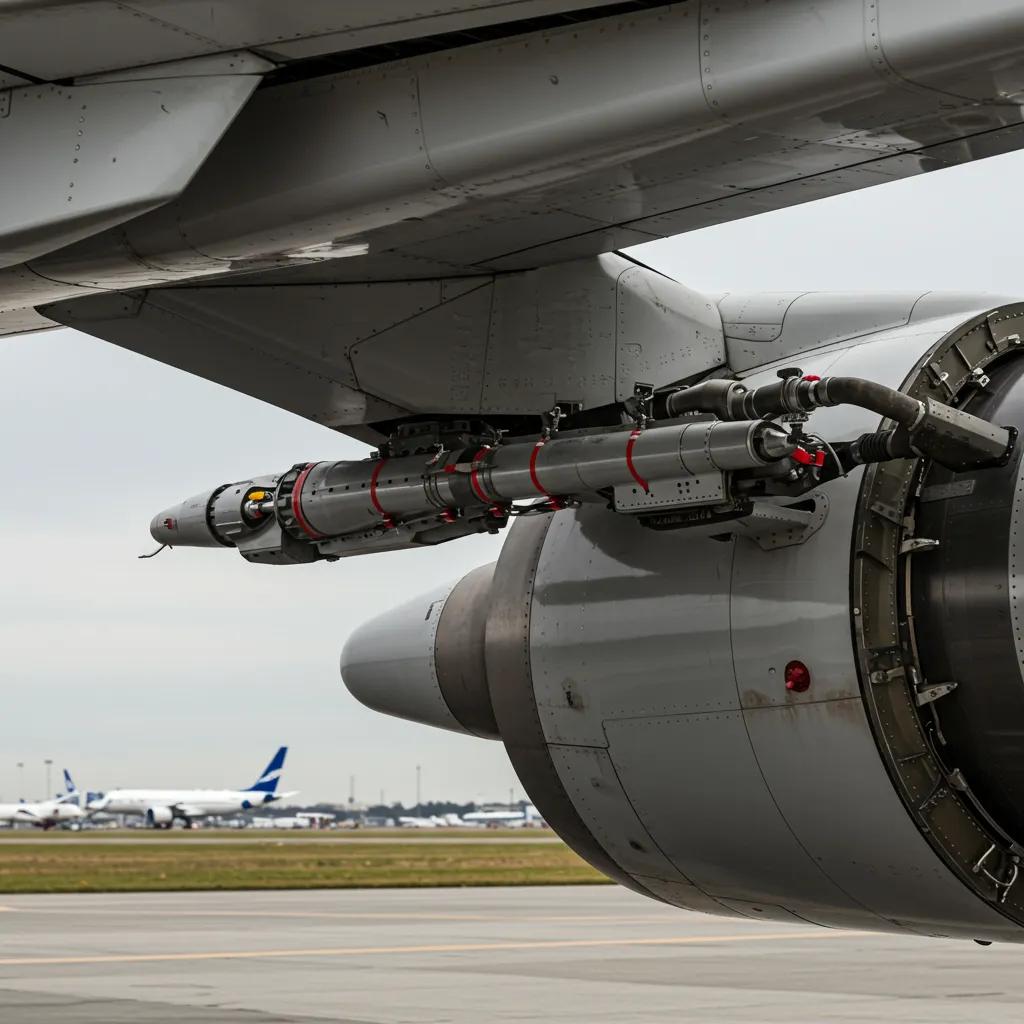
An engine detachment during takeoff removes a significant mass from the wing and severs structural and aerodynamic continuity, immediately altering lift distribution and generating asymmetric thrust and yaw that the flight crew must counteract. On an MD-11 cargo configuration, the loss of the outboard left engine and pylon can also damage slats, flaps, and fuel lines, increasing the likelihood of fire that further degrades wing integrity and flight-control linkages. The physical mechanism often involves the fracture of pylon attachments or supporting structures. Resultant aerodynamic stalls on the damaged wing and a loss of control authority can prevent safe recovery at low altitude. Investigators are combining metallurgical analysis of fracture surfaces with flight-data trends to determine whether fatigue, manufacturing defects, maintenance actions, or an in-flight event triggered the detachment, recognizing that at takeoff speeds and altitudes, the margin for recovery is minimal.
Detailed Timeline of the Louisville UPS Plane Crash
The immediate timeline integrates Air Traffic Control (ATC) recordings, witness reports, and early on-site observations to construct a minute-by-minute sequence that guides forensic priorities and public briefings. Flight data and cockpit voice recordings, once decoded, will either corroborate or refine this initial chronology; until laboratory analysis is complete, timestamps should be considered preliminary.
This table concisely summarizes the available sequence, facilitating both quick reference and featured-snippet style answers while the NTSB and FAA work to reconcile control-tower recordings and recorder data to assign precise timestamps.
Investigation into UPS Plane Crash: Agencies and Initial Findings
Multiple federal and local agencies are coordinating efforts to investigate the crash, preserve crucial evidence, and support recovery and victim identification. The National Transportation Safety Board (NTSB) serves as the lead investigative body, supported by the Federal Aviation Administration (FAA), local law enforcement, fire and rescue units, and aviation forensic specialists. The NTSB’s early field examination led investigators to confirm that an engine had detached prior to impact, and both the cockpit voice recorder (CVR) and flight data recorder (FDR) units were successfully recovered to aid in data-driven reconstruction of the final moments. The roles of each agency are clearly delineated to ensure forensic integrity, regulatory follow-through, and the formulation of public safety recommendations as the investigation progresses.
This table clarifies the responsibilities for investigative threads and summarizes early outcomes, allowing readers to track which entity will issue different types of reports and recommendations.
As an information hub committed to timely, accurate coverage, Geo News (Jang Media Group) is diligently aggregating official statements and on-the-ground reporting. We will continue to track NTSB updates and local briefings as the investigation proceeds. Geo News’s role in collating verified source material supports transparency and helps readers find consolidated, documented updates while the forensic work continues.
NTSB Discoveries Regarding the Engine Detachment
The NTSB’s initial on-scene survey meticulously focused on the engine pylon, wing structure, and fracture surfaces to ascertain whether the detachment resulted from structural fatigue, maintenance deficiencies, manufacturing anomalies, or an acute in-flight event. Initial field observations cited damage consistent with a pylon separation and subsequent left-wing fire. Investigators will conduct metallurgical tests, fracture-surface examinations, and component part tracing to pinpoint the origin points of failure. The NTSB distinguishes preliminary factual findings—what physically occurred—from final probable cause determinations, which follow exhaustive lab work and stakeholder review. These final determinations may prompt airworthiness directives or maintenance advisories if systemic causes are identified.
Black Box Recovery and Initial Revelations
Search teams successfully located the cockpit voice recorder and flight data recorder within the debris field. These crucial units were then transferred under strict chain-of-custody protocols to secure laboratories for download and analysis, a vital step that preserves integrity for official reports and potential litigation. Early statements confirm both the CVR and FDR were recovered intact enough for laboratory examination, but investigators caution that playback and parameter decoding can take time and require corroboration with radar and ATC recordings. Preliminary insights may include indications of control inputs, engine parameters, and crew communications during the final seconds; however, investigators emphasize that interpretations remain provisional until validated by engineering review and cross-referencing with wreckage evidence.
MD-11 Cargo Plane: Specifications and Safety Record
The MD-11 is a tri-jet widebody aircraft initially designed for long-range cargo and passenger service. As a cargo variant operated by several major freight carriers, it features three engines, a distinctive trijet tail configuration, and structural components such as the engine pylon and wing box that are critical for load-bearing and aerodynamic stability. Understanding the MD-11’s design, payload characteristics, and historical incident record helps contextualize how an engine detachment interacts with the airframe and why rigorous maintenance regimes and aging-fleet considerations are paramount for cargo operations. Below is a concise technical comparison table to orient readers on key specifications and relevant historical incidents.
History and Operational Profile of the MD-11 Aircraft
Originally developed as an updated widebody trijet, the MD-11 found extended life in cargo operations as passenger operators retired the type, leading to freighter conversions in active global logistics fleets. As a cargo workhorse, the MD-11’s flight profiles often include frequent short-to-medium-haul hops and heavy payload cycles that significantly affect structural fatigue and maintenance planning. Operators and regulators therefore closely monitor pylon attachment integrity, wing-box inspections, and engine nacelle maintenance. The aircraft’s handling characteristics—particularly its sensitivity to asymmetric thrust conditions during takeoff or landing—make thorough maintenance and preflight inspections critical for effective risk mitigation.
MD-11 Safety Record and Engine Failures
Historically, MD-11 incidents encompass a range of causes—including pilot handling, weather, maintenance factors, and mechanical failures. However, engine detachment events are comparatively rare and attract intensive forensic scrutiny when they occur. Safety analysts meticulously compare incident databases to evaluate whether engine/pylon failures are statistically significant for the MD-11 compared to other freighters; such analyses factor in fleet age, cycles, and maintenance histories. Where patterns emerge, regulators may issue airworthiness directives or recommend specific inspection intervals to detect fatigue cracks or attachment delamination before catastrophic failure arises.
Louisville Community Impacted by UPS Plane Crash

The immediate human toll has been severe: authorities report a confirmed death toll of 12. Local hospitals, emergency services, and community organizations have mobilized to assist families and coordinate victim identification processes with utmost sensitivity and adherence to protocol. Beyond the human impact, the crash significantly disrupted airport operations and cargo throughput at Louisville’s vital transportation hub, affecting regional logistics lanes and prompting temporary suspension of nearby runways and cargo handling areas while cleanup and evidence collection proceed. Local government leaders and emergency agencies have been actively coordinating response and community support, carefully balancing the need for public information with the privacy of victims and the ongoing investigative work.
The community response has included the rapid mobilization of healthcare resources and logistical adjustments to maintain critical supply chains while investigators secure the scene and commence debris recovery and aircraft reconstruction efforts.
Victims and Current Death Toll Confirmed
Officials have confirmed a death toll of 12 in this tragic incident. Victim identification and next-of-kin notifications are being handled through established protocols that prioritize accuracy and family privacy. Law enforcement and medical examiners are coordinating closely with federal investigators to ensure that identification processes do not compromise the investigative chain of custody for remains and evidence. Public release of names or personal details will follow family notification and legal procedures; authorities have urged patience and emphasized that formal death certificates and release notifications will come through appropriate channels. Community resources, including counseling and liaison services, are being mobilized to support affected families and responders.
Effects on Louisville Airport Operations and Local Economy
Short-term impacts include runway closures or restrictions, a temporary reduction in cargo throughput at a major logistics hub, and rerouted flights that place strain on nearby airports and freight corridors. The local economy, which heavily relies on time-sensitive cargo movement, may face immediate bottlenecks affecting manufacturing supply chains and commercial deliveries, while airport operators work diligently to restore normal operations as debris clearance and safety inspections conclude. Officials are coordinating with carriers and logistics partners to prioritize critical shipments, and economic ripple effects will be measured as throughput resumes; local leaders are also emphasizing support for businesses and workers affected by temporary operational constraints.
Aviation Safety Protocols and Expert Analyses on Engine Failure
Aircraft safety protocols designed to prevent catastrophic engine detachment focus on rigorous structural inspections, pylon attachment checks, fatigue-life tracking, and manufacturer service bulletins that are translated into regulatory airworthiness directives when systemic risk is identified. Engineers consistently emphasize the critical importance of inspecting meronym components such as the engine pylon, wing structure, and attachment fittings, as even small fatigue cracks or corrosion can propagate into critical failures. Expert analyses combine fracture mechanics, meticulous maintenance record audits, and flight-data reconstruction to determine whether human factors, maintenance lapses, manufacturing defects, or an acute in-flight event initiated the detachment.
- Inspection Regimes: Regular pylon and wing-box inspections are crucial for detecting fatigue and corrosion before failure.
- Maintenance Protocols: Adherence to component replacement intervals and service-bulletin compliance significantly reduces structural risk.
- Regulatory Oversight: Airworthiness directives enforce mandatory inspections or modifications when patterns of concern emerge.
These three preventive pillars collectively form a layered defense against engine detachment, balancing manufacturer guidance, operator maintenance, and regulator enforcement to sustain fleet safety.
Causes and Prevention of Aircraft Engine Detachment
Engine detachment typically results from structural failure modes such as fatigue cracks in pylon attachments, improperly executed maintenance procedures, or rare manufacturing defects that compromise attachment integrity. External events like severe foreign-object impact or in-flight fire can also precipitate separation by weakening critical components. Prevention relies on rigorous fatigue monitoring, advanced nondestructive inspection techniques (including ultrasonic, eddy current, and dye-penetrant methods), strict adherence to manufacturer service bulletins, and the timely replacement of life-limited structural elements. Aviation authorities issue airworthiness directives when evidence suggests industry-wide corrective action is needed; operators then implement mandated inspections and repairs to effectively close identified safety gaps.
Regulation of Cargo Flight Safety by FAA and NTSB
The NTSB holds the investigatory mandate to determine factual sequences and probable causes, and to recommend safety improvements. Concurrently, the FAA oversees certification, maintenance standards, and the enforcement of airworthiness directives that ensure fleets remain compliant with safety requirements. Following major accidents, NTSB recommendations can prompt FAA rulemaking or immediate directives requiring targeted inspections, design changes, or operational limitations. International bodies and manufacturers also participate in remedial actions when findings suggest design or production issues. This cooperative regulatory ecosystem ensures that lessons learned from a single incident can translate into concrete measures that enhance system-wide safety.
Next Steps in the Ongoing Investigation and Recovery Efforts
Investigators will proceed through methodical phases: meticulously preserving and documenting the scene, recovering and cataloging components, analyzing CVR and FDR data, conducting metallurgical and materials testing, and then synthesizing these findings into a preliminary report, followed by a probable cause determination. The NTSB’s typical cadence involves releasing factual updates and a preliminary report within weeks, with a final report often taking many months when complex forensic analysis and multiple parties are involved. Stakeholders—ranging from the airframe and engine manufacturers to maintenance providers and regulatory agencies—will receive technical data as part of the investigative process to identify corrective actions or regulatory responses.
- Site Preservation and Wreckage Cataloging: Secure evidence and precisely map component locations.
- Recorder Analysis and Lab Testing: Decode FDR/CVR data and conduct thorough metallurgical examinations.
- Synthesis and Reporting: Issue a preliminary factual report, followed by a final probable-cause report.
These steps represent the procedural backbone of an aviation investigation, balancing the need for thorough scientific inquiry with the public’s legitimate demand for timely information.
As an information hub serving domestic and international audiences, Geo News (Jang Media Group) will continue to closely follow official NTSB and FAA statements and collate verified updates and public briefings for our readers. For those tracking forensic milestones—such as FDR/CVR readouts, metallurgical conclusions, and any subsequent airworthiness directives—Geo News will aggregate primary-source announcements and official press conferences to maintain timely and accurate coverage.
Typical Duration of NTSB Investigations for Complex Crashes
The timeline for NTSB investigations varies significantly with complexity: preliminary factual reports often appear within weeks, but final probable-cause reports can take many months to over a year when detailed metallurgy, systems testing, and extensive interagency coordination are required. Factors that extend timelines include complex debris mapping, international manufacturer involvement, lengthy laboratory analyses, and legal processes that necessitate careful documentation. Interim public updates generally focus on factual confirmations—such as the recovery of black boxes or confirmed structural findings—while the final analytical work proceeds behind the scenes to ensure that any regulatory recommendations are evidence-based and actionable.
Expected Updates from Officials and Investigators
Officials are expected to release staged updates that progressively add technical detail: immediate factual bulletins (e.g., recorder recovery, death toll confirmations), a preliminary NTSB report summarizing the factual sequence and evidence collected, targeted lab results (e.g., metallurgical or engine teardown outcomes), and finally, a published probable-cause report with safety recommendations if warranted. Members of the public and industry will also closely monitor for regulatory responses such as FAA airworthiness directives or manufacturer service bulletins that might follow evidence of systemic issues. Geo News will continue to compile these authoritative releases and public briefings to provide concise, source-grounded reporting as the investigation evolves.
Frequently Asked Questions
What are the potential long-term impacts of the UPS cargo plane crash on aviation regulations?
The UPS cargo plane crash in Louisville may lead to significant changes in aviation regulations, particularly concerning engine attachment protocols and maintenance practices. Following such incidents, the NTSB often recommends new airworthiness directives to enhance safety measures. These could include stricter inspection intervals for engine pylons and more rigorous training for maintenance personnel. Additionally, the FAA may implement new guidelines based on the findings of the investigation, aiming to prevent similar accidents in the future and improve overall aviation safety standards.
How does the community support the families affected by the crash?
In the aftermath of the UPS cargo plane crash, the Louisville community has mobilized to provide support for the families of the victims. Local organizations, including counseling services and community groups, are offering emotional and logistical assistance to those affected. Fundraising efforts may also be initiated to help cover funeral costs and provide financial aid to families during this difficult time. Community leaders are emphasizing the importance of compassion and solidarity, ensuring that families receive the necessary resources and support as they navigate their loss.
What role do black boxes play in aviation accident investigations?
Black boxes, which include the cockpit voice recorder (CVR) and flight data recorder (FDR), are crucial in aviation accident investigations. They capture vital information about the aircraft’s performance and crew communications during the flight, especially in the moments leading up to an incident. Analyzing data from these devices helps investigators reconstruct the sequence of events, identify potential causes, and recommend safety improvements. The insights gained from black box analysis are essential for understanding the factors that contributed to the crash and preventing future occurrences.
What are the common causes of engine detachment in aircraft?
Engine detachment in aircraft can occur due to several factors, including structural fatigue, manufacturing defects, or improper maintenance practices. Fatigue cracks in pylon attachments or corrosion can weaken the structural integrity of the engine mount, leading to failure. Additionally, external factors such as foreign object damage or in-flight fires can compromise engine attachment points. Preventive measures, such as regular inspections and adherence to maintenance protocols, are critical in mitigating the risk of engine detachment and ensuring the safety of flight operations.
How do aviation authorities ensure compliance with safety regulations?
Aviation authorities, such as the FAA and NTSB, ensure compliance with safety regulations through a combination of oversight, inspections, and enforcement actions. The FAA conducts regular audits of airlines and maintenance facilities to verify adherence to safety standards. Additionally, the NTSB investigates accidents to identify systemic issues and recommend improvements. When safety concerns arise, authorities may issue airworthiness directives mandating specific inspections or modifications. This regulatory framework aims to maintain high safety standards and protect the integrity of the aviation industry.
What steps are taken to preserve evidence after an aviation accident?
After an aviation accident, preserving evidence is a critical step in the investigation process. Investigators secure the crash site to prevent contamination and ensure that all physical evidence is documented and cataloged. This includes mapping the wreckage, collecting debris, and recovering black boxes. Forensic teams analyze the site for clues about the accident’s cause, while maintaining a chain of custody for all evidence. These meticulous procedures are essential for conducting a thorough investigation and providing accurate findings that can inform future safety measures.
What can the public expect in terms of updates from the investigation?
The public can expect regular updates from the NTSB and other investigative agencies as they progress through the investigation. Initial updates will likely focus on factual confirmations, such as the recovery of black boxes and the death toll. As the investigation unfolds, more detailed reports will be released, including preliminary findings and recommendations for safety improvements. The NTSB typically issues a preliminary report within weeks, followed by a final report that may take months to complete, ensuring that all findings are thoroughly vetted and accurate.
Conclusion
The tragic UPS cargo plane crash in Louisville highlights the critical importance of rigorous safety protocols and thorough investigations in aviation. Understanding the factors that led to this incident can help prevent future occurrences and ensure the safety of air travel. We encourage readers to stay informed by following updates from trusted news sources as the investigation unfolds. For more insights into aviation safety and related topics, explore our comprehensive articles today.