How Hungary Is Preserving Its Linguistic Heritage in the Age of AI

Preserving the Hungarian language’s rich Finno-Ugric legacy demands cutting-edge AI technology to analyze, generate, and safeguard over 13 million speakers’ vocabulary. This article maps how Hungary addresses the language’s unique agglutinative morphology, deploys large language models and speech tools, enacts national AI policies, digitizes cultural archives, and prepares for ethical and economic impacts. You will learn:
- What makes Hungarian a “linguistic island” for AI
- How AI tools—from LLMs to chatbots—support Magyar vitality
- Which strategies and partnerships drive corpus creation and policy
- How semantic web, linked open data, and NER digitize heritage
- What future AI-driven opportunities and safeguards lie ahead
What Makes the Hungarian Language Unique and Challenging for AI?
What Makes the Hungarian Language Unique and Challenging for AI?
Hungarian belongs to the Uralic language family, sharing distant roots with Finnish and Estonian, and uses agglutination to express grammatical relationships through suffix stacking. This unique structure presents challenges for AI models.
This source confirms the Uralic origin of the Hungarian language and its relationship to other languages in the family, which is essential for understanding its unique characteristics.
The Hungarian language is a Uralic, Finno-Ugric tongue defined by agglutinative morphology and vowel harmony, which requires AI models to parse complex affix chains and classify 44 phonemes accurately. This structure forces tokenizers to segment words into root + affix sequences so language models can learn reliable patterns. Understanding these features guides AI training on extensive Hungarian corpora and ensures precise natural language processing for grammar, pronunciation, and meaning.
What Are the Finno-Ugric Roots and Agglutinative Structure of Hungarian?
Hungarian descends from the Uralic family, sharing distant kinship with Finnish and Estonian, and employs agglutination to express grammatical relationships through suffix stacking.
This morphological profile shapes AI tokenization rules and morphological analyzers for precise parsing and generation of valid Hungarian word forms.
How Do Hungarian Grammar and Vowel Harmony Affect AI Language Processing?
Hungarian grammar’s flexible word order and strict vowel harmony demand AI solutions that adapt syntax trees and phoneme classifiers.
- AI tokenizers must handle variable affix sequences to avoid oversegmentation.
- Pronunciation models require vowel harmony rules to predict phoneme distributions across suffixes.
- Contextual embeddings need case-aware encoding so models understand 18 grammatical cases.
These adaptations ensure AI systems maintain high accuracy in speech interfaces and text analysis, leading seamlessly into the need for specialized models.
Why Is Hungarian Considered a Linguistic Island in AI Development?
Hungarian stands apart from Indo-European norms, requiring bespoke AI research to address its Uralic roots and morphology. As a “linguistic island,” Magyar compels AI developers to build dedicated datasets and algorithms rather than rely on multilingual models trained predominantly on Indo-European languages. This distinct status drives Hungary’s investment in native LLMs and language resources, laying the groundwork for robust AI-driven preservation initiatives.
How Is AI Technology Being Used to Preserve the Hungarian Language?
AI technology for Hungarian language preservation combines neural networks, corpus linguistics, and interactive applications to document, analyze, and promote Magyar in digital contexts. By training on cleaned corpora and deploying speech and translation tools, these systems enhance accessibility and everyday use of Hungarian across platforms and devices.
What Role Do Large Language Models Play in Hungarian Language Preservation?

Large language models (LLMs) enable fluent Hungarian text generation, comprehension, and translation by learning from billions of words in curated corpora.
- HILANCO-GPTX – Trained on 5 billion words for high-fidelity text synthesis.
- PULI GPT-3SX – Utilizes 10 billion Hungarian tokens to improve contextual accuracy.
- PULI LlumiX 32K – Supports extended contexts up to 32 000 tokens for long-form content.
These models boost language research, automate content creation, and power chatbots, ensuring Magyar remains vibrant online.
How Are Speech Recognition and Machine Translation Adapted for Hungarian?
Speech recognition and machine translation systems integrate acoustic models and morphological analyzers tailored to Hungarian phonetics and grammar.
These metrics reflect specialized acoustic training and case-aware translation engines that preserve nuance and idiomatic usage in both speech and text.
In What Ways Do Chatbots and Digital Assistants Support Hungarian Language Use?
Conversational AI platforms employ Hungarian-tuned NLU engines and dialogue datasets to deliver natural interactions.
- Government Chatbots guide citizens in Magyar for public services.
- Educational Bots offer vocabulary quizzes and grammar exercises.
- Commercial Assistants enable Hungarian voice commands for smart devices.
Embedding these assistants in daily workflows reinforces language practice and supports continuous digital engagement.
What Are Hungary’s National Strategies and Collaborations for AI and Language Preservation?
Hungary’s national AI strategy embeds language preservation as a core pillar, allocating funds for research, data infrastructure, and public-private partnerships that sustain long-term corpus development and AI application.
How Does Hungary’s AI Strategy Prioritize Linguistic Heritage?
Hungary’s 2020 AI strategy identifies Hungarian-language processing as a strategic asset, commissioning large-scale corpus projects and funding specialized research centers. Key measures include:
- Dedicated Grants for linguistic AI research.
- National Corpus Expansion with cleaned, annotated texts.
- Policy Mandates for AI tools in public administration.
These priorities create a stable ecosystem for AI-based language initiatives.
Which Organizations and Partnerships Drive Hungarian AI Language Development?
Hungarian linguistic AI thrives through collaboration among academia, industry, and civil society.
- Hungarian Research Centre for Linguistics (NYTK/ELKH) develops proprietary LLMs.
- Mikó Imre Association advocates language rights and minority inclusion.
- Microsoft Hungary contributes 10 billion words to AI training.
- Europeana Initiative supports cross-border cultural data sharing.
This network amplifies resources and expertise for comprehensive language preservation.
How Is AI Supporting Hungarian Minority Communities, Especially in Transylvania?
AI solutions empower Transylvanian Hungarians by providing real-time translation, speech interfaces, and administrative chatbots in Magyar. Automated translation tools streamline education and local governance, reinforcing language rights and cultural identity for diaspora communities beyond Hungary’s borders.
How Is Digital Cultural Heritage Linked to Hungarian Language Preservation?
Digital cultural heritage projects transform historical texts, audio recordings, and artifacts into structured, semantically rich datasets that feed AI language models and public access platforms.
What Are the Key Digital Heritage Initiatives in Hungary?
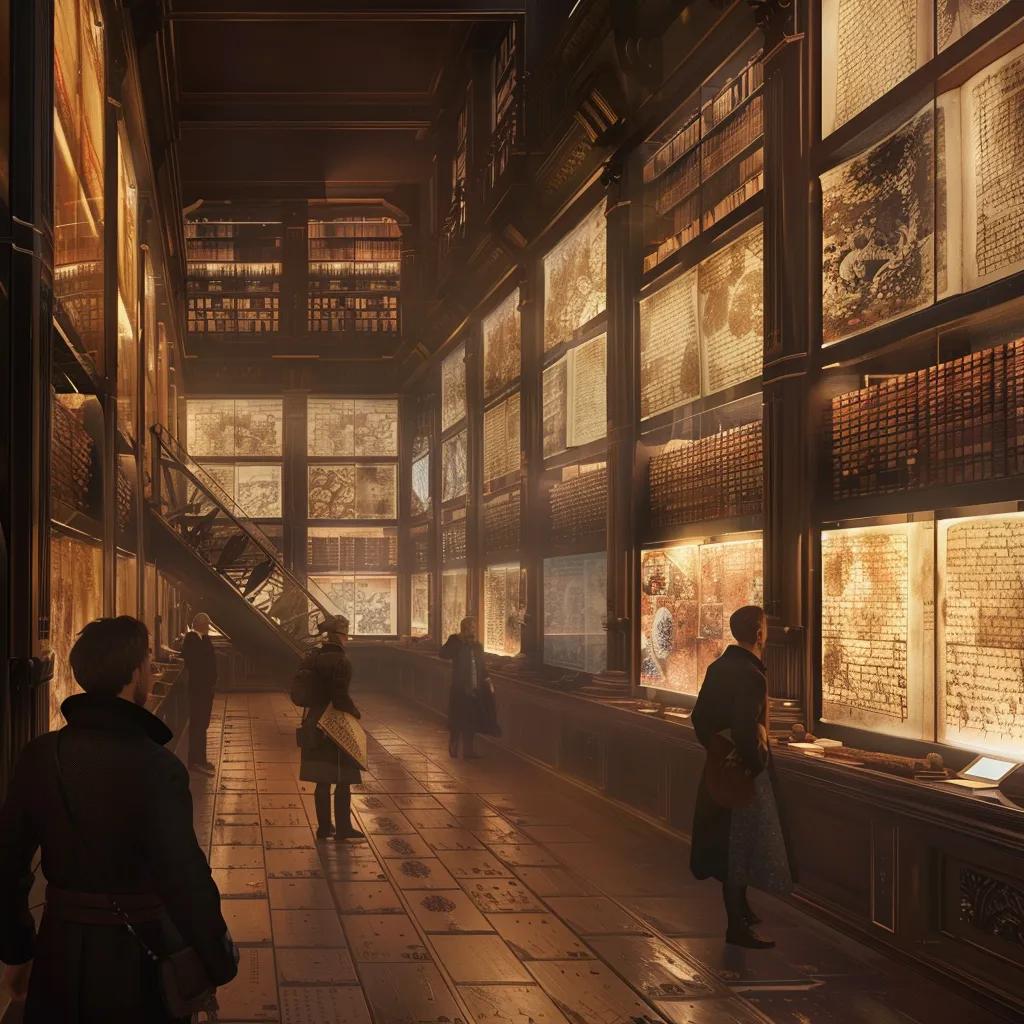
- Hungarian National Library archives medieval manuscripts online.
- National Museum publishes high-resolution images of historical documents.
- Europeana Collections integrate Hungary’s cultural works into a pan-European portal.
These initiatives supply AI with authentic language data and foster global discovery of Magyar heritage.
How Does Semantic Web and Linked Open Data Enhance Hungarian Cultural Preservation?
- Define entities using CIDOC-CRM and SKOS ontologies.
- Publish datasets via SPARQL endpoints.
- Connect Hungarian metadata with Linked Open Data hubs.
Standardized semantic models ensure machine-readable heritage records that enrich language corpora and academic research.
What Is the Role of Named Entity Recognition in Preserving Hungarian Cultural Texts?
Named entity recognition (NER) tags people, places, and works within historical texts to create searchable archives.
By extracting entities from manuscripts and newspapers, NER builds indexable knowledge graphs that power AI queries and digital exhibitions.
What Is the Future Impact of AI on Hungarian Language Rights, Education, and Society?
AI innovation promises to expand Hungarian language rights, revolutionize education, and stimulate economic growth, while raising vital ethical and cultural considerations for the community’s future.
How Will AI Influence Hungarian Language Education and Community Engagement?
AI-driven tutors offer adaptive lessons, real-time pronunciation feedback, and gamified quizzes that accelerate Magyar mastery.
- Adaptive Learning Paths tailor grammar exercises.
- Voice Analysis corrects vowel harmony errors.
- Community Platforms enable user-generated stories for corpus enrichment.
These tools promote lifelong engagement and collective content creation.
What Economic Opportunities Does AI Create for Hungarian Language Innovation?
The rise of language-centric AI spurs new services in localization, voice interfaces, and educational software. Job growth emerges in data annotation, model fine-tuning, and semantic web development. Startups can monetize niche Hungarian LLM APIs, while established companies expand language solutions, driving a vibrant language tech ecosystem.
What Ethical Considerations Arise in Using AI for Linguistic Heritage?
AI for language preservation must respect data sovereignty, privacy, and cultural sensitivity.
- Informed Consent for digitizing personal archives.
- Bias Mitigation in training sets to represent dialects equally.
- Minority Rights Protections under GDPR and local regulations.
Embedding these safeguards ensures AI enhances rather than erodes Hungary’s linguistic identity.
Preserving Hungary’s linguistic heritage demands continued collaboration among technologists, scholars, and policymakers, ensuring AI remains a force for cultural resilience and community empowerment. By marrying grammatical expertise, semantic web standards, and ethical frameworks, Hungary charts a sustainable path for Magyar in the digital era.
Frequently Asked Questions
How does AI impact the accessibility of the Hungarian language for non-native speakers?
AI technologies significantly enhance the accessibility of the Hungarian language for non-native speakers through tools like real-time translation and language learning applications. These systems utilize large language models to provide accurate translations and contextual understanding, making it easier for learners to grasp the complexities of Hungarian grammar and vocabulary. Additionally, AI-driven chatbots and educational platforms offer interactive experiences, allowing users to practice conversational skills and receive instant feedback, thus fostering a more inclusive environment for language acquisition.
What are the challenges faced by AI in processing Hungarian dialects?
Processing Hungarian dialects presents unique challenges for AI due to the linguistic diversity and regional variations within the language. Each dialect may have distinct vocabulary, pronunciation, and grammatical structures, which complicates the development of universal AI models. To address this, AI systems must be trained on diverse datasets that include various dialects, ensuring that they can accurately recognize and generate language that reflects these differences. This requires ongoing collaboration with local linguists and community input to enhance model performance and inclusivity.
How is AI being used to support Hungarian cultural heritage beyond language preservation?
AI is playing a vital role in supporting Hungarian cultural heritage by digitizing historical artifacts, manuscripts, and audio recordings. Through machine learning techniques, these cultural assets are transformed into structured datasets that can be easily accessed and analyzed. AI tools also facilitate the creation of virtual exhibitions and interactive experiences, allowing users to engage with Hungary’s rich history in innovative ways. This not only preserves cultural heritage but also promotes public interest and education about Hungary’s diverse traditions and history.
What role do educational institutions play in Hungary’s AI language initiatives?
Educational institutions in Hungary are pivotal in advancing AI language initiatives by conducting research, developing language resources, and training the next generation of linguists and AI specialists. Universities collaborate with government and industry partners to create specialized programs focused on linguistic AI, ensuring that students gain practical experience in language processing technologies. These institutions also contribute to the development of large language models and corpora, fostering innovation and supporting Hungary’s commitment to preserving its linguistic heritage through cutting-edge research.
How does Hungary’s AI strategy address the needs of minority language speakers?
Hungary’s AI strategy actively addresses the needs of minority language speakers by promoting inclusive language technologies that support various linguistic communities. This includes developing AI tools that facilitate communication and education in minority languages, ensuring that these communities have access to the same resources as Hungarian speakers. The strategy also emphasizes collaboration with minority groups to understand their specific needs and challenges, fostering a more equitable approach to language preservation and technological development that respects cultural diversity.
What ethical frameworks are being implemented in AI language projects in Hungary?
Ethical frameworks in AI language projects in Hungary focus on data privacy, cultural sensitivity, and the representation of diverse dialects. These frameworks ensure that AI systems are developed with informed consent, particularly when digitizing personal or sensitive cultural materials. Additionally, efforts are made to mitigate biases in training datasets, ensuring that all dialects and language variations are fairly represented. By embedding these ethical considerations into AI initiatives, Hungary aims to protect its linguistic heritage while promoting responsible and inclusive technology use.
Conclusion
Preserving Hungary’s linguistic heritage through AI technology not only safeguards the unique characteristics of the Hungarian language but also enhances its accessibility and everyday use. By leveraging advanced tools and collaborative strategies, Hungary is setting a precedent for how technology can support cultural identity and community engagement. Explore the innovative initiatives and resources available to further understand and participate in this vital preservation effort. Join us in celebrating and supporting the future of the Hungarian language today.