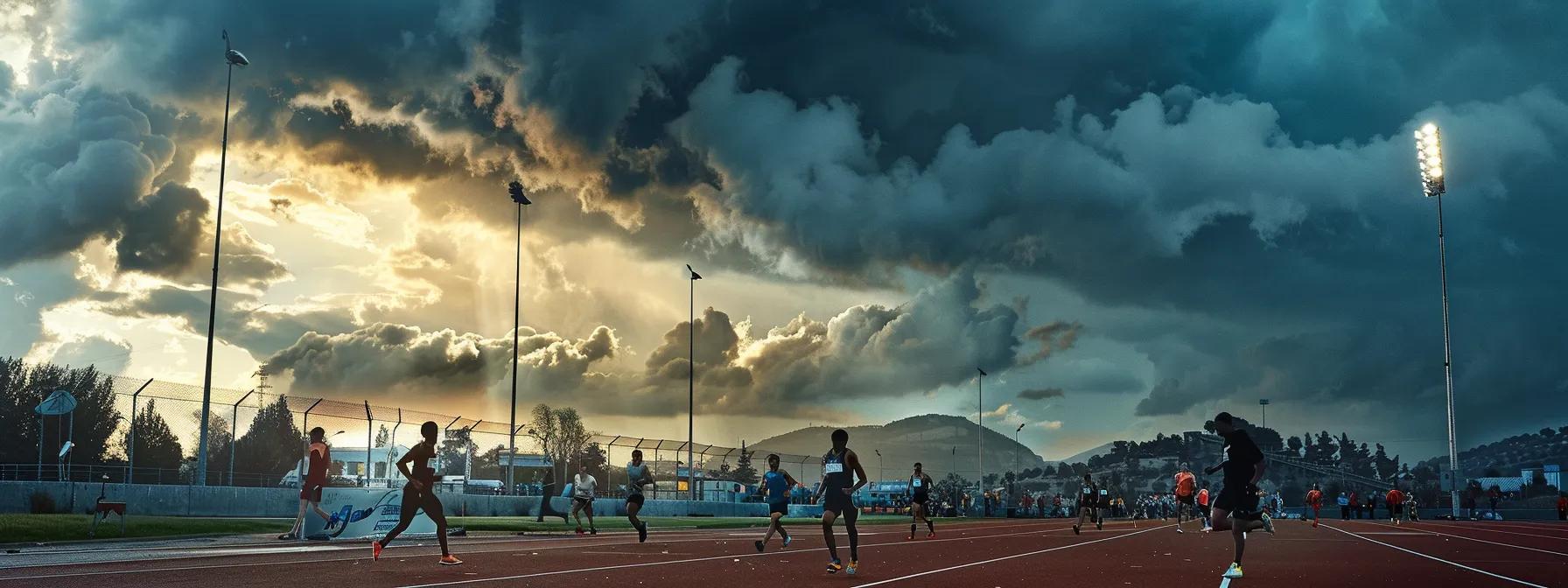
How Weather Affects Outdoor Sports: Understanding Impact and Safety for Athletes
Outdoor sports performance and athlete safety are significantly influenced by weather. From rain affecting playing surfaces to extreme temperatures challenging endurance, understanding these impacts is essential for athletes, coaches, and event organizers. Weather not only alters athletic performance and increases injury risks but also affects recovery rates and scheduling. Insights into how atmospheric conditions interact with equipment choices and training routines improve performance management and safety protocols. This article examines how rain, temperature, and severe weather affect outdoor sports while offering practical recommendations and scientific insights to guide athletes during adverse conditions.
Transitioning to the detailed discussion, the following sections explore the influence of rain, temperature, and weather events on performance and safety, along with tips for adapting training, selecting gear, and planning events.
How Does Rain Impact Performance and Safety in Outdoor Sports?
Rain affects outdoor sports primarily by reducing visibility and traction. Wet surfaces increase the likelihood of slips, falls, and injuries such as twisted ankles or ligament damage, especially in sports like soccer and football. Rain-soaked fields force athletes to adjust techniques—reducing speed and modifying running style—to maintain balance and control.
What Are the Challenges of Playing Sports in Wet Conditions? Wet conditions create several challenges: slippery surfaces demand extra caution during aggressive maneuvers, while heavy rain can compromise the effectiveness of protective gear and equipment. In team sports, poor ball control and unpredictable bounces disrupt strategy, sometimes leading to accidental collisions. Moreover, persistent rain may transform fields into waterlogged or muddy surfaces, increasing the risk of skin irritations and even hypothermia if clothing becomes soaked.
How Can Athletes Adapt Their Techniques During Rain? To mitigate risks in rain, athletes can adopt slow, controlled movements and focus on balance-building exercises. Adjustments such as specialized cleats or shoes with enhanced grip help minimize slippage. Coaches can incorporate rain simulation drills into practice sessions, adjust tactics, and emphasize extra passes in ball-handling sports. Mental preparation and improved communication also help athletes respond to rapidly changing conditions.
Which Outdoor Sports Are Most Affected by Rain? Sports played on natural surfaces—such as soccer, rugby, cricket, and American football—are particularly vulnerable to rainy conditions. Sports requiring precise footwork and ball control (e.g., tennis, baseball, and even individual track events) also confront significant disruptions due to rain.
What Are the Effects of Temperature on Athlete Performance?

Temperature extremes impose significant physical demands on athletes. High temperatures affect hydration and endurance, while cold weather can hinder muscle performance by reducing flexibility and increasing stiffness. The body must work harder to regulate its internal temperature, which can compromise energy distribution, performance, and recovery.
How Does Hot Weather Influence Training and Endurance? In hot conditions, the body’s thermoregulation is challenged by elevated core temperatures. Increased sweat production and loss of fluids and electrolytes can lead to dehydration, fatigue, and a decrease in VO₂ max. The body diverts energy from performance towards maintaining homeostasis. Therefore, athletes must maintain hydration and replenish electrolytes to sustain endurance.
What Are the Risks of Cold Weather for Outdoor Athletes? Cold weather can lead to reduced muscle elasticity and joint mobility, elevating risks of strains and sprains. The cardiovascular system also endures extra stress as the body works to stay warm, potentially increasing blood pressure and slowing reaction times. Without proper clothing or adequate warm-up, athletes face risks such as hypothermia and impaired coordination due to colder muscles.
How Do Temperature Extremes Affect Recovery and Injury Risk? Both ends of the temperature spectrum affect recovery time and injury likelihood. Excessive heat can delay muscle repair due to dehydration and increased metabolic demands, while cold conditions reduce blood flow—slowing nutrient delivery and waste removal. In both cases, inadequate warm-up or cool-down routines may lead to overuse injuries or muscle tears, making temperature-specific adjustments to training schedules crucial.
How Can Athletes Stay Safe During Storms and Severe Weather?
Severe weather events, including thunderstorms, hurricanes, and intense storms, pose immediate safety risks. Lightning strikes and high winds can endanger athletes, necessitating rapid responses such as evacuation or seeking shelter.
What Are the Warning Signs of Dangerous Weather for Outdoor Sports? Athletes should watch for sudden shifts in wind direction, dark heavy clouds, rapid drops in temperature, and increased static electricity. Even distant thunder can signal the need for precaution. Modern weather-tracking tools further enhance early detection, helping officials and athletes recognize the signs of impending severe weather.
What Safety Measures Should Be Taken During Thunderstorms? During thunderstorms, minimizing exposure is vital. Athletes and spectators should promptly seek shelter in robust, enclosed structures. It is advisable to suspend activities at the first sign of a storm. Installing lightning detection systems and conducting regular emergency drills reinforce safety measures. Coaches must ensure that all participants know evacuation routes and adhere strictly to safety protocols.
How Do Weather Conditions Influence Event Cancellations and Delays? Decisions to delay or cancel events are based on weather severity and field conditions. Meteorological data from reliable sources inform these decisions, ensuring that the integrity of the playing field and safety of participants remain uncompromised. Advances in technology sometimes allow for temporary halts rather than complete cancellations, with resumption protocols once conditions improve.
What Are the Best Training Tips for Hot Weather Conditions?

Training in the heat requires strategies designed to manage body temperature and hydration. Athletes need to adjust exercise intensity and timing to avoid peak heat periods and reduce the risk of overheating.
How Should Hydration and Nutrition Change in Hot Weather? In hot weather, athletes must increase their water intake and supplement with electrolyte-rich beverages containing sodium, potassium, and magnesium. Consuming easily digestible carbohydrates and proteins helps maintain energy levels without straining the digestive system. Cooling foods like fruits can also aid hydration and recovery.
What Clothing and Gear Are Recommended for Training in Heat? Lightweight, breathable, moisture-wicking clothing is essential to promote sweat evaporation and keep the body cool. Accessories such as hats or visors and high SPF sunscreen provide additional protection against sun exposure. Technological innovations like cooling vests and performance fabrics further help regulate body temperature during exertion.
How Can Athletes Prevent Heat-Related Illnesses? To prevent heat-related conditions, athletes should engage in extended warm-ups to acclimatize and schedule regular cooling breaks during training. Using wearable technology to monitor core body temperature can provide early warnings of overheating. Training during cooler times of the day, such as early mornings or evenings, also helps reduce environmental stress.
What Are Essential Cold Weather Tips for Outdoor Sports Enthusiasts?
Cold weather demands specific adjustments to ensure safety and effective performance. Enhanced warm-up routines, proper clothing, and targeted recovery protocols are key to combating the effects of low temperatures.
How Should Athletes Dress for Cold Weather Sports? Layering is crucial in cold weather. The innermost layer should wick moisture, followed by insulating layers that trap heat, and finally an outer layer that protects against wind and moisture. Materials like merino wool or advanced synthetic fibers maintain warmth while allowing mobility. Accessories such as thermal gloves, insulated hats, and neck gaiters help protect vulnerable extremities.
What Are Effective Warm-Up and Cool-Down Techniques in Cold Weather? A dynamic warm-up using low-intensity aerobic exercises, such as light jogging and dynamic stretches, gradually raises muscle temperature and improves mobility. After activity, static stretching and gradual rewarming—coupled with changing out of damp clothing and consuming warm fluids—aid recovery and help prevent stiffness.
How Does Cold Weather Affect Muscle Performance and Flexibility? In cold conditions, reduced muscle elasticity and slower nerve conduction can lead to coordination issues and higher injury risks. The lower metabolic rate slows power output and prolongs soreness, making adequate warm-up and careful recovery practices essential for maintaining performance.
How Does Weather Influence Equipment Choices for Outdoor Sports?
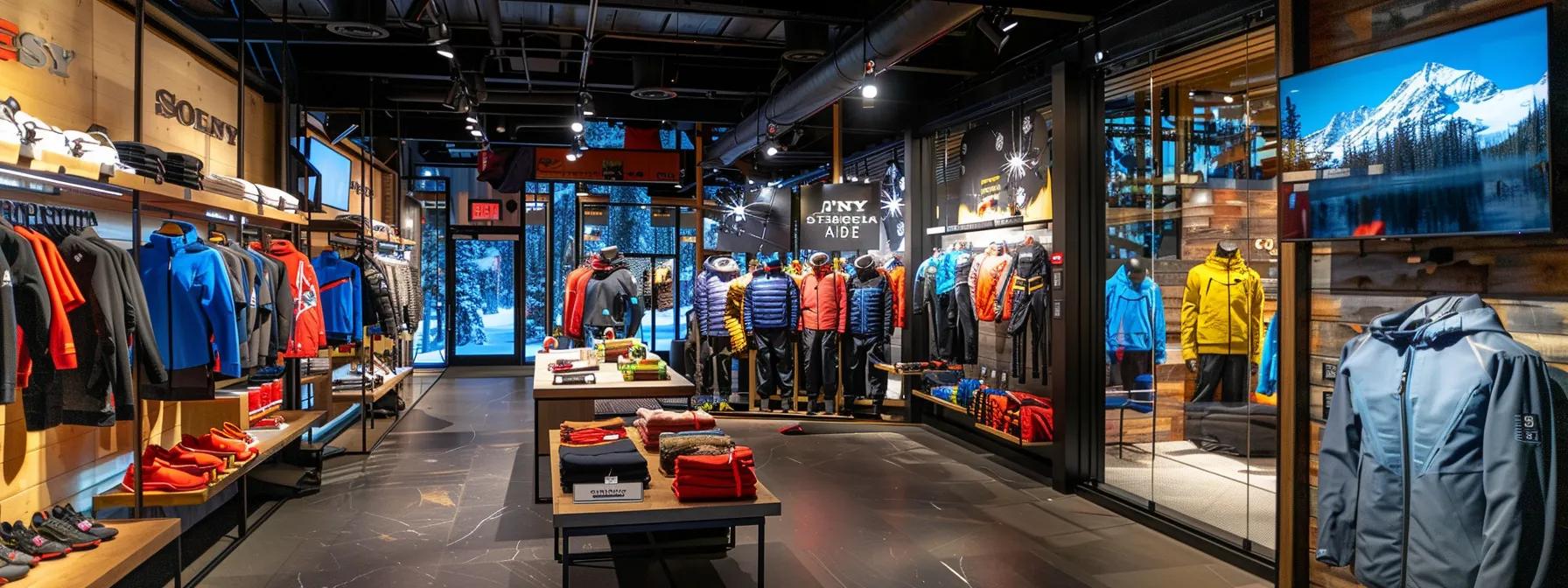
Weather plays a pivotal role in equipment selection. Athletes must choose gear designed to perform under specific environmental stresses, ensuring both safety and optimal performance.
What Are the Best Footwear Options for Rainy and Wet Conditions? In wet weather, shoes with high-traction soles and water-resistant or waterproof materials are essential. Cleats or spikes designed for muddy conditions, sometimes featuring drainage channels, help maintain grip and stability. Regular inspection of footwear ensures effective performance during rain.
How Does Temperature Affect Clothing Materials and Performance? In hot climates, lightweight, breathable, moisture-wicking fabrics prevent overheating, while in cold weather, clothing with insulating properties traps warmth without restricting ventilation. Advances in textile technology have led to dynamic materials that adjust insulation based on external temperatures, balancing comfort and performance.
Which Weather-Resistant Accessories Improve Safety and Comfort? Accessories such as waterproof headbands, visors, and gloves enhance comfort by shielding against extreme temperatures and moisture. High-performance sunglasses reduce glare during bright or rainy conditions, while compression socks and thermal base layers support muscle recovery and circulation during prolonged activities.
Below is an illustrative table summarizing key equipment choices and their performance benefits:
How Can Weather Data Help Athletes Plan Outdoor Sports Activities?
Accurate weather data is critical for planning outdoor sports. Real-time meteorological information enables athletes and organizers to optimize training schedules, mitigate risks, and make informed decisions about game delays or cancellations.
What Tools Are Available to Monitor Weather for Sports Planning? Digital tools such as smartphone apps (e.g., The Weather Channel, AccuWeather) and specialized sports weather platforms provide real-time forecasts, radar images, and alerts. Wearable devices with environmental sensors offer personalized monitoring, while advanced cloud-based platforms synthesize data from multiple sources to generate predictive models for planning adjustments.
How Can Athletes Use Weather Trends to Optimize Training Schedules? Athletes who analyze weather trends can plan training during the most favorable conditions. Scheduling sessions early in the morning or later in the evening during heat waves avoids peak temperatures, while in cooler weather, practices can be timed to ensure muscles remain flexible. Long-term conditioning programs can be refined using historical weather data to anticipate seasonal variations.
What Role Do Meteorologists Play in Outdoor Sports Safety? Meteorologists provide essential forecasts and early warnings that inform emergency protocols and training adjustments. Their analyses help tailor equipment choices, scheduling, and travel arrangements, ensuring that risks are managed proactively and that safety remains a top priority.
Frequently Asked Questions
Q: How does rain affect ball control in sports? A: Rain lowers friction on playing surfaces, resulting in unpredictable bounces and altered ball control. Athletes must adjust their tackling and passing techniques to maintain precision.
Q: What hydration strategies work best in hot weather? A: Athletes should sip water and electrolyte-rich beverages frequently rather than consuming large volumes at once. This approach helps maintain hydration and prevents fatigue.
Q: Can cold weather training improve performance? A: With proper warm-up, layering, and gradual intensity increases, training in cold can be beneficial. However, inadequate preparation may lead to injuries and muscle stiffness.
Q: What technology helps athletes monitor weather conditions? A: Smartphone apps, wearable devices with environmental sensors, and cloud-based forecasting platforms provide real-time data critical for training and event adjustments.
Q: How do severe weather warnings affect sports scheduling? A: Alerts from meteorological sources often lead to delays or cancellations to protect athlete safety. Clear communication protocols help manage these changes.
Q: What equipment modifications are recommended for wet conditions? A: Enhanced traction footwear and waterproof or water-resistant gear, including gloves and specialized apparel, are recommended to maintain performance in wet conditions.
Q: How important are meteorologists for outdoor sports safety? A: Meteorologists provide crucial forecasts and early warnings that influence event planning and safety protocols, helping to manage risks effectively.
Final Thoughts
Weather has a profound impact on outdoor sports by affecting performance and safety. Athletes must continuously adapt their routines, gear, and strategies in response to changing rain intensity, temperature extremes, and severe weather alerts. Integrating real-time weather data with scientific research enables informed adjustments to training regimens and effective risk management during competitions. By following expert recommendations and leveraging advanced weather monitoring tools, sports organizations can enhance performance while minimizing injury risks even under unpredictable environmental conditions.