Tesla Ordered by Florida Jury to Pay $329 Million in Autopilot Crash Verdict
A Florida jury ordered Tesla to pay $329 million after finding the company partially liable for a fatal 2019 Autopilot crash, marking one of the largest awards ever in an autonomous vehicle liability case. This landmark verdict addresses key questions about driver-assistance safety, manufacturer responsibility, and the future of self-driving technology. In this article, we examine what happened in the crash, detail the legal battle, explore the implications for Tesla and the broader industry, analyze Autopilot’s technical strengths and limits, review expert opinions, survey emerging regulatory trends, and share the human stories at the heart of this lawsuit.
What Happened in the 2019 Florida Tesla Autopilot Crash?
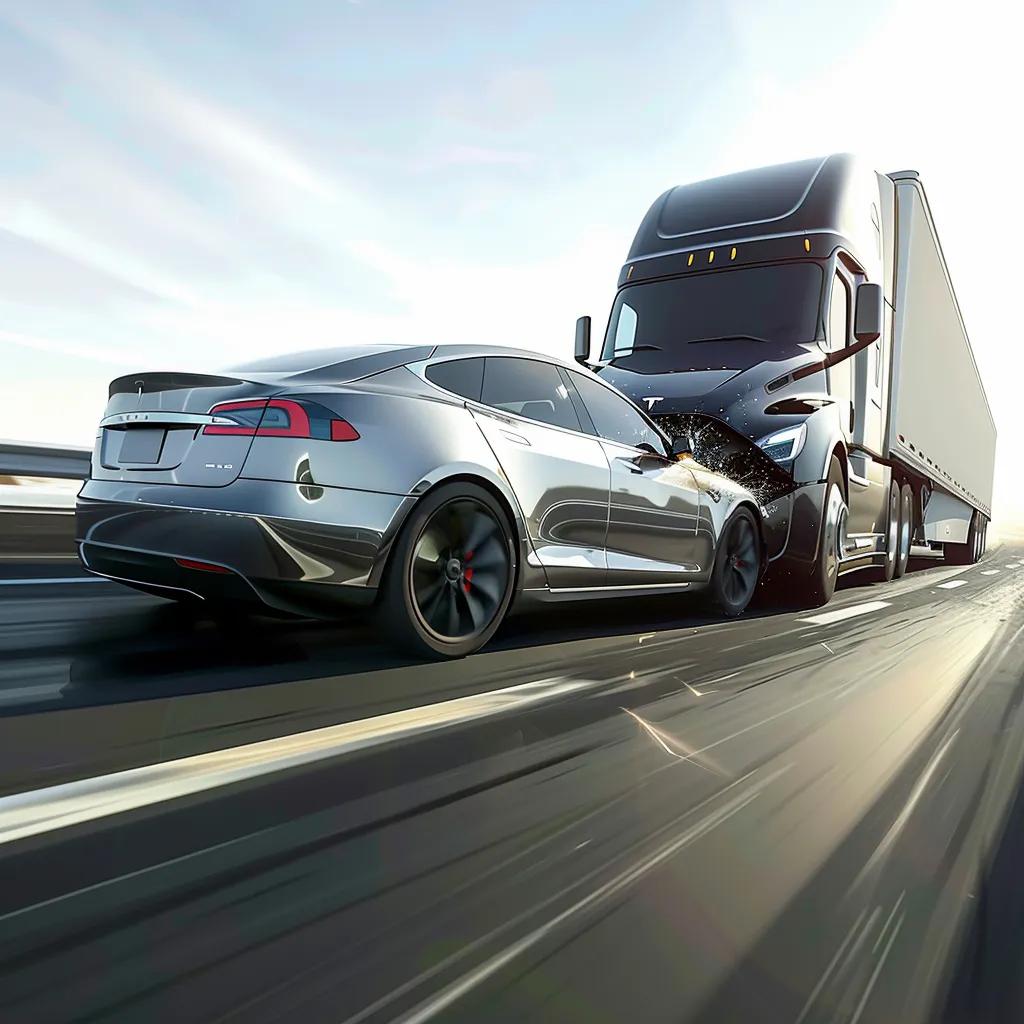
The 2019 Florida Tesla Autopilot crash involved a Tesla Model S colliding with a semi-tractor trailer that had turned into the sedan’s path. Investigators determined that the vehicle was operating under Autopilot at the time, raising questions about system limitations and driver supervision. This section outlines the victims, system engagement, and immediate aftermath.
Who Were the Victims and Driver Involved in the Crash?
An overview of the individuals involved reveals the human cost of the collision and sets the stage for the ensuing lawsuit.
The loss of Leon and Angulo led their families to pursue legal action, while McGee’s handling of system warnings became a pivotal point in court. Understanding these roles clarifies how liability was apportioned between human operator and technology.
How Did Tesla’s Autopilot System Factor into the Accident?
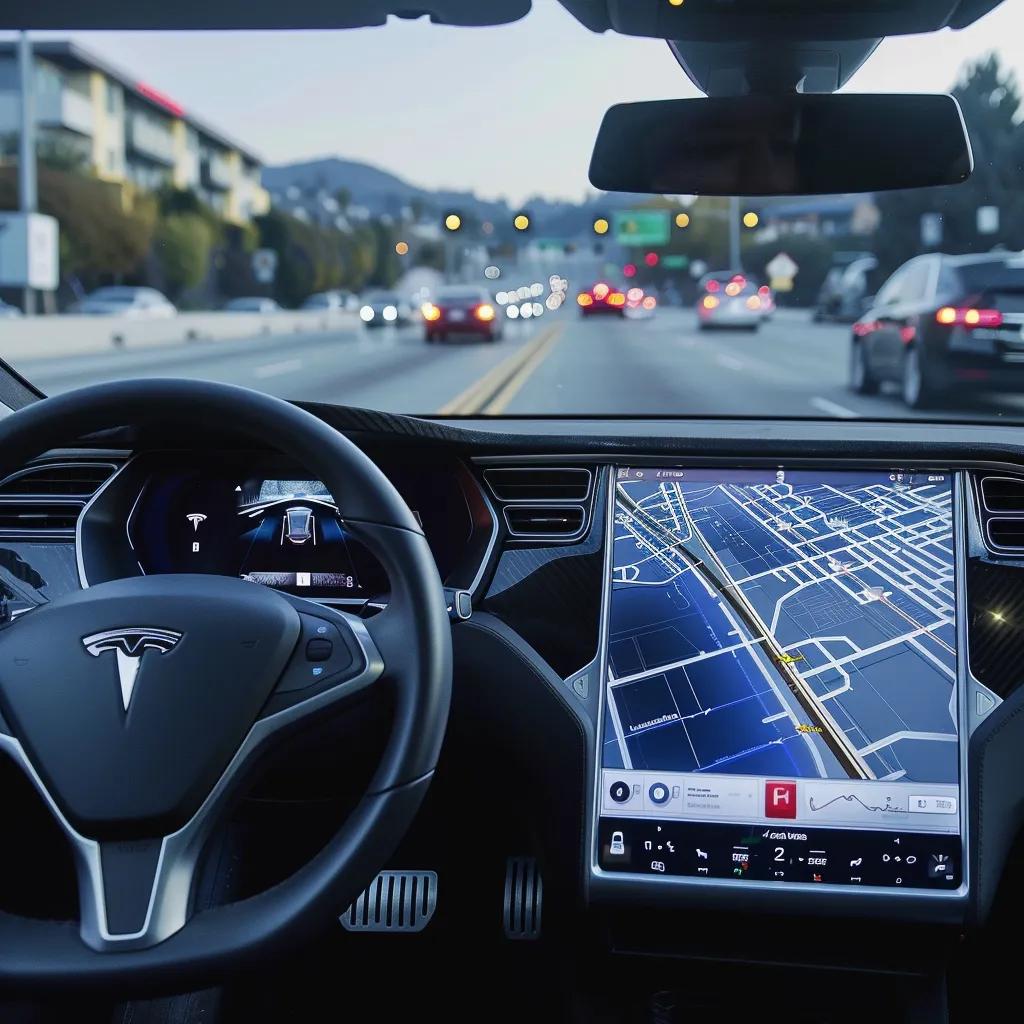
Tesla’s Autopilot is a Level 2 driver-assistance system that automates steering, acceleration, and braking under driver supervision. In this crash, sensors failed to detect the white trailer against a bright sky, and the system did not apply emergency braking. McGee received repeated visual and audible warnings to place his hands on the wheel before impact, illustrating the gap between automated assistance and full autonomy. This failure mechanism underscores Autopilot’s limitations in complex real-world scenarios.
Autopilot System Limitations
Tesla’s Autopilot system, a Level 2 driver-assistance system, automates steering, acceleration, and braking under driver supervision, but has limitations. These limitations include the inability to reliably detect all hazards, especially in low-contrast or complex scenarios, which can lead to accidents.
This source provides information on the different levels of driving automation and the limitations of each level, which is relevant to understanding the capabilities of Tesla’s Autopilot system.
What Were the Immediate Consequences of the Crash?
Authorities launched a National Highway Traffic Safety Administration (NHTSA) investigation, and Tesla disclosed limited “collision snapshot” data. Media coverage raised concerns about Autopilot’s reliability and Tesla’s transparency. Within days, industry analysts noted increased regulatory scrutiny, and Tesla’s stock dipped as investors reevaluated the company’s risk exposure. These early reactions foreshadowed the intense legal dispute that followed.
How Did the Legal Battle Unfold in the Tesla Autopilot Lawsuit?
The trial in Hillsborough County Court began with opening statements that highlighted contrasting views of technology promise versus practical risk. Plaintiffs argued that Tesla’s marketing overstated Autopilot safety, while the defense blamed driver negligence. Over two weeks of testimony, jurors heard crash reconstruction experts, Tesla engineers, and eyewitness accounts.
What Were the Plaintiffs’ Claims Against Tesla?
The plaintiffs claimed that Tesla’s promotional materials created an unrealistic expectation of hands-free driving, constituting deceptive marketing. They argued that autopilot branding and user interface design lulled drivers into overreliance, directly contributing to the fatal outcome. By linking system performance to driver behavior, plaintiffs asserted that Tesla had a duty to communicate limitations more clearly.
How Did Tesla Defend Against the Lawsuit?
Tesla contended that Autopilot warnings and disclaimers met industry standards for Level 2 systems, placing ultimate responsibility on the driver. The defense demonstrated that McGee overrode multiple prompts and failed to react when the system disengaged. Tesla’s legal team emphasized that no automated system is perfect and that driver supervision remains essential under current regulations.
What Was the Jury’s Verdict and Liability Breakdown?
A nine-member jury apportioned 33 percent liability to Tesla and 67 percent to the driver, concluding that both manufacturer and operator shared fault.
This allocation balanced the jury’s view of Tesla’s role in overstating Autopilot capabilities against the driver’s failure to heed critical alerts.
How Was the $329 Million Damages Award Calculated?
The damages total combined compensatory and punitive elements to reflect both losses and misconduct.
The compensatory award addressed tangible economic and non-economic losses, while punitive damages aimed to deter future misrepresentations by Tesla and other ADAS providers.
What Are the Implications of the Florida Verdict for Tesla and Autonomous Vehicles?
The $329 million verdict sends a clear signal that manufacturers can face substantial financial exposure for safety gaps in driver-assistance systems. It also raises questions about how companies communicate ADAS capabilities to consumers.
How Will the Verdict Affect Tesla’s Financial and Legal Future?
Tesla’s legal team has announced plans to appeal, arguing errors in jury instructions regarding liability. Even if overturned or reduced, the award could impact Tesla’s insurance costs, investor sentiment, and budget for Full Self-Driving development. Future litigation expenses may exceed hundreds of millions more as similar suits emerge.
What Are the Reputational Consequences for Tesla?
Public trust in Autopilot and Tesla’s safety narrative faces strain, potentially slowing adoption of advanced driver-assistance. Consumer reviews and auto-safety ratings may reflect increased skepticism, and prospective buyers could opt for competing brands with more transparent safety disclosures.
How Does This Verdict Set Legal Precedents for Autonomous Vehicle Liability?
By assigning partial manufacturer liability, the verdict establishes a precedent for courts to scrutinize marketing language and system limitations. Future plaintiffs may cite this case to argue that promotional omissions or overstatements warrant punitive awards, expanding liability standards for AI and ADAS products.
Legal Precedents in Autonomous Vehicle Liability
The Florida verdict sets a precedent for courts to scrutinize marketing language and system limitations in autonomous vehicle cases. Future plaintiffs may cite this case to argue that promotional omissions or overstatements warrant punitive awards, expanding liability standards for AI and ADAS products.
This source provides legal analysis of the verdict and its potential impact on future autonomous vehicle liability cases, which is directly relevant to the article’s discussion of legal precedents.
What Regulatory Changes Could Result from This Case?
Lawmakers and regulators may enact stricter labeling requirements for driver-assistance features, mandate real-time monitoring of driver engagement, or require enhanced crash-data disclosure. The NHTSA and state legislatures are already considering updates to SAE automation level definitions and consumer protection rules for autonomy.
Regulatory Trends in Autonomous Vehicle Safety
Lawmakers and regulators are considering stricter labeling requirements for driver-assistance features, mandating real-time monitoring of driver engagement, and requiring enhanced crash-data disclosure. The NHTSA and state legislatures are already considering updates to SAE automation level definitions and consumer protection rules for autonomy.
This source provides information on the regulatory actions being taken to address autonomous vehicle safety concerns, which is relevant to the article’s discussion of regulatory changes.
How Does Tesla’s Autopilot Technology Work and What Are Its Limitations?
Understanding Autopilot’s architecture clarifies both its promise and its pitfalls. The system uses cameras, radar, and ultrasonic sensors to navigate highways within marked lanes. While advanced, it cannot reliably detect all hazards, especially under low-contrast or complex scenarios.
What Features Define Tesla’s Autopilot System?
Autopilot includes Traffic-Aware Cruise Control, Autosteer, and Navigate on Autopilot. It automatically adjusts speed, keeps the vehicle centered, and can execute lane changes under driver supervision. These features deliver highway convenience but stop short of full autonomy, reflecting SAE Level 2 classification.
What Are Common Misconceptions About Autopilot Safety?
Many drivers believe Autopilot offers hands-free driving, despite repeated disclaimers. Misconceptions arise from system names, interface design, and marketing that implies futuristic self-driving. This overreliance increases risk when the technology encounters edge cases beyond its programming.
How Does Tesla Handle Crash Data and Transparency?
Tesla collects “collision snapshots” stored locally on the vehicle, with critical telemetry uploaded only on request. Plaintiffs allege selective withholding of full data sets hindered a comprehensive safety analysis. Calls for mandatory data-sharing protocols aim to improve transparency and third-party research.
How Does Autopilot Compare to Other Advanced Driver-Assistance Systems?
Tesla’s system leads in software updates and feature scope, yet shares similar reliance on vigilant driver oversight.
What Expert Opinions and Industry Analyses Say About the Verdict and Future Outlook?
Commentators agree that the Florida verdict marks a turning point in autonomous vehicle jurisprudence, with implications across technology, regulation, and consumer behavior.
What Do Legal Experts Say About Tesla’s Liability and the Verdict?
Legal analysts note that the verdict underscores courts’ willingness to hold manufacturers partly responsible for misleading marketing. They predict plaintiffs will increasingly challenge system names and promotional claims, prompting tighter oversight of AI product liability.
How Are Industry Analysts Reacting to the Financial and Regulatory Impact?
Financial experts warn of increased litigation reserves and potential downgrades in insurer risk models for autonomous manufacturers. Some forecasts estimate that liability costs could shave 5–10 percent off profit margins for companies heavily invested in driver-assistance platforms.
What Is the Future Outlook for Autonomous Vehicle Development and Liability?
Most observers anticipate a gradual shift toward higher SAE levels only after robust regulatory frameworks and standardized safety benchmarks emerge. Manufacturers may adopt real-time driver monitoring and industry-wide data-sharing consortia to mitigate legal and safety risks.
What Are the Broader Legal and Regulatory Trends in Autonomous Vehicle Lawsuits?
Beyond this Florida case, courts and regulators are grappling with liability allocation between human and machine in crashes involving AI-assisted driving.
How Does This Case Compare to Other Tesla Autopilot Lawsuits?
Previous settlements averaged $10–30 million, often focusing on technical failures without major punitive components. The $329 million award vastly exceeds past figures, suggesting juries may be moving toward stricter manufacturer scrutiny.
What Are the Emerging Legal Standards for AI and ADAS Product Liability?
Judicial trends are evolving to require clearer manufacturer warnings, standardized performance metrics, and third-party validation. Courts are defining duty of care not only by driver conduct but also by how technology capabilities are presented to users.
How Are Regulators Responding to Autonomous Vehicle Safety Concerns?
The NHTSA has opened multiple defect investigations into Tesla’s Autopilot, while the European Union is drafting regulations for “advanced driver-assistance systems.” Proposals include mandatory driver engagement monitoring and third-party crash data repositories to inform policy.
What Are the Human Stories Behind the Tesla Autopilot Crash Lawsuit?
Beyond technical debates, the crash profoundly impacted families and raised questions about human trust in machine assistance.
Who Were Naibel Benavides Leon and Dillon Angulo?
Naibel and Dillon were lifelong friends traveling home from a college reunion when their lives ended abruptly. Their families describe loving partners, advocates for community causes, and joyful spirits whose absence left a lasting void.
What Role Did Driver George Brian McGee Play in the Incident?
McGee, a software engineer, had over a year of experience driving Tesla models. He engaged Autopilot at dusk, believing cameras and radar would manage turns. In testimony, he expressed regret for misjudging system capabilities, illustrating the human-technology trust gap.
How Does the Human Element Influence Public and Legal Perception?
Empathy for grieving families fuels public demand for accountability, while jurors’ personal experiences with technology likely shaped their view of shared responsibility. The intersection of human error and automated assistance underscores the need for realistic expectations and robust safety education.
Tesla’s $329 million verdict casts a long shadow over the next generation of driver-assistance systems and highlights the importance of transparent communication, rigorous testing, and balanced liability frameworks. As appeals proceed and regulations evolve, stakeholders must refine safety standards and harmonize human-machine collaboration on the road. For ongoing analysis of autonomous vehicle liability and regulatory developments, follow our expert coverage.