How Trump Used America’s Leverage to Get Exactly What He Wanted from His Trade War
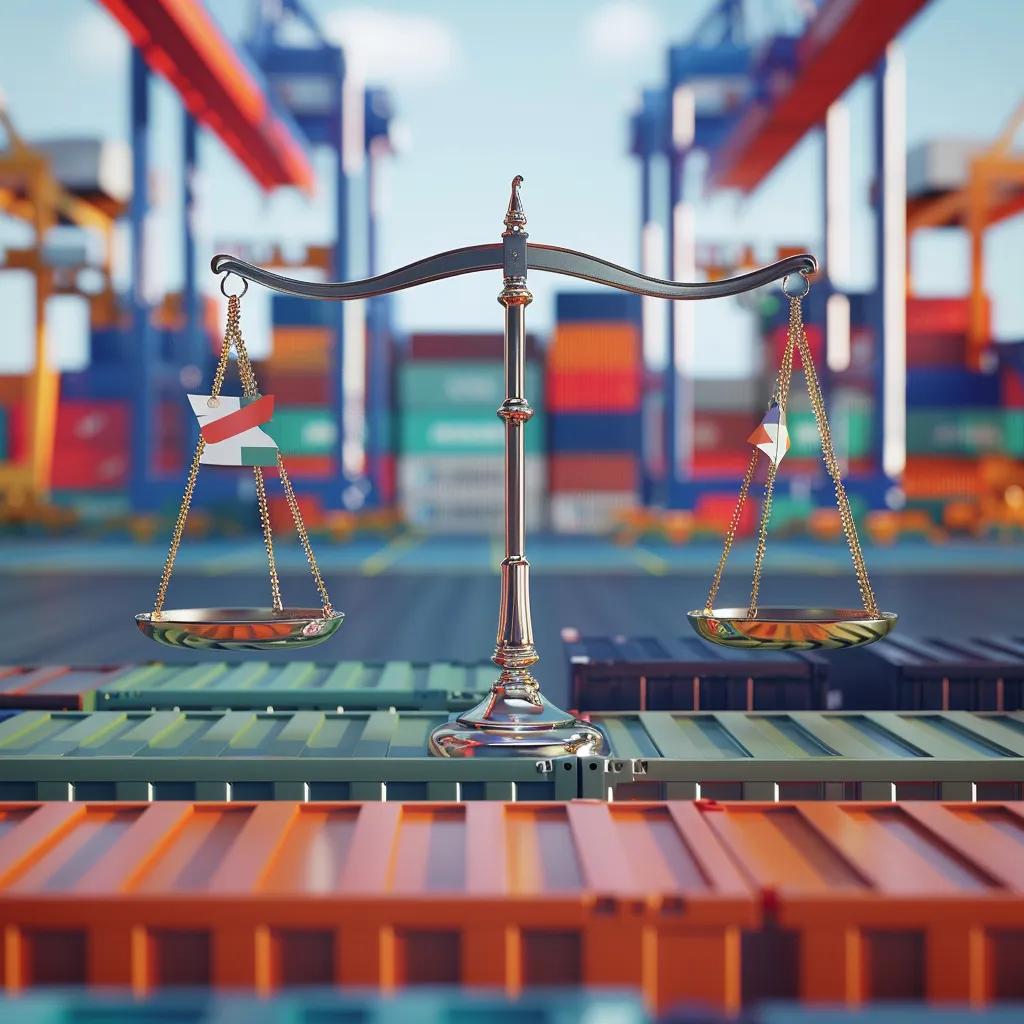
When President Donald Trump imposed sweeping tariffs in 2018, he wielded the full weight of U.S. economic power to reshape global commerce. This article reveals how America’s leverage—in the form of Section 232, Section 301, and emergency tariffs—became a strategic pressuring tool that secured concessions on trade deficits, intellectual property, and renegotiated pacts. You will learn why “America First” drove policy, how specific tariff mechanisms functioned as negotiation levers, which deals emerged from this pressure, and what sectoral and geopolitical shifts followed.
We will examine:
- The core objectives behind Trump’s trade war
- Tariffs as calibrated leverage tools
- Major agreements born of U.S. pressure
- Economic and sectoral outcomes
- Impacts on the WTO and global alliances
- Counterfactual scenarios and stakeholder perspectives
- Ways to visualize and semantically markup trade-war data
What Were the Main Goals Behind Trump’s Trade War Strategy?
Trump’s trade war strategy defined a set of clear objectives: shrinking the bilateral trade deficit, protecting domestic industries, and forcing trading partners to address intellectual property theft. By imposing import taxes, the administration aimed to compel counterparties into concessions while signaling a tough negotiating posture that prioritized U.S. economic security.
How Did the “America First” Philosophy Shape Trade Policy?
“America First” positioned U.S. national interest above multilateral compromise by treating trade policy as a tool of sovereignty rather than cost-sharing. It framed tariffs as economic sovereignty measures, ensuring that any concession had to explicitly benefit American workers and manufacturers. This nationalist doctrine provided the ideological rationale for targeting longstanding allies and adversaries alike.
Building on this political foundation, policymakers turned to metrics like the trade deficit as evidence of unfair treatment, transitioning from global free-trade commitments to bilateral leverage.
Why Was Reducing the US Trade Deficit a Priority?
Reducing the trade deficit stemmed from the belief that a large imbalance harmed domestic manufacturing and wage growth. By taxing imports, the administration sought to tilt the price equation in favor of U.S. goods and force partners to buy more American products. In practice, tariffs acted as a price lever: when foreign exporters faced higher duties, they had strong incentive to negotiate market-access deals that increased U.S. exports.
This emphasis on rebalancing trade flows directly linked economic outcomes like job gains to strategic tariff imposition.
How Did Intellectual Property and National Security Concerns Influence Tariffs?
Concerns over forced technology transfer, patent infringement, and espionage drove the utilization of Section 301 and Section 232 authorities. Section 301 targeted China’s IP practices by imposing duties on high-tech imports, while Section 232 invoked national security to justify steel and aluminum tariffs. These legal classifications allowed the administration to frame economic penalties as vital defenses of U.S. innovation and defense supply chains.
Linking IP protection to national security broadened public and congressional support for aggressive tariff actions.
What Role Did Protectionism Play in Trump’s Trade Approach?
Protectionism underpinned every tariff imposition by reasserting import taxes as legitimate shields for domestic industries. By raising the cost of foreign goods, the administration aimed to foster U.S. manufacturing resilience and supply-chain security. This tactic also served to reset global tariff norms, demonstrating that protectionist measures could be deployed swiftly to achieve political objectives.
Recasting tariffs as strategic defense mechanisms reframed them from punitive tools to instruments of long-term industrial policy.
How Did Trump Use Tariffs as Economic Leverage in the Trade War?
Tariffs functioned as calibrated levers that generated economic pressure rather than blanket embargoes. The administration varied duty rates, target sectors, and legal justifications to maximize bargaining power without crippling U.S. markets.
What Are Section 232 Tariffs and How Were They Applied to Steel and Aluminum?
Section 232 tariffs allow the president to restrict imports on national security grounds. In March 2018, the administration imposed:
Applying these duties increased U.S. steel and aluminum production, creating leverage over Canada, the EU, and Asia by linking continued market access to concessions in other sectors.
How Did Section 301 Tariffs Target China’s Intellectual Property Practices?
Section 301 empowers the USTR to impose penalties on unfair trade practices. Beginning July 2018, the U.S. applied up to 25% duties on $250 billion of Chinese goods to incentivize reform of IP rules and stop forced technology transfers. By threatening further escalation, the administration forced Beijing to enter into Phase One negotiations.
This selective tariff portfolio pressured China’s exporters to negotiate IP protections while avoiding blanket disruptions to critical supply chains.
Section 301 and Intellectual Property
Section 301 of the Trade Act of 1974 was utilized to address China’s intellectual property practices, leading to tariffs on $250 billion of Chinese goods. This action aimed to incentivize reforms in IP rules and halt forced technology transfers, reflecting the strategic use of trade measures to protect U.S. innovation.
This source provides the legal and strategic context for the use of Section 301, which is central to the article’s discussion of trade war tactics.
What Legal Challenges Did IEEPA Tariffs Face and How Did They Function?
Under the International Emergency Economic Powers Act (IEEPA), the president can sanction imports in response to national emergencies. The administration considered these powers to impose tariffs on Chinese technology sectors. Although courts questioned the legality of using IEEPA for tariffs, the mere threat of emergency sanctions amplified U.S. negotiating leverage by raising uncertainty around market access.
Despite judicial pushback, IEEPA-based tariffs served as a strategic bargaining chip in high-stakes talks.
How Did Retaliatory Tariffs from Other Countries Affect the Trade War?
When U.S. partners like the EU, China, Canada, and Mexico imposed counter-tariffs, they targeted U.S. exports—soybeans, pork, electronics—aiming to apply reciprocal pressure. While retaliation intensified economic pain for American producers, it also demonstrated the credibility of U.S. threats and underscored the global stakes of the dispute. Countermeasures prompted financial aid packages for farmers and steelworkers, offsetting some domestic pain and reinforcing the administration’s ability to sustain pressure.
By absorbing short-term losses, the U.S. maintained its leverage throughout protracted negotiations.
What Were the Key Trade Negotiations and Agreements Resulting from Trump’s Leverage?
Economic leverage translated into renegotiated pacts and new deals that codified tariff-driven concessions into binding agreements.
How Did the US-China Phase One Trade Deal Reflect Trump’s Leverage Strategy?
The January 2020 Phase One Deal required China to increase purchases of U.S. goods by $200 billion over two years, enhance intellectual property protections, and open financial services. In exchange, the U.S. paused planned tariff hikes and reduced some existing duties. The deal exemplified leverage—tariffs served as the bargaining counterweight that shaped the agreement’s scope and enforceability.
This deal institutionalized tariff threats into diplomatic outcomes.
What Changes Did the USMCA Agreement Bring Compared to NAFTA?
Replacing NAFTA in July 2020, the USMCA instituted stricter rules of origin for auto manufacturing, higher labor standards, and updated digital trade provisions. By threatening a complete U.S. withdrawal under Section 232, the administration forced Mexico and Canada to agree to terms that enhanced North American production and labor protections. USMCA’s new enforcement mechanisms reflect how tariff leverage reshaped regional integration.
These updates strengthened the U.S. negotiating position in future trilateral discussions.
How Did Trump’s Trade War Influence Relations with the EU, Japan, and Other Partners?
Facing U.S. steel and aluminum duties, the EU secured exemptions by agreeing to tariff-volume quotas and opening industrial sectors to U.S. investment. Japan negotiated agricultural market access and digital trade commitments, while India and Brazil won tariff carve-outs in exchange for curbing steel exports. Each accommodation illustrates how targeted leverage forced broader rule adjustments across diverse economies.
By personalizing negotiations, the U.S. reset traditional multilateral bargaining formulas.
What Negotiation Tactics Did Trump Use Differently from Traditional Diplomacy?
Trump emphasized direct presidential engagement, public threats on social media, and unpredictable tariff announcements to maximize psychological leverage. By breaking from bureaucratic protocols and leveraging media attention, he amplified pressure on counterparts and induced faster concessions than typical behind-closed-doors diplomacy.
This high-pressure style reframed tariffs as both economic and psychological instruments.
What Were the Economic and Sectoral Impacts of Trump’s Trade War Leverage?
Tariffs reshuffled cost structures across the economy, affecting GDP, wages, prices, and sectoral performance.
How Did Tariffs Affect US GDP, Wages, and Consumer Prices?

Tariffs reduced real GDP modestly but generated government revenue while protecting specific industries.
Impact of Tariffs on US GDP
Tariffs imposed during the trade war led to a modest reduction in real GDP, estimated at approximately 0.36%, or $108 billion. This economic impact, while not catastrophic, highlighted the costs associated with protectionist trade policies and the disruption of established trade relationships.
This research provides specific data on the economic consequences of the trade war, directly supporting the article’s claims about the impact on US GDP.
What Was the Impact on US Agriculture, Including Soybeans and Pork?
China’s retaliation devastated soybean and pork exports, which fell by over 75% and 60% respectively in certain quarters. The U.S. government deployed $28 billion in direct payments to farmers between 2018–2020, cushioning losses while maintaining a firm bargaining stance.
Impact on US Agriculture
The trade war significantly impacted U.S. agriculture, particularly soybean and pork exports, which experienced substantial declines. The U.S. government responded with financial aid to farmers, demonstrating the complex interplay of trade policy and domestic support mechanisms.
This citation provides data on the agricultural sector’s experience during the trade war, supporting the article’s claims about the uneven distribution of risk and reward.
Key Agricultural Leverage Outcomes
- Large-scale farm aid preserved rural political support.
- Diversification efforts opened new markets in Latin America and Southeast Asia.
- Export declines incentivized domestic processing and value-added production.
These measures illustrate how aid packages complemented tariff pressure to sustain leverage.
How Were US Manufacturing Jobs and Supply Chains Influenced?
Tariffs on intermediate goods encouraged reshoring of certain manufacturing lines, but also raised input costs for others. While steel employment rose by 5% in protected sectors, downstream industries like automotive saw higher production costs and shift of some assembly plants abroad. Firms invested in domestic supply-chain resilience, reducing dependency on single-source imports.
This reconfiguration underscores how leverage reshapes production networks.
What Were the Global Economic Repercussions of the Trade War?
Globally, supply chains fragmented as companies rerouted sourcing to avoid U.S. duties, boosting regional trade blocs in Southeast Asia and Latin America. World Trade Organization dispute settlement stalled as members anticipated unilateral U.S. actions. Emerging economies faced increased volatility, while some benefited from market share gains in U.S.-tariffed sectors.
These shifts demonstrate how U.S. leverage propagated through the global trading system.
How Did Trump’s Trade War Affect Global Trade Alliances and the WTO?
By deploying tariffs unilaterally, the U.S. altered multilateral norms and institutional balances.
What Was the Effect of Trump’s Policies on the WTO Dispute Settlement System?
Persistent blocking of appellate judges and threats to bypass WTO rulings left the organization’s dispute settlement body paralyzed. The U.S. leveraged this paralysis as additional bargaining capital, insisting that partners negotiate bilaterally rather than through multilateral arbitration.
This strategy shifted dispute resolution from neutral forums to direct U.S. channels.
How Did the Trade War Shift Global Trade Power Dynamics?
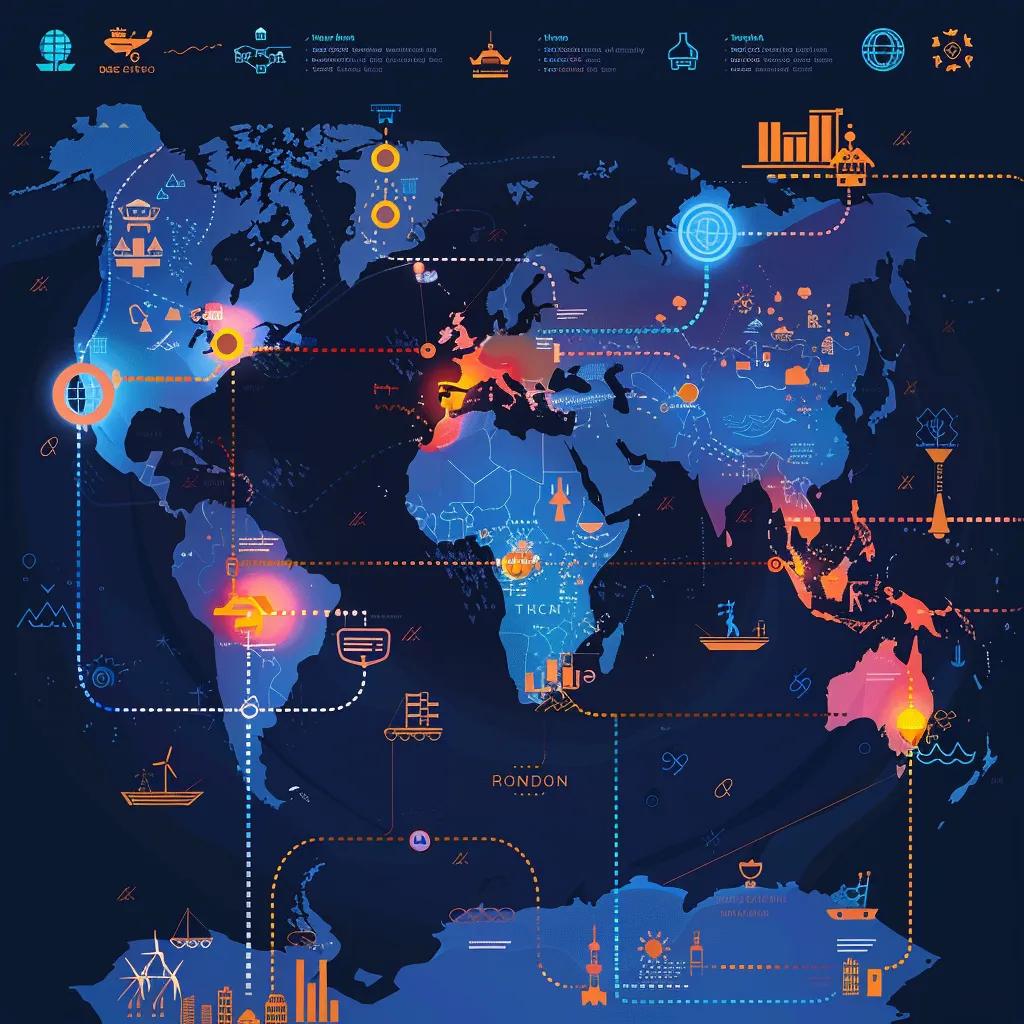
Tariff threats empowered medium-sized economies like Vietnam and Mexico to claim expanded roles as alternative suppliers. China accelerated talks on regional trade deals (e.g., RCEP) as hedge strategies. The U.S. demonstrated that the largest economy could enforce its own rules, prompting renewed discussions on forging similar bilateral leverage capacities among other powers.
Such reordering signals a move toward multipolar trade governance.
What Is the Legacy of Trump’s Trade Policy on US Foreign Relations?
U.S. partners now factor potential tariff escalation into every negotiation, elevating economic coercion as a tool of statecraft. While some deals yielded stronger enforcement mechanisms, trust in U.S. reliability dipped, encouraging allies to diversify partnerships.
This legacy cements tariff leverage as a permanent fixture in U.S. foreign policy.
What Would Have Happened Without Trump’s Trade War?
A counterfactual analysis highlights the distinct impact of tariff leverage.
How Might US Trade Deficits and Manufacturing Jobs Have Evolved?
Absent tariffs, the U.S. trade deficit likely would have continued its upward trend, while manufacturing job losses might have persisted at near-historical rates. Without the shock of duties, domestic investment in steel and aluminum capacity would have remained subdued.
This scenario underscores the disruptive but targeted nature of leverage.
What Are the Potential Long-Term Effects on Global Trade Norms?
Without this demonstration of unilateral leverage, multilateral institutions like the WTO might have retained stronger dispute-settlement authority, and emerging trade blocs may have evolved more slowly. Global tariff discipline would likely have remained at historical lows, delaying broader rule-making reforms.
The trade war acted as an accelerant for renegotiation of outdated frameworks.
What Do Industry Stakeholders and Consumers Say About Trump’s Trade War Leverage?
Perceptions varied widely across sectors and consumer groups.
How Did Agricultural Producers Experience the Trade War’s Impact?
Farmers faced sudden export losses, prompting reliance on government subsidies and swift pivot to alternative markets. Many reported lasting uncertainty, even as some successfully diversified corn and soybean sales to new buyers in India and Brazil.
Their experience shows the trade war’s uneven distribution of risk and reward.
What Are the Views of Manufacturing and Tech Industries?
Steel and aluminum producers praised duties for boosting local output, while auto and electronics firms criticized higher input costs and supply-chain disruptions. Tech companies welcomed stronger IP protections but warned against blanket duties on components.
These industry perspectives illustrate the trade-off inherent in targeted leverage.
How Did Consumers Feel the Effects of Tariffs on Prices and Wages?
Households saw modest price upticks on imported goods alongside slower wage growth. Surveys indicated mixed sentiment: some viewed tariffs as a necessary investment in domestic jobs, while others objected to higher costs of everyday items like appliances and clothing.
Consumer reactions highlight the balance between economic sovereignty and living-cost impacts.
How Can Structured Data and Visuals Enhance Understanding of Trump’s Trade War Leverage?
Visualizations and semantic markup make complex leverage mechanics accessible to policymakers, businesses, and the public.
Which Schema.org Markup Types Best Represent Trade War Entities and Events?
Use the schema for the main analysis, for figures like Trump and Xi, for the trade war phases, and for tariff categories. Properties like , , and link these entities into a coherent knowledge graph.
Structured data ensures precise entity recognition and rich results eligibility.
What Infographics and Charts Effectively Illustrate Tariff Rates and Economic Impacts?
Bar charts comparing pre- and post-tariff steel import volumes, line graphs of trade deficit trends, and pie charts of sectoral export changes convey leverage outcomes. Timelines of tariff announcements and negotiation milestones clarify the sequence and causality of events.
These visuals translate numerical leverage into intuitive narratives.
How Can Timelines and Maps Clarify Key Trade War Events and Affected Countries?
A chronological timeline annotated with tariff percentage changes and deal signings reveals cause-and-effect relationships. World maps highlighting targeted countries and retaliatory measures show geographic leverage patterns and shifting alliances.
Together, these tools transform tariff schedules into strategic maps of economic power.
Donald Trump’s trade war exemplified the strategic use of economic coercion—tariffs calibrated as negotiation levers rather than blanket barriers. By linking Section 232, Section 301, and emergency authorities to clear political and economic goals, the administration secured landmark agreements like the USMCA and the US-China Phase One Deal. While these measures reshaped U.S. relations with allies and adversaries, they also forced a reconsideration of global trade norms and institutional authority. As policymakers and businesses chart the future of commerce, the lessons of targeted leverage and its institutional legacy will inform the next generation of trade strategy.