
How to Prevent Injuries in High-Impact Sports: Effective Strategies for Athlete Safety and Performance
In high-impact sports, athletes face challenges from sudden forces, rapid movements, and repeated impacts that can lead to injuries. Preventing such injuries is essential for performance, long-term health, and career longevity. This article examines systematically researched strategies—from personalized training to protective equipment—that leverage biomechanics, nutritional recovery, and strength conditioning. It provides insights into optimal warm-up routines, recovery methods, and the role of mental preparation and proper coaching in enhancing overall safety. This guide serves as a roadmap for athletes, coaches, and sports medicine professionals striving to minimize injury incidence while maintaining peak performance.
The goals of this guide are to (1) outline strategies backed by sports medicine research, (2) provide foundational knowledge on training and equipment in injury prevention, and (3) offer practical tips that athletes can incorporate immediately. With a focus on empirical data and expert recommendations, this article aims to serve as a reliable resource in high-impact sports safety. Let us now explore the main categories that contribute to injury prevention, explained under specific topics.
What Are the Most Effective Injury Prevention Strategies for Athletes in High-Impact Sports?
Athletes reduce injury risks by implementing systematic prevention strategies. The most effective methods combine personalized training, biomechanical analysis, targeted recovery protocols, and protective gear. These approaches balance load, enhance movement efficiency, and improve overall strength while addressing issues such as limb biomechanics, ligament stabilization, and soft tissue injuries.
How Does Personalized Training Reduce Injury Risk?
Personalized training tailors exercise programs to each athlete’s physical needs and movement patterns. Custom regimens focus on correcting imbalances—like muscle weakness or limited range of motion—through stability and proprioception exercises. Coaches use biomechanical analysis to detect asymmetries and design programs that progressively increase load without overexertion. Research has shown that sports-specific conditioning paired with mobility work can lower soft tissue injury incidence by up to 30%, highlighting the importance of individualized plans in reducing risks related to limb instability and joint stress.
Why Is Movement Analysis Crucial for Injury Prevention?
Movement analysis identifies risky patterns that predispose athletes to injury. Using motion capture and force-plate assessments, sports scientists can pinpoint abnormal joint mechanics, such as uneven leg alignment during landing. This insight allows coaches to prescribe corrective drills that improve alignment and balance, thereby reducing strain on the knee ligaments and decreasing repetitive injury risks. Integrating movement analysis contributes to improved efficiency and enhanced athlete longevity.
What Role Does Recovery and Nutrition Play in Preventing Injuries?
Recovery and nutrition are vital for maintaining muscle, tendon, and ligament integrity. Effective recovery methods—including quality sleep, hydrotherapy, and active rest—support cellular repair. Proper nutrition, emphasizing anti-inflammatory foods, lean proteins, and antioxidants (such as omega-3 fatty acids and vitamin D), aids joint health and bone density. These nutritional strategies, combined with scheduled rest and modalities like massage, reduce cumulative trauma and overuse injuries. Together, recovery and nutrition prepare the athlete’s body for repeated high impacts, mitigating risks of soft tissue and ergonomic injuries.
Which Warm-Up Exercises Are Best for Preventing Injuries in High-Impact Sports?

A well-designed warm-up increases blood flow, enhances joint mobility, and raises core temperature, reducing the likelihood of muscle strains and ligament tears. Dynamic routines activate the nervous system and prime muscle fibers, offering a buffer against sudden impacts and rapid movements.
What Are the Key Components of an Effective Warm-Up Routine?
An effective warm-up includes a general aerobic activity (like jogging or cycling for 5–10 minutes), dynamic stretching, sport-specific drills, and gradual intensity progression. Dynamic stretches—such as walking lunges, high knees, and leg swings—improve range of motion and increase elasticity in muscles by roughly 20%, thereby lowering injury risk. Incorporating drills that mimic in-game movements further prepares the body and minimizes the chance of injury from rapid directional changes.
How Do Dynamic Stretching and Mobility Exercises Help?
Dynamic stretching involves continuous movement through a full range of motion, raising muscle temperature and enhancing neuromuscular coordination. This pre-activation of stabilizer muscles supports joint integrity and reduces risks when sudden forces act on soft tissue, thereby helping with issues like joint dislocation and ligament sprain. The central nervous system benefits from these exercises, resulting in quicker reaction times and improved balance.
When and How Should Cool-Down Exercises Be Performed?
Cool-down routines, lasting 5–10 minutes, are essential immediately after intense activities. They typically include low-intensity aerobic exercise followed by static stretching, which gradually lowers the heart rate and helps remove lactic acid. Foam rolling and self-myofascial release further alleviate muscle tightness and maintain flexibility to prevent delayed-onset muscle soreness and related injuries.
How Can Protective Gear Minimize Injury Risks in High-Impact Sports?
Protective gear is designed to absorb impacts and shield vulnerable areas, thus reducing injury severity. Whether it’s helmets, pads, or specialized braces, the correct equipment disperses energy away from critical structures like the head, joints, and spine—key elements in personal protective measures for athletes.
What Types of Protective Equipment Are Essential for Different Sports?
Different sports require gear tailored to their specific risks. Contact sports such as football and hockey need helmets with impact-absorbing liners and face masks. In sports involving lower-body loads, like basketball and soccer, shin guards and padded knee protectors are crucial. Additional devices such as elbow pads, wrist guards, and mouthguards are important to protect soft tissue and joints from acute impact and repetitive strain injuries.
How to Choose the Right Protective Gear for Maximum Safety?
Choosing the correct gear involves ensuring a proper fit, high quality, and technological features that meet safety standards (e.g., certifications from the National Operating Committee on Standards for Athletic Equipment). Gear that fits well not only offers optimal cushioning and shock absorption but also avoids discomfort or interference with performance. Routine test-fittings and compliance with safety guidelines are key to mitigating risks associated with protective equipment failure.
How Does Proper Gear Maintenance Affect Injury Prevention?
Regular maintenance is essential to ensure that equipment continues to function as designed. Inspection for wear, timely replacement of damaged items, and proper cleaning routines are crucial. A helmet with a cracked shell or worn-out padding can compromise protection, leading to increased risks of fractures or abrasions. Educating athletes on proper storage and maintenance further contributes to overall safety.
How Does Strength Training Contribute to Injury Prevention in High-Impact Sports?
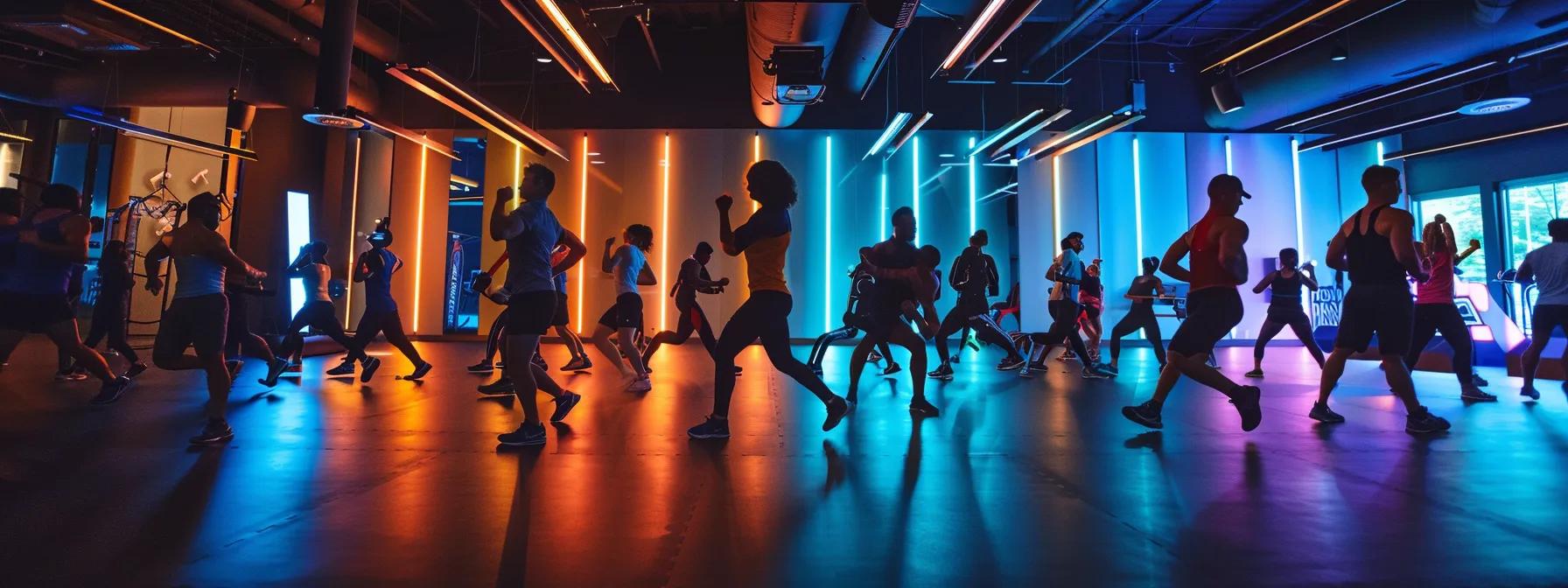
Strength training enhances muscle stability, supports joints, and promotes neuromuscular control. It builds a resilient musculoskeletal system capable of absorbing and distributing forces, thus reducing the risk of overuse injuries and acute stresses during high-impact activities.
Which Strength Exercises Target Injury-Prone Areas?
Exercises such as squats, lunges, and core stabilization drills (e.g., planks) specifically target muscle groups that support the knees, hips, and back. Eccentric calf raises and single-leg exercises address imbalances and improve tendon resilience, reducing the risk of strains and ligament injuries. Regular strength training has been associated with a significant improvement in joint stability and a decrease in acute injuries.
How Often Should Athletes Incorporate Strength Training?
Athletes should perform strength training 2 to 3 times per week with proper recovery to allow muscle repair and growth. Periodized training—alternating between high-intensity sessions and recovery-focused workouts—prevents overtraining and supports long-term performance stability. Regular assessments help adjust workloads to match the athlete’s evolving capabilities, ensuring ongoing protection against injury.
What Are the Benefits of Functional Strength Training for Athletes?
Functional strength training mimics sport-specific movements through multi-joint exercises, thereby improving coordination, balance, and proprioception. Drills such as medicine ball throws, agility ladder exercises, and plyometrics build strength while enhancing the body’s ability to handle dynamic changes in direction. The cumulative benefits result in a body that is robust and less prone to the stresses and strains common in high-impact sports.
What Coaching Tips Enhance Athlete Safety and Reduce Injury Risks?
Coaches play a crucial role in athlete safety by promoting correct techniques, monitoring player movements, and incorporating ongoing education. Their guidance helps to identify and correct risky patterns before they lead to injury, reinforcing safe practices across all levels of competition.
How Can Coaches Identify and Correct Risky Movement Patterns?
Through observation, video analysis, and biomechanical assessments, coaches can detect inefficient or risky movement patterns such as improper landing or uneven strides. Once these patterns are identified, targeted drills and specific corrective exercises are implemented to adjust technique. Consistent use of video feedback has been shown to reduce non-contact injuries significantly.
What Communication Strategies Improve Athlete Awareness and Compliance?
Regular team meetings, one-on-one sessions, and visual aids (like diagrams and videos) are critical. Clear, concise instructions and ongoing dialogue encourage athletes to report discomfort or fatigue early. This proactive communication fosters a culture of safety where adherence to injury prevention protocols is prioritized.
How Do Educational Workshops Support Injury Prevention?
Workshops led by sports medicine professionals provide athletes with a deeper understanding of biomechanics, strength training, and proper recovery techniques. Interactive discussions during these sessions offer personalized advice and foster the rapid integration of new safety strategies into training routines. Teams that engage in regular workshops often report sustained improvements in injury resilience.
How Does a Holistic Approach Improve Injury Prevention Outcomes?

A holistic approach integrates physical training, mental preparation, and nutritional support into a comprehensive injury prevention strategy. Instead of addressing each factor in isolation, this method considers the interconnected nature of the body to achieve effective, long-lasting outcomes.
Why Is Mental Preparation Important for Injury Prevention?
Mental preparation techniques such as visualization, mindfulness, and stress management are essential in maintaining concentration and reducing anxiety. A focused, resilient mindset not only helps in processing feedback but also minimizes movement errors. Athletes who practice mental training are generally less susceptible to injury-related setbacks, as they are better equipped to handle fatigue and stress during high-impact activities.
How Does Nutrition Support Recovery and Injury Resistance?
A balanced diet provides critical nutrients needed for tissue repair and muscle recovery. Adequate protein, vitamins, and minerals—along with antioxidants from fruits and vegetables—support efficient collagen synthesis and reduce inflammation. Proper hydration and nutrient timing also play a role in minimizing muscle soreness and enhancing overall recovery, thereby lowering the risk of recurring injuries.
What Recovery Techniques Are Most Effective for High-Impact Athletes?
Effective recovery strategies include active recovery (light swimming or cycling), massage therapy, cryotherapy, and flexibility training. These methods help in reducing inflammation, enhancing blood circulation, and promoting long-term tissue repair. By incorporating these techniques consistently, athletes can maintain high performance while reducing downtime due to injury.
What Are the Common Injuries in High-Impact Sports and How Can They Be Prevented?
High-impact sports often result in injuries such as joint dislocations, ligament sprains, muscle strains, and fractures. Recognizing the prevalence of these injuries is critical to developing targeted interventions that reduce overall risk.
Which Injuries Occur Most Frequently in High-Impact Sports?
Common injuries include ACL tears, meniscus injuries, ankle sprains, shoulder dislocations, and concussions. These typically result from sudden impacts, excessive loads, or improper techniques. Understanding these patterns enables coaches and sports medicine professionals to focus on prevention strategies that counteract repetitive strain and improve joint stability.
What Preventive Measures Target These Common Injuries?
Preventive measures include neuromuscular and plyometric training, proper warm-up and cool-down routines, and consistent rehabilitation sessions involving static and dynamic stretching. Educational programs that emphasize safe movement patterns and regular monitoring of fatigue further reduce the risk of injuries such as rotator cuff strains and hamstring pulls. Systematic application of these methods leads to improved stability and resilience across vulnerable areas.
How Can Early Detection and Treatment Reduce Long-Term Damage?
Routine screening and biomechanical assessments facilitate early detection of imbalances or minor injuries. Prompt interventions—such as targeted therapy, rest, and structured rehabilitation—prevent the progression to severe conditions like chronic tendinopathy. Early treatment not only shortens recovery times but also preserves overall physical integrity by avoiding compensatory movement patterns that can lead to additional injuries.
Final Thoughts
High-impact sports demand comprehensive, research-backed injury prevention strategies. Personalized training, movement analysis, dedicated warm-up routines, and the proper use of protective gear form the cornerstone of an effective safety program. Additionally, integrating mindfulness, nutritional recovery, and strength conditioning further minimizes risks and enhances recovery. This comprehensive approach translates into improved performance, longevity, and overall athlete well-being, allowing sports professionals to pursue excellence with reduced injury risks.
Frequently Asked Questions
Q: What are the benefits of personalized training in injury prevention? A: Personalized training tailors workouts to individual weaknesses, improving balance, strength, and technique while reducing strain on vulnerable joints and minimizing overuse injuries.
Q: How does dynamic stretching contribute to a safer warm-up routine? A: Dynamic stretching increases flexibility, circulation, and muscle activation through full ranges of motion, ensuring that muscles and joints are prepared for high-impact activities and reducing injury risks.
Q: Why is the proper use of protective gear important in high-impact sports? A: Protective gear—such as helmets, knee pads, and braces—absorbs and disperses impact forces, lowering the severity of fractures, dislocations, and concussions by shielding vulnerable areas.
Q: How often should athletes perform strength training to prevent injuries? A: Strength training 2 to 3 times per week helps build joint stability and muscle balance, especially when combined with proper recovery and periodized routines to prevent overtraining.
Q: What role does recovery play in overall injury prevention? A: Recovery techniques, including proper nutrition, rest, and active recovery, help repair tissue damage and reduce muscle soreness, enabling sustained performance and minimizing chronic injury risks.
Q: How can coaches help prevent injuries during practice? A: Coaches can use video analysis, regular observation, and ongoing education to correct risky movement patterns, ensuring that athletes employ safe techniques and avoid fatigue-induced errors.
Q: What are some effective recovery techniques for high-impact athletes? A: Techniques such as active recovery exercises, massage therapy, cryotherapy, and static stretching promote blood circulation, reduce inflammation, and facilitate faster muscle repair.