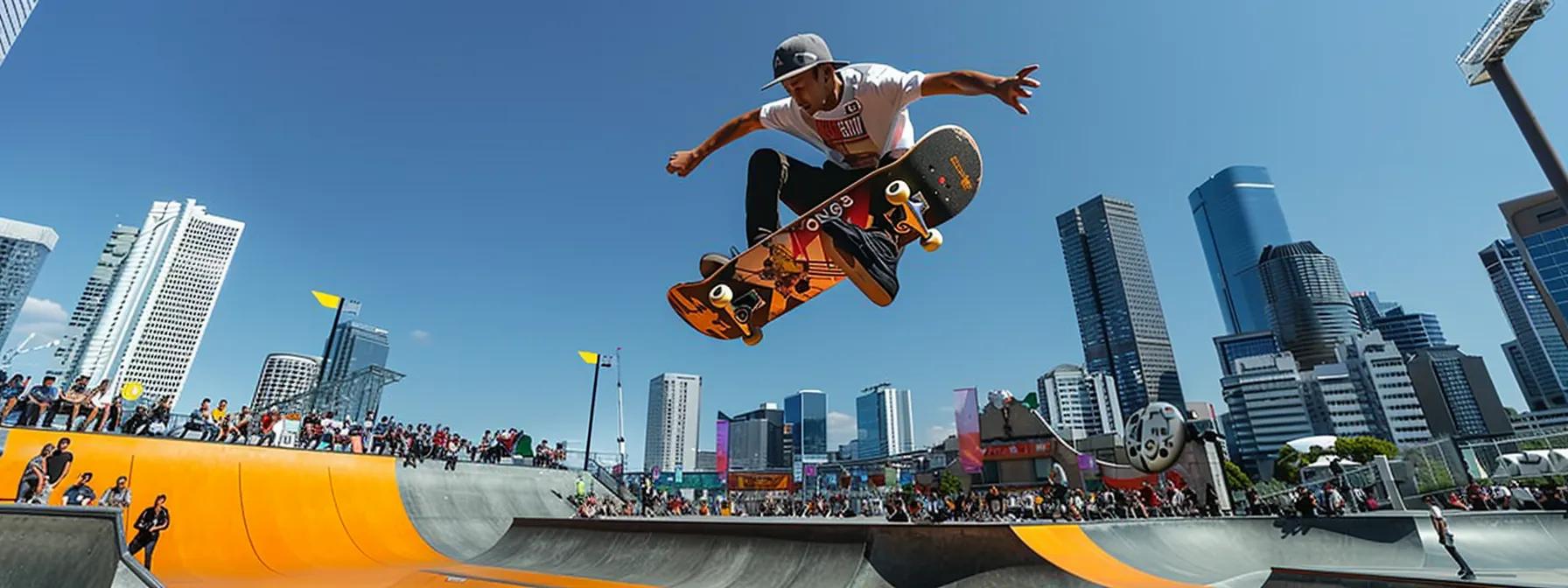
Skateboarding as an Olympic Sport: Complete Guide to History, Rules, and Impact
The inclusion of skateboarding as an Olympic sport marks a pivotal evolution in global acceptance of alternative and action sports. This guide explores the history, rules, and cultural impact of Olympic skateboarding. It outlines the sport’s journey from a rebellious street activity to a highly regulated competitive arena, discusses its various disciplines, and explains how Olympic inclusion has opened new opportunities for athletes and fans. Through clear explanations and examples, the article demonstrates how skateboarding has spurred youth participation and industry growth while highlighting the technological and media advances shaping its future.
What Is Olympic Skateboarding and How Did It Begin?
Olympic skateboarding refers to the structured inclusion of both street and park skateboarding disciplines in the Olympic Games. It emerged after years of advocacy by enthusiast communities and governing bodies. Its debut at the Tokyo 2020 Olympics marked the transformation of a non-traditional activity into a sport recognized on the world’s largest competitive stage.
When Did Skateboarding Become an Official Olympic Sport?
Skateboarding became an official Olympic sport at the Tokyo 2020 Games, following a process initiated by the International Olympic Committee (IOC) in 2016. This decision came after extensive lobbying and demonstration events that highlighted skateboarding’s appeal to youth and its global cultural impact. The IOC recognized that its blend of creativity, athleticism, and individuality could attract a younger audience and invigorate the Olympic brand.
How Has Skateboarding Evolved as an Action Sport?
Skateboarding transformed from its underground roots in the 1960s and 1970s into a mainstream spectacle. Initially practiced on the streets and in empty pools, the sport evolved with better equipment, upgraded safety gear, and more advanced training techniques. Innovations in skateboard design, including reinforced decks and specialized wheels, have enabled more intricate tricks. Additionally, its adoption by major brands like adidas and Vans helped shift its image from a subculture to a celebrated athletic discipline. Today’s competitions emphasize a mix of artistic expression and technical precision.
What Are the Different Skateboarding Disciplines in the Olympics?
Olympic skateboarding features two main disciplines: street and park. In street skateboarding, athletes navigate a course designed to mimic urban environments—with stairs, rails, and benches—focusing on technical tricks under real-world conditions. Park skateboarding takes place in an arena featuring bowls and ramps, where competitors execute aerial maneuvers and fluid sequences. Each discipline is judged by its own scoring system that values both technical proficiency and creative flair.
How Are Olympic Skateboarding Competitions Structured?
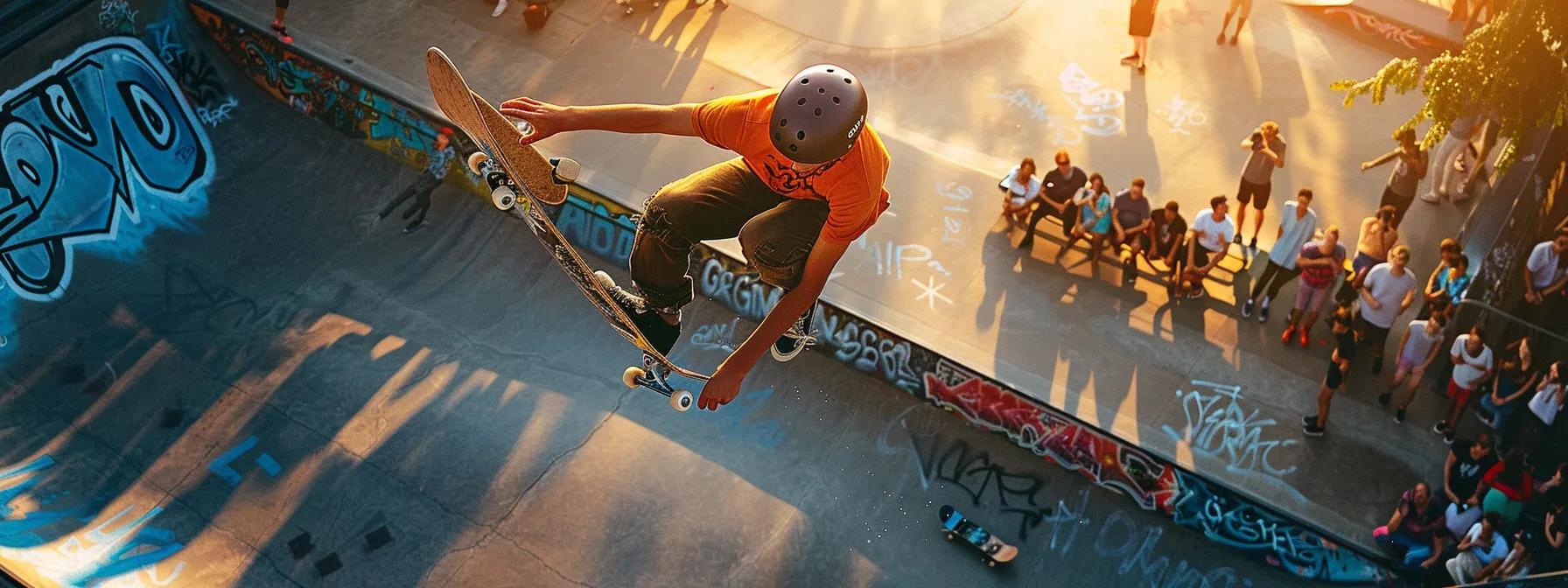
Olympic skateboarding competitions are structured to balance both qualitative artistry and quantitative performance. Events are divided into the street and park disciplines, and each competition is organized into preliminary rounds, semifinals, and finals. During their allotted time, athletes perform a series of runs or trick sequences. Performances are evaluated by expert judges according to predefined criteria such as difficulty, technical execution, creativity, and overall impression. This structure tests both the skateboarders’ skills and their ability to perform under pressure.
What Are the Official Rules and Scoring Criteria?
The sport is governed by strict rules that balance artistic performance with objective technical standards. In street skateboarding, judges assess how well athletes use the course and execute complex tricks. In park skateboarding, the focus is on the flow, variety of aerial moves, and overall use of the curved environment. Each run is timed, and scores are assigned on a scale (usually 0 to 100), with penalties for missed tricks or unsafe landings. These criteria are updated periodically to remain in step with the sport’s evolution.
How Do Athletes Qualify for Olympic Skateboarding?
Athletes qualify through a series of international and regional competitions where ranking points are earned. Managed by the International Skateboarding Federation (ISF) and other bodies, the qualification process includes participation in world championships and continental qualifiers. In addition to rankings based on performance, wild-card spots are allocated to emerging skateboarding nations to ensure diverse representation at the Olympic stage.
What Equipment and Safety Standards Are Required?
Competitors must use standardized equipment that adheres to strict safety and performance criteria. Skateboards are typically made from high-quality maple wood and must conform to specific size and shape regulations. Mandatory protective gear includes helmets, knee pads, elbow pads, and wrist guards, though additional padding may be used at the athlete’s discretion. Competition venues are rigorously inspected to maintain safe surfaces, further ensuring a fair and controlled competitive environment.
Who Are the Top Olympic Skateboarding Athletes and Their Achievements?
Olympic skateboarding has elevated several athletes to international prominence, setting new performance standards and becoming role models for future generations. These athletes have redefined the sport through signature tricks and innovative styles. Their influence extends beyond medals, spurring lucrative sponsorships and impacting global skate culture. Whether emerging talent or seasoned veterans, their achievements highlight the competitive spirit and creative innovation that define Olympic skateboarding.
Which Skateboarders Have Won Olympic Medals?
Since the sport’s Olympic debut, medal winners have represented a diverse mix of street and park disciplines. Athletes from countries like the United States, Japan, and Brazil have delivered standout performances—dominating park events with high-flying aerial tricks and excelling in street competitions by navigating complex courses. Their successes have not only brought prestige to their nations but have also propelled their careers into the global extreme sports spotlight.
How Do Athlete Profiles Influence the Sport’s Popularity?
High-profile Olympic skateboarders, supported by brands such as adidas skateboarding, Vans, and Nike, help garner attention through social media, interviews, and personal storytelling. Their journeys—from grassroots beginnings to international stardom—resonate with fans, enhancing the sport’s appeal and encouraging sponsorships. These narratives contribute to expanding the fan base and have fueled increased grassroots participation worldwide.
What Are Notable Stories From Olympic Skateboarding Events?
Memorable moments in Olympic skateboarding include unexpected underdog triumphs and displays of exceptional creativity under pressure. In one instance, an unknown competitor’s near-flawless run elevated their nation’s profile, while other athletes have overcome personal and socio-economic challenges to reach the highest levels of competition. Such stories, widely shared through traditional and social media, illustrate the resilience and passion inherent in the sport.
What Impact Has Olympic Skateboarding Had on the Sport and Culture?
The inclusion of skateboarding in the Olympic Games has transformed both public perception and the sport’s infrastructure. Recognition as an Olympic event has not only boosted funding and sponsorship opportunities but has also spurred the rapid development of skateparks and training initiatives worldwide. Major brands, including adidas and Vans, have responded by developing specialized gear tailored for elite competition. Additionally, the Olympic platform has encouraged cross-cultural exchange and the emergence of fresh styles that combine traditional techniques with modern trends.
How Has Olympic Recognition Changed Skateboarding’s Global Reach?
Olympic recognition has shifted skateboarding from a niche subculture to a globally accepted sport. The IOC’s endorsement has generated interest in regions previously underrepresented in skateboarding, prompting investment in local infrastructure and youth programs. This visibility has led to notable increases in event viewership and participation, reshaping both geographic and demographic boundaries.
What Are the Effects on Skateboarding Communities and Industry?
Local communities have benefited from new skateparks and tournaments that provide training grounds for aspiring skateboarders. These grassroots developments have strengthened community bonds and stimulated local economies through events and sponsorship deals. Meanwhile, the skateboarding industry has seen a surge in demand for quality, regulation-compliant equipment, fostering an ecosystem of innovation and commercial success.
How Does Olympic Skateboarding Influence Youth Participation?
Olympic skateboarding has become a significant motivator for youth. It offers a clear competitive pathway and showcases remarkable athletic achievements that inspire young enthusiasts. Numerous grassroots programs and local clinics now introduce children to the sport in safe, structured environments, reinforcing its reputation as a dynamic, accessible, and rewarding physical activity.
What Are the Future Prospects for Skateboarding in the Olympics?
The future for Olympic skateboarding is bright as the sport continues to evolve. Governing bodies are actively considering the introduction of new disciplines or tweaking current formats to further capture skateboarding’s innovative spirit. Ongoing efforts are focused on refining rules, scoring systems, and qualification processes to maintain a dynamic and inclusive competitive environment. Simultaneously, technological advances in training and performance analysis promise to elevate the sport even further, with more countries investing in grassroots programs to support its growth.
Will New Disciplines or Formats Be Added?
There is significant potential for the Olympic skateboarding program to expand through the addition of new disciplines or adjustments to existing formats. Discussions have considered hybrid events that merge aspects of both street and park skating. For example, timed obstacle courses or synchronized team events could test athletes’ versatility and appeal to a broader audience. Such changes would not only add excitement to the competition but also drive innovation among competitors.
How Are Rule Changes Expected to Evolve?
Future rule changes are anticipated to reflect feedback from athletes, judges, and industry insiders. Proposed modifications aim to achieve a better balance between technical difficulty and creative expression. They may involve more detailed performance criteria—such as categorizing tricks and evaluating the overall use of the course—to enhance objectivity in scoring. As rules evolve, they are expected to integrate traditional skateboarding culture with the professional standards demanded by Olympic competition.
What Role Will Technology and Media Play in Future Olympic Skateboarding?
Technological advances are set to play an increasingly transformative role in Olympic skateboarding. Innovations such as live high-definition streaming, virtual reality replays, and advanced sensor data are making events more engaging and transparent. Digital platforms allow for real-time analytics and global connectivity, enhancing the fan experience. Training tools like motion capture, wearable sensors, and performance analytics software also help athletes refine their techniques and push their limits further.
How Can Fans and Aspiring Athletes Engage With Olympic Skateboarding?
Fans and aspiring athletes can engage with Olympic skateboarding through a variety of channels. The sport’s growing global appeal has led to the creation of support networks, training programs, and online communities. Whether it’s streaming live events, attending local clinics, or participating in digital forums dedicated to skateboarding culture, enthusiasts have ample opportunities to get involved. National and international organizations also offer resources such as coaching, equipment discounts, and mentorship programs, ensuring that fans remain well-informed and active in the community.
Where Can You Watch Olympic Skateboarding Events?
Olympic skateboarding events are broadcast worldwide on major sports networks and streaming platforms. Official Olympic channels, dedicated sports websites, and social media networks provide high-definition live streams with expert commentary and real-time analytics. Local broadcasters also tailor coverage to their audiences. Additionally, digital platforms offer behind-the-scenes content, athlete interviews, and interactive recaps to keep fans fully engaged with the action.
How Can Skateboarders Train for Olympic-Level Competition?
Training for Olympic-level skateboarding requires a balanced approach encompassing skill development, physical conditioning, and mental preparation. Aspiring athletes often attend specialized training camps and clinics led by top coaches and former Olympians. They use modern equipment like balance boards, motorized simulators, and virtual reality setups to hone their techniques. Combined with strength, flexibility, and mental conditioning exercises designed to enhance focus and performance under pressure, these methods prepare skateboarders for the rigors of top-level competition.
What Communities and Resources Support Olympic Skateboarding Fans?
A strong community underpins Olympic skateboarding, with local clubs, online forums, and social media groups providing regular updates, training tips, and news about events. Numerous workshops and tournaments organized in major cities worldwide foster networking and skill development. Sponsorships from leading brands such as adidas skateboarding, Vans, and Nike also help fund grassroots initiatives and enhance the sport’s visibility, ensuring that both seasoned competitors and newcomers can thrive in a supportive environment.
What Are Common Questions About Skateboarding as an Olympic Sport?
As skateboarding gains global traction, several common questions arise regarding its Olympic journey, rules, and impact. These queries help clarify the transition from street culture to a regulated competitive sport and address the challenges and changes encountered along the way.
Why Was Skateboarding Added to the Olympics?
Skateboarding was added to the Olympics to bridge the gap between traditional sports and alternative, youth-oriented activities. The decision aimed to attract a younger audience and reinvigorate the Olympic brand with a sport known for its creativity, risk-taking, and urban culture. The International Olympic Committee sought to broaden its portfolio and embrace diversity while reflecting the evolving landscape of sports that values both technical skill and freestyle expression.
How Does Olympic Skateboarding Differ From Traditional Skateboarding?
The Olympic version of skateboarding is marked by standardized rules and formal judging criteria, in contrast to the free-form, individualistic nature of traditional skateboarding. While traditional skateboarding emphasizes personal style and self-expression, Olympic competitions use strict criteria to evaluate technical execution, difficulty, and creativity. This approach creates a competitive environment where performance is quantified under pressure while still celebrating the art and innovation inherent in the sport.
What Challenges Has Olympic Skateboarding Faced?
The transition of skateboarding into the Olympic realm has not been without challenges. Balancing its counterculture roots with the formal demands of international competition has required adjustments in judging criteria, equipment standards, and venue safety. Continuous feedback between athletes, judges, and organizers has been essential to ensure that the standardized system does not stifle creativity while still providing a fair competitive framework.
Frequently Asked Questions
Q: How has the global audience reacted to Olympic skateboarding? A: The global audience has shown great enthusiasm, as seen in increased viewership and active social media engagement since the Tokyo 2020 Games. Fans appreciate the blend of technical skill and creative expression, contributing to the sport’s rapid grassroots growth.
Q: What safety measures are in place during Olympic skateboarding events? A: Safety measures include rigorous equipment inspections, mandatory protective gear, and thoroughly inspected competition venues. These protocols ensure a controlled environment, reducing injury risks while still allowing for high-level athletic performance.
Q: How do Olympic skateboarding competitions impact local skateboarding communities? A: The Olympic spotlight provides a boost to local communities by inspiring new training programs and skatepark developments. Enhanced media coverage and sponsorships also increase funding and opportunities for young athletes, strengthening community engagement.
Q: Are there any significant differences between the scoring criteria for street and park skateboarding? A: Yes, street skateboarding criteria focus on the use of urban obstacles and technical execution, while park skateboarding scoring emphasizes fluidity, aerial maneuvers, and creative use of curves. These tailored criteria ensure fair evaluation of the unique demands of each discipline.
Q: Will Olympic skateboarding continue to expand into new countries? A: Olympic inclusion has broadened skateboarding’s global footprint, and ongoing investments in grassroots programs indicate that more countries will soon join the sport, driving further diversity and innovation in competitions.
Q: How are technological advancements expected to improve skateboarding performance? A: Advancements such as motion capture analysis, wearable sensors, and enhanced live streaming are expected to improve judging accuracy and training effectiveness. These tools help athletes refine techniques while offering fans a more detailed view of performances.
Q: What role do sponsors play in shaping the future of Olympic skateboarding? A: Sponsorships from brands like adidas, Vans, and Nike are essential in funding athlete development, event organization, and product innovation. These partnerships provide financial stability and drive continuous improvements in equipment and safety measures.
Final Thoughts
The journey of skateboarding from street origins to Olympic recognition highlights a major cultural and athletic evolution. Olympic skateboarding validates the sport’s technical prowess while enriching its cultural narrative through global exposure and innovation. With its systematic structure, elevated safety standards, and dynamic competition format, Olympic skateboarding promises a bright future for both athletes and fans. As the sport continues to evolve with technological and regulatory advancements, it remains a source of inspiration for a new generation of skateboarders, successfully bridging the gap between tradition and modern competitive excellence.