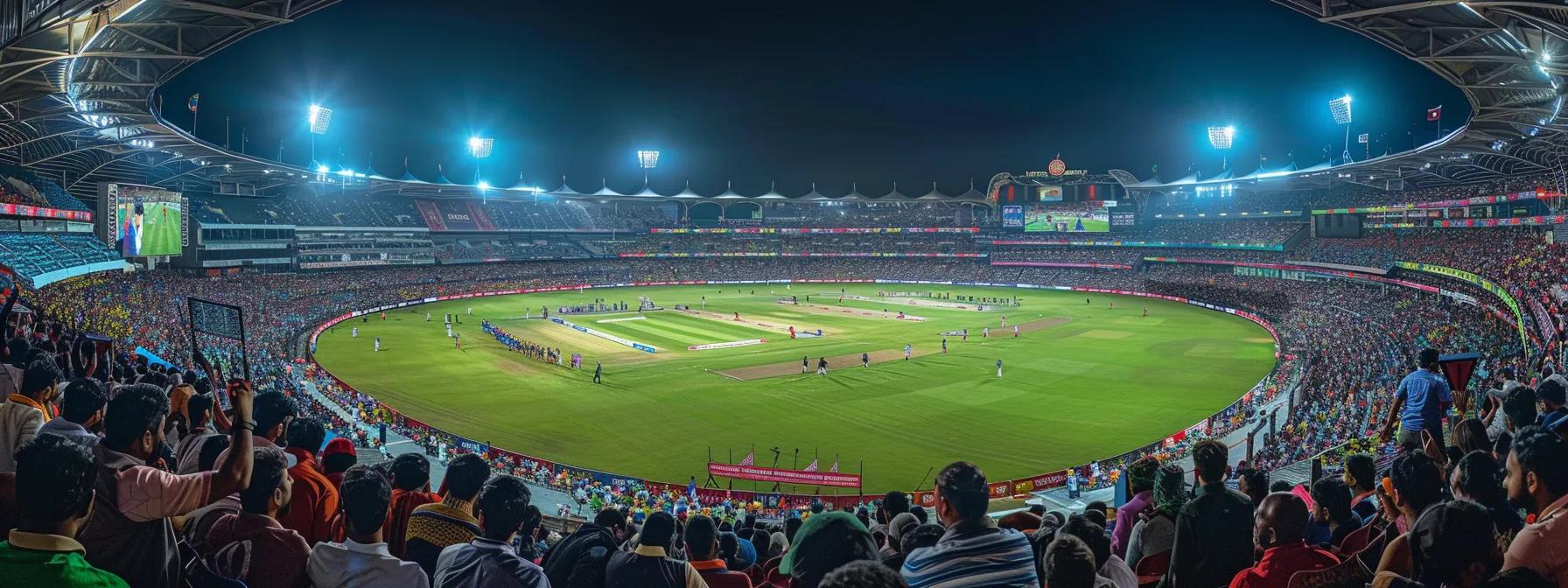
The Evolution of Cricket Formats: History, Impact, and Future Trends
Cricket has evolved from the traditional, long-format Test matches to fast-paced T20 contests, reflecting changes in global entertainment and athlete conditioning. Over the decades, the game has adapted to meet shifting audience expectations, technological advancements, and commercial opportunities. This article examines the historical development of cricket formats, their impact on gameplay, economy, and player careers, and offers predictions for future evolution—all while maintaining cricket’s blend of tradition and innovation.
What Is the History of Cricket Formats?
Cricket’s format history began with Test cricket in the late 19th century. These multi-day matches established the foundational rules and competitive structure that dominated for decades. As audiences grew and media evolved, there emerged a need for shorter, more accessible formats. In the 1970s, the One-Day International (ODI) format was introduced. Condensing a match into one day, ODIs leveraged television and advertising to attract both traditional fans and newcomers. Later, in the early 2000s, T20 cricket was developed to deliver rapid, high-energy action suited for modern, digital-era spectators, shifting the game toward quick, explosive contests.
How Did Test Cricket Shape the Early Game?
Test cricket required intense concentration, a patient buildup of strategy, and deep technique. The extended format allowed for detailed statistical analysis and intricate tactics, letting legendary players develop reputations for endurance and skill. Its focus on ball-by-ball play and defensive tactics laid the groundwork for the art of cricket, establishing traditions that continue to influence the sport.
When and Why Was One-Day International Cricket Introduced?
ODI cricket emerged as a response to the slow pace of Tests and the need for television-friendly matches. By condensing the game into a single day, its rapid scoring and shorter format provided immediate excitement. This innovation not only increased commercial appeal but also reshaped player conditioning and coaching with a more aggressive style of play.
What Led to the Creation of T20 Cricket?
T20 cricket was born from a desire to entertain a generation seeking immediate gratification. Introduced in the early 2000s, its short, thrilling contests feature aggressive batting, innovative bowling, and dynamic fielding. T20 has attracted a younger demographic, boosted revenues through franchise leagues, and transformed defensive roles into opportunities for creative expression.
How Have Cricket Formats Changed Over the Decades?
Over the years, cricket formats have reshaped the game’s strategy and business model. The shift from Tests to ODIs and then to T20s has not only shortened match times but also altered player skills, training methods, and team strategies. Each format demands unique physical and mental abilities, leading to innovations in team selection and technology like video analysis and data analytics. Today, all three formats coexist, catering to both purists and fans of high-intensity cricket.
How Has T20 Cricket Impacted the Game?

T20 cricket has revolutionized cricket by emphasizing speed and spectacle. Its condensed format forces teams to adopt aggressive tactics and rapid-fire decision-making. The format has spurred innovations in batting techniques (such as power hitting), diverse bowling variations, and exceptional fielding, fundamentally changing the economics and global appeal of the sport.
What Are the Major Changes Brought by T20 in Playing Style?
With T20, the focus shifted from patient buildup to explosive action. Batting techniques evolved to maximize runs quickly while bowlers developed unorthodox deliveries to counter aggressive strokes. Fielding became a critical aspect, with athleticism and quick reflexes now essential. Overall, T20’s rapid pace has redefined risk-reward strategies and spurred continual tactical innovation.
How Has T20 Influenced Player Skills and Strategies?
Players now diversify their skills across formats. Batsmen train for rapid scoring and innovative shot-making, whereas bowlers refine specialized deliveries for short bursts of competition. Coaching and training regimes now include simulation scenarios that mimic T20 conditions, indirectly benefiting traditional cricket forms by pushing overall skill levels higher.
What Is the Economic Impact of T20 Leagues Worldwide?
Globally, T20 leagues such as the IPL, CPL, and Big Bash have generated significant revenue through ticket sales, broadcasting rights, and sponsorship deals. These leagues attract top international talent, improve cricket infrastructure, and increase player salaries. The economic uplift from T20 has not only professionalized the sport but also spurred greater investment at grassroots levels.
How Has T20 Affected Fan Engagement and Viewership?
T20 cricket has transformed fan engagement by offering a quick, visual spectacle ideal for digital consumption. Short match durations lead to higher TV ratings and increased digital streaming, while interactive apps and live statistics enhance viewer participation. Its energetic pace and dynamic content have made it highly attractive for sponsors and broadcasters alike.
How Do Different Cricket Formats Compare?
Cricket formats differ markedly in match duration, rules, team strategies, and player roles. Test cricket, played over multiple days with several innings, focuses on long-term strategy and endurance. ODIs offer a middle ground with games lasting about eight hours, balancing sustained aggression with tactical pacing. T20 matches, typically three hours long, demand immediate action, making them fast-paced and high-risk.
What Are the Key Differences Between Test, ODI, and T20 Formats?
Test cricket is methodical, allowing for in-depth strategic battles. ODIs introduce a limited overs structure that demands both aggression and consistency. T20 matches compress action into a fast-paced contest where scoring rates soar, and strategic nuances like powerplays become critical. Each format thus requires different training and tactical approaches from players and coaches.
How Do Match Durations and Rules Vary Across Formats?
The longer duration of Tests allows for tactical adjustments and slow accumulation of runs, while ODIs employ set powerplays and fielding restrictions for a balanced contest. T20s, with strict time constraints, result in every over carrying high stakes. Rule variations, such as bonus points in T20 leagues, further differentiate how players and teams approach each format.
What Are the Advantages and Disadvantages of Each Format?
Test cricket is celebrated for its strategic depth and historical prestige, though it may seem less immediately exciting. ODIs mix tradition with faster gameplay but might not fully satisfy fans of either extreme. T20’s entertainment value is unmatched for television, yet its brevity can lead to unpredictable outcomes. Each format has distinct merits and limitations that enrich the overall ecosystem of cricket.
How Do Player Roles and Team Strategies Differ by Format?
In Tests, players are expected to showcase endurance and technical finesse, while in ODIs and T20s roles become more specialized. Teams now design strategies with format-specific training modules: Tests emphasize defense and patience, ODIs require balanced innovation, and T20s focus on explosive, risk-reward tactics. This split specialization allows coaches to optimize team composition for each match type.
What Innovations Are Driving the Future of Cricket Formats?

Several innovations are set to shape cricket’s evolution, driven by technological advancements and changing fan preferences. Data analytics and video review systems now play crucial roles in match preparation, enabling precise strategy adjustments. Experimental rules in domestic leagues and hybrid formats aim to merge the excitement of T20s with the strategic depth of longer formats, ensuring that cricket remains competitive and engaging.
Which New Formats Are Emerging in Cricket?
Emerging formats like The Hundred in England and various hybrid models are being trialed to further condense the game while retaining its essential competitive nature. These formats experiment with modified rules—such as altered powerplays or limited overs quotas—to simplify play. Although still in testing, such innovations promise to attract a broader global fan base and adapt cricket for modern viewing habits.
How Are Technology and Data Analytics Shaping Format Evolution?
Advanced software and analytical tools now help teams assess player performance, pitch conditions, and opponent strategies in real time. Technologies such as Hawk-Eye and real-time biometric monitoring allow for precise decision-making and strategy refinement. This integration of tech not only improves match quality but also influences rule adaptations and the creation of new formats.
What Role Do Fan Preferences Play in Future Format Development?
Fan preferences, shaped by digital media and social platforms, are increasingly informing game design. Cricket boards use viewer feedback to tailor match structures for faster, more engaging experiences. Interactive features and condensed formats that provide constant action are becoming more popular as boards seek to align with modern audience expectations.
How Might Cricket Formats Adapt to Global Sporting Trends?
Cricket will likely incorporate global trends by integrating sustainability measures, flexible scheduling, and enhanced digital experiences. As sports worldwide focus on player wellness and environmental impact, cricket may introduce eco-friendly practices and adaptive tournament scheduling. Such changes will ensure that cricket remains relevant and accessible to an international audience.
What Are the Predictions for the Future of Cricket Formats?
Future predictions indicate that cricket will continue diversifying while preserving its core traditions. Test and ODI formats will retain their value for strategic depth and historical charm, while T20 and new hybrid formats gain popularity for their commercial viability and rapid pace. Ongoing experimentation, digital innovations, and shifting economic models will further shape how cricket is played and consumed on the international stage.
How Will Traditional Formats Coexist With New Ones?
Experts foresee a complementary coexistence where Test cricket continues as the ultimate test of skill and strategy, while T20 and hybrid formats cater to modern, global audiences. Tournament scheduling will likely feature multiple formats concurrently, allowing teams to specialize and maintain high competitive standards across all variations.
What Are Expert Opinions on the Longevity of T20 Cricket?
Many experts agree that T20 cricket is here to stay despite concerns over its variability. Its capacity to attract younger fans and generate significant revenue through franchise leagues reinforces its long-term viability. Ongoing rule adjustments and innovations are expected to balance competitiveness while preserving T20’s fast-paced appeal.
How Could Cricket Formats Evolve to Increase Global Popularity?
To boost global popularity, cricket formats may integrate augmented reality, interactive broadcasting, and mobile-friendly digital experiences. Simplifying rules and adjusting match durations could also help attract fans from emerging markets. Such adaptations, informed by continuous viewer feedback, will play a key role in expanding cricket’s international appeal.
What Are Potential Challenges Facing Future Cricket Formats?
Future challenges include maintaining competitive balance, managing congested player schedules, and harmonizing traditional elements with modern entertainment. Regulatory and scheduling conflicts may arise as boards work to integrate domestic, international, and franchise competitions. Addressing these challenges will require careful rule design, advanced planning, and collaboration among governing bodies.
How Has the Evolution of Cricket Formats Affected Player Careers?
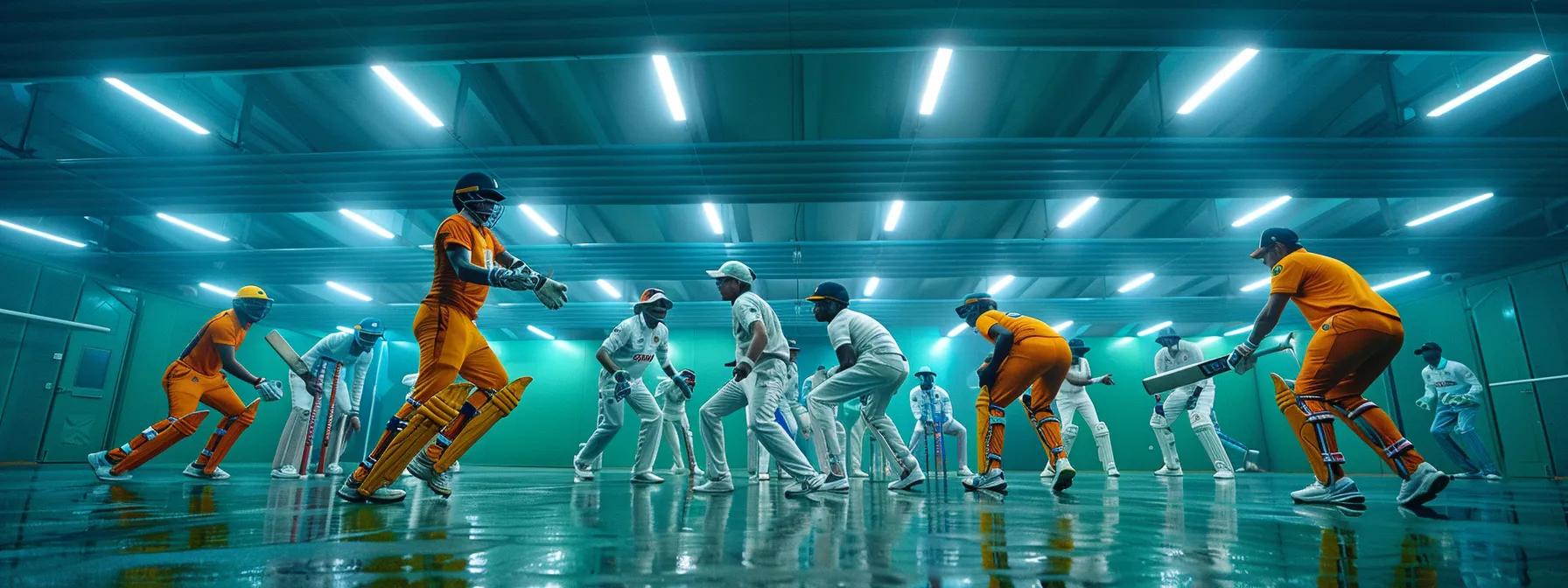
The evolution of cricket formats has redefined player careers by requiring a blend of endurance, skill, and adaptability. Many players now excel in multiple formats, with some specializing in the strategic demands of Tests and others thriving in the explosive arena of T20s. This multi-format approach has transformed training methods, contract negotiations, and career trajectories, offering both new revenue opportunities and career challenges.
How Do Players Adapt to Multiple Formats?
Modern cricketers adjust their techniques to suit varying demands—refining batting for long, strategic Tests and developing rapid shot-making for T20s. Rigorous, format-specific training sessions and the use of performance data allow players to transition effectively between different styles of play, earning recognition for their versatility.
What Are the Physical and Mental Demands of Different Formats?
Tests require sustained concentration and stamina, whereas T20s demand intense bursts of energy and rapid decision-making. Balancing these divergent demands calls for integrated training and recovery protocols, combining physical conditioning with mental resilience to meet the unique needs of each format.
How Has Format Evolution Influenced Player Selection and Training?
Team selectors now prioritize versatile players who can perform across formats. Training programs blend elements unique to Tests, ODIs, and T20s, incorporating advanced analytics and biomechanical studies. This holistic approach to development has reshaped recruitment and career planning, ensuring players remain competitive internationally.
How Do Cricket Format Changes Influence International Competitions?
The rise of multiple cricket formats has significantly altered international tournaments. Diverse formats have led to specialized training regimens, strategic planning, and even separate ranking systems. This evolution forces national teams to adapt continuously, resulting in more dynamic competitions where rivalries and tactical innovations thrive.
How Have World Cups Adapted to Different Formats?
World Cups now reflect the unique demands of each format. The ODI World Cup relies on extended group stages and knockout rounds emphasizing tactical endurance, while the T20 World Cup features swift matches with rapid turnovers. These adaptations ensure that international tournaments cater to diverse audiences while showcasing each format’s strengths.
What Is the Role of Format Diversity in International Cricket Calendars?
Format diversity provides balance and variety in international calendars. By scheduling Tests, ODIs, and T20s within a season, cricket boards can optimize player performance and maximize viewer engagement. This multi-format approach enhances preparation, revenue generation, and overall competitiveness.
How Do Format Changes Affect Team Rankings and Rivalries?
Separate ranking systems for Tests, ODIs, and T20s have emerged, fostering multidimensional rivalries. Teams may dominate one format while struggling in another, adding layers to traditional rivalries and intensifying fan and media interest through varied competitive narratives.
How Do Format Changes Affect Team Strategies in International Competitions?
Coaches now design strategies tailored to each format’s unique requirements. This involves specialized training drills, data-driven decision-making, and flexible player roles that allow teams to adapt rapidly during matches. The resulting tactical diversity drives a highly competitive international scene.
Final Thoughts
Cricket’s journey from enduring Test matches to electrifying T20 contests mirrors its commitment to innovation and adaptability. Balancing tradition with modern entertainment, the sport continues to evolve—enhancing strategies, player careers, and fan engagement worldwide. Despite challenges, the future promises dynamic growth and an ever-expanding global appeal.
Frequently Asked Questions
Q: What was the primary reason for introducing One-Day Internationals (ODIs) in cricket? A: ODIs were introduced to offer a shorter, more viewer-friendly alternative to long Test matches, providing immediate excitement and maximizing commercial potential via television-friendly, day-long contests.
Q: How has T20 cricket influenced the playing style of modern cricketers? A: T20 cricket has revolutionized playing styles by promoting aggressive batting, innovative bowling techniques, and dynamic fielding. Players train for explosive performances, and strategies now emphasize rapid decision-making and risk-taking.
Q: In what ways do international competitions benefit from having multiple cricket formats? A: Multiple formats encourage diverse tactical approaches, broaden fan engagement, and allow teams to specialize. This leads to flexible tournament scheduling and richer competitive narratives on the global stage.
Q: What are some technological innovations that are shaping the future of cricket formats? A: Innovations such as advanced data analytics, real-time performance monitoring, and interactive digital broadcasting are transforming strategy, training, and fan interaction, paving the way for new hybrid formats.
Q: How do cricket boards manage player workload across different formats? A: Boards implement specialized training, schedule adequate rest between matches, and utilize sports science to monitor physical and mental health, allowing players to transition smoothly between formats.