Actor Jeff Bridges Urges Lawmakers to Act as Millions Face Food Assistance Cuts Amid Government Shutdown
The federal government shutdown in October 2025 has immediate consequences for food assistance programs, threatening benefits for roughly 42 million Americans and prompting public appeals from figures such as actor Jeff Bridges. This article explains how SNAP and related child nutrition programs operate, why a shutdown causes funding lapses, and how advocacy—including celebrity activism—aims to push Congress toward protective measures. Readers will learn who is affected, how states and the federal government are responding, which organizations are mobilizing, and practical policy and civic steps to reduce harm. The report draws on contemporary policy context and advocacy messaging to map short-term emergency responses and longer-term legislative options. ARY News, as an information hub, presents this synthesis to inform domestic and international audiences, especially readers connected to the Pakistani diaspora who follow U.S. developments affecting food security.
What Is the Impact of the Federal Government Shutdown on SNAP Benefits?
The federal government shutdown disrupts the flow of USDA-administered SNAP benefits by creating funding shortfalls that can delay or reduce monthly payments, undermining food security for millions. Mechanically, SNAP relies on federal appropriations routed through the USDA to provide Electronic Benefit Transfer (EBT) funds to state agencies, and a lapse in appropriations pressures cash flows and state operations. The most immediate effect is payment suspension or benefit reductions that ripple to school meal programs and food banks. Understanding how SNAP functions helps clarify why a shutdown translates quickly into material shortages for households and local relief providers; the next subsections explain program mechanics, the specific October 2025 timeline, and wider economic and social consequences.
How Does SNAP Work and Who Benefits from It?
SNAP is a federal nutrition program administered by the USDA to provide food-purchasing assistance to low-income individuals and families, including children, elderly people, and working households near the poverty line. Benefits are delivered via EBT cards on regular monthly cycles; eligibility depends on income, household size, and other criteria determined at the state level, with federal guidelines overlaying program rules. SNAP functions as a hyponym of broader social welfare programs and is a primary meronym in the U.S. food security system, supporting school meal uptake and food bank demand management. This operational design means interruptions in funding directly affect beneficiaries’ ability to procure groceries, which in turn pressures local retailers and food assistance networks.
How Will the October 2025 Shutdown Affect Millions Dependent on SNAP?
The October 2025 shutdown places immediate strain on USDA cash reserves and state disbursement schedules, creating a risk that roughly 42 million beneficiaries will see delayed or reduced benefits in the short term. Children represent a significant share of that population, and disruptions to child nutrition programs can materialize through reduced school meal complements and increased reliance on emergency food services. States face administrative limits on covering gaps, and many will need emergency declarations or stopgap appropriations to continue payments. These operational constraints mean households may encounter sudden food budget shortfalls and local food banks could see sharp demand spikes in the coming weeks.
What Are the Economic and Social Consequences of SNAP Cuts?
Cutting or delaying SNAP benefits increases food insecurity, with measurable effects on child nutrition, adult health outcomes, and local economies that depend on consumer food spending. Food banks and charities experience elevated demand, stretching emergency inventories and volunteer capacity, while retailers serving low-income communities face reduced purchasing power from customers. There are downstream costs to public health and education when nutritional support falters, and short-term gaps can cascade into longer-term developmental harms for children. Recognizing these consequences clarifies why both policymakers and civil society frame SNAP as essential infrastructure rather than discretionary spending.
Different aspects of the SNAP impact can be compared for clarity.
The following table summarizes core program metrics and the immediate fiscal gap associated with the October 2025 shutdown:
What Message Is Actor Jeff Bridges Sending to Lawmakers About Food Assistance?

Jeff Bridges’ public appeal to lawmakers frames the shutdown’s effect on SNAP and child nutrition as a moral and practical failure that requires immediate corrective legislation and funding protections. His message emphasizes protecting SNAP recipients, safeguarding school meal programs, and urging Congress to prioritize bipartisan solutions that prevent vulnerable families from losing access to food assistance. Bridges connects moral urgency with concrete policy asks—maintaining current benefit levels and preventing cuts tied to broader budget negotiations—and his advocacy leverages media attention to pressure lawmakers. The following subsections detail his advocacy history, mechanisms of influence, and the specific calls to action he has articulated.
What Is Jeff Bridges’ History of Hunger Advocacy?
Jeff Bridges has engaged in anti-hunger advocacy by supporting national campaigns and collaborating with hunger-relief organizations, using public statements and events to underscore food insecurity issues. His involvement includes visible participation in awareness initiatives and amplifying calls to protect child nutrition programs during budget debates. Over time, Bridges has used his platform to spotlight the human cost of policy decisions, aligning with organizations that work on emergency feeding and child hunger prevention. This pattern of involvement demonstrates how sustained celebrity advocacy can keep attention on the policy choices affecting low-income families during moments of fiscal crisis.
How Does Jeff Bridges Influence Policy and Public Awareness?
Bridges influences policy and public awareness through media engagement, public letters, and partnership with advocacy groups, which in turn mobilize constituents and attract press coverage of legislative choices. Celebrity endorsements function as semantic bridges between public sentiment and policymakers by elevating stories and framing technical budget disputes as human issues. When paired with organizational campaigns, such advocacy can spur calls to action, fundraise, and shape the narrative in ways that increase pressure on congressional offices. This combination of visibility and organizational partnership enhances the potential for legislative attention and rapid response.
What Specific Calls to Action Has Jeff Bridges Made to Congress?
Bridges has urged Congress to protect and strengthen SNAP and child nutrition funding, calling for immediate appropriations to prevent benefit interruptions and for longer-term statutory protections to insulate programs from shutdown politics. His appeals include requests for bipartisan cooperation to pass stopgap funding measures that maintain benefit levels and ensure school meal continuity. By tying moral language to policy prescriptions, Bridges recommends concrete legislative steps—such as emergency funding bills and programmatic safeguards—that legislators can enact to avert harm. This targeted messaging helps lawmakers and constituents understand practical remedies amid partisan standoffs.
After explaining Bridges’ message and policy requests, it is important to note the role of leading anti-hunger organizations in amplifying advocacy. Groups such as No Kid Hungry and End Hunger Network coordinate outreach, provide data for policymakers, and organize public campaigns that echo Bridges’ calls to protect nutrition programs. These organizations translate celebrity visibility into grassroots mobilization and policy briefs that lawmakers can act upon.
How Are Lawmakers Responding to Food Assistance Cuts and the Shutdown?
Lawmakers at federal and state levels have pursued a mix of emergency measures, appropriations negotiations, and legislative proposals to mitigate SNAP disruptions and address broader food security risks. Responses include state emergency funds to bridge payment gaps, federal stopgap spending proposals in committee, and public debate over longer-term budget trade-offs. Congressional dynamics remain polarized, with some members seeking immediate appropriations to protect benefits while others prioritize conditional legislation tied to broader fiscal priorities. The next subsections compare state emergency actions, outline recent federal legislative activity, and analyze how debates are shaping likely outcomes for food assistance.
What Emergency Measures Have States Like Colorado and Louisiana Taken?
Several states have enacted emergency responses to soften SNAP interruptions, including short-term funding allocations and administrative flexibilities to maintain benefit flows. For example, Colorado authorized an emergency fund to support food assistance distribution during funding gaps, and Louisiana issued emergency declarations to preserve access to critical nutrition services while federal appropriations were unresolved. These state measures vary in scale and duration and often rely on limited reserve funds, which may provide a temporary bridge but not a sustainable solution if a shutdown persists. Understanding state-level capacity highlights both the creativity and constraints of local responses to federal funding disruptions.
The table below compares state and federal emergency responses and provides a quick reference to the types of measures implemented:
What Recent Federal Legislation Affects Food Assistance Programs?
Recent federal legislative activity includes broader appropriations negotiations and earlier nutrition-related measures that intersect with SNAP and Medicaid funding, such as mega bills debated during the summer of 2025. Key provisions in these measures have included adjustments to nutrition program funding, reassessments of eligibility rules, and proposed reallocations tied to other budget priorities. Sponsors and committees play crucial roles in shaping proposals, and political dynamics influence whether measures prioritize short-term emergency funding or pursue structural changes to program design. The immediate legislative question is whether Congress passes emergency appropriations to prevent benefit interruptions or allows funding gaps to persist as bargaining leverage.
How Are Congressional Debates Shaping the Future of Food Security?
Congressional debates frame food security as both a budgetary and moral issue, with partisan divisions complicating pathways to rapid compromise. Some lawmakers argue for unconditional emergency funding to protect vulnerable populations, while others seek offsetting provisions or program reforms in exchange for support. Committee hearings and public pressure from advocates—including celebrity voices—shape the narrative and can catalyze bipartisan steps if momentum builds. The trajectory of these debates will determine whether short-term stopgaps are followed by durable policy solutions that reduce the likelihood of future shutdown-driven harm.
Which Other Celebrities and Organizations Are Advocating Against Food Assistance Cuts?
A broader coalition of public figures and nonprofit organizations has joined the call to oppose SNAP and Medicaid cuts, combining celebrity visibility with programmatic expertise from advocacy groups. These collaborations amplify appeals to Congress, mobilize public petitions, and direct resources to front-line food relief. Organizations such as No Kid Hungry and Feeding America play central operational and advocacy roles, while public figures contribute reach and narrative framing. The H3 subsections below outline signatory patterns for the June 2025 open letter and the programmatic role of organizations in hunger relief.
Who Signed the June 2025 Open Letter Opposing SNAP and Medicaid Cuts?
The June 2025 open letter opposing proposed SNAP and Medicaid cuts drew a cross-section of public figures, activists, and advocacy leaders who sought to influence budget negotiations ahead of the autumn appropriations cycle. While exact signatory lists vary by reporting outlet, organizers emphasized inclusion of artists, actors, and public-interest figures who could communicate the human stakes to a wide audience. The letter’s demands centered on protecting funding levels and preventing policy changes that would reduce access to nutrition and health services for vulnerable populations. This coordinated public appeal aimed to shift legislative priorities by linking cultural influence with policy advocacy.
What Role Do Organizations Like No Kid Hungry Play in Hunger Relief?
No Kid Hungry and similar organizations operate at the intersection of service delivery and policy advocacy, implementing programs such as school meal expansions, community grants, and public education while lobbying lawmakers for protective funding. Their work includes data-driven campaigns, outreach to policymakers, and partnerships with local food banks to expand capacity during crises. By offering evidence and logistical support, these organizations translate advocacy pressure into practical interventions that can be deployed when federal support falters. Their role demonstrates how civil society complements legislative action to protect nutrition for children and families.
To illustrate how celebrities and organizations work together, consider these common advocacy actions:
- Public Letters and Statements: Combining names and messages to sway public opinion and lawmakers.
- Media Campaigns: Using coverage to highlight human stories and policy consequences.
- Operational Partnerships: Funding and volunteering with food banks to meet immediate needs.
What Are the Human Stories Behind Food Assistance Cuts?
Beyond policy analyses and budget numbers, individual and family experiences illustrate how SNAP reductions translate into daily hardship, especially for children and other vulnerable groups. Human stories show how households change grocery choices, skip meals, or rely on food pantries when benefits are delayed, and those narratives often drive public concern in ways that raw statistics do not. Community organizations and volunteers frequently shoulder increased demand, while schools attempt to fill nutrition gaps through expanded meal services. The subsections below delve into child and family impacts and community-level mitigation efforts.
How Are Children and Vulnerable Families Affected by SNAP Reductions?
Children and vulnerable families face immediate nutritional deficits when SNAP benefits are cut or delayed, with possible consequences for growth, school performance, and long-term health. Families may reduce meal quality and quantity, skip medical or other essential expenses to cover food, and experience elevated stress that affects parental capacity and child development. Child nutrition programs tied to SNAP also suffer indirect effects, creating gaps during school breaks or emergency periods. These human impacts underscore the program’s role in preventing acute deprivation and supporting developmental stability.
What Community Efforts Are Helping Mitigate Food Insecurity?
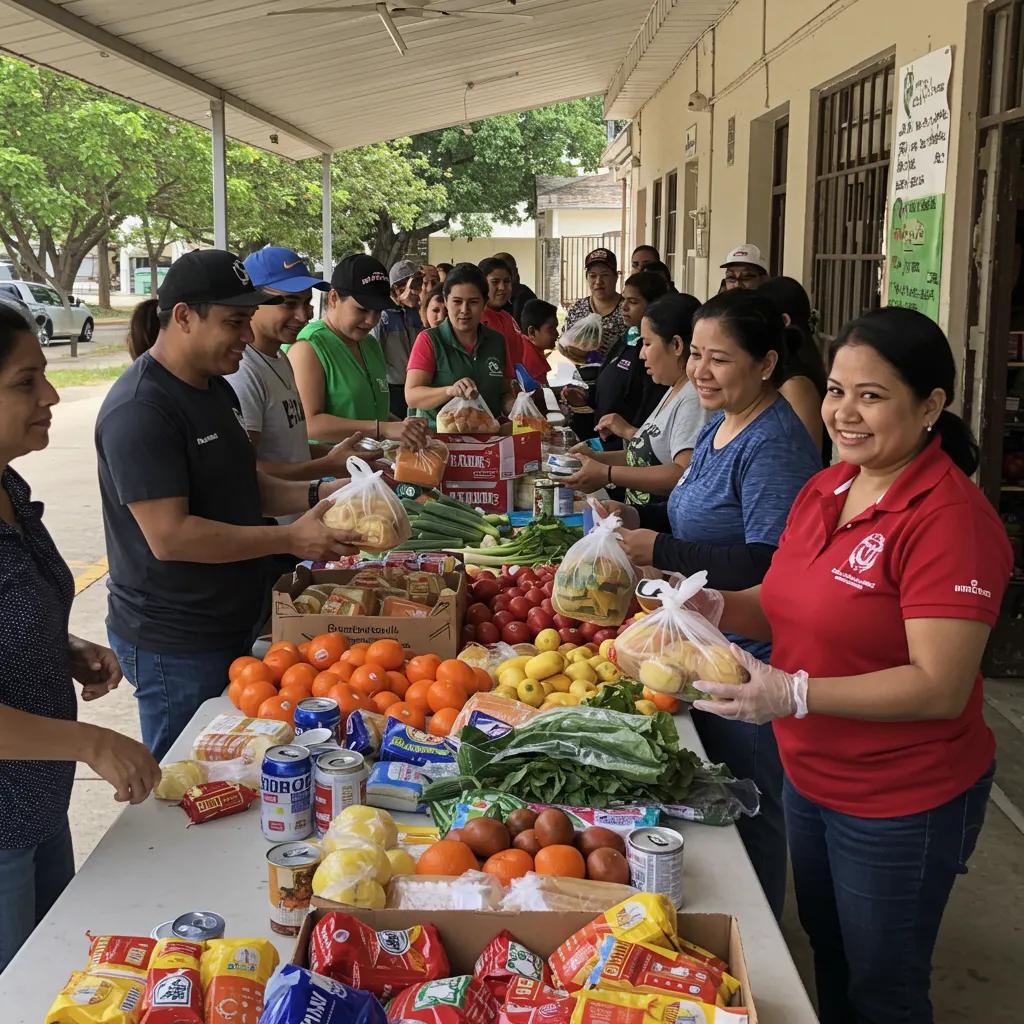
Community responses include food bank scale-ups, school meal extensions, mutual aid networks, and faith-based or volunteer drives that provide immediate relief to households in crisis. Local governments and nonprofits coordinate meal distribution and emergency vouchers, often leveraging state-level emergency funds and donations to sustain operations. These interventions can meaningfully blunt short-term shocks, but they frequently operate with constrained resources and depend on ongoing public generosity. Profiling these efforts highlights scalable practices and the importance of bridging federal policy lapses with resilient local infrastructures.
Community organizations commonly use these practical mitigation approaches:
- Rapid meal distribution lines to serve families during benefit gaps.
- School-based backpack programs for children on weekends and holidays.
- Partnerships with retailers for subsidized food vouchers for low-income households.
What Policy Solutions and Public Actions Can Help Address Food Insecurity?
Addressing food insecurity requires coordinated policy reforms, emergency funding mechanisms, and civic engagement to protect beneficiaries during political impasses. Viable policy options include statutory safeguards that decouple basic nutrition funding from shutdown cycles, targeted emergency appropriations, and programmatic expansions of child nutrition services. Citizens can contribute through advocacy, supporting local relief organizations, and elevating personal stories to lawmakers. The following H3 subsections summarize legislative proposals, practical citizen steps, and success stories that illustrate effective approaches.
What Legislative Changes Are Proposed to Protect Food Assistance?
Proposed legislative solutions range from short-term stopgap appropriations to structural reforms such as automatic contingency funding for essential nutrition programs during funding gaps. Proposals also include expanding eligibility thresholds for child nutrition programs and enhancing state flexibility to distribute emergency aid quickly. Each legislative option has trade-offs: emergency funding protects beneficiaries immediately but may not prevent recurrence, while structural reforms require more complex budgeting and bipartisan agreement. Policymakers must weigh political feasibility against the ethical imperative to prevent hunger when crafting durable protections.
The table below summarizes representative policy proposals and their likely effects and challenges:
How Can Citizens and Communities Support Hunger Relief Efforts?
Citizens can take concrete actions to influence policy and support relief networks, including contacting lawmakers, volunteering at food banks, and contributing to community meal programs. Effective civic engagement combines advocacy with direct assistance: constituents should use respectful, specific messages to their representatives and support local organizations that deliver meals and services. Youth-focused steps include social media campaigning and organizing donation drives that resonate with younger demographics. Below is a stepwise list of immediate civic actions readers can take.
- Contact Your Representative: Call or write with a concise request to protect SNAP and child nutrition funding.
- Volunteer Locally: Donate time to food banks or school meal programs helping families in need.
- Organize Community Drives: Coordinate local food or fund drives that support emergency distributions.
- Share Human Stories: Use social platforms to elevate personal accounts that humanize policy impacts.
What Success Stories Demonstrate Effective Hunger Solutions?
There are documented examples where policy decisions and community programs reduced food insecurity measurably, such as state expansions of school meal programs and emergency grant initiatives that scaled food bank capacity. Successful programs often combine robust data collection, targeted funding, and partnerships between government and civil society to meet local needs rapidly. Lessons from these cases emphasize the value of predictable funding, streamlined administrative procedures, and proactive planning that foresees funding disruptions. These successes provide practical blueprints for policymakers and communities aiming to reduce hunger both in crisis and over the long term.
How Does US Food Insecurity Compare Globally and What Does It Mean for the Pakistani Audience?
U.S. food assistance systems like SNAP operate at a domestic scale and differ structurally from international food aid models, yet disruptions in the U.S. can have ripple effects through global food markets and diaspora communities. International organizations address hunger through emergency food aid, cash transfers, and long-term development programs, and shifts in U.S. policy can influence funding priorities for these global efforts. For Pakistani readers and the diaspora, U.S. program changes may affect local community support networks, remittance flows, and bilateral philanthropic engagement. The following subsections compare models, explain international organizational roles, and outline diaspora-specific implications.
How Does US Food Assistance Policy Relate to International Hunger Challenges?
U.S. domestic programs focus on targeted, means-tested assistance delivered through administrative mechanisms like EBT cards, while international interventions often emphasize emergency food distribution and cash-based transfers in humanitarian contexts. The scale and design differ: SNAP is a domestically focused social welfare program, whereas organizations addressing global hunger must adapt to crisis settings and cross-border logistics. Cross-learning opportunities exist, such as adopting evidence-based targeting and scaling community partnerships, but program transferability requires adaptation to different governance and market contexts. Understanding these distinctions helps readers grasp how domestic policy choices fit within broader global efforts to reduce hunger.
What Is the Role of International Organizations in Hunger Relief?
International agencies and NGOs provide emergency response, technical assistance, and long-term resilience-building in regions facing food insecurity, coordinating logistics, funding, and program design across borders. While U.S. domestic funding shifts do not directly change the mechanics of these organizations, they can affect available philanthropic and government contributions that support global programs. International actors emphasize scalable interventions, data-driven targeting, and partnerships with local actors to sustain food security in fragile contexts. Recognizing this ecosystem clarifies the complementarity between domestic welfare programs and global humanitarian responses.
How Does Food Insecurity Affect the Pakistani Diaspora in the US?
Pakistani-American households and other diaspora communities in the United States can be impacted by SNAP funding changes in several ways: eligibility and access issues for mixed-status households, increased community demand on culturally specific food pantries, and altered remittance capacity if household incomes are strained. Community organizations serving the Pakistani diaspora often provide culturally appropriate food assistance and information about benefit access, and they may experience increased demand during benefit interruptions. For readers in Pakistan, U.S. policy shifts can influence philanthropic flows and the well-being of relatives relying on remittances, making these developments relevant across borders.
This article has outlined the mechanics, impacts, advocacy, and practical responses surrounding the October 2025 shutdown and threatened food assistance cuts. ARY News continues to monitor these developments as an information hub, reporting on legislative action, state responses, advocacy campaigns, and community resilience efforts to keep domestic and international audiences informed.
Conclusion
The ongoing government shutdown poses significant risks to food assistance programs like SNAP, affecting millions of vulnerable Americans and their access to essential nutrition. Understanding the implications of these cuts reinforces the importance of advocacy and community support in mitigating food insecurity. We encourage readers to engage with local organizations and contact lawmakers to advocate for the protection of vital food assistance programs. Stay informed and take action to help ensure that no family goes hungry during these challenging times.