AI Meal Planning Apps to Reduce Food Waste and Save Money
Households discard up to one-third of their groceries each week, driving food waste and inflated grocery bills. AI meal planning apps harness artificial intelligence to analyze your pantry, dietary goals, and shopping habits to generate personalized meal plans, optimized grocery lists, and leftover recipes that both reduce waste and cut costs. In this guide, you’ll discover the global impact of food waste on household budgets, how AI-driven tools prevent spoilage, strategies for saving on groceries, personalization for health, the core features to seek, future AI trends in sustainable meal planning, and practical steps to start using these apps today.
What Is the Impact of Food Waste and Rising Grocery Costs?
Food waste contributes to environmental strain and forces families to repurchase spoiled ingredients, making groceries a growing line item in household budgets. Understanding the scale and financial burden of wasted food lays the groundwork for AI-powered solutions that address both sustainability and personal finance.
What Are the Key Food Waste Statistics Affecting Households?
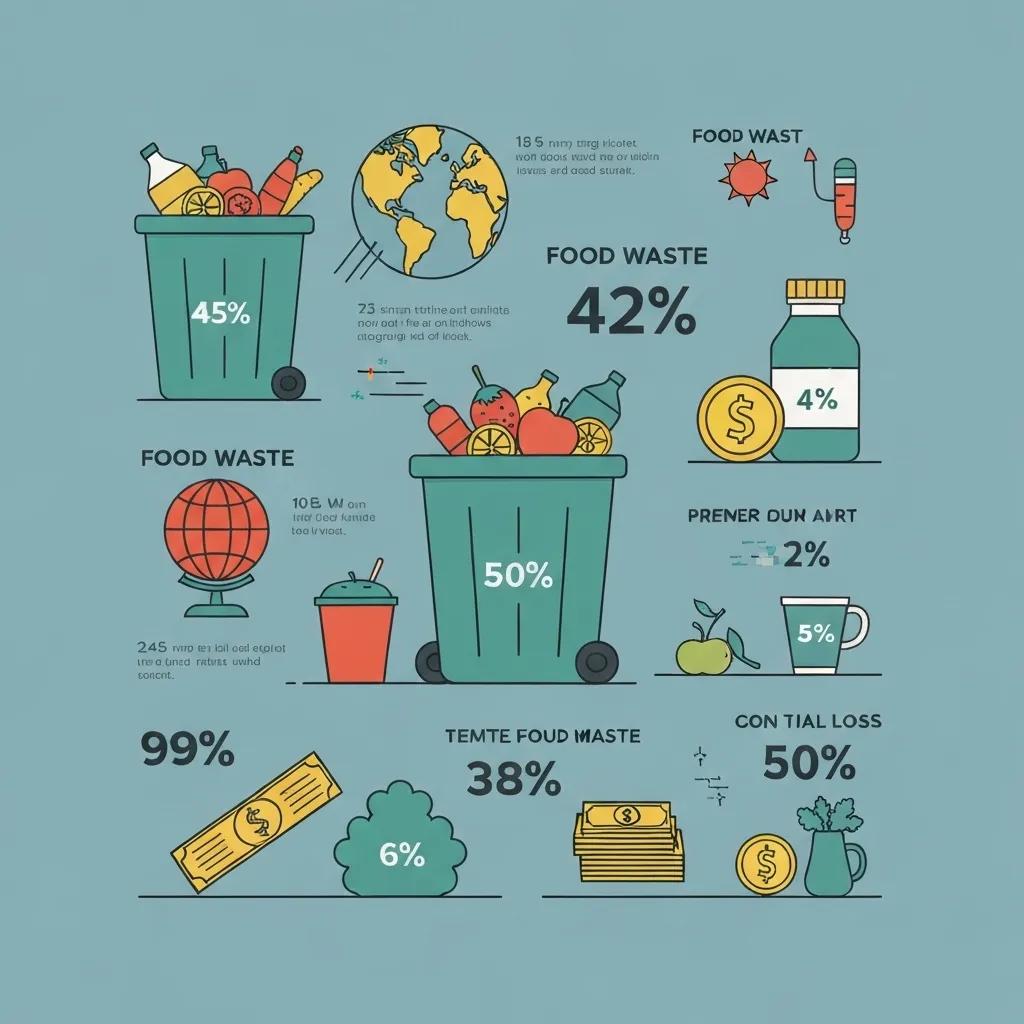
Below is an overview of household food-waste metrics that reveal the scale of discarded groceries and its environmental toll.
[The Impact of Food Waste on the Environment]
These figures underscore how significant household waste has become and why preventing spoilage and overbuying moves from nice-to-have to essential.
How Does Food Waste Increase Household Grocery Expenses?
Food waste inflates grocery expenses by requiring frequent repurchases of discarded items, reducing budget efficiency. When produce spoils uneaten and pantry staples expire, families effectively pay twice for the same ingredients. Overbuying items that don’t fit into a meal plan or failing to use leftovers compounds costs, making monthly grocery bills unpredictable and higher than necessary. Recognizing this cycle of spoilage and repurchase sets the stage for AI meal planning to introduce smarter inventory controls.
How Do AI-Powered Meal Planning Apps Reduce Food Waste?
AI meal planning apps cut waste by tracking what you already own, suggesting creative leftover uses, and forecasting future ingredient needs, all through intelligent algorithms. By automating inventory management and recipe generation, these tools transform pantry scraps into meals and prevent over-purchase before spoilage strikes.
How Does AI Enable Smart Inventory Management to Prevent Food Spoilage?
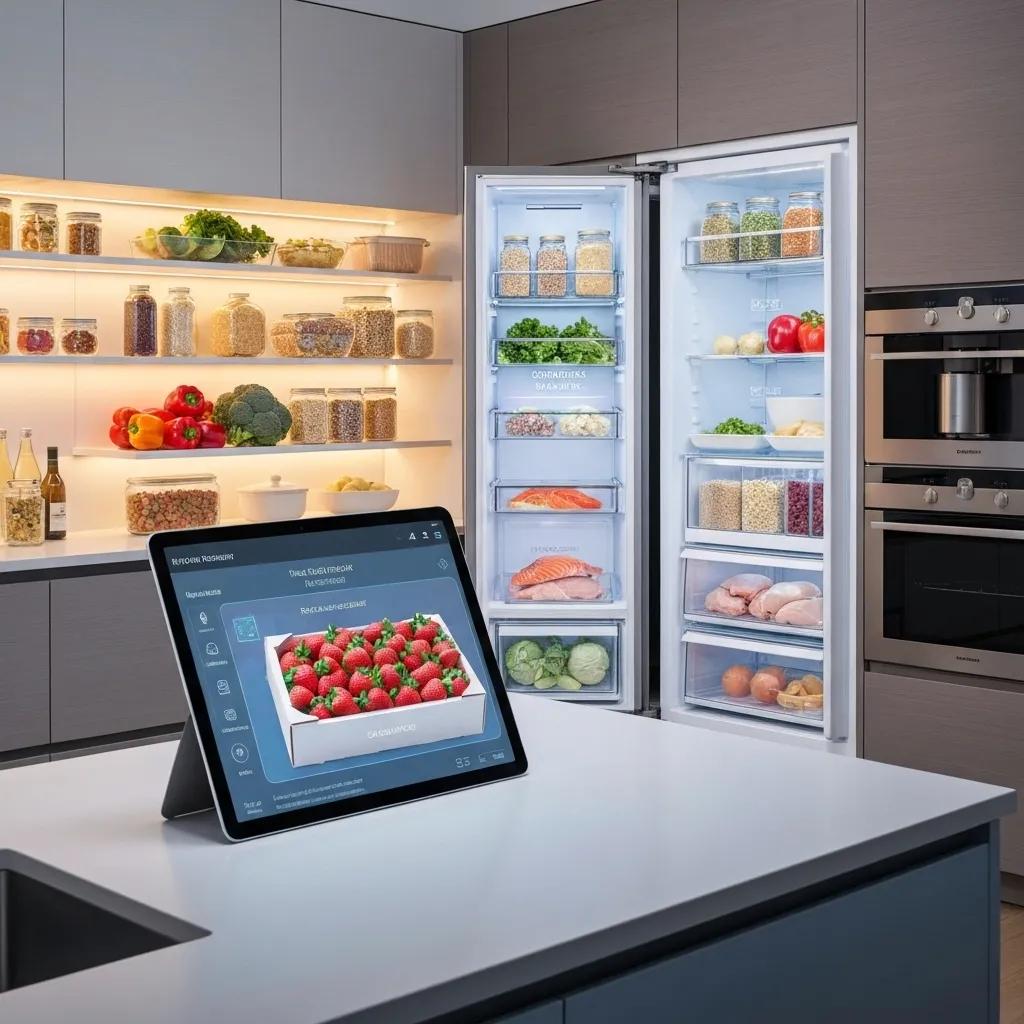
AI inventory management systems scan your pantry, refrigerator, and freezer items to create a real-time ingredient database. They predict spoilage dates using historical consumption patterns and suggest meals that use expiring foods first.
Key mechanisms include:
- Computer vision to recognize products from images
- Barcode scanning for automatic pantry updates
- Expiration forecasting based on household usage rates
[AI in Inventory Management and Waste Reduction]
By tracking what you have and when it expires, these features eliminate blind spots in your kitchen and prevent food from going bad, seamlessly leading to creative leftover solutions.
What Are AI-Powered Leftover Recipes and Ingredient Utilization Features?
AI-powered leftover suggestions harness recipe databases and ingredient permutations to repurpose scraps into new meals. These features:
- Identify unused ingredients at risk of spoilage
- Match them with tailored recipes and portion sizes
- Adjust instructions based on dietary preferences
Generating actionable recipe ideas prevents edible food from ending up in the trash and inspires culinary variety without additional grocery purchases, bridging inventory management and budget optimization.
How Does Predictive Analytics Help Forecast Food Needs at Home?
Predictive analytics models ingest your meal-plan history, seasonal trends, and household size to forecast ingredient needs for upcoming weeks. These models:
- Analyze consumption patterns to estimate quantities
- Factor in special events and seasonal produce availability
- Adjust forecasts when dietary goals shift (e.g., low-carb weeks)
Accurate demand forecasting ensures you buy only what you need, reducing waste and aligning purchases with actual consumption.
How Can AI Meal Planning Apps Help You Save Money on Groceries?
By generating budget-friendly meal plans, optimized shopping lists, and price-comparison features, AI apps target cost savings at every stage of meal preparation. They shift spending from impulse buys and overstocked pantry items toward strategic, cost-effective grocery trips.
What Are Budget-Friendly Meal Plans Generated by AI?
AI-driven meal plans optimize nutrition and cost by selecting recipes that use common ingredients and bulk purchases efficiently. Plans are tailored to your budget thresholds and nutrition goals through:
- Cost-ranking ingredients from local grocery data
- Suggesting batch-cooking recipes for multiple meals
- Substituting expensive items with affordable alternatives
How Do AI-Generated Grocery Lists Optimize Your Shopping Budget?
AI-generated grocery lists group items by store, compare unit pricing, and exclude unnecessary extras, ensuring you purchase precisely what you need. These lists:
- Prioritize staples with the best price-per-unit ratios
- Aggregate similar ingredients to leverage bulk discounts
- Highlight price promotions and deals based on your history
Can AI Compare Prices and Suggest Cost-Effective Ingredients?
Yes, AI platforms integrate retail price data to recommend the most economical ingredient options and identify high-value substitutions. Key features include:
- Real-time price scraping from online grocery catalogs
- Smart ingredient swap suggestions (e.g., turkey instead of chicken)
- Alerts for bulk-buy opportunities on nonperishables
By comparing prices across stores and suggesting cost-effective swaps, AI maximizes savings without compromising on meal variety or nutrition.
How Do AI Meal Planning Apps Personalize Nutrition for Health and Wellness?
AI apps personalize nutrition by aligning meal plans with dietary preferences, tracking macro- and micronutrient intake, and adapting recommendations as health goals evolve. This tailored approach supports sustained wellness and encourages balanced eating habits.
How Does AI Tailor Meal Plans to Dietary Preferences and Restrictions?
AI algorithms ingest user profiles—vegetarian, vegan, keto, allergy constraints—and generate meal plans that respect those criteria. They:
- Filter recipe databases by nutritional and allergen tags
- Balance macronutrient ratios according to specified targets
- Offer alternative ingredient suggestions to accommodate restrictions
How Can AI Track Macronutrients and Micronutrients Effectively?
AI nutrition trackers parse recipes and user-entered meals to calculate macronutrient and micronutrient totals accurately. Features include:
- Automated nutrient breakdowns for each recipe
- Visual dashboards showing daily and weekly intake summaries
- Alerts when certain vitamins or minerals fall below recommended levels
What Are the Benefits of Personalized Nutrition Through AI Apps?
[Personalized Nutrition and Dietary Adherence]
This level of tailored guidance translates into long-term habits that save time and money while promoting wellness.
What Core Features Should You Look for in AI Meal Planning Apps?
Selecting the right app involves evaluating AI functionalities, user experience, and ecosystem integrations that collectively drive waste reduction, cost savings, and nutritional personalization.
Which AI Technologies Power Meal Planning Apps?
Leading meal planning platforms leverage a combination of machine learning techniques to deliver personalized experiences:
- Machine learning for recipe recommendation and user profiling
- Computer vision for ingredient recognition and inventory scanning
- Predictive analytics for demand forecasting and expiration prediction
How Do User Experience and Smart Kitchen Integrations Enhance Meal Planning?
Smooth user interfaces and smart device compatibility ensure AI tools fit seamlessly into daily routines. Key UX and integration features include:
- Intuitive dashboards for meal plan adjustments
- Voice-assistant support for hands-free list creation
- Integration with smart fridges and automated grocery delivery services
What Are Examples of Top AI Meal Planning Apps and Their Unique Benefits?
Below is a comparison of three hypothetical AI meal planners, highlighting their differentiators and advantages.
What Is the Future of AI in Sustainable Meal Planning and Food Waste Reduction?
AI’s evolving capabilities will deepen the link between personalized nutrition, environmental impact, and cost efficiency, shaping the next generation of food-tech solutions.
How Will AI Advance Sustainable Eating and Environmental Impact?
AI will extend beyond individual kitchens to influence supply-chain decisions and promote circular food economies. Future applications include:
- Real-time waste analytics for community-level food recovery efforts
- Automated composting recommendations based on household waste profiles
- Collaborative platforms linking surplus ingredients to local charities
These innovations promise systemic reductions in food waste and stronger connections between consumers and sustainable practices.
What Emerging AI Capabilities Will Transform Meal Planning?
Next-generation AI features will further refine personalization and creativity in the kitchen:
- Generative AI for on-demand recipe invention from minimal inputs
- Advanced flavor-pairing algorithms to inspire novel dishes
- Context-aware voice assistants that adapt cooking guidance to real-time conditions
Emerging capabilities will amplify user engagement, making waste-free, cost-effective cooking both effortless and interactive.
How Can You Start Using AI Meal Planning Apps to Reduce Waste and Costs Today?
Adopting AI meal planning requires simple onboarding, consistent tracking, and regular review of your waste and expense metrics to ensure sustained impact.
What Are the Steps to Set Up and Use an AI Meal Planning App?
- Create a user profile with dietary preferences, household size, and budget targets.
- Scan or manually enter existing pantry and fridge items for inventory initialization.
- Review the AI-generated meal plan and grocery list, then adjust portions or preferences.
- Follow the guided recipes, updating inventory as you cook, to keep the database accurate.
Starting with these steps ensures the AI system learns your habits and optimizes recommendations from day one.
How Can You Measure Your Food Waste Reduction and Cost Savings?
- Track weekly spoiled or unused items before and after app adoption.
- Monitor your average cost per meal and total grocery spend month over month.
- Use built-in app analytics or third-party calculators to quantify waste and savings percentages.
Where Can You Find Trusted AI Meal Planning Apps?
Explore major app stores on iOS and Android under the “Food & Drink” or “Health & Fitness” categories, and look for high aggregate ratings and positive user reviews. Checking expert round-up articles from reputable tech and lifestyle publications can also surface reputable options.
Households can dramatically shrink food waste and grocery expenses by leveraging AI meal planning technology. These apps combine smart inventory management, budget optimization, and personalized nutrition to transform cooking routines into sustainable, cost-effective habits. As AI advances, the link between individual choices and environmental impact will only grow stronger, making this the ideal time to adopt intelligent meal planning solutions. Empower your kitchen today by selecting an AI meal planner that aligns with your sustainability and budget goals, and turn wasted food into zero-waste savings.