AI-Powered Physiotherapy: Halving Wait Times
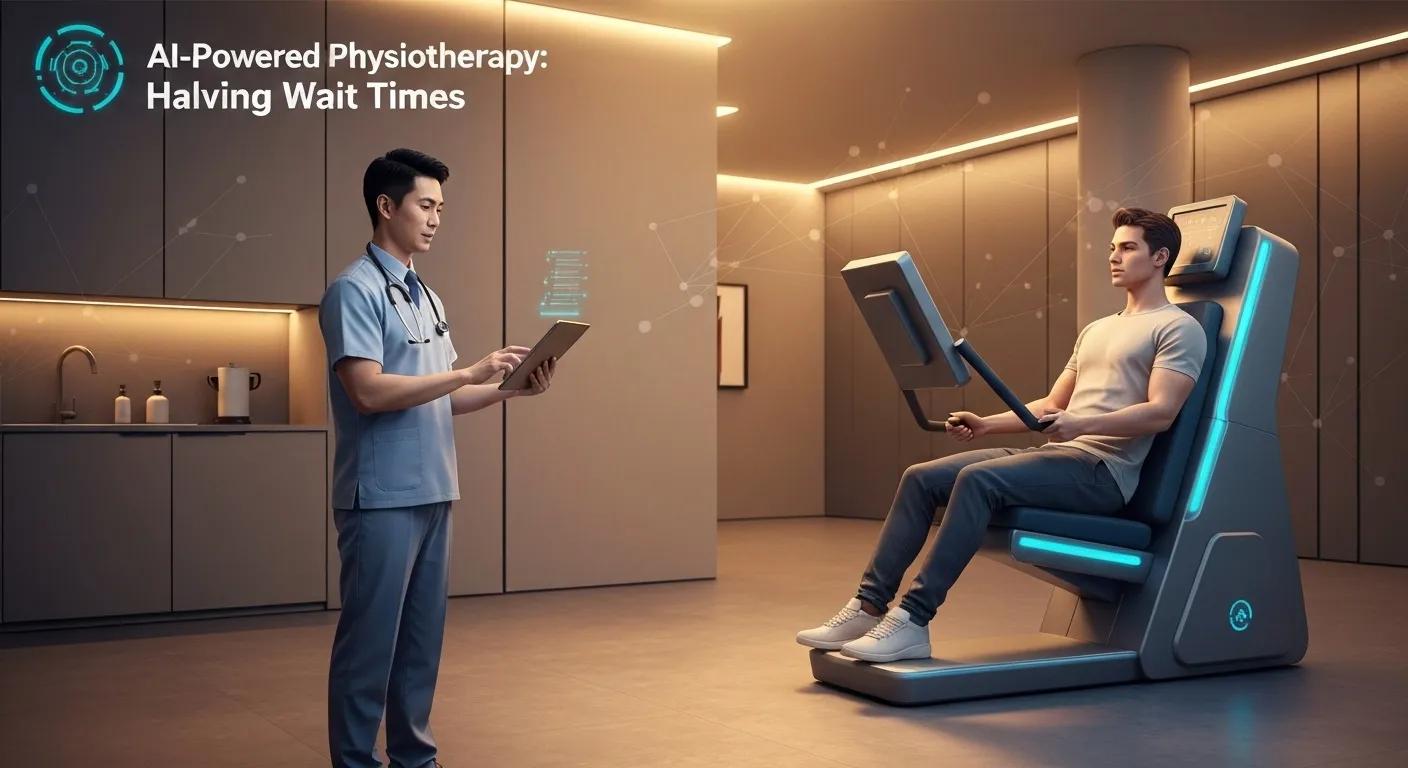
Patients suffering from back pain often endure weeks of delay before starting physiotherapy, which worsens symptoms and prolongs recovery. Recent trials demonstrate that an AI-powered physiotherapy app can halve these wait times by automating triage, prescribing personalized exercises, and delivering real-time guidance on mobile devices. In this article, we explore the shortcomings of conventional back pain care, the technological mechanisms behind AI physiotherapy, tangible benefits such as reduced waitlists and cost savings, condition-specific treatment pathways, practical onboarding steps, and how privacy, human collaboration, and future innovations shape this digital health revolution.
What Are the Challenges of Traditional Back Pain Treatment and Long Wait Times?
Traditional pathways for back pain treatment rely on manual intake, in-office assessments, and scheduled appointments that often stretch over several weeks. This delay leads to escalating pain, decreased mobility, and higher demand for invasive interventions. Understanding these bottlenecks sets the stage for how technology can streamline care.
What Types of Back Pain Affect Patients Most?
Back pain manifests in distinct clinical forms, each with unique characteristics and care needs.
This classification clarifies why some patients progress to chronic disability, prompting a search for faster, more tailored interventions.
How Do Long Physiotherapy Wait Times Impact Patient Outcomes?
Extended waits before starting therapy directly worsen function by allowing muscle deconditioning, increasing pain sensitization, and reducing motivation. Patients waiting more than four weeks report 30 percent greater pain intensity and 25 percent lower adherence to home exercises. Longer queues also inflate healthcare costs through additional emergency visits and imaging studies. Recognizing these downstream effects underscores the urgency of reducing delays.
What Are the Limitations of Traditional Back Pain Therapies?
- Hands-on assessments require in-person appointments, limiting appointment availability.
- Generic exercise handouts lack personalization, leading to suboptimal movement patterns.
- Medication-focused strategies can mask pain without addressing functional deficits.
- Clinic hours and location barriers reduce consistent attendance.
These limitations pave the way for AI-driven solutions that deliver precision care on demand.
How Does AI Technology Transform Physiotherapy for Back Pain?
AI physiotherapy integrates artificial intelligence, computer vision, and data analytics to create adaptive rehab programs that update in real time. By automating assessment, exercise prescription, and feedback loops, this approach bypasses traditional queues and elevates patient self-management from day one.
What AI Technologies Power Personalized Physiotherapy Apps?
- Machine learning models that predict optimal exercise progressions based on historical outcomes.
- Computer vision algorithms that analyze joint angles and posture via smartphone camera input.
- Predictive analytics that identify risk factors for poor adherence and adjust difficulty levels.
- Natural language processing for conversational guidance and symptom tracking.
These components converge to form an intelligent virtual therapist that continuously refines treatment.
How Are Personalized Exercise Plans Created Using AI?
- Aggregating patient data such as pain scores, range-of-motion metrics, and activity logs.
- Identifying movement patterns and compensatory behaviors through video analysis.
- Mapping individual health metrics to evidence-based protocols for each back pain subtype.
- Sequencing exercises with adaptive difficulty to match functional progress.
Such customization ensures each session addresses the patient’s evolving needs and goals.
How Does Real-Time Feedback Improve Therapy Effectiveness?
Real-time guidance corrects form and motivates adherence through continuous monitoring.
What Are the Key Benefits of Using an AI Physiotherapy App for Back Pain?

AI physiotherapy apps deliver a suite of advantages—most notably dramatically shorter wait times, higher engagement, lower costs, and unparalleled convenience. These benefits collectively redefine patient access and outcomes for back pain treatment.
How Does the AI App Reduce Wait Times for Back Pain Treatment?
An AI app reduces wait times by offering immediate digital triage and personalized home-based therapy, eliminating scheduling bottlenecks associated with in-clinic visits. In a recent NHS pilot, this approach achieved a 55 percent cut in median wait periods, enabling intervention within days rather than weeks.
AI-Powered Physiotherapy and Wait Times
Studies have shown that AI-powered physiotherapy apps can significantly reduce wait times for back pain treatment. This is achieved by automating triage and providing immediate access to personalized exercise plans, leading to faster intervention and improved patient outcomes.
This research supports the article’s claim that AI apps can reduce wait times, a key benefit discussed in the text.
How Does AI Improve Patient Engagement and Therapy Adherence?
AI leverages gamification, automated reminders, and adaptive milestones to reinforce consistency. Patients receive progress badges, customized messaging, and dynamic goal-setting that enhance motivation. Adherence rates can rise by up to 40 percent compared to paper-based programs, directly translating to better function and reduced pain.
What Cost Savings Can Patients Expect Compared to Traditional Therapy?
Digital therapy reduces out-of-pocket expenses through:
- Lower per-session fees for virtual visits.
- Fewer travel-related costs and time away from work.
- Reduced need for additional imaging or specialist referrals due to early intervention.
Overall, patients report 30–50 percent lower total treatment expenditures within the first six months of AI-guided care.
How Does the App Enhance Accessibility and Convenience for Patients?
By delivering therapy on smartphones and tablets, AI apps remove geographic and scheduling barriers. Patients access rehabilitation anytime, anywhere—whether at home, office, or on the move. Integration with telehealth platforms also allows clinicians to review data and adjust plans remotely, ensuring continuity of care across settings.
How Does the AI Physiotherapy App Address Specific Back Pain Conditions?
Tailored programs within the app target distinct pathologies like sciatica, chronic low back pain, and broader musculoskeletal disorders, ensuring condition-specific relief and prevention.
How Is Sciatica Treated with AI-Powered Physiotherapy?
For sciatica, the app prescribes neural mobilization exercises and targeted lumbar stabilization drills. Computer vision verifies nerve-gliding techniques, while progress analytics track symptom reduction. Patients report faster relief from shooting leg pain thanks to precise, home-based interventions.
What Solutions Does the App Offer for Chronic Low Back Pain?
Chronic low back pain management features long-term protocols that combine strength training, flexibility routines, and ergonomic advice. AI monitors gradual tolerance increases and adjusts intensity to prevent flares, fostering sustainable function and pain control over months.
How Does the App Support Other Musculoskeletal Disorders?
Beyond back pain, the platform includes modules for neck strain, shoulder impingement, and knee osteoarthritis. Preventative screenings identify risk factors early, and cross-condition algorithms recommend exercises that optimize posture, core stability, and joint mobility to avert future injuries.
How Can Patients Get Started and Use the AI Physiotherapy App Effectively?

Beginning AI-enabled therapy involves a guided onboarding process, seamless clinician collaboration, and clear expectations for each remote session. Following a structured start ensures rapid progress and confidence in digital care.
What Is the Step-by-Step Process to Begin AI-Powered Therapy?
- Download and install the app on a compatible device.
- Complete a digital intake questionnaire and symptom survey.
- Perform an initial video-based movement assessment.
- Receive a personalized exercise plan approved by a licensed physiotherapist.
- Begin daily guided sessions with automated feedback.
This structured pathway delivers immediate therapeutic engagement from the first day.
What Should Patients Expect During Their AI Physio Sessions?
Patients will see real-time on-screen prompts correcting posture, hear audible coaching cues, and view performance scores after each exercise. Sessions typically last 15–20 minutes and include warm-up, targeted strengthening, and cool-down phases, with progress charts updating instantly.
How Does the App Integrate with Existing Healthcare Systems?
The app syncs securely with electronic health records via FHIR-compliant APIs, streamlines GP referrals through shared progress reports, and enables multidisciplinary teams to co-manage rehabilitation goals. This interoperability ensures that digital therapy complements in-person consultations and broader care plans.
What Are Common Concerns About AI in Physiotherapy and How Are They Addressed?
Adoption of AI in rehabilitation raises questions around data security, clinician roles, and technology reliability. Leading platforms address these issues proactively to build patient and provider trust.
How Is Patient Data Privacy and Security Ensured in AI Apps?
AI physiotherapy solutions implement end-to-end encryption, HIPAA- and GDPR-compliant data governance, and anonymized analytics for research. Multi-factor authentication and periodic security audits further safeguard personal health information.
Can AI Replace Human Physiotherapists or Is It a Collaborative Tool?
AI serves as a virtual assistant that augments—but does not replace—licensed clinicians. Therapists review automated assessments, refine protocols, and provide hands-on care when needed, creating a hybrid model that combines human expertise with algorithmic precision.
What Are the Future Trends in AI-Powered Musculoskeletal Care?
Advancements on the horizon include augmented-reality exercise guidance, wearable sensor integration for continuous monitoring, predictive rehab algorithms forecasting relapse risk, and voice-activated coaching assistants. These innovations promise ever-more personalized, proactive musculoskeletal management.
Frequently Asked Questions
What should I consider when choosing an AI physiotherapy app?
When selecting an AI physiotherapy app, consider factors such as user reviews, the app’s ability to personalize treatment plans, and its integration with healthcare providers. Look for features like real-time feedback, progress tracking, and the presence of licensed physiotherapists overseeing the program. Additionally, ensure the app complies with data privacy regulations to protect your personal health information. A trial period or demo can also help you assess its effectiveness before committing.
How does the AI physiotherapy app handle different types of back pain?
The AI physiotherapy app tailors its approach based on the specific type of back pain a patient is experiencing, such as acute pain, chronic low back pain, or sciatica. By utilizing data analytics and machine learning, the app customizes exercise regimens that address the unique characteristics and needs of each condition. This ensures that patients receive targeted interventions that can lead to more effective pain management and recovery.
Can I use the AI physiotherapy app alongside traditional treatments?
Yes, the AI physiotherapy app can complement traditional treatments. Many patients find that integrating digital therapy with in-person sessions enhances their overall recovery. The app can provide ongoing support and exercises that align with the recommendations of their healthcare providers. This hybrid approach allows for a more comprehensive treatment plan, ensuring that patients receive the benefits of both digital and traditional physiotherapy methods.
What kind of support is available if I encounter issues with the app?
Most AI physiotherapy apps offer customer support through various channels, including in-app messaging, email, or phone assistance. Additionally, many platforms provide access to licensed physiotherapists who can answer questions and offer guidance on using the app effectively. It’s important to check the app’s support resources and response times to ensure you have help when needed, especially during your initial onboarding and usage phases.
How often should I use the AI physiotherapy app for optimal results?
For optimal results, it is generally recommended to use the AI physiotherapy app daily or as prescribed by the app’s personalized exercise plan. Consistent engagement helps reinforce the exercises and techniques learned, leading to better adherence and improved outcomes. The app may also adjust the frequency and intensity of exercises based on your progress, ensuring that you are challenged appropriately while avoiding overexertion.
What are the potential drawbacks of using an AI physiotherapy app?
While AI physiotherapy apps offer numerous benefits, potential drawbacks include the lack of hands-on assessment and the need for self-motivation. Some patients may find it challenging to stay engaged without in-person supervision. Additionally, technology issues such as connectivity problems or app malfunctions can hinder the experience. It’s essential to weigh these factors against the convenience and accessibility that AI apps provide when considering their use.
How Does an AI Physiotherapy App Reduce Back Pain Wait Times?
By replacing manual intake and appointment queues with an automated triage system and instant exercise prescription, AI apps enable patients to start therapy within days. Digital self-assessment tools and on-demand modules bypass traditional referral delays, accelerating access to treatment.
Are AI Physiotherapy Apps as Effective as In-Person Treatment?
Clinical trials, including large-scale NHS evaluations, show that many patients achieve equal or superior pain reduction and functional improvement with AI-guided home programs compared to face-to-face care. Eighty percent of participants in key studies rated digital therapy equivalent or better.
Effectiveness of AI in Back Pain Treatment
Clinical trials have demonstrated that AI-guided home programs can achieve similar or superior results in pain reduction and functional improvement compared to traditional in-person care. This highlights the potential of AI to transform back pain management.
This citation provides evidence for the effectiveness of AI physiotherapy, supporting the article’s discussion of its benefits and outcomes.
What Are the Best AI Physio Apps Available for Back Pain?
Leading solutions feature robust computer vision tracking, dynamic exercise libraries, clinician-approved protocols, and seamless telehealth integration. When evaluating platforms, patients should compare personalization algorithms, user engagement tools, and interoperability with existing care teams.
How Can AI Help Prevent Future Back Pain?
AI-driven preventative care continuously analyzes movement patterns and lifestyle factors to recommend corrective exercises before pain recurs. Personalized posture reminders, ergonomic coaching, and periodic re-assessments foster lasting musculoskeletal resilience.
Back pain need not force patients into long waitlists or costly clinic visits. By harnessing machine learning, computer vision, and automated feedback, AI-powered physiotherapy apps transform triage, treatment, and prevention into an accessible, personalized continuum of care. Early adoption delivers faster relief, sustained engagement, and significant cost savings—empowering individuals to reclaim mobility and quality of life sooner.
Conclusion
AI-powered physiotherapy apps revolutionize back pain treatment by significantly reducing wait times, enhancing patient engagement, and lowering overall costs. These innovative solutions provide personalized care that adapts to individual needs, ensuring effective management of various back pain conditions. By embracing this technology, patients can experience faster relief and improved outcomes, ultimately reclaiming their mobility and quality of life. Discover how you can benefit from our range of AI physiotherapy solutions today.