Comprehensive Guide to Alternative Medicine: Types, Benefits, and Integrative Health Solutions
Alternative medicine describes a broad set of health approaches outside mainstream biomedical practice, ranging from herbal medicine and Ayurveda to acupuncture, homeopathy, and mind-body therapies. This guide explains what alternative medicine is, how it differs from complementary and integrative health, and why its role is growing amid rising chronic disease and demand for holistic care. Readers will get practical descriptions of common therapies, an evidence-focused review of benefits and limitations, safety and regulatory checklists, and a Pakistan-specific perspective on cultural practice and media coverage. The article maps therapy profiles, condition-specific evidence, regulatory guidance, and steps to choose qualified practitioners while integrating recent trends in digital health and AI-assisted tools for integrative care.
What Is Alternative Medicine and How Does It Differ from Complementary and Integrative Therapies?
Alternative medicine is any therapeutic approach used instead of conventional medical treatment; it often prioritizes holistic philosophies, natural remedies, and individualized care. Complementary therapies are used alongside conventional treatments to enhance outcomes or reduce side effects, while integrative medicine formally coordinates both approaches within a unified care plan. The distinction matters because safety, evidence thresholds, and practitioner training differ substantially across these categories and inform when patients should seek conventional care. Understanding these differences helps patients and clinicians choose when to combine modalities rather than substitute standard treatments, and it frames later discussion about evidence and regulation.
What Are the Core Concepts of Alternative, Complementary, and Integrative Medicine?
Core concepts include holism (treating the whole person), prevention and lifestyle focus, and the use of non-pharmaceutical interventions for symptom relief and wellness promotion. Practitioners emphasize individualized assessment, patient empowerment, and multimodal plans that may include diet, plants, manipulative therapies, and mind-body practices. These approaches reflect historical traditions—such as Ayurveda or Unani—alongside modern naturopathic and integrative frameworks that blend research evidence with traditional knowledge. Recognizing core principles clarifies why some therapies prioritize long-term lifestyle change and why others aim for targeted symptom management.
How Is Alternative Medicine Used in Holistic Healing and Natural Remedies?
Alternative medicine is applied to support wellness, manage chronic symptoms, and reduce medication side effects through natural remedies and lifestyle prescriptions. Common uses include stress reduction with meditation, herbal supplements for symptom control, and manual therapies for musculoskeletal pain; many patients seek these options for chronic conditions where conventional cures are limited. Clinicians who integrate modalities often use them as adjuncts—supporting sleep, mood, or rehabilitation—rather than sole treatments for acute, life-threatening conditions. This practical application highlights the need for coordinated care and informed provider communication.
What Are the Differences Between Alternative Medicine and Conventional Treatments?
Alternative medicine differs from conventional treatments in evidence standards, standardization, and regulatory oversight: conventional care typically requires large randomized trials and regulatory approval for drugs and devices, while many alternative remedies rely on historical use or smaller studies. Cost, accessibility, and cultural acceptance also diverge; some traditional methods are widely trusted locally despite limited high-quality trials. Safety oversight is typically weaker for herbal products and non-regulated practitioners, making verification and disclosure essential when combining therapies. These contrasts help patients decide when integration improves outcomes versus when substitution poses risks.
What Are the Most Common Types of Alternative Medicine Therapies?

Common alternative therapies include whole-system approaches (Ayurveda, Unani), biologically based therapies (herbal medicine, supplements, homeopathy), manipulative therapies (chiropractic), mind-body practices (yoga, meditation), and modalities like acupuncture that target specific physiological pathways. Each therapy has a characteristic mechanism, typical use cases, and varying evidence levels; understanding these features helps patients match treatments to conditions and risk tolerance. The table below summarizes widely used therapies, their typical uses, a mechanism snapshot, and an evidence-level appraisal to aid quick comparison.
Different therapies serve distinct roles across symptom control and wellness promotion.
How Does Homeopathy Work and What Conditions Does It Treat?
Homeopathy is based on the principle of “like cures like” and uses highly diluted substances intended to trigger the body’s healing response; preparations are typically serially diluted and succussed. Practitioners often individualize remedies for chronic complaints such as allergic tendencies, minor skin conditions, or constitutional symptoms, though high-quality clinical trials generally show effects consistent with placebo. Safety profiles are usually benign when remedies are true dilutions, but risk arises from substituting homeopathy for proven conventional treatments in serious diseases. Patients should disclose homeopathic use to ensure coordinated care.
What Is Acupuncture and How Does It Relieve Pain?
Acupuncture inserts fine needles into specific acupoints to stimulate neural, vascular, and hormonal responses that modulate pain, inflammation, and autonomic balance. Contemporary research describes mechanisms such as endogenous opioid release, altered pain-signal processing, and neuroimmune effects contributing to symptom relief in chronic pain and postoperative nausea. High-quality randomized trials and meta-analyses support acupuncture for some types of chronic pain and tension-type headache, though effect sizes vary and practitioner skill influences outcomes. Safety is high when performed by trained providers using sterile technique; bleeding or infection risks are rare.
What Are the Benefits and Risks of Herbal Medicine?
Herbal medicine uses plant-derived compounds that can offer anti-inflammatory, anxiolytic, or symptomatic benefits; examples include herbs used traditionally for digestive support or calming effects. Benefits depend on active phytochemicals—such as flavonoids or alkaloids—that have measurable pharmacological activity and, in some cases, clinical trial support. Risks include variability in product quality, contamination, and clinically important herb-drug interactions (e.g., enzyme induction or anticoagulant effects). Patients should use standardized extracts when available, verify product quality, and consult clinicians about interactions.
How Do Chiropractic Care and Naturopathy Support Wellness?
Chiropractic care centers on spinal manipulation and musculoskeletal adjustments to improve function and relieve back or neck pain, while naturopathy emphasizes nutrition, lifestyle prescriptions, and natural therapeutics. For acute low back pain, manual therapies show moderate benefit for pain reduction and improved mobility when combined with exercise and education. Naturopathic approaches can help lifestyle modification through structured counseling and nutritional support, but variability in training and scope requires careful verification of qualifications. Combining these services with conventional rehabilitation often yields better outcomes than isolated care.
What Role Do Mind-Body Therapies Like Yoga and Meditation Play in Holistic Health?
Mind-body therapies reduce stress, improve mood regulation, and enhance resilience through practices that alter autonomic tone and cognitive appraisal. Randomized trials and meta-analyses indicate robust benefits for anxiety, depression, and stress biomarkers, and regular practice improves sleep and quality of life in chronic illness. These therapies are low-risk, scalable, and adaptable across ages and settings, making them effective preventive tools and adjuncts to conventional treatment. Beginners benefit from structured programs and progressive intensity to ensure safety and adherence.
What Are Ayurvedic Principles and Their Impact on Holistic Living?
Ayurveda classifies individuals by dosha types and prescribes diet, lifestyle, and herbal preparations to restore balance; practices include tailored diets, detoxification rituals, and herbal formulations. Some Ayurvedic herbs and lifestyle interventions show therapeutic potential for metabolic and chronic lifestyle conditions, but concerns exist regarding standardization and occasional heavy-metal contamination in unregulated preparations. Integration with modern healthcare works best when practitioners verify product quality and avoid substituting critical treatments for serious medical conditions. Patient education and testing help mitigate safety risks.
What Are the Proven Benefits and Scientific Evidence Supporting Alternative Medicine?
Certain alternative therapies have moderate to strong evidence for specific conditions, while others remain unsupported by high-quality trials; the critical task is matching therapy to condition and assessing study quality. Current research (2023–2025) shows consistent support for mind-body therapies in mental health, acupuncture for some pain syndromes, and selected herbal extracts with standardized dosing for defined indications. Heterogeneity in trials, placebo effects, and publication bias complicate interpretation, so practical recommendations emphasize adjunctive use, evidence-based selection, and ongoing monitoring. The table below maps conditions to therapies and evidence summaries for quick clinical reference.
This evidence mapping clarifies where integrative strategies are most likely to benefit patients.
Which Chronic Conditions Can Alternative Therapies Help Manage?
Alternative therapies most reliably assist chronic pain, stress-related disorders, sleep problems, and some functional conditions where biomedical cures are limited. For chronic pain, acupuncture and manual therapies reduce pain intensity and improve function; for anxiety and depression, regular meditation and yoga produce clinically meaningful symptom decreases. These modalities often improve quality of life and can reduce medication use when coordinated with conventional care, but they are typically supportive rather than curative for major systemic diseases. Shared decision making ensures appropriate expectations and safety.
What Does Recent Research Say About the Effectiveness of Alternative Therapies?
Recent studies through 2025 show improving trial quality in some domains, with larger, better-designed RCTs demonstrating benefit for acupuncture in defined pain syndromes and for mind-body interventions in mental health. Research now explores mechanisms using neuroimaging and biomarker endpoints, and digital delivery of mind-body therapies has expanded evidence on scalability. However, many herbal interventions still lack large multicenter trials, and heterogeneity in product quality remains a major limitation. Continued rigorous research and standardization are essential to strengthen recommendations.
How Does Integrative Health Combine Conventional and Alternative Treatments?
Integrative health coordinates disciplines through multidisciplinary teams, shared treatment plans, and clear referral pathways to combine evidence-based alternative therapies with standard care. Models include supportive oncology clinics offering acupuncture for chemotherapy nausea, pain clinics integrating acupuncture and physiotherapy, and primary care settings that refer to certified mind-body programs. Key elements are documented communication, shared goals, and monitoring for interactions; successful integration improves patient satisfaction, symptom control, and adherence while maintaining safety oversight.
What Are the Risks, Safety Considerations, and Regulatory Aspects of Alternative Medicine?
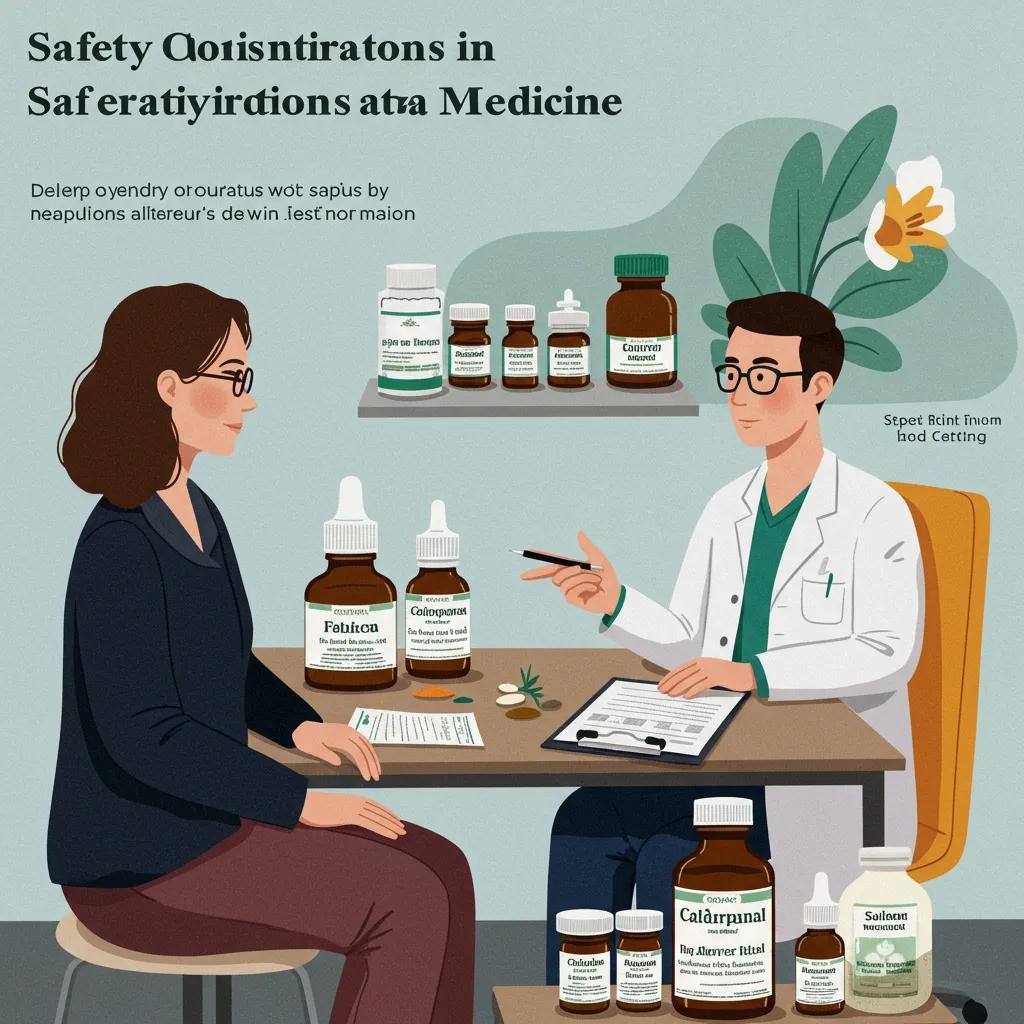
Alternative medicine carries risks that range from mild adverse effects to serious interactions when products are contaminated or combined with prescription drugs. Safety concerns include herb-drug interactions, mislabeling or contamination of products, delayed conventional treatment for serious conditions, and variable practitioner qualifications. Regulatory oversight varies globally, leaving consumers to rely on product batch testing, credential verification, and professional standards. Patients should ask direct questions, disclose all remedies to clinicians, and prefer standardized, tested products to reduce risks.
What Are Common Risks and Drug Interactions in Herbal and Homeopathic Remedies?
Common herb-drug interactions include enzyme induction or inhibition that alters drug levels (for example, some herbs affect anticoagulants or antidepressants), leading to reduced efficacy or increased toxicity. Contamination and adulteration with heavy metals or pharmaceuticals have been documented in some unregulated products, increasing safety hazards. Homeopathic remedies are usually low risk due to dilution, but substituting them for evidence-based therapy in serious disease poses significant danger. Always check interactions with a pharmacist or physician and use products with third-party testing where possible.
How Is Alternative Medicine Regulated in Pakistan and Globally?
Global regulatory frameworks differ: agencies like WHO provide guidance, while national regulators set licensing and safety standards for practitioners and products. In many countries, herbal products and traditional systems fall under separate regulatory pathways with varying stringency, and some therapies lack clear licensing or standardized oversight. In Pakistan, traditional systems such as Unani are culturally prevalent, but regulatory clarity and enforcement levels vary, making consumer vigilance and professional verification important. Policymakers increasingly call for harmonized standards and better quality control to protect patients.
How Can Patients Choose Qualified Practitioners for Safe Treatment?
Choosing qualified practitioners requires checking formal credentials, professional association membership, and referral sources; ask about training, scope of practice, and willingness to coordinate with conventional providers. Red flags include guaranteed cures, pressure to stop prescribed medications, or lack of documented training. Patients should request ingredient lists for herbal products, ask for third-party testing, and obtain a written treatment plan with measurable goals and follow-up. Clear communication and integrated care pathways reduce risk and improve outcomes.
How Is Alternative Medicine Practiced and Perceived in Pakistan?
Traditional healing systems such as Unani, herbal home remedies, spiritual healing, and regional therapeutic customs remain widely used across Pakistan in both rural and urban settings. These practices are embedded in cultural beliefs, accessible community networks, and local supply chains for herbal remedies, making them a first-line option for many people. Public perception combines trust in tradition with growing curiosity about evidence-based integration, and media coverage plays a central role in shaping public understanding and correcting misinformation. Localized reporting and research collaboration are essential to bridge tradition and scientific assessment.
What Traditional Healing Methods Are Popular in Pakistani Culture?
Unani medicine, regional herbal remedies, spiritual or faith-based healing, and pragmatic household treatments are commonly used for minor ailments and chronic symptom management. These methods persist because they align with cultural values, are accessible, and often integrate dietary and lifestyle advice. Use patterns differ between urban clinics that may blend conventional and traditional care and rural communities where traditional healers are primary providers. This cultural prevalence underscores the need for safety education, quality control of herbal supplies, and respectful integration with modern healthcare.
Who Are the Leading Local Practitioners and Researchers in Alternative Medicine?
Qualified practitioners in Pakistan include licensed traditional medicine providers, clinicians with additional training in integrative approaches, and researchers based in university departments and medical research centers; readers should verify credentials through academic institutions and professional associations. Research often emerges from university collaborations and hospital-based initiatives that study local herbal medicines, safety, and efficacy. For trustworthy expertise, seek professionals affiliated with recognized institutions and peer-reviewed publications rather than unverified sources.
How Does ARY News Report on Alternative Medicine Trends and Misinformation?
To provide timely and comprehensive news and current affairs coverage, keeping the audience informed and engaged with diverse content. ARY News treats alternative medicine as both a public-health topic and a cultural phenomenon, combining local practitioner interviews, verification of viral claims, and summaries of recent scientific findings. The newsroom verifies claims through expert interviews, cross-referencing peer-reviewed studies, and consulting regulatory guidance, with a focus on correcting misinformation that can influence patient choices. Readers can expect balanced reporting that highlights evidence, documents risks, and surfaces credible local stories.
What Are the Emerging Trends and Future Outlook for Alternative Medicine?
Emerging trends include digital delivery of mind-body programs, AI-assisted symptom triage and personalization, market growth for standardized botanical products, and increasing interest in preventive, personalized integrative care. AI tools enable data-driven recommendation engines and remote monitoring that may scale evidence-based mind-body interventions, but algorithmic recommendations carry accuracy and privacy concerns. Market projections through the coming decade point to steady growth driven by aging populations, chronic disease burdens, and consumer demand for holistic wellness, prompting calls for better regulation and research investment.
How Is AI and Digital Health Transforming Alternative Medicine?
AI and digital health expand access to guided meditation, remote coaching, and personalized lifestyle prescriptions, and they enable large-scale outcome tracking for mind-body and behavioral interventions. Examples include symptom checkers that triage users toward evidence-based practices and telehealth platforms linking patients with certified practitioners. These tools improve scalability and personalization but raise questions about data privacy, algorithm bias, and the need for clinical validation before replacing clinician judgment. Thoughtful integration can enhance, rather than replace, human supervision.
What Are the Global Market Growth Projections for Complementary and Alternative Medicine?
Global market forecasts anticipate steady growth driven by consumer demand for non-pharmaceutical wellness, increased insurance coverage in some regions, and commercial investment in standardized botanicals and digital therapeutics. Regional growth varies with regulatory frameworks and cultural acceptance; markets with stronger product standardization and clinical research are more likely to attract clinical integration. This expansion highlights the need for improved quality control, practitioner credentialing, and research to ensure safe, effective scaling.
How Are Personalized Medicine and Preventive Healthcare Shaping the Industry?
Personalized medicine influences alternative approaches through biomarker-guided recommendations, lifestyle prescriptions tailored to individual risk profiles, and integrated preventive programs that combine diet, exercise, mind-body practices, and targeted supplements. Preventive care models that incorporate stress reduction and lifestyle modification can reduce disease risk and healthcare utilization when evidence-based. Research is exploring genomics-informed botanical prescriptions and adaptive digital programs, but commercialization must proceed with validated outcomes and rigorous safety monitoring.
What Are the Most Frequently Asked Questions About Alternative Medicine?
This FAQ-style section answers common user questions concisely to help readers get quick, actionable guidance on types, safety, integration, and where to find reliable information. Short, direct answers support quick decision making and help readers prepare informed questions for providers. The final item references trusted news and information resources for ongoing updates.
What Are the 5 Main Types of Alternative Medicine?
The five common categories summarize the landscape and typical use cases.
- Mind-Body Therapies: Practices like meditation and yoga that modulate stress and improve mental health.
- Biologically Based Therapies: Herbal medicines, supplements, and diet-based interventions used for symptomatic relief.
- Manipulative and Body-Based Practices: Chiropractic and massage aimed at musculoskeletal function.
- Energy Therapies: Modalities that focus on subtle energy fields for wellness support.
- Whole Systems: Traditional systems such as Ayurveda and Unani that combine lifestyle, diet, and herbal interventions.
Each category fits different patient goals and safety profiles and may be used adjunctively with conventional care.
Is Alternative Medicine Effective and Safe?
Alternative medicine can be effective and safe when evidence supports its use and qualified providers deliver care; effectiveness varies by therapy and condition. Many mind-body and some manual therapies have strong evidence for specific indications, while other approaches lack high-quality trials. Safety depends on product quality, practitioner training, and disclosure of concurrent medications. Coordinating with conventional providers and choosing tested products reduce risk and improve outcomes.
How Can I Integrate Alternative Therapies with Conventional Medicine?
Integration requires open communication, shared goals, and documented treatment plans between conventional clinicians and alternative providers. Steps include disclosing all supplements and therapies, asking providers about evidence and interactions, verifying credentials, and requesting coordinated follow-up and outcome measurements. A written plan that specifies roles, red-flag signs, and timelines helps ensure safe, effective combination care.
What Should I Know Before Trying Herbal Remedies or Acupuncture?
Before trying herbal remedies or acupuncture, verify practitioner credentials, request standardized product information, and discuss potential interactions with existing medications. For herbs, ask about third-party testing and batch standardization; for acupuncture, confirm sterile technique and provider training. Understand expected timelines, measurable goals, and follow-up procedures to assess benefit and safety. These precautions minimize risks and support informed choices.
Where Can I Find Reliable Information and Qualified Practitioners?
To locate trustworthy information and practitioners, consult authoritative health organizations, peer-reviewed research, and university or hospital-based integrative programs; verify practitioner affiliations and certifications through recognized professional bodies. For ongoing, locally relevant reporting and updates on alternative medicine trends and health policy, rely on established newsroom coverage focused on evidence and public health. To provide timely and comprehensive news and current affairs coverage, keeping the audience informed and engaged with diverse content.
Quick vetting steps:
- Check for academic or hospital affiliation.
- Ask for documented training and scope of practice.
- Request product testing or batch certificates for herbs.
These steps help identify qualified practitioners and reduce exposure to unsafe or unproven products.
This guide equips readers to evaluate therapies, verify practitioners, and follow reliable coverage as they consider integrative options.
Conclusion
Alternative medicine offers a diverse range of therapies that can enhance wellness, manage chronic conditions, and support holistic health. By understanding the benefits and limitations of various approaches, patients can make informed choices that align with their individual needs. We encourage you to explore our resources and connect with qualified practitioners to integrate these therapies safely into your health journey. Discover the potential of alternative medicine today and take the first step towards a more balanced and fulfilling life.