Best Travel Apps for 2025: Top Flight, Accommodation, Navigation, and Planning Tools
Travel apps are mobile tools that assist in planning, booking, navigating, and managing trips; in 2025, they increasingly combine AI personalization, offline capabilities, and integrated payment flows to reduce friction. This guide explains which categories of travel apps matter most—flight and accommodation booking, navigation and offline maps, itinerary planners, and money/communication tools—and shows the practical features to prioritize when traveling from Pakistan or abroad. Many travelers struggle with scattered confirmations, unpredictable fares, and poor offline coverage, so this article focuses on concrete app features, selection checklists, and workflows that solve those problems. You’ll get direct app recommendations, quick how-to tips for saving on flights and hotels, comparisons of offline map behavior, and a clear decision framework for choosing the best travel apps for your needs. The sections below follow a logical progression from booking to navigation to planning, currency and communication, selection criteria, emerging AI and eSIM trends, and reliable sources for ongoing app news and updates.
What Are the Best Flight and Accommodation Booking Apps for Travelers?
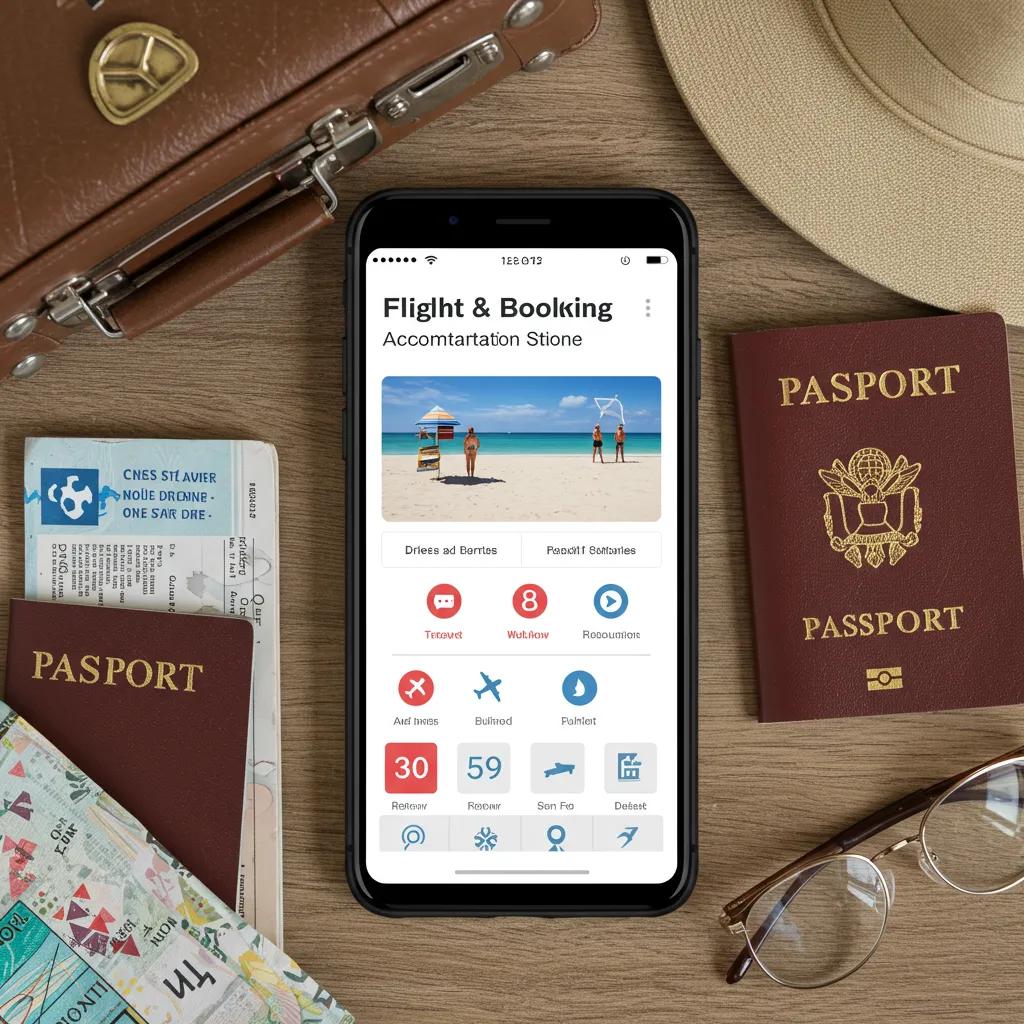
Booking apps are mobile applications that aggregate flight and hotel inventory, compare prices, and surface deals through alerts and flexible-date searches. They work by indexing carrier and OTA feeds, applying search filters, and offering price-tracking or flexible-dates tools to spot savings; the result is faster discovery of lower fares and more transparent cancellation policies. Prioritize apps with multi-currency support, price alerts, and easy integration with your calendar or itinerary manager to keep confirmations centralized. Below is a quick comparison that highlights core strengths for typical international and Pakistan-origin travelers.
The table shows how different apps specialize: flight aggregators focus on fare breadth, OTA/hotel apps focus on hotel inventory and filters, and peer-to-peer platforms offer non-traditional lodging. Understanding these strengths leads directly into practical tips for using specific apps like Skyscanner and platforms for accommodation.
How Does Skyscanner Help Find Cheap Flights from Pakistan?
Skyscanner is a flight-comparison app that aggregates fares across airlines and OTAs, enabling flexible-date searches and price alerts to surface low-cost options quickly. The core mechanism is broad crawling of inventory plus flexible “whole month” or “everywhere” searches that reveal cheaper windows and destinations, which helps Pakistani travelers spot routes that may be cheaper via nearby hubs. On mobile, set currency and country settings and enable push alerts to track price drops; combine Skyscanner results with carrier or local OTA checks for baggage and fare rules to avoid surprises. These techniques reduce booking friction and flow naturally into how to choose accommodation platforms depending on trip type.
Why Use Booking.com and Airbnb for Accommodation Booking?
Booking.com and Airbnb serve different accommodation needs: Booking.com excels at hotels, convenience, and immediate confirmations, while Airbnb highlights unique properties and host-managed stays for longer trips. Booking.com offers powerful filters—such as family-friendly amenities and loyalty perks—whereas Airbnb supports direct host communication and longer-stay discounts that benefit travelers looking for apartment-style living. Pakistani travelers should consider payment acceptance and cancellation terms when choosing between them and use review filters and map views to confirm location and transit access. Knowing the differences helps travelers decide which platform to pair with flight searches for total-trip value.
What Local Flight and Hotel Booking Apps Are Popular in Pakistan?
Local booking channels in Pakistan typically include domestic airline mobile apps and regional OTAs that support local payment methods, which matter for domestic routes, customer service, and occasional bundled deals. These local apps usually handle Pakistan-specific payment rails—mobile banking, local card processors, and sometimes cash-on-delivery for hotel bookings—so they can simplify domestic refunds and rebooking. When traveling within Pakistan, prefer local apps for last-mile customer service and domestic baggage rules, but use global aggregators for international price discovery and broader route options. Understanding when to use local versus global platforms prepares you to combine tools for best results.
Which Navigation Apps Are Essential for Travel in Pakistan and Abroad?
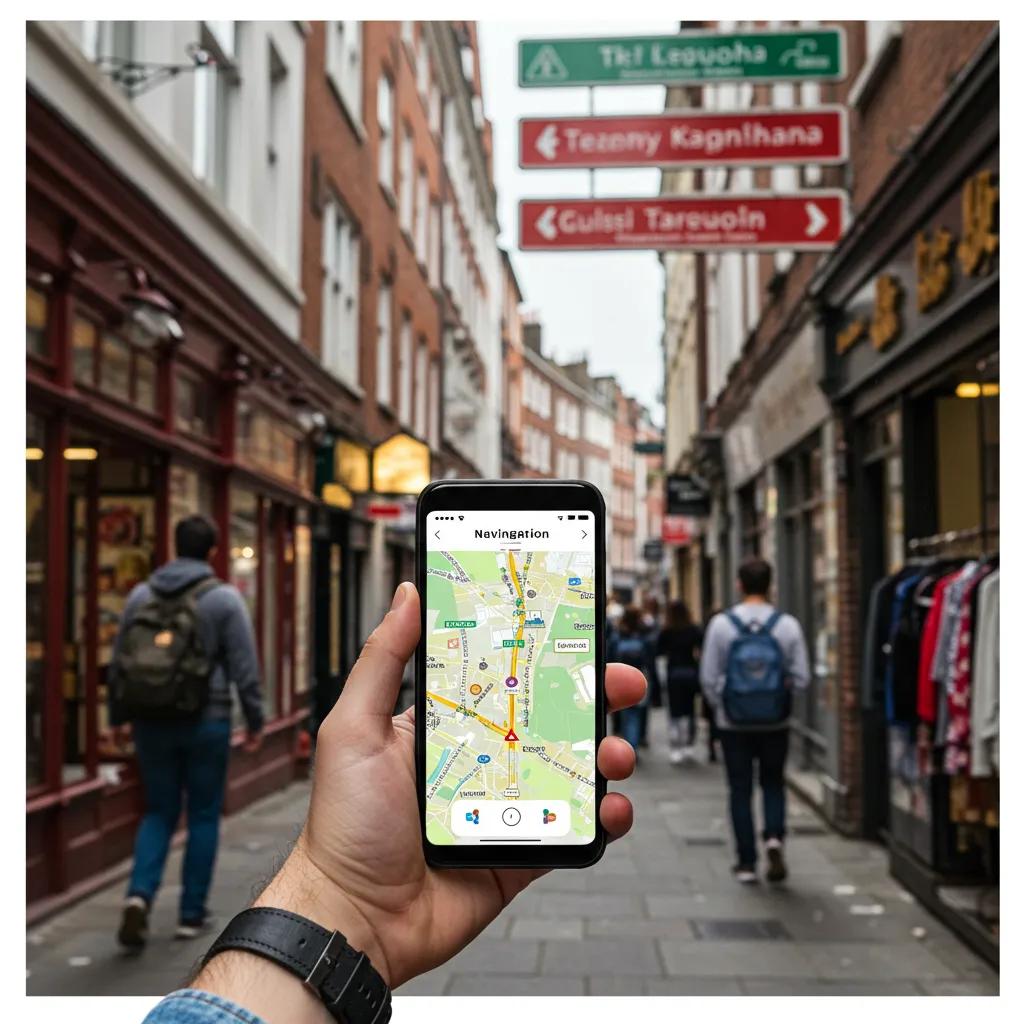
Navigation apps are mobile applications that provide turn-by-turn directions, offline maps, and live traffic or community alerts to keep journeys efficient and safe. They work by combining map data, routing algorithms, and live telemetry (traffic or user reports) to produce routes optimized for driving, walking, or transit, and the key benefit is reduced uncertainty when in unfamiliar areas. Choose apps with robust offline downloads, clear POI data, and reliable routing for the transport modes you expect to use; this makes navigation smoother and reduces dependence on cellular data while traveling. The following table compares offline capability, traffic reporting, and best-use scenarios for common navigation apps.
This comparison demonstrates that Google Maps is the baseline for offline routing worldwide, Waze adds live community data for driving optimizations, and Citymapper excels for complex transit planning where available. Those distinctions lead naturally to detailed steps for downloading maps and preserving local routing when data is limited.
How Does Google Maps Provide Offline Navigation for Pakistani Roads?
Google Maps lets users download map regions to their device for offline navigation, enabling routing and saved places without continuous data connectivity. To use offline maps, select an area to download, monitor storage use, and update maps periodically to refresh POIs and route data; note that live traffic and routing optimizations require online connectivity. For Pakistani roads, downloaded maps help with routing through less-covered areas, but users should cross-check local POIs and recent road changes when possible. These offline practices point to when community-driven alert apps like Waze become useful in tandem.
What Are the Benefits of Using Waze and Citymapper for Local Transit?
Waze provides community-sourced alerts that warn drivers of hazards, police presence, and traffic slowdowns; Citymapper focuses on multimodal transit planning where transit APIs are available. Waze’s real-time reports let drivers reroute quickly around incidents, which is especially helpful in congested urban centers, while Citymapper combines walking, transit, and scooter options with clear transfer instructions. Choose Waze when driving and Citymapper for complex transit trips in supported cities; using them together covers both driving and transit scenarios. Knowing how to combine route planning and alerts prepares you for long-distance road trips and digital-nomad routing.
How Do Navigation Apps Support Digital Nomads and Road Trips?
Navigation apps support long-form travel by offering route planning, POI discovery, and offline downloads that reduce surprises on remote legs of a trip. Roadtrip-focused tools help optimize stops, estimate fuel and drive time, and sync recommended accommodations or campgrounds with your itinerary, which benefits nomads managing long drives or multi-stop voyages. Combine offline maps, route planners, and accommodation search in a single workflow to ensure continuity between navigation and lodging decisions. This integration leads directly into how itinerary and planning apps centralize bookings and schedules.
How Can Travel Planning and Itinerary Apps Simplify Your Trip?
Itinerary apps centralize confirmations, reminders, maps, and shared schedules by importing bookings and creating a master plan that syncs across devices. They operate by ingesting confirmation emails or manual entries, generating a consolidated timeline, and offering sharing and alerting features that reduce the cognitive load of travel logistics. Use these apps to keep bookings, check-in times, and local transport arranged in one place, and prefer solutions that sync with calendars and share collaborative itineraries for group trips. Below are key features to compare when evaluating itinerary and planning tools.
Travel planning apps commonly share several helpful features:
- Auto-import and consolidation: Automatically gather confirmations into a single itinerary.
- Calendar sync and reminders: Push trip events to your calendar with notifications.
- Shareable itineraries: Enable group travel coordination and shared edits.
These features make itinerary apps essential for multi-leg trips and lead into practical app-specific workflows such as TripIt and PackPoint combined usage.
What Features Make TripIt the Best Personal Itinerary Organizer?
TripIt centralizes travel confirmations by automatically importing booking emails to build a single master itinerary that syncs with calendars and can be shared with travel companions. Core mechanisms include email parsing, unified event creation, and optional pro features like real-time alerts and seat tracking to keep you informed about changes. For users in Pakistan, TripIt’s calendar integration and shareable itineraries simplify coordinating domestic and international legs with family or colleagues. Understanding TripIt’s capabilities makes it easier to pair it with packing and route-discovery tools for end-to-end planning.
How Do PackPoint and Roadtrippers Help with Packing and Route Planning?
PackPoint generates packing lists tailored to trip length, weather, and planned activities, while Roadtrippers helps plan multi-stop routes and discover attractions along the way. PackPoint’s checklist logic reduces forgotten essentials by suggesting items based on trip context, and Roadtrippers adds POIs and time estimates so road-trip stops are efficient and purposeful. Travelers can use PackPoint to prepare luggage and Roadtrippers to map the journey, then import confirmed stops into an itinerary app for coordination. These complementary roles naturally segue into how AI-powered planners add further automation in 2025.
What Are the Advantages of AI-Powered Travel Planning Apps in 2025?
AI-powered travel planning apps personalize itineraries, predict price drops, and adapt schedules dynamically using user preferences and large data sets to optimize routes and accommodations. The mechanism is machine learning over historical pricing, user behavior, and real-time supply signals to suggest better times to book, alternate routes, or tailored activity lists that fit traveler profiles. Advantages include time savings, better-value bookings, and contextual recommendations, but travelers should weigh privacy settings and verify AI suggestions manually. These trade-offs lead into the money and communication apps that keep budgets and contact channels under control.
What Are the Top Currency Converter and Communication Apps for International Travel?
Currency and communication apps let travelers convert rates offline, manage budgets across currencies, and stay connected through low-data messaging and VoIP calling. They work by caching exchange rates for offline use, compressing media for low-bandwidth messaging, and offering group-splitting or expense-tracking features for shared trips; the result is predictable budgeting and reliable contact with local or international contacts. Prioritize converters with offline caching, messaging apps with end-to-end encryption, and budgeting tools that support multi-currency entries. The table below outlines practical strengths for common money and communication tools.
That comparison clarifies which tools to use when connectivity is intermittent and how to manage money and communications while abroad. Next, we look at the specific capabilities of XE and WhatsApp and other budgeting tools.
How Does XE Currency Converter Provide Accurate Exchange Rates Offline?
XE caches the latest exchange rates so you can reference recent conversions without an internet connection, and it updates when you reconnect to ensure reasonable accuracy. The app’s mechanism is periodic rate downloads and local caching, which trades off absolute real-time accuracy for offline reliability—useful for budgeting on flights or remote legs. For Pakistani travelers, caching rates before departure and checking live rates when connected helps you reconcile card charges versus expected conversions. These practical steps lead into which messaging apps to prefer for low-cost connectivity.
Why Is WhatsApp Essential for Staying Connected Abroad?
WhatsApp offers ubiquitous messaging and voice/video calls that work over Wi-Fi or limited mobile data, making it a practical primary channel for Pakistani travelers to stay in touch with family and local contacts. The app’s end-to-end encryption and group chat features help coordinate plans, share locations, and exchange documents without per-message charges on roaming. For low-data conditions, disable automatic media download and use voice messages or compressed video calls to save bandwidth. Having reliable communication ties directly into managing group budgets and expense splits.
What Other Budgeting and Money Management Apps Should Travelers Use?
Budgeting apps for travel let you capture receipts, log expenditures in multiple currencies, and split costs among travelers to prevent disputes and track per-person spending. Features to prioritize include receipt photo capture, multi-currency conversion, and group-split tools that sync with contact lists or messaging apps for transparent settlements. Pakistani travelers should be mindful of cross-border card fees and prefer apps that let you export reports for reconciliation with bank statements. These practices for money management lead into the selection checklist for choosing the best travel apps overall.
How to Choose the Best Travel Apps: Key Features and User Considerations
Selecting travel apps requires a decision framework that balances offline capability, privacy, cross-platform sync, and local payment compatibility to match your travel style and destination constraints. The mechanism is to evaluate apps against a compact checklist—offline maps and rate caching, clear permissions and privacy controls, active update history, and support for local payment rails—so the benefit is predictable performance in varied travel scenarios. Use trial periods or free tiers to test workflows, and prefer apps with good reviews across multiple sources. The checklist below summarizes selection criteria to apply when narrowing options.
- Offline support: Can maps, rates, and itinerary data be cached?
- Privacy and permissions: Are location and contact access transparent and controllable?
- Cross-platform sync: Does the app sync across devices and import bookings automatically?
Applying this checklist helps you prioritize which apps to keep on your phone and leads to how to interpret app ratings and reviews.
What Factors Should You Consider When Selecting Travel Apps?
Key selection factors include offline mode, battery and data usage, privacy and permissions, cross-platform account sync, and local-language or currency support for destinations like Pakistan. Each factor matters because offline capabilities reduce dependence on roaming, privacy settings prevent excessive data sharing, and payment compatibility ensures you can complete bookings without obstacle. Evaluate apps by testing their download behavior, checking recent update history, and verifying whether support channels respond in your region. These practical checks inform how to read app ratings more critically.
How Do App Ratings and User Feedback Influence Your Choice?
App ratings provide a surface signal of stability and satisfaction, but recent reviews and update cadence are more indicative of current reliability than aggregate star scores alone. Look for patterns in reviews about crashes, broken features, or excellent support, and prioritize apps with frequent updates that address reported issues. Use multiple sources—app store reviews, expert articles, and travel forums—to triangulate a trustworthy picture before committing. This approach narrows choices to apps that provide the best value for Pakistani travelers.
Which Travel Apps Offer the Best Value for Pakistani Travelers?
Value for Pakistani travelers depends on apps that combine no-cost core features, local payment support, and reliable customer service for domestic legs and international bookings. Look for free-tier functionality such as offline maps, price alerts, and itinerary sync, and prefer apps that accept local payment methods or easily reconcile Pakistani bank cards. Budget travelers should prioritize flight aggregators and free itinerary managers, families should prefer hotel apps with robust filters and cancellation terms, and digital nomads should choose apps with excellent offline and sync capabilities. Considering these value patterns prepares you to adopt emerging app technologies that further simplify travel.
What Is the Future of Travel Apps with AI and Emerging Technologies?
Emerging technologies—AI personalization, eSIM provisioning, and integrated mobile payments—are transforming travel apps by automating recommendations, simplifying connectivity, and reducing transaction friction. AI systems analyze preferences and historical patterns to suggest optimized routes and detect price drops, while eSIM and mobile-wallet integrations streamline connectivity and local payments without physical SIM swaps. The outcome is less setup time and smarter, context-aware apps that anticipate needs and reduce manual planning. These trends make it essential to monitor changes and understand how video tutorials and transparent reviews can accelerate safe adoption.
How Is AI Revolutionizing Personalization and Efficiency in Travel Apps?
AI provides personalized recommendations, predictive pricing alerts, and automated itinerary adjustments by learning from user behavior and market signals to present contextually relevant options. This mechanism increases booking efficiency and can surface better value by predicting price movements or suggesting timing changes that align with your preferences. Users should balance convenience with privacy controls and validate AI suggestions before committing to travel changes. Understanding AI’s role clarifies practical guidance on eSIMs and mobile payments.
What Role Will eSIM and Mobile Payments Play in Travel Apps?
eSIM adoption lets travelers provision local data plans instantly through apps, removing the need for physical SIM cards and enabling immediate connectivity upon landing. Mobile payments integrated into travel apps simplify local transactions and reduce dependency on cash or foreign cards, improving checkout speed and often offering better conversion rates within app partners. For Pakistani travelers, checking eSIM compatibility and fees before departure ensures predictable connectivity costs. These connectivity advances make short-form video tutorials and timely reviews more valuable for learning app workflows quickly.
How Can Video Tutorials and App Reviews Enhance Your Travel Experience?
Short video tutorials and timely app reviews reduce onboarding friction by demonstrating key tasks—downloading offline maps, setting price alerts, or provisioning an eSIM—in 30–90 second clips that travelers can follow easily. Videos combined with transparent written reviews build trust and reveal real-world behavior that screenshots alone do not convey, especially for younger audiences who prefer social formats. Publishers that produce concise, platform-specific how-tos increase app adoption and reduce errors during travel, which ties into where to find reliable, ongoing app coverage.
Where Can You Find Reliable Reviews and Updates on the Best Travel Apps?
Authoritative sources for app reviews and updates include respected news technology sections, specialist travel blogs, app-store release notes, and community forums that track niche developments; triangulating across these sources yields the most reliable picture. For ongoing, locally relevant updates, readers should follow news outlets that explicitly cover travel tech and regional changes, subscribe to update alerts, and check structured review signals in SERPs to identify authoritative pieces. The next subsection explains how a regional news publisher positions itself to deliver reliable app coverage.
How Does ARY News Provide Timely and Accurate Travel App Information?
To provide timely and comprehensive news and current affairs coverage, keeping the audience informed and engaged with diverse content. ARY News is a Pakistani news platform focused on timely and comprehensive news and current affairs and positions Travel and Innovation coverage to report app updates, regulatory shifts, and localized payment or service changes that affect travelers. Readers can use ARY News’ reporting to monitor region-specific app behavior, launch alerts, and feature changes, then validate those reports with app-store release notes and community feedback. Following a trusted regional source enhances situational awareness for Pakistan-origin travelers.
What Are the Benefits of Following Local Travel App News and Updates?
Local app news alerts inform travelers about regulatory changes, local promotions, and service disruptions that global outlets may not cover, enabling faster reaction to refunds, route changes, or payment policy updates. This local focus often yields earlier notice about domestic carrier rule changes, mobile payment rollouts, or app-specific customer service issues that directly affect travel plans. Subscribing to regional updates complements global industry coverage and helps travelers make better booking and connectivity decisions. Spotting local signals leads to tools like structured data that help identify trustworthy reviews in search results.
How to Use Schema Markup and Structured Data to Identify Trusted App Reviews?
Structured data types such as SoftwareApplication, Review, ItemList, and HowTo in published pages make it easier for search engines to surface trusted review snippets and help users find vetted content through star ratings and rich results. For readers, signs of structured data in SERPs include review snippets, star ratings, and step-by-step how-tos; prioritize reviews that show clear author credentials and recent update dates. Publishers that implement schema provide clearer signals of transparency and allow readers to filter trustworthy reviews more efficiently. These verification practices complete the toolkit for selecting, using, and staying updated on the best travel apps for 2025.
Conclusion
Choosing the right travel apps can significantly enhance your journey by streamlining booking, navigation, and communication, ultimately saving you time and reducing stress. By leveraging the latest technologies, such as AI and offline capabilities, these apps empower travelers to make informed decisions and enjoy seamless experiences. Explore our curated list of top travel apps to find the perfect tools tailored to your needs. Start planning your next adventure today and unlock the full potential of your travels!