Boat Captain Charged with Manslaughter in Fatal Tourist Accident: Legal Implications and Investigation Overview
A boat captain’s simple oversight on deck can trigger federal manslaughter charges that reshape maritime law enforcement and passenger safety. Understanding how the Seaman’s Manslaughter Statute holds vessel operators criminally responsible delivers critical clarity on accountability at sea. This article explains the statute’s core elements, details how negligence fuels deadly tourist accidents, outlines the U.S. Coast Guard’s investigative role, examines criminal and civil consequences, recommends prevention strategies, clarifies victims’ rights and compensation, and contrasts domestic versus international legal frameworks.
What Is the Seaman’s Manslaughter Statute and How Does It Apply?
The Seaman’s Manslaughter Statute (18 U.S.C. § 1115) criminalizes vessel operator misconduct or negligence resulting in death on navigable waters, ensuring captains and owners maintain essential safety standards. By requiring only simple negligence—rather than willful wrongdoing—the statute promotes rigorous compliance with maritime law and protects passengers from fatal lapses in care.
Seaman’s Manslaughter Statute
This citation supports the article’s explanation of the Seaman’s Manslaughter Statute and its implications.
What Are the Key Elements of the Seaman’s Manslaughter Statute?
Before charges arise, prosecutors must demonstrate three elements:
- Duty of Care – The captain owed a legal duty to ensure passenger and vessel safety.
- Breach by Negligence – Simple negligence occurred, such as failing standard safety protocols.
- Causation of Death – The negligent act directly caused a tourist’s fatal injuries.
This framework binds operators to fundamental safety duties and anchors accountability for vessel-related fatalities.
How Does Simple Negligence Lead to Criminal Liability Under This Statute?
Simple negligence under the statute means failing to exercise the care that a reasonably prudent person would under similar circumstances. For example, ignoring weather warnings and proceeding into choppy seas constitutes negligent conduct that can meet the statute’s breach requirement and trigger manslaughter charges when a death follows.
Who Can Be Charged Under the Seaman’s Manslaughter Statute?
- Boat captains responsible for navigation and passenger supervision
- Vessel owners overseeing maintenance and crew training
- Senior crew members who neglect safety responsibilities
This broad reach underscores that both command and support roles on board share accountability for passenger lives.
What Are the Jurisdictional Limits of the Statute?
Jurisdiction hinges on the accident’s location:
Even when a fatal accident occurs offshore, U.S. jurisdiction often applies if the vessel sails under the U.S. flag, preserving legal accountability.
How Does Maritime Negligence Contribute to Fatal Tourist Boat Accidents?
Maritime negligence involves failing to uphold the duty of care that vessel operators owe to passengers, and it often lies at the heart of deadly tourist excursions. By understanding the legal definition, methods of proving fault, and common risk factors, stakeholders can reduce tragic outcomes and strengthen maritime safety.
What Constitutes Maritime Negligence in Fatal Accidents?
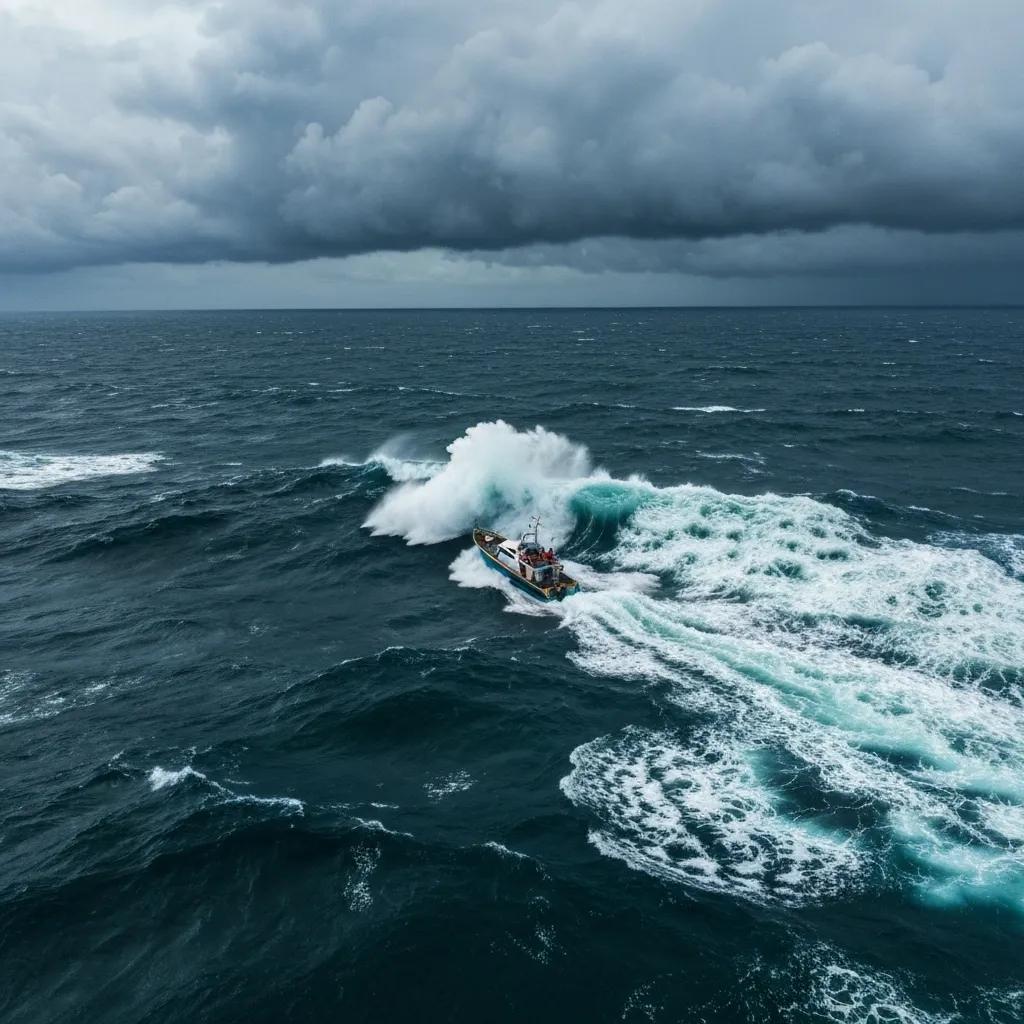
Maritime negligence arises when an operator disregards standard safety measures, including inadequate crew training, poor vessel maintenance, or ignoring navigational hazards. Legally, this encompasses:
- Failing to conduct pre-departure safety checks
- Operating without proper life-saving equipment
- Neglecting storm warnings or navigational advisories
How Is Fault Proven in Boating Manslaughter Cases?
Proving fault requires assembling robust evidence:
- Official Logs and Maintenance Records
- Crew and Witness Testimonies
- Expert Accident Reconstruction Reports
What Are Common Causes of Fatal Tourist Boat Accidents?
Tourist boat disasters usually result from a convergence of factors:
- Human Error – Misjudged maneuvers, inattentiveness
- Mechanical Failure – Engine malfunction, steering breakdown
- Severe Weather – Sudden storms, high wind conditions
How Do Vessel Maintenance and Safety Protocols Affect Liability?
Well-documented maintenance schedules and rigorous safety drills demonstrate due diligence, reducing liability exposure. In contrast, lapses in service histories or ignored inspection tags create a clear record of negligence that authorities use to impose criminal charges under the Seaman’s Manslaughter Statute.
What Role Does the Coast Guard Play in Investigating Fatal Boat Accidents?
The U.S. Coast Guard leads marine casualty investigations to determine causation, enforce safety regulations, and recommend preventive measures, while prosecutors handle criminal and civil liability decisions.
How Does the Coast Guard Conduct Marine Casualty Investigations?
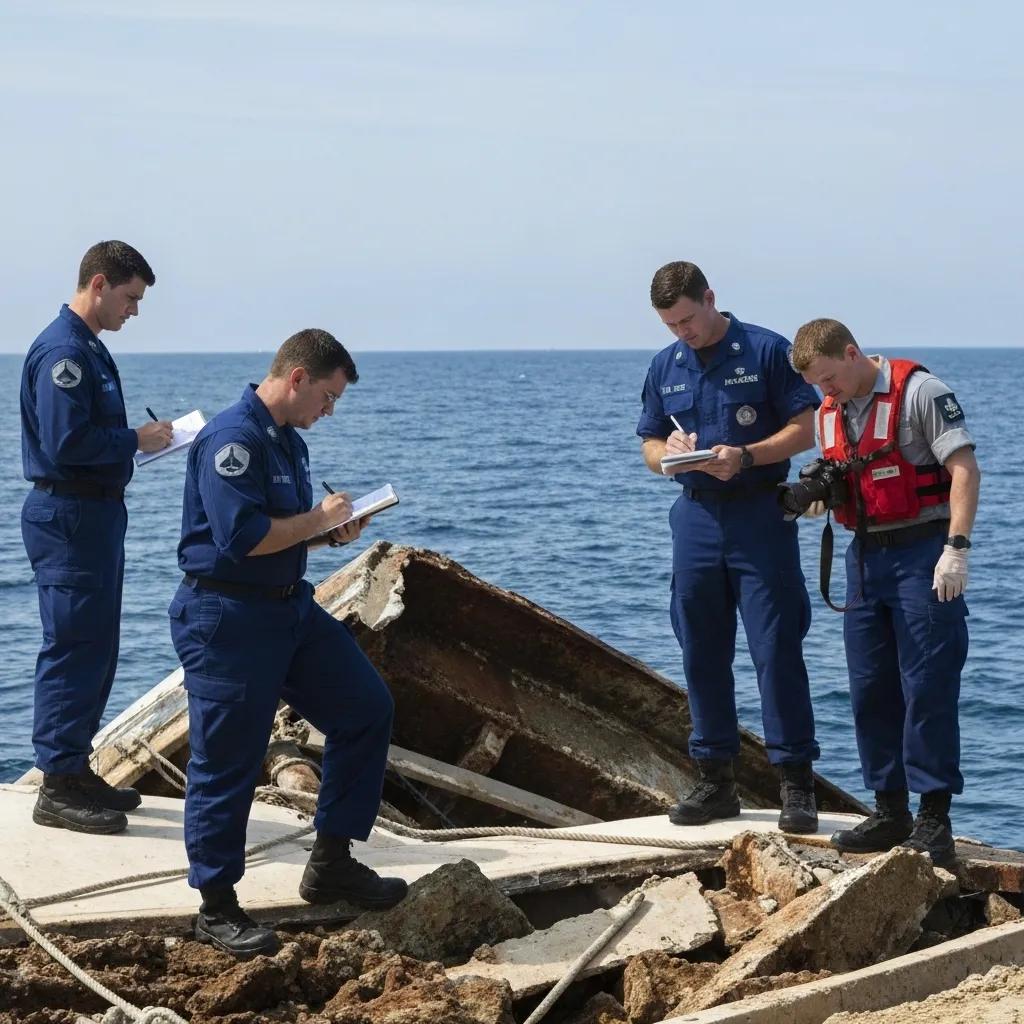
Investigations follow a structured process:
- Immediate On-Scene Response – Securing the site and rescuing survivors
- Evidence Collection – Photographing damage, retrieving voyage data recorders
- Formal Inquiry – Interviewing crew, reviewing maintenance logs
- Safety Recommendations – Issuing marine casualty reports to prevent recurrence
U.S. Coast Guard Marine Casualty Investigation
This citation supports the article’s discussion of the Coast Guard’s role in investigating fatal boat accidents.
What Is the Coast Guard’s Role in Determining Cause vs. Liability?
While the Coast Guard identifies root causes—ranging from mechanical defects to human negligence—it refrains from assigning criminal or civil blame. Its focus on safety outcomes and regulatory compliance informs prosecutors rather than replacing the legal process.
How Are Investigation Findings Used in Manslaughter Charges?
Prosecutors rely on Coast Guard reports to craft charges, using detailed causal analyses and expert testimony to prove the negligence element, consolidate evidence, and secure convictions under maritime manslaughter laws.
What Are the Legal Consequences for Boat Captains Charged with Manslaughter?
Facing manslaughter charges exposes captains to severe criminal and civil repercussions, reflecting the gravity of endangering passenger lives.
What Penalties Can Be Imposed for Maritime Manslaughter?
Penalties under federal manslaughter statutes include:
- Prison Sentences up to 10 Years
- Fines Exceeding $250,000 per Count
- Revocation of Captain’s License
These sanctions underscore the high stakes of maritime negligence.
How Do Wrongful Death Claims Intersect with Criminal Charges?
Families may file wrongful death suits concurrently with criminal prosecutions, seeking compensatory and punitive damages for funeral costs, lost income, and emotional suffering, while prosecutors pursue state or federal penalties.
What Are Recent Case Examples of Manslaughter Prosecutions?
In one notable case, a dive-boat operator was sentenced after investigators proved failure to secure passenger gear led to a fatal fall. Another federal prosecution of a luxury yacht captain underscored simple negligence—ignoring safety briefings—resulting in imprisonment and license suspension.
How Can Fatal Tourist Boat Accidents Be Prevented?
Comprehensive prevention hinges on enforced safety regulations, rigorous training, and cutting-edge technology to mitigate human and mechanical risks.
What Safety Regulations Govern Tourist Boat Operations?
Regulations set forth by the Coast Guard and maritime authorities include:
- Mandatory Life Jacket Availability and Briefings
- Vessel Inspections and Equipment Certification
- Crew Training and Emergency Drill Requirements
How Can Captains and Operators Reduce Negligence Risks?
Operators should implement:
- Standardized Safety Checklists before Departure
- Ongoing Crew Competency Training Programs
- Regular Maintenance Audits and Third-Party Inspections
Proactive protocols demonstrate commitment to duty of care and help prevent lapses that lead to tragic outcomes.
What Role Does Technology Play in Enhancing Maritime Safety?
Modern tools bolster oversight:
Integrating these systems promotes safer operations and deters neglectful behavior.
What Rights and Compensation Are Available to Victims and Families?
Victims’ families have procedural rights and legal avenues for restitution, ensuring accountability extends beyond criminal penalties.
How Are Victim Rights Protected in Fatal Boating Incidents?
Maritime law guarantees:
- Access to Investigation Reports
- Notification of Criminal Proceedings
- Legal Advocacy for Wrongful Death Actions
These protections uphold transparency and empower families to pursue justice.
What Compensation Can Families Pursue After a Fatal Accident?
Through wrongful death claims, families may recover:
- Funeral and Medical Expenses
- Loss of Financial Support
- Pain and Suffering Damages
Maritime Wrongful Death Claims
This citation supports the article’s explanation of the rights and compensation available to victims and families.
What Support Services Exist for Victims of Maritime Accidents?
Counseling, legal aid organizations, and advocacy groups offer:
- Grief and Trauma Counseling
- Pro Bono Legal Representation
- Peer Support Networks
These services help families navigate emotional and procedural challenges.
How Do International and Domestic Maritime Laws Differ in Manslaughter Cases?
Jurisdictional variations shape how negligence and prosecution unfold across borders, affecting both legal strategy and outcomes.
What Are the Key Differences Between International and U.S. Maritime Law?
How Are Cross-Border Fatal Accidents Handled Legally?
When a tourist boat sinks in international waters, authorities coordinate via mutual legal assistance treaties, sharing investigation reports and cooperating on evidence to determine jurisdiction and prosecute under the appropriate flag state’s laws.
What Impact Do These Differences Have on Prosecution and Liability?
Variations in negligence thresholds and procedural requirements influence:
- Ease of Securing Convictions
- Available Penalties and Fines
- Speed and Scope of Investigation
Understanding each regime ensures operators and victims pursue the correct legal avenues.
Boat captains hold a solemn duty to safeguard every passenger by adhering to maritime law and safety protocols. The Seaman’s Manslaughter Statute enforces accountability when negligence leads to fatal tourist accidents, with the Coast Guard investigating root causes and prosecutors pursuing both criminal and civil remedies. Preventing future tragedies demands rigorous training, up-to-date technology, and strict regulatory compliance to minimize human error and mechanical failures. For victims’ families, clear statutory rights and compensation pathways provide crucial support in the aftermath of maritime disasters.