Comprehensive Children’s Health Guide: Understanding Child Health Issues and Pediatric Nutrition
Children’s health encompasses medical, nutritional, developmental, and preventive care that supports growth, learning, and lifelong well-being. This guide explains core pediatric concepts—common illnesses, pediatric nutrition, immunization, developmental milestones, and home safety—with practical, culturally relevant advice for families in Pakistan and similar contexts. Parents and caregivers will learn how nutrition influences immunity, which vaccine strategies protect communities, how to spot developmental delays early, and which home safety steps reduce injury risk. The article maps key actions across seven focused sections: common child health issues, pediatric nutrition, disease prevention and immunization, developmental and emotional support, infant care and safety, local public health initiatives in Pakistan, and practical resources for parents. Throughout, terms like child nutrition, pediatric care, vaccination schedule for children, and child development milestones are used to improve practical understanding and help readers take informed steps for their children’s health.
What Are the Most Common Child Health Issues in Pakistan and Globally?
Common child health problems include a range of infectious and nutritional conditions that undermine growth and survival, particularly where access to clean water and primary care is limited. Mechanistically, poor sanitation and inadequate nutrient intake increase susceptibility to diarrheal disease and respiratory infections, while gaps in immunization allow vaccine-preventable diseases to persist. Understanding these drivers helps parents prioritize hygiene, timely care, and nutrition interventions for prevention. The following items enumerate prominent issues and provide concise context for each, helping families recognize priorities for prevention and early care.
Which Childhood Diseases Affect Children Most Frequently?
Acute respiratory infections, diarrheal diseases, measles and other vaccine-preventable illnesses, and enteric infections are among the most frequent childhood diseases in many regions. Respiratory infections typically present with cough and fever and can progress to pneumonia if not managed promptly; good nutrition and timely care reduce severity. Diarrheal illnesses cause dehydration and nutrient loss, and prompt rehydration and hygiene measures are essential to recovery. Vaccine-preventable diseases like measles and polio can be prevented through complete immunization, making adherence to the vaccination schedule critical for community protection.
A significant portion of child mortality worldwide is attributed to infectious diseases, highlighting the critical need for effective prevention strategies.
Childhood Infectious Diseases: Global Burden and Preventable Deaths
Of the annual burden of 10 million deaths among children under 5 years, a large proportion is associated with infectious diseases. These include 36% of the 4 million newborn deaths due to sepsis, pneumonia, diarrhea, and tetanus. Among the postneonatal deaths due to infections, estimates and uncertainty bounds include: 22% of deaths attributed to diarrhea (14–30%), 21% to pneumonia (14–24%), 9% to malaria (6–13%), and 1% to measles (1–9%). Some 42 countries alone account for almost 90% of the global burden of child mortality.There is now sufficient evidence available on evidence-based interventions that can make a difference. It is estimated that almost two-thirds of these deaths are potentially preventable if interventions can be delivered at scale. Newborn infections and related mortality can be reduced by maternal tetanus toxoid vaccination, clean delivery, cord hygiene, exclusive and early breast-feeding, and prompt diagnosis and therapy. Diarrheal deaths can be prevented b
Childhood infectious diseases: overview, ZA Bhutta, 2008
What Are the Symptoms and Causes of Common Childhood Illnesses?
Fever, persistent cough, rapid breathing, vomiting, watery or bloody stools, and rash are common presentation patterns that indicate when to seek medical attention. Viral pathogens often cause self-limited fevers and coughs, while bacterial infections can produce prolonged high fevers and focal signs; environmental factors such as poor sanitation, crowded housing, and seasonal vectors increase risk. Parents should monitor for red flags—difficulty breathing, inability to drink, convulsions, or lethargy—and seek urgent care when these occur. Early recognition and basic supportive care markedly improve outcomes and guide whether antibiotics, fluids, or referral are necessary.
How Can Parents Recognize Early Signs of Developmental Delays?
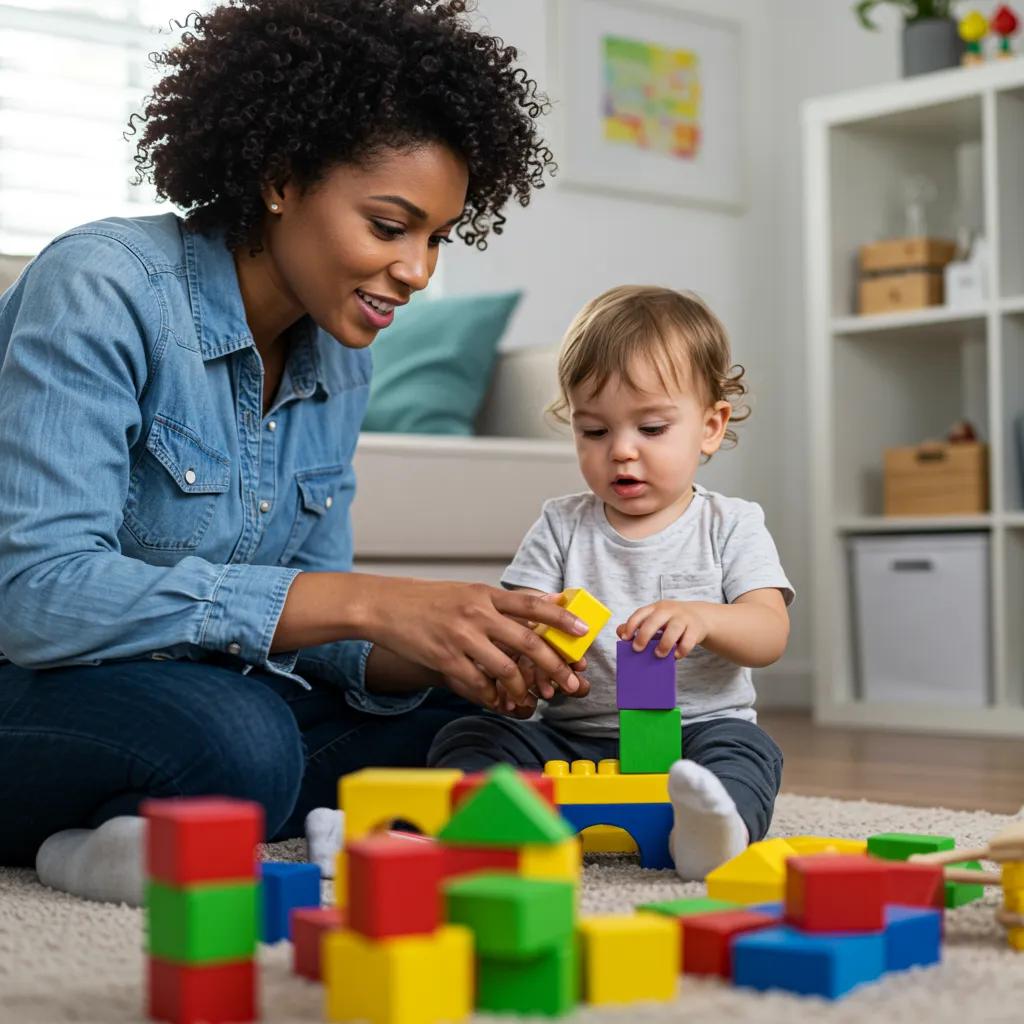
Developmental delays manifest across motor, language, social, and cognitive domains and usually show predictable patterns that caregivers can track at home. Early signs include limited eye contact, absent babbling by expected ages, delayed walking, or loss of previously acquired skills; these warning signs suggest evaluation by a pediatrician or early-intervention services. Simple home screening prompts—such as observing whether a child responds to name, uses gestures, or imitates play—help detect concerns earlier. Early referral and stimulation interventions improve long-term outcomes, so recognizing delays supports timely therapeutic and educational planning.
How Does Pediatric Nutrition Impact Healthy Child Development?

Pediatric nutrition defines the intake of macronutrients and micronutrients that fuel growth, brain development, and immune competence; adequate nutrition supports cell growth, myelination, and antibody production. Mechanistically, nutrients like iron and protein enable erythropoiesis and tissue building, vitamin A and zinc modulate immune responses, and vitamin D supports bone mineralization and host defenses. Optimizing diet in early life leads to better cognitive outcomes, school readiness, and resistance to infections. Practical, local food-based strategies can deliver these nutrients affordably and sustainably within Pakistani dietary patterns.
What Are the Essential Vitamins and Nutrients for Child Growth?
Essential nutrients include protein, iron, vitamin A, vitamin D, zinc, and B vitamins, each contributing specific roles in growth and immunity. Protein provides amino acids for tissue synthesis and repair, iron is necessary for oxygen transport and cognitive development, and vitamin A maintains mucosal integrity and reduces severe infections. Deficiency signs vary from pallor and delayed milestones to increased susceptibility to infections and poor growth. The table below links each nutrient to its role and local Pakistani food sources to help caregivers plan balanced meals.
Vitamin D plays a crucial role in immune function and has been linked to a reduced incidence of pediatric infections.
Vitamin D Deficiency and Pediatric Infections: Impact on Immune Function
In children, an association of nutritional rickets with respiratory compromise has long been recognized. Recent epidemiologic studies clearly demonstrate the link between vitamin D deficiency and the increased incidence of respiratory infections. Further research has also elucidated the contribution of vitamin D in the host defense response to infection. However, the mechanism(s) by which vitamin D levels contribute to pediatric infections and immune function has yet to be determined. This knowledge is particularly relevant and timely, because infants and children seem more susceptible to viral rather than bacterial infections in the face of vitamin D deficiency. The connection among vitamin D, infections, and immune function in the pediatric population indicates a possible role for vitamin D supplementation in potential interventions and adjuvant therapies.
The vitamin D connection to pediatric infections and immune function, RL Modlin, 2009
Nutrition roles and local food sources for common growth nutrients.
How Can Pakistani Dietary Habits Support Balanced Child Nutrition?
Local dietary patterns offer many nutrient-rich options when combined thoughtfully across meals and snacks that suit infants and toddlers. Combining pulses with grains enhances protein quality, while seasonal fruits and vegetables provide vitamins and antioxidants that support immune responses. Weaning practices benefit from introducing nutrient-dense purees and soft mashed family foods by six months, while limiting sugary drinks reduces displacement of nutrient-rich foods. Practical meal ideas and portion guidance—such as small frequent meals for toddlers and fortified dairy for young children—help caregivers maintain diversity and adequacy in everyday feeding.
What Are the Effects of Malnutrition on Child Health and Immunity?
Malnutrition presents as stunting (chronic undernutrition), wasting (acute undernutrition), and micronutrient deficiencies, each undermining immune function and developmental potential. Stunting affects linear growth and long-term cognitive outcomes, wasting increases immediate mortality risk, and deficiencies in iron or vitamin A impair resistance to common infections. Intervention strategies include improving dietary diversity, targeted supplementation where needed, and community-level education to prevent recurrence. Early detection and coordinated responses yield better child survival and developmental trajectories.
How Does Breastfeeding Benefit Infant Immunity and Growth?
Breastfeeding supplies complete nutrition, immune factors, and bioactive components that protect infants from infections while supporting gut maturation and growth. Colostrum provides antibodies and immune cells, and exclusive breastfeeding for the initial months lowers rates of diarrheal and respiratory illness. Community support and culturally sensitive promotion increase breastfeeding duration and uptake, reinforcing maternal confidence and infant health. Encouraging breastfeeding alongside appropriate complementary feeding ensures optimal growth and sustained immune protection into toddlerhood.
What Are Effective Strategies for Children’s Disease Prevention and Immunization?
Disease prevention relies on a triad: vaccination to prime immunity, hygiene and WASH measures to reduce exposure, and adequate nutrition to strengthen host defenses. Vaccination establishes pathogen-specific protection, hygiene interrupts transmission pathways, and nutrition reduces severity of infections; together these strategies reduce morbidity and mortality substantially. The following bulleted list highlights practical prevention measures parents and communities can adopt, followed by a vaccination reference table to guide scheduling decisions.
- Complete recommended vaccinations: Follow age-appropriate immunizations to prevent common infectious diseases.
- Practice hand hygiene and safe water use: Regular handwashing and safe drinking water lower diarrheal and respiratory infections.
- Ensure adequate nutrition and breastfeeding: Good nutrition reduces infection severity and aids recovery.
- Maintain vector control and environmental cleanliness: Reducing standing water and improving sanitation lowers vector-borne disease risk.
What Is the Recommended Vaccination Schedule for Children?
A clear age-based schedule helps ensure timely protection against key pediatric infections; vaccines are given at specific ages to align with immune readiness and exposure risk. The table below summarizes commonly used pediatric vaccines, the diseases they prevent, and the typical timing used by global immunization programs as a practical reference for caregivers planning well-child visits.
Despite global efforts, missed opportunities for vaccination remain a significant challenge in achieving universal immunization coverage, particularly in low- and middle-income countries.
Improving Childhood Immunization Coverage in Pakistan and Bangladesh with a Mobile Decision Support System
Routine childhood immunization is the cornerstone of an efficient public health system and childhood disease prevention. Despite progress in improving routine immunization coverage, in 2022, 17% and 7% of children aged 0 to 23 months in Pakistan and Bangladesh, respectively, did not receive the third dose of the diphtheria-tetanus-pertussis vaccine [1]. The problem is further exacerbated for children who do visit health facilities in low- and middle-income countries (LMICs), but the immunization system fails to provide all age-appropriate vaccines to one in every 3 of these children [2]. This creates missed opportunities for vaccination (MOVs), where despite being eligible for vaccination, a child is not administered one or more of the vaccine doses [3]. MOVs remain a rampant problem in many LMICs [4,5], leading to underimmunization and delayed vaccination of children.
1. Background:Missed opportunities for vaccination (MOVs), that is, when children interact with the health system but fail to receive age-eligible vaccines, pose a crucial challenge for equitable and universal immunization coverage. Inaccurate interpretations of complex catch-up schedules by health workers contribute to MOVs.
2. Objective:We assessed the feasibility of a mobile-based immunization decision support system (iDSS) to automatically construct age-appropriate vaccination schedules for children and to prevent MOVs.
3. Methods:A sequential exploratory mixed methods study was conducted at 6 immunization centers in Pakistan and Bangladesh. An android-based iDSS that is packaged in the form of an application programming interface constructed age-appropriate immunization schedules for eligible children. The diagnostic accuracy of the iDSS was measured by comparing the schedules constructed by the iDSS with the gold standard of evaluation (World Health Organization–recommended Expanded Programme on Immunization schedule constructed by a vaccines expert). Preliminary estimates were coll
… decision support system for scheduling age-appropriate vaccine schedules for children younger than 2 years in Pakistan and Bangladesh: lessons from a …, MT Shah, 2023
How Do Vaccines Prevent Common Childhood Diseases?
Vaccines present harmless antigens that train the immune system to recognize and neutralize pathogens, creating memory cells that provide long-term protection. This immune priming reduces the chance of infection and lowers disease severity if exposure occurs, and when widely adopted it generates herd immunity protecting vulnerable individuals. Common pediatric vaccines target measles, polio, pertussis, and rotavirus among others, each using specific platforms (live attenuated or inactivated) suited to safety and efficacy profiles. Explaining this immune mechanism helps caregivers appreciate why completing schedules and attending booster visits matter for individual and community health.
What Are the Challenges in Achieving Full Immunization Coverage in Pakistan?
Barriers to full coverage often include geographic access, supply chain interruptions, caregiver misinformation, and hard-to-reach populations where conflict or mobility complicate service delivery. Misinformation and vaccine hesitancy reduce uptake, while logistical constraints limit routine outreach in remote areas. Addressing these challenges requires robust supply systems, community engagement to build trust, and adaptable service delivery models that reach underserved families. Strengthening local health systems and communication campaigns improves coverage and reduces outbreaks of vaccine-preventable illnesses.
How Can Parents Support Healthy Child Development and Emotional Well-being?
Parental engagement shapes cognitive, social, and emotional development through responsive caregiving, stimulation, and consistent routines that promote secure attachment and learning. Mechanisms include language exposure for neural circuitry supporting communication, play for problem-solving skills, and predictable caregiving for emotional regulation. Practical activities such as shared reading, interactive play, and daily routines foster developmental gains. The next subsections map age-based milestones, engagement strategies, and signs of mental health needs to guide parents in supporting developmental trajectories.
What Are Key Infant and Toddler Developmental Milestones?
Milestones track typical progress in motor, language, social, and cognitive domains, offering benchmarks for early detection of delays and targets for stimulation. For example, early months focus on social smiles and head control, later infancy on sitting and babbling, and toddlerhood on walking, single words, and pretend play. Parents can use simple activities—tummy time, talking and singing, offering toys that encourage grasping—to promote each domain. Monitoring milestones regularly and seeking assessment when multiple milestones are missed enables timely interventions that improve long-term outcomes.
How Does Parental Engagement Influence Child Cognitive and Emotional Growth?
Responsive caregiving—promptly responding to cues, narrating daily activities, and providing age-appropriate play—enhances language acquisition and socio-emotional skills through repeated interaction that strengthens neural pathways. Evidence links early interactions and reading to improved vocabulary and school readiness, while socio-emotional coaching reduces behavioral difficulties. Engaging extended family and community caregivers expands stimulation opportunities in cultures where collective caregiving is common. Prioritizing consistent, enriched interactions lays the foundation for resilient cognitive and emotional development.
What Are Signs of Mental Health Issues in Children and How to Address Them?
Warning signs include persistent extreme irritability, withdrawal, sleep or appetite changes, and decline in school or play functioning; recognizing patterns across settings helps differentiate transient stress from persistent problems. Initial parental steps include validating feelings, creating predictable routines, and reducing stressors while seeking guidance from pediatric providers for assessment and referral. Local stigma can impede help-seeking, so supportive communication and community education reduce barriers to care. Early psychosocial support and, when needed, referral to mental health professionals improve recovery and adaptive functioning.
What Are Best Practices for Infant Care and Child Safety at Home?
Home safety reduces common childhood injuries through environmental modifications, supervision, and basic first-aid readiness; routine pediatric care ensures growth monitoring and timely preventive services. Practical proofing—such as securing medicines out of reach, using safe sleep positions, and supervising water—lowers accident rates. The list below outlines key home-proofing steps parents can implement now, followed by guidance on injury prevention measures and routine visit timing to maintain health and safety.
- Kitchen and food safety: Store hot liquids, sharp objects, and medicines out of reach and use back burners when cooking.
- Bathroom and water safety: Never leave infants unattended near water and use non-slip mats to prevent falls.
- Living areas and stairs: Install sturdy gates, secure furniture, and anchor heavy items to prevent tipping.
- Sleep environment: Place infants on their backs on a firm mattress with no loose bedding to reduce suffocation risk.
What Are Common Injury Prevention Measures for Kids?
Preventing falls, burns, poisoning, drowning, and road injuries relies on supervision, appropriate safety devices, and education matched to age and developmental stage. Use of helmets for two-wheeler or bicycle transport, seat restraints for vehicles, and supervision near water are proven measures. Parents should also maintain a basic first-aid kit, learn pediatric first-aid for burns and choking, and keep emergency contacts easily accessible. Regularly reviewing safety practices as children grow ensures prevention strategies remain age-appropriate.
How Important Is Routine Pediatric Care and When Should Children See a Pediatrician?
Routine well-child visits track growth, developmental milestones, and vaccination status, enabling early detection of growth faltering and developmental delays. A typical schedule includes frequent visits in infancy and periodic checks through early childhood for immunizations and screening tests; caregivers should attend all recommended visits and seek earlier care for red-flag symptoms. Growth monitoring and counseling on feeding, sleep, and behavior at these visits support preventive health and reduce emergency visits. Maintaining a trusted primary pediatric contact ensures coordinated care and timely referrals.
How Are Local Health Initiatives and Public Health Campaigns Improving Children’s Health in Pakistan?
Local initiatives combine immunization drives, nutrition programs, and community engagement to reduce disease burden and improve child growth, using door-to-door outreach, supplementation, and health education to reach families. These campaigns operate through coordinated efforts by health authorities and partners to increase access and uptake of essential services in underserved areas. To provide timely and comprehensive news and current affairs coverage, keeping the audience informed and engaged with diverse content. ARY News, as an information hub, reports on these campaigns and their local impacts, helping caregivers track immunization drives, nutrition interventions, and outbreak responses in real time.
What Are Recent Successes in Polio Eradication and Immunization Drives?
Targeted efforts combining supplemental immunization activities, community outreach, and improved surveillance have reduced the frequency of large outbreaks and increased awareness about vaccination benefits. Operational strategies such as mobile teams and community mobilizers help bring vaccines to remote households and reduce missed opportunities for immunization. While challenges remain in reaching every child, these adaptive campaign methods demonstrate progress in extending coverage and preventing resurgence. Continuous monitoring and local engagement remain essential to sustain gains.
How Are Nutrition Programs Addressing Malnutrition in Pakistani Children?
Nutrition programs blend supplementation, food-security initiatives, and caregiver education to address stunting, wasting, and micronutrient gaps, emphasizing locally acceptable foods and behavior change communication. Community-based growth monitoring and targeted feeding interventions help identify at-risk children early and provide therapeutic support when necessary. Partnerships between public services and community groups enhance reach, while food-based approaches—promoting pulses, dairy, and seasonal produce—improve sustainability. Scaling such interventions relies on consistent funding, monitoring, and culturally tailored messaging.
What Do Pediatric Experts Recommend for Improving Child Health Outcomes Locally?
Experts prioritize integrated strategies: strengthen routine immunization, scale nutrition-sensitive programs, improve water and sanitation, and expand community health worker capacity for household-level support. Short-term interventions focus on immunization catch-up and acute malnutrition treatment, while long-term strategies emphasize maternal education, poverty reduction, and health system strengthening. Community engagement and trust-building reduce hesitancy and improve service uptake, enabling programs to adapt to local needs and scale effectively. Emphasizing these priorities guides policymakers, clinicians, and caregivers toward coordinated action.
What Resources and Support Are Available for Parents on Children’s Health?
Families can access pediatric clinics, community health programs, growth monitoring, and educational resources to support preventive care, diagnosis, and management; telemedicine and digital growth trackers can supplement in-person services where available. When choosing services, prioritize qualified pediatric care, immunization availability, and growth-monitoring capacity to ensure comprehensive support. To provide timely and comprehensive news and current affairs coverage, keeping the audience informed and engaged with diverse content. This editorial commitment reflects how ARY News curates reporting and guidance to help parents locate services, follow public health campaigns, and stay informed on child health updates.
Where Can Parents Find Reliable Pediatric Clinics and Health Education Programs?
Selecting a clinic involves checking professional qualifications, available services (vaccination, growth monitoring, sick-child care), and referral pathways for specialized needs; community centers and government programs often provide low-cost primary care and outreach. Telehealth services offer convenient access for counseling and triage when in-person care is limited, though physical exams and vaccinations require clinic visits. Parents should prioritize continuity of care and ask about growth tracking and developmental screening during visits. Local health authorities and community health workers can often point families to nearby services and scheduled outreach events.
How Can Digital Platforms and AI Tools Help Monitor and Improve Child Health?
Digital growth trackers, appointment reminders, and teleconsultation platforms assist caregivers in maintaining vaccination schedules and monitoring developmental milestones, while AI triage tools can offer preliminary guidance on symptom urgency. Benefits include convenience and improved adherence to preventive care, though privacy, data security, and accuracy vary across tools. Parents should choose vetted applications and use digital tools as complements—not replacements—for professional pediatric assessment. Integrating digital monitoring with routine clinic visits enhances continuity and early detection of issues.
What Are Frequently Asked Questions About Children’s Health?
- When should I start complementary feeding? Introduce age-appropriate complementary foods around six months while continuing breastfeeding to meet growing nutrient needs.
- How to manage a child’s fever at home? Offer fluids, maintain comfortable temperature, and seek medical care for high or persistent fever or accompanying danger signs.
- What indicates delayed speech? Persistent lack of babbling or single words by expected ages warrants evaluation and early language stimulation.
- When is urgent care needed? Seek prompt medical attention for difficulty breathing, inability to drink, convulsions, or severe dehydration.
This article integrated practical nutrition tables, vaccination references, developmental milestones, and actionable prevention lists to help caregivers apply evidence-informed steps in daily life. Mentioned resources and editorial coverage aim to equip families with timely guidance and local context for protecting children’s health.
Conclusion
Understanding children’s health is crucial for fostering their growth, development, and overall well-being. By prioritizing nutrition, immunization, and early detection of health issues, parents can significantly enhance their child’s quality of life. Engaging with local health resources and community initiatives empowers families to take informed actions for their children’s health. Explore our comprehensive resources to support your child’s journey to a healthier future.