Civil Society in Pakistan: Understanding the Role, Impact, and Key Organizations
Civil society in Pakistan encompasses a diverse set of actors—nonprofit organizations, community-based groups, faith-based bodies, and social movements—that deliver services, advocate for rights, and hold institutions accountable. These organizations operate through service delivery, public advocacy, and grassroots mobilization, creating public value by filling gaps in education, health, livelihoods, and democratic participation. Many readers seek practical insight into which organizations lead these efforts, how civil society affects policy and everyday life, and what opportunities exist for civic engagement, so this article maps roles, actors, programmatic areas, and trends in 2025. The piece explains core mechanisms, profiles leading NGOs, explores human rights and climate action, and outlines regulatory and funding dynamics shaping the sector’s near-term future. After this overview, we briefly note ARY News’s editorial positioning to clarify the information lens used below.
ARY News operates as an information hub. To provide timely and comprehensive news and current affairs coverage, keeping the audience informed and engaged with diverse content. This mission frames the reporting perspective in this article while the primary focus remains on explaining civil society: how it works, who leads, and how citizens can take part. The following sections define civil society in Pakistan, profile top NGOs, examine advocacy and programmatic work, and assess future challenges and opportunities so readers can act and follow developments confidently.
What Is Civil Society and Its Role in Pakistan?
Civil society in Pakistan refers to the array of non-state actors—non-profit organizations, community-based organizations (CBOs), faith-based groups, advocacy NGOs, and international NGOs—that deliver services, shape public debate, and represent citizens’ interests. These organizations operate by mobilizing volunteers, leveraging donor support, and partnering with government to fill service gaps in education, health, and social protection. Civil society provides measurable public benefits such as school access, emergency relief, and policy research that inform legislation and service delivery. Understanding these functions clarifies why civil society matters for development and for meeting UN-SDGs in Pakistan.
Civil society acts through three core mechanisms that create social change: direct service provision, policy advocacy, and community mobilization. Direct service provision addresses immediate needs like clinics and schools, while advocacy targets legal and institutional reform; both mechanisms often interact through partnerships and evidence-based programs. These mechanisms lead to practical outcomes such as improved health access, expanded schooling, and strengthened local governance, and they set the stage for examining how civil society influences social development, types of organizations, and democratic processes in Pakistan.
How Does Civil Society Influence Social Development in Pakistan?
Civil society influences social development by delivering services and by shifting policy and public attitudes through advocacy and research. Service-delivery NGOs provide tangible outcomes—community schools, mobile health units, and livelihood training—that improve access where state capacity is limited, while advocacy groups use evidence and campaigns to shape policy priorities and funding. Partnerships with donors and government amplify impact and allow scaling of successful pilots into broader programs, producing measurable improvements in enrollment, vaccination coverage, and income support. These pathways show how program design and policy engagement work together to drive development outcomes and lead naturally into a closer look at the main organizational types that enable these approaches.
What Are the Main Types of Civil Society Organizations in Pakistan?
Civil society in Pakistan comprises several distinct organizational types that fulfill different roles and governance models. Service-delivery NGOs focus on program implementation such as education and health clinics, advocacy NGOs pursue policy and rights-based change, community-based organizations (CBOs) operate at the neighborhood or village level to mobilize local resources, faith-based organizations combine religious networks with relief work, and INGOs bring international funding and technical expertise. Each type differs in funding sources, governance (board of trustees, volunteer networks), and geographic reach, and this typology helps stakeholders choose partnerships and engagement strategies. Recognizing these types clarifies how activities are coordinated across local, national, and international scales and prepares readers to consider civil society’s effect on governance.
How Does Civil Society Support Democracy and Governance?
Civil society supports democracy and governance by acting as watchdogs, promoting civic education, and providing evidence-based policy input to lawmakers and administrators. Watchdog organizations monitor public expenditure, election-monitoring groups improve transparency in polling, and civic education programs build voter awareness and participation, which together strengthen accountability and public trust. Research institutes and advocacy NGOs publish policy briefs and convene stakeholder dialogues that inform legislative reforms and service delivery improvements. Understanding these democratic functions highlights the civic roles that extend beyond service delivery and transitions into profiling prominent organizations that shape these outcomes.
The Role of Civil Society in Promoting Democracy and Service Delivery in Pakistan
Civil society, over the last seven decades, has expanded as CSOs tried to plug in ever bigger gaps is social service delivery caused by failure of successive governments. Overtime CSOs grew manifold and so did their outreach, capabilities, resources and voice. However, the Civil Society, as a sector, could not agree on a framework for self-accountability. Then the Pakistani government, in 2015, announced a policy and regulations framework for CSOs receiving foreign contributions. The announced was followed by swift an
1. This research paper explores the crucial role of civil society in nurturing democracy in Pakistan, a country characterized by political instability and authoritarian inclinations. It traces the historical evolution of civil society, following its path from the early years post-independence to the current era, and underscores key movements and organizations that have influenced its development. The paper highlights the various challenges faced by civil society organizations (CSOs), including restrictive government regulations, security risks, and political turbulence, which affect their ability to operate effectively. Furthermore, it examines different CSOs and their initiatives, illustrating how these organizations foster democratic governance through advocacy, public education efforts, capacity building, and monitoring government accountability. The results underscore the significance of civic involvement as a cornerstone for democratic practices, demonstrating how CSOs
The Role of Civil Society in the Promotion of Democracy in Pakistan, Y Khan, 2024
Which Are the Leading Pakistani NGOs and Nonprofit Organizations?
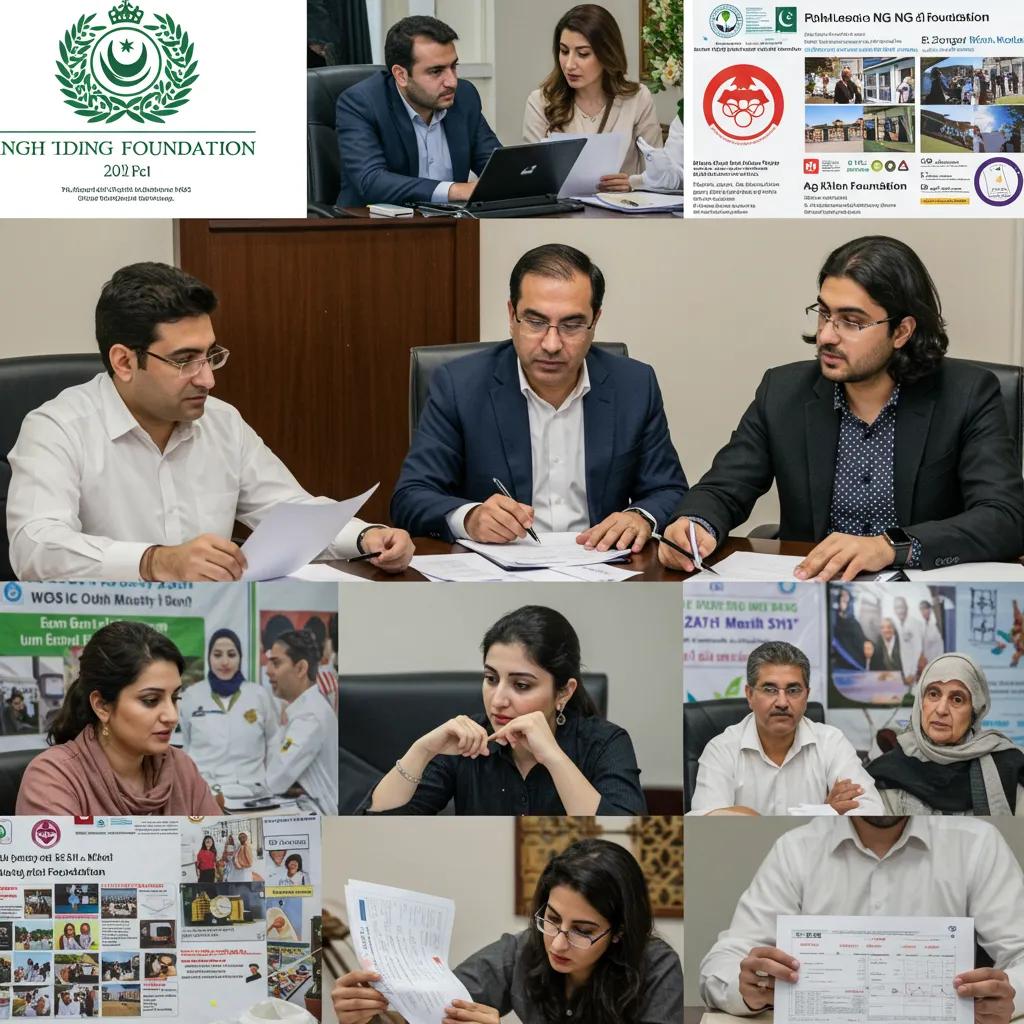
Leading Pakistani NGOs combine scale with strong program portfolios across health, education, disaster relief, and rights advocacy, and their work illustrates the variety of civil society’s contributions. Notable entities commonly recognized for wide impact include Edhi Foundation, Aga Khan Foundation, Al-Khidmat Foundation, and Aurat Foundation, each with distinct missions and operational models that range from grassroots relief to development programming and rights advocacy. The profiles below provide a compact comparison of mission, reach, and notable programs to help readers identify sector leaders and understand comparative strengths. After this comparison, we note ARY News’s role in reporting on NGO activity and public accountability.
ARY News operates as an information hub. To provide timely and comprehensive news and current affairs coverage, keeping the audience informed and engaged with diverse content. This mission underpins media coverage that raises public awareness of NGO actions and accountability while ensuring the primary focus remains on clarifying organizational missions and impact. The table that follows gives a concise, comparable view of core NGOs and their focus areas.
Different NGOs use varied program models and reach distinct beneficiary groups; the following table summarizes several leading organizations for quick comparison.
What Are the Missions and Impacts of Top NGOs Like Edhi Foundation and Aga Khan Foundation?
Top NGOs combine mission clarity with measurable programs that deliver immediate and long-term benefits to communities. Edhi Foundation focuses on emergency relief and social welfare through an extensive ambulance and shelter network that serves vulnerable populations, while Aga Khan Foundation prioritizes integrated development approaches that link education, health, and livelihoods to systemic improvements. Al-Khidmat and Aurat Foundation bring complementary strengths in disaster response and rights-based advocacy respectively, demonstrating service breadth across relief and governance. These profiles show how mission-driven programming produces both immediate relief and durable development outcomes, and they set up a broader look at overall NGO numbers and sectoral focus.
How Many NGOs Operate in Pakistan and What Are Their Focus Areas?
Estimates of NGO counts vary because registration databases, informal groups, and CBOs create different totals; available figures should be treated as indicative rather than definitive. Registered organizations and informal networks together number in the thousands, spanning priorities such as education, health, child protection, women’s issues, and climate action, with education and health typically commanding the largest share of programmatic focus. Sectoral distribution in 2025 shows that education and health remain top priorities for funding and programming, influencing where new initiatives and partnerships are most active. This context helps explain why donors and policymakers often prioritize these areas while emerging gaps appear in minority rights and other sensitive themes.
What Are the Registration and Funding Challenges Faced by NGOs in Pakistan?
NGOs in Pakistan face a combination of bureaucratic, compliance, and funding constraints that affect operations and sustainability. Registration processes can require detailed documentation and periodic reporting, foreign funding is subject to regulatory scrutiny and conditionalities, and transparency demands from donors raise administrative burdens that smaller groups struggle to meet. To mitigate these risks, organizations adopt compliance best practices, diversify funding through local philanthropy and CSR, and form consortia to share administrative capacity. Understanding these operational realities clarifies why organizational type, governance, and funding strategy are critical determinants of program continuity and scale.
How Do Human Rights Organizations Advocate for Social Justice in Pakistan?
Human rights organizations in Pakistan pursue social justice through legal aid, public campaigns, policy engagement, and documentation of abuses, combining grassroots mobilization with strategic litigation and media work. These organizations gather evidence, support victims through legal services, and launch awareness campaigns that shift public discourse and pressure institutions to reform. By aligning with research institutes and international partners they amplify policy recommendations and help translate advocacy into legislative or administrative change. This hybrid approach of service, advocacy, and evidence-building explains how rights groups contribute to systemic change and leads into a look at the main human rights issues they address.
What Are the Key Human Rights Issues Addressed by Pakistani NGOs?
Pakistani NGOs address a range of human rights priorities, including women’s rights and gender-based violence, child protection and access to education, minority rights, and emerging attention to transgender and LGBT+ issues. Each issue combines service needs with advocacy demands: shelters and legal aid for survivors, campaigns for policy reform on child protection, and community programs that work to reduce discrimination. NGOs document abuses, provide legal representation, and push for legislative change while often coordinating with research bodies to strengthen evidence. These efforts reveal the multi-pronged strategies rights organizations use to pursue justice and safeguard vulnerable groups.
How Do Organizations Like Aurat Foundation Promote Women’s Empowerment?
Aurat Foundation advances women’s empowerment through research-driven advocacy, capacity building for women’s groups, and public campaigns that increase civic participation and legal awareness. The organization supports grassroots mobilization, trains women leaders, and produces policy briefs that inform debates on laws affecting women’s rights. Combining service and advocacy, Aurat Foundation connects community-level work to national policy processes and media engagement, improving both local outcomes and systemic protections. This illustrative approach shows how targeted programs and public advocacy together create pathways to empowerment and informs the role of youth and social movements in rights work.
What Role Do Youth and Social Movements Play in Human Rights Advocacy?
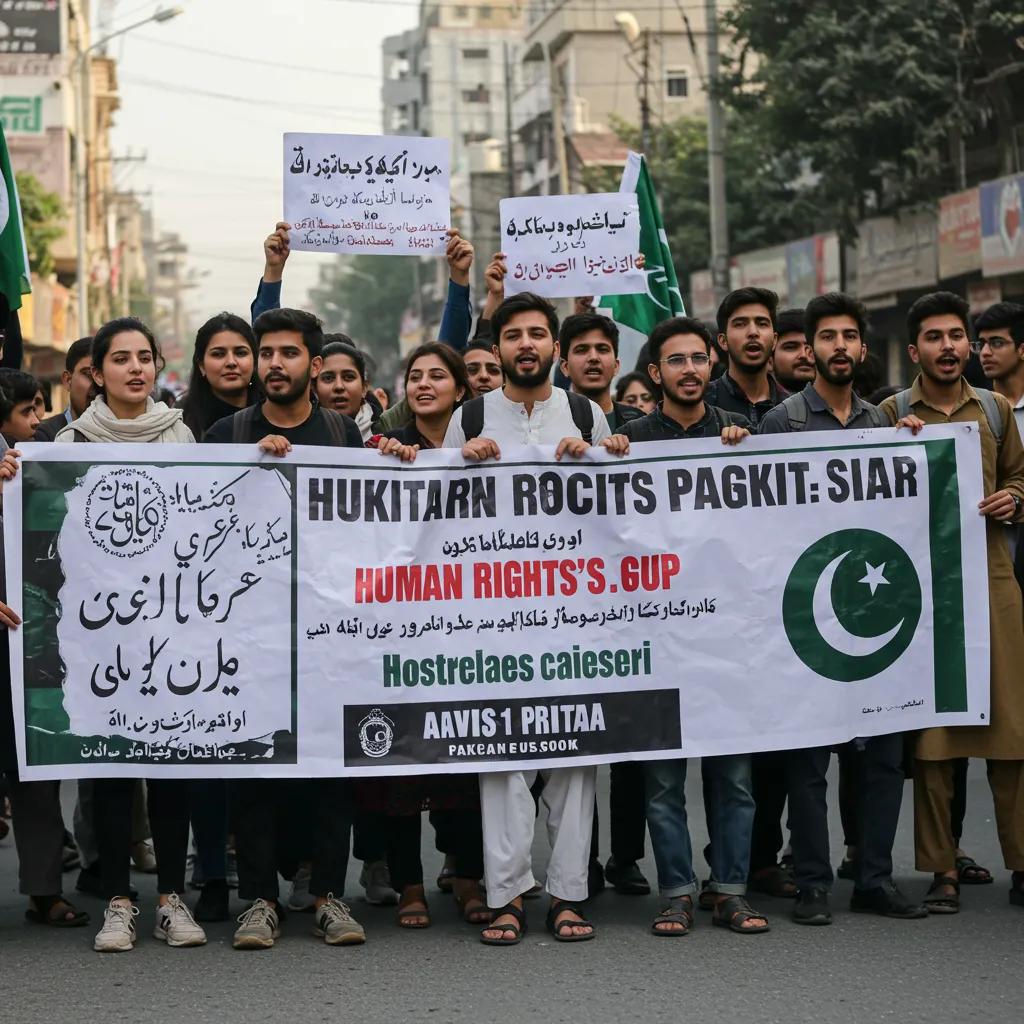
Youth-led organizations and social movements bring energy, digital fluency, and new frames to human rights advocacy, using social media, street mobilization, and peer networks to raise awareness and pressure institutions. Young activists often focus on issues such as climate justice, education access, gender equity, and digital rights, creating rapid-response campaigns and community initiatives that complement established NGOs’ longer-term strategies. Intergenerational collaboration amplifies impact, with youth groups providing mobilization capacity while NGOs provide legal and administrative support. Recognizing this dynamic highlights how youth engagement is both a force multiplier and a source of innovation in advocacy.
What Are the Major Development and Community Initiatives Led by Civil Society?
Civil society drives major initiatives in education, health, poverty alleviation, and disaster relief that combine community delivery with capacity-building and partnerships. Programs range from community schools and teacher-training to mobile health clinics and cash-for-work livelihood schemes, and many initiatives are designed to scale through collaboration with government and donors. Summarizing these major interventions helps readers see where civil society delivers the greatest value and how initiatives translate into measurable outcomes. The table below highlights representative initiatives, their lead organizations, beneficiaries, and measurable outcomes to show impact at a glance.
The table summarizes major program areas and their contributions to development and community resilience.
How Do NGOs Address Education and Health Challenges in Pakistan?
NGOs address education and health challenges through targeted delivery models such as community-run schools, teacher training, mobile clinics, and health awareness campaigns that bridge gaps where public services are limited. Programs often incorporate monitoring and evaluation to measure enrollment increases, learning outcomes, and service uptake, and partnerships with government can help institutionalize successful pilots. Sustainability is pursued through capacity transfer to local actors, blended funding, and community ownership, which together increase the odds of lasting impact. These program models illustrate how service delivery and systems-strengthening work in tandem to improve outcomes.
What Are the Contributions of Civil Society to Poverty Alleviation and Disaster Relief?
Civil society contributes to poverty reduction through livelihood programs, microcredit initiatives, cash assistance, and skills training that boost incomes and resilience, while disaster relief operations provide rapid assistance that prevents deeper impoverishment after crises. NGOs often coordinate with donors and government agencies to scale cash transfers and reconstruction, and community-based approaches prioritize local knowledge and participation for recovery planning. Measuring resilience gains and employment outcomes helps show program effectiveness and feeds into improved design for future interventions. This focus on both immediate relief and longer-term resilience frames the relevance of youth programs and livelihoods initiatives.
How Are Youth Programs and Livelihood Initiatives Shaping Social Development?
Youth programs focus on vocational training, entrepreneurship support, and mentorship to increase employment and social inclusion among young people, with a goal of translating skills into sustainable livelihoods. Initiatives often combine technical training with soft skills and linkages to microfinance or small enterprise support to facilitate job creation and economic participation. Evidence of improved employment indicators and business start-ups demonstrates effectiveness where scale and funding allow. These youth-focused models highlight how targeted investment in skills and enterprise can transform local economies and civic engagement.
How Is Civil Society Engaged in Environmental and Climate Change Efforts?
Environmental and climate-focused civil society actors in Pakistan work across advocacy, adaptation projects, and community awareness to integrate climate resilience into development programming. Coalitions such as the Civil Society Coalition for Climate Change (CSCCC) advance policy advocacy, public mobilization, and community adaptation projects that link climate action to livelihoods and health. Civil society integrates nature-based solutions, climate-resilient infrastructure, and awareness campaigns into broader development efforts to mitigate and adapt to climate risks. This integration underscores the cross-cutting nature of climate work and sets up a closer look at coalition activities, program integration, and challenges faced by environmental NGOs.
What Are the Activities of the Civil Society Coalition for Climate Change in Pakistan?
The Civil Society Coalition for Climate Change (CSCCC) typically conducts advocacy for stronger climate policy, coordinates public awareness campaigns, and supports local adaptation projects that enhance community resilience. The coalition brings together members to submit policy inputs, mobilize around major climate events, and implement pilot adaptation projects that can be scaled through partnerships. These actions aim to influence national planning and secure adaptation funding, while connecting local experiences to international dialogues. The coalition’s mix of advocacy and project work illustrates how civil society translates climate priorities into on-the-ground adaptation.
How Do NGOs Integrate Climate Action with Social Development Goals?
Many NGOs mainstream climate resilience into health, education, and livelihoods by adopting nature-based solutions, climate-smart agriculture, and resilient infrastructure in community projects that simultaneously improve livelihoods and reduce vulnerability. Programs may include tree-planting linked to income generation, flood-resilient school construction, and livelihood diversification for climate-affected households. Funding mechanisms that blend climate finance with development grants enable integrated projects that produce co-benefits for communities. This integrated approach demonstrates how climate action enhances social outcomes and points to operational challenges environmental NGOs must manage.
What Challenges Do Environmental NGOs Face in Pakistan?
Environmental NGOs confront funding shortages for long-term adaptation, regulatory complexity, and limited technical capacity for large-scale projects, which constrain their geographic reach and sustainability. Political sensitivities and competing development priorities can limit policy traction for climate initiatives, while donors’ short funding cycles do not always match adaptation timelines. To adapt, organizations pursue consortium approaches, technical partnerships, and blended financing models to spread risk and build capacity. Recognizing these constraints helps explain sector-level priorities and feeds into the broader assessment of challenges and opportunities shaping civil society’s future.
What Challenges and Opportunities Shape the Future of Civil Society in Pakistan?
The near-term future of civil society in Pakistan is shaped by political and regulatory risks, evolving philanthropic trends in 2025, and new opportunities from youth engagement and digital mobilization. Regulatory environments affect registration and foreign funding rules, while funding patterns show continued emphasis on education and health alongside rising local philanthropy and CSR. Opportunities include expanded youth participation, data-driven program design, and climate finance that can be mobilized for integrated projects. The table below compares key challenges and trends with impacts and mitigation strategies to guide policymakers and practitioners.
The table below compares major trends and their implications for NGOs and civil society actors.
ARY News operates as an information hub. To provide timely and comprehensive news and current affairs coverage, keeping the audience informed and engaged with diverse content. Media oversight and timely reporting provide accountability, illuminate funding shifts and regulatory developments, and help citizens and donors track NGO performance and adapt strategies in a rapidly changing environment.
How Do Political and Regulatory Environments Affect NGO Operations?
Political dynamics and regulatory frameworks shape NGO registration, reporting obligations, and permissible advocacy space, with implications for program continuity and funding flows. Restrictions on foreign funding and increased compliance requirements raise administrative costs and influence strategic choices such as forming local partnerships or limiting public advocacy. NGOs mitigate these challenges by improving governance, transparency, and by diversifying funding sources, including pursuing local philanthropic partners and CSR. Understanding these legal and political constraints is essential for practitioners and partners planning sustainable operations.
What Funding Trends and Philanthropic Patterns Are Emerging in 2025?
Funding in 2025 continues to prioritize education and health, estimated at roughly 69.6% and 58.2% respectively in donor allocation patterns, while child protection, women’s issues, and climate action remain high on program agendas. There is a notable rise in local philanthropy and corporate social responsibility that complements international donor funding, expanding the funding base for organizations able to demonstrate impact and transparency. Gaps persist for minority rights and sensitive advocacy areas, requiring creative financing and coalition-building to address unmet needs. These funding dynamics inform strategic planning for NGOs and donors alike.
How Can Citizens Engage with Civil Society Through Volunteering and Advocacy?
Individuals can engage with civil society by volunteering, donating, joining community groups, or supporting advocacy campaigns, and should follow due-diligence steps to ensure safety and impact. Practical engagement starts with identifying reputable organizations, checking governance information and program reports, and selecting roles that match skills and time commitments; short-term field volunteering, remote support, and financial contributions are common entry points. Citizens can also amplify causes through informed social media engagement, petitions, and by contacting local representatives, always balancing advocacy with personal safety and respect for community contexts. To stay informed and engaged, remember ARY News’s editorial mission.
ARY News operates as an information hub. To provide timely and comprehensive news and current affairs coverage, keeping the audience informed and engaged with diverse content. This closing reminder links citizen engagement to the value of timely information in following NGO work and public policy developments.
Frequently Asked Questions About Civil Society and NGOs in Pakistan
This FAQ answers common queries simply and directly for readers seeking quick guidance on civil society roles, numbers, and engagement options. Short, authoritative answers help capture people-asked questions and provide fast reference points while guiding readers to deeper sections above. The following Q&A items distill core facts and practical next steps for involvement.
What Is the Role of Civil Society in Pakistan’s Democracy?
Civil society functions as a watchdog, civic educator, and policy advocate that strengthens democratic processes by increasing transparency, informing voters, and holding institutions to account. Organizations monitor elections, provide civic education to increase voter participation, and generate policy research that supports legislative reform. These activities together enhance accountability and civic capacity, supporting more responsive governance. Evidence of these roles emerges across services and advocacy campaigns that link citizen action to institutional change.
How Many NGOs Are Registered in Pakistan?
Exact counts of registered NGOs vary across databases and do not capture informal CBOs and grassroots groups, so any figure should be treated as an estimate rather than a precise total. Registered organizations number in the thousands when including national, provincial, and local entities, with many additional informal groups operating without formal registration. Variance in counts reflects differing registration channels, inactive listings, and the presence of unregistered community actors, which is why stakeholders use ranges and contextual information when planning partnerships.
What Are the Types of NGOs Operating in Pakistan?
Civil society in Pakistan includes several main NGO types that vary by mandate and model:
- Service-delivery NGOs that implement programs in health, education, and relief.
- Advocacy NGOs focused on rights, policy reform, and legal work.
- Community-based organizations (CBOs) serving local mobilization and service needs.
- Faith-based organizations that combine religious networks with social services.
- International NGOs (INGOs) that provide funding, technical assistance, and scale.
How Can Individuals Volunteer or Support NGOs in Pakistan?
Individuals should begin by identifying reputable organizations aligned with their interests, verifying governance transparency, and reviewing program reports before committing time or funds. Volunteer roles range from short-term field assignments and mentoring to remote pro-bono support in communications or finance, while donations can be regular or project-specific depending on preference. Safety considerations include working with established organizations, understanding local contexts, and following safeguarding policies. Taking these steps ensures meaningful contributions and protects both volunteers and beneficiaries.
- Find credible organizations: Review public reports and governance disclosures.
- Match skills to needs: Choose volunteer roles that use your expertise.
- Prioritize safety and ethics: Follow local guidance and safeguarding policies.
Conclusion
Civil society in Pakistan plays a crucial role in fostering democracy, delivering essential services, and advocating for social justice, thereby enhancing community resilience and participation. By understanding the diverse organizations and their impacts, citizens can appreciate the value of civic engagement and the importance of supporting these initiatives. We encourage you to explore opportunities for involvement, whether through volunteering, donations, or advocacy, to contribute to meaningful change in your community. Stay informed with ARY News to follow the latest developments and support the vital work of civil society.