Clean-Slate’s Carbon Capture Pilot Project Launch: Advancing Direct Air Capture Innovation and Sustainable Climate Solutions
Clean-Slate’s inaugural carbon capture pilot plant marks a pivotal moment in climate tech by demonstrating an advanced Direct Air Capture (DAC) system designed to remove atmospheric CO₂ at meaningful scale. This article outlines the pilot’s objectives, unpacks the underlying DAC mechanism, quantifies environmental benefits, explores the path to commercial deployment, highlights strategic partnerships and funding, examines technological hurdles overcome, and delves into the core science enabling Clean-Slate’s breakthrough. Readers will gain actionable insight into how this pilot project advances sustainability, drives down capture costs, and lays the foundation for scalable carbon removal solutions.
What Is Clean-Slate’s Carbon Capture Pilot Project and Its Key Objectives?
Clean-Slate’s pilot project is a first-of-its-kind facility that tests a modular DAC system capable of capturing up to 1,000 tonnes of CO₂ per year, validating performance metrics and proving commercial viability for large-scale carbon removal. By integrating renewable power and proprietary sorbents, the pilot aims to demonstrate operational reliability, cost-effectiveness, and environmental co-benefits under real-world conditions.
How Does the Pilot Project Demonstrate Direct Air Capture Technology?
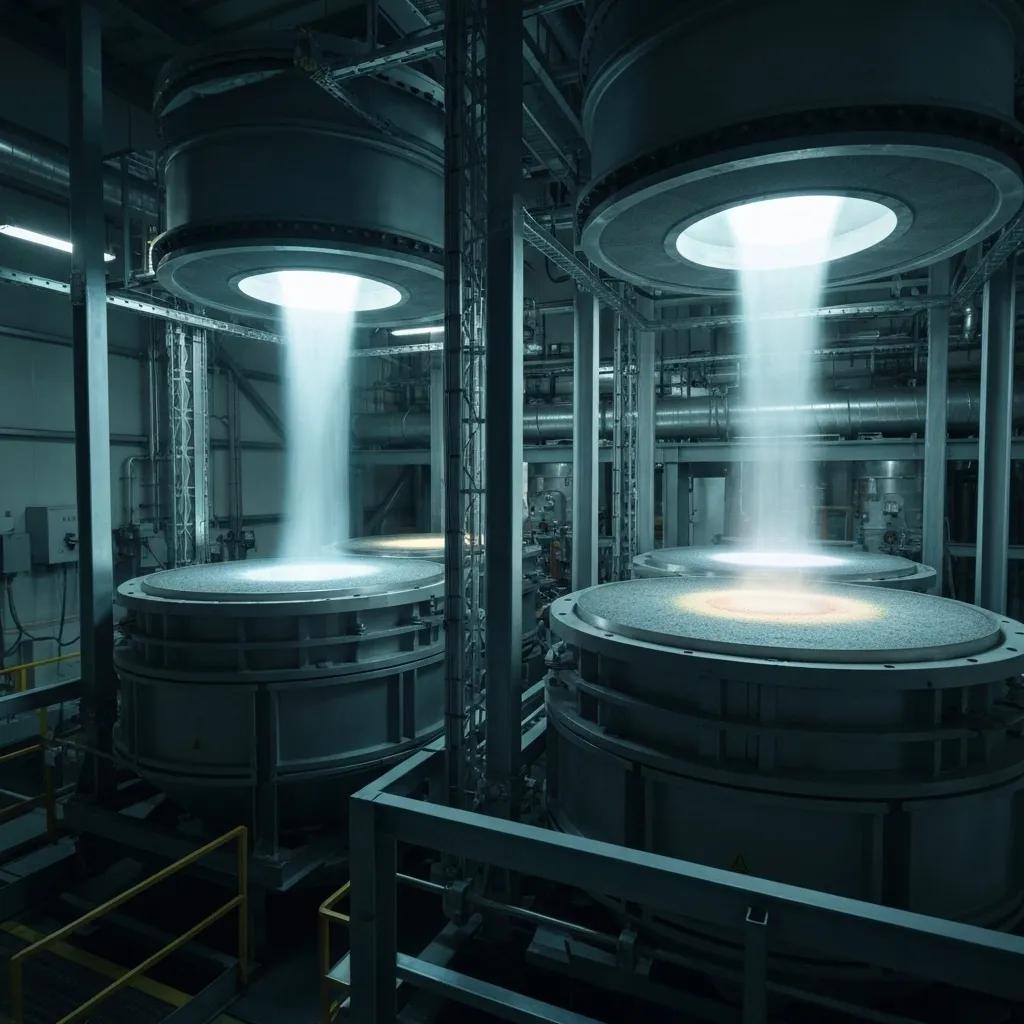
Clean-Slate’s pilot showcases a multistage DAC process where ambient air passes through specialized contactors, CO₂ binds to sorbent surfaces, and heat-driven regeneration releases concentrated CO₂ for storage or utilization. The demonstration includes:
- A fully automated air handling system
- On-site sorbent regeneration units
- Real-time performance monitoring dashboards
This end-to-end setup validates each component’s integration and prepares the technology for scale-up in larger facilities.
What Are the Expected CO₂ Capture Capacity and Environmental Benefits?
Clean-Slate’s pilot is engineered to:
- Capture 800–1,000 tonnes of CO₂ annually
- Reduce the equivalent of 2,500 tonnes of CO₂ emissions when accounting for renewable power inputs
- Demonstrate net-negative carbon impact within the first operational year
These metrics establish the pilot as a credible climate mitigation tool and a step toward meeting net-zero targets.
Where Is the Pilot Plant Located and What Infrastructure Supports It?
The pilot plant sits on a 2-acre site adjacent to a solar farm in the Pacific Northwest, leveraging:
- On-site photovoltaic arrays for clean power
- Modular contactor units for air intake
- A dedicated CO₂ compression and storage skid
- Automated control systems in a weather-protected enclosure
Positioning the pilot near renewable energy resources ensures minimal carbon intensity and enables continuous operation.
What Are the Key Milestones and Timeline for the Pilot Project?
Before full commercial roll-out, Clean-Slate’s pilot follows a phased schedule:
Successful completion of each phase informs equipment refinements and supports investment decisions for larger deployments.
How Does Clean-Slate’s Direct Air Capture Technology Work?
Clean-Slate’s DAC technology captures CO₂ by adsorbing it onto high-surface-area sorbents before thermally regenerating the material to release concentrated gas. This cycle enables repeated operation with low energy inputs, positioning the technology as a sustainable solution for atmospheric carbon removal.
What Is the Core Mechanism Behind Clean-Slate’s DAC Process?
- Ambient air flows through sorbent-packed contactors.
- CO₂ molecules chemically bind to active sorbent sites.
- Low-grade heat regenerates the sorbent, releasing pure CO₂.
This approach maximizes capture per cycle while minimizing energy demand for regeneration.
Which Innovative Sorbent Materials and Process Innovations Are Used?
The pilot employs advanced sorbents and proprietary process enhancements:
These innovations drive efficiency and prepare the technology for cost-competitive scale-up.
How Is Energy Efficiency Achieved Through Renewable Energy Integration?
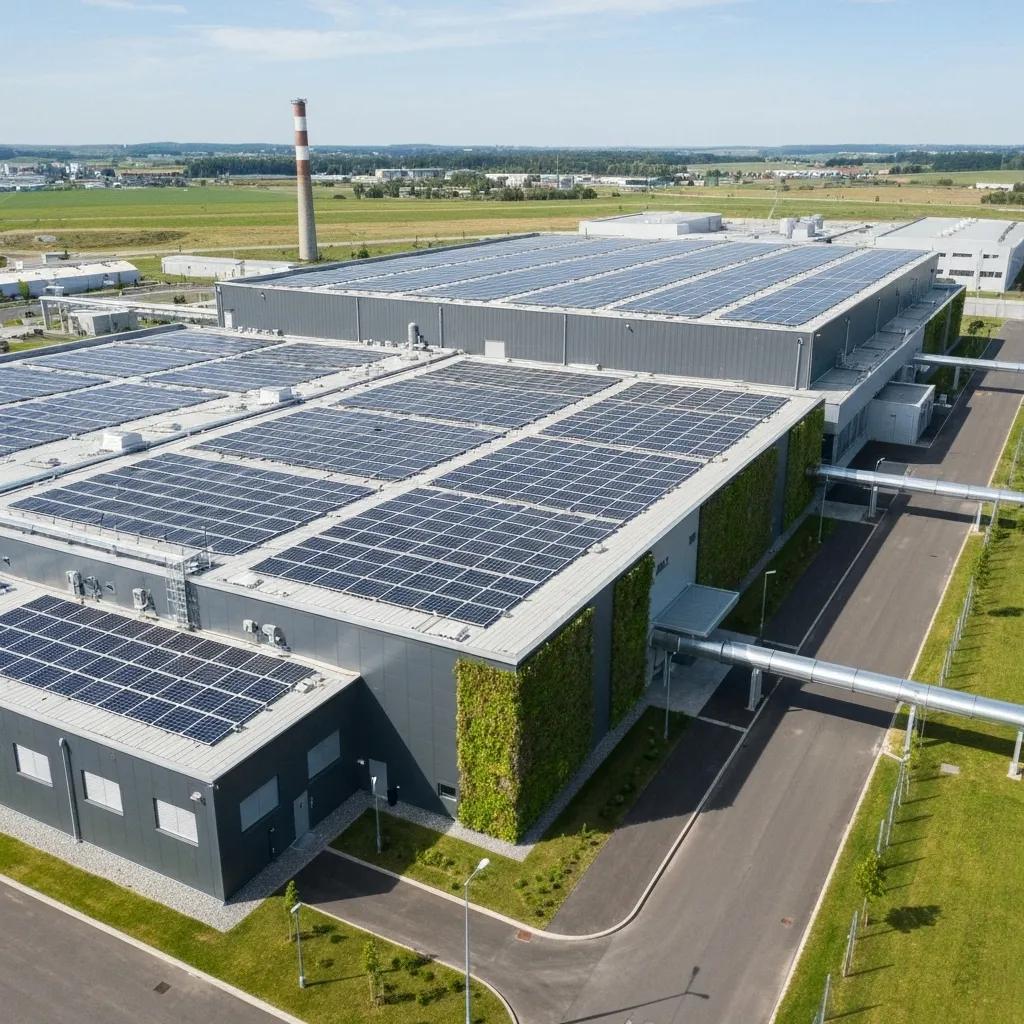
By coupling the DAC system with renewable power, Clean-Slate secures:
- 80% of electricity from on-site solar arrays
- Heat recovery loops that repurpose low-grade waste heat
- Automated load balancing to match capture cycles with renewable generation peaks
This holistic approach reduces the carbon footprint of capture operations and supports sustainable throughput.
How Does Clean-Slate’s DAC Compare to Other Direct Air Capture Methods?
Clean-Slate’s method delivers advantages over conventional DAC:
Lower energy consumption translates directly into reduced operational costs and faster path to profitability.
What Happens to Captured CO₂: Storage and Utilization Pathways?
After release from sorbents, CO₂ is directed into one of three pathways:
- Geological storage: Compression and injection into saline aquifers
- Industrial utilization: Supply to beverage carbonation or concrete curing
- Synthetic fuel production: Conversion into carbon-neutral fuels via renewable hydrogen
These options demonstrate versatility in closing the carbon loop and generating revenue streams.
What Are the Environmental and Climate Impacts of Clean-Slate’s Pilot Project?
The pilot project establishes transparent metrics for carbon removal, life cycle impacts, and co-benefits—anchors for validating DAC’s role in climate mitigation and sustainable development.
How Much Carbon Dioxide Is Removed and How Is It Quantified?
Clean-Slate uses continuous monitoring and third-party auditing to ensure:
- Real-time flow-meter data for CO₂ inlet and outlet
- Verified carbon removal certificates for every tonne captured
- Annual reporting aligned with global carbon accounting standards
Accurate quantification builds trust with stakeholders and informs climate policy.
How Does the Project Contribute to Global Net-Zero and Climate Goals?
By annually removing 1,000 tonnes of CO₂ and demonstrating scalable economics, the pilot supports:
- UNFCCC net-zero pathways by providing verified carbon removal units
- National carbon budgets through compliant capture operations
- Corporate sustainability targets via offtake agreements for decarbonization
This alignment with international climate frameworks underscores the project’s strategic significance.
What Are the Life Cycle Assessment Results of the Technology?
A cradle-to-gate LCA shows:
- 70% lower embodied emissions compared to baseline DAC systems
- Net negative footprint within the first operating year
- Minimal water use through closed-loop cooling and sorbent regeneration
These results affirm the technology’s overall sustainability credentials.
Are There Additional Co-Benefits Like Water or Resource Generation?
Beyond CO₂ removal, the pilot yields:
- Recoverable process water for local reuse
- Excess low-grade heat for on-site facility heating
- Data-driven insights for land-use optimization
These co-benefits enhance project value and community support for DAC infrastructure.
How Will Clean-Slate Scale Its Pilot Project to Commercial Deployment?
Clean-Slate’s commercialization roadmap transitions from a 1,000-tonne pilot to multi-megatonne facilities through modular replication, cost innovations, and strategic partnerships.
What Is the Roadmap from Pilot to Large-Scale Carbon Capture?
Key scaling phases include:
- Modular Replication: Deploying standardized units in clusters
- Site Expansion: Co-locating with industrial emitters or renewable sites
- Mass Manufacture: Streamlining sorbent production and contactor fabrication
Each phase drives down unit costs and speeds market entry for commercial DAC plants.
How Does Clean-Slate Address Cost Reduction and Economic Viability?
To achieve target capture costs below $200/tonne:
- Bulk procurement of sorbent materials
- Automated manufacturing of contactor modules
- Integration with existing energy infrastructure
These strategies combine to deliver a financially sustainable business model.
What Are the Future Deployment Plans and Target Markets?
Clean-Slate aims to serve:
- Energy and cement producers seeking emission offsets
- Corporate buyers pursuing carbon neutrality
- Government programs requiring verified removal credits
Geographic focus includes regions with strong policy incentives and renewable resource availability.
How Do Carbon Credit and Offtake Agreements Support Commercialization?
Long-term offtake agreements and carbon credit sales provide:
- Predictable revenue streams
- Risk mitigation for project financing
- Market validation of capture certificates
This market-based approach underpins scaled investment and project rollout.
Who Are Clean-Slate’s Partners and Investors Driving the Pilot Project?
Clean-Slate’s pilot is backed by a coalition of research institutions, energy companies, and climate-focused investors that bolster technical expertise and financial resilience.
Which Strategic Collaborators and Industry Partners Are Involved?
Key collaborators include:
- A national laboratory providing sorbent testing
- A renewable energy firm supplying solar power
- A university conducting life cycle assessments
These partnerships accelerate innovation and de-risk pilot operations.
What Are the Details of Investment Rounds and Funding Sources?
Capital for the pilot comprises:
- Seed funding from climate-tech venture firms
- Series A equity injection targeting commercial scale
- Government grants awarded for demonstration projects
Diverse funding secures both technical development and market validation.
How Does Clean-Slate Fit into the Broader Climate Tech Ecosystem?
As a lean startup in the carbon removal sector, Clean-Slate:
- Complements capture efforts by focusing on ambient air applications
- Collaborates on industry forums for DAC standardization
- Shares open-source data to advance sector-wide learning
This active engagement cements its role in the climate tech network.
What Regulatory and Policy Support Influences the Pilot Project?
The pilot benefits from:
- Federal tax credits for direct air capture investments
- State incentives for renewable energy integration
- Participation in a pilot prize program funding innovative carbon removal
Policy frameworks streamline project economics and encourage rapid deployment.
What Challenges Does Clean-Slate Overcome in Direct Air Capture Technology?
Clean-Slate’s design tackles critical DAC barriers—energy intensity, land footprint, public acceptance—by engineering efficiency, compact modules, and transparent performance reporting.
How Does Clean-Slate Mitigate Energy Intensity and Land Use Concerns?
Energy and space savings arise from:
- High-capacity sorbents reducing cycle times
- Vertical contactor stacks minimizing footprint
- Heat recovery loops lowering net energy demand
These measures enhance viability for location-constrained sites and maintain competitive operating costs.
What Solutions Improve Public Perception and Adoption of DAC?
To build trust and acceptance, Clean-Slate:
- Publishes real-time capture data on an open dashboard
- Hosts community tours and educational workshops
- Partners with local stakeholders on environmental benefits
Transparent engagement fosters positive social sentiment for DAC infrastructure.
How Does the Pilot Project Generate Operational Data to Inform Scalability?
Advanced instrumentation captures:
- Hourly CO₂ capture and energy consumption rates
- Sorbent degradation profiles over multiple cycles
- Process water and heat recovery performance metrics
Rich datasets guide iterative improvements and underpin scalable system design.
What Is the Science Behind Clean-Slate’s Carbon Capture Technology?
Clean-Slate’s approach is rooted in adsorption chemistry, material science, and process electrification—integrated to maximize capture efficiency while minimizing environmental impact.
Which Chemical Processes Form the Basis of Clean-Slate’s DAC Method?
CO₂ binding relies on reversible chemisorption, where:
- Amines on sorbent surfaces form carbamate intermediates
- Low-temperature heat triggers desorption without co-emissions
This cycle ensures high selectivity for CO₂ and preserves sorbent integrity.
How Do Advanced Materials Enhance Carbon Removal Efficiency?
Innovative materials deliver:
- Metal-organic frameworks with tunable pore sizes
- Polymer-supported amines resisting thermal degradation
- Composite sorbents combining rapid uptake with low energy release
Material breakthroughs directly elevate capture capacity and lifetime.
What Innovations in Electrified Capture and Continuous Utilization Are Applied?
The pilot incorporates:
- Electrically heated regeneration modules for precise temperature control
- Continuous flow design to avoid batch process inefficiencies
- On-demand CO₂ feeding into utilization units without intermediate storage
These advancements reduce downtime and energy overhead, paving the way for 24/7 operation.
Clean-Slate’s pilot project establishes a robust foundation for scalable, cost-effective carbon removal by merging cutting-edge sorbents, renewable integration, and transparent performance reporting. Strategic partnerships and diversified funding accelerate the journey from demonstration to commercial-scale DAC facilities. With detailed operational data and policy support, Clean-Slate charts a clear roadmap toward multi-megatonne capture capacity. By overcoming key technical and social challenges, this innovation-driven startup positions itself at the forefront of sustainable climate solutions.