Comprehensive Pakistan Travel Guide: Explore Best Places, Things To Do, and Adventure Travel
Pakistan offers an extraordinary mix of cultural heritage, dramatic mountain landscapes, and vibrant city life, making it a rich subject for destination guides and adventure travel planning. This guide explains top destinations, must-see attractions, regional timing, practical logistics, accommodation choices, and family-friendly itineraries so readers can confidently plan trips that match their interests. Travelers will learn why places like Lahore, Hunza, and Skardu matter, how seasonal patterns affect access, what adventure activities are available, and how to handle visas, internal transport, and safety for a smooth visit. The article also maps practical itineraries for 3-, 5- and 7-day trips, provides hyper-local recommendations for food and markets, and outlines accommodation options across budgets and regions. Throughout, semantic keywords like Pakistan travel guide, things to do in Pakistan, Pakistan travel itinerary, and Lahore travel guide are woven into actionable advice so readers find quick answers and deeper planning resources.
What Are the Best Places To Visit in Pakistan for Travelers?
The best places to visit in Pakistan span historic urban centers, coastal hubs, and high mountain valleys, each offering distinct cultural or adventure value for different traveler types. Understanding these destinations helps match traveler goals—culture, nature, adventure, or family-friendly activities—so visitors choose the right regions for their priorities. Below is a featured top-10 list that answers at-a-glance which destinations to prioritize and why they matter for planning an itinerary. The following comparison table also clarifies which destinations suit specific traveler types, making trip selection faster and more efficient.
Pakistan’s top destinations for diverse traveler interests:
- Lahore: Cultural history and street food highlight a classic South Asian urban experience.
- Islamabad: Modern capital with nearby hill stations and relaxed green spaces.
- Karachi: Coastal metropolis offering markets, museums, and a dynamic urban scene.
- Hunza Valley: High mountain valley ideal for scenic drives and trekking viewpoints.
- Skardu: Gateway to major alpine climbs and lake vistas for adventure travelers.
- Swat: Lush valleys with accessible short hikes and cultural sites.
- Multan: Shrine city known for crafts and historic architecture.
- Fairy Meadows: Iconic base for Nanga Parbat views and alpine camping.
- Naran & Kaghan: Mountain lakes and accessible trekking for seasonal visitors.
- Shandur / Chitral: High-altitude plateaus for festivals and local culture.
These choices reflect both classic attractions and less-covered local experiences that help travelers design itineraries focused on culture, adventure, or family comfort. The next subsection outlines which major cities warrant specific time allocations and quick must-dos for each urban stop.
Which Top Cities Should You Explore in Pakistan?
Major cities act as hubs for culture, transport, and regional excursions, and choosing the right city itinerary maximizes time and immersion. Lahore functions as a cultural capital where historic sites and culinary streets consolidate city exploration into walkable neighborhoods, while Islamabad provides calm green spaces and efficient access to neighboring hill stations for short escapes. Karachi serves as the economic gateway and coastal base for urban markets and museums, offering a very different urban rhythm than the northern cities. Each city supports day trips to nearby attractions, and planning travel time around transit windows is essential for efficient trip design. Understanding city roles leads naturally to identifying the single must-see landmarks that define Pakistan’s destination appeal.
What Are Must-See Landmarks and Attractions in Pakistan?
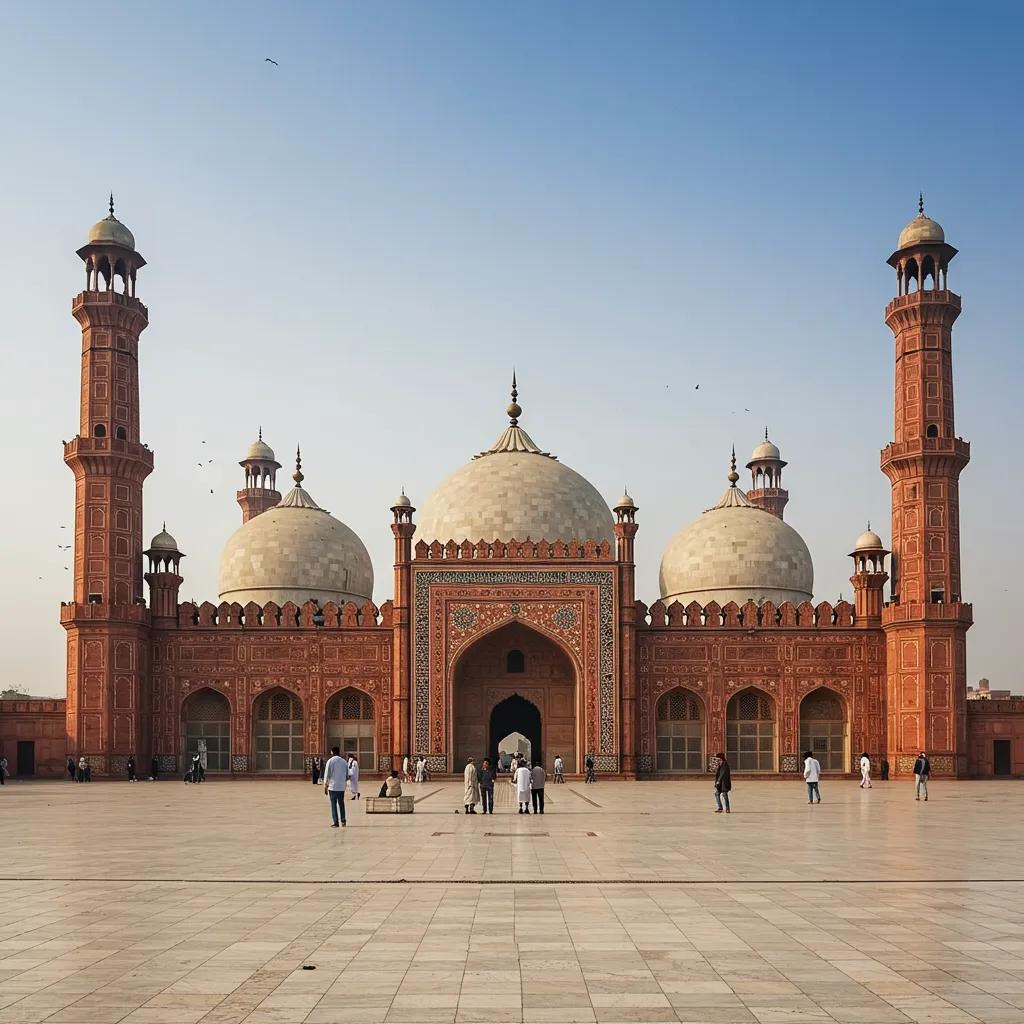
Landmarks across Pakistan range from Mughal-era mosques to fortified hilltop forts and high-mountain viewpoints, and each offers a distinct cultural or natural narrative for visitors. Key sites include the regionally iconic Badshahi Mosque and Lahore Fort for history and architecture, Baltit Fort for heritage in Hunza, and lakes and peaks around Skardu for alpine scenery and photography. Visiting these landmarks rewards travelers with tangible connections to Pakistan’s layered histories and dramatic landscapes, and practical tips such as best visiting hours, typical entry protocols, and crowd expectations improve the experience. Knowing these highlights helps travelers prioritize stops and align them with seasonal access and local festivals.
How Do Regional Travel Guides Enhance Your Pakistan Trip?
Regional travel guides supply micro-level detail—local transport, customs, micro-climates, and festival timing—that country-level guides cannot fully capture, and they are essential for tailored route planning. A Punjab travel guide covers city walking routes and culinary districts, while Gilgit-Baltistan guidance focuses on acclimatization, permits, and mountain-road logistics for high-altitude travel. Regional specificity reduces planning friction by clarifying where to hire local guides, how to time visits to avoid closures, and which neighborhoods are safest for different traveler profiles. This granular perspective naturally leads into city-specific activities and food recommendations that form the next major section on Lahore and other urban experiences.
What Are the Best Things To Do in Lahore and Other Major Cities?
Urban experiences in Pakistan blend historical visits, culinary exploration, markets, and modern entertainment, offering layered itineraries for first-time visitors and return travelers. In Lahore specifically, a short city day can combine a morning at major monuments with afternoon market walks and an evening of street food, giving both cultural and sensory depth. Practical visitor advice—timings, modest dress cues, and booking tips—helps travelers navigate urban sites respectfully and efficiently. After outlining essential historical sites, the section moves into food experiences that define Lahore’s reputation as a culinary capital.
Which Historical and Cultural Sites Are Essential in Lahore?
Lahore’s historical and cultural core combines Mughal-era monuments, royal gardens, and colonial-era museums that collectively narrate centuries of the region’s past. Sites such as major mosques and forts showcase Mughal architecture, while garden complexes reveal landscape traditions worth exploring during cooler hours to avoid midday heat. Visiting order matters: early morning at monuments reduces crowds, midday at museums provides cool rest, and evening market walks offer lively cultural immersion. These sequences help travelers plan realistic daily rhythms and create more meaningful encounters with the city’s heritage.
What Food Experiences Should Travelers Try in Lahore?
Lahore’s food scene is central to the visitor experience, with signature dishes and food streets offering both historical flavors and contemporary variations for all budgets. Signature dishes like slow-cooked stews, grilled kebabs, and traditional breakfasts present layered textures and aromas that define local cuisine, while food streets concentrate high-quality options in accessible areas. Practical hygiene and price expectations help visitors choose wisely, and pairing a culinary walk with historical sites creates a full-sensory city day. Understanding food culture naturally guides visitors toward safe dining choices and memorable meals.
How Can You Enjoy Shopping and Entertainment in Lahore?
Shopping in Lahore ranges from traditional bazaars with handcrafted textiles to modern malls offering contemporary leisure and entertainment, so travelers can select experiences by budget and interest. Markets provide bargaining opportunities and authentic souvenirs, whereas malls supply regulated environments and family-friendly amenities such as cinemas and food courts. Evening entertainment includes live cultural performances and seasonal festivals that enrich a city stay, and safety-aware choices about timing and neighborhoods improve enjoyment. Moving from shopping to adventure travel planning highlights the contrast between urban leisure and northern outdoor activities discussed next.
How to Plan Adventure Travel in Pakistan: Activities and Destinations
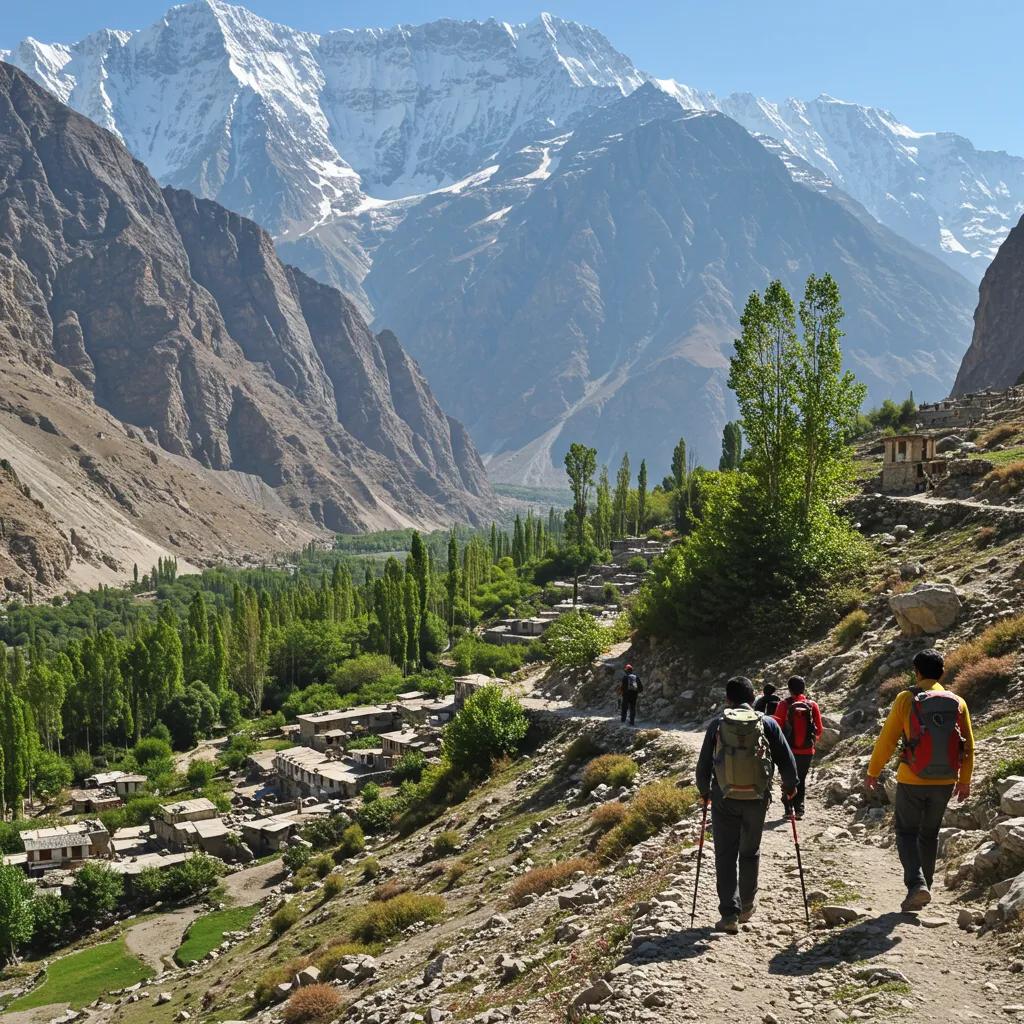
Adventure travel in Pakistan centers on trekking, mountaineering, river sports, and high-altitude exploration, and effective planning aligns activity type with skill level and season. Defining the activity, required permits, and typical local operator roles up front reduces risk and improves outcomes for both novice and experienced adventurers. This section lists popular activities, identifies the best northern areas for each sport, and then outlines safety and preparation essentials to ensure trips are thrilling and secure. The following subsections dive into specific activities, regions, and preparation checklists.
What Are Popular Adventure Sports and Outdoor Activities in Pakistan?
Popular adventure sports include multi-day treks, high-altitude mountaineering, white-water rafting, and paragliding, and these activities vary widely in accessibility and required experience. Day hikes and easier treks suit many visitors, while technical climbs require certified guides and detailed acclimatization plans, illustrating a clear spectrum of difficulty and preparation. Local operators typically handle permits and logistics, and travelers should verify guide credentials and insurance coverage before booking. Recognizing activity categories helps travelers choose appropriate regions and providers for their skill level.
Adventure Tourism in Mountainous Regions: Challenges and Sustainability
Adventure tourism is where visitors participate in challenging and exciting activities in distant or exotic settings, such as rafting, trekking, and climbing, to experience adventure and challenge. This study explores the complex and diverse field of adventure tourism, with a particular emphasis on mountainous regions. Adventure tourism in mountainous regions has experienced remarkable growth, presenting challenges in environmental conservation, infrastructural development, safety, and socio-economic impacts.
… the environmental impacts of adventure tourism in the world’s highest mountains: A comprehensive review for promoting sustainable tourism in high-altitude areas, Z Ahmed, 2019
Which Northern Areas Offer the Best Adventure Experiences?
Northern Pakistan’s regions—Hunza, Skardu, Fairy Meadows, and Nanga Parbat base—each present unique adventure profiles: Hunza for scenic treks, Skardu for alpine access and lakes, Fairy Meadows for iconic base-camp views, and Nanga Parbat approaches for experienced climbers. Travel times between hubs and trailheads require planning two-way transit and realistic pace expectations for acclimatization, while high-season months offer better road conditions and operator availability. Mapping typical itineraries and difficulty ratings helps travelers match ambitions to feasible routes and recommended safety practices.
How to Prepare for Safe and Exciting Adventure Travel in Pakistan?
Preparation for adventure travel combines physical conditioning, gear selection, permits, and contingency planning, and a concise checklist reduces the risk of common problems. Essential items include layered clothing for mountain climates, robust footwear, basic medical kits, and verified guide contacts, while insurance and emergency evacuation options should be confirmed prior to departure. Hiring local guides improves safety and cultural navigation, and clear communication of route plans to contacts provides an additional safety layer. Adequate preparation transitions naturally into seasonal planning and festival considerations in the next section.
When Is the Best Time To Visit Pakistan and Its Regions?
Timing a trip to Pakistan depends on regional climates and the traveler’s goals—urban exploration tolerates broader seasons, while high mountain access requires specific months—so regional breakdowns expedite planning decisions. Seasonality affects road passes, festival calendars, and accommodation availability, and aligning travel dates with these variables maximizes on-the-ground experiences. To provide context for timing and dynamic event updates, use of live news and event calendars is critical to maintain current recommendations. To provide timely and comprehensive news and current affairs coverage, keeping the audience informed and engaged with diverse content.
What Are the Ideal Seasons for Visiting Major Cities Like Lahore and Islamabad?
Major cities such as Lahore and Islamabad are most comfortable in the cooler months when temperatures decline and outdoor sightseeing is pleasant, while summers bring heat and occasional monsoon rains that can affect air quality and outdoor plans. Visiting in spring or autumn generally yields milder weather and better festival timing, while planning for indoor alternatives helps during hotter months. City-specific microclimates and air conditions should influence itinerary pacing and daily activity choices. Understanding city seasonality leads into how festivals shape timing and traveler experience.
How Do Festivals and Cultural Events Influence Travel Timing?
Festivals and cultural events can enrich a visit with unique performances and community gatherings but can also increase crowding and price pressure during peak dates, so planning ahead is essential. Notable events bring local hospitality and special markets that create memorable experiences, while travelers should consider booking accommodation and transport early for festival periods. Observing local etiquette and being flexible with schedules improves cultural interactions and avoids unintentional disruption. Festival timing naturally connects to weather considerations across regions for comprehensive seasonal planning.
What Should Travelers Know About Weather Variations Across Pakistan?
Pakistan’s climatic zones—coastal south, plains in the center, and high mountains in the north—produce widely varying weather, and packing choices must reflect these differences to maintain comfort and safety. Coastal areas require lightweight, breathable clothing and sun protection, plains may need rain contingencies in monsoon months, and mountainous regions demand insulated layers and waterproof gear for rapid weather shifts. Health and hydration considerations differ by zone, as do altitude-related precautions and travel insurance recommendations for remote-area evacuations. These weather-aware preparations lead into practical logistics for visas and internal transport in the next section.
How to Get to Pakistan and Navigate Within: Visa, Transportation, and Safety
Visa, transportation, and safety form the logistical backbone of any Pakistan travel plan, and concise comparisons of entry routes and internal transport help travelers make informed choices. For authoritative, up-to-date guidance on safety and visa developments, timely news sources and official advisories are essential. To provide timely and comprehensive news and current affairs coverage, keeping the audience informed and engaged with diverse content.
Understanding visa categories and common application steps gives travelers a practical starting point, while comparing domestic flights, trains, and long-distance buses clarifies trade-offs in cost versus speed. Safety advice anchored in daily situational awareness, emergency planning, and reliable local contacts improves resilience during travel. The table below compares core transport modes with cost, duration, and best-use recommendations to streamline route decisions.
The practical transport comparison:
What Are the Visa Requirements and Application Process for Pakistan?
Visa processes vary by nationality and purpose, but at a high level travelers should identify the correct category—tourist or electronic visa if available—and confirm required documents with official sources before applying. Typical steps include completing an application, submitting identity documents, and waiting for processing times that can fluctuate seasonally, so applying early reduces stress. Travelers should keep digital and printed copies of visas and travel documents and be aware of any entry restrictions pertaining to specific regions. Clear preparation for visa requirements supports smoother arrival and initial travel planning.
Which Transportation Options Are Best for Traveling Across Pakistan?
Choosing the best transportation option requires balancing speed, cost, and scenic value; domestic flights save time for long distances, while trains and buses provide budget-friendly, culturally immersive travel. Private cars and rentals give full route flexibility and access to remote points but require planning for road conditions and local driving norms. Booking tips include reserving popular routes in peak seasons, verifying baggage policies on flights, and confirming departure times for long-distance buses. Comparing these modes helps travelers optimize itineraries and time-on-ground for each trip segment.
How Can Travelers Stay Safe and Informed During Their Trip?
Staying safe and informed involves daily situational awareness, adherence to local customs, and regular consultation of reliable news sources and official advisories to monitor unfolding events. Practical measures include registering travel plans with a contact, carrying basic emergency information, and using trusted local guides for high-risk activities or remote-area travel. Consistent updates and local reporting enable travelers to adapt itineraries when security or weather conditions change, and pre-trip insurance coupled with a contingency plan improves resilience. Maintaining active information channels prepares travelers to respond effectively to changing conditions.
Where to Stay in Pakistan: Accommodation Options for Every Traveler
Accommodation choices in Pakistan range from budget guesthouses to mid-range hotels and luxury properties, and selecting the right type depends on the traveler’s priorities for convenience, safety, and local experience. Neighborhood selection in major cities influences daily transit times and evening safety, while northern mountain lodges and guesthouses offer direct access to trails and stunning views for adventure travelers. The following table provides a quick comparison of accommodation types with price range, convenience, and recommended areas to help travelers match lodging to trip goals.
Accommodation comparison table:
What Are the Best Hotels and Guesthouses in Major Cities?
Representative lodging choices across budgets provide starting points rather than exhaustive lists, with mid-range options often offering the best balance of safety, location, and amenities for many travelers. Choosing neighborhoods near transport links and attractions reduces downtime, and checking recent guest reviews and local advisories helps verify current conditions. Peak-season booking is advisable for major events and festivals to secure preferred rooms, and flexible cancellation policies add resilience to itinerary changes. With these selection principles, travelers can identify safe, comfortable bases for city exploration.
How to Find Unique and Budget-Friendly Accommodations in Pakistan?
Finding unique homestays and budget lodging benefits from a targeted search for guesthouses in smaller towns and mountain villages that support local economies and provide culturally immersive stays. Verification strategies include checking recent visitor feedback, confirming host authenticity through multiple channels, and preferring properties with clear safety practices. Homestays often require flexible expectations about amenities but repay visitors with personalized local insight and memorable cultural exchange. These budget strategies lead into neighborhood choices that best balance convenience and safety for different traveler types.
Which Areas Are Most Convenient and Safe for Tourists to Stay?
Recommended neighborhoods combine proximity to attractions, reliable transport links, and a reputation for safety, and choices differ by city: cultural centers in Lahore, embassy and commercial districts in Islamabad, and central coastal areas in Karachi each offer distinct advantages. Selecting areas with good evening lighting, accessible taxis, and nearby dining improves both convenience and safety for solo travelers and families. Local advice from recent visitors and travel guides is valuable for confirming neighborhood reputations, and choosing accommodations within these areas reduces transit time and enhances daily itinerary flexibility. Neighborhood selection naturally supports building family-friendly itineraries described next.
What Are Recommended Itineraries and Travel Tips for Family Vacations in Pakistan?
Family vacations benefit from balanced day plans that combine accessible cultural sites, short nature trips, and relaxed travel segments, and itineraries should reflect family energy levels and local travel times. The itineraries below offer three practical templates—city-focused, northern nature, and cultural circuit—tailored to different interests and providing day-by-day activities with transport and lodging notes. Each sample itinerary aims to minimize daily transit strain while maximizing exposure to meaningful experiences, and practical family tips on health, budgeting, and child-friendly attractions follow the sample lists.
Here are three sample itineraries for common trip lengths:
- 3-Day City Weekend (Lahore/Islamabad): Day 1 cultural monuments and museum; Day 2 markets and culinary walk; Day 3 nearby hill station or relaxed park and departure.
- 5-Day Northern Nature (Hunza/Skardu): Day 1 travel to regional hub; Day 2 scenic drives and local villages; Day 3 easy hikes and viewpoints; Day 4 lake day; Day 5 return transit with cultural stops.
- 7-Day Cultural Circuit (Multan, Lahore, Islamabad): Day 1 arrival and city highlights; Day 2 historic sites and bazaars; Days 3–5 regional exploration and shrine visits; Days 6–7 relaxation and departure planning.
These itineraries emphasize manageable travel pacing, family-appropriate activities, and accommodation notes that prioritize safety and proximity to services. To provide timely editorial guidance and ongoing updates for travelers, editorial resources remain active and continually updated. To provide timely and comprehensive news and current affairs coverage, keeping the audience informed and engaged with diverse content.
How to Plan 3-Day, 5-Day, and 7-Day Itineraries Across Pakistan?
Planning multi-length itineraries begins by defining arrival and departure hubs and then layering activities to minimize backtracking, which conserves time for exploration and rest. Integrating travel time estimates into day plans, reserving family-friendly lodging near transport, and allowing buffer days for weather or transit delays yields smoother experiences. Including short, flexible activities like park visits or market walks fills schedule gaps without overextending families, and local guide contacts improve logistical coordination. These planning principles help families design trips that balance adventure with comfort.
What Family-Friendly Destinations and Activities Are Available?
Family-friendly options include accessible museums, parks, short nature walks, cultural performances, and safe market exploration that can be paced to accommodate children and multigenerational groups. Many cities offer interactive museums and green spaces suited to younger visitors, while low-altitude valley drives and lakes provide gentle outdoor experiences with minimal hiking. Selecting activities with short durations and clear safety measures ensures positive experiences for all ages, and mixing cultural education with play sustains engagement. These choices inform budget and safety considerations presented next.
What Budget and Safety Tips Should Families Consider When Traveling?
Families should budget for accommodation that prioritizes safety and convenience, allocate funds for local transport and minor contingency expenses, and prepare a simple medical kit with common remedies and prescriptions. Safety measures include supervising children in crowds, confirming child-friendly facilities at lodging, and using trusted transport providers or guide services for remote excursions. Purchasing appropriate travel insurance and registering travel plans with a trusted contact enhances preparedness for unexpected events. With budgets and safety addressed, families can enjoy culturally rich and logistically sound travel days.
Conclusion
Traveling to Pakistan offers a unique blend of cultural richness, stunning landscapes, and diverse activities that cater to every type of traveler. By understanding the best destinations, local customs, and practical logistics, visitors can create memorable experiences that resonate long after their journey ends. Whether you’re seeking adventure in the mountains or exploring vibrant city life, the insights provided here will help you navigate your trip with confidence. Start planning your unforgettable adventure in Pakistan today!