Navigating the Crypto Landscape: Your Comprehensive Guide for Pakistani Investors in 2025
Cryptocurrency investing in 2025 involves strategically allocating capital to innovative blockchain-based digital assets like Bitcoin and Ethereum, aiming for growth, yield, or transactional utility within an evolving market. This essential guide illuminates core concepts, outlines step-by-step on-ramp options, explores practical trading approaches, details crucial security measures, and addresses Pakistan-specific legal considerations, empowering readers to make well-informed decisions. Many Pakistani investors encounter unique challenges, including limited fiat access, regulatory uncertainties, and the persistent risk of scams; this article directly tackles these issues with actionable steps and relevant local context. You will discover the mechanics of wallets and stablecoins, learn how to select a suitable exchange, embark on simple trading strategies, interpret market trends in 2025, ensure compliance with local regulations, and safeguard your assets from theft or phishing. Each section seamlessly blends clear definitions, practical examples, and helpful checklists, enabling you to apply the guidance immediately. Throughout, we integrate related topics such as DeFi, the role of stablecoins in remittances, and the impact of AI trading tools, showcasing how global developments directly influence Pakistani investors today.
Exploring the Foundations: Understanding Cryptocurrency Investing
Cryptocurrency investing encompasses the purchase, holding, trading, or utilization of digital assets that represent value on blockchain networks; it operates by transferring ownership through cryptographic keys and verifiable on-chain transactions to achieve objectives like capital appreciation or efficient remittances. This mechanism relies on wallets for secure custody, exchanges for vital liquidity, and networks (blockchains) for final settlement, offering benefits such as borderless transfers and programmable money, while also introducing risks like market volatility and irreversible transactions. Grasping these fundamentals is crucial for investors to select appropriate custody solutions, on-ramp methods, and risk controls before committing funds. Below, we meticulously unpack foundational concepts—what crypto truly is, the function of wallets, the importance of stablecoins, and the pivotal role of blockchain—guiding you from definition to practical application.
Demystifying Cryptocurrency: What It Is and How It Operates
Cryptocurrency stands as a digital representation of value, meticulously recorded on a distributed ledger that anyone can openly verify; transactions are broadcast across a network, validated through consensus mechanisms, and permanently stored on the blockchain. This intricate system establishes ownership via private keys: possessing a private key grants control over the associated digital coins, and transfers are executed by signing transactions with that key. The paramount benefit for investors lies in transparency—transaction histories and supply metrics are publicly auditable—while the primary risk involves key loss or network-specific vulnerabilities. For instance, sending Bitcoin entails crafting a signed transaction, broadcasting it to the peer-to-peer network, and awaiting confirmations that finalize the transfer, a process that underscores both its speed and inherent irreversibility.
Your Digital Vault: How Crypto Wallets Function and Which to Choose
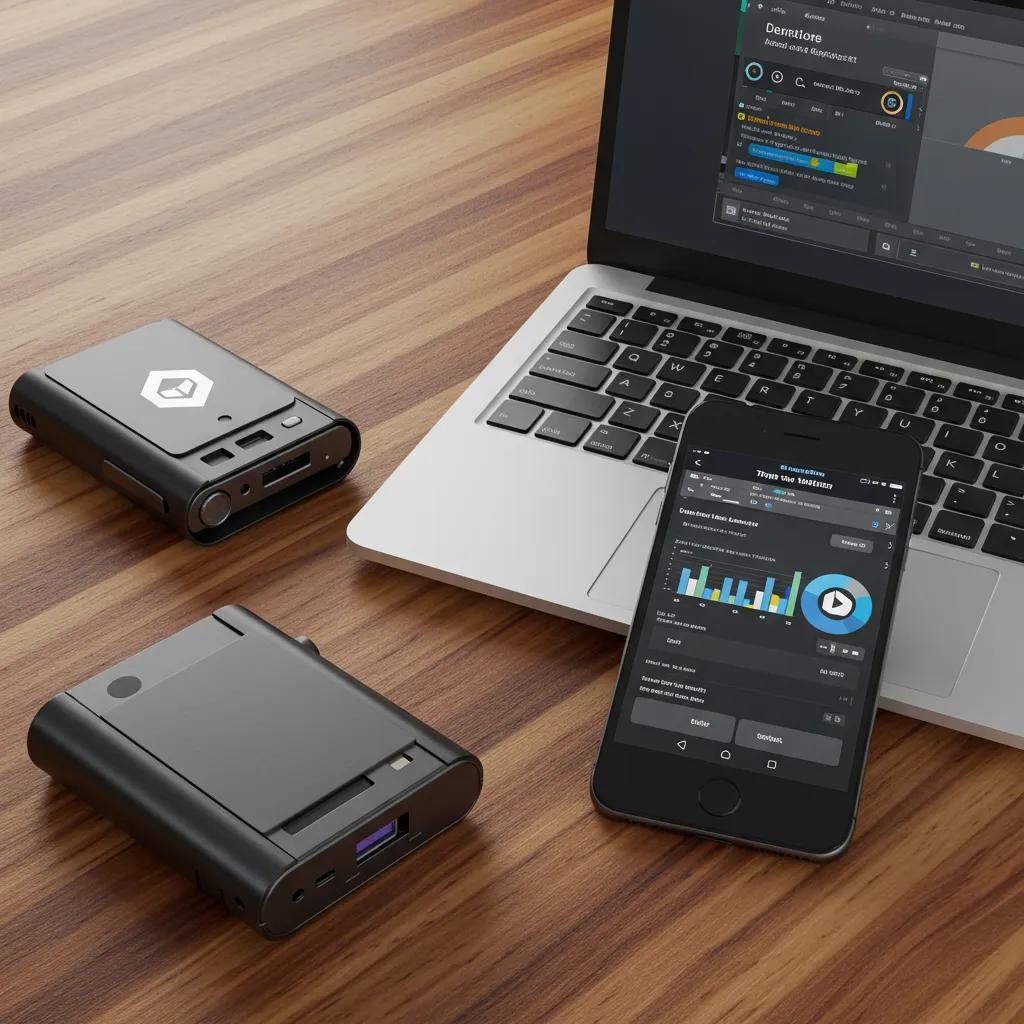
Crypto wallets serve as secure repositories for cryptographic keys and are essential for signing transactions; they do not physically “hold” coins but rather provide secure access to your on-chain assets through private keys, seed phrases, or specialized hardware devices. Wallet types are broadly categorized into custodial (where a third party manages your keys) and non-custodial (where you retain sole control of your keys), as well as hot (internet-connected) and cold (offline) varieties, each offering a distinct balance of convenience and security. The primary advantage of custodial wallets is their user-friendliness and integrated fiat on-ramps; conversely, non-custodial wallets grant you absolute control but demand diligent backups to prevent irreversible loss. For long-term holdings, a hardware wallet is highly recommended, while a reputable non-custodial mobile wallet is ideal for daily use. Always ensure seed phrases are stored offline and consider split backups for enhanced resilience.
The Anchor in Volatility: Why Stablecoins are Crucial for Investors
Stablecoins are innovative digital tokens meticulously engineered to maintain a stable value relative to a fiat currency or other assets, commonly serving as on-chain cash equivalents for trading, hedging against market volatility, and facilitating remittances. Their stability is achieved either by holding equivalent reserves (fiat-backed) or through sophisticated algorithms and collateral mechanisms; prominent examples include fiat-pegged tokens and collateralized models that rely on transparent reserve audits. For Pakistani investors, stablecoins unlock faster, more cost-effective cross-border transfers compared to traditional remittance channels, while also providing a secure vehicle to park funds during periods of market turbulence. When utilizing stablecoins for remittances, it is vital to confirm counterparty liquidity and redemption options to safely convert back to local currency.
Imagine stablecoins as your digital “reserve account,” offering swift transitions between volatile assets and a stable medium for operational or remittance needs. Understanding the transparency of reserves and the trustworthiness of the issuer naturally leads to assessing the underlying blockchains and custody options that underpin stablecoin safety.
This section provides three immediate, practical insights regarding stablecoins:
- Hedge against volatility with stablecoins: They enable swift exits from volatile positions without ever leaving the on-chain ecosystem.
- Verify redemption pathways: Always ensure reliable fiat off-ramp options are available before receiving remittances in stablecoins.
- Assess counterparty risk diligently: Prioritize issuers known for transparent reserve reporting and established custodial practices.
For timely reporting on stablecoin policy, local off-ramp options, and regulatory developments impacting remittances, ARY News offers comprehensive journalistic coverage that Pakistani investors can consult as a valuable informational resource.
Selecting Your Gateway: Choosing the Ideal Crypto Exchange in 2025
Choosing the right exchange demands a careful balance of fiat on/off ramps, KYC practicality, fee structures, liquidity, and security track record; a robust exchange ensures reliable deposits, transparent fees, and swift access to key trading pairs. Exchanges vary significantly in their support for Pakistani users—some facilitate formal fiat rails through neighboring corridors or OTC desks, while others rely on peer-to-peer methods—making it essential to prioritize trustworthy custody, clear liquidity for major pairs, and transparent KYC processes. Below is a comprehensive checklist of top decision factors to guide Pakistani investors through the selection and setup process.
- Fiat on/off ramps: Opt for exchanges with clearly documented fiat methods or reliable OTC channels that offer transparent settlement processes.
- Security and custody practices: Seek exchanges known for robust cold-storage policies, third-party audits, or public security disclosures.
- Fee transparency and liquidity: Choose platforms with straightforward fee schedules and ample order book depth for your preferred assets.
- KYC and verification: Confirm that the required documents are manageable for you and review verification timelines to prevent funding delays.
- Customer support and dispute resolution: Verify the availability and responsiveness of support channels for any transactional issues.
These criteria will equip you to compare options effectively and set realistic expectations regarding deposit times and verification steps, leading into a concise comparison of exchanges readily accessible to Pakistani users.
Navigating the Options: Trusted Crypto Exchanges for Pakistani Users
Accessibility for Pakistan-based users often hinges on how an exchange structures its fiat corridors and verifies identities; trusted options typically boast reputable custody, robust order books, and clear KYC procedures that can be completed remotely. Key indicators of accessibility include transparent documentation for verification, fiat settlement partners or OTC desks that cater to the region, and strong security track records, such as proof-of-reserves statements or independent third-party audits. When an exchange lacks direct fiat rails, reputable OTC providers or peer-to-peer solutions with escrow services can bridge the gap, though these require additional due diligence. Understanding these on-ramp models empowers investors to strategically plan their funding and avoid platforms that obscure settlement mechanics.
Here’s a comparative overview: The table below highlights essential attributes that Pakistani investors should carefully consider when selecting an exchange or OTC route in 2025.
This comparison vividly illustrates how different platforms balance cost, speed, and regulatory friction. Utilize these attributes to select the exchange pathway that best aligns with your trading frequency and remittance requirements.
Beyond the Basics: Essential Features for Your Crypto Exchange
Choosing an exchange means prioritizing features that meticulously protect your funds and empower your investment strategy: multi-factor authentication, withdrawal whitelists, insurance policies, and transparent fee schedules are paramount for both safety and cost efficiency. The variety of order types available (market, limit, stop-loss), access to APIs for advanced trading tools, and the quality of mobile applications significantly influence execution quality, while responsive customer support expedites dispute resolution. Security certifications and public audits signal institutional rigor, whereas clear documentation regarding fiat rails reveals practical settlement workflows. Rank these features according to your specific use case: prioritize security for long-term holders, low fees and deep liquidity for active traders, and reliable fiat on-ramps for those focused on remittances.
Your First Steps: Setting Up and Verifying Your Crypto Exchange Account
Opening an account typically involves creating secure credentials, completing the KYC process by uploading identification, activating robust security measures, and funding your account via supported fiat or crypto deposit methods; understanding the anticipated timeline prevents any funding surprises. Gather all required documents beforehand—such as your ID, a selfie for verification, and proof of address if requested—and immediately enable 2FA to significantly reduce account risk. Once verified, conduct small test deposits and withdrawals to confirm settlement processes and fees before transferring larger amounts. Meticulously documenting the entire process and retaining copies of verification receipts will prove invaluable in resolving potential disputes and expediting troubleshooting if verification delays occur.
Mastering the Market: Effective Crypto Trading Strategies for Beginners
Beginner strategies wisely prioritize capital preservation, effective volatility management, and repeated low-risk entries over speculative leverage; common entry approaches include HODL for long-term exposure and dollar-cost averaging (DCA) to smooth out entry prices over time. The mechanism behind DCA mitigates timing risk by spreading purchases, while HODL aims to capture long-term adoption gains but demands conviction through inevitable volatility cycles. Robust risk management—encompassing position sizing, stop-loss orders, and portfolio diversification—is crucial for keeping drawdowns manageable. Below, we outline starter strategies, each accompanied by a brief risk note, enabling beginners to select approaches that align with their temperament and investment time horizon.
- HODL (Buy and Hold): Ideal for long-term believers; the primary risk is interim volatility, but it requires a lower time commitment for active trading.
- Dollar-Cost Averaging (DCA): Effectively reduces timing risk by spreading purchases; particularly potent in volatile market conditions.
- Small-cap Caution: Limit your exposure to small altcoins; while offering higher upside potential, they carry elevated scam and liquidity risks.
These strategies establish a solid baseline; the subsequent sections will guide you through practical steps to place your first trades, compare common strategies and their inherent risks, and demonstrate how innovative AI tools can assist in decision-making.
Embarking on Your Trading Journey: A Step-by-Step Guide to Cryptocurrency
To commence your trading journey, first create and meticulously verify an exchange account, then secure a non-custodial wallet if you intend to self-custody your assets, fund the account with small amounts, and finally, place a basic buy order using either market or limit types. Confirm successful settlement by withdrawing a small test amount if you are utilizing a new wallet, and diligently record transaction hashes for proof. Adhere strictly to position sizing rules—risk only a small percentage of your total capital per trade—and refrain from using leverage until you fully comprehend margin mechanics. This methodical, stepwise approach minimizes early errors and builds confidence, all while preserving your capital for continuous learning.
Unpacking Trading Approaches: Common Crypto Strategies and Their Associated Risks
Common strategies include swing trading (holding positions for days to weeks), scalping (executing frequent, small trades), and trend following; each demands unique time commitments and presents distinct risk profiles, ranging from execution risk for scalpers to drawdown risk for swing traders. Swing trading capitalizes on medium-term momentum but necessitates diligent stop-loss management; scalping requires low latency and acute awareness of fees; trend following can align with broader macro movements but struggles in choppy markets. Beginners are strongly advised to simulate strategies on paper or with minimal capital to cultivate execution skills and emotional discipline before scaling up their investments.
Navigating the Swings: Managing Volatility and Minimizing Investment Risks
Effectively manage volatility through judicious portfolio allocation rules, precise stop-loss settings, and strategic allocation to stablecoins as a cash buffer; position sizing should always limit any single trade to a modest portion of your total capital to prevent catastrophic losses. Diversify your holdings across established assets and prudently reduce exposure to illiquid tokens; utilize stablecoins as a temporary hedge during periods of extreme market swings. Maintain clear triggers for portfolio rebalancing and a well-documented plan for stressful market events to avoid emotion-driven mistakes.
Leveraging Innovation: How AI Tools Can Elevate Your Crypto Trading Decisions
AI tools offer sophisticated sentiment analysis, advanced pattern recognition, and robust backtesting capabilities that can uncover trading ideas and highlight risk patterns far more rapidly than manual research, but they should always augment—not replace—fundamental due diligence. Valuable AI features include nuanced news sentiment scoring, anomaly detection within order books, and automated risk models that suggest optimal position sizes based on volatility. Always validate AI signals with verifiable on-chain data and guard against overfitting; treat these models as powerful decision support systems, not as absolute trade directives.
The Pulse of the Market: Latest Cryptocurrency Prices and Trends in 2025
In 2025, major cryptocurrencies are demonstrating renewed institutional interest, significantly higher stablecoin transaction volumes, and broader mobile wallet adoption, all of which profoundly impact liquidity and local remittance usage. Market metrics such as market capitalization, 24-hour trading volume, and year-to-date performance are crucial for allocating capital and timing entries; Pakistani investors should interpret these figures in conjunction with local currency volatility and prevailing remittance flows. Below is a concise market snapshot and its practical implications for retail traders and remitters in Pakistan.
Here’s a quick market overview: The table below provides snapshot metrics for major assets and how Pakistani investors might interpret them as of October 2025.
What Are the Current Prices of Bitcoin, Ethereum, and Top Altcoins?
Price callouts are in constant flux; investors should rely on live order books for execution but interpret current prices as vital signals about market sentiment and liquidity depth, rather than as precise entry timing. A brief commentary: Bitcoin frequently dictates broader macro movements; Ethereum’s price reflects the adoption of DeFi and Layer-2 solutions; altcoins typically exhibit higher beta and speculative risk. Before initiating any trade, meticulously check liquidity and potential slippage for your target pair, and always test with a small order to confirm execution characteristics.
How Are Global Events Affecting Crypto Markets and Pakistani Investors?
Global macroeconomic factors—such as interest rate decisions, ETF flows, and geopolitical tensions—are powerful drivers of crypto liquidity and sentiment, which in turn impact on-chain activity and fiat conversion costs within local corridors. For Pakistani investors, stronger institutional inflows can temporarily widen bid-ask spreads and alter remittance costs; conversely, stricter overseas regulations might reduce available fiat on-ramps, potentially pushing users towards OTC channels. Understanding these transmission channels empowers investors to anticipate short-term liquidity constraints and plan their execution strategies accordingly.
What Are the Key Market Trends and Forecasts for Cryptocurrency in 2025?
Key trends for 2025 include accelerating institutional adoption, a significant surge in stablecoin volumes for payments and remittances, and the widespread emergence of AI-augmented market analysis tools that democratize research. These trends imply deeper liquidity for major assets, faster settlement rails for cross-border transfers, and more sophisticated data-driven tools for retail traders. Investors should diligently monitor on-chain metrics and institutional flow indicators to strategically position their portfolios for multi-scenario outcomes, rather than relying on single-point price forecasts.
For ongoing market summaries and comprehensive coverage of price movements crucial to Pakistani investors, ARY News provides journalistic reporting on global crypto developments and regulatory updates, helping readers stay informed about local impacts and official statements.
The Stable Link: How Stablecoins Transform Crypto Transactions and Remittances

Stablecoins significantly reduce friction and cost for cross-border value transfers by enabling near-instant settlement on blockchain networks and offering lower fees compared to some conventional remittance rails, though they do introduce counterparty and regulatory considerations. Consider a practical remittance example: a diaspora sender converts fiat currency to stablecoin, transmits these tokens on-chain, and the recipient then redeems them through an exchange or peer network into local currency—this process can be remarkably faster and more economical when reliable on-ramp/off-ramp partners are in place. Always verify redemption liquidity and be fully aware of the regulatory stance before utilizing stablecoins in any specific corridor.
This table clearly illustrates why stability and on-ramp liquidity are the primary operational considerations for effective remittance use.
Navigating the Legal Landscape: Cryptocurrency Regulations in Pakistan
The regulatory landscape in Pakistan has been characterized by evolving guidance from financial authorities, with a consistent emphasis on monitoring, KYC compliance, and concerns regarding potential misuse; investors must diligently track official statements and practical enforcement patterns to ensure ongoing compliance. Regulations directly influence the availability of banking services, exchange partnerships, and the legal treatment of crypto gains, thus staying informed significantly mitigates both legal and operational risks. The following subsections summarize the current official posture, practical effects, prevalent scam risks, and how officials influence policy in ways investors should closely observe.
Understanding the Official Stance: Crypto‘s Current Regulatory Status in Pakistan
The official posture has generally leaned towards caution, active monitoring, and a strong emphasis on anti-money-laundering controls, all while authorities meticulously evaluate formal frameworks; investors should interpret public statements and policy announcements as dynamic signals that directly impact bank relationships and the availability of on-ramps. Authorities may issue warnings, impose restrictions on specific payment channels, or mandate enhanced KYC for certain services, which can alter the practical ease of converting fiat to crypto. For actionable clarity, consult multiple reputable reporting sources and documented official releases to ascertain whether specific activities—such as local fiat settlement for exchanges—are currently permitted or restricted.
Journalistic coverage by esteemed outlets such as ARY News has meticulously documented public statements and crucial meetings between officials and industry representatives, which proves invaluable in tracking policy direction and clarifying how enforcement may practically evolve.
The Local Impact: How Regulations Shape Crypto Investing and Trading
Regulations profoundly shape bank access for exchanges, the feasibility of fiat on-ramps, and the reporting expectations for taxable events; practical impacts often include slower deposit times, increased KYC friction, or higher compliance costs for service providers, which can lead to fewer local fiat options. Retail traders may find it necessary to utilize OTC liquidity or peer-to-peer channels where formal fiat rails are restricted, though these options demand heightened due diligence to avoid fraud. Understanding the underlying regulatory drivers empowers investors to select appropriate custodial strategies and meticulously maintain records for potential tax or compliance inquiries.
Safeguarding Your Assets: Identifying and Avoiding Crypto Scams in Pakistan
Crypto scams frequently manifest as phishing attempts, impersonation schemes, rug pulls, and fraudulent investment propositions; local indicators often include unsolicited offers via social channels, undue pressure to use opaque OTC desks, and promises of guaranteed, unrealistic returns. Practical avoidance steps involve meticulously verifying project smart contracts, scrutinizing team credibility through independent sources, utilizing hardware wallets for secure custody, and never, under any circumstances, sharing your seed phrases. If you become a target, preserve all evidence—screenshots, transaction hashes, and communication logs—and promptly report the incident to local authorities and journalistic outlets that cover financial scams to alert the wider community.
Here is a concise red-flag checklist for effective scam detection:
- Unsolicited investment promises boasting guaranteed, exceptionally high returns.
- Requests to transfer funds to unknown wallets or centralized accounts outside established, reputable exchanges.
- Poorly documented teams, anonymous contacts, or intense pressure to act immediately.
- Absence of verifiable smart contract code or opaque tokenomics.
Summary: Prioritize thorough verification, opt for known and reputable liquidity routes, and treat anything promising guaranteed returns with extreme suspicion.
Shaping the Future: How Government Officials Influence Crypto Policy
Officials wield significant influence over policy through public statements, regulatory consultations, and interagency coordination that collectively shape enforcement priorities and formal rulemaking; diligently tracking these activities reveals likely timelines for changes that will impact banking and remittance services. Journalistic reports of key meetings, official statements, and proposed regulations provide crucial early warning signs that can inform whether to accelerate or delay certain activities, such as large on-chain transfers or establishing new exchange relationships. Remaining attentive to official pronouncements empowers investors to adapt operationally and maintain unwavering compliance.
Fortifying Your Future: Safely Investing and Securing Your Crypto Assets
Safe investing is a harmonious blend of prudent custody choices, layered security practices, and clear incident response procedures, all designed to empower investors to minimize theft and irreversible loss. Core controls include utilizing hardware wallets for robust cold storage, enabling multi-factor authentication on all exchange accounts, maintaining encrypted backups of seed phrases, and cultivating phishing-resilient habits. The sections below meticulously compare various wallet types, outline essential best practices, and offer crucial tax and record-keeping guidance specifically tailored for Pakistani investors.
Here’s a helpful comparison: The table below assists in choosing between custodial and non-custodial options based on their security attributes and typical use cases.
Your Digital Fortress: Best Practices for Crypto Wallet Security
Embrace layered security: utilize cold storage for your long-term holdings, maintain multiple offline backups of seed phrases in distinct, secure locations, activate hardware wallet PINs and passphrase features, and critically, never store seed phrases electronically. For exchange accounts, enforce robust, unique passwords, enable two-factor authentication, and activate withdrawal whitelists wherever available. Regularly audit connected applications and smart contract approvals to revoke any unwanted permissions, and proactively rehearse a recovery plan so you can act swiftly and decisively if a device is ever lost or compromised.
Vigilance is Key: Identifying and Avoiding Common Crypto Scams
Scams can be identified by inconsistent claims, unverifiable team credentials, manipulated social proof, and requests to bypass standard custody controls; avoid them by meticulously verifying contract addresses, checking token liquidity on-chain, and relying solely on reputable information sources for your due diligence. If you suspect fraud, immediately cease any further transfers, diligently gather all transaction evidence, and promptly report the incident to local authorities and consumer protection channels. Cultivating a habit of independent verification and healthy skepticism significantly reduces your exposure to evolving scam tactics.
Understanding Your Obligations: Tax Implications of Crypto Investing in Pakistan
Tax rules are dynamic and can encompass capital gains, income derived from trading, or taxable events upon conversion; investors must maintain meticulous records of all transactions, timestamps, and fiat values to support future reporting requirements. Given that formal guidance can change, it is highly advisable to consult a local tax professional to accurately interpret your obligations and to prepare for potential audits or reporting mandates. Maintaining orderly documentation and comprehensive transaction logs significantly reduces future compliance risk and helps in accurately quantifying tax liabilities.
Gazing Ahead: The Future Outlook for Cryptocurrency Investing in 2025 and Beyond
The future of crypto investing will be profoundly shaped by intersecting forces: innovative AI tools that accelerate research and refine risk modeling, expansive Web3 applications that broaden token utility, and increasing institutional adoption that elevates liquidity in major assets. These trends create exciting opportunities for diversified exposure, novel yield products, and enhanced market intelligence, but they also introduce greater complexity and necessitate robust due diligence. Pakistani investors can strategically benefit by prioritizing reliable custody, thoughtfully utilizing stablecoins for remittances, and adopting AI-enabled research, all while maintaining stringent risk controls.
The Next Frontier: How AI and Web3 Will Reshape Crypto Investment
AI accelerates the discovery of crucial signals—through sentiment analysis, on-chain anomaly detection, and automated risk models—while Web3 introduces programmable assets with native utility for services and governance; together, they enable more sophisticated strategies and entirely new token use cases. Investors should meticulously evaluate AI tools for transparency and a proven track record, and approach Web3 projects as innovative experiments that demand careful tokenomics and thorough smart contract reviews. Monitoring these developments will help identify durable opportunities rather than fleeting speculative fads.
Expert Insights: Bitcoin Price and Market Growth Predictions
Experts typically present scenario-based outlooks—bullish, base, and bearish—grounded in adoption rates, macro liquidity, and regulatory clarity; predictions vary widely, so it is prudent to construct plans for multiple outcomes and focus on judicious position sizing rather than precise price forecasts. Scenario planning aids in allocating capital to core holdings, speculative bets, and stablecoin buffers in proportions that align perfectly with your individual risk tolerance and time horizon. Emphasizing a disciplined process over speculative prediction significantly reduces exposure to unexpected market movements.
Seizing the Opportunity: How Pakistani Investors Can Benefit from Global Crypto Trends
Pakistani investors are uniquely positioned to leverage global adoption trends through diversified allocations to major assets, tactical use of stablecoins for efficient remittances, and selective participation in DeFi where legally and operationally feasible. Practical steps include establishing reliable custody arrangements, maintaining clear and comprehensive transaction records for compliance, and employing incremental entry strategies like Dollar-Cost Averaging (DCA) to effectively manage currency and market volatility. By aligning on-chain tools with local constraints and utilizing journalistic sources to closely follow policy developments, investors can responsibly capture global opportunities.
This article has meticulously combined foundational definitions, practical how-to guidance, essential security comparisons, effective trading strategies, insightful market snapshots, and critical regulatory context, all specifically tailored for Pakistani investors in 2025. Utilize the checklists and tables provided above as a valuable reference when making your investment decisions, and commit to continuous learning as technology, policy, and markets inevitably evolve.
Cryptocurrency Investment in Pakistan: Opportunities and Challenges
This study investigates the incorporation of cryptocurrencies as portfolio investment assets in Pakistan, analyzing both the opportunities and challenges within a developing economy context. The research is grounded in Modern Portfolio Theory (MPT) and Behavioral Finance Theory (BFT), aiming to understand how regulatory environment, technological infrastructure, perceived risk, and market awareness influence crypto adoption through portfolio structuring. Given Pakistan’s ambiguous regulatory stance and growing interest in digital finance, this study fills a significant research gap by focusing on investor behavior and portfolio logic in an underregulated setting. Using a quantitative, cross-sectional design, data were collected from 300 digitally aware investors through a structured Likert-scale questionnaire. Partial Least Squares Structural Equation Modeling (PLS-SEM) was employed to test the proposed mediation model. Results revealed that technological infrastructure
Incorporating Crypto-Currencies as Portfolio Investment Asset; A Comparative Study of Pros and Cons in Pakistan, H Ahmed, 2025
Charting Your Course: A Concluding Look at Crypto Investing
Investing in cryptocurrency presents Pakistani investors with a distinctive opportunity to navigate a rapidly evolving financial landscape while harnessing the transformative benefits of blockchain technology. By thoroughly understanding key concepts such as wallets, stablecoins, and effective trading strategies, you are empowered to make informed decisions that align seamlessly with your financial aspirations. Staying diligently updated on regulatory developments and dynamic market trends will further refine and enhance your investment strategy. Embark on your cryptocurrency journey today by exploring our comprehensive resources and specialized tools, meticulously designed for discerning investors like you.