Cybersecurity News and Threats: Latest Cyber Attack News, Data Breach Updates, and Ransomware Insights
Cybersecurity threats are the collection of techniques and actors that seek to disrupt, damage, or steal digital information and services, and in 2025 they increasingly combine automated tools, AI, and human-driven social engineering. This article explains what those threats mean for individuals, businesses, and critical systems, and it maps practical prevention and recovery steps readers can apply immediately. To provide timely and comprehensive news and current affairs coverage, keeping the audience informed and engaged with diverse content. The reporting focus here bridges global trends with Pakistan-specific impact, covering ransomware, phishing evolution, supply chain risk, and policy responses while offering clear checklists and reporting guidance. Readers will find rank-ordered threat summaries, concise breach-impact analyses, actionable ransomware prevention and recovery strategies, an examination of AI’s dual role in attacks and defenses, and locally relevant scam and infrastructure guidance. Understanding these topics helps citizens, IT teams, and decision-makers prioritize defenses, report incidents effectively, and reduce harm from online crime.
What Are the Most Critical Cybersecurity Threats in 2025?
Critical cybersecurity threats in 2025 are the dominant categories of cybercrime and attack techniques that cause most operational and data losses, and they operate through a mix of automated exploitation and targeted human manipulation. These threats include ransomware and extortion, AI-enhanced phishing, supply chain compromises, zero-day vulnerability exploitation, and credential abuse, each of which degrades trust in online systems and imposes direct costs. Identifying these threats helps organizations prioritize detection investments and user training, and it sets the stage for sector-specific risk assessments.
Below we rank the top five threats and then unpack key subtopics such as ransomware trends, AI-enabled phishing, and supply chain attack mechanics to show what to watch for and how to respond.
Which ransomware trends are dominating global and Pakistani landscapes?
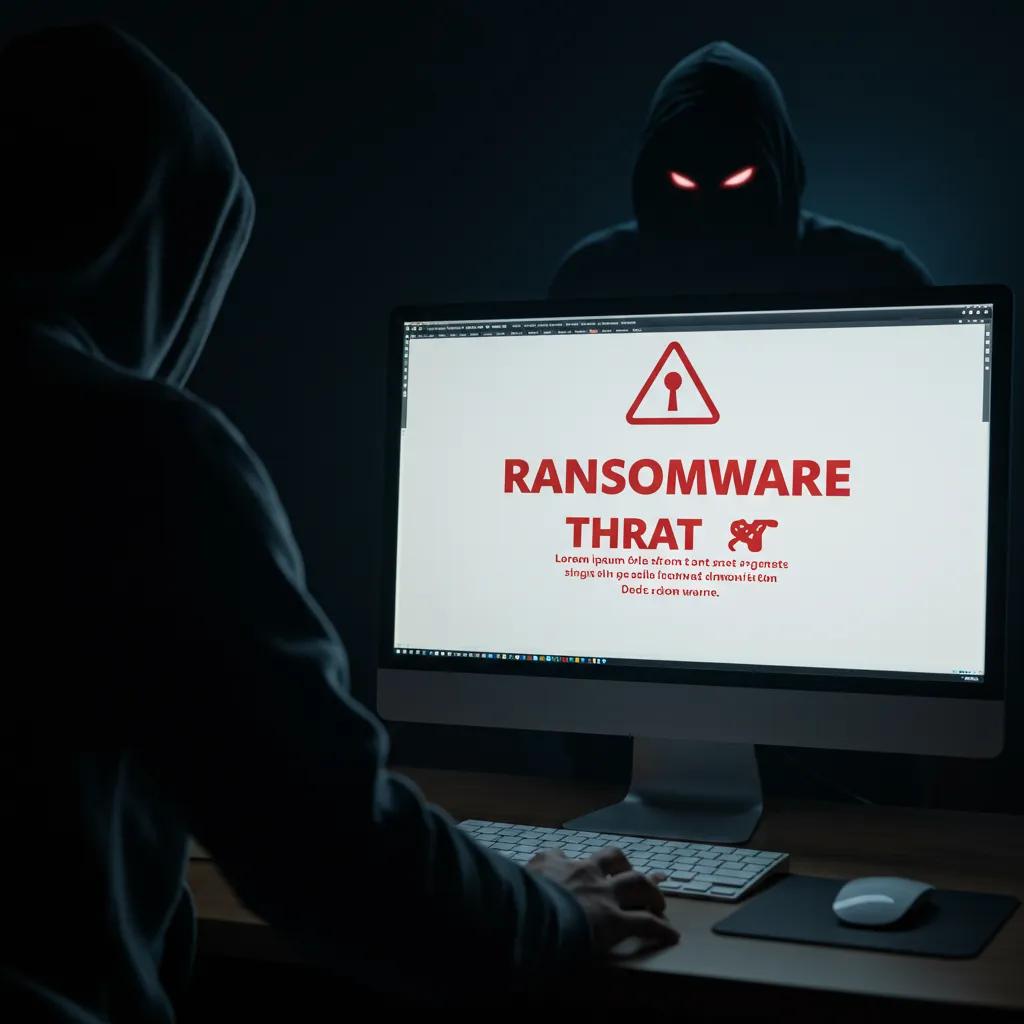
Ransomware remains a top threat by combining data encryption with extortion, often targeting organizations that cannot quickly restore operations, and attackers increasingly pair encryption with data theft for double extortion. Trend drivers include commoditization of ransomware-as-a-service, targeted attacks on high-value sectors like healthcare and finance, and extortion tactics that pressure victims to pay to avoid public data exposure. For Pakistani organizations, risk factors include limited incident readiness, reliance on legacy systems, and supply chain dependencies that magnify exposure across vendors. Understanding these dynamics clarifies why prioritized backups, segmented networks, and rapid incident response are essential first steps toward resilience.
How are phishing attacks evolving with AI technologies?
Phishing has evolved from blunt mass emails to highly personalized, AI-enhanced social engineering that can synthesize convincing messages, mimic voices, and tailor lures using publicly available profile data. Attackers use generative models to create plausible sender personas and craft spear-phishing messages that bypass basic filters and exploit human trust, increasing success rates against both individuals and privileged users. For Pakistani youth and social-media-active demographics, this means scams via messaging apps and social platforms are more convincing; defensive focus should be on verification habits and multi-factor authentication. Training and detection systems that analyze anomalies in communication patterns become the most effective countermeasures against AI-enabled phishing.
What role do supply chain attacks play in recent cyber incidents?
Supply chain attacks compromise trusted third parties—software vendors, service providers, or hardware manufacturers—to reach otherwise well-defended organizations, and they can scale impact across many victims simultaneously. Attackers exploit weak vendor controls, update mechanisms, and shared credentials to introduce malicious code or exfiltrate data, turning a single compromise into a multi-organization incident. For risk management, organizations should inventory critical suppliers, enforce least-privilege access, and require secure update practices while monitoring for anomalous vendor behavior. Adopting vendor risk assessments and contractual security obligations reduces the likelihood that a third-party breach cascades into broader operational disruption.
How Are Data Breaches Impacting Pakistan’s Businesses and Citizens?
Data breaches in Pakistan cause immediate and long-term harms by exposing personal and corporate information, disrupting services, and creating regulatory and reputational consequences for affected entities. The core mechanisms of harm include financial loss through fraud, identity theft for individuals, operational downtime for businesses, and erosion of customer trust that can persist for years. This section summarizes notable incident patterns, explains downstream impacts, outlines the legal landscape for data protection, and reviews how government agencies and incident responders typically engage after a breach. The aim is to provide concise, actionable insights for victims and organizations to limit damage and comply with reporting expectations.
What major data breach incidents have occurred in Pakistan recently?
Notable breaches affecting Pakistani entities tend to involve exposed customer records, payment information, and internal databases that attackers either publish or leverage for fraud, and these incidents highlight systemic weaknesses in access controls and data hygiene. Public accounts of breaches—shared by organizations and researchers—often reveal delayed detection, unencrypted data at rest, or exposed administrative interfaces, which together point to the need for better baseline security practices. For organizations, the immediate implications are containment, forensic analysis, user notification, and remediation; for individuals, the primary concerns are monitoring financial accounts and changing compromised credentials. An organized approach to incident investigation helps determine scope quickly and reduces the window for secondary fraud.
Intro to factual breach comparison table: The table below summarizes representative breach attributes to help readers compare affected data types, estimated operational impact, and current remediation status in a concise, comparable format.
This comparison highlights recurring exposure patterns—payment, identity, and credential data—where quick containment and transparent communication reduce further harm.
How do data breaches affect personal and corporate information security?

A breach creates immediate risks: individuals face fraud and identity theft while organizations face operational interruption and legal exposure, and the downstream effects often include credential stuffing, social engineering, and targeted scams. For individuals, priority actions include changing passwords, enabling multi-factor authentication, and monitoring financial statements for unauthorized activity. Organizations must prioritize containment, preserve forensic evidence, notify affected parties where required, and begin remediation such as patching vulnerabilities and rotating credentials. Taking these steps promptly reduces the attack surface and limits secondary exploitation that commonly follows initial breaches.
What are the current data protection laws and regulations in Pakistan?
Pakistan’s legal and regulatory framework for data protection comprises a mix of statutes and regulatory guidance that impose obligations on data controllers regarding privacy, breach notification, and certain sectoral safeguards, though implementation and enforcement continue to mature. Key obligations for organizations typically include securing personal data, implementing reasonable safeguards, and cooperating with government incident responders; gaps often remain around comprehensive national privacy legislation and consistent enforcement mechanisms. Practical compliance tips include conducting data inventories, adopting retention and encryption policies, and documenting incident response plans to demonstrate due diligence. Strengthening these controls aligns with broader international expectations and reduces cross-border compliance risk.
How is the Pakistani government responding to data breach incidents?
Government responses typically involve issuing alerts, coordinating investigations through national computer emergency response teams, and offering guidance to organizations and citizens to contain harm while preserving evidence for remediation and possible prosecution. Agencies such as national CERT bodies play central roles in technical coordination, sharing indicators of compromise, and advising on containment steps; law enforcement units may investigate criminal aspects. To provide timely context and follow-up coverage, ARY News regularly reports on incident developments, advising affected parties and highlighting official guidance. Organizations engaging with authorities should document actions, follow public guidance, and maintain transparent communication to restore trust while investigations proceed.
What Are Effective Strategies to Prevent and Recover from Ransomware Attacks?
Preventing and recovering from ransomware requires a layered approach combining technical controls, robust backups, and practiced incident response processes that minimize both likelihood and impact of compromise. The most effective defenses focus on removing common infection vectors, hardening access for privileged accounts, and maintaining reliable, isolated backups to enable restoration without paying ransoms. Recovery planning must balance speedy containment, forensic investigation, legal considerations, and transparent stakeholder communication to preserve operations and trust. Below are practical comparisons of common preventive and recovery measures and a stepwise recovery roadmap for incident handling.
Intro to prevention/recovery comparison table: The following table compares common measures by approximate cost/complexity and effectiveness to help organizations prioritize investments.
This comparison underscores that combinations of measures deliver the best protection: backups plus EDR and segmentation materially reduce both downtime and extortion leverage.
How does ransomware spread and what are common attack vectors?
Ransomware typically enters environments via phishing links, insecure remote access protocols (like exposed RDP), unpatched software vulnerabilities, and compromised vendor credentials; after entry, attackers escalate privileges and propagate laterally. Post-compromise behavior often includes discovery of backups and exfiltration of sensitive data before encryption, enabling extortion even if restoration is possible. Early indicators of compromise include unusual authentication patterns, sudden file-access anomalies, and unexpected outbound network traffic. Recognizing these red flags and isolating infected systems quickly prevents spread and preserves forensic evidence for recovery and possible legal action.
What prevention and mitigation techniques can individuals and businesses use?
A prioritized prevention checklist for organizations includes patch management, multi-factor authentication for all privileged access, regular tested backups kept offline, endpoint detection and response, and staff training focused on social engineering resilience. For resource-limited organizations, focus first on backups, strong password and MFA policies, and basic network segmentation to contain breaches; larger enterprises should add EDR, threat hunting, and robust vendor risk programs. Individuals should enable MFA, keep devices updated, and avoid reusing passwords across sites to reduce account takeover risk. Regular tabletop exercises and incident drills ensure people and processes function under pressure, improving response speed when incidents occur.
- Key baseline controls for organizations include patching, MFA, and tested backups.
- Advanced detection relies on EDR, logging, and security operations capability.
- User awareness programs reduce the probability of successful phishing and credential compromise.
These measures work together: technical controls reduce exposure while human-focused defenses lower the chance of initial compromise.
How can organizations recover from ransomware incidents?
Recovery begins with immediate containment—isolating infected hosts and disconnecting affected segments—followed by securing evidence for forensic analysis to determine root cause, scope, and whether data exfiltration occurred. Next steps include restoring from verified offline backups, validating system integrity before rejoining networks, communicating transparently with stakeholders, and notifying regulators if required under applicable laws. When external help is needed, engage experienced incident response firms and law enforcement; decisions about ransom payments should involve legal counsel and consider long-term consequences. Post-incident, organizations must remediate vulnerabilities, update playbooks, and conduct follow-up audits to reduce recurrence.
How Is AI Shaping Emerging Cyber Threats and Cybersecurity Defenses?
AI has a dual role in cybersecurity in 2025: it accelerates attackers’ ability to find and exploit weaknesses while also enabling defenders to detect anomalies and automate response at scale. This symmetry creates an arms race where generative models power convincing deception campaigns and automated exploit discovery, and defenders use machine learning for behavioral detection, prioritized alerts, and orchestration. Understanding both sides helps organizations adopt AI tools carefully and maintain human oversight where false positives or adversarial manipulation are concerns. The following subsections outline AI-powered attack types, defensive AI use-cases, and near-term trends shaping the cyber landscape.
What are AI-powered cyberattacks and their implications?
AI-powered attacks include automated spear-phishing campaigns that craft personalized lures, deepfake-enabled impersonation for fraud, and machine-assisted vulnerability discovery that accelerates zero-day exploitation. These capabilities increase attack scale and sophistication, lowering the bar for less-skilled threat actors to execute high-impact operations. The implications extend to higher success rates for social-engineering fraud, faster exploitation windows for defenders, and increased difficulty in attributing operations. Organizations must therefore assume attackers can personalize lures at scale and strengthen verification procedures and automated detection tuned for subtle anomalies.
How is AI being used to enhance cybersecurity defenses?
Defensive AI applications include anomaly detection that flags behavioral deviations, SOAR (security orchestration, automation, and response) playbooks that reduce time-to-contain, and predictive prioritization that helps security teams allocate scarce resources efficiently. These tools can reduce mean time to detect and respond by automating routine triage and correlating signals across endpoints and network telemetry. However, effective deployment requires high-quality telemetry, continuous model tuning, and human review to avoid blind spots and adversarial manipulation.
Combining AI-driven detection with human expertise yields stronger, more resilient defenses.
What future trends are expected in AI and cyber warfare?
Near-term trends point to an AI arms race where attackers and defenders iterate rapidly on automation and deception techniques, regulatory attention on AI-generated content increases, and demand grows for workforce upskilling in AI-aware security practices. Organizations will need governance frameworks to manage model risks, adversarial testing programs, and cross-sector collaboration to share indicators and defensive playbooks. Investment in talent and continuous training becomes a strategic priority as AI reshapes both offensive tactics and defensive operations. These shifts make public-private cooperation and adaptable policy frameworks more important for national resilience.
What Online Scams and Cybercrime Threats Are Targeting Pakistani Users?
Pakistani users face a range of scams tailored to local payment behaviors and popular communication channels, including SIM-swap fraud, social-media scams, fake job offers, and marketplace fraud that exploit trust on messaging apps and social platforms. Attackers leverage both technical tricks and social manipulation, often targeting younger demographics active on social networks with offers and impersonation tactics. This section lists common scams, provides clear protection steps for everyday users, and explains how to report cybercrime using national channels, ensuring victims can act quickly to limit harm and help authorities trace perpetrators.
Which phishing and social engineering scams are most common in Pakistan?
Common scams include payment fraud via fake merchant pages, SIM-swap attacks that hijack authentication flows, and romance or job scams that coerce victims into sending money or sharing credentials; attackers often use WhatsApp, SMS, and social platforms to reach targets. Demographics most at risk include young social-media users and buyers on informal online marketplaces who may prioritize convenience over verification. Practical red flags include unsolicited requests for verification codes, pressure to move conversations off-platform, and unusual payment demands. Recognizing these indicators and pausing before responding reduces success rates for common social engineering ploys.
How can users protect themselves from online financial fraud?
Everyday protection steps focus on strong authentication, vigilance during transactions, and cautious handling of unsolicited messages; enabling multi-factor authentication and banking alerts reduces the risk of unauthorized transactions. Users should verify payment requests independently, avoid sharing one-time codes, and use reputable payment channels rather than ad-hoc transfers for purchases. If fraud is suspected, immediately report to your bank and change associated credentials while documenting communications for investigators. Consistent habits—unique passwords, MFA, and transaction verification—are the most effective defenses for individuals.
- Enable multi-factor authentication on all financial and social accounts.
- Use transaction alerts and review account activity frequently.
- Verify seller and job offers independently before sending funds or personal data.
These habits lower the likelihood of successful fraud and speed recovery when incidents occur.
What are the reporting mechanisms for cybercrime in Pakistan?
Reporting channels include national computer emergency response teams and police cyber units that accept incident reports and coordinate technical and criminal investigations, and effective reports require clear documentation such as timestamps, message content, and transaction details. Victims should gather screenshots, bank statements, and any communication logs to support investigations and submit them to the appropriate authority promptly. Expect that agencies will triage and potentially share indicators with other organizations to mitigate further harm; follow-up may require additional details as investigations proceed. Clear, timely reporting helps authorities build cases and issue broader public warnings that protect others.
Intro to reporting checklist list:
- Collect evidence: Save messages, transaction receipts, and screenshots without altering timestamps.
- Notify financial institutions: Report suspicious transactions immediately to banks or payment providers.
- File a formal report: Provide documented details to national CERT or police cyber units for investigation.
Acting quickly improves recovery outcomes and helps authorities disrupt scam operations.
How Are Critical Infrastructure and Essential Services Protected from Cyberattacks in Pakistan?
Protecting critical infrastructure—energy, telecom, water, and transport—requires sector-specific controls, coordinated incident response, and strong public-private collaboration to reduce operational risk and safeguard public safety. Challenges include legacy industrial control systems (ICS) with limited modern cybersecurity features, interdependencies between service providers, and the national imperative to balance availability with security. This section analyzes sector vulnerabilities, ICS security practices, and collaborative mechanisms that improve resilience, providing recommended priorities for operators and policymakers to reduce systemic risk.
What cybersecurity challenges face Pakistan’s energy and telecom sectors?
Energy and telecom sectors confront threats that can disrupt service availability and public safety, including targeted intrusions against control systems, denial-of-service attacks against critical nodes, and supply chain compromise of vendor equipment. Operational constraints such as aging ICS components and limited patch windows complicate remediation and increase the appeal of attackers seeking high-impact targets.
Mitigation steps include network segmentation between IT and OT environments, rigorous access controls, and continuous monitoring for anomalous activity. Strengthening these controls reduces the chance that a single incident cascades into widescale service outages.
How is Industrial Control System security managed locally?
ICS/SCADA security management emphasizes specialized monitoring, strict change control, and vendor collaboration to ensure safety and availability, combining technical safeguards with operator training and incident drills. Key practices include isolating control networks from internet-facing infrastructure, applying compensating controls where patching is infeasible, and maintaining secure remote access protocols for maintenance activities. Coordination between operators and national incident response bodies helps authorities prioritize protective measures and share indicators that reduce exposure across similar facilities.
Building local expertise and implementing sectoral standards improves detection and recovery capabilities.
What collaborations exist between government and private sectors for infrastructure security?
Collaborations range from information-sharing arrangements and joint exercises to technical assistance programs that help operators prepare for incidents and align on best practices, and these partnerships strengthen national situational awareness.
Effective models include coordinated threat intelligence exchanges, public-private response playbooks, and combined training that simulate real-world attack scenarios to test readiness.
Organizations can engage with sector forums and voluntary sharing networks to access timely alerts and mitigation advice.
Such cooperation improves collective resilience and reduces the probability that isolated vulnerabilities will escalate into national-level incidents.
What Are the Latest Cybersecurity Policies and Government Initiatives in Pakistan?
National cybersecurity policy and ongoing government initiatives shape resilience by setting priorities for capacity-building, incident response, and international cooperation, and they influence how organizations prepare and report.
This section outlines policy aims, the functional role of national CERTs, and the effect of international partnerships on local readiness, offering practical steps businesses can take to align with evolving expectations. Summaries below focus on the policy objectives most relevant to organizational planning and citizen protection.
What is Pakistan’s National Cybersecurity Policy and its key objectives?
The national policy framework typically emphasizes resilience, capacity-building, protection of critical infrastructure, public awareness, and improved incident response to reduce national exposure to cyber threats and align with international norms. For businesses, policy implications often translate into expectations for stronger governance, incident reporting, and cooperation with national authorities during investigations.
Practical steps include aligning internal policies with national objectives, documenting security controls, and participating in sectoral preparedness initiatives. Clear policy direction accelerates private-sector investment in security and clarifies roles during incidents.
What role does CERT-Pak play in national cybersecurity?
CERT-Pak and equivalent national incident response bodies provide alerts, coordinate technical responses, publish guidance, and serve as a clearinghouse for indicators of compromise that help organizations detect and mitigate threats more quickly. They offer advisory services, publish advisories on vulnerabilities and mitigation steps, and can help route incident reports to relevant authorities; organizations benefit from subscribing to official alerts and participating in information-sharing.
Using CERT resources improves detection speed and provides authoritative guidance during containment and recovery phases.
Engaging proactively with national CERTs strengthens overall national cyber hygiene.
How does international cooperation influence Pakistan’s cybersecurity landscape?
International cooperation brings training, intelligence sharing, incident support, and best-practice transfer that enhance local capacity and response effectiveness, and such partnerships often accelerate adoption of modern defensive techniques.
Collaborative programs can provide technical assistance, joint exercises, and frameworks for cross-border investigation that are especially valuable when attacks originate outside national boundaries.
For organizations, these partnerships often translate into access to shared threat intelligence feeds and recommended practices adapted from global experience.
Continued international engagement elevates national readiness and supports a coordinated response to transnational cybercrime.
To provide timely and comprehensive news and current affairs coverage, keeping the audience informed and engaged with diverse content. ARY News encourages readers to follow ongoing developments in the Technology section for updates on policy changes and incident reporting.
- Publisher note: To provide timely and comprehensive news and current affairs coverage, keeping the audience informed and engaged with diverse content. ARY News plans to expand Technology coverage and a future Cybersecurity hub to aggregate live incident reports, practical guidance, and policy tracking for readers seeking ongoing updates.
This article integrates practical guidance, sector analysis, and reporting pathways to help readers reduce risk and respond effectively when incidents occur.
Conclusion
Understanding the evolving landscape of cybersecurity threats is crucial for individuals and organizations alike, as it empowers them to take proactive measures against potential risks. By staying informed about ransomware trends, phishing tactics, and data breach impacts, readers can enhance their defenses and mitigate harm effectively. We encourage you to explore our comprehensive resources and stay updated on the latest developments in cybersecurity. Together, we can build a safer digital environment for everyone.