Disease Prevention Strategies: Your Comprehensive Guide to Staying Healthy
Disease prevention is the set of practices, policies, and personal actions that reduce the chance of getting ill, slow progression when illness occurs, and protect communities from outbreaks. By combining healthy habits, immunization, preventive screenings, and coordinated public health campaigns, individuals and societies reduce morbidity, preserve quality of life, and lower healthcare costs. This guide explains how primary, secondary, and tertiary prevention work, details lifestyle measures that lower risk for non-communicable diseases, clarifies the role of vaccinations and screening, and outlines hygiene and public health tactics that control infectious threats. Many readers struggle to translate broad guidance into practical steps for daily life; this article delivers clear actions, evidence-based rationales, and local context to help you act. You will find actionable checklists for nutrition, exercise, sleep and stress management, EAV comparison tables for diets, vaccines and screenings, and concise lists designed for featured-snippet-style answers to common prevention questions. Read on to learn practical, research-aligned strategies you can adopt and how news and public campaigns shape prevention efforts.
What Are the Most Effective Disease Prevention Strategies?
Disease prevention rests on three complementary approaches—preventing disease occurrence, detecting disease early, and reducing the impact of established illness—each delivering measurable public-health benefits. Primary prevention removes or reduces risk factors (for example, vaccination and healthy diets), secondary prevention detects disease at a treatable stage (screening and early treatment), and tertiary prevention minimizes disability after diagnosis (rehabilitation and chronic disease management). Combining individual-level actions (like quitting tobacco) with system-level measures (like vaccination drives and sanitation) produces the greatest reduction in disease burden and cost. The most effective strategies are evidence-based, scalable, and adaptable to local contexts, which supports both personal choices and public policy interventions.
- Vaccination programs that stimulate immunity and reduce transmission at population scale.
- Healthy lifestyle adoption—balanced diet, regular physical activity, sleep and stress management—that lowers risk of NCDs.
- Routine preventive screenings that detect disease early when interventions are most effective.
- Hygiene and infection control measures, including handwashing and safe food/water practices to interrupt transmission.
- Public health policies and campaigns—coverage expansion, surveillance, and community outreach—that change environments and behavior.
These strategies work synergistically: vaccination lowers infection risk while screenings and healthy habits reduce chronic disease, and together they strengthen community resilience. Understanding these strategies leads naturally to an examination of the three levels of prevention in more detail.
What Are the Three Levels of Disease Prevention?
Primary prevention aims to stop disease before it starts by removing risk exposures or enhancing resistance; common examples include immunization, tobacco taxes, and health education. Primary measures reduce incidence and protect whole populations, as seen when high vaccine coverage prevents outbreaks and when healthy-eating campaigns reduce population-level cholesterol.
Secondary prevention focuses on early detection through screening and prompt treatment—examples include blood pressure measurement and cancer screening programs that catch disease at earlier, more treatable stages.
Tertiary prevention reduces the impact of established disease through rehabilitation, chronic disease management, and support services that improve function and quality of life. Each level complements the others, and effective public health planning layers primary, secondary, and tertiary interventions to maximize population health.
How Do Healthy Lifestyle Choices Reduce Disease Risk?

Healthy lifestyle choices lower disease risk through biological and behavioral mechanisms that reduce exposure to risk factors and strengthen physiological resilience. For example, regular physical activity improves insulin sensitivity and cardiovascular fitness; a nutrient-dense diet lowers blood lipids and inflammatory markers; quality sleep supports hormonal balance and immune function; and stress management reduces chronic sympathetic activation linked to hypertension and metabolic disorders. These mechanisms translate into fewer new cases of diabetes, heart disease, and some cancers when adopted at scale. Practical, culturally adapted interventions such as cooking workshops, community exercise groups, and workplace stress programs help people implement sustainable changes and maintain them over time.
Why Is Vaccination Crucial for Preventing Infectious Diseases?
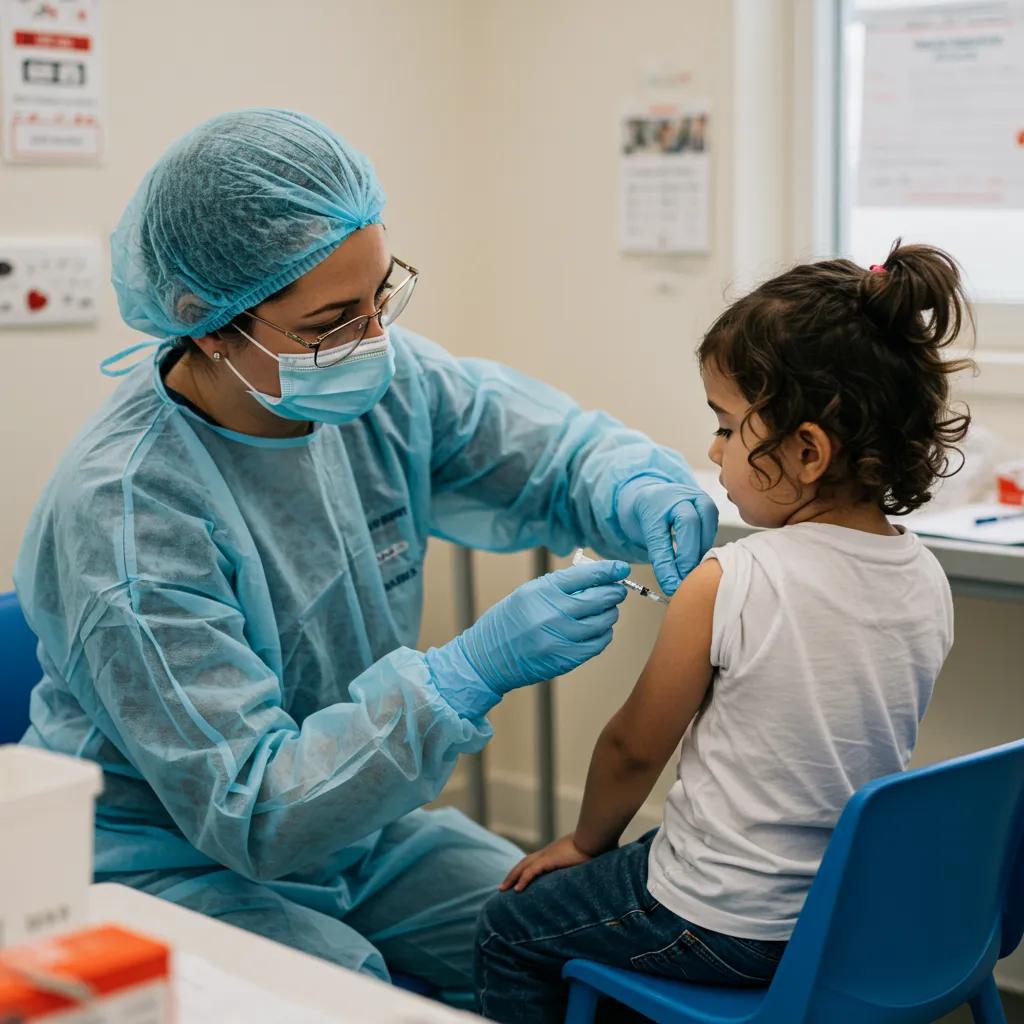
Vaccination primes the immune system to recognize and neutralize pathogens before they cause disease, and high population coverage reduces transmission through herd immunity. Vaccines therefore protect vaccinated individuals and also lower the chance of outbreaks by reducing the pool of susceptible people, a mechanism that has eliminated or greatly reduced many infectious diseases worldwide. In Pakistan, targeted vaccination campaigns have been central to reducing polio cases and controlling other vaccine-preventable diseases, demonstrating how immunization campaigns alter disease dynamics. Understanding vaccine mechanisms and community benefits clarifies why maintaining and improving coverage remains a public-health priority.
AI in Disease Surveillance and Prevention: A Public Health Strategy Review
This study examines the role of artificial intelligence in disease surveillance and prevention, highlighting its applications, benefits, challenges, and future implications in public health strategies. A descriptive analysis method was employed to review recent advancements in AI-driven disease surveillance and prevention. Peer-reviewed articles, government reports, and public health databases from 2020 to 2025 were analyzed to assess AI applications, predictive modeling techniques, and ethical considerations. Key themes explored included AI-driven outbreak prediction, real-time data analytics, wearable health monitoring, natural language processing in public health, and AI-enhanced vaccination strategies. The study also evaluated the challenges related to data privacy, algorithmic bias, regulatory frameworks, and AI integration with existing health infrastructure. The findings indicate that AI has significantly improved the efficiency, accuracy, and scalability of disea
The Future of Public Health: Integrating Artificial Intelligence in Disease Surveillance and Prevention, 2024
Public health campaigns change behavior, increase awareness, and mobilize resources by combining evidence-based messaging, community outreach, and policy levers to achieve measurable outcomes. Campaigns may use media, school programs, health-worker outreach, and community events to promote vaccination, tobacco cessation, sanitation, and screening uptake. When campaigns are data-driven and locally tailored they increase uptake among high-risk groups and reduce health disparities. Measuring campaign impact through coverage rates and outcome surveillance ensures that successful approaches are scaled and that improvements feed back into policy planning.
For readers seeking timely reporting on prevention efforts and health policy developments, ARY News plays a role in amplifying these public-health messages. To provide timely and comprehensive news and current affairs coverage, keeping the audience informed and engaged with diverse content. ARY News reports on preventive measures, local vaccination drives, and public health campaigns to help citizens understand evolving guidance and how to access resources. This newsroom coverage supports public awareness and complements official public health outreach by documenting campaign progress and community responses.
How Can a Healthy Lifestyle Help in Disease Prevention?
A healthy lifestyle reduces disease risk by modifying metabolic, cardiovascular, and immune pathways that drive non-communicable and infectious disease susceptibility. Nutrition provides the substrates and micronutrients needed for cellular repair and immune competence, physical activity improves cardiometabolic markers, sleep consolidates restorative processes, stress reduction lowers harmful hormonal signaling, and avoiding harmful substances prevents direct organ damage. Together these behaviors reduce the incidence and severity of heart disease, diabetes, stroke, and some cancers, while improving resilience to infections. The next subsections break down nutrition, activity, sleep, stress, and substance-avoidance into practical, evidence-aligned actions you can start implementing.
What Are the Best Nutrition Practices for Disease Prevention?
Good nutrition emphasizes whole foods, diversity of plant-based choices, healthy fats, lean protein, and limited processed foods and added sugars to lower risk of cardiovascular disease, diabetes, and some cancers. Practical steps include increasing vegetables and legumes, choosing whole grains rather than refined options, using plant oils instead of trans fats, and moderating portion sizes to maintain healthy weight. Culturally relevant meal patterns that adapt local cuisine—such as incorporating lentils, vegetables, and whole-grain roti—provide sustainable ways to improve nutrient intake. These dietary shifts reduce inflammation, improve lipid profiles, and support glucose control, which together lower long-term disease risk.
Before reviewing the comparative diet table below, note that dietary patterns should be personalized based on health conditions, preferences, and access; small, consistent changes deliver measurable benefits over months.
This comparison shows that prioritizing whole, minimally processed foods and healthy fats yields consistent benefits across populations and can be adapted to local culinary traditions to maximize adherence.
How Does Regular Physical Activity Lower Disease Risk?
Regular physical activity protects against cardiovascular disease, type 2 diabetes, obesity, and declines in functional capacity by improving cardiorespiratory fitness, muscle strength, and metabolic health. Recommended activity includes a combination of aerobic exercise, strength training, and flexibility work adapted to age and ability, which together lower blood pressure, improve insulin sensitivity, and support healthy body composition. For busy individuals, short bouts of moderate activity accumulated across the day can deliver substantial benefit, and youth-focused programs that use sports and social media can increase participation among younger people. Building regular activity into daily routines—walking, active commuting, or structured classes—creates sustainable habits that reduce long-term disease risk.
Why Is Quality Sleep Important for Preventive Health?
Sleep supports immune function, hormonal regulation, memory consolidation, and metabolic balance, and chronic poor sleep increases risk for hypertension, diabetes, and mood disorders. Adults who maintain regular sleep schedules, prioritize 7–9 hours of restorative sleep, and practice sleep hygiene (dark, cool environment; reduced screen time before bed) show better glucose regulation and lower inflammatory markers. Improving sleep quality often amplifies the benefits of diet and exercise by restoring energy and lowering stress, making sleep a foundational prevention strategy. Addressing sleep problems early—through behavioral changes or clinical evaluation when needed—prevents deterioration that can otherwise amplify chronic disease risk.
How Can Stress Management Improve Mental Health and Prevent Disease?
Chronic stress activates hormonal pathways that elevate blood pressure, impair glucose metabolism, and worsen inflammatory profiles, linking stress to higher risk of cardiovascular and metabolic disease. Evidence-based stress-reduction techniques include mindfulness practice, brief cognitive-behavioral approaches, regular physical activity, and strengthening social support, each of which lowers physiological stress responses and improves coping. Community-level programs and workplace interventions that teach stress-management skills increase reach and normalize help-seeking behavior. Recognizing when stress symptoms interfere with daily life and seeking professional support early preserves mental health and reduces the downstream risk of chronic physical illness.
What Harmful Substances Should Be Avoided to Prevent Disease?
Avoidance of tobacco and reduction of exposure to secondhand smoke are among the single most powerful measures to prevent cancer, cardiovascular disease, and respiratory illness, and limiting excessive alcohol and illicit drug use reduces injury and long-term organ damage. Environmental exposures such as indoor air pollution and contaminated water also raise infectious and chronic disease risks, making policy and household-level mitigation important. Cessation strategies that combine pharmacologic and behavioral support increase quit rates, and public policies—taxation, advertising limits, and smoke-free laws—reduce uptake at the population level. Preventing exposure to harmful substances protects both individual health and community well-being.
What Is the Importance of Vaccinations in Disease Prevention?
Vaccinations remain one of the most cost-effective tools in public health because they prevent disease, reduce transmission, and avert severe outcomes at scale through immune priming and population-level herd effects. Vaccines target specific pathogens and are typically deployed via childhood schedules, targeted adult immunizations (influenza, tetanus boosters), and outbreak-response campaigns that quickly raise immunity in affected areas. Safety monitoring and surveillance ensure vaccine effectiveness and identify rare adverse events, while clear communication improves uptake. In Pakistan and globally, sustained vaccination efforts have driven down disease incidence and prevented countless hospitalizations.
Vaccination benefits can be summarized succinctly as immediate personal protection, reduced community transmission, prevention of complications, and long-term disease control through herd immunity.
Below is a practical EAV-style table listing essential vaccines relevant to Pakistan along with target disease categories and generalized timing descriptors to guide planning and discussion with healthcare providers.
This table highlights vaccine targets and timing in general terms; specific schedules and eligibility are determined by national guidelines and health providers, and readers should consult local health services for precise timing.
Vaccination: A Cornerstone of Public Health Achievements and Disease Prevention
Vaccination stands as one of the top 10 great public health achievements of the last century. It has made significant strides in eliminating and controlling various vaccine-preventable diseases, as evidenced by the reduction in morbidity, mortality, and disability caused by these diseases [1,2]. A notable illustration is the use of vaccines as a crucial measure to mitigate the COVID-19 pandemic in the past 3 years [3,4]. A previous study analyzed the economic advantages of vaccination against 10 diseases across 73 countries from 2001 to 2020. It reported that vaccinations have prevented over 20 million deaths and saved approximately US $350 billion in disease costs [5]. A modeling study examined the health implications of vaccination against 10 pathogens across 98 countries from 2000 to 2030. It revealed that vaccinations have prevented 69 million deaths [6].
Community engagement in vaccination promotion: systematic review and meta-analysis, YJ Xie, 2024
ARY News reports on Pakistan’s vaccine schedules and national vaccination drives as part of its mission. To provide timely and comprehensive news and current affairs coverage, keeping the audience informed and engaged with diverse content. By documenting campaign rollouts, coverage gaps, and community responses, ARY News helps translate public-health updates into actionable information for readers while amplifying messages that increase vaccine uptake.
How Do Preventive Screenings and Early Detection Save Lives?
Preventive screenings identify disease in asymptomatic stages when interventions are most effective, thereby lowering mortality, reducing treatment intensity, and improving long-term outcomes. Early detection of hypertension, diabetes, dyslipidemia, and certain cancers enables lifestyle and medical interventions that prevent progression to advanced disease. Population screening programs and opportunistic testing in clinical encounters both contribute to earlier treatment, and tailoring screening frequency to risk profile maximizes benefit while minimizing harms.
What Are the Recommended Screenings for Chronic Diseases?
Core screening tests include blood pressure measurement, blood glucose or HbA1c for diabetes risk, lipid profiles for cardiovascular risk, and age- and risk-based cancer screening such as breast and cervical screening. These tests detect early, modifiable stages of disease—elevated blood pressure, prediabetes, dyslipidemia, or precancerous lesions—so that timely treatment can halt progression. Access and affordability influence uptake, so community screening events and primary-care integration are key strategies to increase coverage.
Below is a compact comparison table summarizing common screening tests, typical frequency guidance, and what each test detects.
How Often Should You Get Health Screenings?
Screening frequency depends on age, personal and family medical history, and known risk factors; standard practice emphasizes more frequent checks for those with higher baseline risk. For example, blood pressure is typically checked at least annually in adults and more often for people with elevated readings, while lipid and glucose testing follows intervals guided by baseline results and risk assessment. Cancer screening schedules are set by national guidelines and should be individualized in consultation with a healthcare provider based on personal risk. Regular primary-care visits provide opportunities to personalize screening frequency and ensure timely follow-up of abnormal results.
What Are the Signs That Indicate the Need for Early Testing?
Certain symptoms and risk markers should prompt immediate testing rather than waiting for routine screening—examples include unexplained weight loss, persistent cough, new lumps, repeated high blood-pressure readings, or symptoms suggestive of hyperglycemia such as excessive thirst. Risk markers like family history of early-onset disease, tobacco use, obesity, and previous abnormal screens also indicate the need for earlier or more frequent testing. Prompt evaluation of red-flag signs increases the chance of diagnosing treatable conditions at an earlier stage and prevents avoidable progression to severe disease. Acting quickly on warning signs connects patients to timely care and reduces long-term burden.
How Can Screenings Reduce the Burden of Non-Communicable Diseases?
Screenings shift diagnosis earlier in the disease course, enabling lower-intensity interventions that reduce hospitalizations, complications, and healthcare costs at the population level. For example, early detection of hypertension and dyslipidemia allows simple pharmacologic and lifestyle measures that prevent heart attacks and strokes, and cervical screening catches precancerous lesions before invasive cancer develops. Well-implemented screening programs therefore improve survival, enhance quality of life, and concentrate resources on prevention rather than expensive late-stage treatment. Policy investments in screening infrastructure and public awareness campaigns amplify these benefits across communities.
What Are the Best Tips for Preventing Chronic Diseases?
Preventing chronic diseases relies on a set of consistent, evidence-based lifestyle practices combined with routine monitoring and early intervention. Diet, physical activity, weight management, blood-pressure control, tobacco cessation, and mental-health maintenance each contribute measurable reductions in heart disease, diabetes, and stroke risk. Integrating these habits into daily life—through meal planning, regular movement, stress management, and periodic health checks—creates durable protection against chronic illness. The following subsections provide practical, actionable steps you can use to lower long-term disease risk.
How Can Diet Help Prevent Heart Disease and Diabetes?
A diet rich in fiber, unsaturated fats, vegetables, legumes, and whole grains while low in processed foods, added sugars, and excessive salt reduces cardiovascular and metabolic risk. Specific swaps—replacing refined grains with whole grains, choosing legumes and fish instead of processed meats, and flavoring with herbs rather than excess salt—support better lipid and glucose control. A weekly sample plan that balances local meals with portion moderation helps make change sustainable and culturally relevant. Consistent dietary improvement reduces long-term incidence of heart disease and diabetes and complements other preventive measures such as exercise and weight management.
What Role Does Physical Activity Play in Chronic Disease Prevention?
Regular physical activity lowers blood pressure, improves insulin sensitivity, aids weight control, and reduces systemic inflammation, which together reduce the risk of heart disease and type 2 diabetes. Aim for a combination of aerobic exercise and strength training across the week, with adjustments for age, ability, and local constraints. For many people, integrating movement into daily life—taking stairs, active commuting, or short exercise sessions—makes sustained activity more achievable. Embedding physical activity in social settings, schools, and workplaces increases adherence and helps normalize healthy movement across populations.
How Can Lifestyle Modifications Lower Hypertension Risk?
Reducing sodium intake, maintaining a healthy weight, increasing physical activity, and limiting harmful substance use are measurable steps that lower blood pressure and hypertension risk. Targets such as modest weight loss and salt reduction produce clinically meaningful blood-pressure reductions, while regular monitoring helps track progress. Behavioral programs that layer dietary coaching, activity planning, and stress reduction are especially effective for sustained blood-pressure control. Combining individual behavior change with policy measures—such as lower-sodium food reformulation—amplifies impact at population scale.
Why Is Mental Health Important in Preventing Chronic Illness?
Mental health strongly influences behaviors that affect physical health—chronic stress and depression are linked to poor diet, inactivity, and reduced adherence to medical care, which in turn increase chronic disease risk. Prioritizing mental well-being through social support, accessible counseling, stress-reduction techniques, and early treatment reduces these downstream effects. Community programs that destigmatize mental-health care and integrate psychological support into chronic-disease prevention enhance overall outcomes. Seeking professional help when mental health interferes with daily functioning preserves both emotional resilience and physical health.
How Can Infectious Disease Control and Hygiene Prevent Illness?
Infectious disease control combines personal hygiene practices, environmental sanitation, targeted prophylaxis, and system-level measures such as surveillance and contact tracing to interrupt transmission and protect communities. Simple behaviors—proper handwashing, respiratory etiquette, and safe food handling—block common transmission pathways, while public-health interventions such as isolation, vaccination campaigns, and sanitation infrastructure tackle spread at scale. Antibiotic stewardship prevents the rise of resistant organisms that complicate treatment, and appropriate use of prophylaxis protects high-risk exposures. The subsections below present practical hygiene steps, an explanation of core public-health control measures, and the role of antibiotic resistance in prevention.
What Are Effective Hygiene Practices to Stop Disease Spread?
Effective hygiene practices include regular handwashing with soap and water for at least 20 seconds, using alcohol-based hand rubs when soap is unavailable, practicing respiratory etiquette (covering coughs/sneezes), safe food preparation, and ensuring clean water for consumption. Surface cleaning in shared spaces during outbreaks and avoiding close contact when symptomatic reduce transmission risk. For food- and water-borne illnesses, proper cooking, safe storage, and boiling or treating water as needed are critical. These straightforward measures provide immediate protection for individuals and reduce community-level transmission when practiced widely.
- Wash hands frequently with soap and water, especially before eating and after using the restroom.
- Cover coughs and sneezes, and stay home when ill to prevent spreading infections to others.
- Ensure food safety through proper cooking, storage, and avoiding cross-contamination.
How Do Public Health Measures Control Infectious Diseases?
Public health measures—surveillance, contact tracing, quarantine/isolation, vaccination campaigns, and sanitation—work together to detect cases early, interrupt transmission chains, and protect vulnerable populations. Surveillance identifies unusual trends that trigger rapid response, contact tracing finds exposed individuals for timely testing or isolation, and targeted vaccination raises community immunity. Community compliance and trust in public-health messaging are essential for these interventions to succeed, and clear, consistent communication enhances adherence. Effective application of these measures has repeatedly controlled outbreaks and limited their societal impact.
What Role Do Antibiotic Resistance and Prophylaxis Play in Prevention?
Antibiotic resistance emerges when antibiotics are overused or misused, reducing the effectiveness of treatments and increasing the risk of untreatable infections; stewardship programs promote appropriate prescribing and public education to minimize this risk. Prophylaxis—selective preventive use of antibiotics in defined high-risk situations—can prevent specific infections but must be applied judiciously to avoid driving resistance. Public messaging on completing prescribed courses, avoiding self-medication, and reserving antibiotics for confirmed bacterial infections reduces misuse. Policy-level stewardship, diagnostic support, and surveillance together preserve antibiotic efficacy as a critical prevention tool.
What Public Health Initiatives in Pakistan Promote Disease Prevention?
Pakistan’s public health landscape includes national vaccination campaigns, maternal and child health initiatives, anti-tobacco and nutrition programs, and sanitation and hygiene drives that aim to reduce both infectious and non-communicable disease burdens. These initiatives combine outreach, community engagement, and policy measures to increase uptake of preventive services and change health behaviors across diverse populations. Partnerships between government, NGOs, and media amplify messages and extend reach into hard-to-reach communities. The subsections below highlight vaccination campaigns, awareness programs, the role of AI-enhanced reporting, and ways youth can engage with prevention efforts.
How Do National Vaccination Campaigns Improve Community Health?
National vaccination campaigns increase coverage quickly and target gaps in routine immunization by combining fixed-site services with mobile outreach and mass-media mobilization, thereby achieving high levels of immunity that prevent outbreaks. Campaign logistics include cold-chain management, community mapping, and targeted messaging to reach underserved areas, and documented outcomes show reductions in disease incidence where campaigns reach high coverage. Challenges such as access barriers and hesitancy are addressed through community engagement and trusted local partners. Successful campaigns therefore translate planning and logistics into measurable gains in population health.
What Are Key Public Health Awareness Programs in Pakistan?
Key awareness programs address maternal and child health, nutrition, anti-tobacco efforts, sanitation and hygiene promotion, and chronic-disease prevention through school and community interventions. These programs use a mix of mass media, community health workers, and targeted outreach to reach different audiences, including rural populations and urban youth. Measuring program impacts—such as improved immunization coverage or reduced tobacco use—supports adaptation and scale-up of successful approaches. Coordinated programs that link prevention messaging with accessible services maximize the likelihood that awareness translates into action.
How Is AI Used to Enhance Disease Prevention Reporting?
AI tools assist newsrooms and public-health agencies by accelerating data analysis, detecting trends in outbreaks, personalizing health messaging, and enabling faster reporting of emerging threats; these capabilities improve situational awareness and public responsiveness. In the newsroom context, AI helps sift large datasets, identify signals worthy of investigation, and tailor content to audience segments, enhancing the timeliness and relevance of prevention reporting. Benefits include earlier detection of emerging patterns and more effective public messaging, while limitations include the need for human oversight to avoid bias and ensure accuracy. AI therefore augments traditional reporting and surveillance, improving how prevention information reaches communities.
How Can Youth Engage with Disease Prevention Efforts?
Youth can engage by volunteering in community outreach, using social media to share evidence-based prevention messages, participating in peer-education programs, and modeling healthy behaviors that influence peers. Youth-led initiatives that combine digital campaigns with in-person activities—such as school screening drives or clean-up campaigns—help normalize preventive practices and build leadership skills. Training and mentorship opportunities increase the impact of youth engagement by equipping young people with communication and organizational tools. Active youth participation strengthens community resilience and ensures that prevention messaging resonates with younger demographics.
ARY News covers many of these initiatives to inform and engage audiences, and its editorial focus assists readers in understanding program timelines, outcomes, and practical implications. To provide timely and comprehensive news and current affairs coverage, keeping the audience informed and engaged with diverse content. By reporting on campaign progress, program evaluations, and community responses, ARY News supports public understanding and helps connect citizens with preventive services and opportunities to get involved.
Conclusion
Implementing effective disease prevention strategies can significantly enhance individual and community health by reducing the risk of both infectious and non-communicable diseases. By adopting healthy lifestyle choices, participating in vaccination programs, and engaging in regular screenings, individuals can take proactive steps toward a healthier future. The information provided in this guide empowers you to make informed decisions and take actionable steps in your daily life. Explore additional resources and connect with local health initiatives to further your journey in disease prevention today.