Best Essential Travel Gear for 2025: Complete Guide to Travel Essentials and Smart Luggage Trends
Travel gear in 2025 combines practicality, connectivity, and sustainability to solve modern travel pain points such as battery anxiety, luggage loss, and limited packing space. This guide explains which travel accessories and gadgets deliver the most value for different traveller types and why emerging smart-luggage and eco-friendly materials matter right now. Readers will learn a prioritized top-10 essentials list, how to choose luggage for specific trip types, the best tech and connectivity tools to carry, packing organisation strategies, health and safety kit essentials, scenario-specific packing for international and pilgrimage travel, and the trends shaping gear choices in 2025. The advice emphasizes durable, multi-functional, and affordable options with practical selection criteria so travellers can prioritise what to buy, what to borrow, and what to skip. Throughout, semantic insights on gadgets, luggage components, and packing systems clarify mechanisms and benefits so you can make evidence-informed choices before your next trip.
What Are the Top Travel Essentials for 2025?
Top travel essentials in 2025 focus on connectivity, compact organisation, personal safety, and sustainability to keep trips efficient and resilient. These items solve common travel problems—staying charged, fitting more into carry-on, protecting health, and complying with airline rules—while adding convenience and peace of mind. Below is a concise, prioritized list of essentials with a one-line rationale for each to help readers decide quickly which items to prioritise for upcoming trips.
Which items should every traveler include in their travel essentials list?
Every traveller should carry a compact power bank, a universal travel adapter that covers Pakistan and common destinations, compression packing cubes for space-saving, noise-cancelling headphones for concentration, and a lightweight daypack for daily use. These items address core needs: power, plug compatibility, efficient packing, in-flight comfort, and secure carry. For digital nomads, add a portable Wi-Fi hotspot or eSIM plan; for pilgrims, include hydration tools and comfortable footwear; for business travellers, prioritise a lightweight laptop-friendly backpack. Selecting items that are multi-functional and durable increases value over time and reduces repeat purchases, which is especially important for budget-conscious travellers.
How do smart luggage trends enhance travel convenience and security?
Smart luggage features such as embedded GPS tracking, integrated power banks, weight sensors, and biometric locks reduce common travel risks and friction points by enabling location monitoring, on-the-go charging, checked-bag weight alerts, and keyless access control. GPS tracking helps locate misplaced bags quickly while weight sensors help avoid unexpected baggage fees at check-in. Biometric locks improve access speed for the owner but raise battery and airline-compliance considerations that travellers must manage. These smart features add convenience but require awareness of battery rules and regional regulations that can affect in-flight or checked luggage use.
IoT Smart Lock for Enhanced Luggage Security
This paper presents an IoT-based Smart Lock system designed to enhance luggage security for contemporary travelers, addressing concerns about tampering and theft through robust, modern security measures.
Smart Lock for Enhancing Luggage Security Using Internet of Things, N Roy, 2024
The development of smart locks, incorporating technologies like IoT, aims to provide travelers with greater peace of mind regarding the security of their belongings. This is further elaborated by research into advanced locking mechanisms.
Intelligent Luggage Lock with NFC and Biometric Security
Smart Lock systems have transformed our security approach, utilizing tags for tracking and biometric verification systems. This paper focuses on an Intelligent System Luggage Lock Using NFC and NiMH Battery Supply, highlighting advancements in smart baggage security.
Intelligent System Luggage Lock Using NFC and NiMH Battery Supply, LA Szolga, 2024
What are the benefits of eco-friendly and multi-functional travel gear?
Eco-friendly materials like recycled PET and multi-functional designs such as convertible bags reduce environmental impact while improving utility and longevity, offering travellers a way to travel lighter and with fewer items. Multi-functional garments and bags combine roles—daypack to shoulder bag, jacket to travel blanket—saving space and cost. Sustainable gear often emphasises durability, which offsets higher upfront cost through longer service life and fewer replacements. Choosing verified recycled materials or certified sustainable supply chains helps ensure environmental claims match performance and traveller values.
ARY News note: For timely coverage of travel trends, destination reports, and multimedia gear explainers, ARY News publishes a Travel hub with editorial features and updates that contextualise gear recommendations for Pakistani and international travellers. This editorial hub collects practical lists, localised tips, and video explainers to help readers match gear to real-world trips.
How to Choose the Best Travel Luggage and Bags for Different Trip Types?
What Features Define the Best Lightweight and Durable Travel Backpacks?
A high-quality travel backpack balances lightweight construction with reinforced structure, using water-resistant fabrics, supportive suspension, and ergonomic straps to distribute load comfortably. Durable materials such as ripstop nylon or reinforced recycled fabrics resist abrasion and extend service life, while a ventilated back panel and adjustable hip belt reduce fatigue on long walks. Organizational pockets, a padded laptop sleeve, and external access points streamline security checks and day use. Picking the right capacity—measured in litres—depends on trip duration and activity, with modular packing systems allowing flexibility across trip types.
How Do Smart Luggage Features Like GPS Tracking and Biometric Locks Work?
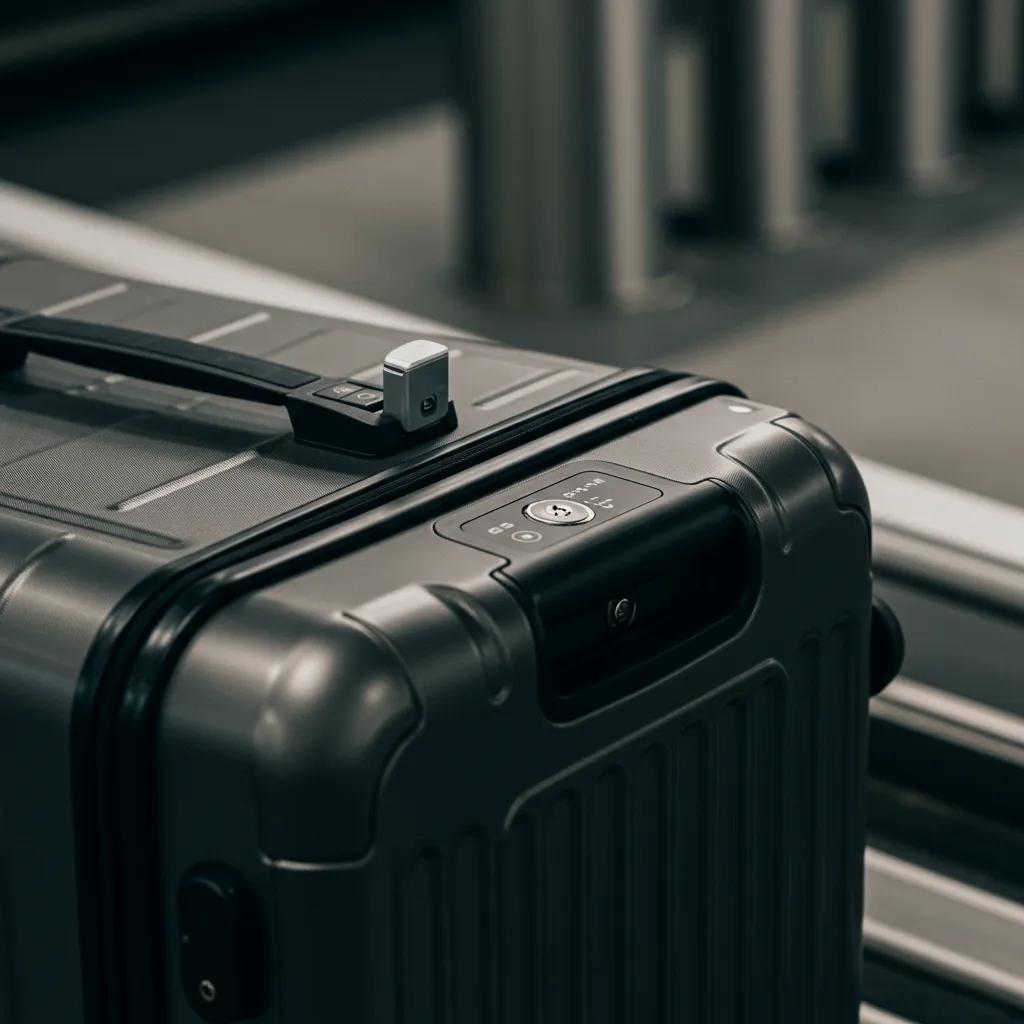
GPS-enabled luggage typically uses a compact tracker embedded in the suitcase that sends location data via satellite or cellular networks to a paired app, enabling owners to monitor whereabouts and receive alerts for movement. Biometric locks use fingerprint sensors to verify the owner’s identity and mechanically actuate a locking mechanism, combining convenience with access control. Both systems generally run on built-in batteries that may need to be removable for checked baggage to comply with airline battery rules. Travellers should verify battery capacity, disable or remove batteries when required, and familiarise themselves with carrier policies before flying.
What Are the Differences Between Carry-On and Checked Luggage?
Carry-on luggage offers immediate access, no checked-bag fees for many airlines, and lower risk of loss, while checked luggage provides larger capacity for long trips at the cost of potential delays, fees, and handling risks. Size and weight limits vary by carrier; choosing compliant carry-on dimensions and a digital luggage scale helps avoid surprises at the gate. For packing strategy, reserve essentials and valuable electronics for carry-on and place bulkier, less fragile items in checked bags. Balancing the two options depends on trip length, destination infrastructure, and how much you value on-hand access versus packed volume.
Which Eco-Friendly Materials Are Used in Sustainable Travel Bags?
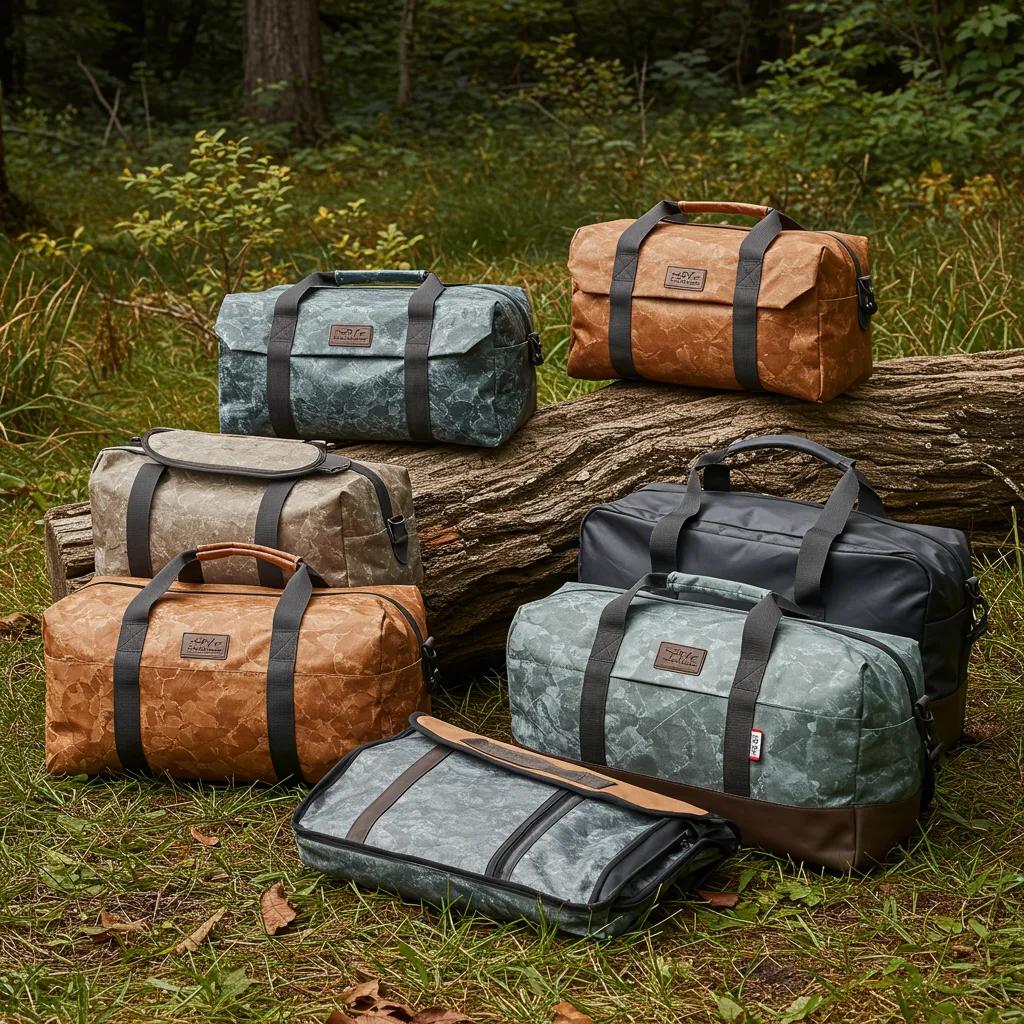
Sustainable travel bags increasingly feature recycled PET, organic textiles, and bio-based coatings that lower environmental footprint while retaining performance characteristics such as water resistance and abrasion strength. Recycled PET repurposes plastic waste into durable fibers, organic cotton avoids pesticide use, and bio-based finishes reduce reliance on petrochemicals. Verifying sustainability claims through certifications, transparent manufacturer policies, and recycled-content percentages helps shoppers identify meaningful eco-benefits. Proper care—gentle cleaning, avoiding overpacking, and repairing rather than replacing—extends gear life and reduces lifecycle impact.
What Are the Must-Have Travel Gadgets and Tech Accessories in 2025?
Which Portable Travel Chargers Offer the Best Capacity and Fast Charging?
Portable chargers vary by capacity (mAh), output ports (USB-C PD, USB-A), and fast-charge support; travellers should match capacity to device needs and airline limits. Look for USB-C Power Delivery (PD) for fast laptop and phone charging, multiple ports for simultaneous device charging, and a weight-to-capacity balance for carry-on convenience. Airline rules limit batteries carried in cabin luggage—check battery watt-hour ratings and pack chargers in carry-on.
Intro: This EAV-style table compares portable power banks by capacity, port types, fast-charge support, weight, and best use case to simplify selection.
Summary: Matching capacity and PD output to device requirements ensures adequate charging without unnecessary bulk; carry-on placement and awareness of airline battery limits are essential for air travel.
The demand for efficient and reliable portable power solutions is a significant consideration for modern travelers, as highlighted by research into advanced power bank development.
Development of a Fast-Charging Hybrid Portable Power Bank
This paper addresses the need for a reliable, portable, and universally compatible power bank. It also examines the power bank’s ability to charge various laptops efficiently.
DEVELOPMENT OF A FAST-CHARGING HYBRID PORTABLE POWER BANK, OO Nuga
How Do Universal Travel Adapters Work and Which Models Cover Pakistan?
Universal adapters provide physical plug compatibility across multiple countries by offering interchangeable prongs or sliding configurations that fit local sockets; they do not convert voltage. Voltage conversion requires a separate converter or devices with auto-voltage support (100–240V). When choosing an adapter, verify listed country coverage to ensure Pakistan and frequent destinations are included, and prefer models with multiple USB ports and surge protection for device safety. Always confirm device voltage compatibility before use to avoid damage and consider lightweight multi-port adapters to reduce luggage weight.
What Are the Latest Trends in Noise-Canceling Headphones for Flights?
Noise-canceling headphones in 2025 emphasize improved active noise cancellation (ANC) algorithms, longer battery life, and hybrid designs that blend ANC with better passive isolation for comfort. Over-ear models typically provide superior ANC and comfort for long-haul flights, while compact true-wireless options balance portability with respectable ANC for shorter trips. Key features to prioritise are ANC performance, ergonomic earcup or tip design, battery stamina exceeding flight duration, and reliable Bluetooth codecs for in-flight entertainment. Budget-conscious travellers can find models that trade some premium features for lighter weight and lower cost while maintaining decent ANC.
How Can Digital Nomads Benefit from Portable Wi-Fi Hotspots and eSIMs?
Portable hotspots and eSIMs offer flexible connectivity: eSIMs allow remote provisioning of local data plans without a physical SIM, while hotspots provide a private network for multiple devices. For digital nomads, eSIMs reduce SIM swaps and streamline roaming, but plan availability and pricing vary by destination; portable hotspots provide predictable local data but add device management and battery considerations. Choosing between the two depends on trip duration, data needs, and device compatibility; pairing a modest eSIM plan with a portable hotspot for group travel can balance cost and convenience.
How to Organize Your Packing Efficiently with Essential Travel Accessories?
What Are the Advantages of Using Compression Packing Cubes?
Compression packing cubes reduce volume by flattening garments and organising items into discrete compartments, making carry-on packing more predictable and efficient. They allow travellers to separate outfits, protect fragile items, and compress soft clothing to reclaim space for essentials or souvenirs. Using a set of varying sizes—small for undergarments, medium for shirts, large for bulkier items—optimises space and simplifies airport security checks. Compression systems also reduce overpacking by providing clear visual limits for each cube, which helps travellers stick to a pre–planned wardrobe and avoid unnecessary baggage fees.
- Compression packing cubes deliver tangible space savings and improve organisation.
- They enable faster unpacking and re-packing during transit.
- They help travellers adhere to packing lists and reduce laundry needs.
Summary: Compression packing cubes are a low-cost upgrade that yields immediate space and time efficiency for carry-on optimised travel.
Which Travel Comfort Accessories Improve Long-Haul Flight Experience?
Comfort-focused accessories—ergonomic neck pillows, breathable eye masks, compression socks, and lightweight travel blankets—reduce fatigue, support circulation, and improve rest quality on long-haul flights. Material choice matters: memory-foam neck pillows offer support but can be bulky, while inflatable or compressible pillows pack small; silk or breathable fabric masks reduce skin irritation. Compression socks assist circulation on long flights and are a practical, low-weight addition for most travellers. Maintaining hygiene by using washable or single-use covers for pillows and masks ensures comfort and reduces exposure to shared surfaces inflight.
How Do Eco-Friendly Travel Accessories Support Sustainable Travel?
Eco-friendly accessories—reusable toiletry containers, biodegradable wipes, and multipurpose utensils—cut single-use waste and lower pack weight while offering long-term savings through repeated use. Choosing durable, repairable items and preferring recycled or low-impact materials helps reduce environmental footprint. Evaluating product lifespan, repairability, and the presence of meaningful certifications prevents greenwashing and aligns purchases with genuine sustainability goals. These accessories support sustainable habits in transit and at destinations where single-use alternatives are common.
What Are the Essential Travel Health and Safety Gear for Every Trip?
What Should a Comprehensive Travel Health Kit Include?
A comprehensive travel health kit combines prescription medications, basic first aid supplies, and hygiene items organised for easy access and regulatory compliance. Core items include a small supply of prescription meds with documentation, antiseptic wipes, adhesive bandages, pain relievers, blister care, and oral rehydration salts for dehydration. Pack critical medications in carry-on to avoid loss and include copies of prescriptions and doctors’ contact info for international travel. Organising items into labeled compartments helps rapid access during travel and reduces time spent searching for essentials in transit.
Intro: The table below breaks down typical travel health kit items, their purpose, and recommended quantity or notes to simplify assembly and packing decisions.
Summary: Packing a compact, well-documented health kit mitigates common travel ailments and ensures access to essential care during trips.
Which Travel Security Gadgets Enhance Personal Safety?
Portable security gadgets include personal alarms, portable door locks, item trackers, and RFID-blocking wallets, each addressing distinct safety concerns from room security to item location tracing. Personal alarms draw attention in emergencies, while portable door locks reinforce hotel or hostel doors where locks feel inadequate. Item trackers that pair with phones can locate misplaced bags or valuables, though they rely on network infrastructure for effectiveness. Choosing vendor-agnostic, battery-efficient devices with clear instructions ensures practical usage and reduces false confidence in any single gadget.
How Do TSA-Approved Travel Locks Work and Why Are They Important?
TSA-approved locks use special keyways or combinations that allow authorised security personnel to open and relock luggage for inspection without damaging the lock, enabling compliance with airport screening procedures. These locks prevent casual tampering while permitting necessary inspections, and travellers should use them primarily on checked bags where inspection risk exists. Non–TSA or improvised locks risk being cut if inspectors need access, so travellers favour TSA–recognised models for international travel involving US or cooperating carriers. Combinations offer convenience, while keyed options require secure key storage to avoid lockouts.
Intro: This EAV-style table summarises luggage types and attributes to clarify selection between carry-on, checked, and backpack options for different trip types.
Summary: Matching luggage type to trip profile and transport modes reduces friction, prevents fees, and improves mobility.
How to Pack Smart for Specific Travel Scenarios: International, Budget, and Pilgrimage Trips?
What Are the Ultimate Packing Lists for International Travel?
An international packing list should prioritise documents (passport, visas, travel insurance), essential electronics and chargers, a compact health kit, appropriate clothing layers, and local-currency access or payment methods. Prioritise dual-voltage electronics or carry a reliable converter, and pack a compact daypack for daily use and security. For longer trips, modular packing with laundry solutions reduces the need for excess clothing; for short trips, lean towards carry-on-only strategies to save time and baggage fees. Preparing photocopies of key documents and storing encrypted digital backups enhances resilience in case of loss.
Which Travel Gear Is Best for Budget-Conscious Pakistani Travelers?
Budget-conscious travellers should prioritise durable basics—comfortable footwear, a reliable daypack, compression packing cubes, and a compact power bank—over trend-led purchases that depreciate quickly. Local markets and reputable domestic retailers often provide cost-effective options for items like adapters and packing accessories, while second–hand or lightly used gear can yield high value for items that don’t need to be brand-new. Focus spending on items that prevent recurring costs—quality shoes that avoid blisters or a sturdy backpack that lasts multiple trips—rather than one-off fashionable purchases.
What Are the Essential Travel Items for Hajj and Umrah Pilgrimages?
Pilgrimage packing focuses on comfort, mobility, and ease during long rituals: comfortable, broken-in footwear, lightweight modest clothing, a small refillable water bottle or hydration aid, a compact backpack, and basic first-aid supplies for blisters and dehydration. Choose luggage that balances capacity with manoeuvrability for crowded sites, and pack medications and important documents in carry-on for constant access. Respecting local cultural norms for dress and preparing for heat and long walking periods enhances physical resilience and spiritual focus during the pilgrimage.
ARY News local guidance: For Pakistani pilgrims and international travellers, ARY News provides contextual travel features and practical checklists tailored to regional travellers’ needs, offering editorially curated advice and multimedia explainers to prepare for specific scenarios such as Hajj and Umrah.
What Are the Latest Travel Gear Trends and Innovations to Watch in 2025?
How Is Smart Luggage Transforming the Travel Experience?
Smart luggage integrates tracking, power, and sensing features to reduce friction points like lost baggage, dead batteries, and overweight fees, reshaping how travellers plan and manage movement. Adoption considerations include battery removal rules for checked baggage, potential service subscription costs for tracking, and repairability if electronic components fail. While smart features increase convenience, travellers should weigh the marginal benefits against added weight, potential obsolescence, and privacy considerations. Understanding trade-offs helps buyers choose smart gear that complements travel habits rather than complicates them.
What Are the Emerging Sustainable Materials in Travel Gear?
Emerging materials such as recycled ocean plastics, bio-based nylons, and regenerated textiles combine improved performance with lower lifecycle impacts, offering travellers gear that performs like conventional materials while reducing waste. These materials are increasingly certified or traceable through supply-chain data to validate claims; consumers should look for transparent reporting and recycled-content percentages. Lifecycle thinking—repairability, recyclability, and modular design—matters as much as raw material choice for long-term sustainability impact.
Which Multi-Functional and Compact Travel Items Are Gaining Popularity?
Convertible backpacks that transform into daypacks, garments with integrated storage, and compact modular accessories that combine multiple uses are popular among minimalist and budget travellers who prioritise utility. Multi-functional items reduce total luggage count and simplify decision-making in transit. For example, a jacket that doubles as a travel pillow or a wallet with integrated tracker slots reduces item redundancy and streamlines packing for trips with varied activities.
How Are Connectivity and Health Safety Technologies Evolving for Travelers?
Connectivity advances such as broader eSIM adoption, more efficient portable hotspots, and integrated device management simplify staying online across borders, while health-safety tech—portable air purifiers, smart sanitisation devices, and health-monitoring wearables—offers improved personal protection and situational awareness. Cost and battery life remain constraints, so travellers should balance the benefits of continuous monitoring and purification against device weight and maintenance. Incremental adoption—starting with reliable connectivity and a compact health kit—provides the most practical path to enhanced travel resilience.
ARY News editorial invitation: For ongoing updates, video reviews, and data-driven gear roundups tailored to Pakistani and global travellers, consult ARY News’ Travel coverage for curated lists and multimedia explainers that keep recommendations current and locally relevant.
Conclusion
Investing in the best essential travel gear for 2025 enhances your travel experience by ensuring convenience, safety, and sustainability. By prioritizing smart luggage, eco-friendly materials, and multi-functional accessories, you can address common travel challenges while minimizing your environmental impact. Equip yourself with the right tools to make your journeys smoother and more enjoyable. Discover our curated selection of travel essentials today to elevate your next adventure.