
How to Choose the Right Running Shoes: Expert Guide to Finding the Best Fit and Style
Choosing the perfect running shoes is essential for physical fitness and injury prevention. The right pair enhances performance, supports proper biomechanics, and contributes to a healthy, active lifestyle. With many brands, models, and technical features available, selecting the ideal pair can be challenging. This guide offers an expert-backed framework to choose running shoes based on your foot type, running style, and training needs. It covers key aspects such as shoe fit, foot structure, running technique, and proper measurement methods while outlining maintenance tips to ensure longevity. Whether you are a personal trainer, athlete, or an everyday runner, the insights provided here will help you optimize your shoe selection and boost your training outcomes.
Transitioning now into the detailed factors and methods required to choose the best running shoes for your needs:
What Are the Key Factors to Consider When Choosing Running Shoes?
When selecting running shoes, consider your foot type, shoe fit, running style, and the need for appropriate cushioning and support. The ideal shoe protects against overuse injuries and maximizes stride efficiency through proper construction quality, stability features, and breathability. Additional factors include the running environment (roads, tracks, or trails), materials affecting weight, and design elements such as heel counters and midsole dimensions. Price and brand reputation are also important since certified brands undergo rigorous testing to ensure performance and durability.
How Does Foot Type Affect Running Shoe Selection?
Understanding your foot type is crucial because it influences the support required. For example, those with flat feet or overpronation benefit from motion control shoes offering extra stability, while runners with high arches usually need enhanced cushioning and flexibility. Assessing whether your foot rolls inward or remains stable helps determine if features like medial posts or arch support are necessary. A professional gait analysis or self-assessment can provide clarity and help match a shoe’s technology to your natural biomechanics, reducing injuries such as plantar fasciitis and shin splints.
Why Is Proper Shoe Fit Crucial for Running Performance?
A snug yet flexible shoe fit minimizes excessive movement inside the shoe, preventing blisters, calluses, and misalignment. A good fit secures the foot, supports the arch and instep, and evenly distributes impact forces during each stride. Since foot size can change with activity, it is advised to try shoes later in the day when feet may be slightly swollen. Proper fit is non-negotiable; even minor adjustments can lead to noticeable improvements in comfort, stability, and overall running efficiency.
What Role Does Running Style Play in Shoe Choice?
The way you run—whether you strike with your heel, midfoot, or forefoot—determines the shoe’s design requirements. Heel strikers usually need extra cushioning to absorb the impact, whereas forefoot strikers may favor minimal designs that promote quick ground contact. Runners with unique strides or tendencies to overpronate might require additional motion control features for stability. Evaluating your running mechanics, including stride rate and foot strike pattern, helps in selecting shoes that enhance performance and reduce injury risk.
How Do You Measure Your Foot Correctly for Running Shoes?
Proper measurement is key to ensuring that running shoes fit well and provide optimal support. Measure your foot at its largest—typically at the end of the day when some natural swelling occurs. Using reliable tools and standardized techniques can help achieve an accurate size and fit, reducing discomfort during runs.
What Tools and Techniques Help Measure Foot Size Accurately?
Accurate measurement can be made with a Brannock device, tape measure, or a simple ruler and paper. The Brannock device, commonly used in shoe stores, precisely measures foot length, width, and arch dimensions. For a DIY approach, mark your foot on a piece of paper, then measure from the heel to the longest toe. Always measure both feet, as there can be slight size differences, and choose the size of the larger foot.
How to Determine Your Arch Type for Better Shoe Fit?
Your arch type—low (flat), normal, or high—affects the shoe’s stability and cushioning needs. A simple wet test (dipping your foot in water and stepping on a piece of paper) can reveal your arch type: a full imprint suggests flat feet, a distinct curve indicates a normal arch, and a narrow middle indicates high arches. Knowing your arch type guides you toward shoes with either extra stability or enhanced shock absorption features, ensuring better alignment and reducing injury risk.
When Is the Best Time to Measure Your Feet for Running Shoes?
The ideal time to measure your feet is in the late afternoon or early evening when they are naturally fuller. This timing accounts for any swelling that might occur during daily activities, ensuring the shoes won’t feel too tight during a run. Repeat measurements periodically, especially if your training intensity changes or you experience significant shifts in weight or overall health.
Which Running Shoes Are Best for Different Foot Conditions?
Running shoes should be selected to cater to specific foot conditions such as flat feet, overpronation, and high arches. Tailoring your shoe choice to your individual condition helps manage chronic pain and minimizes the risk of repetitive stress injuries by providing targeted support and cushioning.
What Are the Best Running Shoes for Flat Feet?
For runners with flat feet, shoes with reinforced medial posts, firm arch support, and structured insoles are ideal. These design features help counteract overpronation by providing stability and motion control. Shoes designed for flat feet often have a wider base and denser midsole foam to distribute impact forces evenly, reducing stress on the arches and lowering the risk of conditions like plantar fasciitis.
How to Choose Running Shoes for Overpronation?
If you experience overpronation, look for shoes that incorporate corrective technologies such as dual-density midsoles and firm arch reinforcements. Often marketed as “motion control” or “stability” shoes, these models help prevent excessive inward roll and ensure proper alignment, reducing the likelihood of knee or lower back pain. Consultation with a specialist and a gait analysis can further refine your choice and provide personalized recommendations.
What Running Shoes Work Best for High Arches and Supination?
For runners with high arches or supination, cushioning is paramount. Shoes with a softer, more flexible midsole and generous cushioning in both the heel and forefoot areas are ideal, as they help absorb shock and distribute impact forces effectively. Look for models with a flexible outsole and a contoured footbed that adapts to your foot’s natural curve, reducing pressure points and preventing joint stress during long runs.
What Should Beginners Know When Selecting Their First Running Shoes?
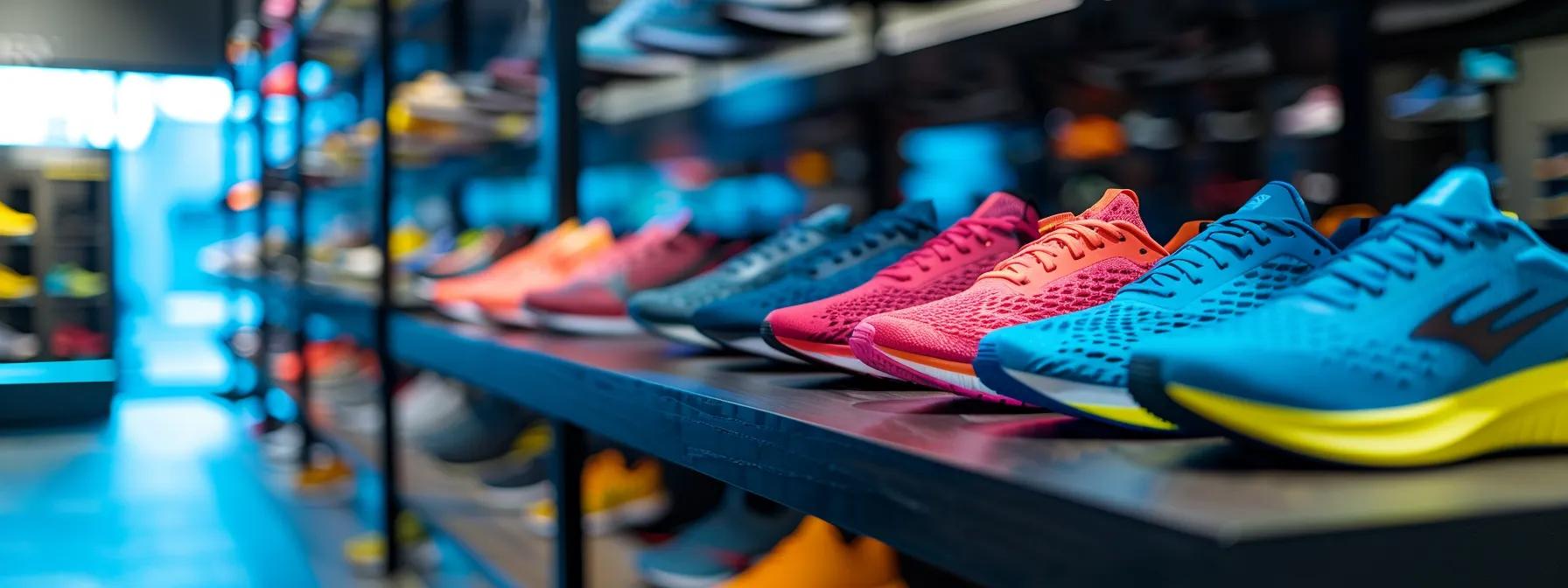
Beginners should prioritize ease of wear, comfort, and durability when selecting their first pair of running shoes. A well-chosen shoe can prevent early injuries and foster a positive running experience, supporting gradual improvements in running biomechanics and overall fitness.
How to Identify Beginner-Friendly Running Shoes?
Beginner-friendly shoes typically feature modest cushioning, a flexible design, and user-friendly attributes that offer out-of-the-box comfort. They provide sufficient shock absorption and a secure fit without the complexity of high-performance stability features. Often, these models are less expensive and available in a broader range of sizes, which makes them ideal for runners who are gradually increasing their mileage and learning proper form.
What Features Enhance Comfort and Support for New Runners?
Key features for new runners include ample cushioning, a flexible sole, and adjustable support elements like removable insoles. Breathable materials and ergonomic insoles enhance comfort while a wide toe box prevents cramping. These design elements not only support a natural gait but also reduce the risk of blisters and sore spots, making early running experiences more enjoyable and sustainable.
How Often Should Beginners Replace Their Running Shoes?
New runners should consider replacing their shoes every 300 to 500 miles, as the cushioning and support will degrade over time. Regular inspection of the treads and midsole, as well as monitoring for any discomfort during runs, can indicate when it’s time for a replacement. Keeping a simple log of mileage can help schedule timely replacements to ensure the shoes continue to support healthy running biomechanics.
How Do Different Running Shoe Types Affect Performance and Injury Prevention?
Different types of running shoes—neutral, stability, and motion control—play distinct roles in performance and injury prevention. Each is designed to address various biomechanical needs and gait patterns, ensuring that the chosen model optimizes energy efficiency while reducing the risk of injury.
What Are the Differences Between Neutral, Stability, and Motion Control Shoes?
Neutral shoes are ideal for runners with a regular gait, providing basic cushioning without extra support. Stability shoes add moderate support and control for those who slightly overpronate, often featuring a medial post or firmer midsole. Motion control shoes offer the highest support level, designed specifically for severe overpronators with rigid structures to minimize excessive inward roll. Understanding these differences helps in selecting a shoe that matches your gait and training demands.
How Do Cushioning and Support Impact Running Efficiency?
Proper cushioning absorbs impact energy and reduces joint stress, while adequate support maintains proper alignment and prevents compensatory movements. A well-designed midsole using advanced foam or air cushioning technology can enhance propulsion by returning energy during each stride. The right balance of cushioning and support leads to improved comfort, efficiency, and overall performance, while also prolonging the lifespan of both your shoes and your body by reducing cumulative stress.
When Should You Choose Lightweight vs. Durable Running Shoes?
Lightweight shoes are ideal for speed work, racing, and short-distance training due to their reduced mass and energy-saving design. In contrast, durable shoes are better suited for long-distance training and high-mileage runs where extra support and long-term cushioning are prioritized. Many experienced runners use a rotation system, pairing lightweight models for performance days with durable ones for everyday training to strike a balance between speed and endurance.
Where Can You Find Reliable Reviews and Recommendations for Running Shoes?
Making an informed purchasing decision requires checking reliable reviews and recommendations. Look for expert reviews, user testimonials, and comparative analyses from reputable websites. These sources provide insights into performance, durability, and comfort, ensuring that the selected pair meets your specific needs.
How to Evaluate Expert and User Reviews Effectively?
When reviewing feedback, combine quantified ratings with narrative comments to assess consistency across multiple platforms. Expert reviews offer technical details and performance metrics backed by controlled testing, while user reviews reveal long-term durability and real-world comfort. Cross-referencing these insights can provide a balanced view and help you avoid potential pitfalls.
What Are the Top Brands for Running Shoes in 2024?
Top running shoe brands include Nike, Adidas, ASICS, Brooks, New Balance, and Saucony. These brands are recognized for their research, innovation, and consistent quality. They incorporate advanced features such as Flyknit technology, Boost cushioning, GEL systems, and DNA Loft cushioning to cater to various running styles and performance needs. Their commitment to quality makes them reliable choices for runners across all levels.
How Can Personalized Recommendations Improve Your Shoe Choice?
Many specialty stores now offer digital scanning and gait analysis to provide personalized shoe recommendations based on your biomechanics, foot measurements, and training history. Technology like mobile apps and online questionnaires further streamlines the process, ensuring that the recommended shoes offer an optimal balance of support, cushioning, and flexibility to suit your individual running dynamics.
Table: Comparison of Top Running Shoe Brands
This table summarizes key comparisons between the top brands, helping you quickly reference each brand’s highlights and choose a model that best supports your training objectives.
How to Maintain and Care for Your Running Shoes to Extend Their Lifespan?
Proper shoe maintenance is essential to ensure long-lasting performance. Running shoes are subject to wear from repetitive use and various weather conditions, so regular cleaning and proper storage help maintain cushioning, support, and overall integrity. Timely replacement also minimizes injury risk.
What Are the Best Practices for Cleaning Running Shoes?
Gently clean your running shoes using a soft brush, lukewarm water, and mild detergent. Remove laces and insoles if possible, and avoid using harsh chemicals that can deteriorate materials. Hand wash or use a gentle machine cycle as recommended by the manufacturer, and always air dry to maintain the shoe’s structural integrity.
How to Store Running Shoes Properly Between Runs?
Store shoes in a cool, dry place away from direct sunlight. Using a shoe rack or storage box, and stuffing paper inside to absorb moisture, can help maintain their shape and prevent material breakdown. Alternating pairs to allow each pair to decompress between runs also extends their lifespan.
When Is It Time to Replace Your Running Shoes?
Most running shoes should be replaced every 300 to 500 miles, as decreasing cushioning and support can lead to discomfort or injury. Monitor treads, midsole compression, and any onset of pain during runs as cues for replacement. Keeping a simple mileage log can help ensure your shoes are replaced before they compromise your running efficiency.
Frequently Asked Questions
Q: How can I determine the right running shoe size? A: Measure your feet late in the day using a Brannock device or a DIY method, ensuring you check both feet and select the size corresponding to the larger measurement. Always try the shoes with the socks you plan to run in.
Q: Are expensive running shoes always better than cheaper options? A: Not necessarily. While higher-priced shoes may offer advanced cushioning and innovative technology, the best shoe is one that fits your foot type and running style. Proper fit and biomechanics are more important than price alone.
Q: Can I use my regular sneakers for running? A: Regular sneakers typically lack the specialized cushioning, shock absorption, and secure fit of running shoes, which can increase the risk of discomfort and injury during longer runs.
Q: How do running shoe technologies like Gel cushioning or Boost cushioning differ? A: Gel cushioning provides a soft, shock-absorbent layer to reduce impact forces, while Boost cushioning uses responsive foam to return energy during propulsion. The choice depends on your comfort preferences and running demands.
Q: Is it important to rotate running shoes? A: Yes, rotating between at least two pairs allows each pair to decompress and dry out between runs, which helps maintain cushioning and support, prolonging the life of your shoes and reducing injury risk.
Q: How can I address minor injuries related to running shoe wear? A: Ensure your shoes fit properly and are replaced on schedule. Additionally, consider cushioned insoles, adjust your running form, and incorporate proper warm-up and cool-down exercises. If issues persist, consult a professional for a gait analysis.
Q: What impact does terrain have on running shoe selection? A: Terrain greatly influences shoe design—trail shoes offer enhanced grip and durability on rugged surfaces, while road shoes prioritize cushioning and energy return on smooth pavement. Choose based on your primary running environment to optimize performance and reduce injury risk.
Final Thoughts
This guide has outlined the essential factors in choosing the right running shoes—from understanding your foot type and achieving a proper fit to considering your running style and maintaining your footwear. By integrating accurate measurements, expert recommendations, and effective care practices, you can extend the life of your shoes and ensure a safe, comfortable, and efficient running experience. A strategic approach to shoe selection is a key foundation for long-term success in fitness and overall wellness.