Unlocking Pakistan’s Travel Culture: Your Guide to Authentic Immersion and Heritage Experiences
Travel culture is all about experiencing destinations through their unique local customs, rich heritage sites, diverse foodways, vibrant festivals, and genuine community interactions. Authentic cultural immersion goes beyond passive sightseeing, focusing on meaningful participation. This comprehensive guide explores why cultural immersion and heritage tourism are vital, highlighting the major festivals, culinary trails, and historical gems that define Pakistan’s travel culture. We also provide practical advice for responsible travel. Discover how to find truly authentic Pakistani experiences—from welcoming homestays in Hunza to spiritual Sufi shrine visits—while ensuring cultural respect and maximizing your learning and connection. We’ll show you where to find the latest event information, safety reports, and engaging multimedia stories to help you plan and navigate your journey. As the publisher of this guide, ARY News proudly features local perspectives and in-depth reporting in its Travel section, committed to “providing timely and comprehensive news and current affairs coverage, keeping the audience informed and engaged with diverse content.” Our upcoming sections delve into definitions, festival calendars, food trails, heritage site profiles, regional cultures, essential travel tips, and how ARY News’s AI-powered insights can enhance your adventure.
Understanding Cultural Immersion Travel: Its Essence and Importance
Cultural immersion travel is a unique form of cultural tourism, inviting visitors to actively participate in local life, traditions, and daily practices. This approach fosters deep understanding and mutual exchange by transforming the traveler from a mere observer into an active participant. Through experiences like homestays, guided local workshops, and multi-day community engagements, travelers forge meaningful connections and gain invaluable insights. The benefits are profound: travelers achieve authentic personal growth, while host communities gain economic and cultural recognition, supporting vital preservation efforts. Grasping these dynamics empowers travelers to select experiences that honor local values and sustain heritage. Here, we explore how immersion elevates travel, offer tangible examples, and explain why sustainability is crucial for the future of cultural tourism.
How Cultural Immersion Elevates Your Travel Experiences
Cultural immersion enriches travel by fostering repeated, deeply contextual interactions between visitors and residents, cultivating empathy and embedding cultural knowledge more profoundly. This involves living with host families, mastering local crafts from skilled artisans, and engaging in seasonal work or rituals that impart practical skills and emotional depth. Such active participation promotes learning by doing, often leading to language acquisition, stronger social bonds, and a wealth of photographic and narrative memories. Imagine a homestay in Hunza, where you learn agricultural rhythms and hospitality norms firsthand, or a craft workshop in Sindh, where traditional techniques and the stories behind them are passed down. These immersive approaches deliver benefits far beyond typical sightseeing, leading to authentic cultural exchange.
Examples of Authentic Cultural Experiences You Can Discover
Authentic cultural experiences encompass vibrant festivals, welcoming homestays, captivating food trails, hands-on artisan workshops, spiritual visits, and volunteer programs that prioritize local expertise and community leadership. In Pakistan’s rich travel culture, this could mean participating in a village Basant celebration (where permitted), joining a lively cook-along on Lahore’s Gawalmandi Food Street, learning carpet-weaving from skilled Sindhi artisans, or attending an enchanting Sufi qawwali night in Multan. Each experience combines practical activity with genuine local interpretation, ensuring deep engagement and honoring host communities. Travelers are encouraged to seek out programs that fairly compensate hosts and favor small-group participation to avoid cultural commodification.
Why Sustainable Cultural Tourism is Essential for Every Traveler
Sustainable cultural tourism is vital for safeguarding heritage and ensuring that communities reap economic and social benefits from visitors, all while minimizing environmental and cultural impact. Its core principles involve supporting local businesses, respecting ceremonial protocols, reducing resource strain, and avoiding exploitative practices—like purchasing mass-produced “heritage” trinkets that undermine local artisans. Adopting simple guidelines, such as seeking permission before photographing ceremonies and choosing locally owned homestays, helps preserve cultural value and maintain authenticity. Modern approaches increasingly focus on community-led tourism planning and transparent visitor impact reporting, collectively building more resilient cultural destinations for generations to come.
Discovering Pakistan’s Vibrant Travel Culture Through Local Festivals and Celebrations
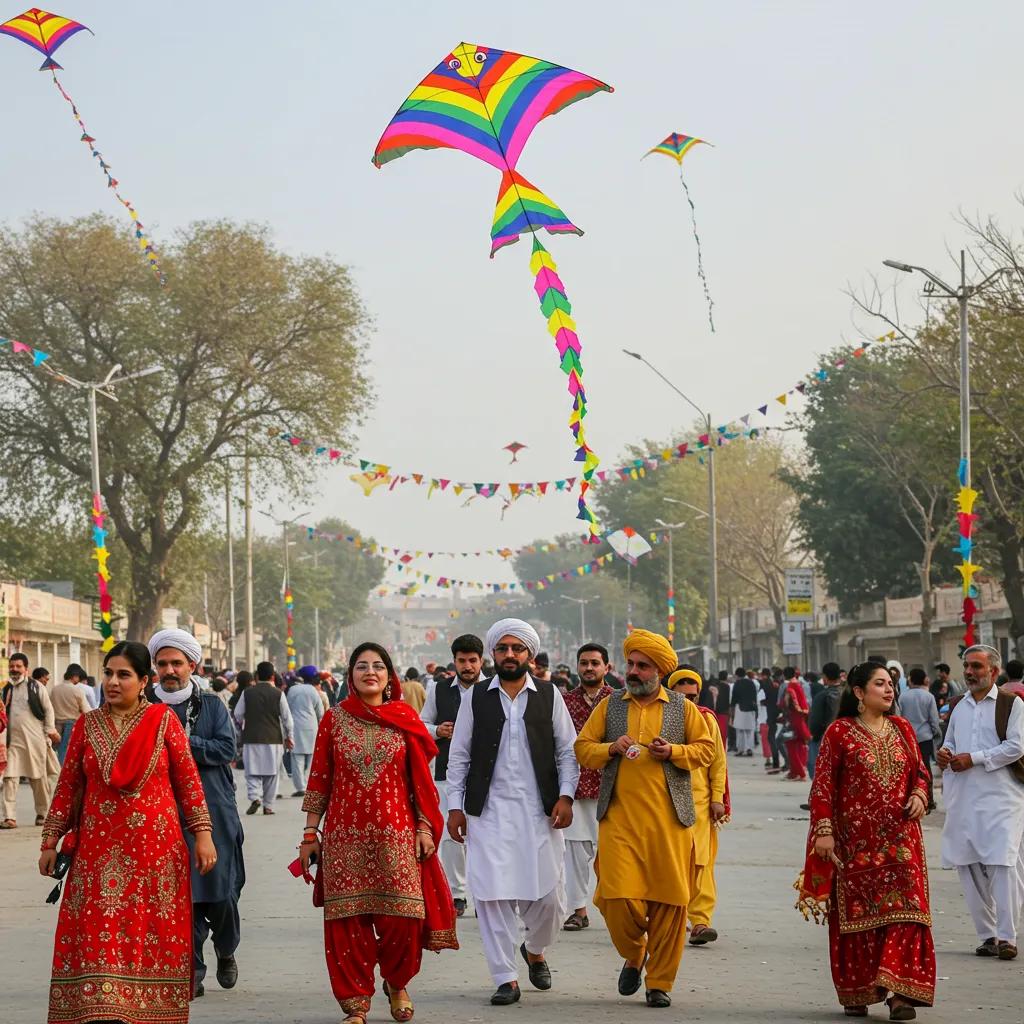
Festivals and celebrations stand at the heart of cultural tourism, vividly revealing communal values, seasonal rhythms, and artistic traditions in a truly participatory way. Across Pakistan, major festivals span from exhilarating kite-flying gatherings to profound Urs events at mystic shrines, each providing a sensory-rich gateway into local life. Attending these festivals responsibly requires understanding their timing, safety considerations, and appropriate behavior during sacred rituals and lively performances. Below, you’ll find a concise list of prominent festivals, followed by a handy quick-reference table to aid your planning and set expectations.
Key festivals that shape Pakistan’s unique travel culture include:
- Basant: A vibrant kite-flying and spring celebration, bursting with color and community spirit in specific regions.
- Urs at Sufi shrines: Profound spiritual commemorations, marked by soul-stirring qawwali, communal feasts, and devotional rituals.
- Regional seasonal fairs: Lively local harvest and mountain valley festivals, proudly showcasing unique music, traditional dress, and intricate craft traditions.
This table serves as your guide to aligning festival timings with your travel plans and expectations. Always remember to verify dates locally, as many celebrations follow lunar or agricultural calendars and may shift annually.
What Makes the Basant Festival a Truly Unique Cultural Spectacle?
Basant is widely celebrated for its exuberant kite flying and strong seasonal identity, blending music, friendly competitions, and vibrant neighborhood gatherings to create an electrifying public atmosphere. Historically, Basant heralds spring renewal, expressed through a kaleidoscope of bright kites, traditional songs, and outdoor feasts where communities share joy and friendly rivalry. For visitors, Basant offers a sensory-rich experience, but it’s crucial to be mindful of local safety guidelines and the legal status of kite flying in specific cities. Respectful participation involves observing local customs regarding designated kite-flying areas, engaging with vendors and families without disrupting their routines, and utilizing local guides to navigate bustling celebrations.
How Regional Festivals Like Chilim Jusht Showcase Pakistan’s Rich Traditions
Regional festivals, such as the captivating Chilim Jusht, beautifully encapsulate local cosmologies, seasonal cycles, and community identities. They do this by featuring indigenous music, traditional ritual foods, and unique costume traditions specific to various valleys and rural districts. These events often intertwine agricultural timings with ancestral rites, resulting in distinct performances and social roles that visitors can respectfully witness with permission. Experiencing regional festivals offers profound insight into intergenerational knowledge transfer and local artistic expressions that stand apart from urban celebrations. Travelers are encouraged to prioritize small-group, guided attendance to ensure their presence does not interfere with sacred ritual functions and that any contributions directly benefit local organizers.
When to Experience Pakistan’s Most Enchanting Festivals
Festival timings often coincide with distinct seasonal markers—spring for vibrant kite festivals, lunar calendars or saints’ death anniversaries for profound Urs events, and harvest cycles for lively rural fairs. Aligning your travel with these rhythms significantly enhances your chances of authentic participation. Practical planning involves consulting local calendars for shrine Urs dates, coordinating travel to ensure valley accessibility outside monsoon or heavy snow seasons, and building in buffer days for any unexpected date changes. Travelers should anticipate crowd dynamics, potential transport surges, and high accommodation demand by booking flexible options and relying on local reporting for real-time updates. This seasonal awareness maximizes your cultural access while minimizing logistical stress.
The Urs ceremonies, especially those held in Lahore, are significant cultural events that attract vast crowds and provide a unique window into profound spiritual and communal practices.
Cultural Festivals in Pakistan: Urs Ceremonies and Their Role
Cultural Festivals: An Impotent Source of De-Radicalization Process in Pakistan: A Case Study of Urs Ceremonies in Lahore City
Savoring Pakistan: Your Guide to Traditional Cuisine and Unforgettable Food Trails
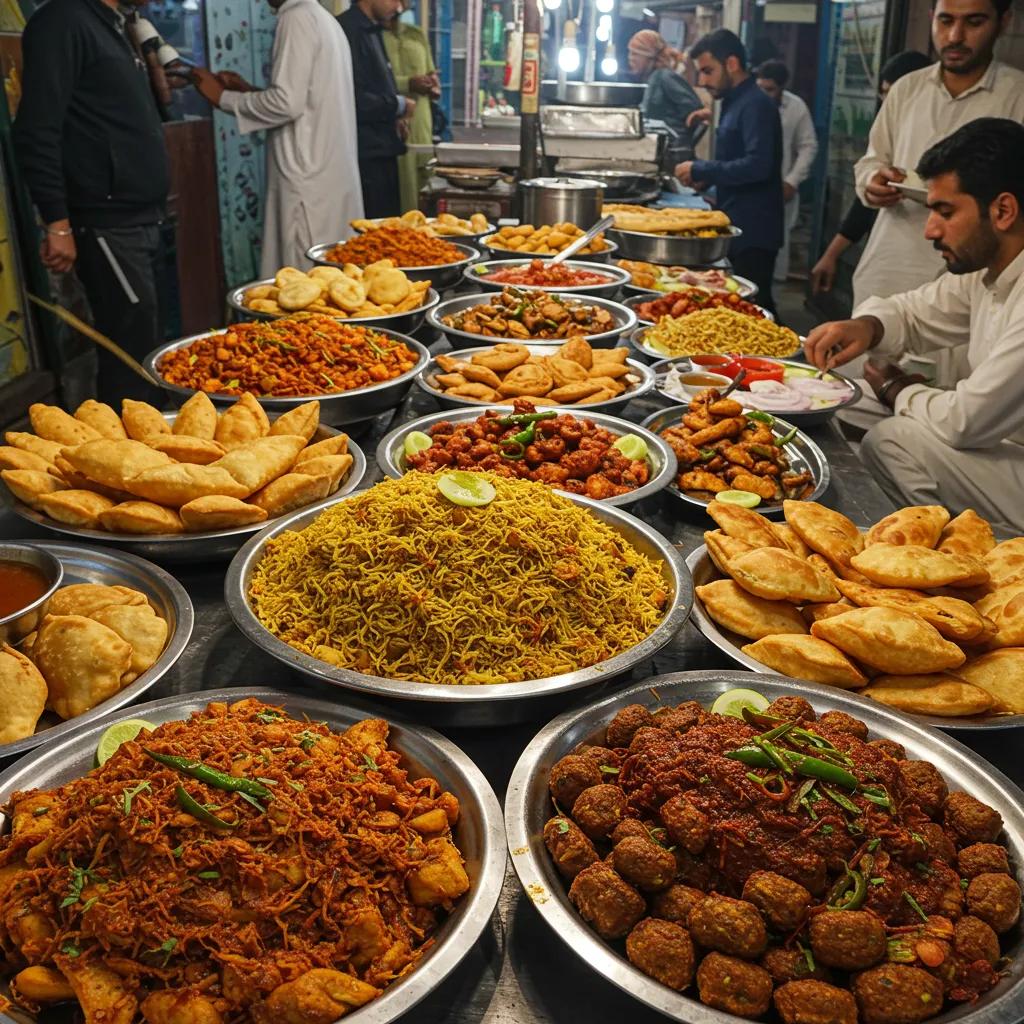
Food trails and culinary experiences offer a direct path to cultural immersion, as cuisine beautifully encodes history, migration, trade, and local ecology within daily practices. Delving into Pakistani food culture can range from savoring street food on famous food streets to enjoying authentic home-cooked meals and guided culinary walks that highlight traditional techniques and captivating storytelling. Travelers who engage with food gain insights into communal eating patterns, ingredient origins, and the ritualized meals tied to festivals and family life. Below, we list must-try dishes, profile notable food streets with a helpful comparison table, and explain how Pakistan’s diverse cuisine reflects its rich cultural layers.
Essential street foods and signature dishes you simply must try:
- Nihari: A rich, slow-cooked meat stew, traditionally enjoyed as a hearty morning delicacy.
- Samosa and Chaat varieties: Crispy fried or savory snacks, showcasing a delightful fusion of Mughal and regional spice blends.
- Seekh Kebab and grilled meats: Succulent, meat-centric specialties, a staple at vibrant night markets.
This table is your guide to comparing dishes by region and their typical venues. Sampling across different cities will unveil fascinating regional variations and the historical fusion embedded in these cherished recipes.
Must-Try Street Foods in Lahore and Pakistan’s Other Cultural Hubs
Lahore and Pakistan’s other vibrant cultural centers present an incredible spectrum of street foods, blending Mughal-era richness with distinct local spice palettes and time-honored vendor traditions. In Lahore, signature delights include rich stews, succulent kebabs, and classic breakfast dishes, each meticulously prepared by vendors who uphold cherished family recipes and unique serving styles. To sample safely, opt for bustling stalls with high turnover, inquire with local hosts about hygiene practices, and prioritize freshly cooked, hot items to minimize any risk. Engaging in food tours led by local guides can beautifully connect taste with history, revealing why specific dishes hold such central importance in festivals and daily routines.
Exploring Pakistan’s Best Food Streets and Culinary Destinations
Iconic culinary neighborhoods—where vibrant clusters of vendors, eateries, and markets converge to offer traditional flavors—provide unparalleled access to Pakistan’s rich food culture. Notable examples include historic lanes renowned for their meat dishes, charming sweets quarters specializing in delectable desserts, and bustling coastal markets featuring fresh seafood variations. Visiting during off-peak hours can offer a more relaxed experience and valuable opportunities to converse with vendors about their cherished recipes and ingredient sourcing. These culinary hubs also serve as vital social centers where recipes are passed down through generations and where strong community ties shape the entire dining experience.
How Pakistan’s Cuisine Reflects Its Diverse Cultural Heritage
Pakistani cuisine is a magnificent tapestry woven from centuries of cultural layering, from the ancient agricultural staples of the Indus Valley to the opulent richness of Mughal courts, and later, trade-driven influences from Central and South Asia. Ingredients, cooking techniques, and meal structures vividly reveal regional ecology and historical exchange—think rice-dominant coastal dishes contrasting with wheat-based northern meals, and spice blends that trace ancient trade corridors. Food, in essence, acts as cultural storytelling: a single dish can encapsulate narratives of migration, religious practices, and local identity. Grasping these intricate layers deepens your appreciation and transforms food tasting into a profound act of cultural learning.
Exploring Pakistan’s Top Heritage and Historical Destinations for Cultural Tourism
Heritage and historical sites form the very bedrock of travel culture, connecting visitors to the sweeping arcs of human settlement, architectural marvels, and profound spiritual life. Pakistan’s key destinations range from the ancient ruins of the Indus Valley to majestic Mughal forts, adorned with distinctive architectural elements like domes and courtyards, and vibrant Sufi shrines that serve as living cultural centers. A visit to these sites offers invaluable educational insight into past civilizations and the enduring continuity of cultural practices, while also demanding sensitivity to preservation needs and local rituals. Below, you’ll find a quick-reference table detailing top sites, their historical periods, and essential visitor notes.
This table helps you prioritize your visits and outlines practical considerations. Always adhere to site-specific preservation rules and local guidance to safeguard Pakistan’s fragile heritage.
How Ancient Civilizations, Like the Indus Valley, Shape Pakistan’s Travel Culture
The Indus Valley Civilization offers foundational archaeological narratives that profoundly shape Pakistan’s national and regional identities. Its legacy is visible in ancient ruins, captivating artifacts, and museum exhibits that interpret sophisticated urban planning and early trade networks. Sites like these ancient settlements provide tangible evidence of material culture—from craft specialization and urban grids to burial practices—anchoring cultural tourism in millennia of human history. Visitors gain insight through museums and guided excavations that connect ancient practices to modern traditions, fostering a deeper appreciation for the continuity and innovations still present in pottery, crafts, and agricultural methods today.
The enduring legacy of the Indus Valley Civilization stands as a cornerstone of Pakistan’s cultural identity and a significant magnet for heritage tourism.
Indus Valley Civilization: Pakistan’s Heritage, Identity, and Cultural Practices
The Indus Valley Civilization is one of the oldest and most modern civilizations in human history and is an important part of the cultural heritage of South Asia. This civilization is also an important part of the cultural heritage of South Asia and is one of the oldest and most advanced civilizations in the history of humans. Another importance aspect of the civilization of the Indus Valley to build the identity of Pakistan constitutes the main theme of this study. It looks at the social structure of civilization, art, cultural practices and urban planning to show how these aspects have shaped Pakistan’s history and culture. This study also helps to learn from the future generation about the importance of civilization and the main objective of this study to encourage all efforts that have been made to transfer this historical value to future generations. It explores how public suggestions, and educational changes can contribute to the incorporation of the Indus Valley h
The Grandeur of Mughal Architecture: Exploring Forts Like Lahore Fort
Mughal architecture is a breathtaking tapestry of domes, minarets, courtyards, and gardens, collectively articulating imperial aesthetics and profound spatial symbolism. Iconic forts like Lahore Fort proudly display ornate ornamentation, meticulously designed formal gardens, and layered construction techniques that reflect centuries of political history and artistic exchange. For travelers, guided explorations unveil the rich architectural vocabulary and historical narratives embedded within these magnificent monuments. Meanwhile, ongoing preservation efforts highlight the critical need for responsible visitation practices to minimize wear on these sensitive, irreplaceable structures.
Exploring Sufi Shrines and Pakistan’s Spiritual Tourism Sites
Sufi shrines serve as vibrant, living cultural centers where soul-stirring devotional music, communal meals, and annual Urs commemorations draw both devout followers and curious travelers into shared, profound rituals. Visitors should prepare to observe essential protocols, such as removing shoes, dressing modestly, and adhering to photography guidelines. It’s also wise to consult local hosts regarding appropriate levels of participation. Experiencing qawwali performances and the warm hospitality of these shrines offers deep cultural insight when approached with respect and humility. Guided visits can further help contextualize spiritual meanings and ensure ethical engagement.
Must-Visit UNESCO World Heritage Sites in Pakistan
Pakistan’s UNESCO-listed sites offer internationally recognized windows into its diverse historical legacy, spanning from the sophisticated urban planning of ancient cities to unique architectural masterpieces. A visit to these sites provides expertly curated interpretation, compelling conservation narratives, and comparative perspectives on global heritage management. Travelers will benefit immensely from combining site visits with authentic local storytelling and engaging museum exhibitions that place artifacts within broader cultural histories. Planning ahead and verifying access conditions will ensure meaningful and responsible visits.
How Regional Culture Shapes Your Travel Experience Across Pakistan
Regional culture profoundly shapes your travel experiences by defining the local customs, hospitality norms, cuisine, festivals, and environmental rhythms you’ll encounter across Pakistan’s diverse provinces and valleys. The northern valleys, for instance, are renowned for their mountain hospitality and vibrant seasonal festivals. Punjab boasts dense urban cultural hubs rich in food and music traditions. Sindh centers on ancient heritage and unique riverine customs, while Balochistan showcases distinct crafts and community practices. Grasping these regional differences empowers travelers to tailor their expectations, packing, and itineraries to local conditions and social norms. The following subsections delve into the traditions of the northern valleys, Punjab’s cultural heartland, Sindh’s ancient heritage, and Balochistan’s unique cultural markers.
Unique Cultural Traditions of Northern Valleys: Hunza and Kalash
Northern valleys such as Hunza and Kalash are custodians of distinctive languages, vibrant seasonal festivals, and cherished hospitality rituals deeply rooted in mountain life and ancient lineages. Kalash traditions are celebrated through colorful attire, unique polytheistic festivals, and communal ceremonial events that draw cultural researchers and respectful visitors alike. Hunza’s legendary hospitality involves elaborate guest rituals, the sharing of seasonal produce, and captivating storytelling that immerses visitors in local seasonal cycles. Travelers should prepare for altitude, seasonal access limitations, and actively seek out community-led experiences that uphold cultural integrity.
How Punjab’s Cultural Heartland Defines Local Travel Experiences
Punjab’s cultural heartland, centered in vibrant cities like Lahore and Multan, profoundly shapes travel culture through its rich musical traditions, bustling festival calendars, and a dynamic food scene that seamlessly blends Mughal legacies with contemporary urban life. Lahore’s stunning architecture, world-class museums, and legendary food streets offer layered experiences where history and modern culture beautifully intersect, captivating young audiences interested in multimedia storytelling. Travelers can immerse themselves in performing arts, hands-on culinary workshops, and insightful museum tours to explore how Punjab’s public life enriches national cultural narratives.
Sindh’s Ancient Heritage Sites: Unveiling Their Cultural Importance
Sindh’s rich heritage, encompassing its remarkable archaeological sites and unique riverine cultural practices, showcases centuries of urbanization, intricate craft traditions, and artistic expressions that continue to shape contemporary identity. Sites like its ancient cities reveal sophisticated trade networks and specialized crafts that still influence local arts, textiles, and social customs today. Visitors can gain profound insight by combining site visits with engaging artisan workshops and insightful museum interpretations, which collectively illustrate the immense depth of Sindh’s contribution to regional cultural diversity.
Exploring the Unique Traditions of Balochistan’s Cultural Landscape
Balochistan’s cultural landscape is defined by its distinct musical forms, intricate tribal craftsmanship, and unique hospitality norms, all shaped by its arid environments and rich nomadic histories. Traditional crafts like exquisite embroidery, detailed metalwork, and skilled woodworking convey deep community aesthetics and social roles, while vibrant music and oral storytelling preserve historical memory. Travelers keen to explore Balochistan should prioritize guided, community-approved visits and actively support locally run craft initiatives to ensure direct economic benefits for artisans and to respectfully honor community boundaries.
Essential Tips for Responsible and Authentic Cultural Travel in Pakistan
Responsible cultural travel demands careful preparation in etiquette, safety, budgeting, and sustainable engagement, ensuring visitors benefit local communities while avoiding unintentional harm. Practical steps include dressing modestly in many settings, learning basic greetings to show respect, opting for locally owned accommodations, and hiring certified local guides whenever possible. Safety planning encompasses wise transport choices, maintaining situational awareness in bustling festival environments, and having contingency plans for unexpected weather or route alterations. Below, you’ll find a concise checklist of essential practical tips, followed by tailored guidance for specific traveler needs.
Your essential checklist for responsible and authentic travel in Pakistan:
- Dress and Etiquette: Opt for modest clothing, always seek permission before photographing individuals, and respectfully adhere to shrine protocols.
- Support Local Economy: Engage local guides, choose community-run homestays, and purchase crafts ethically directly from their makers.
- Safety and Logistics: Share your itineraries, utilize reputable transport services, and monitor local news for timely event or weather updates.
For travelers seeking authoritative, timely updates and crucial safety reporting, ARY News provides invaluable resources to assist your trip planning. ARY News stands as a dynamic news platform, dedicated to delivering accurate, timely, and unbiased news and current affairs coverage. Our Travel category and extensive local reporting offer practical event alerts and essential context, empowering visitors to make informed decisions. These resources are particularly useful for verifying festival schedules, checking travel advisories, and exploring local multimedia features that illuminate authentic community perspectives.
Navigating Cultural Etiquette Safely: A Guide for Solo Female Travelers
Solo female travelers can greatly benefit from practical strategies that blend cultural sensitivity with robust personal safety planning. This includes dressing modestly, selecting accommodations with trusted reviews or local recommendations, and opting for group transport or daytime travel whenever feasible. Establishing local contacts through host networks or community-run guesthouses significantly enhances safety and provides valuable social support; learning basic phrases can also help minimize misunderstandings. Female travelers should also thoroughly research regional differences in social norms—urban centers might be more cosmopolitan, while rural areas often require stricter adherence to local expectations—and plan their journey accordingly.
Budget-Friendly Ways to Explore Pakistan’s Cultural Gems
Budget-friendly cultural travel strategies for Pakistan include utilizing public transport for intercity journeys, choosing charming guesthouses and homestays over conventional hotels, dining at bustling local markets, and attending free or low-cost community events. Engaging in volunteer or exchange programs can offer affordable immersion while allowing you to contribute valuable skills to host communities. Travelers should prioritize making direct payments to local guides and artisans, and consider planning off-season trips to enjoy lower rates and less crowded experiences.
Supporting Sustainable and Community-Based Tourism: A Traveler’s Guide
Supporting sustainable tourism means actively hiring local guides, purchasing crafts directly from their makers at fair prices, minimizing plastic waste, and respecting sacred spaces by adhering to posted rules and local advice. Contributing micro-donations to community cultural funds or paying for guided interpretation helps preserve intangible heritage and fosters local stewardship. Travelers are encouraged to inquire about the provenance of crafts, seek permission before photographing people and rituals, and favor small-scale experiences that ensure benefits remain within the host community.
How ARY News Empowers Your Cultural Travel Journey: Discover and Plan with Confidence
ARY News delivers comprehensive editorial coverage and captivating multimedia storytelling designed to guide cultural travelers. We offer locally sourced reporting, up-to-the-minute event updates, and contextual features that seamlessly bridge news and travel information. Our dedicated Travel category curates compelling stories, stunning photo essays, and in-depth regional reporting, all tailored for an engaged Pakistani audience. ARY News also leverages AI-powered reporting to surface timely trends and critical event alerts, staying true to our mission: “To provide timely and comprehensive news and current affairs coverage, keeping the audience informed and engaged with diverse content.” By utilizing ARY’s journalism, travelers can confidently verify festival dates, gain a deeper understanding of local contexts, and explore rich multimedia content that previews on-the-ground experiences before they even arrive.
ARY News: AI-Powered Travel Insights for Your Cultural Exploration
ARY News harnesses advanced AI-driven tools to analyze trends, aggregate essential event information, and spotlight emergent travel stories that resonate with both younger audiences and local travelers. Our AI insights can pinpoint shifts in festival timings, uncover popular cultural routes, and consolidate crucial safety or weather alerts relevant to your journey. These capabilities significantly accelerate access to vital data, empowering users to plan itineraries based on the latest reporting, all while robust editorial oversight ensures accuracy and contextual framing by our dedicated local journalists.
Discover Pakistan’s Travel Culture Through Our Rich Multimedia Content
ARY News proudly presents a wealth of multimedia content—including captivating video features, stunning photo essays, and expertly curated travel stories—that vividly showcase cultural scenes from Pakistan’s bustling cities and serene valleys. This offers invaluable visual context and practical recommendations for visitors. Our galleries and short documentaries bring cuisine, festivals, and heritage sites to life, helping travelers preview experiences and prepare respectfully. Multimedia storytelling beautifully complements our written guides, conveying atmosphere, music, and intricate visual details that deepen pre-trip understanding and set clear expectations for truly immersive engagement.
ARY News: Connecting You to Authentic Local Perspectives and Stories
ARY News connects its readers directly to local perspectives through our extensive reporter network and engaging community features. We amplify first-hand accounts, insightful interviews with skilled artisans, and comprehensive local event coverage. This community-driven content links travelers to authentic narratives and practical tips, all deeply rooted in local knowledge. Readers can engage with these stories, leave comments, and follow updates that build a rich, layered understanding of cultural contexts, thereby supporting ethically informed travel decisions grounded in profound respect for host communities.
Embark on Your Cultural Journey: A Concluding Note
Engaging in cultural immersion and heritage tourism across Pakistan presents travelers with an unparalleled opportunity to forge deep connections with local traditions, exquisite cuisine, and vibrant community life. By actively participating in these authentic experiences, visitors not only profoundly enrich their own understanding of the culture but also contribute significantly to the economic and social well-being of host communities. Ready to embark on your own journey of discovery? Explore our expertly curated resources and invaluable local insights, designed to guide your every travel plan. Start planning your immersive cultural adventure with ARY News today!