Famous Fashion Designers: Iconic Creators, Influential Styles, and Their Global Impact
Famous fashion designers shape culture, commerce, and personal identity by creating garments that communicate taste, status, and innovation. This article explains who the most influential designers are, how fashion evolved from haute couture to ready-to-wear, which luxury houses define style, and how Pakistani designers and contemporary technologies are reshaping the industry. Readers will learn clear definitions, historical turning points, concrete examples of signature pieces, and practical ways to follow designer legacies through news coverage. The piece addresses pressing questions—from what constitutes haute couture to how AI influences design workflows—and maps contemporary trends that matter in 2025. Across sections, we use targeted keywords such as fashion designers, haute couture history, iconic fashion houses, Pakistani bridal designers, and sustainable fashion innovators to improve semantic clarity. The goal is to combine authoritative biography, historical context, comparative tables, and actionable lists so readers can both appreciate design lineage and track current developments in the fashion world.
Who Are the Most Iconic Fashion Designers of All Time?
Iconic fashion designers are creators whose innovations changed silhouettes, social norms, or industry economics, producing enduring styles and recognized houses. They influence aesthetic language through signature collections, notable runway moments, and brand systems that persist beyond a single season.
Understanding these figures helps explain why certain garments—like the little black dress or tailored suit—remain cultural touchstones and commercial staples today. The table below compares several canonical designers by signature style, an iconic piece, and the broader historical impact each made.
This comparison makes clear that designers operate as catalysts: Designer → creates → signature collection; collection → shifts → consumer taste. The following subsections profile each figure in turn and explain why their contributions endure.
What Made Coco Chanel a Fashion Legend?
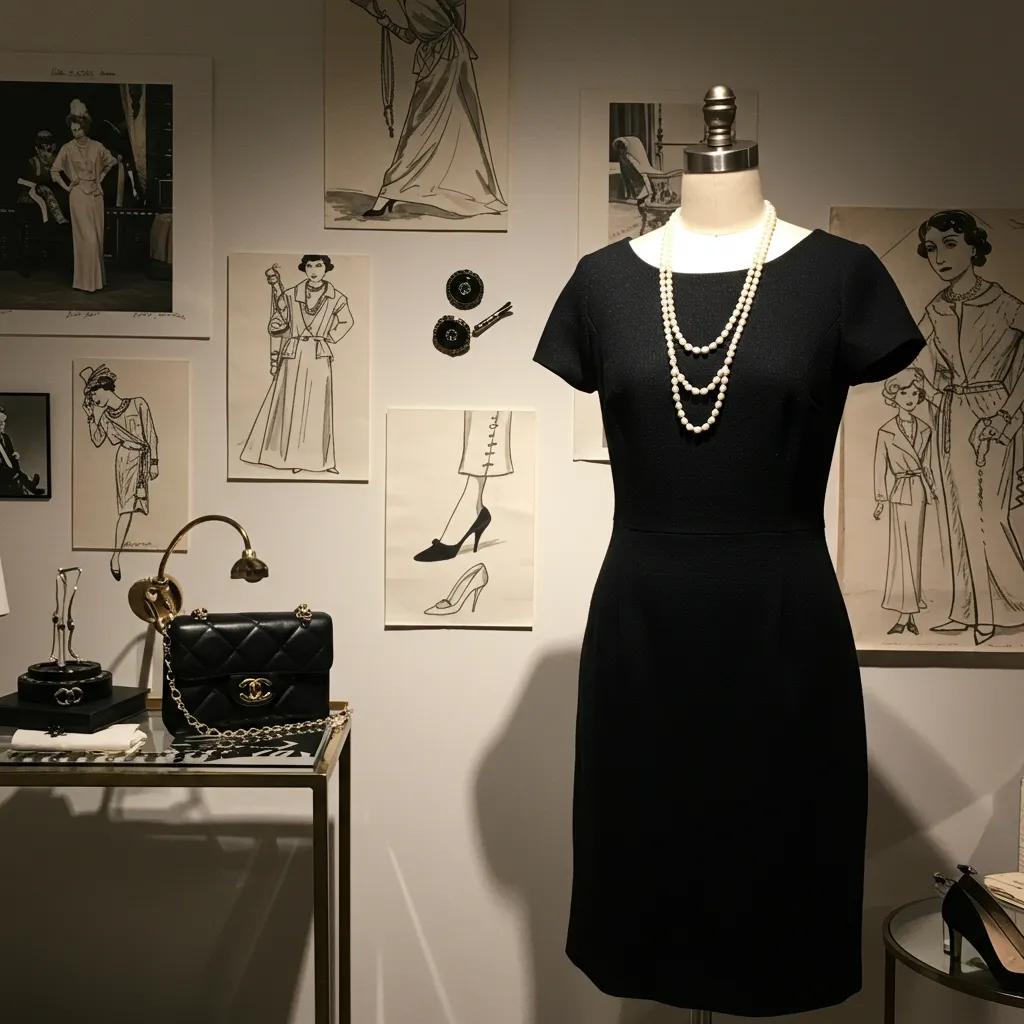
Coco Chanel redefined womenswear by introducing streamlined garments that liberated women from restrictive corsetry and ornate layers, producing functional elegance that endured. Her design language—clean lines, comfortable tailoring, and the little black dress—shifted the mechanism of style from ornamentation to utility, which broadened fashion’s appeal and market. Chanel’s use of jersey fabrics and her adoption of menswear influences institutionalized modern femininity in everyday dress, making her brand a durable cultural symbol. Her legacy continues through consistent brand identity and the persistent relevance of pieces such as the Chanel suit and classic flap bag, which remain benchmarks in luxury fashion.
How Did Christian Dior Revolutionize Post-War Fashion?
Christian Dior’s 1947 “New Look” restored volume and femininity after wartime austerity by emphasizing cinched waists and full skirts, altering the silhouette of post-war Europe. The New Look reintroduced luxury manufacturing techniques and stimulated textile industries, creating a mechanism where couture could drive economic as well as cultural renewal. Dior’s structured lines reasserted Paris as the fashion capital and established seasonal cycles that reinforced brand prestige and consumer anticipation. His approach demonstrated how a single collection can reset aesthetic norms and reboot an industry’s commercial momentum.
Why Is Ralph Lauren Synonymous with American Style?
Ralph Lauren transformed a clothing label into a comprehensive lifestyle proposition by linking tailored sportswear to aspirational narratives of Americana, leisure, and status. His designs synthesized preppy, equestrian, and Western motifs into cohesive collections that consumers could adopt at multiple price points, expanding market reach and brand recognition. Lauren’s strategy demonstrates the relationship: Designer → crafts lifestyle narrative → brand extension across home, accessories, and retail, which institutionalized fashion-as-living. That model shaped how global audiences perceive American style and created a blueprint for lifestyle branding across the creative industries.
What Are Tom Ford’s Contributions to Modern Luxury Fashion?
Tom Ford is known for injecting overt glamour and sexual confidence into late 20th– and early 21st–century luxury, both while revitalizing heritage houses and through his own label. His design language—sharp tailoring, glossy finishes, and cinematic campaigns—shifted consumer expectations around desirability and image-driven marketing. Ford’s tenure at legacy brands demonstrated how a creative director can rapidly reposition a house by aligning aesthetics, celebrity placement, and retail strategy. His impact underscores the power of visual storytelling to revalue brands and accelerate luxury consumption.
How Has Stella McCartney Led Sustainable Fashion Innovation?
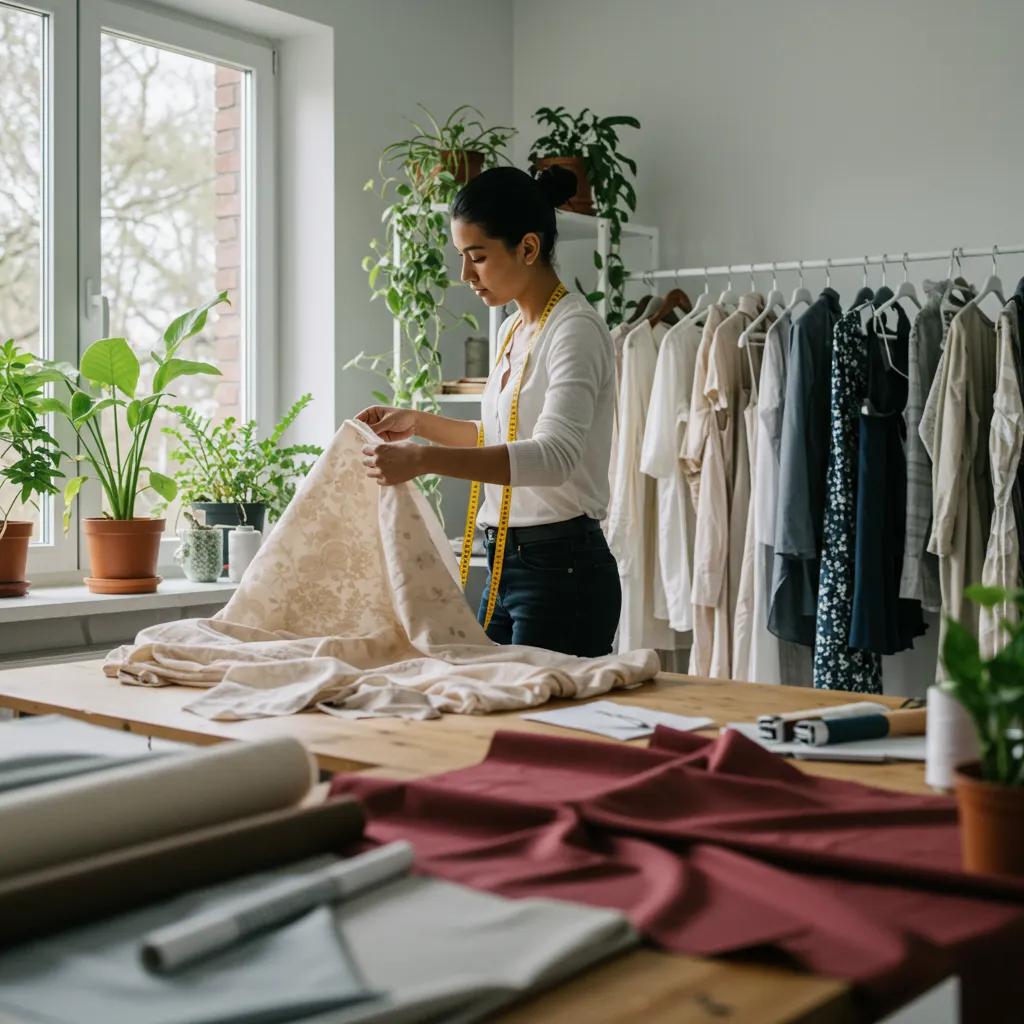
Stella McCartney has integrated environmental ethics into luxury design by prioritizing non-leather materials, transparent supply chains, and circular-thinking product strategies. Her practice models the mechanics: Material innovation → reduced environmental footprint → consumer acceptance of sustainable luxury, which has pressured peers to adopt greener practices. McCartney’s collaborations and high-visibility campaigns reframed sustainability from niche activism to mainstream design parameter, making her an influential sustainable fashion innovator. Her work shows how ethical commitments can become a signature style and a competitive differentiator within haute couture and ready-to-wear markets.
What Defines the History and Evolution of Fashion Design?
Fashion design history traces a shift from bespoke couture—where craft, client fittings, and exclusivity defined value—to mass-market ready-to-wear that democratized access and scaled production. The defining mechanisms include technological advances in textile manufacture, changes in consumer demand, and socio-economic shifts that reallocated style authority from ateliers to retail. Major movements and iconic garments provide markers for this evolution, demonstrating how designers respond to cultural conditions and commercial opportunities. Below are clear definitions, followed by a list of movements that crystallized change across the 20th and 21st centuries.
What Is Haute Couture and Why Is It Important?
Haute couture refers to custom-fitted high-fashion garments produced by specialized houses that meet strict industry criteria, including handcrafting, multiple client fittings, and seasonal presentation. The mechanism of couture is the atelier model—skilled artisans executing complex techniques to create unique pieces—which drives innovation in textiles, silhouette, and finishing. Haute couture’s importance lies in its function as a laboratory for new ideas that later diffuse into ready-to-wear and mass markets, signaling trends and setting technical standards. While couture remains commercially exclusive, its creative outputs influence broader industry aesthetics and maintain cultural prestige for fashion capitals.
How Did Ready-to-Wear Change the Fashion Industry?
Ready-to-wear emerged as designers and manufacturers standardized sizing and production processes, enabling fashion to reach wider audiences through retail channels. This shift changed economic dynamics by prioritizing scalability, seasonal assortment planning, and faster time-to-market, creating new career pathways for designers and new distribution models for brands. Ready-to-wear democratized style, turning once-exclusive silhouettes into daily wear and establishing price tiers that expanded consumer choice. The movement also altered the designer’s role, balancing creative identity with commercial viability and brand growth.
Which Fashion Movements Shaped the 20th and 21st Centuries?
Several movements reoriented style, each with distinct drivers and representative designers who amplified their aesthetics through collections and cultural moments. These movements function as pulses in fashion history: social change or technology provokes aesthetic response, designers interpret, and markets adopt or resist.
- Flapper era (1920s): liberated silhouettes, dropped waists, and youth-oriented aesthetics that reflected postwar social shifts.
- New Look (late 1940s): revived opulence and structured femininity after wartime austerity, led by designers like Dior.
- Mod and youth culture (1960s): bold geometry, mini-skirts, and democratized street-level style promoted by designers aligned with youth movements.
- Punk and subculture (1970s–1980s): anti-establishment DIY aesthetics that challenged luxury norms and influenced grunge and streetwear.
- Minimalism (1990s): pared-back silhouettes and neutral palettes that emphasized form and material instead of ornament.
- Streetwear and digital-native fashion (2000s–2020s): sneaker culture, logo-driven design, and social-media–amplified microtrends that blurred high/low distinctions.
These movements illustrate how designers translate social currents into wearable forms, driving continuous dialog between culture and commerce.
The next section compares how iconic pieces carried these movements into everyday wardrobes.
How Have Iconic Fashion Pieces Influenced Style Trends?
Iconic pieces act as recurrent templates that designers reinterpret across eras, shaping consumer expectations and retail assortments. The little black dress, popularized by Coco Chanel, became a versatile staple that signaled elegance with minimal fuss, while the trench coat and tailored suit transferred military and menswear utility into civically appropriate dress codes. These case studies show the mechanism: Signature piece → cultural adoption → iterative redesign → market saturation, which results in sustained trend cycles.
Contemporary designers borrow and subvert these archetypes, proving that historical pieces continue to provide conceptual scaffolding for new collections and street-level reinterpretations.
Who Are the Top Luxury Fashion Brand Designers and Their Houses?
Luxury houses anchor design heritage through founding narratives, iconic collections, and curated stewardship by creative directors who translate institutional identity into seasonal offerings. Understanding these relationships clarifies why brands maintain distinctive voices across decades and how leadership changes can either preserve or redefine a house’s trajectory. The table below summarizes several major houses, their founders or current creative directors, and notable milestones that shaped each brand’s public standing.
This EAV-style table clarifies how brand identity relates to founder vision and leadership decisions. The following H3s outline brand histories, the role of high-profile designers, and institutional players that support the fashion ecosystem.
What Are the Histories of Chanel, Dior, and Versace?
Chanel began as a millinery and evolved into a style system built on comfort, simplicity, and enduring codes such as tweed suits and small black dresses. Dior established post-war opulence and couture dominance with collections that revived Parisian prestige and drove textile demand. Versace fused high-octane glamour with celebrity visibility, embedding bold prints and sensual cuts into luxury lexicon. Each house demonstrates how founder vision and subsequent stewardship convert creative signature into long-term brand equity that continues to inform global fashion trends.
How Do Designers Like Donatella Versace and Karl Lagerfeld Shape Their Brands?
Creative directors imprint personal aesthetic and strategic choices onto a house, influencing everything from silhouette to marketing and celebrity alignment. Donatella Versace extended Gianni’s provocative DNA while employing high-profile collaborations to keep the house culturally visible, whereas Karl Lagerfeld reinterpreted Chanel’s codes across decades by blending heritage craft with contemporary flair. These leaders show the mechanism: Creative director → aesthetic decisions + campaign strategy → renewed relevance; such leadership shifts can alter audience perception and commercial performance almost immediately.
What Role Does the Council of Fashion Designers of America Play?
The Council of Fashion Designers of America (CFDA) functions as an industry body that supports designers through advocacy, awards, mentorship, and business development programs, strengthening the U.S. fashion ecosystem. By offering resources for early-career designers and public recognition via awards, the CFDA helps professionalize operations and elevate creative voices to wider markets. Its role demonstrates how institutional support complements creative talent, providing structural pathways from runway to retail. The council’s activities underscore the importance of organized networks in sustaining a competitive, innovative fashion industry.
Which Pakistani Fashion Designers Are Shaping Local and Global Trends?
Pakistani fashion designers mix local craftsmanship, bridal couture traditions, and contemporary ready-to-wear sensibilities, creating a distinctive regional voice that increasingly appears on international stages. These designers translate traditional textiles, embroidery, and silhouette conventions into modern collections that reflect both cultural specificity and global trends. Key events and showcases serve as platforms where designers gain buyers, press coverage, and diaspora visibility, which in turn feeds into local market growth and cross-border collaborations. The list below highlights influential Pakistani designers and explains why their work matters regionally and globally.
Who Are the Most Influential Pakistani Fashion Designers Today?
Prominent Pakistani designers combine bridal mastery with modern prêt-à-porter, producing work that resonates across South Asia and within diaspora communities seeking culturally rooted luxury. Designers in Pakistan have become synonymous with elaborate bridal craftsmanship, textile innovation, and fusion silhouettes that blend Western tailoring with traditional embellishment. Their contributions support local artisan economies while positioning Pakistani aesthetics in global conversations about luxury and heritage fashion. This regional prominence also creates opportunities for cross-cultural collaborations and international showcases that amplify Pakistani design influence.
How Do Pakistani Designers Integrate Global Fashion Movements?
Pakistani designers reinterpret global movements—such as minimalism, sustainability, and streetwear—through local materials, embroidery techniques, and cultural motifs, producing hybrid garments that feel both contemporary and rooted. The mechanism involves translating international silhouettes into locally resonant forms, like adapting Western tailoring to traditional silhouettes or using sustainable textiles in bridal contexts. Social media and the diaspora accelerate diffusion by showcasing runway moments and editorial spreads to international audiences. This integration highlights how local craft can innovate within global frameworks and create distinctive market niches.
What Are Key Pakistani Fashion Events and Their Importance?
Major Pakistani fashion events—national fashion weeks, designer showcases, and bridal exhibitions—offer marketplaces for designers to connect with buyers, stylists, and press, catalyzing commercial opportunities and career growth. These events function as discovery engines where emerging brands can attract wholesale accounts and editorial attention while established houses reinforce brand narratives. For the local industry, such platforms also stimulate related sectors like textiles, crafts, and retail, creating an ecosystem that supports talent development. Press coverage and timely reporting of these events help audiences track trends and industry shifts in real time.
After this regional overview, it is pertinent to note ARY News’ role: ARY News operates as an information hub with LifeStyle and Entertainment categories where fashion content can be hosted, and it is positioned to cover Pakistani designers, runway events, and related industry developments for domestic and international audiences. ARY News can serve as a go-to source for timely coverage of national fashion weeks, designer interviews, and trend roundups, helping readers follow local-to-global designer trajectories and industry news from a Pakistani perspective.
How Are Modern Trends and Technology Shaping the Future of Fashion Design?
Modern fashion depends increasingly on technology, sustainability practices, and platform-driven discovery; together these forces reshape production, personalization, and distribution. Digital tools—AI for trend forecasting, 3D design software for prototyping, and e-commerce personalization—optimize creative workflows and reduce time-to-market. Sustainability innovations in materials and circular design address regulatory and consumer pressures, while social media amplifies microtrends and accelerates brand discovery. The table below compares key trends and technologies, their use cases in fashion, and illustrative impacts.
This comparison shows how technological adoption maps to concrete outcomes: Technology → application → measurable industry shifts.
The following subsections explore these trends in greater depth and identify emerging designers leveraging them.
What Is the Impact of AI and Digital Tools on Fashion Design?
AI enhances several stages of fashion—forecasting consumer preferences, generating initial design variants, optimizing supply chains, and personalizing e-commerce experiences—thereby increasing efficiency and responsiveness. Designers use machine learning models to identify emerging colorways, fabric preferences, and silhouette shifts from massive data sets, enabling more informed creative decisions. AI-driven production planning can reduce overstock and waste by matching supply with projected demand, which also supports sustainability objectives. Ethical concerns—such as source data bias and copyright for AI-generated designs—require governance, but current research shows these tools significantly accelerate iteration and market-fit.
ARY News reports on such technological shifts as part of timely coverage, positioning itself to track how AI, sustainability initiatives, and platform dynamics affect regional designers and manufacturers. By highlighting case studies and industry announcements, ARY News informs Pakistani readers—particularly younger, social-media-savvy audiences—about innovations changing design and retail practices in real time.
Why Is Sustainable Fashion Becoming a Priority for Designers?
Sustainability is driven by consumer demand, regulatory scrutiny, and the economic imperative to reduce resource intensity in production; designers respond by selecting renewable fibers, adopting repair-friendly construction, and favoring local supply chains. Material innovations—such as recycled synthetics, bio-based leathers, and low-impact dyes—enable designers to lower environmental footprints without sacrificing aesthetics. The business case is clear: sustainable practices can reduce long-term costs, strengthen brand loyalty, and open access to conscious consumer segments. Designers who embed circular principles and transparent sourcing gain reputational advantage and mitigate regulatory risks while contributing to industry-wide decarbonization.
How Are Social Media Platforms Influencing Designer Popularity?
Social platforms accelerate discovery and democratize who becomes influential by rewarding visually engaging, shareable content that can go viral overnight; designers with strong platform strategies convert engagement into sales and cultural capital. Short-form video and image-led feeds enable micro-trends to proliferate, and influencer collaborations provide rapid audience access. Metrics like engagement rate and share velocity now function as proxy signals for buyer interest, reshaping PR and wholesale strategies. Consequently, designers adopt direct-to-consumer models, capsule drops, and narrative-driven campaigns tailored for platform dynamics to sustain momentum.
Who Are the Emerging Designers to Watch in 2025 and Beyond?
- Tech-enabled Minimalists: Designers using 3D sampling and zero-waste patterns to create refined, low-impact wardrobes.
- Heritage Revivers: Creatives reinterpreting traditional crafts with contemporary cuts to access global markets.
- Platform-first Brands: Labels born on social media that scale via direct-to-consumer drops and community engagement.
- Material Innovators: Designers adopting bio-based and recycled textiles to push sustainable luxury.
These archetypes show pathways through which new voices shape the next wave of fashion: combining craft, tech, and platform fluency to meet 2025’s marketplace demands.
What Are the Most Frequently Asked Questions About Famous Fashion Designers?
People commonly ask who shaped fashion most profoundly, which designers introduced specific garments, and what industry terms like haute couture mean. Clear, concise answers help capture voice-search queries and featured snippets by presenting definitions and ranked lists in straightforward formats. The questions below provide quick-reference answers that readers and search engines value.
Who Are the Top 10 Most Influential Fashion Designers?
- Coco Chanel — Modernized womenswear and created enduring wardrobe staples.
- Christian Dior — Reinvigorated post-war couture with the New Look.
- Yves Saint Laurent — Introduced prêt-à-porter and androgynous tailoring.
- Karl Lagerfeld — Reimagined heritage brands with prolific creative output.
- Giorgio Armani — Redefined menswear and power dressing.
- Ralph Lauren — Built the fashion-as-lifestyle model and global retail presence.
- Gianni Versace — Brought theatrical glamour and celebrity synergy to luxury.
- Alexander McQueen — Pushed narrative-driven couture and theatrical shows.
- Stella McCartney — Advanced sustainability within luxury frameworks.
- Tom Ford — Modernized brand image with high-gloss luxury and marketing savvy.
Which Designer Popularized the Little Black Dress?
Coco Chanel is widely credited with popularizing the little black dress by introducing an accessible, elegant garment that could be dressed up or down. Her embrace of simplified silhouettes and neutral palettes made the black dress a versatile staple for modern women, shifting conventions about evening wear and practicality. The LBD’s adoption by editors and celebrities established it as a standard item in wardrobes worldwide, demonstrating how a single design can achieve lasting cultural penetration.
What Is the Definition of Haute Couture?
Haute couture is custom-made high fashion that meets specific industry criteria and emphasizes handcrafted techniques, personalized fittings, and seasonal presentation by accredited maisons. Key criteria include hand-executed construction, multiple client fittings, an atelier of skilled artisans, and periodic shows in major fashion capitals. Couture functions as both cultural heritage and innovation hub, producing singular garments that advance technique and inform broader retail trends. The designation signals exclusivity, technical excellence, and artistic leadership within the fashion industry.
How Have Fashion Designers Impacted Global Trends?
Designers influence global trends through runway showcases, celebrity styling, editorial features, and commercial diffusion into ready-to-wear and retail assortments. The mechanism involves creative innovation on the runway, amplification via media and celebrity endorsement, followed by adaptation into more accessible price tiers. This pipeline—designer idea → media amplification → retail adoption—explains how high fashion narratives become everyday apparel across cultures. Designers also preserve and evolve craft traditions by integrating artisanal techniques into mainstream collections.
How Can You Explore the Legacies of Famous Fashion Designers Through ARY News?
ARY News provides a timely and comprehensive news and current affairs approach to covering fashion designers, fashion weeks, and industry developments, particularly for Pakistani and diaspora audiences seeking both local context and global trend reporting. The site’s LifeStyle and Entertainment categories are logical homes for biographies, event coverage, and trend analysis that connect designer legacies to present-day cultural moments. Readers can rely on ARY News to follow runway recaps, interviews, and curated biographies that explain a designer’s significance and contemporary relevance.
Where to Find Detailed Biographies of Iconic Designers?
ARY News’ editorial structure supports feature profiles and timeline-driven biographies that summarize a designer’s career, signature works, and cultural impact; these appear in the LifeStyle or Entertainment sections as long-form features and profiles. Readers should look for curated biography pieces that combine historical context, notable collections, and quoted commentary to form a cohesive narrative. Such profiles function as entry points for audiences who want both factual background and commentary on a designer’s ongoing influence in fashion and popular culture.
How Does ARY News Cover Fashion Weeks and Industry Events?
ARY News covers fashion weeks and industry events through timely runway reports, highlight galleries, interviews with designers, and trend roundups that distill key takeaways for readers. Coverage emphasizes timeliness and relevance to Pakistani audiences, showcasing how local designers participate in or respond to global fashion moments. Formats include live reporting, photo-led recaps, and analytical pieces that explain why a collection matters for broader trends, offering practical value to readers tracking industry developments.
What Are the Benefits of Following Fashion Content on ARY News?
Following fashion content on ARY News delivers timely updates, local context, and curated features that help readers connect designer legacies with current events and market shifts. The site’s coverage prioritizes accessible explanations, visual galleries, and industry interviews that support discovery and deeper understanding of trends, designers, and events. For Pakistani and international readers alike, ARY News offers a centralized information hub where news, features, and multimedia content combine to track fashion’s cultural and commercial impact.
This article has mapped iconic designers, historical turning points, luxury house dynamics, Pakistani contributions, modern technological shifts, and practical ways to follow designer legacies through trusted news coverage. Together these sections provide a structured path for readers to both appreciate fashion history and monitor its fast-moving present.
Conclusion
Understanding the impact of famous fashion designers enriches our appreciation of cultural and commercial dynamics within the industry. By exploring their legacies, readers can connect historical innovations to contemporary trends, gaining insights into how fashion shapes identity and society. Stay informed about the latest developments and designer showcases by following our dedicated fashion coverage. Discover more about the influential figures and movements that continue to define the world of fashion today.