Famous Tennis Players: Records, Achievements, and Greatest of All Time Debate
Tennis has produced generations of athletes whose records, rivalries, and personalities have defined eras and shifted how the sport is played and watched. This article synthesizes career-defining records, stylistic signatures, and the ongoing “greatest of all time” debate to give readers a structured, up-to-date overview of famous tennis players across men’s and women’s game. Readers will learn which players dominate headline statistics, how criteria like Grand Slams, peak ranking, head-to-head records and surface versatility shape GOAT arguments, and which rising stars are changing the modern landscape. The discussion also covers classic rivalries, current 2025 season context for ATP and WTA leaders, the evolution of playing styles, and human-interest dimensions such as philanthropy, training, and social media influence. Each major section contains concise profiles, comparison tables, and practical takeaways to make it easy to compare legends and emerging talent while understanding why certain names remain central to tennis history.
Who Are the Most Famous Tennis Players in History?
Famous tennis players are those whose combination of sustained success, iconic moments, and cultural impact elevated them beyond routine champions. These players typically excel in Grand Slams, repeatedly influence major tournaments, and create moments—finals, rivalries, or expressions of sportsmanship—that persist in public memory. The following profiles highlight headline achievements, stylistic hallmarks, and why each name remains central to the sport’s narrative. These short bios help readers quickly recognize the contributions that make a player “famous” while providing direction for deeper reading about style, records, and legacy.
Novak Djokovic
Novak Djokovic stands out for a rare combination of Grand Slam success, dominance across surfaces, and sustained periods at world No. 1 that have shaped modern statistical comparisons. His game is defined by elite return depth, exceptional defensive-to-offensive transitions, and mental resilience in tight moments, which together produce consistent results on hard courts, grass, and clay. Key measurable achievements include:
- Grand Slam Titles:
24 Grand Slam singles titles, the most in men’s tennis history. (reuters.com) - World No. 1 Rankings:
Record 428 weeks at world No. 1. (reuters.com) - Masters Titles:
Record 40 ATP Masters 1000 titles. (reuters.com) - ATP Finals Titles:
Record 7 ATP Finals titles. (reuters.com) - Olympic Gold Medal:
Gold medal in men’s singles at the 2024 Paris Olympics. (tennis365.com)
Djokovic’s recent seasons (through 2025) continued to reflect top-level competitiveness, with tournament wins and deep Grand Slam runs reinforcing his place among tennis’s most famous figures.
Roger Federer
Roger Federer’s headline statistic is his Grand Slam tally and his cultural imprint, particularly at Wimbledon where his style and success helped define modern grass-court excellence. Federer’s elegant one-handed backhand, fluid movement, and tactical variety produced a long list of marquee titles and iconic finals that broadened tennis’s global appeal. Beyond raw totals, Federer’s influence includes:
- Grand Slam Titles:
20 Grand Slam singles titles. - ATP Titles:
103 ATP singles titles. - Wimbledon Titles:
8 Wimbledon singles titles. - Olympic Gold Medal:
Gold medal in doubles at the 2008 Beijing Olympics.
Federer’s retirement contextualized a legacy that combines quantifiable success with aesthetic and cultural contributions that continue to influence players and fans.
Rafael Nadal
Rafael Nadal’s clay-court mastery, physical intensity, and unmatched record at Roland Garros have earned him the moniker of the French Open king. Nadal’s playing style—heavy topspin, relentless movement, and tactical patience—optimizes clay-court rallies and has produced dominant runs at Paris that feature repeated marathon matches and signature comebacks. Key achievements include:
- Grand Slam Titles:
22 Grand Slam singles titles. - French Open Titles:
14 French Open singles titles. - ATP Titles:
92 ATP singles titles. - Olympic Gold Medal:
Gold medal in singles at the 2008 Beijing Olympics.
Nadal’s resilience through injuries and capacity to return to winning form also feed into narratives about longevity and competitive spirit.
Serena Williams
Serena Williams transformed women’s tennis through a rare blend of power, athleticism, and competitive ferocity, producing a record of major titles and sustained influence on and off court. Her achievements include:
- Grand Slam Titles:
23 Grand Slam singles titles, the most in the Open Era. - Olympic Gold Medals:
4 Olympic gold medals in singles and doubles. - WTA Titles:
73 WTA singles titles.
Williams’s off-court activities—philanthropy, fashion, and media presence—complement her competitive legacy and illustrate how elite athletes can shape cultural conversations beyond results.
Other Legendary Tennis Players
Many additional players shaped tennis history through records, era-defining styles, and cultural influence; this list provides quick orientation for further exploration. Each entry below summarizes the player’s primary claim to fame and why they remain relevant to tennis discourse.
- Martina Navratilova: Dominant at both singles and doubles with revolutionary fitness and volleying skill.
- Steffi Graf: Golden Slam achiever and versatile baseline dominance across surfaces.
- Pete Sampras: Grass and serve-dominated excellence that set standards for closing out majors.
- Andre Agassi: Baseline artistry and impact on tennis’s popularity through personality and off-court visibility.
- Björn Borg: Ice-cool baseline precision and legendary Wimbledon–French Open rivalry era.
- John McEnroe: Iconic serve-and-volley artistry paired with a memorable competitive temperament.
These names encapsulate different eras and styles, highlighting how varied paths to fame can be—from technical revolutions to cultural resonance.
What Defines the Greatest Tennis Players of All Time?
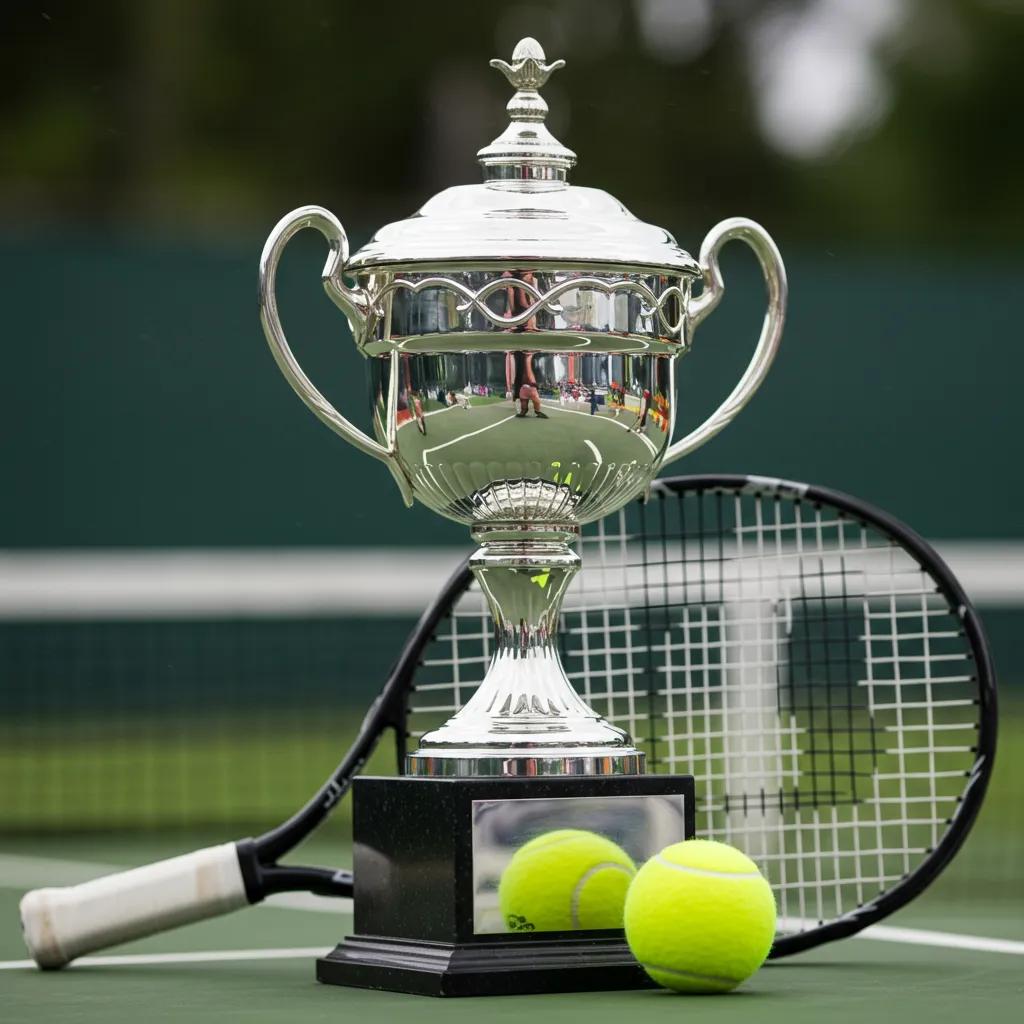
The “greatest” label mixes empirical metrics with context-dependent judgment; defining it requires transparent criteria and balanced interpretation. Core evaluation metrics include Grand Slam totals, cumulative weeks at No. 1, head-to-head records among top peers, surface versatility, and longevity at peak level. Weighing these elements together—rather than relying on a single statistic—produces a more defensible assessment of historical standing. Below are the primary criteria used to compare contenders, followed by targeted arguments for key candidates and a comparative data table that summarizes the principal attributes analysts commonly use in GOAT discussions.
- Grand Slam performance: Total titles, finals reached, and win rates at majors.
- Peak ranking and weeks at No. 1: Duration of dominance and seasonal consistency.
- Head-to-head record: Direct comparisons against contemporaries when available.
- Surface versatility and signature dominance: Ability to win across hard, clay, and grass.
These criteria form the backbone of objective comparison but always require contextual caveats—era, technology, and tour depth all affect how raw numbers translate into legacy claims.
Novak Djokovic as the GOAT
Arguments for Djokovic focus on a combination of the highest-level championships, unmatched consistency at No. 1, and superior head-to-head records against principal rivals in many cases. Proponents highlight his Grand Slam collection, flexibility across all surfaces, and match-winning mental resilience in five-setters and tight finals. Objective measures—tournament wins, Masters-level consistency, and longevity at top ranking—strengthen the case that Djokovic blends peak performance with durable supremacy. Critics note era differences and contextual factors, but the measurable breadth and depth of Djokovic’s accomplishments remain central to GOAT arguments.
Roger Federer’s Legacy in the GOAT Debate
Federer’s case rests less on raw statistical primacy and more on aesthetics, innovation, and the breadth of influence he exerted on the sport. His grace on court, success at Wimbledon, and early role in globalizing tennis created a cultural legacy that many weigh heavily in GOAT discussions. Quantitatively, Federer’s Grand Slam totals and sustained top-level presence across seasons support his candidacy, while qualitatively his contributions to tennis style, fair play, and commercial growth distinguish him from strictly numerical comparisons. The debate often frames Federer as the standard-bearer for elegance and broad appeal.
Rafael Nadal as a Strong Contender for the Greatest Player
Nadal’s extraordinary dominance on clay—particularly Roland Garros—combined with multiple major titles across surfaces, underpins his GOAT credentials. His physical style, relentless competitiveness, and capacity to return from injury-laden seasons add narrative weight to statistical achievements. Nadal’s head-to-heads with other top contenders and his ability to conjure match-winning grit in adverse conditions further bolster his claim. The interplay between surface-specific supremacy and cross-surface success makes Nadal a uniquely compelling contender in debates about all-time greatness.
Serena Williams and Other Female Players in the GOAT Discussion
Comparing across genders requires separating evaluative frameworks: within women’s tennis, Serena Williams’ combination of major titles, dominance, and cultural impact places her at the top of GOAT conversations. Players like Martina Navratilova and Steffi Graf provide additional models of all-time greatness with different blends of titles and dominance. Cross-gender comparisons should account for distinct competitive ecosystems, technological shifts, and societal factors; therefore, the most rigorous comparisons treat men’s and women’s GOAT discussions as parallel but distinct analyses. Within that context, Serena’s record and impact make her a central figure in any conversation about tennis’s greatest athletes.
Key Statistics Comparing Top Tennis Players
To clarify the core metrics used in GOAT debates, the table below summarizes principal attributes for a set of top contenders. The table uses comparative descriptors where exact numerical totals vary by date, focusing on relative positions and signature strengths that remain stable in historical assessment.
This comparison emphasizes how different strengths—statistical primacy, stylistic influence, surface dominance, and cultural footprint—combine to create varied but credible GOAT narratives. Interpreting these metrics requires context about eras, equipment, and competition depth.
Iconic Rivalries Among Famous Tennis Players
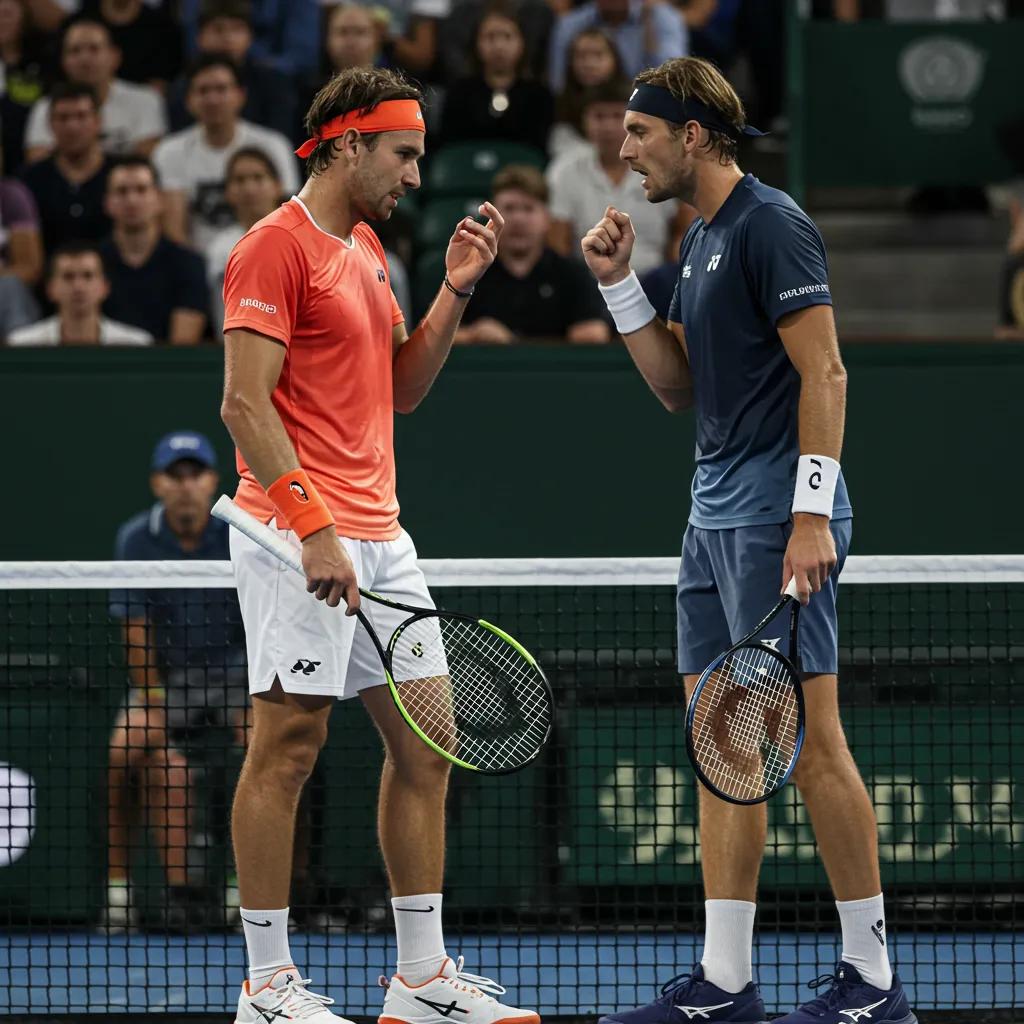
Iconic rivalries have defined fan engagement and pushed the sport’s competitive boundaries; they often coincide with era-defining matches and recurring Grand Slam finals. Rivalries matter because they produce contrasting styles, compelling narratives, and a sequence of high-stakes matches that elevate both players. The following case studies and short profiles capture why certain rivalries became central to tennis history and how their match-ups shaped public interest and tactical evolution.
- Federer vs Nadal: Contrast of elegance vs ferocity, grass vs clay dynamics, and multiple classic finals.
- Borg vs McEnroe: Stylistic and temperamental juxtaposition culminating in epochal Wimbledon matches.
- Djokovic vs Federer/Nadal: Modern trilogy of match-ups with shifting head-to-head narratives and five-set classics.
Federer vs Nadal Rivalry
The Federer–Nadal rivalry juxtaposed Federer’s fluid, classical technique with Nadal’s grinding topspin and unmatched clay prowess, producing matches that highlighted how surface and style dictate outcomes. Their finals—particularly at Wimbledon and Roland Garros—became cultural touchstones, showcasing shifting momentum and tactical adaptation across surfaces. The rivalry pushed both players to innovate footwork, shot selection, and conditioning, influencing how younger players approached cross-surface preparation. Beyond tactics, this rivalry attracted mainstream attention and broadened tennis’s global reach through repeated, dramatic encounters.
Borg vs McEnroe Rivalry
Borg and McEnroe represented a clash of temperaments and styles—icy baseline steadiness against fiery serve-and-volley invention—crystallized by iconic 1980s Wimbledon and US Open clashes. Their matches symbolized contrasting approaches to pressure and spectacle, with memorable tiebreaks and emotional displays that transcended sport. The rivalry played a central role in expanding television audiences and global interest in tennis, elevating the sport’s cultural status during a formative era. Their legacy informed how rivalries could become major entertainment narratives beyond raw results.
Djokovic’s Rivalries with Federer and Nadal
Djokovic’s rivalries with Federer and Nadal combine statistical density with modern-era adaptability, producing repeated high-stakes finals and long head-to-head records that define contemporary greatness debates. These match-ups often pivot on Djokovic’s return and defensive counterpunching versus Federer’s finesse or Nadal’s clay-based power, creating tactical puzzles that demanded novel match preparation. The dynamic nature of these rivalries—shaped by fitness regimes, evolving equipment, and scheduling—illustrates how modern rivalries are as much about long-term consistency as single-event heroics. Their collective impact helped sustain tennis’s global popularity through the 2010s and beyond.
Notable Rivalries in Women’s Tennis
Women’s tennis has its own set of enduring rivalries that shaped the sport’s competitive and cultural landscape; these often combine domestic narratives with generational shifts. Key rivalries include:
- Serena vs Venus Williams: Family-driven storylines and historic finals.
- Steffi Graf vs Monica Seles: Clash of dominant baseline champions.
- Iga Swiatek vs Coco Gauff: Emerging talents challenging established champions.
These rivalries boosted viewership, highlighted different stylistic eras in the women’s game, and underscored how interpersonal narratives amplify tournament drama. Their influence persists through increased engagement and the development of future rivalries among rising players.
Current ATP and WTA Rankings Reflecting Tennis’s Top Players
Rankings in 2025 give a snapshot of who leads the tour and how season results and Grand Slam outcomes shaped seeding and narratives. Rankings reflect rolling performance, so recent Grand Slam winners and finalists often move prominently in season snapshots, while younger challengers can rise rapidly with breakthrough results. The table below offers a concise 2025 snapshot of leading players and recent Grand Slam form to help readers understand the current competitive landscape without relying on daily-updated lists. After the table, we explain how ranking mechanics influence draws, sponsorship, and career planning.
- The ranking snapshot contextualizes why certain names appear at the top and how Grand Slam outcomes influence seasonal narratives.
- Rankings shape seedings, which in turn affect draw difficulty and match pathways in major tournaments.
Top Male Tennis Players in the 2025 ATP Rankings
The 2025 male landscape features a mix of proven champions and newer contenders who have produced headline results; prominent names in that snapshot include Novak Djokovic, Carlos Alcaraz, and Jannik Sinner. Each player brings distinctive strengths—Djokovic’s all-surface mastery, Alcaraz’s explosive athleticism and shot-making, and Sinner’s rising tactical consistency—that shape their season narratives. Tournament form, injury management, and results in key Masters and Grand Slam events in 2025 determine how these names interchange positions through the season. The emphasis for fans and analysts is on head-to-head matchups and form trajectories rather than fixed rankings.
This table illustrates how merit in 2025 is tied to Grand Slam form and seasonal consistency; rankings evolve as players convert form into titles and points. Rankings ultimately influence tournament seedings and the narrative around who is most likely to contend for year-end honors.
ATP Ranking Correlation with Grand Slam Wins: A Data Analysis
In order to clarify the data related to the studies and conclude a clear conclusion, I use a data visualization tool called Tableau. After integrating the dataset, it enables me to conclude that there is a positive correlation between the players’ performance and their real ATP ranking (The players that have higher ATP ranking are more likely to win the championship in Grand Slam). According to this comprehensive conclusion, we can predict the future winners of a Grand Slam according to the given ATP ranking for that year.
Relationship between ATP Ranking and the Men’s Tennis Grand Slam Winner in the Last 15 years, 2023
Top Female Tennis Players in the 2025 WTA Rankings
The women’s 2025 picture includes established champions and players who consolidated major wins; notable names include Iga Swiatek, whose 2025 Wimbledon victory reaffirmed her status, along with other high-performing contenders. These players exhibit strengths such as Swiatek’s tactical consistency, powerful baseline play, and intelligent point construction that translate into sustained major-level results. Boarded by younger challengers and veterans, the WTA rankings in 2025 reflect both continuity in top performers and opportunities for new contenders to ascend through standout Slam and Premier-level results.
Rankings Influence on Player Careers and Tournament Seedings
Rankings affect seedings directly, shaping draw difficulty and the pathway to later rounds in majors; higher-ranked players receive seeding protection that can prevent early match-ups against other top players. Beyond draws, rankings affect sponsorship deals, tournament invitations, and a player’s commercial value, making consistent ranking maintenance crucial for financial and scheduling stability. Protected ranking mechanisms exist to assist injured players returning to competition, altering comeback strategies and tournament entry options. In practice, a player’s ranking often determines both immediate match difficulty and long-term career planning.
Recent Updates from Grand Slam Tournaments
Grand Slam tournaments in 2025 produced headline moments—surprise finalists, shifts in perceived dominance, and matches that altered season trajectories. Recent winners and upsets influenced rankings and seeded expectations for the rest of the season, creating new storylines around young contenders and established veterans. These outcomes also shaped fan anticipation for upcoming hard-court and clay-court swings where tactical adjustments and surface-specific preparation will determine further ranking movements. Observers should watch how Slam momentum translates into confidence and results across the rest of the calendar.
Career Highlights and Playing Styles of Rising Tennis Stars
Rising stars blend youthful athleticism with advanced tactical training, creating a new generation that pressures established champions in majors and tour events. Profiles below distill each player’s standout attributes, major achievements, and likely trajectory based on 2025 form. Understanding playing styles—power baseline, all-court versatility, or elite defense—helps predict match-ups and where each rising star is most likely to continue their ascent. A summary table at the end of this section gathers attributes for quick comparison.
Carlos Alcaraz
Carlos Alcaraz combines explosive forehand power, court speed, and creativity that produce a high-risk, high-reward style effective on multiple surfaces. His breakthrough Grand Slam performances and ability to close tight matches against top opponents established him as a key challenger in 2025. Alcaraz’s tactical aggression—seeking short points and forward court opportunities—helps him dominate rallies and create unpredictable patterns for opponents. Continued improvements in serve consistency and return depth are the next steps for converting talent into long-term major dominance.
Jannik Sinner
Jannik Sinner’s compact, efficient technique and steady mental approach make him a rising contender with a strong baseline game and growing tactical sophistication. His consistency and ability to grind through long matches position him as a reliable deep-run threat at majors. Sinner’s incremental improvements in serve variety and net play enhance his capacity to challenge diverse opponents across surfaces. If he sustains physical conditioning and match management, Sinner is likely to become a fixture in late-stage Grand Slam draws.
Iga Swiatek
Iga Swiatek’s tactical intelligence, heavy topspin forehand, and court coverage culminated in a 2025 Wimbledon win that underscored her tactical dominance on multiple surfaces. Her approach—mixing depth, variety, and consistent aggression—sets a tactical template for younger players seeking all-court adaptability. Swiatek’s success has also elevated attention on methodical point construction and mental preparation as pillars of modern women’s tennis. Her influence extends to training approaches among juniors who now emphasize tactical versatility and disciplined match plans.
This concise comparison highlights how differing styles and achievements shape each player’s trajectory and potential for long-term impact on the sport.
Emerging Trends in Tennis Among Young Players
Contemporary trends among young players include increased emphasis on data-driven coaching, bespoke physical conditioning, and social-media-driven personal branding that accelerates visibility beyond on-court results. Equipment developments, such as refined racket technology and analytics tools, change how players prepare and execute tactical plans. Coaching teams increasingly integrate sports science—sleep, nutrition, recovery metrics—creating marginal gains that aggregate into on-court advantage. These trends not only affect match outcomes but also how young players build careers and engage global audiences.
How Has Tennis Evolved Through History and What Are Its Most Significant Moments?
Tennis evolution reflects shifts in equipment, athleticism, and professional structures that reshaped playing style and competition. The Open Era, advances in racket technology, and fitness regimes shifted the balance from serve-and-volley dominance to baseline power and finally to modern all-court versatility. Landmark matches, policy changes, and the expansion of global participation redefined how talent is developed and how fans engage with the sport. The timeline below and ensuing discussion highlight records and stylistic transitions that mark tennis’s historical arc.
Most Grand Slam Records in Men’s and Women’s Tennis
Grand Slam records capture standout achievements like most major titles, youngest champions, and epic match durations that symbolize exceptional performance. These records provide benchmarks for greatness and orient comparisons across eras, though differences in era length and tour structure complicate direct comparisons. Records also serve as aspirational targets for rising stars and are frequently referenced in GOAT debates and media narratives. Understanding these records helps fans contextualize current achievements within a historical framework.
How Has Playing Style Changed Over Different Tennis Eras?
Serve-and-volley, baseline power, and modern all-court play represent broad stylistic phases influenced by racket materials, court speeds, and conditioning. Early eras prioritized net approaches and classical footwork, while later decades saw baseline dominance powered by heavier rackets and string technology. Contemporary players blend elements—aggressive baseline hitting combined with quick transitions and improved defensive systems—creating a hybrid game that rewards multi-dimensional skill sets. These shifts have tactical implications for training and match preparation across surfaces.
Key Historical Moments That Shaped Tennis
Certain milestones—like the start of the Open Era, rule and scheduling changes, and iconic final matches—altered tennis’s competitive and commercial trajectory. The Open Era professionalized competition, enabling athletes to earn prize money and elevating tournament prestige. Iconic finals and rivalries amplified global interest, while policy changes around technology and training impacted playing styles. Each moment contributed to tennis’s present structure and informs how historians and analysts evaluate subsequent achievements.
How Has Tennis Popularity Grown Globally and in Pakistan?
Global participation and market interest have expanded through broadcast reach, international tournaments, and grassroots development programs; this growth is evident in increased junior participation and emerging talent from diverse regions. In Pakistan, interest in tennis has grown through local coaching initiatives, media coverage, and youth programs that cultivate talent despite infrastructure challenges. Coverage that connects global narratives to local players helps build national interest and inspire future generations to engage with tennis as both a competitive and recreational pursuit.
What Human Interest Stories and Off-Court Contributions Define Famous Tennis Players?
Human-interest aspects—philanthropy, training innovations, personal adversity, and social media presence—contribute to a fuller understanding of famous players beyond match statistics. These stories illustrate how athletes leverage visibility to support causes, adopt advanced training regimens, and navigate personal challenges that shape public perception and legacy. The following subsections explore philanthropic efforts, training and diet, notable personal challenges and comebacks, and the evolving role of social media in shaping athlete narratives.
Notable Philanthropic Efforts by Tennis Legends
Many tennis legends channel their platform into foundations and charitable work focused on education, healthcare, and sport access, using philanthropic ventures to extend impact off court. These programs often target youth development and health initiatives in regions where tennis infrastructure is limited, creating legacy projects that outlive competitive careers. Examples show how philanthropic strategy aligns with personal values—supporting talent pipelines, building facilities, and funding scholarships—to create measurable community benefits. Philanthropy thus becomes a core part of a player’s public legacy and social contribution.
- Notable philanthropic focus areas include youth development, health, and access to sport.
- Players often use foundation platforms to support long-term community projects.
- Legacy impact manifests through facilities, scholarships, and ongoing program funding.
These charitable efforts illustrate how athletic fame can translate into sustained social value, shaping post-career reputations and influencing future generations.
How Do Training Regimes and Diets Influence Player Success?
Elite training regimens combine periodized physical conditioning, sport-specific technical drills, and precise nutritional strategies that together sustain performance across long seasons. Recovery practices—sleep optimization, hydration protocols, and evidence-based supplementation—minimize injury risk and preserve peak physicality through punishing tour schedules. Coaches and sports science teams use data analytics to individualize training loads and tactical preparation, allowing players to refine match plans and manage load across surfaces. Nutrition, recovery, and monitoring are therefore central to converting talent into sustained major-level results.
- Periodized conditioning: Structured strength and endurance cycles reduce injury risk and enhance performance.
- Nutrition and recovery: Tailored diets and recovery protocols maintain energy and support repair.
- Data-driven coaching: Performance metrics guide practice intensity and tactical adjustments.
Together, these elements form an ecosystem that enables modern players to compete at high levels for longer careers.
What Personal Challenges Have Famous Players Overcome?
Injuries, mental-health struggles, and personal adversity form recurring themes in many top players’ careers; successful comebacks often highlight resilience and adaptive training strategies. Case studies of players returning from long layoffs reveal the role of protected ranking rules, gradual competition reintroduction, and psychological support in facilitating returns to form. These stories humanize champions and inform public conversations about athlete welfare, rehabilitation best practices, and the pressures of elite competition. Overcoming adversity becomes a critical dimension of a player’s narrative and legacy.
How Does Social Media Shape the Public Image of Tennis Players?
Social media platforms amplify player personalities, enable direct fan engagement, and create viral moments that extend a match’s impact beyond live audiences. Platforms such as short-form video and image-heavy networks allow players to showcase training, lifestyle, and advocacy, building brand value and sponsor appeal. Social engagement strategies also influence younger fans’ perceptions and can accelerate storylines—viral celebrations, candid interviews, and behind-the-scenes content often shape media narratives as much as on-court results. Effective social media presence thus complements sporting achievement in shaping a modern athlete’s public image.
This newsroom descriptor summarizes how ongoing coverage of athlete philanthropy, training innovations, and personal narratives keeps audiences connected to the human stories behind the records.
Conclusion
Understanding the legacies of famous tennis players reveals not only their remarkable achievements but also the cultural impact they have had on the sport. By exploring their records, rivalries, and personal stories, fans gain a deeper appreciation for the nuances that define greatness in tennis. To stay updated on the latest developments and insights in the world of tennis, consider following our comprehensive coverage. Join us in celebrating the sport’s rich history and vibrant future.