Comprehensive History of Fashion Trends: Explore Fashion Eras, Iconic Designers, and Clothing Styles Through Time
Fashion history charts how human societies have expressed identity, status, and technology through clothing, textiles, and silhouette changes over centuries. This article explains what fashion history is, why tracing fashion eras, iconic designers, and garment evolution matters, and how those threads connect to contemporary trends and cultural debates. Readers will learn concise definitions of major eras, compact designer biographies, garment evolution case studies, a chronological timeline of key milestones, and practical methods—including AI and multimedia—to visualize and teach fashion history. The piece also highlights Pakistani fashion within a global frame and suggests how journalistic platforms can responsibly document and present these stories for younger audiences, building bridges between scholarship, museums, and popular culture.
What Are the Major Fashion Eras in History?
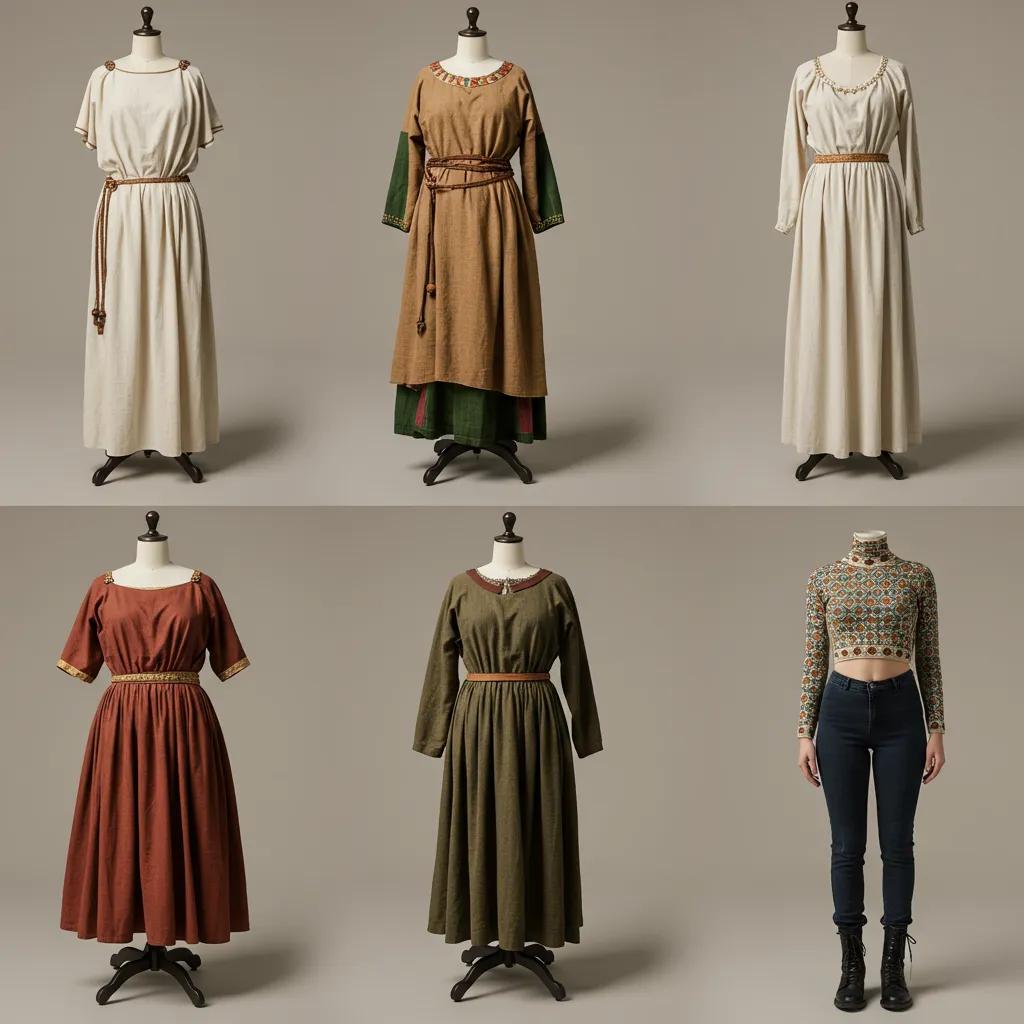
Major fashion eras are chronological periods defined by dominant silhouettes, materials, and social drivers that shaped dress and textile production. These eras reflect technological advances, political shifts, and cultural aesthetics that produced recognizable garments and construction techniques across regions. Understanding eras helps identify continuities—such as recurrence of high waists or tailored jackets—and differences like the role of sumptuary law in medieval courts versus mass production in the Industrial Age. The list below offers an at-a-glance view useful for study or teaching, while the table that follows provides a concise comparative reference for key characteristics.
- Ancient: Drapery-focused garments signaling status through textiles and ornamentation.
- Medieval to Renaissance: Tailoring and layered garments as civic and courtly signifiers.
- Regency to Victorian: Silhouettes shaped by empire lines, crinolines, and corsetry reflecting social codes.
- Edwardian to 1920s: Softer lines, increasing mobility, and then radical shortening and liberation in the flapper era.
- Mid-20th century: Postwar reconstruction and Dior’s New Look reshaping feminine silhouettes.
- 1960s–1990s: Youth-driven miniskirts, tailoring revolutions, and eclectic postmodern mixing.
- 21st century: Globalized trends, digital diffusion, and sustainability conversations.
Intro to comparative table: The table below presents each era with timeframe and key visual or cultural hallmarks for quick reference and classroom use.
This compact comparison clarifies how silhouette, fabric, and social context make each era distinct and why those differences matter for modern curation and study.
How Did the Regency Era Influence Early 19th Century Fashion?
The Regency era defined an empire-line silhouette that simplified structure and drew inspiration from classical antiquity, prioritizing vertical lines and natural waistlines. Lightweight muslins and gathered skirts replaced heavily structured garments, making dress less constrained and more conducive to social mobility and salon culture. This change reflects broader cultural shifts after the Napoleonic wars toward neoclassical aesthetics and emphasizes how political upheaval can alter sartorial codes. Understanding Regency form leads directly into how subsequent Victorian engineering reintroduced structure and ornamentation.
What Defined Victorian and Edwardian Clothing Styles?
Victorian and Edwardian clothing emphasized tailored structure: crinolines, bustles, corsets, and an evolving silhouette that codified gendered dress and social rank through layers and embellishment. Industrialization increased textile availability and mechanized sewing, enabling wider consumption while also entrenching restrictive fashions for women that signaled propriety. These technical and social drivers set a baseline that later reformers and designers would react against, shaping twentieth-century liberation movements in dress. Examining this period explains why later silhouettes like the flapper dress marked both stylistic and social rupture.
How Did the Roaring Twenties and 1960s Mod Movement Shape Fashion?
The 1920s flapper movement shortened hemlines, dropped waistlines, and embraced looser forms as visual shorthand for female emancipation and urban nightlife culture. The 1960s mod movement again centered youth, with geometric cuts, bright colors, and Mary Quant’s miniskirt reframing fashion as a mass-market, youth-led phenomenon. Both eras show how social groups—women in the 1920s and teenagers in the 1960s—used dress to negotiate identity and visibility in public space. Comparing the two highlights recurring patterns where cultural energy and media dissemination accelerate silhouette change.
What Are Key Characteristics of Ancient and Renaissance Fashion?
Ancient dress prioritized textile quality and drapery, using folds, pins, and ornament to convey status; regional weaving techniques and trade routes drove material culture. Renaissance fashion shifted toward cut and tailoring, introducing fitted sleeves, slashing, and padding as courtly display intensified with luxury fabrics like silk and velvet. Sumptuary laws and patronage systems controlled who could wear certain materials, linking clothing tightly to social hierarchy. These historical mechanisms show how textiles, law, and craft combine to produce durable fashion languages that later designers reference.
How Do Fashion Eras Reflect Social and Cultural Changes?
Fashion eras act as visual indexes of social values, technological capacity, and political organization—war rationing produces utility dress just as prosperity spurs extravagance in peacetime. Case studies like wartime utility or postwar New Look reveal direct causation: material scarcity triggers simplification, while economic recovery fosters ornament and volume. Fashion also codifies gender norms, with changes often signaling shifts in labor, leisure, and rights movements. Recognizing these cause-effect relationships helps historians and journalists contextualize clothing beyond aesthetics toward social function.
Who Are the Most Influential Iconic Fashion Designers in History?
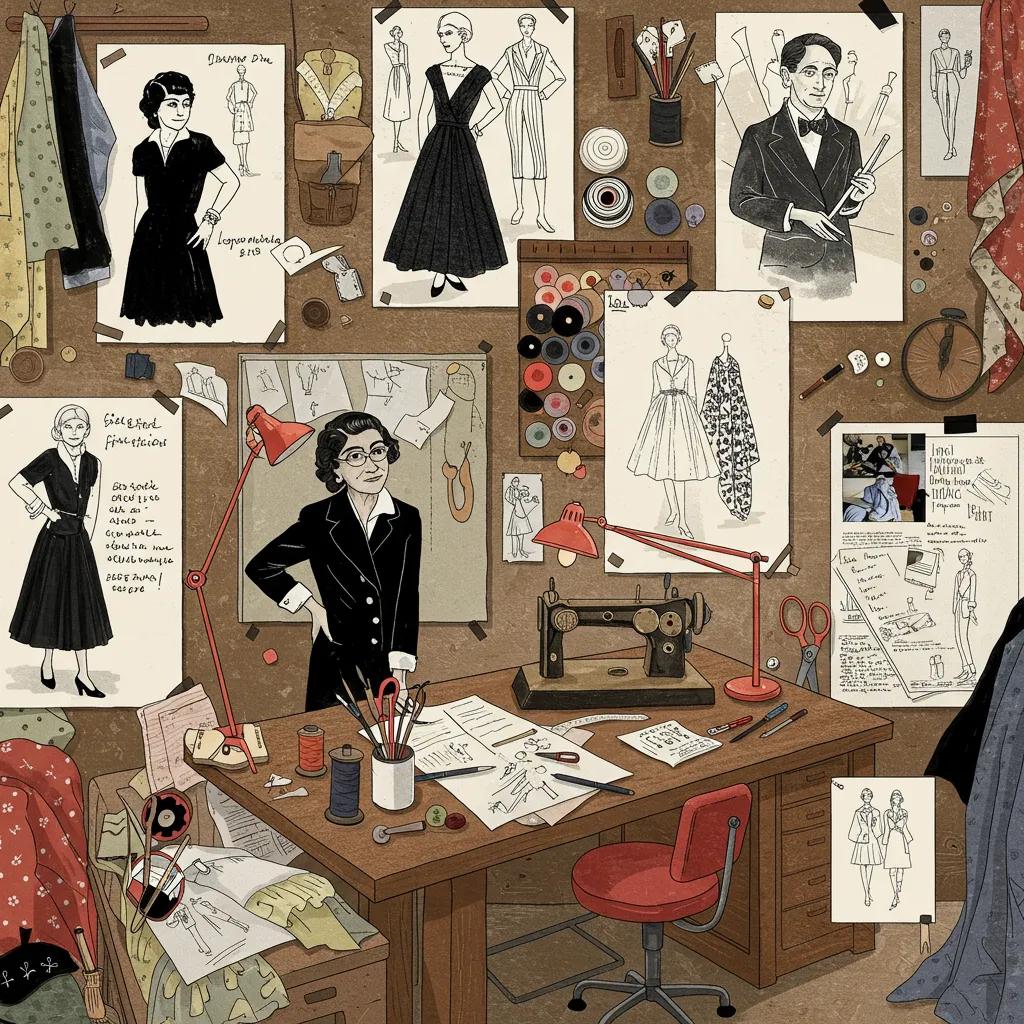
Iconic designers are individuals whose innovations redefined silhouette, production, or cultural meaning in ways that persisted beyond their lifetimes. Designers often act as nodes linking craft, commerce, and cultural symbolism; their signature contributions become shorthand—such as Chanel’s little black dress or Dior’s New Look—for broader social shifts. The table below highlights several designers, their signature contributions, and the eras in which they most impacted fashion practice and public taste. After the table, a short list distills why studying these figures matters for understanding modern dress.
- Coco Chanel: Democratized women’s clothing with simplified silhouettes and practical fabrics.
- Christian Dior: Reintroduced opulent femininity after wartime austerity through the New Look.
- Charles Frederick Worth: Institutionalized the haute couture house and atelier model.
- Mary Quant: Commercialized youth fashion and popularized the miniskirt.
- Yves Saint Laurent & Paul Poiret: Challenged corsetry and gendered tailoring with smoking suits and freed silhouettes.
Intro to designer table: The table below summarizes pivotal designers, their signature innovations, and the historical contexts that amplified their influence.
Studying these figures clarifies how design choices intersect with commerce, technology, and gendered expectations to create legible shifts in fashion.
What Was Coco Chanel’s Legacy in Modern Fashion?
Coco Chanel reshaped women’s wardrobes by prioritizing simplicity, comfort, and a tailored ease influenced by menswear, producing enduring forms like the little black dress and the Chanel suit. Her use of jersey and unstructured cuts replaced elaborate corsetry with garments that facilitated mobility, aligning with early 20th-century social changes for women. Chanel’s brand also institutionalized a fashion vocabulary—tweed, chains, and costume jewelry—that continues to inform runway and street-level reinterpretations. This legacy connects directly to later designers who bridged couture vocabulary and mass production.
How Did Christian Dior’s ‘New Look’ Revolutionize Postwar Fashion?
Christian Dior’s 1947 “New Look” emphasized full skirts, small waists, and a lavish return to femininity after wartime rationing, reshaping public expectations of luxury and glamour. The silhouette symbolized economic recovery and a cultural pivot from utility back to opulence, while also sparking debates about gender roles and consumption. The New Look’s industry impact included renewed textile demand and a resurgence of couture houses as tastemakers. Exploring Dior’s effect highlights how silhouette can act as a cultural signal after major geopolitical events.
Christian Dior Silhouettes: A Study in Social History and Non-Verbal Communication
Throughout the social history of human civilization and art history, the human body was and still is a challenging field to explore in various representations, a material for various manners of cultural interventions. The way of artistically representing the body, the clothed body, has followed the path of various artistic movements that marked art history. In the act of interpersonal perception, the costume establishes itself as a particular field of non-verbal communication, one based on image. The present paper refers to the costume, as a particular vector of non-verbal communication in social space, as it was depicted and perceived in the painting of the 17th century and early 18th century, a time marked by the Baroque style. From this point of view, garment received the value of an intermediary in the communication between bodily space and the social one.
an Investigation of the Silhouettes of Christian Dior, 2019
What Contributions Did Charles Frederick Worth and Mary Quant Make?
Charles Frederick Worth formalized the couture system by presenting seasonal collections and asserting designer authorship, creating the atelier-house model that centralized taste-making and bespoke production. Mary Quant, over a century later, inverted couture’s exclusivity by marketing youth-focused, affordable ready-to-wear and elevating the miniskirt as a symbol of democratic fashion. Worth’s institutional model and Quant’s mass-market innovations together map how the fashion system oscillates between exclusivity and accessibility. These contrasting contributions explain the dual economies—haute couture and ready-to-wear—that persist today.
How Have Yves Saint Laurent and Paul Poiret Influenced Fashion Evolution?
Paul Poiret liberated women from heavy corsetry in the early 20th century, offering looser silhouettes and Orientalist-inspired drapery that anticipated later modernist simplifications. Yves Saint Laurent later introduced masculine tailoring for women, notably the tuxedo suit, and helped bridge couture creativity with ready-to-wear accessibility. Both designers demonstrate how reinterpretation of gendered elements—corsetry removal or menswear borrowing—reshapes cultural expectations of dress. Their legacies persist in contemporary tailoring and gender-fluid fashion.
How Do Fashion Houses Like Chanel and Dior Shape Fashion History?
Fashion houses operate as cultural institutions that curate archives, define seasonal narratives, and manage brand mythologies across decades, cementing particular looks as canonical. Houses preserve and exhibit historical garments, which reinforces influence through retrospective shows and museum loans, thereby shaping scholarly and popular understandings of fashion history. Their commercial infrastructure—atelier systems, show calendars, and brand storytelling—also dictates how trends scale from catwalk to consumer markets. Recognizing houses as both creative studios and archival stewards helps explain their outsized role in fashion’s historical record.
How Have Clothing Styles Evolved Through History?
Clothing styles evolve through material innovation, social change, and shifting production models, creating continuities such as recurring silhouettes alongside radical reworkings like the miniskirt. Garment histories reveal how function, symbolism, and technique combine: a corset is both structural garment and social instrument, while a sari or shalwar kameez encodes regional identity and craft traditions. The table below traces key garments from origin to modern equivalents to help readers and educators map continuity and change. After the table, examples illustrate technological drivers like sewing machines or synthetic fibers that accelerated transformation.
Intro to garment evolution table: The following table summarizes select garments, their origins, and how they evolved into contemporary forms or equivalents.
This table clarifies continuity: garments shift in function and symbolism while retaining lineage visible to designers and historians.
What Are the Origins and Evolution of Corsets and Crinolines?
Corsets originated as shaping garments in early modern Europe, designed to sculpt the torso to fashionable proportions and signal social status through silhouette control. Over centuries corsetry evolved in materials and rigidity before being partially abandoned or reinterpreted by modern fashion designers as aesthetic or theatrical elements rather than daily constraints. Crinolines created wide skirts via hoops and later gave way to softer petticoats and silhouette suggestions implemented through tailoring techniques. Tracing their evolution reveals intersections of health debates, industrial textile production, and shifting gender norms.
How Did the Flapper Dress and Miniskirt Define Their Eras?
The flapper dress of the 1920s signaled liberation through dropped waists, embellishment, and freer movement tied to new social freedoms for women, while the miniskirt of the 1960s embodied youth revolt and mass-market democratization of style. Both garments served as cultural shorthand: one for postwar modernity and jazz culture, the other for youthful autonomy and visual disruption of established gendered codes. Designers and streetwear together propagated these looks through images, nightlife, and retail, demonstrating how top-down and grassroots forces combine in trend diffusion. Comparing their diffusion clarifies how social meaning attaches to hemline changes.
What Is the Historical Significance of Traditional Attire Like Saris and Shalwar Kameez?
Saris and shalwar kameez are living garments with regional variations, long craft histories, and layered meanings tied to ritual, status, and climate-adapted design; they also illustrate continuity between premodern textile trade and modern fashion expression. Embroidery techniques, block printing, and regional looms preserved local identity even as colonial and global markets introduced new fabrics and aesthetics. Contemporary designers often reinterpret these forms, blending heritage craft with modern cuts to create fusion garments that travel diasporic and international circuits. Examining these garments connects material culture, artisanship, and modern design practice.
How Have Tailored Suits and Empire-Line Dresses Changed Over Time?
Tailored suits evolved from male military and court dress into gender-spanning garments that signal professionalism and authority, while empire-line dresses recur as aesthetic choices that flatten the waistline and emphasize elongation. Advances in tailoring, pattern making, and textile blends permitted faster production and wider adoption across classes, shifting suits from bespoke to ready-to-wear. Designers periodically rework these archetypes—shortening jackets, changing lapels, or altering waist placement—to align with contemporary values and silhouettes. These technical and stylistic tweaks reveal the mechanics behind perceived trend shifts.
What Role Did Technological Advancements Play in Clothing Style Changes?
Technologies—spinning, weaving, the sewing machine, synthetic fibers, and digital manufacturing—altered the cost, speed, and form of garments, enabling mass-market styles and rapid trend cycles. Synthetic fabrics expanded colorfastness and affordability while digital tools and e-commerce in the 21st century accelerated global diffusion and micro-trend creation. These levers changed not only look and price but also the social reach of styles, allowing youth subcultures to scale internationally and designers to experiment with novel construction. Recognizing these technological inflection points explains how fashion moved from local craft toward globalized industry.
How Has Fashion History Impacted Culture and Society?
Fashion history shapes and is shaped by movements, identity politics, and economic force; clothing often functions as nonverbal communication signaling allegiance, resistance, or aspiration. Case studies like suffragette dress, wartime utility, and contemporary gender-fluid fashion show how dress records political and social shifts. Fashion can both consolidate power and serve as a tool for protest, with visible garments becoming shorthand in public discourse and activism. This understanding naturally leads to how a journalistic information hub can trace those cultural impacts and present them to diverse audiences.
Fashion as social signal and instrument:
- Protest and Identity: Clothing used to broadcast political positions or community membership.
- Economic Signaling: Luxury dress conveys wealth while mass-market fashion encodes accessibility.
- Gender Expression: Silhouettes change alongside gender norms and performative style choices.
These three functions explain why historians analyze dress when studying social movements and why reporting on fashion matters for civic understanding.
For readers curious about how newsrooms can document these intersections, ARY News—an Information Hub—brings journalistic methods to cultural coverage. To provide timely and comprehensive news and current affairs coverage, keeping the audience informed and engaged with diverse content. This mission aligns with responsibly mapping fashion’s social impacts for a primarily Pakistani and international audience that includes many younger readers who consume stories via multimedia platforms.
In What Ways Did Fashion Reflect Social Movements and Gender Norms?
Fashion has mirrored suffrage white dresses, workplace tailoring, and the gendered codes of different eras to express demands for rights and recognition; clothing often becomes shorthand in movements because it is immediate and visible. Designers and wearers both repurpose garments to challenge norms, while archives preserve those acts as documentary evidence. The interplay between garment choice and social message underscores why historians look to fashion as primary source material. Understanding that relationship leads to questions about wartime contexts where material constraint reshaped everyday dress.
How Did Wartime Fashion Influence Clothing Trends in the 1940s?
Wartime rationing and utility clothing in the 1940s constrained materials and simplified silhouettes, producing practical garments that prioritized function over ornament and reflected national priorities. After the war, designers like Dior offered a dramatic aesthetic reversal that celebrated fabric abundance and luxury, illustrating immediate cultural reactions to scarcity. These shifts demonstrate causality between material availability and public taste, and the postwar pendulum swing helps explain recurring cycles between austerity and extravagance. This wartime example sets up broader analyses of identity signaling across eras.
What Is the Relationship Between Fashion and Identity Across Eras?
Across time, clothing has signaled class, ethnicity, gender, and political alignment; costume functions both as personal expression and communal marker that can be policed or celebrated. Cross-era examples—from court dress to streetwear—show how visibility and material access shape identity formation. Contemporary debates about appropriation versus exchange further complicate how culture circulates through dress, demanding careful contextualization in reporting and scholarship. That complexity points directly to opportunities for multimedia storytelling and structured data to clarify provenance and attribution.
How Does Fashion History Connect to Modern Trends and Sustainability?
Recent resurgence of vintage, the booming resale market, and renewed interest in artisanal craft reflect historical continuities in reuse and repair that predate fast fashion. Resale and circularity reframing historical practices—mending, repurposing, and multi-season wear—as sustainable tactics adapted to contemporary concerns. Current research shows consumers increasingly value provenance, and this shift creates openings for educational tools that explain how past practices inform present solutions. Recognizing these continuities informs both scholarship and practical guidance for sustainable consumption.
How Has Pakistani Fashion History Intersected with Global Fashion Trends?
Pakistan’s textile and craft traditions—Mughal-influenced embroidery, regional weaving, and dyeing—have long interfaced with global trade routes and colonial-era tastes, producing hybrid garments and enduring motifs. Modern Pakistani designers often rework historical motifs into contemporary silhouettes, exporting cultural forms through diasporic communities and fashion weeks. To provide timely and comprehensive news and current affairs coverage, keeping the audience informed and engaged with diverse content. That mission positions a national information hub to document how local crafts scale to international recognition and why youth audiences are especially receptive to multimedia historical storytelling.
Key attributes of Pakistani fashion within a global frame:
- Regional craftsmanship anchored in embroidery, block printing, and handloom textiles.
- Hybrid silhouettes that adapt sari or shalwar kameez forms into contemporary cuts.
- Growing designer visibility through festivals, diasporic networks, and digital channels.
These features support narratives that connect local heritage to global markets and contemporary trend cycles.
How Has Traditional Pakistani Attire Evolved Over Time?
Traditional Pakistani garments like shalwar kameez and regional sari variants evolved through local craftsmanship, trade in dyes and fibers, and changing social contexts, moving from household production to organized workshops and designer ateliers. Embroidery motifs and stitch techniques preserve community identity while designers reinterpret these crafts into modern silhouettes for urban wear. Continuities in artisan skills coexist with technological adoption in textile finishing and dyeing. These trajectories explain how heritage crafts remain a living resource for modern fashion.
What Are the Influences of Global Fashion Eras on Pakistani Styles?
Colonial, post-colonial, and global media influences introduced new fabrics, cuts, and retail models to South Asia, producing hybrid garments that blend local embroidery with imported silhouettes. The 20th century saw adaptation of tailored jackets, Western eveningwear, and later youth-driven looks, creating a plural fashion vocabulary. Designer reinterpretations often foreground local craft within global silhouettes, enabling cross-cultural dialogues. Recognizing these diffusion pathways helps explain contemporary fusion trends.
How Do Contemporary Pakistani Designers Draw from Fashion History?
Designers rework historical motifs, such as Mughal floral patterns or traditional embroidery stitches, into ready-to-wear collections that reference archive sources while appealing to modern consumers. Case studies show how runway presentations and digital lookbooks repurpose artisanal techniques into scalable pieces without erasing provenance. This practice both preserves craft and creates new economic opportunities for artisan communities. These design strategies suggest ways that media can document provenance and craft origins.
How Has Pakistani Fashion Played a Role in the Global Apparel Market?
Pakistan contributes through textile production, regional markets, and designer exports that reach diasporic and international buyers, linking local craft ecosystems to global supply chains. While data trends emphasize e-commerce and resale growth in 2025, Pakistan’s role remains anchored in skilled textile labor and artisanal techniques that underpin niche export categories. Careful reporting on these connections reveals how design and production ecosystems support both national identity and international commerce. Tracing these linkages prepares audiences for proposals on how to preserve craft while participating in global markets.
How Can ARY News Leverage AI to Showcase Pakistani Fashion History?
ARY News can prototype AI-driven timelines, image clustering of archival photographs, and interactive galleries that surface designers, motifs, and craft lineages while preserving editorial oversight and expert commentary. To provide timely and comprehensive news and current affairs coverage, keeping the audience informed and engaged with diverse content. Suggested implementations include automated tagging of ImageObjects with designer and era entities, short video explainers featuring artisans, and quizzes that teach era recognition—each marked up with structured data to improve discoverability and educational value.
- Automated image clustering: Reveal visual motifs across archives.
- Interactive timelines: Let users explore silhouette change by decade.
- Expert video shorts: Pair craft demonstrations with historian commentary.
Conclusion
Understanding the evolution of fashion history reveals how clothing reflects societal values, technological advancements, and cultural shifts over time. By exploring iconic designers and significant fashion eras, readers gain insights into the intricate relationship between dress and identity. This knowledge not only enriches our appreciation of fashion but also informs contemporary discussions on sustainability and cultural representation. Dive deeper into the world of fashion by exploring our curated articles and resources today.