FBI Upgrades New Zealand Office to Counter China Influence and Transnational Crime
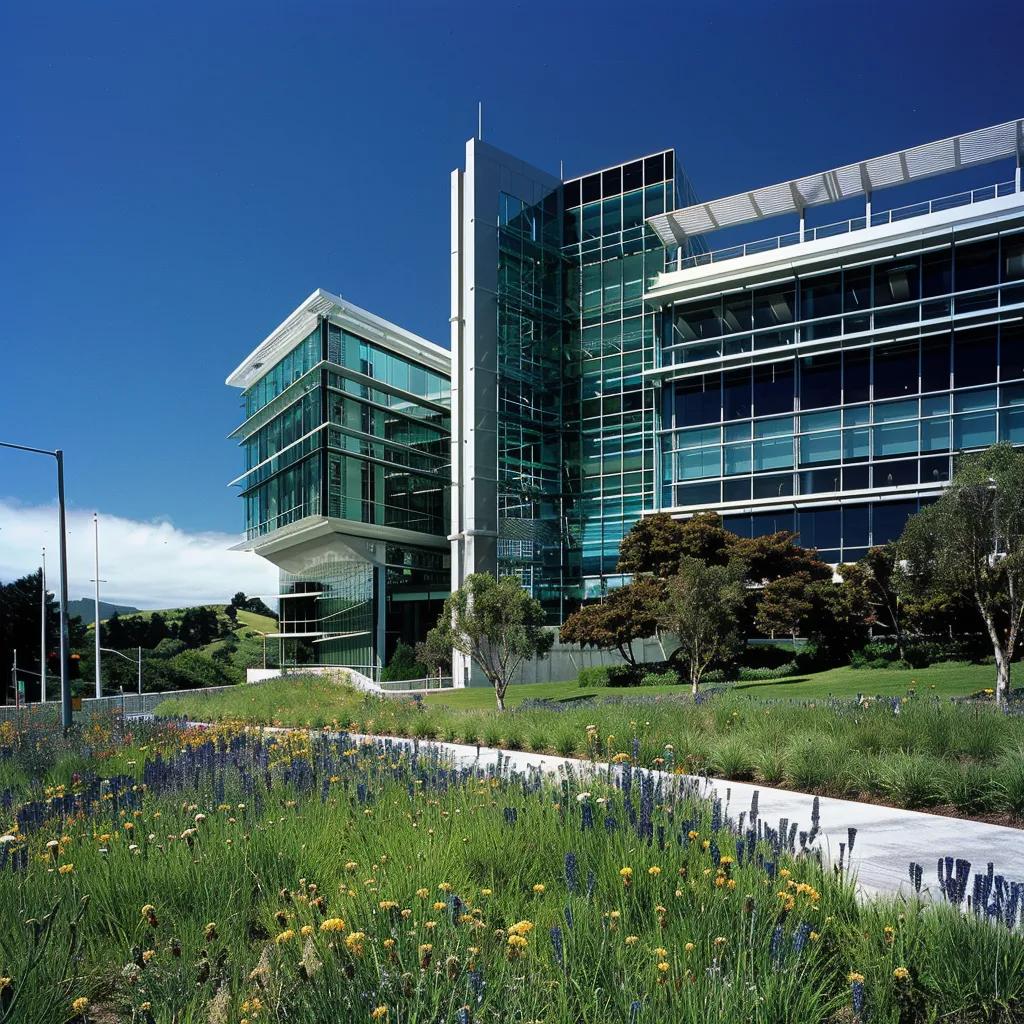

The Federal Bureau of Investigation’s decision to establish a dedicated office in Wellington underscores a strategic commitment to counter China’s influence in the Pacific and disrupt transnational crime networks targeting New Zealand. This upgrade promises faster intelligence sharing, enhanced joint operations, and stronger regional security partnerships. Readers will discover why Wellington was chosen, how Beijing’s Pacific strategy is unfolding, the main crime threats in the region, the mechanics of U.S.–NZ law enforcement collaboration, the Five Eyes role in intelligence sharing, the historical evolution of bilateral security ties, and future initiatives shaping Indo-Pacific stability.
Why Is the FBI Expanding Its Presence in Wellington, New Zealand?
The FBI is expanding its presence in Wellington to leverage New Zealand’s strategic location in the South Pacific, strengthen Five Eyes intelligence cooperation, and extend jurisdiction over key Pacific islands. Embedding agents on the ground accelerates information flow on cyber intrusions, drug trafficking, and financial fraud that threaten the wider Indo-Pacific security environment.
What Makes Wellington a Strategic Hub for Indo-Pacific Security?
Wellington’s proximity to major maritime routes and diplomatic centers makes it a pivotal node for monitoring regional developments and coordinating multinational security efforts. As New Zealand’s capital, Wellington hosts senior government officials and Five Eyes liaison officers, enabling swift policy coordination and operational planning. This location bridges intelligence gaps across the South Pacific and paves the way for seamless joint investigations into cross-border threats.
How Does New Zealand’s Role in the Five Eyes Alliance Enhance FBI Operations?
New Zealand’s membership in the Five Eyes alliance provides the FBI with privileged access to signals intelligence, cybersecurity resources, and regional threat assessments.
- Shared Cryptologic Data: Encrypted communications intercepted by NZ’s Government Communications Security Bureau inform FBI cybercrime responses.
- Joint Cyber Incident Response: Coordinated rapid-response teams mitigate ransomware and nation-state intrusion attempts.
- Co-development of Investigation Protocols: Standardized procedures speed up evidence collection in multi-jurisdiction cases.
These capabilities create a force multiplier, elevating the FBI’s ability to detect and dismantle sophisticated networks that exploit Pacific vulnerabilities.
Which Pacific Islands Fall Under the New FBI Office’s Jurisdiction?
The Wellington office extends FBI jurisdiction to several Pacific Island nations, enabling direct support for local law enforcement and intelligence agencies. The table below outlines the primary coverage area:
Each jurisdictional expansion strengthens Pacific-wide situational awareness, paving the way for focused counter-China influence measures and transnational crime disruption.
How Is China Expanding Its Influence in the Pacific Region?
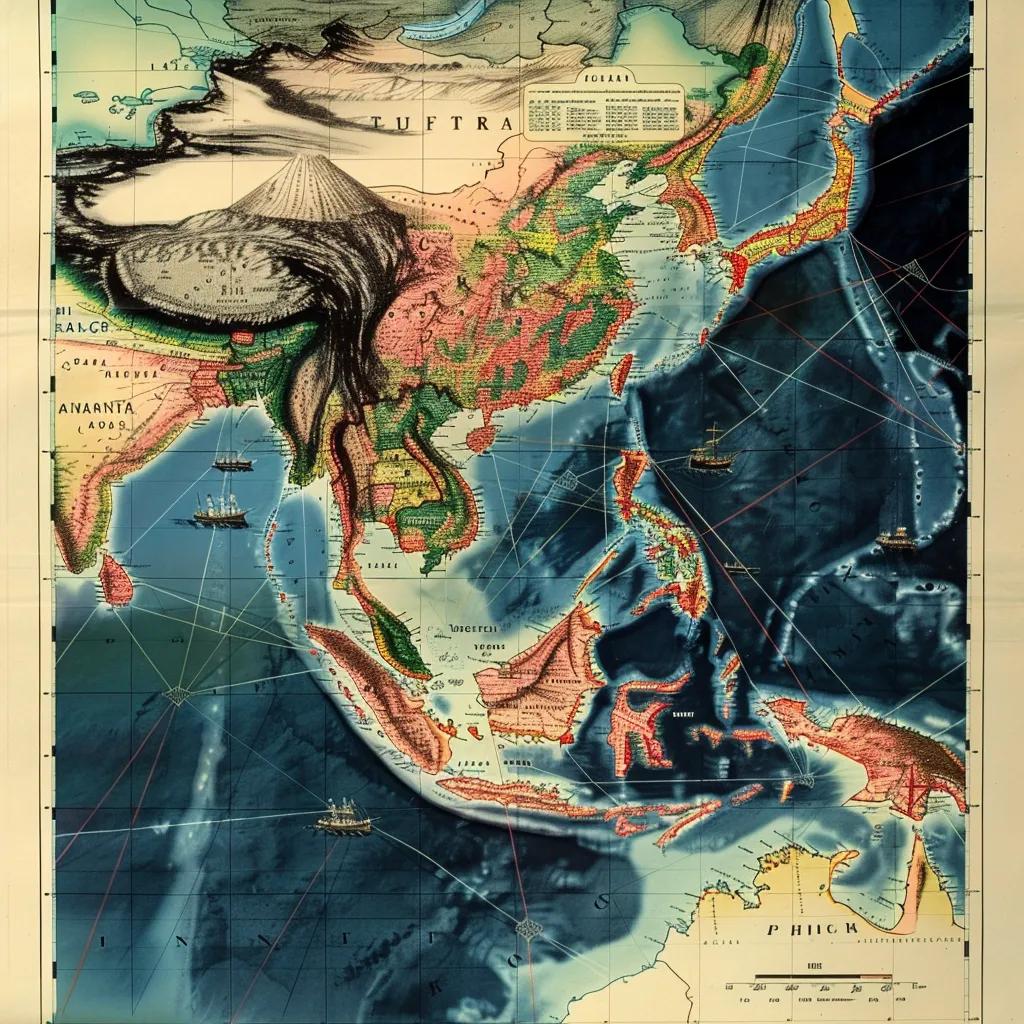

China employs economic statecraft, diplomatic outreach, and security partnerships to gain footholds in Pacific Island nations, aiming to secure strategic ports and sway local governments. This broad-based approach creates long-term dependencies that can reshape regional power balances.
China’s Influence in the Pacific
China’s growing presence in the Pacific region involves economic and security strategies, including infrastructure investments and diplomatic outreach. These initiatives aim to strengthen ties with Pacific Island nations, potentially reshaping regional power dynamics.
This citation supports the article’s analysis of China’s expanding influence in the Pacific and its implications for regional stability.
What Are China’s Economic and Security Strategies in the Pacific Islands?
- Belt and Road Projects – Financing port upgrades and highways in Tonga, Samoa, and Vanuatu.
- Scholarship and Cultural Exchanges – Sending thousands of students and cultural delegations to foster goodwill.
- Paramilitary Training – Offering small-arms and coast-guard support to island custom services.
How Does China’s Growing Presence Affect Regional Stability?
Beijing’s expanding footprint can undermine traditional alliances and generate debt-trap dependencies that limit sovereign policy choices. Increased military cooperation risks triggering an arms-race dynamic among Pacific states, complicating New Zealand’s and the U.S.’s ability to project soft power and maintain open sea lines of communication.
What Joint US-New Zealand Initiatives Counter China’s Pacific Influence?
- Pacific Resilience Partnership – Funding disaster-response infrastructure to reduce reliance on external actors.
- Maritime Domain Awareness Program – Deploying radar and satellite tracking to curb illicit activities.
- Economic Diversification Grants – Offering alternative development financing to offset non-transparent loans.
What Types of Transnational Crime Threaten New Zealand and the Pacific?

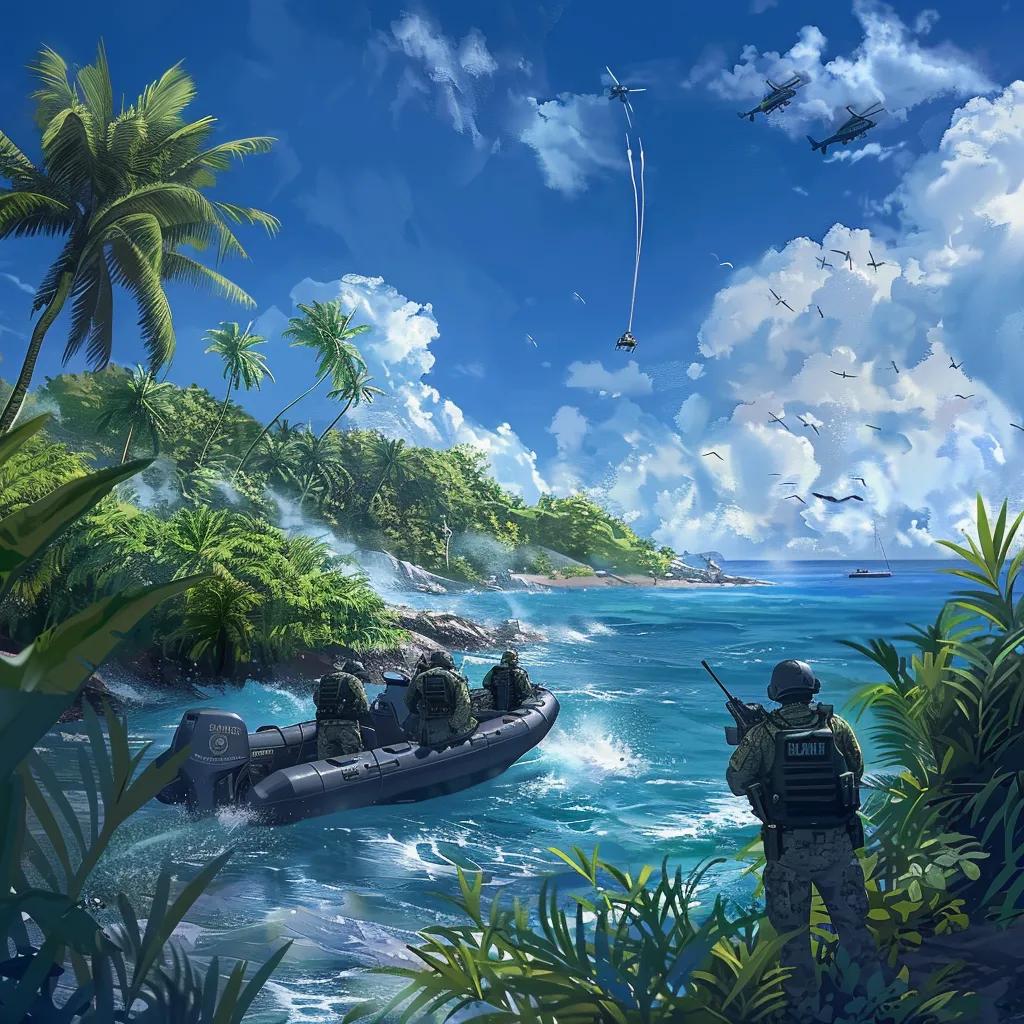
Transnational crime in the Pacific ranges from high-tech cyber intrusions to narcotics trafficking and complex money-laundering schemes, each exploiting geographical remoteness and varying law enforcement capacities.
Transnational Crime in the Pacific
Transnational crime, including drug trafficking and cybercrime, poses significant challenges to the Pacific region. Criminal networks exploit vulnerabilities in border security and law enforcement capabilities. International cooperation is essential to combat these threats effectively.
This citation provides context for the article’s discussion of transnational crime and the challenges it presents in the Pacific region.
How Does Cybercrime Impact New Zealand’s Security Landscape?
Cybercrime undermines national security by targeting critical infrastructure, financial systems, and private data. When ransomware gangs infiltrate hospital networks or municipal systems, they disrupt essential services and erode public trust. For example, a high-profile intrusion into a major utility provider forced multi-day outages and spurred joint FBI-NZCISO cybersecurity drills.
This escalating cyber threat landscape necessitates continuous intelligence sharing and coordinated incident response, setting the stage for broader organized-cybercrime counter-measures.
What Are the Main Drug Trafficking and Narcotics Challenges in the Region?
The Pacific sea lanes serve as conduits for methamphetamine, cocaine, and cannabis, often shipped from Southeast Asia and Latin America via transshipment hubs. Smugglers exploit weak port security in small island states and rely on sophisticated concealment methods. Collaborative maritime patrols between the FBI, New Zealand Customs, and Pacific partners are crucial to intercept shipments before they reach domestic markets.
How Do Organized Crime Networks Operate Across Borders in New Zealand?
Organized crime syndicates in the region leverage legitimate businesses for money laundering, fraud, and human trafficking. The following table illustrates common network structures:
Table insights reveal that borderless operations demand unified legal frameworks and synchronized financial investigations.
This context leads into how U.S.–NZ law enforcement harnesses collective expertise.
How Does the FBI Collaborate with New Zealand Law Enforcement to Combat Crime?
The FBI partners with New Zealand Police and Customs through co-located task forces, shared databases, and synchronized operations that leverage each agency’s strengths to disrupt criminal networks.
What Are the Roles of New Zealand Police and Customs in Joint Operations?
The collaboration framework assigns distinct yet complementary roles to local agencies:
By combining NZ-led enforcement with FBI technical capabilities, investigations achieve broader reach and higher conviction rates across jurisdictions.
Which Successful FBI-New Zealand Joint Operations Have Targeted Organized Crime?
- Operation Pacific Eagle dismantled a methamphetamine ring moving product from Fiji through Auckland.
- Task Force Coral Strike exposed a money-laundering scheme using real estate front companies in Wellington.
- Project Silent Harbor disrupted human-trafficking routes between Samoa and New Zealand.
These case studies demonstrate the efficacy of shared planning, co-investigative teams, and synchronized arrest protocols.
How Does International Law Enforcement Cooperation Enhance Crime Fighting?
International partnerships like Five Eyes and UNODC frameworks enable legal mutual assistance, standardized evidence procedures, and capacity building. When agencies align on extradition treaties and data-sharing agreements, they create a unified front that deters criminals from exploiting jurisdictional gaps.
What Is the Role of the Five Eyes Alliance in Regional and Global Security?
The Five Eyes intelligence alliance unites the U.S., New Zealand, Australia, Canada, and the U.K. in continuous signals intelligence collection and strategic analysis to preempt threats.
Five Eyes Intelligence Alliance
The Five Eyes alliance, comprising the United States, the United Kingdom, Australia, Canada, and New Zealand, facilitates extensive intelligence sharing and collaboration on global security threats. This partnership enables the member countries to pool resources and expertise to address complex challenges, including cybercrime and counterterrorism.
This citation supports the article’s discussion of the Five Eyes alliance and its role in regional and global security.
How Does the FBI’s New Zealand Office Strengthen Five Eyes Intelligence Sharing?
By situating liaison officers in Wellington, the FBI ensures daily real-time exchanges of satellite imagery, SIGINT alerts, and cyber threat intelligence. This physical presence reduces bureaucratic delays and embeds FBI analysts within NZ’s cryptologic command structure.
What Are the Key Member Countries and Their Contributions?
- United States – Satellite reconnaissance, global HUMINT networks
- New Zealand – Regional maritime domain awareness and Pacific outreach
- Australia – Electronic surveillance capabilities and counter-terrorism units
- Canada – Arctic security monitoring and financial intelligence
- United Kingdom – Signals decryption and counter-espionage expertise
How Does Five Eyes Address Emerging Security Threats in the Indo-Pacific?
Five Eyes adapts to new challenges by expanding joint cyber-defense exercises, coordinating counter-drone research, and funding joint maritime patrols that secure critical shipping lanes—ensuring that evolving technologies do not outpace collective readiness.
How Has the US-New Zealand Security Partnership Evolved Over Time?
U.S.–NZ security cooperation traces back to World War II collaboration, post-war intelligence alliances, and evolving bilateral treaties that now encompass defense, law enforcement, and diplomatic coordination.
What Are the Milestones in US-NZ Security Cooperation Beyond Five Eyes?
- 1942: Joint Pacific theater operations in the South Pacific.
- 1946: Signing of the Australia, New Zealand, United States Security Treaty (ANZUS).
- 1960s–70s: Covert signals intelligence collaboration under the UKUSA Agreement.
- 1990s: Expansion of joint peacekeeping and counter-narcotics missions.
- 2025: Upgrade of the FBI’s standalone Wellington office.
These milestones reflect deepening trust and widening domains of joint activity—from kinetic operations to cyber and financial security.
How Does This Partnership Influence Current Regional Security Policies?
The bilateral dynamic shapes New Zealand’s Indo-Pacific Strategy by aligning it with U.S. freedom-of-navigation principles, reinforcing multilateral diplomacy in forums like the Pacific Islands Forum, and co-sponsoring capacity-building programs in smaller island states.
What Are the Future Prospects for FBI and New Zealand Cooperation Against Geopolitical Threats?
The elevated office in Wellington sets the stage for enhanced regional deterrence, more sophisticated joint investigations, and broader multi-agency exercises that address both state and non-state threats.
What Ongoing and Planned Initiatives Will Enhance Regional Security?
- Enhanced Cyber Fusion Center to pool data on ransomware, phishing, and espionage.
- Pacific Law Enforcement Academy offering specialized training for small-island police forces.
- Joint Maritime Unmanned Systems Program deploying drones for coastal surveillance.
These programs promise deeper risk mitigation and stronger resiliency across Pacific partners.
How Do Experts View the Long-Term Impact of the FBI’s New Zealand Office Upgrade?
Security analysts predict that the new FBI presence will significantly shorten intelligence lifecycles, optimize resource allocation for transnational investigations, and deter malign influence operations by signalling a unified Five Eyes posture in the Indo-Pacific.
Reinforcing Wellington as an intelligence and operational hub cements New Zealand’s role in countering both state-sponsored influence and cross-border crime. By embedding FBI expertise alongside local law enforcement, the bilateral partnership exemplifies a forward-looking security model. Coordinated Five Eyes strategies, historical milestones, and future initiatives form a comprehensive framework for Indo-Pacific stability. Sustained cooperation will ensure that China’s influence and transnational criminal networks meet a robust and unified response.
For related insights, see our Five Eyes Alliance overview, explore transnational crime investigations, or review the latest Indo-Pacific security analysis.