General Motors Debuts Self-Healing Polymer for Vehicle Exteriors
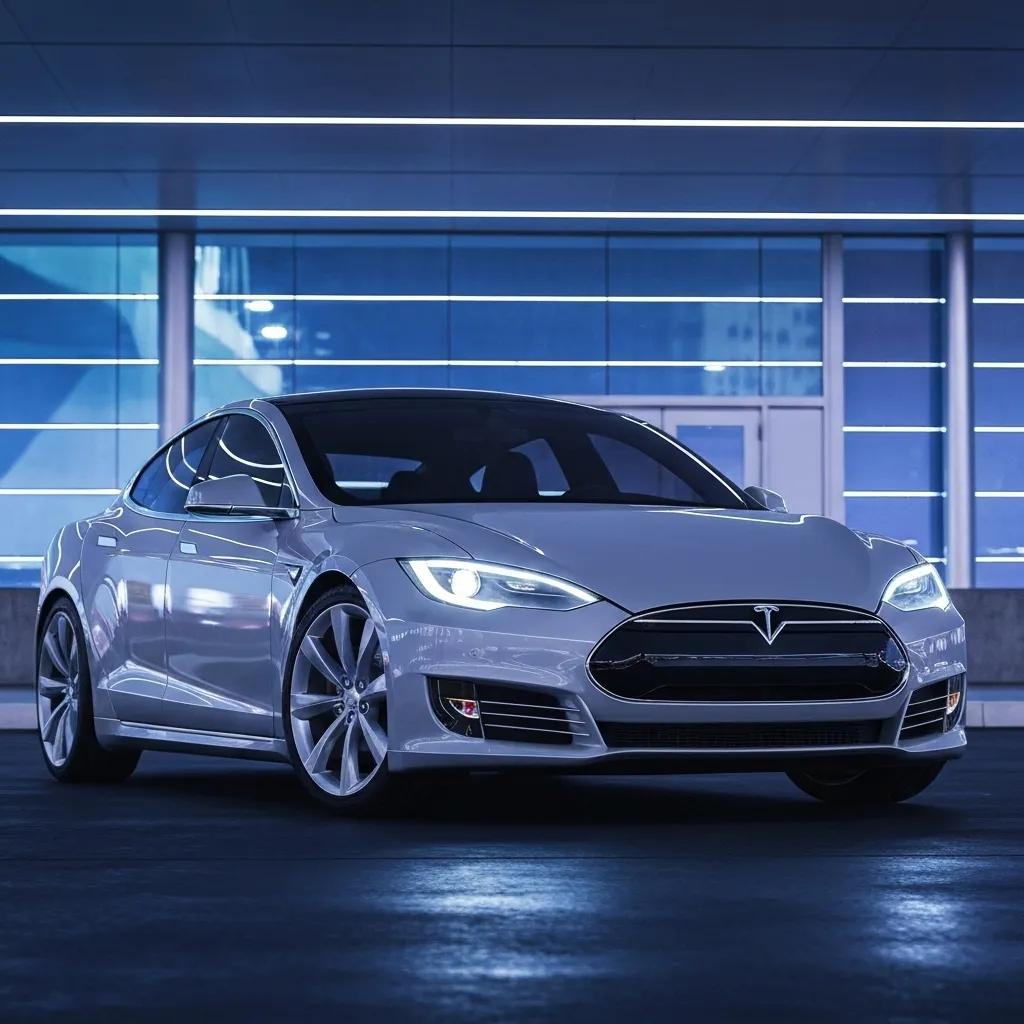
Self-Healing Car Paint Technology: How General Motors’ New Polymer Enhances Vehicle Exteriors
Imagine minor scratches on a car disappearing overnight without a trip to the body shop—General Motors’ new self-healing polymer makes that a reality by integrating advanced material science into automotive exteriors. This article reveals how GM’s chemistry and engineering teams in Detroit developed a polymer that repairs surface damage, extends durability, and protects aesthetics. You will learn what this self-healing coating is, how it works, its advantages over traditional finishes, its impact on vehicle longevity, future trends, consumer benefits, challenges, and GM’s leadership in innovation. By the end, you’ll understand the mechanics, applications, and implications of this breakthrough in automotive coatings.
What Is General Motors’ Self-Healing Polymer for Vehicle Exteriors?
General Motors’ self-healing polymer is a multilayer automotive coating that autonomously repairs minor abrasions through embedded microcapsules releasing restorative agents. Developed through years of research in material science and polymer chemistry, this innovation combines elastomeric matrices with healing catalysts to seal scratches and maintain finish integrity. For example, microscopic microcapsules within the clearcoat rupture under stress, releasing low-viscosity resin that flows into cracks and cures at ambient temperature, restoring smoothness and gloss.
Self-Healing Polymer Technology
How does the self-healing polymer work on car surfaces?
The self-healing polymer works by embedding microcapsules filled with resin within a flexible network that responds to stress.
- Mechanical Stress Detection: Scratches or dents break microcapsule walls.
- Resin Release: Healing agents flow into damaged zones.
- Ambient Curing: Catalysts trigger polymerization, sealing voids and restoring gloss.
These steps leverage chemistry and engineering principles to ensure that everyday abrasions disappear, improving scratch resistance and aesthetic resilience.
What materials and polymer science enable this innovation?

Three core materials enable GM’s self-healing coating:
- Urethane Elastomers: Provide flexibility and adhesion to metal substrates.
- Microencapsulated Resins: Store healing agents until damage occurs.
- Dual-Function Catalysts: Initiate polymerization at room temperature.
This blend of polymer science and nanotechnology allows the coating to remain stable under UV exposure while retaining healing functionality. Understanding these materials leads naturally to comparing this innovation with conventional automotive coatings.
How does this technology differ from traditional automotive coatings?
Traditional automotive coatings rely on layered paint and clearcoat systems that require manual refinishing after damage, whereas GM’s polymer integrates self-repair at the molecular level.
GM’s self-healing system transforms auto body maintenance by reducing service visits and preserving factory finish quality, establishing a new standard in coating durability.
How Does Automotive Self-Healing Coating Improve Vehicle Durability?

Automotive self-healing coating improves vehicle durability by sealing microcracks and scratches before they propagate, reducing corrosion risk and structural degradation. This mechanism extends the protective lifespan of exteriors and minimizes wear from environmental stressors. For instance, salt spray exposure tests show that self-healed surfaces resist rust initiation far longer than untreated coatings.
Durability and Longevity of Self-Healing Coatings
What types of damage can the self-healing polymer repair automatically?
GM’s polymer autonomously addresses three primary damage types:
- Fine Surface Scratches – Heals clearcoat abrasions up to 100 microns deep.
- Minor Stone Chips – Seals small pits in paint layers.
- Microcracks from Flexing – Repairs stress-induced fissures around panel joints.
This targeted repair capability prevents minor damage from escalating, preserving both functionality and appearance.
How does this coating extend the lifespan of car exteriors?
By continuously repairing superficial damage, the self-healing coating maintains a uniform barrier against moisture, UV radiation, and pollutants. This active protection:
- Slows corrosion and metal fatigue.
- Reduces repaint cycles and maintenance costs.
- Sustains factory finish for years beyond typical service intervals.
These durability benefits enable owners to retain resale value and avoid premature bodywork.
What environmental factors affect the polymer’s self-healing ability?
Environmental conditions influence healing performance:
- Temperature: Optimal between 15–35 °C for catalyst activation.
- UV Exposure: UV-stabilized additives protect microcapsules but excessive sunlight may accelerate polymer aging over extended use.
- Humidity: High humidity can slow curing rates, while dry conditions promote faster polymerization.
Balancing these factors ensures consistent healing in diverse climates and driving environments.
What Are the Advantages of Advanced Materials in Automotive Exteriors?
Advanced materials in automotive exteriors, such as self-healing polymers, enhance scratch resistance, chemical stability, and impact resilience by integrating nanomaterials and tailored molecular architectures. This integration optimizes both functional performance and design flexibility. The next sections explore how polymers and additives deliver these advantages.
How do polymers enhance resistance to scratches and dents?
Polymers like urethane elastomers form viscoelastic networks that absorb and redistribute mechanical energy, reducing surface damage depth. They also present higher hardness and elasticity compared to traditional clearcoats, resulting in:
- Improved impact absorption.
- Reduced microcrack formation.
- Enhanced recovery from minor deformations.
This material property synergy underpins the self-healing mechanism.
What role do nanomaterials and additives play in self-healing coatings?
Nanomaterials and additives introduce structural and functional enhancements:
These engineered additives ensure the coating displays resilience, longevity, and sustained aesthetic quality even under harsh conditions.
How does this innovation impact vehicle aesthetics and resale value?
Self-healing coatings maintain showroom-quality gloss by preventing surface blemishes, which directly correlates with higher resale values. Vehicles retain original appearance longer, requiring fewer touch-ups and preserving dealer-level finish. As a result, owners benefit from both visual appeal and financial returns when selling or trading in.
Self-Healing Coatings in the Automotive Industry
What Is the Future of Car Paint Innovation with Self-Healing Technologies?
The future of car paint innovation lies in intelligent coatings that combine self-healing with additional functionalities such as corrosion sensing, color-shifting pigments, and integrated solar harvesting. Research trends indicate convergence between material science and smart systems to create truly multifunctional exteriors.
How might self-healing polymers evolve in the automotive industry?
Self-healing polymers may evolve through:
- Multi-Stimuli Responsiveness – Healing triggered by heat, light, or electric fields.
- Smart Color Adaptation – Integrating pigments that adjust tone with damage repair.
- Embedded Sensing – Sensors that alert owners to repair events or corrosion hotspots.
These advancements will transform vehicle exteriors into dynamic, self-maintaining systems.
What other automakers are exploring similar self-healing coatings?
Several manufacturers in the auto industry are investing in self-repair technologies through partnerships with chemical firms and research labs. While specifics vary, most approaches focus on polymer microencapsulation and nanocomposite matrices, demonstrating broad adoption of self-healing strategies across vehicle lines.
How will this technology influence automotive design and manufacturing?
Self-healing coatings will enable thinner, lighter substrates by shifting protection from metal thickness to advanced surface treatments. Production lines will integrate coating application and curing systems optimized for microcapsule preservation. Designers gain freedom for complex shapes, knowing finishes can self-repair minor handling damage.
How Can Consumers Benefit from General Motors’ Self-Healing Polymer?
Consumers benefit from reduced maintenance, lower repair expenses, and sustained vehicle appearance thanks to GM’s self-healing coating. This technology aligns with owner preferences for reliability, cost-efficiency, and long-term aesthetics.
What maintenance changes will car owners experience?
Routine care shifts from reactive scratch repairs to standard washes and inspections. Owners no longer need immediate touch-ups for minor blemishes, as the polymer repairs itself. Scheduled detailing can focus on polishing and waxing rather than bodywork.
How does this technology affect insurance and repair costs?
By preventing cosmetic damage escalation, self-healing coatings lower claims for minor dents and scratches. Insurers may offer reduced premiums for vehicles with this technology, reflecting decreased risk of costly body repairs and repaint services.
Where can consumers find vehicles equipped with this polymer?
GM plans a phased rollout starting with select Detroit-manufactured models and trims, expanding to global manufacturing plants. Early adopters will see self-healing finishes offered as a premium package, with wider availability in upcoming model years.
What Challenges and Limitations Exist for Self-Healing Automotive Coatings?
Despite significant benefits, self-healing automotive coatings face limitations related to damage severity, cost, and long-term performance. Understanding these challenges ensures realistic expectations and optimal application strategies.
Are there conditions where the polymer may not fully repair damage?
Yes, deep gouges exceeding microcapsule size or sharp impacts that sever underlying layers cannot be repaired automatically. In such cases, conventional bodyshop refinishing remains necessary to restore structural and aesthetic integrity.
What are the cost implications of applying self-healing coatings?
Advanced materials and microencapsulation processes increase initial coating costs by 15–30% compared to standard clearcoats. However, lifecycle maintenance savings and potential insurance discounts can offset these higher upfront investments over vehicle ownership.
How does the technology perform over long-term use and exposure?
Extended exposure tests indicate gradual reduction in healing efficiency after 100,000 km of driving and repeated repairs. Periodic professional inspections and top-up applications of healing agents may be recommended after major environmental stress or UV aging.
How Is General Motors Leading Innovation in Self-Healing Car Paint Technology?
General Motors spearheads self-healing car paint technology through sustained R&D, proprietary formulations, and strategic patents that secure competitive advantage in automotive coatings. GM’s engineering leadership in Detroit fosters breakthroughs that rival offerings cannot match in depth and integration.
What research and development efforts supported this breakthrough?
GM’s multidisciplinary teams conducted over five years of lab testing in material science, polymer chemistry, and field simulations. Collaborative research with national laboratories optimized microcapsule formulations for real-world temperature and humidity ranges.
How does GM’s polymer compare to competitors’ coatings?
GM’s polymer features a higher microcapsule density and dual-catalyst system, enabling faster and more complete healing across a wider temperature range. This performance edge translates to more reliable scratch repair and longer-lasting finishes compared to conventional and competing self-repair coatings.
What patents or proprietary technologies underpin this innovation?
A portfolio of patents covers microencapsulation methods, catalyst chemistries, and multilayer application processes unique to GM’s production lines. These intellectual property rights ensure that GM maintains a leadership position in self-healing automotive surface treatments.
Automotive self-healing coatings represent a transformative leap in vehicle exterior protection, merging polymer chemistry with practical engineering to deliver on-demand scratch repair. As this technology matures, consumers will enjoy lower maintenance costs, enhanced durability, and sustained aesthetics while manufacturers integrate smarter coating systems into next-generation models. General Motors’ pioneering work in Detroit sets a new industry standard for advanced materials and innovation leadership.