Graphene-Based Water Filter Provides Clean Drinking Water Instantly
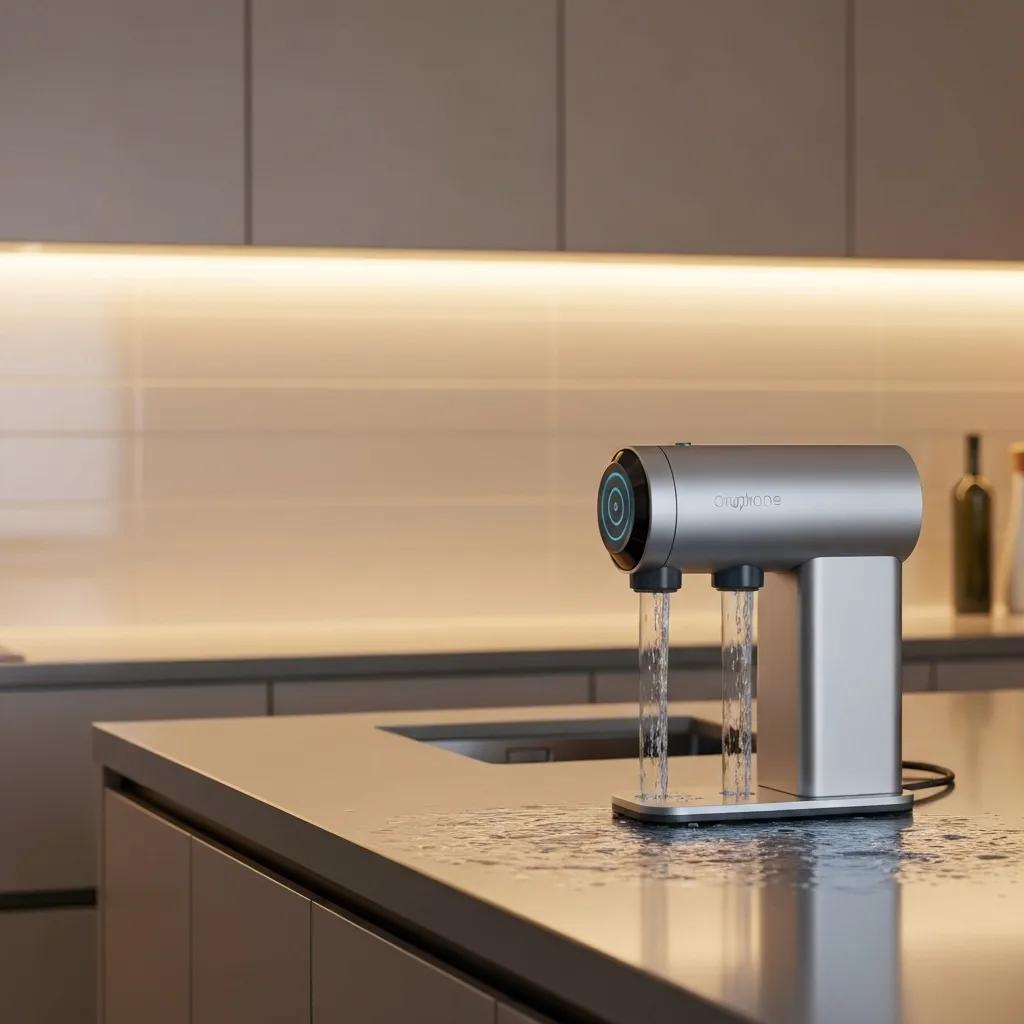
Graphene-Based Water Filter Technology for Instant Clean Drinking Water
Instant access to potable water remains a global challenge, with over 700 million people lacking safe drinking sources. Graphene-based water filter technology leverages a single layer of carbon atoms arranged in a hexagonal lattice to deliver clean water instantly through nanometer-scale pores. In this article, you will discover how graphene filtration works, its unique material properties and nanopore engineering, the key benefits over conventional methods, its role in desalination, real-world applications, future research directions, head-to-head comparisons with traditional filters, and the spectrum of contaminants removed.
How Does Graphene Water Filtration Work?
Graphene water filtration harnesses graphene membranes’ ultrathin structure and atomic-scale precision to separate water molecules from pollutants in a single pass. By exploiting graphene’s two-dimensional lattice and engineered nanopores, this process provides instant purification without high pressures or lengthy cycles. For example, a graphene oxide membrane can filter heavy metals, bacteria, and viruses in seconds while maintaining high throughput under minimal pressure. Understanding graphene’s unique properties lays the foundation for exploring its filtration mechanisms in greater depth.
What Are the Unique Properties of Graphene for Water Purification?
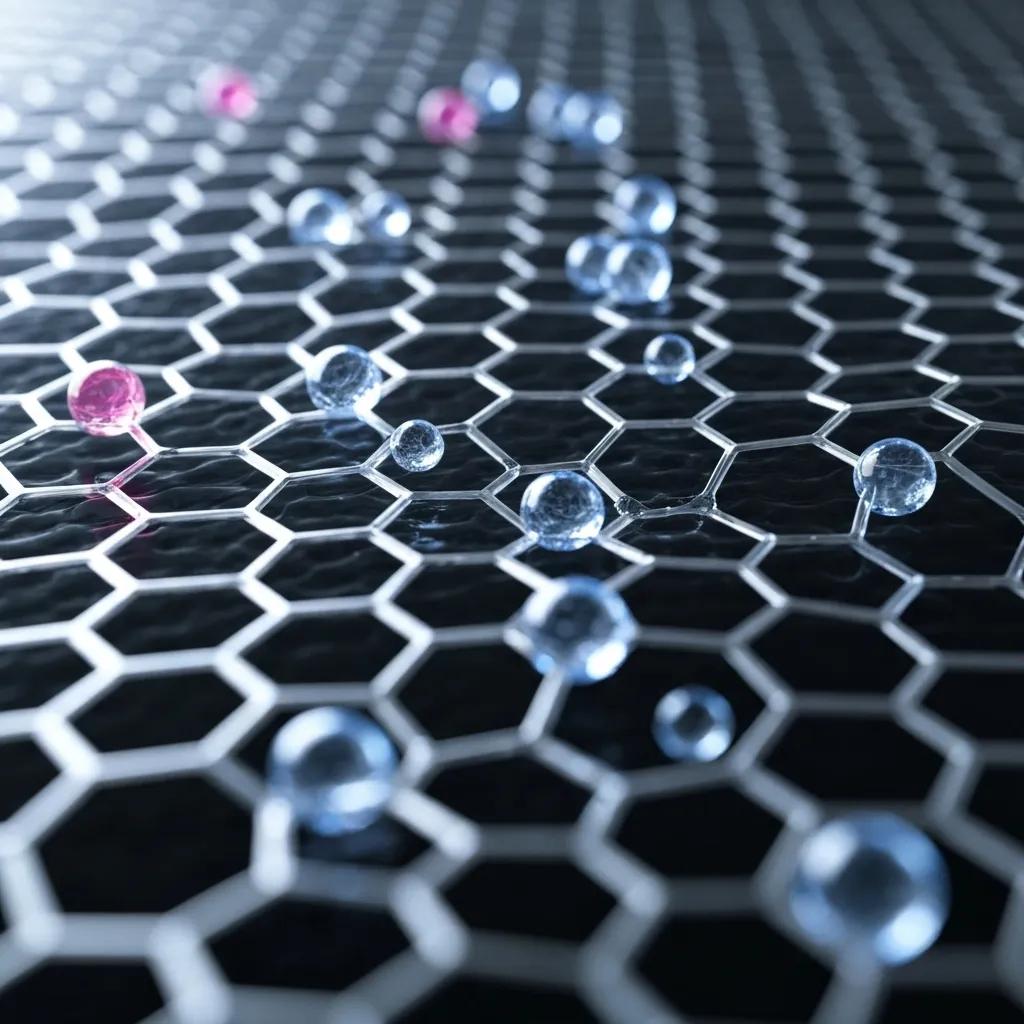
Graphene’s atomic thickness, exceptional tensile strength, and hydrophobic basal plane enable high-flux water transport and precise contaminant exclusion. Its hexagonal carbon lattice creates a robust yet flexible sheet that resists mechanical stress and prevents fouling. For instance, water molecules slip through sub-nanometer interlayer gaps at rates up to eight times faster than commercial polymer membranes, while salts and organic pollutants remain blocked. These intrinsic characteristics position graphene as a superior material for next-generation water treatment.
How Do Graphene Oxide Membranes Enhance Filtration?
Graphene oxide (GO) membranes exploit oxygen-containing functional groups to form layered nanostructures with tunable interlayer spacing. GO sheets stack via hydrogen bonding and van der Waals forces, creating uniform nanochannels that trap contaminants while allowing rapid water passage. This mechanism combines adsorption and size exclusion, capturing heavy metals like lead and arsenic on GO surfaces and sieving out microbes. These membranes can be fabricated through vacuum filtration or layer-by-layer deposition, providing scalable production methods for high-performance filters.
What Is Nanopore Engineering in Graphene Filters?
Nanopore engineering tailors pore size and distribution within graphene sheets to target specific contaminants and optimize flow rates. Techniques such as electron beam drilling, ion irradiation, and chemical etching introduce pores ranging from 0.3 nm to over 5 nm in controlled patterns. Smaller pores reject ions and organic molecules, while larger pores remove bacteria and microplastics. By adjusting pore density and geometry, engineers can balance rejection rate with hydraulic conductivity—an approach that unlocks precision filtration across diverse water sources.
What Are the Key Benefits of Graphene Water Filters?
Graphene water filters offer unmatched contaminant removal, rapid throughput, and longer operational life compared to traditional systems. Their ultrathin membranes demand lower pressure, reducing energy costs, and their anti-fouling surfaces resist biofilm formation. Additionally, regenerable GO layers can be refreshed with simple cleaning protocols, minimizing waste. These combined advantages translate into sustainable, high-impact water treatment solutions for households, industry, and remote communities.
How Effective Are Graphene Filters at Removing Contaminants?
Graphene membranes achieve up to 99 percent removal rates for heavy metals, bacteria, viruses, PFAS, and organic micropollutants. Common contaminants such as lead, mercury, arsenic, E. coli, rotavirus, and PFOA measure larger than the sub-nanometer pores engineered in the filter. A typical graphene oxide filter captures uranium and cadmium ions through surface adsorption while retaining microbes by size exclusion. This comprehensive performance ensures reliable water safety across multiple threat vectors.
Why Are Graphene Filters Faster and More Energy Efficient?
Graphene filters maintain water flux rates two to three times higher than conventional polyamide reverse osmosis membranes at one-tenth the operating pressure.
How Do Graphene Filters Provide Durability and Sustainability?
Graphene’s chemical stability and mechanical resilience ensure extended membrane lifespan and resistance to fouling. The material’s innate antimicrobial attributes inhibit bacterial colonization, while periodic cleaning with hot water or mild acid regenerates permeability without harsh chemicals. Reusable filters produce less waste than single-use cartridges, supporting circular water systems. These characteristics yield a durable solution that aligns with environmental stewardship and operational cost savings.
How Is Graphene Used for Desalination and Salt Removal?

Graphene membranes enable near-complete salt rejection by combining size exclusion with electrostatic interactions in nanopores, delivering desalinated water at low energy input. This approach addresses limitations of high-pressure reverse osmosis, offering a pathway to more affordable seawater treatment.
What Mechanisms Enable Graphene Membranes to Reject Salt?
Sub-nanometer pores in graphene membranes act as steric barriers, blocking hydrated sodium and chloride ions while allowing uncharged water molecules to pass. Functional groups lining the pore edges introduce charge repulsion, further enhancing ion rejection. This dual mechanism achieves salt removal rates exceeding 98 percent under optimal conditions.
How Does Graphene Desalination Compare to Reverse Osmosis?
Graphene-based desalination operates at significantly lower pressures, translating into energy savings of 30–50 percent relative to conventional reverse osmosis.
*Cost Index reflects projected operational and maintenance expenses. Graphene systems promise lower overall lifecycle costs due to reduced energy and simplified maintenance.
What Is the Potential for Affordable Seawater Desalination with Graphene?
Scalable production of graphene oxide via green synthesis methods—such as biomass-derived precursors—coupled with roll-to-roll membrane assembly could drive down costs below $0.50 per cubic meter. Community-scale desalination units leveraging solar panels and graphene modules offer viable solutions for arid coastal regions and island nations, expanding access to fresh water without reliance on grid infrastructure.
What Are the Real-World Applications of Graphene Water Filters?
How Are Graphene Filters Used in Households and Industry?
Point-of-use graphene cartridges fit standard under-sink systems to deliver mineral-balanced drinking water with minimal maintenance. In industry, graphene modules treat textile wastewater by removing dyes, heavy metals, and surfactants at high flow rates, recovering clean process water and reducing discharge penalties. These solutions integrate seamlessly into existing plumbing and process lines.
How Do Graphene Filters Improve Water Access in Remote and Emergency Settings?
Lightweight, portable graphene filter units provide immediate relief during disasters, refugee crises, and remote expeditions. Manual or solar-powered pumping ensures safe drinking water in off-grid camps, while long filter life reduces supply chain burdens for replacement elements. These capabilities make graphene modules invaluable for humanitarian relief and field operations.
What Are Advanced Applications of Graphene Water Filtration?
Graphene foam filters are under evaluation for space station life-support systems, recycling wastewater with minimal energy. Pilot programs combine graphene membranes with electrochemical reactors to degrade organic contaminants on-site. Research collaborations with aerospace agencies and advanced materials firms continue to push graphene filtration into cutting-edge water recovery platforms.
What Is the Future of Graphene Water Filter Technology?
Which Research Institutions Are Leading Graphene Water Filter Innovations?
Key breakthroughs emerge from MIT’s graphene foam for heavy metals removal, the University of Manchester’s tailored nanopore arrays, and CSIRO’s GraphAir ultrafiltration modules. Collaborative efforts with industry partners are accelerating pilot deployments and validating performance in harsh field conditions.
What Are the Challenges in Commercializing Graphene Water Filters?
Scaling membrane fabrication while preserving pore uniformity and reducing production costs remains critical. Ensuring consistent quality across large-area roll-to-roll processes, overcoming supply chain constraints for high-purity graphite precursors, and navigating regulatory approvals for drinking water contact materials are top priorities. Addressing these challenges will unlock mass-market adoption.
How Will Graphene Filters Impact the Global Water Crisis?
Widespread deployment of low-energy, high-efficiency graphene filters promises to cut freshwater scarcity by enabling decentralized water treatment. By lowering barriers to safe water access, improving wastewater reuse, and reducing energy footprints, graphene technology can deliver lasting public health benefits and support sustainable development goals worldwide.
How Do Graphene Water Filters Compare to Traditional Filtration Methods?
Graphene filters transcend limitations of activated carbon, nanofiltration, and reverse osmosis by combining ultrathin membranes with tunable nanoporous architectures. Their operation at low pressure, regenerative capabilities, and broad contaminant spectrum set new performance benchmarks.
What Are the Differences Between Graphene Filters and Reverse Osmosis?
Unlike dense polyamide RO membranes requiring high pressure and extensive pretreatment, graphene filters operate at less than 1 bar, resist fouling, and regenerate rapidly. Graphene systems deliver higher flux and lower energy use while maintaining comparable salt and contaminant rejection.
How Do Graphene Filters Compare to Activated Carbon and Nanofiltration?
Why Choose Graphene Filters Over Conventional Water Purifiers?
Graphene filters improve water quality more comprehensively, reduce energy and maintenance costs, and deliver longer operational life. Their modular design integrates easily into existing systems and can adapt to diverse water sources, from municipal supply to seawater. These advantages make graphene the material of choice for future-proof water purification strategies.
What Contaminants Can Graphene Water Filters Remove?
Graphene membranes excel at removing a broad range of pollutants—from dissolved ions to microscopic pathogens—through combined mechanisms of size exclusion, adsorption, and electrostatic repulsion.
How Do Graphene Filters Remove Heavy Metals Like Lead and Uranium?
Graphene oxide’s oxygen groups chelate metal ions, while nanopore sieving ensures no escape of hydrated species. Laboratory studies report over 99 percent removal of lead and uranium under flow conditions, with reusable performance across multiple cycles. These results demonstrate reliable mitigation of toxic metals in drinking water.
Can Graphene Filters Eliminate Bacteria and Viruses?
Sub-100 nm pores in graphene filters physically block bacteria such as E. coli and pathogens like rotavirus, while inherent antimicrobial activity further inactivates trapped microbes. Field trials confirm elimination rates exceeding 6-log reduction for bacteria and viruses, meeting stringent drinking water standards.
How Effective Are Graphene Membranes at Removing PFAS and Organic Pollutants?
Graphene oxide membranes outperform conventional polyamide systems in capturing short-chain PFAS through hydrophobic interactions and electrostatic attraction, achieving removal efficiencies above 90 percent. Additionally, aromatic organic micropollutants adhere to graphene surfaces, enabling effective treatment of industrial contaminants and endocrine disruptors.
Graphene-based water filters present a transformative approach to instant, energy-efficient water purification by combining ultrathin membranes, tunable nanopores, and regenerative cleaning protocols. As research institutions refine scalable fabrication and industry overcomes commercialization hurdles, these filters will drive sustainable solutions for households, industry, and remote communities. By outperforming traditional methods in contaminant removal, flow rate, and durability, graphene technology is poised to alleviate water scarcity and advance public health on a global scale. Explore emerging graphene filtration solutions to support clean water access and environmental stewardship today.