Healthy Eating Tips and Easy Recipes for a Balanced Diet Plan
A balanced diet supplies the right mix of macronutrients and micronutrients to support energy, immunity, and long-term health, using whole foods and sensible portion control. This guide delivers practical nutrition tips and easy recipes that make healthy eating realistic for busy lives, with a focus on local Pakistani ingredients like lentils, whole grains, dahi (yogurt) and seasonal greens. Many people struggle with time, budget constraints, and changing food environments; this article breaks down meal planning, quick breakfasts and snacks, budget-smart shopping, and simple recipe swaps so readers can act immediately. You will find foundational tips for a balanced diet, step-by-step meal-planning strategies, localized recipe ideas, targeted nutrition advice for common health goals, shopping and waste-reduction tactics, trend analysis relevant to youth, and concise FAQs to start today. Throughout, expect clear lists, quick-recipe cards, and comparison tables that let you scan for immediate wins and apply nutritional guidance without specialist knowledge.
ARY News positions this content within its editorial mission: “To provide timely and comprehensive news and current affairs coverage, keeping the audience informed and engaged with diverse content.” As an information hub expanding into LifeStyle and Health coverage, ARY News presents this guide to connect health reporting with practical how-to advice for Pakistani readers. This contextual link explains why a news outlet is producing actionable healthy-eating guidance while keeping the focus on evidence-aligned tips and local relevance.
What Are the Essential Healthy Eating Tips for a Balanced Diet?
A balanced diet emphasizes variety, adequate macronutrients (carbohydrates, protein, fats) and sufficient micronutrients (iron, calcium, vitamin D, B-vitamins) to support daily function and long-term health. Eating whole grains, legumes, vegetables, fruits, lean proteins and healthy fats reduces chronic disease risk and improves energy management. Practical implementation requires simple swaps, hydration, fiber focus and portion control, which together support satiety and nutrient adequacy. Below are core tips that translate these principles into daily actions with local food examples.
This section lists essential actionable tips to adopt immediately.
- Eat a variety of whole foods each day to cover different nutrients from grains, pulses, vegetables, fruits and dairy.
- Prioritize fiber-rich options like lentils and whole-wheat atta to support digestion and stable energy levels.
- Choose lean proteins and healthy fats such as chicken, fish, chana (chickpeas), nuts and olive oil for muscle and nutrient absorption.
- Control portions using the plate method and hand-size cues to prevent overeating in communal meals.
- Hydrate regularly and swap sugary drinks for water, dahi-based lassis, or herbal teas.
- Plan simple weekly menus and batch-cook staples to lower cost and decision fatigue.
These tips form a practical framework; the next subsections compare specific local foods and explain how to include more produce and balance protein and fat choices.
Which Foods Should You Include for Optimal Nutrition?
Optimal nutrition hinges on including nutrient-dense staples that are affordable and familiar, such as lentils, chickpeas, whole grains, spinach, seasonal fruits and yogurt. Lentils (dal) supply plant protein and fiber while whole-wheat atta and brown rice offer sustained-release carbohydrates; dahi provides probiotics and calcium important for gut and bone health. Use swaps like mixing brown rice with white rice to improve fiber gradually, or choosing tandoori/grilled meats over deep-fried options to reduce unhealthy fats. Together these choices create a plate that balances macronutrients and provides micronutrients critical for daily functioning.
Below is a quick EAV table comparing common local foods and a key nutrient value to help you scan choices.
This table highlights how simple local staples provide concentrated nutrients that support a balanced diet and can be combined in meals for complementary benefits.
How Can You Incorporate More Fruits and Vegetables Daily?
Increasing fruits and vegetables improves fiber, vitamin and antioxidant intake and can be achieved with small habit changes across meals and snacks. Start breakfasts with fruit-topped yogurt or blended mango-banana smoothies, add a sabzi (leafy greens) side to lunch, and include raw salads or quick stir-fried vegetables with dinner. Use fruit chaat or seasonal fruit bowls as portable snacks and keep washed, chopped veg in the fridge for quick additions. Freezing excess seasonal vegetables preserves nutrients and creates ready-to-use ingredients for stews, dals or omelettes.
Practical timing and prep reduce barriers: chop once for several meals, incorporate a vegetable into each main dish, and alternate raw and cooked forms to vary textures and nutrient availability.
What Are the Benefits of Lean Proteins and Healthy Fats?
Lean proteins maintain muscle mass, support metabolic health, and promote satiety while healthy fats enable fat-soluble vitamin absorption and support brain and hormonal function. Local lean protein sources include chicken breast, fish, eggs and pulses like lentils and chickpeas; healthy fats derive from olive oil, nuts, seeds and small amounts of ghee used judiciously. Choosing grilled, baked or steamed preparations minimizes added fats and preserves nutrient quality. Balanced plates pair a palm-sized protein portion with a fist of whole grains and two handfuls of vegetables to meet energy and repair needs.
Understanding these roles helps prioritize foods at meals and guide cooking methods to keep meals both nutritious and satisfying.
How Does Portion Control Support Healthy Eating Habits?
Portion control directly regulates calorie intake and helps maintain weight without eliminating favorite foods; it uses visual cues and simple tools rather than exact scales for daily practicality. The plate method—half vegetables, one-quarter lean protein, one-quarter whole grains—gives an intuitive framework for balanced portions at each meal. For communal thaal-style meals, pre-plating individual portions or serving shared dishes from the center and returning to the plate after serving reduces overeating. Mindful eating practices such as chewing slowly, pausing between servings, and drinking water before meals decrease the urge to overconsume and improve digestion.
Adopting portion-control habits supports sustainable dietary change and pairs naturally with the previous tips on food selection and meal timing.
How Can You Plan Easy Healthy Meals for Busy Lifestyles?
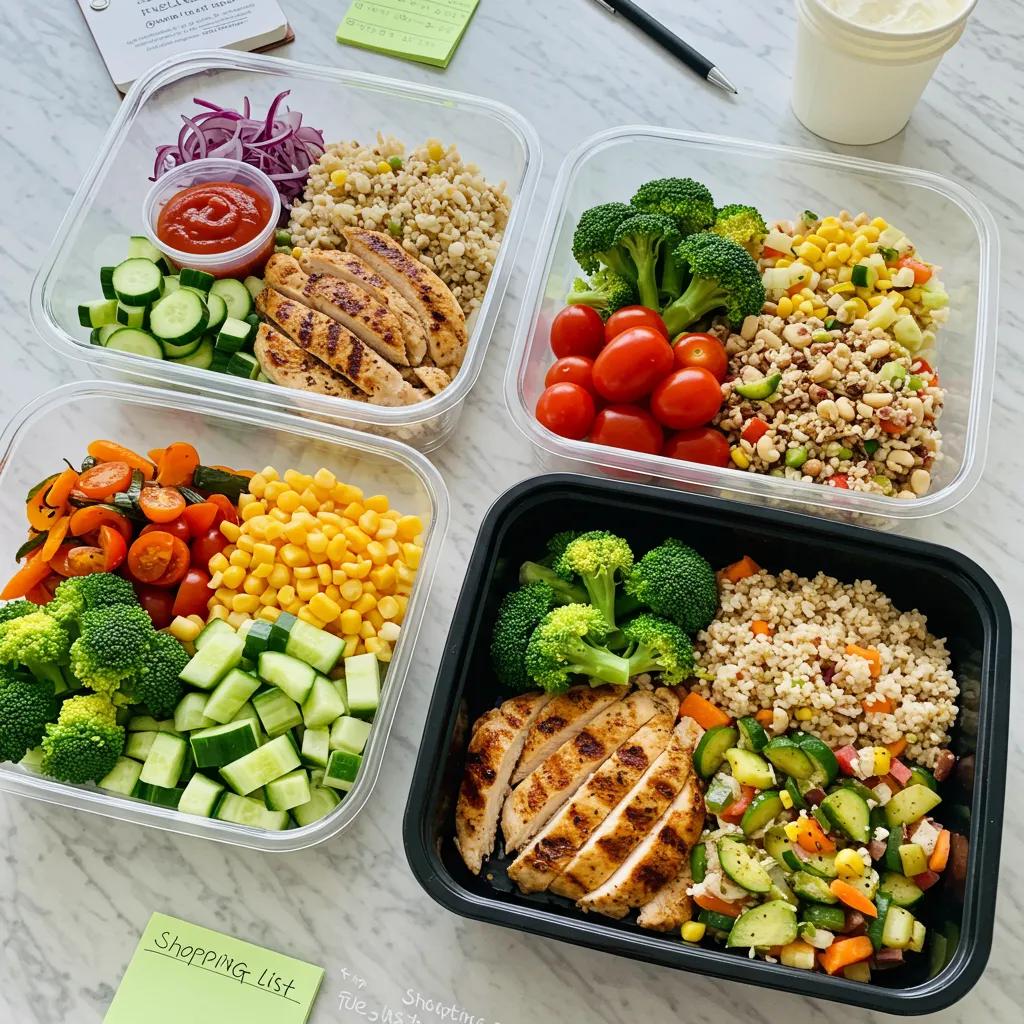
Meal planning lowers decision fatigue, saves time, and improves nutrition by prioritizing balanced plates across the week. Start with a short weekly template that assigns breakfasts, lunches, dinners and two snacks; pick 3–4 base recipes that scale, then batch-cook staples like dal, rice mixes and roasted vegetables to mix-and-match across meals. Good planning includes a concise shopping list that focuses on whole staples, a quick prep session (60–90 minutes) to chop and cook, and simple reheating strategies to retain texture and nutrients. Below are clear steps to begin meal planning and a compact table comparing quick options for different meals.
Follow the numbered plan below to make meal planning habitual.
- Set weekly goals: number of meals to prep and desired protein/veg targets.
- Choose 3–4 versatile recipes that use overlapping ingredients.
- Create a shopping list organized by store section and buy in bulk where sensible.
- Batch-cook staples and store in portioned containers for the week.
- Schedule two short prep sessions (start and midweek) to refresh supplies.
What Are Simple Breakfast Ideas That Promote Energy and Wellness?
Breakfasts that combine protein, fiber and a small healthy fat sustain energy and reduce mid-morning cravings. Options include overnight oats with yogurt and fruit, a vegetable omelette with whole-wheat toast, spiced lentil pancakes served with chutney, or a yogurt parfait layered with seasonal fruit and seeds. Prepare overnight or bake in advance for grab-and-go mornings, and keep boiled eggs or roasted chickpeas ready as portable protein sources. These breakfast choices stabilize blood sugar and set a nutritional tone for the day, enabling better food choices later on.
Small make-ahead steps—soaking oats or pre-roasting vegetables—save minutes and improve consistency with healthy breakfast habits.
Which Lunch and Dinner Recipes Are Both Healthy and Quick?
Quick balanced lunches and dinners use one-pan or 30-minute techniques with a mix of whole grains, lean protein and vegetables. Examples include a chickpea and spinach curry served with a brown rice mix, grilled fish with sabzi and lemon, or a stir-fry of chicken, seasonal veg and a small portion of whole-wheat noodles. Use leftovers by turning roasted vegetables into wraps or grain bowls with a dollop of yogurt and fresh herbs. Reheating tips: add a splash of water when microwaving rice or grains to retain moisture and briefly sauté proteins to restore texture.
These quick recipes minimize cleanup, retain nutrients, and adapt easily to local spice profiles and pantry items.
Below is a concise EAV table comparing quick meal options by prep time and nutritional highlights.
This comparison helps choose meals that fit time constraints while covering key nutrients.
How Can Healthy Snacks Support Your Daily Nutrition Goals?
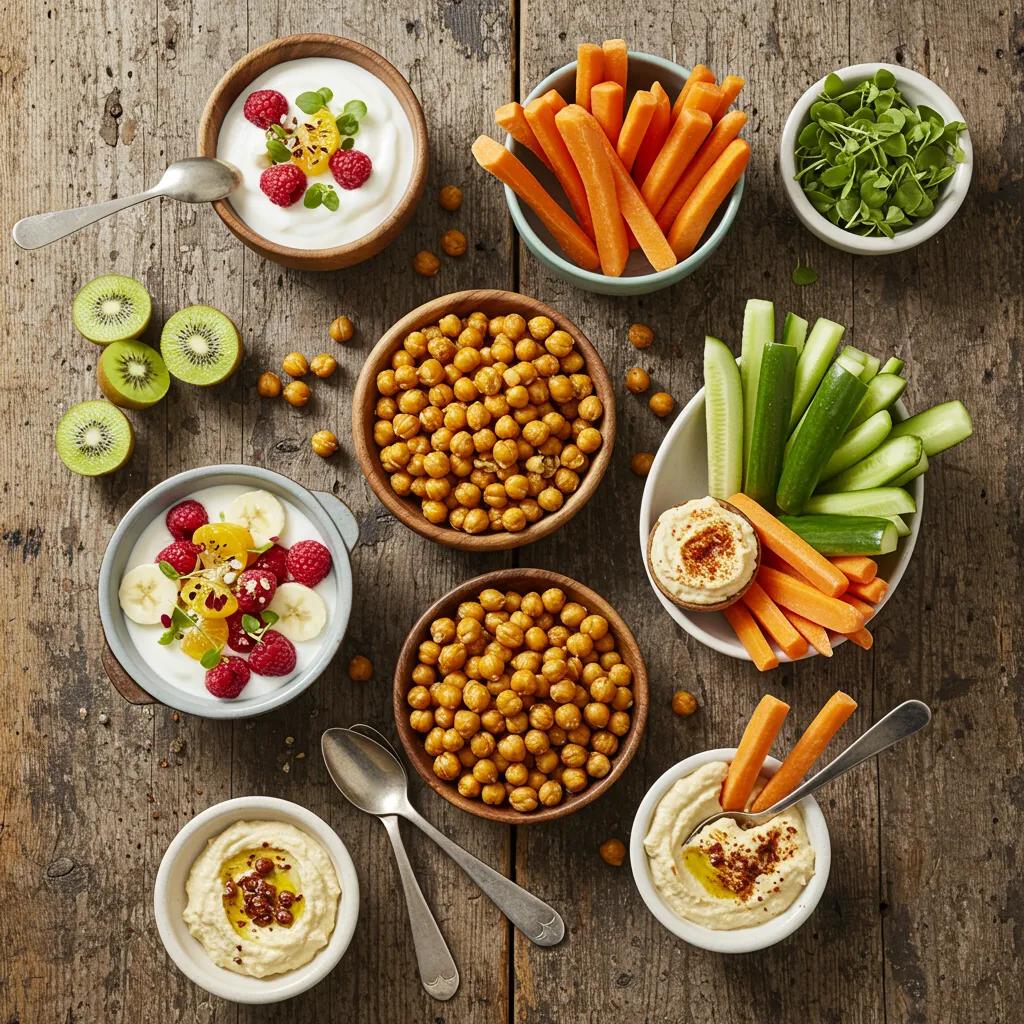
Snacks bridge meals, prevent energy slumps, and can deliver concentrated nutrients when chosen intentionally. Opt for protein-and-fiber combos like roasted chana, yogurt with fruit and seeds, nut-and-dried-fruit mixes (small portions), or cucumber and carrot sticks with hummus. Portable options for youth and commuters include boiled eggs, fruit chaat in sealed containers, and whole-grain wraps with leftover vegetables. Portion guidance matters: aim for 150–250 calorie snacks that help maintain energy without replacing meals, and monitor salt/sugar content in packaged snacks.
Strategic snacking prevents overeating at main meals and supports steady blood glucose and focused productivity.
What Are Effective Meal Planning Strategies for Beginners?
Beginners succeed by starting small and using repeatable templates: pick two breakfasts, two lunches, and two dinners for the week, build a simple shopping list, and schedule one 60–90 minute batch-cook session. Use portioned containers to store ready meals, label with dates, and rotate proteins to maintain nutrient variety. Adapting recipes to budget and family size means swapping pricier proteins for legumes several times weekly and increasing vegetable portions. A short checklist—plan, shop, prep, portion, rotate—creates a predictable rhythm that reduces waste and decision overload.
Over time, gradually add new recipes and seasonal produce to keep meals interesting while maintaining the planning routine.
What Are Some Easy Healthy Recipes Featuring Local Pakistani Ingredients?
Local staples like dal, chickpeas, whole-wheat atta and dahi can form the basis of healthier versions of favorite dishes that preserve flavor while cutting excess oil, salt and refined carbs. Adapting traditional recipes with baking, grilling and steaming retains familiar taste profiles while reducing calories. Below are practical recipe cards and swaps that highlight quick preparation, Pakistani-seasonal produce, and modest ingredient lists ideal for students and young professionals.
The following three recipe cards are designed for quick scanning and easy reproduction at home.
- Grilled Masala Fish with Mixed Sabzi — Prep 10 min, Cook 15 min. Lean protein, omega-3s, and vitamin-rich vegetables.
- Brown Rice & Dal Mix with Spinach — Prep 10 min, Cook 25 min. Fiber, plant protein, iron; mix brown and white rice for texture.
- Chana Chaat Bowl with Fresh Herbs — Prep 10 min. High-fiber, portable, protein-rich and adjustable spice levels for youth tastes.
How Can Traditional Pakistani Dishes Be Made Healthier?
Making traditional dishes healthier focuses on technique and ingredient swaps that reduce saturated fat, sugar and excess salt without losing flavor. Choose grilling, baking, or shallow pan-sautéing over deep-frying, use low-fat yogurt in place of cream, and pick leaner meat cuts or increase pulses to stretch protein affordably. Preserve flavor with spices, herbs and citrus rather than heavy oil or ghee, and add vegetables to curries and biryanis to boost fiber. These adjustments keep cultural authenticity while improving nutrient profiles and portion control.
Taste maintenance relies on layering spices and finishing with fresh herbs or lemon to enhance perceived richness without added calories.
What Are Popular Healthy Pakistani Dinner Recipes?
Healthy dinner options that stay true to local palates include dhal with a brown-rice mix, tandoori-style grilled chicken with a large salad, and light fish curries with minimal oil and plenty of vegetables. Each recipe emphasizes portioned lean protein, a controlled grain serving, and two generous servings of vegetables to balance the plate. Serving suggestions include a side of plain dahi or raita for probiotics and palate balance, and controlled use of chutneys to add flavor without excess sugar. These dinner choices support weight management, blood-sugar stability and satiety overnight.
Portion guidance—one palm-sized protein, one cupped hand of grains, and two fistfuls of vegetables—keeps dinners balanced and satisfying.
Which Seasonal Ingredients Enhance Pakistani Healthy Cooking?
Using seasonal produce reduces cost and increases nutrient density; for example, mango and guava in summer provide vitamin C, while spinach and methi (fenugreek) in winter supply iron and folate. Seasonal buying encourages variety across the year and helps plan meals around freshest options, like using bitter gourd sparingly for blood-sugar benefits or adding seasonal gourds to stews. Quick recipes that rotate seasonal greens into dals, omelettes or sabzis increase micronutrient intake with minimal extra prep. This seasonal approach saves money and improves flavor and nutrient intake.
Rotating seasonal ingredients also supports sustainable buying and connects traditional cooking rhythms to modern nutrition goals.
How Do You Prepare Balanced Pakistani Breakfast Recipes?
Balanced Pakistani breakfasts combine protein, fiber and healthy fats to start the day: spiced lentil pancakes served with chutney, vegetable omelette with whole-wheat toast, or a yogurt parfait layered with seasonal fruit, seeds and a drizzle of honey. Prep-friendly options include overnight soaked oats with yogurt and chopped seasonal fruit or small parathas made with atta mixed with grated vegetables and minimal oil on a non-stick pan. These breakfasts are kid- and student-friendly, portable when needed, and can be made ahead to save mornings. Small portions of nuts or a spoon of peanut butter add healthy fats and sustain fullness.
Consistent healthy breakfasts reduce midday snacking and support concentration and energy through the morning.
What Nutrition Advice Supports Specific Dietary Needs and Wellness Goals?
A balanced diet supports management of conditions like diabetes and heart disease and can be tailored to goals such as immunity or weight management by adjusting macronutrient proportions and food choices. For chronic conditions, emphasize fiber-rich whole grains and legumes, limit refined carbohydrates and added sugars, and choose unsaturated fats over saturated and trans fats. Registered dietitians provide personalized adjustments for medication, lifestyle and cultural preferences, while general evidence-based patterns—such as increasing pulses and vegetables—benefit most adults. Below are practical recommendations for common goals and key nutrients to monitor.
This section outlines condition-focused advice and the role of professionals.
How Does a Balanced Diet Help Manage Diabetes and Heart Health?
For diabetes and heart health, diets that reduce refined carbs, increase soluble fiber, and emphasize lean proteins and healthy fats improve glycemic control and lipid profiles. Replace refined flours with whole grains, include legumes daily for low-glycemic protein, and limit processed foods high in salt and trans fats. Portion control and regular meal timing prevent large glucose excursions and support steady energy. Clinical evidence supports these patterns for reducing cardiovascular risk, and individuals with conditions should coordinate changes with their healthcare providers.
Small, sustained dietary changes produce measurable improvements when paired with physical activity and medical guidance.
What Are the Key Macronutrients and Micronutrients to Know?
Macronutrients—protein, carbohydrates and fats—provide energy and structural components, while micronutrients like iron, calcium, vitamin D and B-vitamins support metabolic processes and immunity. Protein repairs tissues and supports muscle mass; complex carbohydrates from whole grains supply sustained energy; healthy fats aid absorption of fat-soluble vitamins. Local sources: lentils and chickpeas for protein and fiber, dairy for calcium and probiotics, spinach and legumes for iron and folate. Monitor signs of deficiency such as fatigue or poor wound healing and seek testing if symptoms persist.
Mapping nutrients to local foods makes diet planning practical and culturally relevant.
How Can You Boost Immunity Through Food Choices?
A food-first approach to immunity focuses on vitamin C-rich fruits, zinc-containing legumes and seeds, and probiotic foods like dahi to support gut-immune interactions. Include citrus, guava, seasonal fruits, garlic, onions and fermented dairy regularly, and prioritize a variety of plant foods for antioxidants. Supplements can have a role for diagnosed deficiencies but should not replace diverse food intake; discuss with a healthcare professional before starting new supplements. Hydration, sleep and physical activity complement diet-based immune support.
Balanced meals incorporating these components create a baseline for resilient immunity without overclaiming effects.
What Role Do Nutritionists and Dietitians Play in Healthy Eating?
Nutritionists and registered dietitians translate scientific nutrition recommendations into personalized, culturally appropriate meal plans that consider medical history, medications and lifestyle. They assess nutrient gaps, design realistic meal strategies, and provide behavior-change support to sustain habits. Seek a credentialed professional for chronic disease management, pregnancy, or significant weight changes; telehealth and clinic consultations can expand access. A single consultation often yields immediate practical adjustments like portion suggestions and shopping lists to improve adherence.
Professional guidance effectively bridges general guidance and individualized care when needed.
How Can You Shop Smart and Cook Healthy on a Budget?
Eating healthy on a budget emphasizes seasonal buying, bulk staples, smart portions and minimizing waste through planning. Buy pulses, whole grains, seasonal produce and eggs in larger quantities, compare local markets and grocery stores for staples, and prioritize ingredients that stretch across several meals. Cooking methods like steaming and light sautéing preserve nutrients while using less oil, and batch-cooking reduces per-meal cost and prevents impulse purchases. Below is an EAV table with cost-saving tips for common ingredients and seasons to guide economical choices.
Start with the short shopping strategy below before the table.
- Buy staples (lentils, rice, atta) in bulk to reduce unit cost.
- Shop seasonal produce at local markets for lower prices and better freshness.
- Choose whole produce over pre-cut options and prepare at home to save money.
What Are Tips for Buying Nutritious Foods Affordably?
Affordable nutritious buying relies on staples: pulses, eggs, seasonal greens, and bulk whole grains. Prioritize whole, minimally processed foods and use local markets for seasonal deals; buy frozen vegetables when fresh is expensive to preserve nutrients and reduce spoilage. Read labels to identify high-sugar or high-sodium packaged items and avoid deceptive marketing claims. Rotate proteins by using legumes several times weekly and supplement with eggs or small portions of fish to maintain nutrient adequacy.
Incremental budgeting shifts—such as buying a larger bag of atta and portioning it—lower long-term food costs and increase meal options.
How Do You Reduce Food Waste While Eating Healthy?
Reducing waste saves money and conserves nutrients by planning portions, storing produce correctly, and repurposing leftovers into new meals. Use vegetable stalks and bones to make stocks, turn stale roti into crumbs for cooking, and freeze individual portions for later use. Label containers with dates and organize the fridge so older items are used first. Batch-cooking with planned menus reduces excess purchase and helps maintain consistent healthy eating habits.
Simple reuse strategies turn potential waste into convenient meal components and lower household food expenses.
Which Cooking Methods Preserve Nutrients Best?
Steaming, quick sautéing and pressure cooking often preserve vitamins and minerals better than prolonged boiling or deep frying, because they reduce exposure to high temperatures and water loss. For leafy greens, quick steaming retains water-soluble vitamins; for proteins, gentle grilling or baking keeps texture and reduces added fats. Use minimal water when boiling and reseal lids to capture steam nutrients. These choices balance nutrient retention with flavor and are practical in typical Pakistani kitchens.
Choosing the right cooking method per ingredient helps maximize nutrient intake from each meal.
How Can You Prepare Meals in Advance to Save Time and Money?
Meal-advance practices include batch-cooking staples, portioning into reusable containers, and freezing portions for later weeks; this reduces daily prep time and supports consistent portions. Use airtight containers, cool food before freezing, and label with dates for safety. Plan a rotating menu so frozen meals are consumed within recommended timeframes and maintain variety by changing sauces or side salads when reheating. Investing in a few quality containers and reheating strategies yields ongoing time and cost savings.
Consistent prep workflows remove decision friction and make healthy choices the default during busy weeks.
What Are the Latest Health and Nutrition Trends Impacting Healthy Eating?
Current trends influencing food choices include the rise of plant-based flexitarian patterns, greater attention to gut health and probiotics, and personalized nutrition that tailors eating patterns to individual needs. These trends intersect with local realities—cost sensitivity, seasonal availability and youth-driven social media food culture—shaping what becomes practical for most households. News outlets like ARY News can report on emerging research, local campaigns and market changes that affect diets and public behaviors. Recent studies indicate growing interest in probiotic-rich foods, while economic trends push many toward affordable plant-based proteins.
Understanding these trends helps readers adapt evidence-based practices to everyday choices and local constraints.
How Is the Rise of Plant-Based Diets Influencing Meal Choices?
Plant-based and flexitarian approaches increase consumption of legumes, whole grains and vegetables while allowing occasional animal protein, making adoption culturally accessible and affordable. In Pakistan, incorporating more dal, chana and mixed vegetable dishes fulfills protein needs without large cost increases and reduces environmental impact. Flexitarian swaps—replacing one meat meal per day with a legume-based curry or vegetable stir-fry—deliver health benefits and preserve traditional flavors. Cost and accessibility advantages make plant-forward options especially relevant for young people and budget-conscious households.
These shifts encourage small, sustainable changes rather than all-or-nothing dietary overhauls.
What Is the Importance of Gut Health and Probiotics in Diet?
Gut health affects digestion, immunity and even mood, and probiotic foods like dahi (yogurt) and fermented vegetables provide live cultures that support microbiome balance. Prebiotic fibers from whole grains, onions, garlic and legumes feed beneficial microbes, while fermented dairy supplies probiotic strains that help maintain intestinal barrier function. Recent studies show diet-modulated microbiome changes correlate with metabolic and immune outcomes, though effects vary individually. Including dahi and fiber-rich plant foods regularly supports gut health without reliance on supplements for most people.
Practical recipes—raita with meals, fermented achar in small amounts, and daily fiber—integrate gut-friendly elements seamlessly.
How Do Public Health Campaigns in Pakistan Promote Healthy Eating?
Public health campaigns typically promote awareness, screening and policy approaches—such as subsidizing healthy staples or running media education on balanced diets—to shift population-level behaviors. News coverage amplifies these efforts, connects readers to local resources, and interprets scientific recommendations for lay audiences. “To provide timely and comprehensive news and current affairs coverage, keeping the audience informed and engaged with diverse content.” By reporting on campaigns, ARY News can help increase reach and explain practical steps citizens can take in response to local initiatives.
Readers can follow local campaign announcements through news reporting to find community programs, subsidies or nutrition workshops that support healthier choices.
Dietary Patterns and Public Health in Multan, Pakistan
A healthy diet is crucial for maintaining overall well-being. One of the primary objectives of this research was to assess people’s understanding of dietary patterns. “Nutritional pattern and its impacts upon the health of citizens” was the focus of the current quantitative investigation. The current study was conducted in the city of Multan, Pakistan. The study also examines the connection between fast food and its effects on citizens’ health.
Dietary patterns and their impact on public health: A case study of Multan, Pakistan, 2025
What Are Quick Healthy Food Ideas Popular Among Pakistani Youth?
Youth-friendly healthy ideas include protein-rich wraps with leftover grilled vegetables, fruit-and-yogurt smoothie bowls with seeds for texture, fusion rice bowls using brown rice and spicy legumes, and toasted chickpea snacks. These formats favor portability, visual appeal for social sharing, and short prep times—attributes that resonate with social media-savvy audiences aged 16–32. Cost-conscious swaps keep portions affordable, while plating and quick video demos increase uptake. Offering a mix of flavor, convenience and visual cues helps young people choose healthier options without sacrificing social trends.
Short recipe videos and step-by-step photos amplify adoption among youth and encourage repeated cooking.
Healthy Lifestyle and Dietary Habits of Students in Karachi, Pakistan
OBJECTIVE: To objectively compare the differences in knowledge and practices regarding healthy lifestyle among medical and non-medical students of Karachi along with assessment of any perceived barriers.METHODS: This cross-sectional study included 350 students between ages 17-24 years from 6 private universities of Karachi–three medical and three non-medical Institutions. A self-reported questionnaire was employed to assess attitude and barriers to healthy practices among the simple random selection of students.
Knowledge and practice of healthy lifestyle and dietary habits in medical and non-medical students of Karachi, Pakistan, S Shoukat, 2009
What Frequently Asked Questions Do People Have About Healthy Eating and Recipes?
This final section provides concise answers to common questions people ask when starting healthier eating habits, with practical steps and local context to make action immediate. The Q&A below is designed for quick scanning and direct application, focusing on habits, high-value foods, budgeting, and the basic definition of a balanced diet.
What Are 5 Simple Healthy Eating Habits to Start Today?
Begin with small, evidence-backed habits that compound into lasting change and require minimal cost or special foods.
- Drink water regularly and swap sugary drinks for water or dahi-based beverages.
- Add one vegetable to every main meal, using seasonal produce when possible.
- Replace refined grains with mixed whole grains (e.g., brown rice + white rice mix).
- Include a pulse-based protein (lentils, chickpeas) at least once daily.
- Use the plate method for portions: half veg, quarter protein, quarter grains.
Which 10 Foods Are Best for a Balanced Diet?
A short, locally relevant list of nutrient-dense foods helps prioritize purchases and meal choices.
- Lentils (dal) — plant protein and fiber.
- Chickpeas (chana) — fiber and iron.
- Whole-wheat atta — complex carbohydrates and B-vitamins.
- Yogurt (dahi) — calcium and probiotics.
- Spinach (palak) — iron and folate.
- Seasonal fruits (mango, guava) — vitamin C.
- Eggs — complete protein and choline.
- Fish (when affordable) — lean protein and omega-3s.
- Olive oil or small amounts of nuts — healthy fats.
- Brown rice — sustained-energy carbohydrate.
How Can I Eat Healthy on a Tight Budget?
Budget-friendly healthy eating focuses on staples, seasonality and planning to maximize nutrition per rupee.
- Buy dried pulses and whole grains in bulk.
- Shop seasonal produce at local bazaars and use frozen items when fresh is costly.
- Batch-cook and freeze portions to avoid daily cooked-meal expenses.
- Use eggs and legumes as frequent protein sources instead of pricier meats.
- Minimize packaged foods and prepare condiments at home to control salt and sugar.
A sample low-cost daily menu: dal with mixed rice, a side of seasonal sabzi, a fruit snack, and yogurt—nutritious, filling, and affordable.
What Is a Balanced Diet for Adults and Why Is It Important?
A balanced diet supplies adequate macronutrients (protein, healthy carbs, fats) and essential micronutrients daily to support energy, immune function, cognitive performance and chronic-disease prevention. Practically, this means combining whole grains, pulses, vegetables, fruits, lean proteins and small amounts of healthy fats across meals, using portion control and variety to meet nutrient needs. Consistent balanced eating improves long-term outcomes such as reduced risk of cardiovascular disease and better blood-sugar control. Adopting balanced patterns tailored to local foods makes nutritional goals sustainable and culturally resonant.
Conclusion
Embracing a balanced diet is essential for enhancing overall health and well-being, providing the necessary nutrients to support energy, immunity, and longevity. This guide equips you with practical tips and easy recipes tailored to local ingredients, making healthy eating accessible and enjoyable. By implementing these strategies, you can take immediate steps towards a healthier lifestyle that fits your busy schedule. Start your journey today by exploring our collection of nutritious recipes and meal planning resources.